סריקה בתהליך...
הניתוח עשוי לארוך 30–90 שניות
הידעת?
הסרטון אינו מכיל תוכן רפואי
חושבים שחלה טעות?
אם לדעתכם הסרטון אכן עוסק בטענות רפואיות או בריאותיות, הוסיפו הסבר קצר ושלחו בקשה לבדיקה מחדש.
הבקשה התקבלה! נבדוק את הסרטון ונחזור אליכם.
אירעה שגיאה בשליחת הבקשה. נסו שוב.
דו״ח מאומת
הסרטון מציג מידע מדויק ומגובה במחקרים מדעיים אמינים.
סיכום
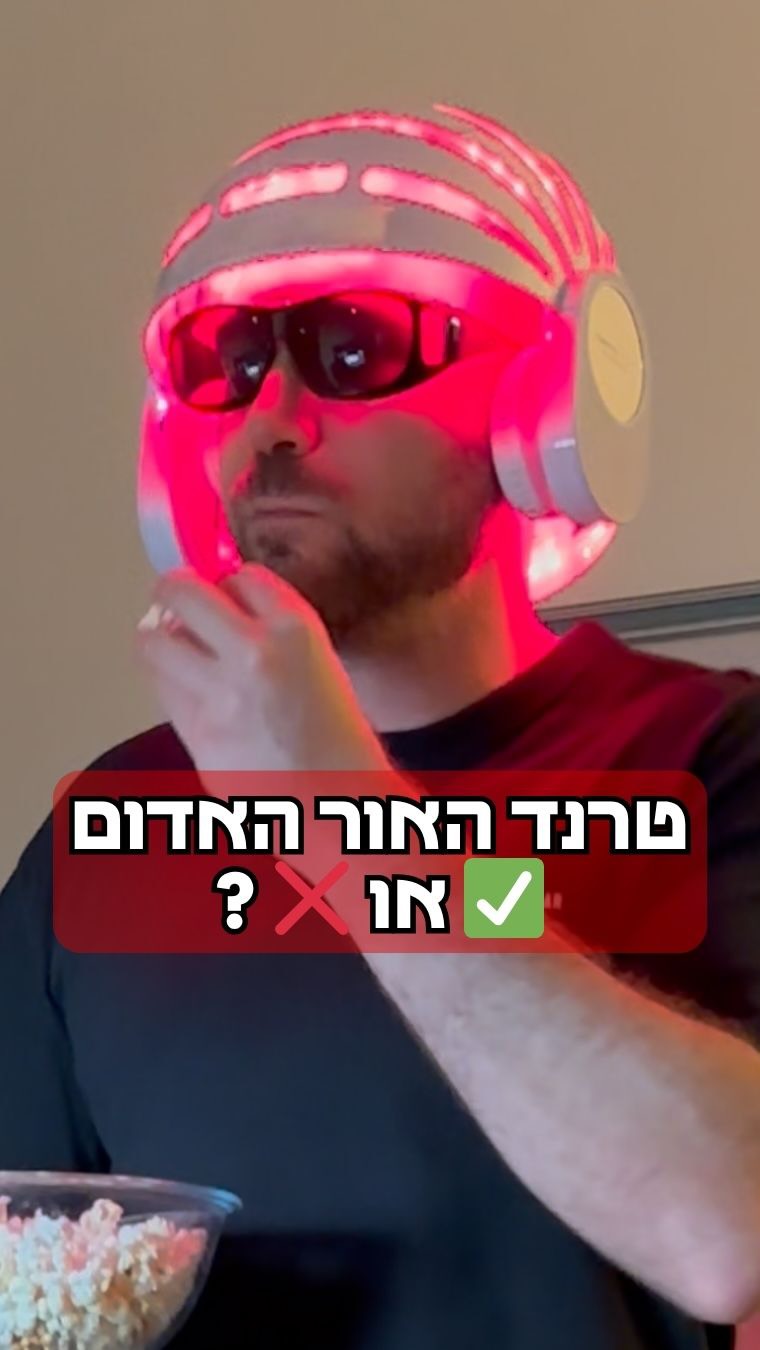
הטענות שהוצגו לגבי השימוש באור אדום (Photobiomodulation) נתמכות על ידי הספרות המדעית הקיימת ב-PubMed. המחקרים מאשרים את הפוטנציאל של אור אדום בייצור קולגן, עידוד צמיחת שיער וריפוי פצעים, תוך הדגשת החשיבות של התמדה בטיפול ושונות בתוצאות בהתאם לפרמטרים הטכניים. כמו כן, קיימת הסכמה מדעית כי עבור מצבים רפואיים מסוימים, קיימים טיפולים סטנדרטיים בעלי בסיס ראיות מבוסס יותר.
analytics ניתוח טענות מבוסס ראיות
"כאשר מקרינים אור אדום באורכי גל מסוימים, זה יכול לקדם תהליכים שקשורים לייצור קולגן והתחדשות של העור."
מסקנת הבדיקה:
מחקרים מדעיים, כולל סקירות ספרות, מאשרים כי טיפול באור אדום (Photobiomodulation) באורכי גל ספציפיים משפיע על תפקוד המיטוכונדריה בתאי העור, מה שמוביל לעידוד ייצור קולגן ותהליכי התחדשות עורית. (🟩)
chevron_right מקורות מדעיים: (4)
-
link
Nonablative skin resurfacing: the role of PDT.
As demand for less invasive, highly effective cosmetic procedures grows, dermatologists must continue to explore and develop new treatment options. Nonablative skin resurfacing techniques offer an effective and noninvasive treatment for photorejuvenation. Several studies have shown improvement of photodamaged skin and increased collagen production after nonablative treatments using vascular lasers, mid-infrared lasers, intense pulsed light, radiofrequency devices, fractional resurfacing, and plasma skin rejuvenation. Among the novel methods for maximizing the efficacy of nonablative treatment is the concurrent use of a photosensitizing agent. The light sources currently most used for photodynamic rejuvenation are intense pulsed light and pulsed dye laser. We present some preliminary results on rejuvenation using Metvix and red light. We are still far from a thorough understanding of the molecular mechanism of rejuvenation with this technique, although a nonspecific immune response could be involved. Understanding the laser-tissue interactions associated with photodynamic therapy is crucial in selecting patients that will most likely benefit.…
PMID: 16989190
-
link
What to Look for in Red Light Therapy: A Product Guide Backed by Science.
Photobiomodulation (PBM) is an emerging non-invasive modality for skin rejuvenation that utilizes specific wavelengths of red and near-infrared (NIR) light to enhance mitochondrial function and promote cellular repair. The downstream effects of mitochondrial efficiency improve wound healing, pain relief, and aesthetic outcomes. Although early research has encouraging results, the exact pathways by which PBM exerts its effects are still under investigation. PBM is known by other names, including red light therapy and low-level light therapy. Consumer devices are available in many forms, such as masks, wands, hand-held panels, laser caps, and full-body systems. With the rise in popularity, understanding the underlying biological mechanisms of PBM is becoming increasingly important. Equally critical is the selection of a product that has undergone the necessary U.S. Food and Drug Administration (FDA) channels, ensuring the device is backed by scientific evidence. This paper specifically serves as a guide for selecting safe, evidence-based PBM mask devices. This review discusses the mitochondrial and enzymatic mechanisms of action while providing a comprehensive literature review of available mask products that are both FDA-cleared and supported by scientific papers.…
PMID: 42005232
-
link
Intense pulsed light induces synthesis of dermal extracellular proteins in vitro.
Intense pulsed light (IPL) devices have been shown to be highly effective for the skin rejuvenation. In our study, we try to elucidate effects of IPL in fibroblast proliferation, in gene expression, and in extracellular matrix protein production. 1BR3G human skin fibroblasts were used to test the effects of an IPL device (MiniSilk FT, Deka®). Fibroblasts were divided into three groups: group 1 was irradiated with filter 800-1200 nm (frequency 10 Hz, 15 s, fluence 60.1 J/cm) twice; group 2 was irradiated with filter 550-1200 nm (double pulse 5 ms + 5 ms, delay 10 ms, fluence 13 J/cm2) twice; and group 3 was irradiated with filter 550-1200 nm (frequency 10 Hz, 15 s, fluence 60.1 J/cm2) twice. To determine changes in gene expression, messenger RNA (mRNA) levels for collagen types I and III and metalloproteinase 1 (MMP-1) were performed 48 h after irradiation. To determine changes in hyaluronic acid, versican, and decorin, mRNA and ELISA tests were performed after 48 h of treatment. In addition to this, a Picro-Sirius red staining for collagen was made. The study showed an increase of mRNA and hyaluronic acid, decorin, and versican production. With RT-PCR assays, an increase mRNA for collagen type I, type III, and MMP-1 was observed. Collagen and hyaluronic synthesis was increased in all groups with no differences among them, while decorin and versican synthesis was higher in those groups irradiated with 550-1200-nm filters with no dependence of type pulse or total energy dose. IPL applied in vitro cultured cells increases fibroblasts activity. Synthesis of extracellular proteins seems to be produced more specifically in determined wavelengths, which could demonstrate a biochemical mechanism light depending.…
PMID: 26188855
-
link
Biological and Therapeutic Responses of Human Skin to Different Wavelengths of Light: A Comprehensive Review.
<b>Introduction:</b> Light-based therapies have emerged as promising, noninvasive approaches in dermatology and regenerative medicine. Different wavelengths within the visible and near-infrared spectrum produce distinct biological effects on skin tissue, influencing pigmentation, inflammation, wound healing, collagen synthesis, and aging. Objective: This review aims to summarize current evidence on cellular and molecular mechanisms underlying skin-specific responses to various wavelengths within the visible and near-infrared spectrum, including violet, blue, green, yellow, red, and near-infrared light. <b>Methods:</b> A comprehensive literature review was conducted, including data from in vitro, in vivo, and clinical studies addressing wavelength-specific biological responses, therapeutic potential, and safety profiles. <b>Results:</b> Findings suggest that violet light and blue light display antimicrobial and anti-keloid activity but may also induce oxidative stress. Green light and yellow light mainly support wound healing, angiogenesis, and collagen preservation. Red light and near-infrared light are well established for photobiomodulation, skin rejuvenation, and wound repair, though optimal dosing and long-term safety require further study. Safety concerns such as oxidative stress, DNA damage, and pigmentation, especially in darker skin phototypes, are highlighted. <b>Conclusion:</b> Light-based therapies hold significant promise for dermatological and aesthetic applications. Nonetheless, standardized treatment protocols and randomized clinical trials are essential to determine optimal wavelength parameters, dosing strategies, and long-term safety.…
PMID: 41789284
"אור אדום יכול לעודד תהליכים שקשורים לצמיחה ולעיבוי השערה בזקיקי השיער."
מסקנת הבדיקה:
קיימות עדויות ממחקרים קליניים ומעבדתיים המצביעות על כך שאור אדום (סביב 650-655 ננומטר) יכול לעודד צמיחת שיער על ידי הפעלת מסלולי איתות תאיים (כגון Wnt/β-catenin) בזקיקי השיער. (🟩)
chevron_right מקורות מדעיים: (3)
-
link
Hair Growth Promoting Effects of 650 nm Red Light Stimulation on Human Hair Follicles and Study of Its Mechanisms via RNA Sequencing Transcriptome Analysis.
Androgenetic alopecia (AGA) leads to thinning of scalp hair and affects 60%~70% of the adult population worldwide. Developing more effective treatments and studying its mechanism are of great significance. Previous clinical studies have revealed that hair growth is stimulated by 650-nm red light. This study aimed to explore the effect and mechanism of 650-nm red light on the treatment of AGA by using Human hair follicles were obtained from hair transplant patients with AGA. Hair follicles were cultured in Williams E medium and treated with or without 650-nm red light. Real-time RT-PCR and immunofluorescence staining were used to detect the expression level of genes and proteins in hair follicles, respectively. RNA-sequencing analysis was carried out to reveal the distinct gene signatures upon 650 nm treatment. Low-level 650 nm red light promoted the proliferation of human hair follicles in the experimental cultured-tissue model. Consistently, 650 nm red light significantly delayed the transition of hair cycle from anagen to catagen The effect of 650-nm red light on…
PMID: 34858007
-
link
Activation of Wnt/β-catenin signaling is involved in hair growth-promoting effect of 655-nm red light and LED in in vitro culture model.
Activation of the Wnt/β-catenin signaling pathway plays an important role in hair follicle morphogenesis and hair growth. Recently, low-level laser therapy (LLLT) was evaluated for stimulating hair growth in numerous clinical studies, in which 655-nm red light was found to be most effective and practical for stimulating hair growth. We evaluated whether 655-nm red light + light-emitting diode (LED) could promote human hair growth by activating Wnt/β-catenin signaling. An in vitro culture of human hair follicles (HFs) was irradiated with different intensities of 655-nm red light + LED, 21 h7 (an inhibitor of β-catenin), or both. Immunofluorescence staining was performed to assess the expression of β-catenin, GSK3β, p-GSK3β, and Lef1 in the Wnt/β-catenin signaling. The 655-nm red light + LED not only enhanced hair shaft elongation, but also reduced catagen transition in human hair follicle organ culture, with the greatest effectiveness observed at 5 min (0.839 J/cm…
PMID: 29468283
-
link
Convergent Regenerative Strategies in PM&R for Musculoskeletal and Hair Restoration: Integration of PRP, Exosomes, and Physical Modalities.
Regenerative medicine has emerged as a transformative approach for both musculoskeletal disorders and hair follicle dysfunction by targeting shared biological mechanisms underlying tissue repair and renewal. Conditions such as tendinopathies, osteoarthritis, and alopecia contribute substantially to physical morbidity and psychosocial burden, while conventional therapies often provide limited or symptomatic relief. This Physical Medicine and Rehabilitation-centered review synthesized evidence on convergent regenerative pathways involved in musculoskeletal healing and hair follicle restoration, with a focused analysis of platelet-rich plasma, exosomes and cell-free biologics, and physical modalities, including low-level laser therapy and mechanotransduction. Across both tissue systems, these modalities modulate stem cell activity, angiogenesis, inflammatory signaling, and extracellular matrix remodeling through shared molecular pathways, including Wnt/β-catenin, TGF-β, IGF-1, PDGF, and VEGF signaling. Despite tissue-specific differences in cellular architecture and repair demands, overlapping regenerative mechanisms enable translational application of biologic, photo-biomodulatory, and mechanical therapies across orthopedic and dermatologic contexts. This review highlights clinical evidence, practical considerations, and regulatory challenges, while identifying gaps in standardization, dosing, and outcome measures. By framing hair follicle restoration and musculoskeletal healing within a unified regenerative paradigm, physical medicine and rehabilitation is positioned to bridge these traditionally distinct domains and advance biologically driven, minimally invasive therapies aimed at true tissue regeneration rather than symptom modulation alone.…
PMID: 41852798
"קיימת שונות בין המחקרים ובין המכשירים השונים שנבדקו בנוגע ליעילות הטיפול."
מסקנת הבדיקה:
הספרות המדעית מצביעה על שונות משמעותית בפרמטרים של הטיפול (אורך גל, עוצמה, משך חשיפה) ובתוצאות הקליניות בין מחקרים שונים, מה שמעיד על היעדר סטנדרטיזציה מלאה בתחום. (🟩)
chevron_right מקורות מדעיים: (2)
-
link
Dose-response and efficacy of 660-nanometer low-level laser therapy in healing diabetic foot ulcers: a randomized, double-blind, clinical trial.
Diabetic foot ulcers (DFU) negatively impact the quality of life and increase the risk of morbidity and mortality. Although photobiomodulation (PBM) produces better results in DFU healing than standard treatment or in the absence of irradiation, the ideal parameters are not standardized. This study aimed to evaluate the effect of PBM at a wavelength of 660 nm on reducing the DFU area. We compared the PBM treatment of non-infected DFUs. The sessions were held twice a week on non-consecutive days for 10 weeks (20 interventions) using HeNe 660 nm, 20 mW, in continuous mode, with three energy densities (4 J/cm…
PMID: 41028567
-
link
Clinical dosimetry and efficacy of LED photobiomodulation for chronic lower-limb wound healing: a systematic review of randomized trials.
Chronic lower-limb wounds represent a major clinical and socioeconomic burden due to delayed healing and high recurrence rates. Light-emitting diode (LED) photobiomodulation has been proposed as a noninvasive and low-cost adjunctive therapy; however, clinical evidence remains inconsistent. This systematic review aimed to synthesize evidence from randomized clinical trials investigating the efficacy of LED photobiomodulation for chronic lower-limb wound healing and to identify irradiation parameters associated with improved outcomes. A comprehensive search was conducted in PubMed, Scopus, Web of Science, and Embase up to May 2026. Six randomized clinical trials met the inclusion criteria. Wavelengths ranged from 620 to 950 nm, and energy densities varied between 2.4 and 126 J/cm². The findings suggest that LED photobiomodulation may promote wound area reduction, improve wound bed quality, and increase microcirculation, particularly in diabetic foot ulcers. However, one study using a high energy density (126 J/cm²) did not demonstrate beneficial effects, suggesting a possible dose-dependent response. The overall certainty of the evidence, assessed using the GRADE approach, was classified as very low due to inconsistency and indirectness among the included studies. Although LED photobiomodulation appears to be safe and demonstrates therapeutic potential, substantial heterogeneity in irradiation parameters, small sample sizes, and methodological limitations preclude definitive conclusions regarding its clinical efficacy. Well-designed randomized controlled trials with standardized protocols and dose-response investigations are needed to establish optimal therapeutic parameters and confirm clinical efficacy.…
PMID: 42315692
"כדי לראות תוצאות מטיפול באור אדום, יש להתמיד בשימוש קבוע במשך שבועות עד חודשים."
מסקנת הבדיקה:
טיפולים מבוססי אור דורשים לרוב סדרת טיפולים עקבית לאורך זמן (שבועות עד חודשים) כדי להשיג תוצאות קליניות נראות לעין, כפי שעולה ממחקרים על ריפוי פצעים וטיפולים דרמטולוגיים. (🟩)
chevron_right מקורות מדעיים: (3)
-
link
[Efficacy and safety evaluation of systemic red light therapy for burn wound repair].
To investigate effects of systemic red light therapy on wound repair of burned patients and discuss its possible mechanisms of wound healing promotion. 138 burned patients were randomly divided into systemic red light treatment group (n = 69) and control group (n = 69). Patients in control group received routine therapy, while those in test group were given systemic red light therapy once a day, 30 minutes at a time until the wounds were recovered. The clinical findings and variables indicating wound repair were assessed on the 7th, 10th, 14th day, 21st day post-burn and the day when the wounds were healed. Mean time of wound recovery were 19.86 +/- 2.43 days and 21.02 +/- 2.97 days respectively of those deep-thickness wounds in test group and control group, with statistically significance (P < 0.05). For the severity of the pain, VAS during time of dressing change on the 10th, 14th day post burn was lower in test group than that in control group which indicated less painful in test group (P < 0.05), suggesting pain relief effect of systemic red light therapy. Systemic red light therapy was effective to promote wound healing of deep-thickness burn wounds and other similar acute wounds. Simultaneously, it is efficacious in pain relief and safe for those patients.…
PMID: 21033120
-
link
Clinical dosimetry and efficacy of LED photobiomodulation for chronic lower-limb wound healing: a systematic review of randomized trials.
Chronic lower-limb wounds represent a major clinical and socioeconomic burden due to delayed healing and high recurrence rates. Light-emitting diode (LED) photobiomodulation has been proposed as a noninvasive and low-cost adjunctive therapy; however, clinical evidence remains inconsistent. This systematic review aimed to synthesize evidence from randomized clinical trials investigating the efficacy of LED photobiomodulation for chronic lower-limb wound healing and to identify irradiation parameters associated with improved outcomes. A comprehensive search was conducted in PubMed, Scopus, Web of Science, and Embase up to May 2026. Six randomized clinical trials met the inclusion criteria. Wavelengths ranged from 620 to 950 nm, and energy densities varied between 2.4 and 126 J/cm². The findings suggest that LED photobiomodulation may promote wound area reduction, improve wound bed quality, and increase microcirculation, particularly in diabetic foot ulcers. However, one study using a high energy density (126 J/cm²) did not demonstrate beneficial effects, suggesting a possible dose-dependent response. The overall certainty of the evidence, assessed using the GRADE approach, was classified as very low due to inconsistency and indirectness among the included studies. Although LED photobiomodulation appears to be safe and demonstrates therapeutic potential, substantial heterogeneity in irradiation parameters, small sample sizes, and methodological limitations preclude definitive conclusions regarding its clinical efficacy. Well-designed randomized controlled trials with standardized protocols and dose-response investigations are needed to establish optimal therapeutic parameters and confirm clinical efficacy.…
PMID: 42315692
-
link
Photobiomodulation therapy for oral mucositis: clinical experience from a supportive care program at the Indian Institute of Head and Neck Oncology.
<h4>Background</h4>Photobiomodulation (PBM), the therapeutic use of non-ionizing red to near-infrared light, has emerged as a safe, non-invasive, evidence-based modality for managing oral mucositis (OM) in oncology.<h4>Objective</h4>To evaluate the feasibility and therapeutic outcomes of photobiomodulation therapy (PBMT) within a structured multidisciplinary supportive care pathway at a charitable oncology center in India, specifically comparing outcomes against a historical control cohort.<h4>Methods</h4>This observational cohort study included 132 patients with head and neck squamous cell carcinoma undergoing curative or adjuvant radiotherapy/chemoradiotherapy. PBMT was initiated at first clinical evidence of mucositis (WHO grade ≥ 1). Baseline for analysis was defined as the time of PBMT initiation. Outcomes were compared with a matched historical control cohort (n = 100) treated prior to PBMT implementation.<h4>Results</h4>Severe mucositis (grades 3-4) in the PBMT cohort declined from 57% at baseline (time of PBMT initiation) to 2% at 8 weeks. The PBMT cohort demonstrated significantly superior outcomes compared to historical controls, including lower peak mucositis grades (2.9 vs. 3.5; p < 0.01), shorter duration of severe mucositis (1.2 vs. 3.4 weeks; p < 0.01), and reduced opioid reliance (57% vs. 85%; p < 0.01).<h4>Conclusion</h4>PBMT was associated with improved mucositis severity and pain outcomes within a structured supportive care framework in head and neck cancer patients in tertiary cancer center. Compared with historical controls, PBMT was associated with lower peak mucositis grades shorter duration of severe mucositis and reduced opioid use. This findings suggest that PBMT may represent a practical adjunct in resource constrain oncology settings.…
PMID: 42234177
"קיימים היום טיפולים סטנדרטיים עם ראיות חזקות יותר מאשר טיפול באור אדום."
מסקנת הבדיקה:
עבור מצבים רפואיים רבים, קיימים טיפולים סטנדרטיים (כגון תרופות או פרוצדורות כירורגיות) המגובים בבסיס ראיות רחב ומבוסס יותר מאשר טיפול באור אדום, המשמש לעיתים קרובות כטיפול משלים או חלופי. (🟩)
chevron_right מקורות מדעיים: (3)
-
link
Brain stimulation and other biological non-pharmacological interventions in mental disorders: An umbrella review.
The degree of efficacy, safety, quality, and certainty of meta-analytic evidence of biological non-pharmacological treatments in mental disorders is unclear. We conducted an umbrella review (PubMed/Cochrane Library/PsycINFO-04-Jul-2021, PROSPERO/CRD42020158827) for meta-analyses of randomized controlled trials (RCTs) on deep brain stimulation (DBS), transcranial magnetic stimulation (TMS), transcranial direct current stimulation (tDCS), electro-convulsive therapy (ECT), and others. Co-primary outcomes were standardized mean differences (SMD) of disease-specific symptoms, and acceptability (for all-cause discontinuation). Evidence was assessed with AMSTAR/AMSTAR-Content/GRADE. We selected 102 meta-analyses. Effective interventions compared to sham were in depressive disorders: ECT (SMD=0.91/GRADE=moderate), TMS (SMD=0.51/GRADE=moderate), tDCS (SMD=0.46/GRADE=low), DBS (SMD=0.42/GRADE=very low), light therapy (SMD=0.41/GRADE=low); schizophrenia: ECT (SMD=0.88/GRADE=moderate), tDCS (SMD=0.45/GRADE=very low), TMS (prefrontal theta-burst, SMD=0.58/GRADE=low; left-temporoparietal, SMD=0.42/GRADE=low); substance use disorder: TMS (high frequency-dorsolateral-prefrontal-deep (SMD=1.16/GRADE=moderate), high frequency-left dorsolateral-prefrontal (SMD=0.77/GRADE=very low); OCD: DBS (SMD=0.89/GRADE=moderate), TMS (SMD=0.64/GRADE=very low); PTSD: TMS (SMD=0.46/GRADE=moderate); generalized anxiety disorder: TMS (SMD=0.68/GRADE=low); ADHD: tDCS (SMD=0.23/GRADE=moderate); autism: tDCS (SMD=0.97/GRADE=very low). No significant differences for acceptability emerged. Median AMSTAR/AMSTAR-Content was 8/2 (suggesting high-quality meta-analyses/low-quality RCTs), GRADE low. Despite limited certainty, biological non-pharmacological interventions are effective and safe for numerous mental conditions. Results inform future research, and guidelines. None.…
PMID: 35714757
-
link
Interventions for myopia control in children: a living systematic review and network meta-analysis.
The increasing prevalence of myopia is a growing global public health problem, in terms of rates of uncorrected refractive error and significantly, an increased risk of visual impairment due to myopia-related ocular morbidity. Interventions to slow its progression are needed in childhood, when myopia progression is most rapid. This is a review update, conducted as part of a living systematic review. To assess the comparative efficacy and safety of interventions for slowing myopia progression in children using network meta-analysis (NMA). To generate a relative ranking of interventions according to their efficacy. To produce a brief economic commentary, summarising economic evaluations. We searched CENTRAL, MEDLINE, Embase, and three trial registers. The latest search date was 19 February 2024. We included randomised controlled trials (RCTs) of optical, pharmacological, light therapy and behavioural interventions for slowing myopia progression in children, up to 18 years old. Critical outcomes were progression of myopia (mean difference (MD) in the change in spherical equivalent refraction (SER, dioptres (D)), and axial length (AL, mm) in the intervention and control groups at one year or longer), and difference in the change in SER and AL following cessation of treatment (rebound). We assessed the risk of bias (RoB) for SER and AL using the Cochrane RoB 2 tool. We followed standard Cochrane methods. We rated the certainty of evidence using the GRADE approach for change in SER and AL at one and two years. We used the surface under the cumulative ranking curve (SUCRA) to rank the interventions for all available outcomes. We included 104 studies (40 new for this update) that randomised 17,509 children, aged 4 years to 18 years. Most studies were conducted in China or other Asian countries (66.3%), and North America (14.4%). Eighty-four studies (80.8%) compared myopia control interventions against inactive controls. Study durations ranged from 12 months to 48 months. Since most of the networks in the NMA were poorly connected, our estimates are based on direct (pairwise) comparisons, unless stated otherwise. The median change in SER for controls was -0.65 D (55 studies, 4888 participants; one-year follow-up). These interventions may reduce SER progression compared to controls: repeated low intensity red light (RLRL: MD 0.80 D, 95% confidence interval (CI) 0.71 to 0.89; SUCRA = 93.8%; very low-certainty evidence); high-dose atropine (HDA (≥ 0.5%): MD 0.90 D, 95% CI 0.62 to 1.18; SUCRA = 93.3%; moderate-certainty evidence); medium-dose atropine (MDA (0.1% to < 0.5%): MD 0.55 D, 95% CI 0.17 to 0.93; NMA estimate SUCRA = 75.5%; low-certainty evidence); low dose atropine (LDA (< 0.1%): MD 0.25 D, 95% CI 0.16 to 0.35; SUCRA = 53.2%; very low-certainty evidence); peripheral plus spectacle lenses (PPSL: MD 0.45 D, 95% CI 0.16 to 0.74; SUCRA = 50.2%; very low-certainty evidence); multifocal soft contact lenses (MFSCL: MD 0.27 D, 95% CI 0.18 to 0.35; SUCRA = 49.9%; very low-certainty evidence); and multifocal spectacle lenses (MFSL: MD 0.14 D, 95% CI 0.08 to 0.21; SUCRA = 30.8%; low-certainty evidence). The median change in AL for controls was 0.33 mm (58 studies, 9085 participants; one-year follow-up). These interventions may reduce axial elongation compared to controls: RLRL (MD -0.33 mm, 95% CI -0.37 to -0.29; SUCRA = 98.6%; very low-certainty evidence); HDA (MD -0.33 mm, 95% CI -0.35 to -0.30; SUCRA = 88.4%; moderate-certainty evidence); MDA (MD -0.24 mm, 95% CI -0.34 to -0.15; NMA estimate SUCRA = 75.8%; low-certainty evidence); LDA (MD -0.10 mm, 95% CI -0.13 to -0.07; SUCRA = 36.1%; very low-certainty evidence); orthokeratology (ortho-K: MD -0.18 mm, 95% CI -0.21 to -0.14; SUCRA = 79%; moderate-certainty evidence); PPSL (MD -0.13 mm, 95% CI -0.21 to -0.05; SUCRA = 52.6%; very low-certainty evidence); MFSCL (MD -0.11 mm, 95% CI -0.13 to -0.09; SUCRA = 45.6%; low-certainty evidence); and MFSL (MD -0.06 mm, 95% CI -0.09 to -0.04; SUCRA = 26.3%; low-certainty evidence). Ortho-K plus LDA probably reduces axial elongation more than ortho-K monotherapy (MD -0.12 mm, 95% CI -0.15 to -0.09; SUCRA = 81.8%; moderate-certainty evidence). At two-year follow-up, change in SER was reported in 34 studies (3556 participants). The median change in SER for controls was -1.01 D. The ranking of interventions to reduce SER progression was close to that observed at one year; there were insufficient data to draw conclusions on cumulative effects. The highest-ranking interventions were: HAD (SUCRA = 97%); MDA (NMA estimate SUCRA = 69.8%); and PPSL (SUCRA = 69.1%). At two-year follow-up, change in AL was reported in 33 studies (3334 participants). The median change in AL for controls was 0.56 mm. The ranking of interventions to reduce axial elongation was similar to that observed at one year; there were insufficient data to draw conclusions on cumulative effects. The highest-ranking interventions were: ortho-K plus LDA (SUCRA = 94.2%); HAD (SUCRA = 96.8%); and MDA (NMA estimate SUCRA = 88.4%). There was limited evidence on whether cessation of myopia control therapy increases progression beyond the expected rate of progression with age. Adverse events and treatment adherence were not consistently reported. Two studies reported quality of life, showing little to no difference between intervention and control groups. We were unable to draw firm conclusions regarding the relative costs or efficiency of different myopia control strategies in children. Most studies compared pharmacological and optical treatments to slow the progression of myopia with an inactive comparator. These interventions may slow refractive change and reduce axial elongation, although results were often heterogeneous. Less evidence is available for two years and beyond; uncertainty remains about the sustained effect of these interventions. Longer term and better quality studies comparing myopia control interventions alone or in combination are needed, with improved methods for monitoring and reporting adverse effects. Cochrane Eyes and Vision US Project is supported by grant UG1EY020522, National Eye Institute, National Institutes of Health. The previous version of this living systematic review is available at doi: 10.1002/14651858.CD014758.pub2.…
PMID: 39945354
-
link
Topical therapies for diabetic foot ulcers: a systematic review and network meta-analysis.
<h4>Objective</h4>Diabetic foot ulcer (DFU) is a life-threatening complication associated with high amputation and mortality rates. While numerous topical therapies exist, their comparative efficacy and safety remain unclear. We aimed to compare the efficacy and safety of topical therapies for DFUs to identify optimal treatment strategies.<h4>Research design and methods</h4>We searched PubMed, Embase, and CENTRAL from inception to February 1, 2025, for randomized clinical trials (RCTs) evaluating topical therapies for DFUs. We excluded non-topical interventions to ensure clinically relevant comparisons. A Bayesian network meta-analysis was performed. The primary outcome was wound healing rate.<h4>Results</h4>We included 51 RCTs involving 6161 patients and 23 interventions. 12 topical therapies, including placenta-derived products, platelet-related products, ON101, epidermal growth factor, and tissue-engineered skin substitutes, significantly improved wound healing rates vs standard of care (SOC). Placenta-derived products showed the greatest efficacy (OR 7.85 (95% credible interval (CrI) 4.62 to 14.15)) and were the only intervention to significantly reduce adverse events vs SOC (0.25 (95% CrI 0.10 to 0.60)). No interventions differed significantly from SOC in time to wound healing, serious adverse events, or infections.<h4>Conclusions</h4>Placenta-derived products and other biological or advanced topical therapies may demonstrate greater efficacy than the SOC in facilitating the healing of DFUs. Nevertheless, the certainty of evidence for most comparisons remains in the low-to-moderate range. These findings suggest potential benefits in integrating these therapies into the management of DFUs. However, high-quality RCTs are necessary to verify long-term outcomes.…
PMID: 42167879

ד״ר אסי שגיב
דירוג זה מבוסס על 5 דוחות אימות קודמים.
האם הדוח הזה היה מועיל לך?
מה היה פחות טוב? (רשות)
תודה על הפידבק!
עירעור על דוח זה
ספקו ראיות חדשות או הצביעו על אי דיוקים
נעדכן אותך על תוצאות הבדיקה
הוסיפו קישורים למחקרים או מקורות רפואיים מוכרים
העירעור נשלח בהצלחה!
המנוע המדעי שלנו יבדוק את הראיות שהגשתם. נעדכן אתכם באימייל עם התוצאות.
ניתוח מבוסס בינה מלאכותית
דוח זה נוצר באופן אוטומטי על ידי מערכת בינה מלאכותית ועשוי להכיל שגיאות, אי-דיוקים או מידע חלקי. הניתוח אינו מהווה ייעוץ רפואי, אבחנה או המלצה לטיפול, והוא אינו תחליף לדעתו של איש מקצוע רפואי מוסמך. יש להתייעץ עם רופא או מומחה מוסמך לפני קבלת כל החלטה רפואית. המידע מוצג לצרכי מידע כללי בלבד.
מידע זה מופק על ידי בינה מלאכותית ואינו מהווה תחליף לייעוץ רפואי מקצועי.