סריקה בתהליך...
הניתוח עשוי לארוך 30–90 שניות
הידעת?
הסרטון אינו מכיל תוכן רפואי
חושבים שחלה טעות?
אם לדעתכם הסרטון אכן עוסק בטענות רפואיות או בריאותיות, הוסיפו הסבר קצר ושלחו בקשה לבדיקה מחדש.
הבקשה התקבלה! נבדוק את הסרטון ונחזור אליכם.
אירעה שגיאה בשליחת הבקשה. נסו שוב.
דו״ח מאומת
הסרטון מציג מידע מדויק ומגובה במחקרים מדעיים אמינים.
סיכום
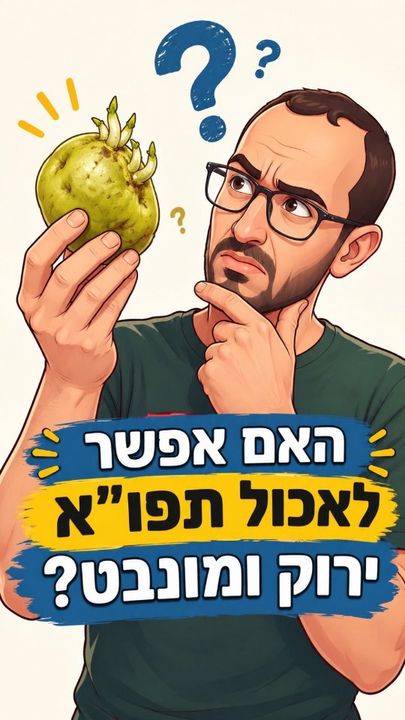
כל הטענות שנבדקו אודות היווצרות גליקו-אלקלואידים בתפוחי אדמה, תסמיני הרעילות שלהם, הקשר בין הופעת הצבע הירוק באור לבין רמת הרעלנים, ועמידותם לחום בתהליכי בישול ביתי, נמצאו מאומתות ומגובות היטב במחקרים מדעיים מ-PubMed.
analytics ניתוח טענות מבוסס ראיות
"תפוחי אדמה מייצרים באופן טבעי גליקו-אלקלואידים, כגון סולנין וצ'קוונין, כתגובה לנביטה וכנגנון הגנה מפני מזיקים."
מסקנת הבדיקה:
הספרות המדעית מאשרת שתפוחי אדמה מייצרים באופן טבעי גליקו-אלקלואידים (כגון אלפא-סולנין ואלפא-צ'קוונין) כחלק ממנגנון ההגנה שלהם מפני מזיקים וכתוצאה מתהליכי נביטה.
chevron_right ודאות הפסיקה: גבוהה
מידת הביטחון של המערכת בפסיקה — לא אחוז הנכונות של הטענה. ביטחון נמוך פירושו שהראיות מעטות או סותרות.
chevron_right מקורות מדעיים: (4)
-
link
Phytochemical profile, biological activities, and biotic stress factors of Solanumtuberosum.
Potato (Solanum tuberosum) is one of the most widely cultivated crops globally, valued not only for its nutritional content but also for its rich phytochemical profile and diverse biological activities. This review provides a comprehensive evaluation of the mineral composition, phenolic constituents, and bioactive compounds of S. tuberosum, with particular emphasis on chlorogenic acid, caffeic acid, ferulic acid, glycoalkaloids (α-solanine and α-chaconine), and anthocyanins predominantly found in pigmented cultivars. These compounds are associated with significant biological activities, including antioxidant (DPPH, ABTS, FRAP), antimicrobial, anti-inflammatory, and anticancer effects demonstrated across various in vitro and in vivo studies. Quantitative findings indicate that phenolic-rich potato extracts, particularly from peel and colored tubers, exhibit higher radical scavenging capacity and cytotoxic activity compared to inner tissues. In addition, protein extracts and glycoalkaloid fractions have shown notable antimicrobial and antiproliferative effects against a wide range of microorganisms and cancer cell lines. The review also highlights major biotic stress factors affecting potato production, including key pathogens such as Phytophthora infestans, Ralstonia solanacearum, and viral agents like Potato virus Y (PVY), as well as insect pests and nematodes that significantly reduce yield and quality. Recent advancements in phytochemical profiling and molecular plant defense mechanisms reveal that phenylpropanoid-derived compounds play a crucial role in plant immunity and stress adaptation. Overall, this review underscores the dual importance of S. tuberosum as both a functional food source and a reservoir of bioactive compounds with promising applications in food, pharmaceutical, and agricultural industries.…
PubMed · PMID: 42025235
-
link
Phytohormone Cross-Talk Synthesizes Glycoalkaloids in Potato (Solanum tuberosum L.) in Response to Aphid (Myzus persicae Sulzer) Infestation under Drought Stress.
Potato production is adversely affected by aphid infestation across the globe. Understanding the mechanism of host plant defense against aphids under drought stress is paramount for insect pest management. This study was conducted to examine the cross-talk of phytohormones in potato glycoalkaloids' defense against green peach aphids under greenhouse conditions. A 3 × 2 × 2 factorial experiment comprising three potato cultivars (Qingshu 9, Longshu 3, and Atlantic) and two levels each of water availability and aphid infestation was conducted. The results show that under drought stress, green peach aphids thrive well on host plants, which contain a relatively high water content. The resistant cultivar DXY, which exhibited a higher level of phytohormones, also demonstrated higher α-chaconine and α-solanine contents in both leaf and root, under drought and aphid stress. Conversely, the susceptible cultivar QS9, which exhibited a lower level of phytohormones, also demonstrated low α-chaconine and α-solanine contents in both leaf and root, under drought and aphid stress. The DXY cultivar, which possessed high resistant traits such as α-chaconine and α-solanine, can be used in areas where green peach aphid infestation is a major setback.…
PubMed · PMID: 33114019
-
link
Genome-wide association study identifies candidate genes for glycoalkaloid biosynthesis in tetraploid potato (Solanum tuberosum L.) tubers.
Steroidal glycoalkaloids (SGAs), derived from cholesterol, act as natural defenses against pathogens and pests. In cultivated potatoes, α-solanine and α-chaconine are the primary SGAs, distributed throughout the plant, with their biosynthesis mechanisms differing across various tissues. The variation in SGAs content between the cortex and perimedullary zone reflects tissue-specific metabolic regulation in potato tuber. Higher SGAs levels in the cortex may enhance defense against external threats. This spatial distribution provides a theoretical basis for breeding strategies aimed at balancing resistance and food quality by regulating SGAs accumulation in specific tissues of potato tubers. Excessive levels of SGAs in potato tubers can compromise both their quality and edibility. Additionally, SGAs exhibit pharmacological properties, including anti-protozoal, antibacterial, antiviral, anti-tumor, and anti-inflammatory effects. This study conducted genome-wide association study (GWAS) on SGAs content in the cortex and perimedullary zone of 117 diverse potato germplasm accessions, utilizing 22,983,689 high-quality SNPs. Candidate genes were subjected to analyses of stability, pleiotropy, GO and KEGG enrichment, and haplotype profiling. Twelve candidate genes associated with SGAs biosynthesis in potato tubers were identified, encoding UDP-glycosyltransferase superfamily proteins (Soltu.DM.11G005750, Soltu.DM.11G005760, Soltu.DM.11G005770, Soltu.DM.11G005820), fatty acid hydroxylase superfamily proteins (Soltu.DM.01G029600, Soltu.DM.01G029610, Soltu.DM.01G029620, Soltu.DM.01G029640, Soltu.DM.01G029650, Soltu.DM.10G008360), alkaline/neutral invertase (Soltu.DM.11G006090), and pleiotropic drug resistance (Soltu.DM.11G006080). This study provides a theoretical basis for elucidating the genetic mechanisms underlying SGAs biosynthesis in potatoes and will facilitate the breeding of new potato varieties.…
PubMed · PMID: 40442636
-
link
Physiological and Transcriptomic Analyses of IAA-Induced Inhibition of Chlorophyll Formation in Potato Tubers Post-Harvest.
Light exposure can induce post-harvest potato tubers to become green due to the accumulation of chlorophyll (Chl) and the formation of glycoside alkaloids, posing a potential risk to food safety. This study evaluated exogenous indole-3-acetic acid (IAA) to inhibit greening in <i>Solanum tuberosum</i> cv. Tongshu 31. IAA treatment maintained a relatively high <i>a</i>* value and significantly reduced both Chl content and the accumulation of toxic steroidal glycoalkaloids (SGAs), such as α-solanine and α-chaconine. In addition, IAA treatment also delayed the decrease in hardness and weight loss of tubers during storage, and helped maintain a high content of starch and reduce sugar. Transcriptome analysis revealed that IAA downregulated <i>HEMA1</i>, <i>CHLH</i>, and <i>GUN4</i>, among other key genes in the Chll biosynthesis pathway, thereby inhibiting Chl accumulation. IAA also modulated hormone networks, increasing gibberellin (GA) and jasmonic acid (JA), decreasing abscisic acid (ABA), and activating signaling genes (<i>StGID1</i>, <i>StJAR1</i>, <i>StPYR1</i>, <i>StPYL4</i>), enhancing tuber defense. These results indicate that IAA can inhibit the synthesis of Chl by regulating gene expression. This study provides a new strategy for alleviating the greening problem of potatoes and explains the potential mechanism by which IAA inhibits Chl synthesis in potato tubers.…
PubMed · PMID: 41375969
"צריכת גליקו-אלקלואידים בריכוז גבוה עלולה לגרום לתסמיני הרעלת מזון הכוללים בחילות, הקאות וכאבי בטן."
מסקנת הבדיקה:
צריכה ריכוזים גבוהים של גליקו-אלקלואידים מוכרת בספרות כגורמת לתסמיני הרעלה הכוללים הפרעות במערכת העיכול כגון בחילות, הקאות וכאבי בטן.
chevron_right ודאות הפסיקה: גבוהה
מידת הביטחון של המערכת בפסיקה — לא אחוז הנכונות של הטענה. ביטחון נמוך פירושו שהראיות מעטות או סותרות.
"חשיפת תפוחי אדמה לאור מעודדת יצירת כלורופיל שיוצר את הצבע הירוק, ומהווה במקביל תמרור אזהרה לעלייה בריכוז גליקו-אלקלואידים רעילים."
מסקנת הבדיקה:
מחקרים מאשרים שחשיפת תפוחי אדמה לאור מעודדת במקביל יצירת כלורופעל (צבע ירוק) ועלייה בריכוז גליקו-אלקלואידים רעילים, כך שהצבע משמש כאינדיקטור אזהרה.
chevron_right ודאות הפסיקה: גבוהה
מידת הביטחון של המערכת בפסיקה — לא אחוז הנכונות של הטענה. ביטחון נמוך פירושו שהראיות מעטות או סותרות.
chevron_right מקורות מדעיים: (3)
-
link
Light-Quality-Dependent Greening and Steroidal Glycoalkaloid Accumulation in Potato Tubers: Regulatory Mechanisms and Postharvest Strategies to Reduce Food Safety Risks.
Potato tubers undergo greening and accumulate steroidal glycoalkaloids (SGAs) upon light exposure, posing potential food safety risks. In this study, six potato cultivars ("Favorita", "Lucinda", "Jizhangshu 12", "Longshu 10", "Qingshu 9", and "Purple Potato") were subjected to six light treatments (dark, UVA, blue, green, red, and white), and peel color, pigment content, SGAs, and the expression of genes related to light signaling, chlorophyll biosynthesis, and SGA biosynthesis was evaluated. Under green light, the contents of α-solanine and α-chaconine were 76.22 and 171.84 mg/kg fresh weight (FW), respectively; by contrast, their levels under blue and white light were approximately 60% higher. These effects may be mediated by the upregulation of HY5 and COP1 expression, which in turn could regulate the biosynthesis of chlorophyll-related genes (CHID, CHLI1) and SGA-related genes (HMGR, SGT1). Yellow-skinned cultivars exhibited pronounced light sensitivity (chlorophyll 18.47-18.52 mg/kg FW; SGAs up to 290.41 mg/kg FW), whereas red- and purple-skinned cultivars delayed greening through anthocyanin-mediated light attenuation. Collectively, these findings provide a framework for postharvest management and breeding, suggesting that reducing blue light while enhancing green light in spectral illumination, together with the development of anthocyanin-enriched cultivars, may serve as effective strategies to extend shelf life, mitigate food safety risks, and reduce postharvest losses.…
PubMed · PMID: 41097562
-
link
Physiological and Molecular Mechanisms of Light-Induced Greening in Potatoes: A Path to Food Safety.
The potato (<i>Solanum tuberosum</i> L.) ranks among the most consumed agricultural products globally and is nutrient-rich. Exposure of potato tubers' epidermal and subcutaneous tissues to light results in greening and the production of neurotoxic steroidal glycoalkaloids, which significantly reduces tuber quality, increases food safety risks, and leads to rejection by consumers and the processing industry. This review conducts an in-depth analysis of three key aspects: (1) the differences in various light conditions, namely, the disparities in light sources, wavelengths, intensities, and durations; (2) the characteristics of potato cultivars resistant to greening; and (3) the molecular mechanisms of light-induced biosynthesis of chlorophyll and steroidal glycoalkaloids (SGAs). This review is expected to provide technical support for potato food safety measures and a theoretical foundation for the molecular breeding of green-resistant potato varieties.…
PubMed · PMID: 40428577
-
link
Physiological and Transcriptomic Analyses of IAA-Induced Inhibition of Chlorophyll Formation in Potato Tubers Post-Harvest.
Light exposure can induce post-harvest potato tubers to become green due to the accumulation of chlorophyll (Chl) and the formation of glycoside alkaloids, posing a potential risk to food safety. This study evaluated exogenous indole-3-acetic acid (IAA) to inhibit greening in <i>Solanum tuberosum</i> cv. Tongshu 31. IAA treatment maintained a relatively high <i>a</i>* value and significantly reduced both Chl content and the accumulation of toxic steroidal glycoalkaloids (SGAs), such as α-solanine and α-chaconine. In addition, IAA treatment also delayed the decrease in hardness and weight loss of tubers during storage, and helped maintain a high content of starch and reduce sugar. Transcriptome analysis revealed that IAA downregulated <i>HEMA1</i>, <i>CHLH</i>, and <i>GUN4</i>, among other key genes in the Chll biosynthesis pathway, thereby inhibiting Chl accumulation. IAA also modulated hormone networks, increasing gibberellin (GA) and jasmonic acid (JA), decreasing abscisic acid (ABA), and activating signaling genes (<i>StGID1</i>, <i>StJAR1</i>, <i>StPYR1</i>, <i>StPYL4</i>), enhancing tuber defense. These results indicate that IAA can inhibit the synthesis of Chl by regulating gene expression. This study provides a new strategy for alleviating the greening problem of potatoes and explains the potential mechanism by which IAA inhibits Chl synthesis in potato tubers.…
PubMed · PMID: 41375969
"תהליך בישול ביתי רגיל אינו מפרק או מנטרל לחלוטין גליקו-אלקלואידים, ולכן אינו מספיק כדי להפוך תפוח אדמה ירוק מאוד או מר לבטוח לחלוטין למאכל."
מסקנת הבדיקה:
גליקו-אלקלואידים הם חומרים עמידים לחום ואינם מתפרקים לחלוטין בתהליכי בישול ביתי רגילים, ולכן בישול אינו מבטל לחלוטין את הרעילות של תפוחי אדמה ירוקים או מרים מאוד.
chevron_right ודאות הפסיקה: גבוהה
מידת הביטחון של המערכת בפסיקה — לא אחוז הנכונות של הטענה. ביטחון נמוך פירושו שהראיות מעטות או סותרות.
Matan Haber: Food Science
דירוג זה מבוסס על 5 דוחות אימות קודמים.
האם הדוח הזה היה מועיל לך?
מה היה פחות טוב? (רשות)
תודה על הפידבק!
עירעור על דוח זה
ספקו ראיות חדשות או הצביעו על אי דיוקים
נעדכן אותך על תוצאות הבדיקה
הוסיפו קישורים למחקרים או מקורות רפואיים מוכרים
העירעור נשלח בהצלחה!
המנוע המדעי שלנו יבדוק את הראיות שהגשתם. נעדכן אתכם באימייל עם התוצאות.
ניתוח מבוסס בינה מלאכותית
דוח זה נוצר באופן אוטומטי על ידי מערכת בינה מלאכותית ועשוי להכיל שגיאות, אי-דיוקים או מידע חלקי. הניתוח אינו מהווה ייעוץ רפואי, אבחנה או המלצה לטיפול, והוא אינו תחליף לדעתו של איש מקצוע רפואי מוסמך. יש להתייעץ עם רופא או מומחה מוסמך לפני קבלת כל החלטה רפואית. המידע מוצג לצרכי מידע כללי בלבד.
מידע זה מופק על ידי בינה מלאכותית ואינו מהווה תחליף לייעוץ רפואי מקצועי.