סריקה בתהליך...
הניתוח עשוי לארוך 30–90 שניות
הידעת?
הסרטון אינו מכיל תוכן רפואי
חושבים שחלה טעות?
אם לדעתכם הסרטון אכן עוסק בטענות רפואיות או בריאותיות, הוסיפו הסבר קצר ושלחו בקשה לבדיקה מחדש.
הבקשה התקבלה! נבדוק את הסרטון ונחזור אליכם.
אירעה שגיאה בשליחת הבקשה. נסו שוב.
דו״ח מאומת
הסרטון מכיל שילוב של עובדות מוכחות וטענות המטעות את הציבור.
סיכום
הטענות שהועלו נעות בין עובדות מדעיות מבוססות לבין נושאים הנמצאים במחלוקת או שאינם מגובים בראיות קליניות חד-משמעיות. בעוד שהקשר בין סוכר מעובד לבריאות המעי נתמך בספרות, נושאים כמו שמני זרעים, לציטין סויה וחומרי טעם טבעיים מורכבים יותר ודורשים הבחנה בין סיווג תעשייתי לבין השפעה בריאותית ישירה.
analytics ניתוח טענות מבוסס ראיות
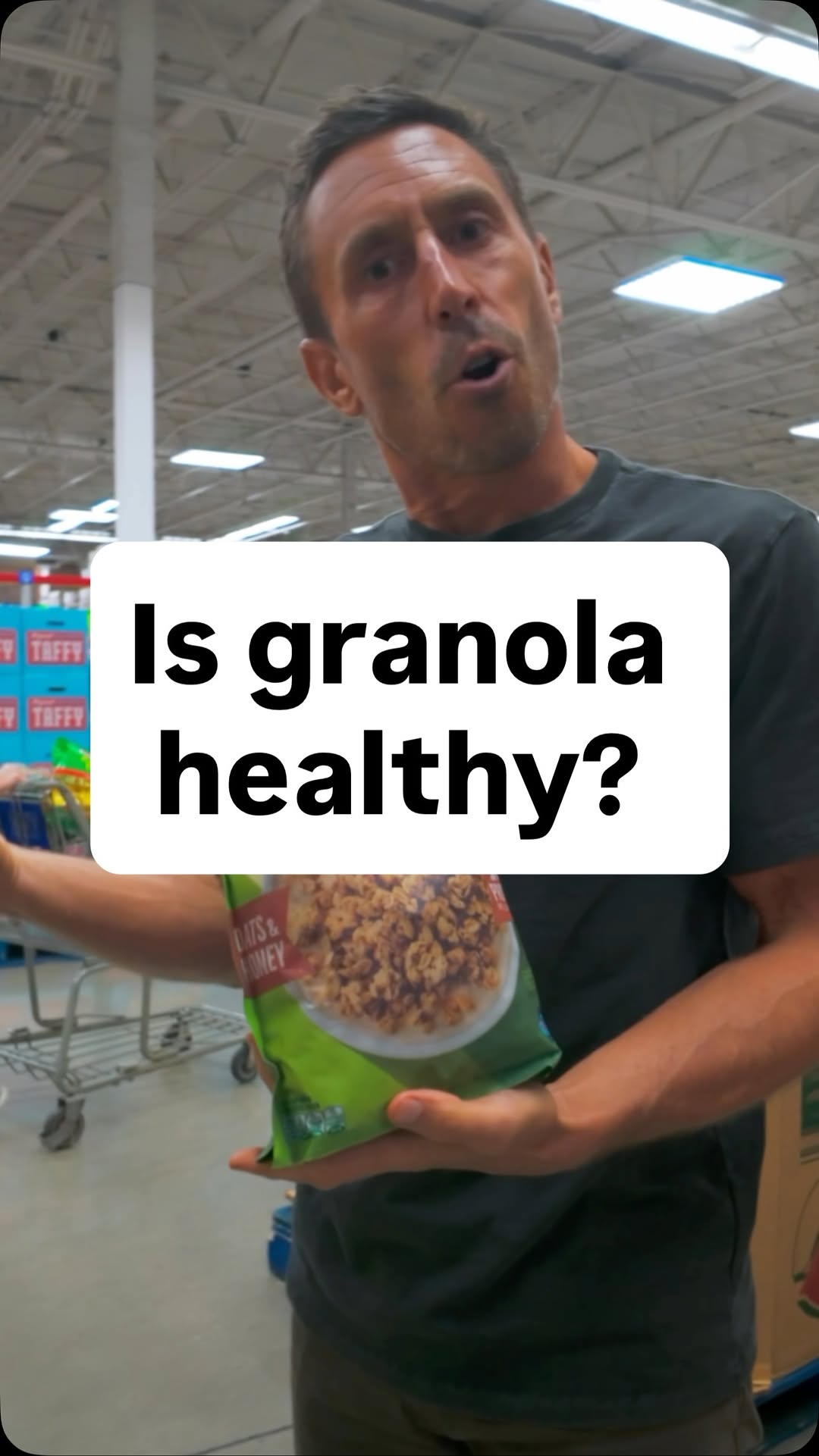
"שמני זרעים (כמו קנולה וחמניות) הם רכיבים שליליים."
מסקנת הבדיקה:
קיימת מחלוקת מדעית בנושא; בעוד שיש הטוענים כי שמני זרעים עלולים להיות בעייתיים בהקשרים מסוימים, מחקרים אחרים מצביעים על יתרונות בריאותיים של חומצות שומן מסוימות המצויות בהם, והספרות המדעית אינה מסווגת אותם באופן גורף כרכיבים שליליים. (🟨)
chevron_right מקורות מדעיים: (2)
-
link
Influence of canola and sunflower diet amendments on cattle feedlot manure.
Cattle (Bos taurus) producers can replace a part of the traditional diet of barley (Hordeum vulgare L.) grain/silage with sunflower (Helianthus annus L.) seeds or canola meal (Brassica napus L.)/oil to enhance conjugated linoleic acids (CLA) content in milk and meat for its positive health benefits. The objective of this study is to investigate the effects of feeding sunflower or canola to finishing steers on cattle manure chemical properties and volatile fatty acid (VFA) content. The control diet contained 84% rolled barley and 15% barley silage, which provided only 2.6% lipid. The other six treatments had 6.6 to 8.6% lipid delivered from sources such as hay, sunflower seed (SS), canola meal/oil, and SS forage pellets. Manure samples (a mixture of cattle urine, feces, and woodchip bedding materials) were collected and analyzed after cattle had been on these diets for 113 d. The dietary source and level of lipid had no effect on organic N and nitrate N content in manure, but significantly affected ammonia N and VFA. Inclusion of SS forage pellets, hay, or canola meal/oil in cattle diets had no significant impact on manure characteristics, but SS significantly reduced the pH and increased propionic, isobutyric, and isovaleric content. In addition, N loss after excretion (mainly from urine N) increases with the pH and N levels in both feed and manure. The combination of SS with barley silage resulted in a lower VFA and NH3 content in manure and should be a more attractive option. To better manage N nutrient cycles and reduce NH3 related odor problems, feed and manure pH should be one of the factors to consider when determining feed mix rations.…
PMID: 15998867
-
link
A Clinician's Guide for Trending Cardiovascular Nutritional Controversies in 2026.
Although the broad outlines of a healthy diet are clear, controversy has arisen surrounding certain foods and nutrients. This review updates contemporary nutrition controversies and the extent to which they may promote or protect against cardiovascular disease (CVD). In this review, beef tallow, ultraprocessed foods, full-fat dairy, seed oils, medium chain triglyceride oils, seafood, and alternative sweeteners are considered. Three groupings included: 1) evidence of harm with a recommendation to limit or avoid; 2) lacking in evidence for harm or benefit; and 3) evidence of benefit. The evidence of harm category included beef tallow, due to association with increased low-density lipoprotein cholesterol, ultraprocessed foods associated with worsened cardiometabolic health, and artificial sweeteners owing to correlations with increased CVD. Within the category lacking in evidence were full-fat dairy, medium chain triglyceride, monk fruit, and stevia. Finally, evidence of benefit included seed oils and seafood based on improved CVD outcomes.…
PMID: 41666739
"לציטין סויה הוא מתחלב שעבר עיבוד אולטרה-מעובד."
מסקנת הבדיקה:
לציטין סויה הוא מתחלב המופק בתהליכי עיבוד, אך הסיווג כ'אולטרה-מעובד' מתייחס לרוב למוצר המזון הסופי לפי שיטת NOVA, ולא בהכרח לרכיב הבודד. קיימים מחקרים הבוחנים את השפעתו על דלקתיות במעי, אך אין קונצנזוס מדעי על הגדרתו כרכיב אולטרה-מעובד כשלעצמו. (🟨)
"אין צורך לצרוך חלבון סויה מבודד (Soy Protein Isolate)."
מסקנת הבדיקה:
אין הנחיה רפואית המגדירה צריכת חלבון סויה מבודד כהכרחית או כמיותרת באופן גורף; מדובר ברכיב תזונתי המשמש כתוסף חלבון, והצורך בו תלוי בצרכים התזונתיים האישיים של האדם ובמקורות החלבון האחרים בתזונתו. (⬜)
"רכיב 'חומרי טעם טבעיים' הוא בעייתי מכיוון שלא ידוע מה הוא מכיל."
מסקנת הבדיקה:
המונח 'חומרי טעם טבעיים' מוגדר על ידי רשויות המזון, אך הרכבם המדויק של תערובות אלו אינו מפורט על גבי האריזה, מה שמעורר שאלות בקרב צרכנים. עם זאת, אין עדות מדעית רפואית המגדירה אותם כ'בעייתיים' באופן גורף מבחינה בריאותית. (⬜)
"סוכר מעובד עלול לגרום לבעיות במערכת העיכול."
מסקנת הבדיקה:
מחקרים מדעיים מצביעים על קשר בין צריכת סוכרים מעובדים (כגון פרוקטוז) לבין שינויים בהרכב המיקרוביום, פגיעה בשלמות המעי וסיכון מוגבר למחלות מעי דלקתיות. (🟩)
chevron_right מקורות מדעיים: (3)
-
link
Diet, Food, and Nutritional Exposures and Inflammatory Bowel Disease or Progression of Disease: an Umbrella Review.
Inflammatory bowel disease (IBD), including Crohn's disease (CD) and ulcerative colitis (UC), contributes to substantial morbidity. Understanding the intricate interplay between dietary factors and the incidence and progression of IBD is essential for developing effective preventative and therapeutic strategies. This umbrella review comprehensively synthesizes evidence from systematic reviews and meta-analyses to evaluate these complex associations. Dietary factors associated with an increased incidence and/or progression of IBD include a high intake of red and processed meat, other processed foods, and refined sugars, together with a low intake of vegetables, fruits, and fiber. For most other food groups, the results are mixed or indicate no clear associations with IBD, CD, and UC. Some differences seem to exist between UC and CD and their risk factors, with increased intake of dietary fiber being inversely associated with CD incidence but not clearly associated with UC. Dietary fiber may contribute to maintaining the gut epithelial barrier and reduce inflammation, often through interactions with the gut microbiota. This seems to play an important role in inflammatory mechanisms in the gut and in IBD incidence and progression. Diets low in fermentable saccharides and polyols can alleviate symptom burden, but there are concerns regarding their impact on the gut microbiota and their nutritional adequacy. Mediterranean diets, vegetarian diets, and a diet low in grains, sugars, and lactose (specific carbohydrate diet) are also associated with lower incidence and/or progression of IBD. The associations of dietary patterns are mirrored by inflammatory biomarkers. IBD is typically treated pharmaceutically; however, many patients have a suboptimal response to medical treatments. The findings from this umbrella review could provide evidence for nutritional counseling and be a valuable addition to traditional treatment plans for IBD. This systematic review was registered at PROSPERO as CRD440252.…
PMID: 38599319
-
link
Ultra-processed foods, allergy outcomes and underlying mechanisms in children: An EAACI task force report.
Consumption of ultra-processed foods [UPFs] may be associated with negative health outcomes. Limited data exist regarding the potential role of UPFs in the occurrence of allergic diseases. The underlying mechanisms underpinning any such associations are also poorly elucidated. We performed a systematic review and narrative evidence synthesis of the available literature to assess associations between UPF consumption and pediatric allergy outcomes (n = 26 papers), including data on the association seen with the gut microbiome (n = 16 papers) or immune system (n = 3 papers) structure and function following PRISMA guidelines. Dietary exposure to fructose, carbonated soft drinks, and sugar intake was associated with an increased risk of asthma, allergic rhinitis, and food allergies in children. Commercial baby food intake was associated with childhood food allergy. Childhood intake of fructose, fruit juices, sugar-sweetened beverages, high carbohydrate UPFs, monosodium glutamate, UPFs, and advanced glycated end-products (AGEs) was associated with the occurrence of allergic diseases. Exposure to UPFs and common ingredients in UPFs seem to be associated with increased occurrence of allergic diseases such as asthma, wheezing, food allergies, atopic dermatitis, and allergic rhinitis, in many, but not all studies. More preclinical and clinical studies are required to better define the link between UPF consumption and the risk of allergies and asthma. These observational studies ideally require supporting data with clearly defined UPF consumption, validated dietary measures, and mechanistic assessments to definitively link UPFs with the risk of allergies and asthma.…
PMID: 39254357
-
link
When sweetness overflows: fructose influences microbial and metabolic dysregulation.
Over the past decades, global consumption of industrially processed fructose has surged, increasingly separating this sugar from its natural, fiber-rich context. Fructose provides a striking example that not all calories are metabolically equivalent, regardless of their source. Fructose is particularly detrimental to intestinal and hepatic homeostasis, with mounting evidence implicating the gut microbiota as key contributors. Under contemporary dietary patterns, fructose increasingly reaches intestinal regions-and their resident microbial communities-that would normally be spared in healthier nutritional contexts. Here, we review recent advances in understanding gut-liver fructose metabolism and the role of the gut microbiota in linking excess fructose to host dysmetabolism.…
PMID: 42233430
Paul Saladino, MD
דירוג זה מבוסס על 2 דוחות אימות קודמים.
האם הדוח הזה היה מועיל לך?
מה היה פחות טוב? (רשות)
תודה על הפידבק!
עירעור על דוח זה
ספקו ראיות חדשות או הצביעו על אי דיוקים
נעדכן אותך על תוצאות הבדיקה
הוסיפו קישורים למחקרים או מקורות רפואיים מוכרים
העירעור נשלח בהצלחה!
המנוע המדעי שלנו יבדוק את הראיות שהגשתם. נעדכן אתכם באימייל עם התוצאות.
ניתוח מבוסס בינה מלאכותית
דוח זה נוצר באופן אוטומטי על ידי מערכת בינה מלאכותית ועשוי להכיל שגיאות, אי-דיוקים או מידע חלקי. הניתוח אינו מהווה ייעוץ רפואי, אבחנה או המלצה לטיפול, והוא אינו תחליף לדעתו של איש מקצוע רפואי מוסמך. יש להתייעץ עם רופא או מומחה מוסמך לפני קבלת כל החלטה רפואית. המידע מוצג לצרכי מידע כללי בלבד.
מידע זה מופק על ידי בינה מלאכותית ואינו מהווה תחליף לייעוץ רפואי מקצועי.