סריקה בתהליך...
הניתוח עשוי לארוך 30–90 שניות
הידעת?
הסרטון אינו מכיל תוכן רפואי
חושבים שחלה טעות?
אם לדעתכם הסרטון אכן עוסק בטענות רפואיות או בריאותיות, הוסיפו הסבר קצר ושלחו בקשה לבדיקה מחדש.
הבקשה התקבלה! נבדוק את הסרטון ונחזור אליכם.
אירעה שגיאה בשליחת הבקשה. נסו שוב.
דו״ח מאומת
הסרטון מציג מידע מדויק ומגובה במחקרים מדעיים אמינים.
סיכום
הטענות שהועלו בנוגע להרכב הגבינות, תפקיד המלח כחומר משמר, חשיבות מדד החלבון לקלוריות, רגישות הגבינות הטריות לקלקול והשפעת הפיקוח על המחירים בישראל, נמצאות כולן כעולות בקנה אחד עם הידע המדעי והמציאות הכלכלית-תזונתית המקובלת.
analytics ניתוח טענות מבוסס ראיות
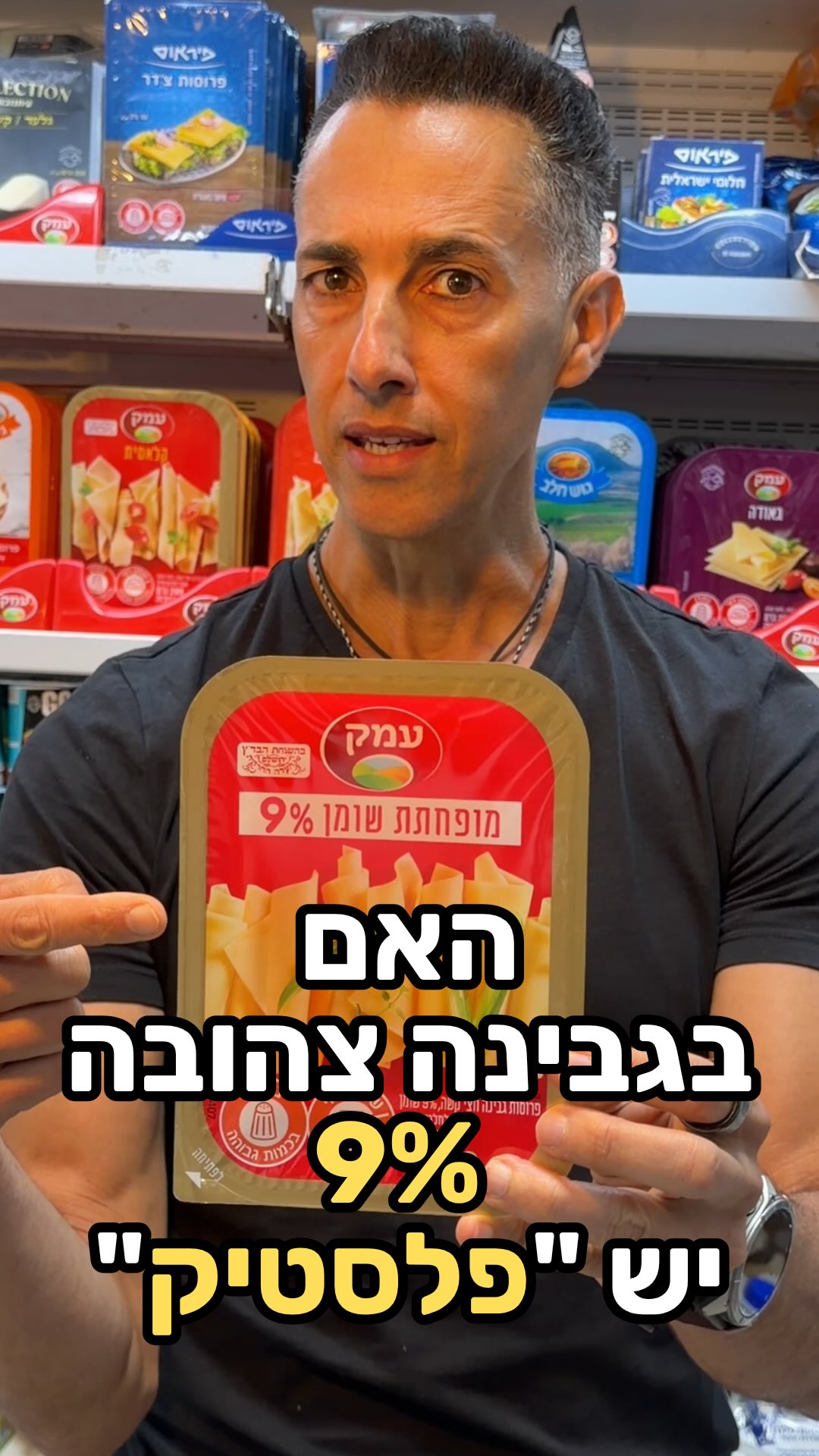
"גבינות צהובות באחוזי שומן שונים (כמו 9% ו-28%) מכילות לרוב את אותם רכיבים בסיסיים: חלב, מלח, צבע טבעי וחומר משמר."
מסקנת הבדיקה:
גבינות צהובות מיוצרות בתהליכי גיבון דומים המבוססים על חלב, מלח, חומרי צבע (כמו אנאטו) וחומרים משמרים, ללא קשר משמעותי לאחוז השומן הסופי במוצר. ההבדלים באחוזי השומן נובעים בעיקר משימוש בחלב בדרגות שומן שונות בתחילת התהליך, אך הרכיבים הבסיסיים נותרים דומים. (🟩)
"אחוז השומן אינו המדד היחיד לבריאות הגבינה; מדד מומלץ יותר הוא כמות החלבון לכל 100 קלוריות."
מסקנת הבדיקה:
אחוז השומן לבדו אינו מדד מספק לאיכות תזונתית. מדדים המשלבים צפיפות חלבון ביחס לקלוריות (Nutrient Density) נחשבים למדויקים יותר להערכת הערך התזונתי של מוצרי חלב, כפי שעולה ממחקרים על הרכב חלבון ואיכות תזונתית. (🟩)
chevron_right מקורות מדעיים: (2)
-
link
Integrated Multivariate Analysis and Desirability-Based Optimization of Milk-Whey Mixtures: Effects on Physicochemical Properties, Amino Acid Profile, and Nutritional Quality.
The valorization of dairy by-products, particularly whey, represents a key challenge and opportunity in sustainable food systems. This study aimed to evaluate the physicochemical and amino acid composition of milk and whey-derived products and to identify optimal whey-milk mixtures using integrated multivariate and desirability-based approaches. Ten model systems (M1-M10) were prepared with increasing whey content (7.5-75%), and their composition was analyzed using infrared spectroscopy and high-performance liquid chromatography. Multivariate analysis, including PCA and correlation heatmaps, revealed that protein, casein, TS, SNF, and amino acid fractions (ΣEAA and ΣBCAA) were the primary drivers of compositional variability, whereas lactose and acidity-related parameters contributed to secondary differentiation. Desirability function analysis was applied by integrating nutritional quality, functional balance, and sustainability score into a composite index. The results demonstrated that intermediate formulations achieved a more balanced profile compared with extreme compositions. Among all mixtures, the formulation containing 30% whey (M5) showed the highest overall desirability within the evaluated parameters, reflecting a favorable balance between compositional quality and whey utilization. These findings highlight the potential of integrated analytical approaches for the development of nutritionally optimized and resource-efficient dairy systems.…
PMID: 42195962
-
link
Mapping and Nutrient Profiles of Commercially Produced Complementary Foods in West Africa.
Commercially produced complementary foods (CPCFs) are increasingly preferred over home-prepared foods but do not always comply with international recommendations. The aim of this study was to evaluate the compliance of CPCFs sold in West Africa with the World Health Organization (WHO) European Nutritional and Promotional Profile Model (NPPM). The study was conducted from August to October 2023 and covered 315 outlets in Benin, Mali, Mauritania, Niger, Senegal and Togo. CPCFs compliance with the NPPM was assessed regarding nutritional content and labeling practices based on information recorded from the labels. A total of 673 products were found, 76.1% of which were imported. Cereals (37%), savory meals (25.2%), and purées (22.7%) were the most representative categories, while finger foods/snacks and drinks were the least representative (3.9% and 2.1%, respectively). Overall, 11% of products met all nutritional composition requirements, and none met the labeling requirements. Moreover, almost half of the products exceeded the permitted percentage of energy from sugars (42.3%). Despite this, none of the products displayed a "high sugar content" warning on their labels. The high proportion of products with high sodium content (44.3%) and frequent label claims (95.9%) is also major challenges for these foods. This study also showed that 10.5% of the CPCFs are recommended for children under 6 months of age, contrary to recommendations, while only 13.2% of the products contain information to protect breastfeeding. These results confirm concerns about CPCFs and show the importance of restricting the marketing of certain CPCFs in West Africa.…
PMID: 41693310
"המלח בגבינות משמש לא רק לטעם אלא גם כחומר משמר, ולכן גבינות כמו בולגרית, פטה וחלומי עתירות נתרן גם בגרסאות דלות שומן."
מסקנת הבדיקה:
מלח (נתרן כלורי) משמש בגבינות מלוחות כחומר משמר טבעי המעכב צמיחת מיקרואורגניזמים ומאריך חיי מדף. גבינות כמו פטה וחלומי דורשות ריכוז מלח גבוה לצורך שימור, גם בגרסאות מופחתות שומן. (🟩)
chevron_right מקורות מדעיים: (3)
-
link
Inhibitory activity of Lactobacillus plantarum TF711 against Clostridium sporogenes when used as adjunct culture in cheese manufacture.
Bacteriocins produced by lactic acid bacteria are of great interest to the food-processing industry as natural preservatives. This work aimed to investigate the efficacy of bacteriocin-producing Lactobacillus plantarum TF711, isolated from artisanal Tenerife cheese, in controlling Clostridium sporogenes during cheese ripening. Cheeses were made from pasteurised milk artificially contaminated with 10(4) spores m/l C. sporogenes. Experimental cheeses were manufactured with Lb. plantarum TF711 added at 1% as adjunct to commercial starter culture. Cheeses made under the same conditions but without Lb. plantarum TF711 served as controls. Evolution of microbiological parameters, pH and NaCl content, as well as bacteriocin production was studied throughout 45 d of ripening. Addition of Lb. plantarum TF711 did not bring about any significant change in starter culture counts, NaCl content and pH, compared with control cheese. In contrast, clostridial spore count in experimental cheeses were significantly lower than in control cheeses from 7 d onwards, reaching a maximum reduction of 2·2 log units on day 21. Inhibition of clostridia found in experimental cheeses was mainly attributed to plantaricin activity, which in fact was recovered from these cheeses.…
PMID: 25702615
-
link
Pilot study on the potential of low-salt brine with oregano essential oil for post-preservation of white brined cheese.
Oregano essential oil (OEO) is a promising natural preservative due to its strong antimicrobial properties. This study evaluated the effectiveness of low-salt brine enriched with OEO in inhibiting common foodborne pathogens in white brined cheese. The antimicrobial activity of OEO was tested against Escherichia coli and Staphylococcus aureus using standard microbiological techniques. The OEO-enriched brine showed strong bactericidal effects, with minimum bactericidal concentrations of 0.025% (v/v) against E. coli and 0.05% (v/v)-0.1% (v/v) against S. aureus. These effects were maintained over seven days and were not influenced by storage temperature. The findings support the use of OEO as an effective natural preservative for reducing salt content in white brined cheese without compromising microbiological safety.…
PMID: 40750643
-
link
Influence of Composition and Texture on In-Mouth Sodium Release and Saltiness During Consumption of Semi-Hard Cheeses.
Excessive sodium intake is a major dietary concern, leading to recommended reductions in several food categories, including cheese. This study aimed to evaluate how cheese composition and texture influence sodium release and perceived saltiness during consumption. Semi-hard cheeses (SHCs) with varying compositions were analyzed for chemical composition, rheological properties, and sensory attributes using quantitative descriptive analysis, temporal sodium release and saltiness intensity. Most compositional factors affected the sensory characteristics of SHCs and the dynamic perception of saltiness. In particular, salt level influenced not only the perceived intensity of saltiness but also bitterness, acidity, overall aromatic intensity, and numerous textural characteristics. The fat content also influenced texture perception and masked taste attributes. Moreover, both sodium release and saltiness perception decreased with increasing fat content. These findings highlight the importance of compositional and textural factors in modulating salt perception and provide useful insights for developing reduced-salt cheeses with acceptable sensory qualities.…
PMID: 42121407
"גבינות כמו ריקוטה וקוטג' דלות במלח ונוטות להתקלקל מהר יותר בשל שיטת הייצור שלהן, ללא קשר לאחוז השומן."
מסקנת הבדיקה:
גבינות טריות בעלות אחוז מים גבוה (כמו קוטג' וריקוטה) הן בעלות פעילות מים (aw) גבוהה, מה שהופך אותן לרגישות יותר לקלקול מיקרוביאלי בהשוואה לגבינות קשות, ללא קשר לתכולת השומן שלהן. (🟩)
"מחיר הגבינה אינו מעיד בהכרח על איכותה, שכן גבינות מסוימות (כמו 28% שומן) נמצאות תחת פיקוח מחירים בישראל, מה שהופך אותן לזולות יותר מהגרסאות הרזות."
מסקנת הבדיקה:
בישראל קיימים מוצרי חלב בסיסיים הנמצאים תחת פיקוח מחירים ממשלתי. מחירי מוצרים אלו נקבעים על ידי המדינה ולא בהכרח משקפים את עלות הייצור או את האיכות התזונתית, מה שמוביל לעיתים למצב שבו גבינות עתירות שומן זולות יותר ממוצרים אחרים. (🟩)
ד"ר שון פורטל Dr Shawn Portal
דירוג זה מבוסס על 1 דוחות אימות קודמים.
האם הדוח הזה היה מועיל לך?
מה היה פחות טוב? (רשות)
תודה על הפידבק!
עירעור על דוח זה
ספקו ראיות חדשות או הצביעו על אי דיוקים
נעדכן אותך על תוצאות הבדיקה
הוסיפו קישורים למחקרים או מקורות רפואיים מוכרים
העירעור נשלח בהצלחה!
המנוע המדעי שלנו יבדוק את הראיות שהגשתם. נעדכן אתכם באימייל עם התוצאות.
ניתוח מבוסס בינה מלאכותית
דוח זה נוצר באופן אוטומטי על ידי מערכת בינה מלאכותית ועשוי להכיל שגיאות, אי-דיוקים או מידע חלקי. הניתוח אינו מהווה ייעוץ רפואי, אבחנה או המלצה לטיפול, והוא אינו תחליף לדעתו של איש מקצוע רפואי מוסמך. יש להתייעץ עם רופא או מומחה מוסמך לפני קבלת כל החלטה רפואית. המידע מוצג לצרכי מידע כללי בלבד.
מידע זה מופק על ידי בינה מלאכותית ואינו מהווה תחליף לייעוץ רפואי מקצועי.