סריקה בתהליך...
הניתוח עשוי לארוך 30–90 שניות
הידעת?
הסרטון אינו מכיל תוכן רפואי
חושבים שחלה טעות?
אם לדעתכם הסרטון אכן עוסק בטענות רפואיות או בריאותיות, הוסיפו הסבר קצר ושלחו בקשה לבדיקה מחדש.
הבקשה התקבלה! נבדוק את הסרטון ונחזור אליכם.
אירעה שגיאה בשליחת הבקשה. נסו שוב.
דו״ח מאומת
הסרטון מציג מידע מדויק ומגובה במחקרים מדעיים אמינים.
סיכום
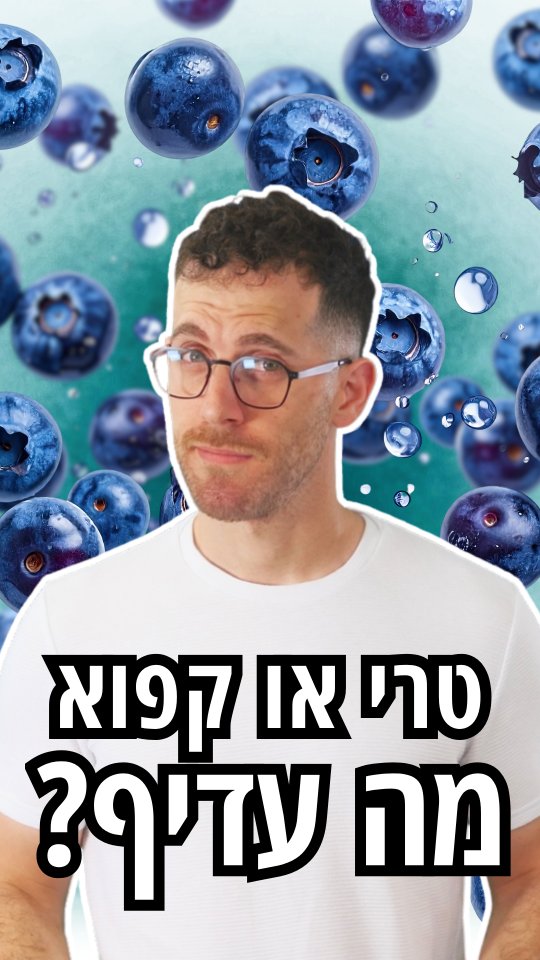
הטענות המוצגות בתמלול לגבי היתרונות התזונתיים של אוכמניות קפואות לעומת טריות נתמכות על ידי הספרות המדעית. הקפאה בשיא הבשלות מהווה שיטה יעילה לשימור רכיבים תזונתיים חיוניים, בעוד שפירות טריים עלולים לאבד מערכם התזונתי עקב תהליכי שינוע ואחסון ממושכים.
analytics ניתוח טענות מבוסס ראיות
"אוכמניות קפואות מספקות יתרונות בריאותיים דומים לאוכמניות טריות, במיוחד עבור בריאות הלב וכלי הדם."
מסקנת הבדיקה:
הספרות המדעית תומכת בכך שפירות קפואים, המוקפאים בשיא בשלותם, שומרים על ערכים תזונתיים ויתרונות בריאותיים הדומים לפירות טריים, כולל השפעות חיוביות על בריאות הלב וכלי הדם. (🟩)
chevron_right מקורות מדעיים: (2)
-
link
Genotype and environment synergistically determine the polyphenolic composition and functional activity of highbush blueberries.
This study evaluated how genotype and origin shape the polyphenolic profile and antioxidant capacity of highbush blueberries grown under harmonized orchard conditions (19 genotypes, including somaclonal variants). Comprehensive profiling covered phenolic subclasses (anthocyanins, flavonols, phenolic acids, flavan-3-ols), antioxidant capacity (ABTS, DPPH, FRAP), and color (CIE L*), supported by multivariate analyses. Key results with numerical context. Among cultivars, Brigitta and Draper showed the highest totals of polyphenols (≈511.8-517.3) and anthocyanins (≈310.9-311.5). When comparing matched cultivar names by origin, German-sourced lines generally contained more anthocyanins and polyphenols than Polish-produced counterparts: for Duke, anthocyanins 208.4 vs 78.7-152.2 and polyphenols 401.2 vs 236.9-363.5; for Patriot, 286.9 vs 65.2-245.2 and 495.8 vs 293.5-409.0; for Sunrise, 258.8 vs 172.8-221.5 and 424.6 vs 342.0-411.1 (ANOVA/Tukey, p < 0.05 where indicated in tables). Antioxidant assays reflected these patterns with cultivar-dependent nuances: for example, Duke from Poland (DK10) showed higher ABTS (28.0) than the German source (11.1), whereas DPPH differences were modest for Patriot (≈13.8-14.1). Color supported the chemistry: Polish-produced fruits were lighter on average (higher CIE L*), consistent with lower anthocyanins. Genotype × origin interactions are decisive for blueberry chemotype and antioxidant properties. The quantitative differences reported here strengthen the case for authentication and source-aware selection in breeding, nursery supply, and raw-material procurement for functional food applications.…
PMID: 41233536
-
link
Effect of replacing commonly consumed fruit in the United States with berries in the USDA healthy Dietary Patterns: a modeling analysis.
<h4>Introduction</h4>A recent review of the evidence suggests that berry consumption may have an effect in reducing cardiovascular disease risk.<h4>Objective</h4>To assess the nutritional impact of replacing a serving of commonly consumed fruit with a serving of berries in the US Department of Agriculture (USDA) Dietary Patterns: Healthy US-Style (HUS), Healthy Mediterranean-Style (HMS), and Healthy Vegetarian (HV).<h4>Methods</h4>Using the USDA's food pattern modeling approach, three 7-day replacement menus were developed for the HUS, HMS, and HV patterns at the 2000-calorie level. The menus included one serving of mixed berries replacing one serving of commonly consumed fruits (apples, bananas, or grapes) while meeting recommendations for other food groups. A total of 2 servings of fruit per day were used in the menus. Nutrient and anthocyanin analyses were conducted on the 7-day menus using ESHA Food Processor: 11.14.x software and the USDA Database for Flavonoid Content of Selected Foods, Release 3.3.<h4>Results</h4>Replacing a serving of commonly consumed fruit with a serving of berries per day in the 2000 calorie USDA Dietary Patterns resulted in an increase of anthocyanins by 93.8%, with <i>a</i> ≤ 2.0% increase or decrease in calories, macronutrients, fatty acids, and cholesterol. Dietary fiber increased by 4.7% in the HUS and 5.1% in the HMS USDA Dietary Patterns with minimal increases (< 1.5%) in the HV USDA Dietary Patterns. Soluble fiber increased by 10.1%, 5.3%, and 10.2% in the HUS, HMS, and HV USDA Dietary Patterns, respectively. Vitamin C increased by 16% in the HUS, 13.9% in the HMS, and 11.9% in the HV USDA Dietary Patterns.<h4>Conclusion</h4>The addition of berries to the USDA Dietary Patterns increased beneficial dietary components and nutrients with minimal change in calories, macronutrients, fatty acids, and cholesterol.…
PMID: 40503619
"פירות קפואים נקטפים בשיא עונתם ולכן עשויים להכיל ריכוז גבוה יותר של פוליפנולים, ויטמינים ואנתוציאנינים בהשוואה לפירות טריים שעברו תהליכי שינוע ואחסון ממושכים."
מסקנת הבדיקה:
תהליך ההקפאה המהירה בשיא הבשלות עוצר תהליכי פירוק אנזימטיים, ובכך משמר ריכוזים גבוהים של נוגדי חמצון וויטמינים בהשוואה לפירות טריים המאבדים רכיבים אלו במהלך שינוע ואחסון ממושכים. (🟩)
chevron_right מקורות מדעיים: (2)
-
link
Effect of Ultrasound Pretreatment Combined with Magnetic Field-Assisted Freezing on Bioactive Compounds and Antioxidant Capacity of Blueberry.
Magnetic field-assisted freezing is a novel freezing technology for improving food quality. The purpose of this study was to evaluate the effect of ultrasound pretreatment in combination with a static magnetic field on frozen blueberry bioactive compounds and antioxidant capacity. Blueberries were subjected to ultrasound pretreatment and frozen by using a static magnetic field. Bioactive components, antioxidant properties, organic acids, and the flesh color of blueberry were analyzed. The results demonstrated that, compared with -20 °C control freezing (CF), the ultrasound pretreatment combined with static magnetic field freezing (U-MF) better maintained blueberry bioactive components. The anthocyanin and total phenolic and flavonoid contents of U-MF were 33.67%, 29.14%, and 18.65%, respectively, higher than the CF group (<i>p</i> < 0.05). The DPPH and ABTS free radical scavenging capacities of U-MF were 53.87% and 15.14%, respectively, higher than those of the CF group (<i>p</i> < 0.05). This article provides a theoretical basis for the application of magnetic fields in the frozen preservation of fruits and vegetables.…
PMID: 41375951
-
link
Functional Potential of Sweet Cherry Cultivars Grown in New Zealand: Effects of Processing on Nutritional and Bioactive Properties.
While sweet cherries (<i>Prunus avium</i> L.) are globally recognized for their numerous potential health benefits, yet limited data exist on New Zealand-grown cultivars. This study examined the nutritional and bioactive profiles of six commercial cultivars-Kordia<sup>®</sup>, 'Lapins', Sweetheart<sup>®</sup>, Staccato<sup>®</sup>, 'Bing', and 'Rainier'-in both fresh and processed (washed and packaged) forms. All cultivars contained notable levels of minerals, phenolics, and essential nutrients. Fresh cherries had higher mineral content (0.3-0.5 g/100 g) than processed ones (0.2-0.3 g/100 g). Carbohydrates ranged from 16.8 to 18.6 g/100 g in fresh and 15.1-17.5 g/100 g in processed cherries. Dietary fiber was slightly higher in processed samples (0.5-0.6 g/100 g) than fresh (0.2-0.5 g/100 g). Potassium, calcium, and phosphorus were more concentrated in fresh cherries. Major phenolic metabolites included neochlorogenic acid (up to 44.26 mg/100 g), (-)-epicatechin (7.89 mg/100 g), quercetin 3-rutinoside (4.34 mg/100 g), and cyanidin 3-rutinoside (80.42 mg/100 g). Processed 'Lapins' and 'Bing' retained high levels of neochlorogenic acid (40.98 and 44.26 mg/100 g), indicating minimal loss during processing. This study offers insights into the nutritional and bioactive composition of New Zealand-grown cherries, emphasizing their dietary value and health-promoting compounds such as polyphenols.…
PMID: 41227718
"אוכמניות טריות שעוברות תהליכי קטיפה, אריזה ושינוע ממושכים עלולות לאבד רכיבים תזונתיים חיוניים לאורך זמן."
מסקנת הבדיקה:
מחקרים בתחום טכנולוגיית המזון מאשרים כי פירות טריים חשופים לתהליכי התדרדרות ואיבוד ערכים תזונתיים מרגע הקטיפה ועד להגעתם לצרכן, במיוחד בתנאי אחסון ושינוע ממושכים. (🟩)
chevron_right מקורות מדעיים: (2)
-
link
Application of nanotechnology in fruit crops-from synthesis to sustainable packaging.
Fresh fruits, rich in essential nutrients and bioactive compounds, contribute positively to human health. However, their perishable nature and post-harvest shelf life contribute to significant worldwide losses, posing sustainable challenges in quality preservation and reducing waste in fruit production. Thus, many advancements have been developed, including nanotechnology, which can potentially increase fruit production by improving its quality, efficiency, and sustainability. Nanoscience is rapidly advancing as one of the key areas of applied research, offering diverse applications in fruit crops. Nanoparticles used in the form of nano-fertilizers, nano-pesticides, nano-coatings, nanofilms, and nano packaging have distinct features used for targeted site-specific pest and disease management, smart nutrient supply, and delivery <i>via</i> biosensor(s) in fruit crops. Moreover, they are synthesized efficiently, functioning rapidly in a cost-effective and environmentally sustainable manner. These innovations collectively address critical challenges in fruit crop management, including promoting plant growth and stress resilience, boosting productivity, extending shelf life, reducing post-harvest damage, and improving crop quality while mitigating environmental impact and ensuring food safety. This review comprehensively highlights substantial insights into using nanoparticles as a promising technique for increasing fruit crop resilience and ensuring food security in the context of environmental changes, as well as the recent application of nanotechnology at various stages of fruit production.…
PMID: 40574731
-
link
Nano packaging with carbon quantum dots and essential oil nanocapsules prolongs shelf life of fresh cut Kale.
Postharvest handling of fresh-cut leafy vegetables such as kale poses significant challenges due to rapid spoilage and nutrient degradation. This study explores the effectiveness of two nano-packaging strategies, carbon quantum dot (CQD) coatings and essential oil-based nano-capsules (EO-NCs), in preserving the quality and extending the shelf life of fresh-cut kale up to 40 days of refrigerated storage. CQD-treated samples demonstrated superior performance, exhibiting the lowest weight loss (5.50 g) compared to EO-NC treatments (11.92 g for Thymus daenensis Celak, 12.49 g for Bunium persicum) and the control (27.29 g). CQDs also retained higher levels of chlorophyll (12.61 mg g⁻¹ FW) and ascorbic acid (50.33 mg g⁻¹ FW), surpassing both EO-NC-treated and control samples. Microbial counts were significantly lower in CQD fresh-cut kale (130 CFU/ml), affirming its potent antimicrobial effect compared to EO-NCs and the untreated group (946 CFU/ml). CQDs effectively inhibited oxidative enzymes such as catalase (0.81 U/mg g FW) and polyphenol oxidase (0.79 U/g FW), contributing to reduced browning and spoilage. Antioxidant metrics, including total phenolic content (251.97 µg/ml) and DPPH radical scavenging activity (39.64%), were also enhanced with CQD treatment, highlighting its role in maintaining nutritional quality. While EO-NCs particularly those based on T. daenensis provided moderate preservation benefits, CQDs consistently outperformed them across all parameters. These findings underscore the potential of CQD-based nano-packaging as a promising strategy for enhancing food preservation, reducing waste, and supporting sustainability. Further studies are needed to evaluate commercial scalability, safety, and cost-effectiveness.…
PMID: 41617766

Jordan Ovadia | ירדן עובדיה
דירוג זה מבוסס על 9 דוחות אימות קודמים.
האם הדוח הזה היה מועיל לך?
מה היה פחות טוב? (רשות)
תודה על הפידבק!
עירעור על דוח זה
ספקו ראיות חדשות או הצביעו על אי דיוקים
נעדכן אותך על תוצאות הבדיקה
הוסיפו קישורים למחקרים או מקורות רפואיים מוכרים
העירעור נשלח בהצלחה!
המנוע המדעי שלנו יבדוק את הראיות שהגשתם. נעדכן אתכם באימייל עם התוצאות.
ניתוח מבוסס בינה מלאכותית
דוח זה נוצר באופן אוטומטי על ידי מערכת בינה מלאכותית ועשוי להכיל שגיאות, אי-דיוקים או מידע חלקי. הניתוח אינו מהווה ייעוץ רפואי, אבחנה או המלצה לטיפול, והוא אינו תחליף לדעתו של איש מקצוע רפואי מוסמך. יש להתייעץ עם רופא או מומחה מוסמך לפני קבלת כל החלטה רפואית. המידע מוצג לצרכי מידע כללי בלבד.
מידע זה מופק על ידי בינה מלאכותית ואינו מהווה תחליף לייעוץ רפואי מקצועי.