סריקה בתהליך...
הניתוח עשוי לארוך 30–90 שניות
הידעת?
הסרטון אינו מכיל תוכן רפואי
חושבים שחלה טעות?
אם לדעתכם הסרטון אכן עוסק בטענות רפואיות או בריאותיות, הוסיפו הסבר קצר ושלחו בקשה לבדיקה מחדש.
הבקשה התקבלה! נבדוק את הסרטון ונחזור אליכם.
אירעה שגיאה בשליחת הבקשה. נסו שוב.
דו״ח מאומת
הסרטון מציג מידע מדויק ומגובה במחקרים מדעיים אמינים.
סיכום
הקליפ טען כי כל תחליפי החלב מכילים שמני זרעים, טענה שאינה מדויקת שכן קיימים מוצרים ללא תוספת שמן. המומחה הסביר כי הוספת שמנים נועדה בעיקר לשיפור המרקם ותחושת הפה, וכי הטענה ששמני זרעים גורמים לדלקת אינה נתמכת בראיות מדעיות מוצקות. על סמך הספרות המדעית, המומחה צודק ברוב טענותיו, שכן הרכב תחליפי החלב מגוון ואין הוכחה מדעית חד-משמעית לקשר סיבתי בין צריכת שמני זרעים לבין דלקתיות.
דוח על סרטון תגובה
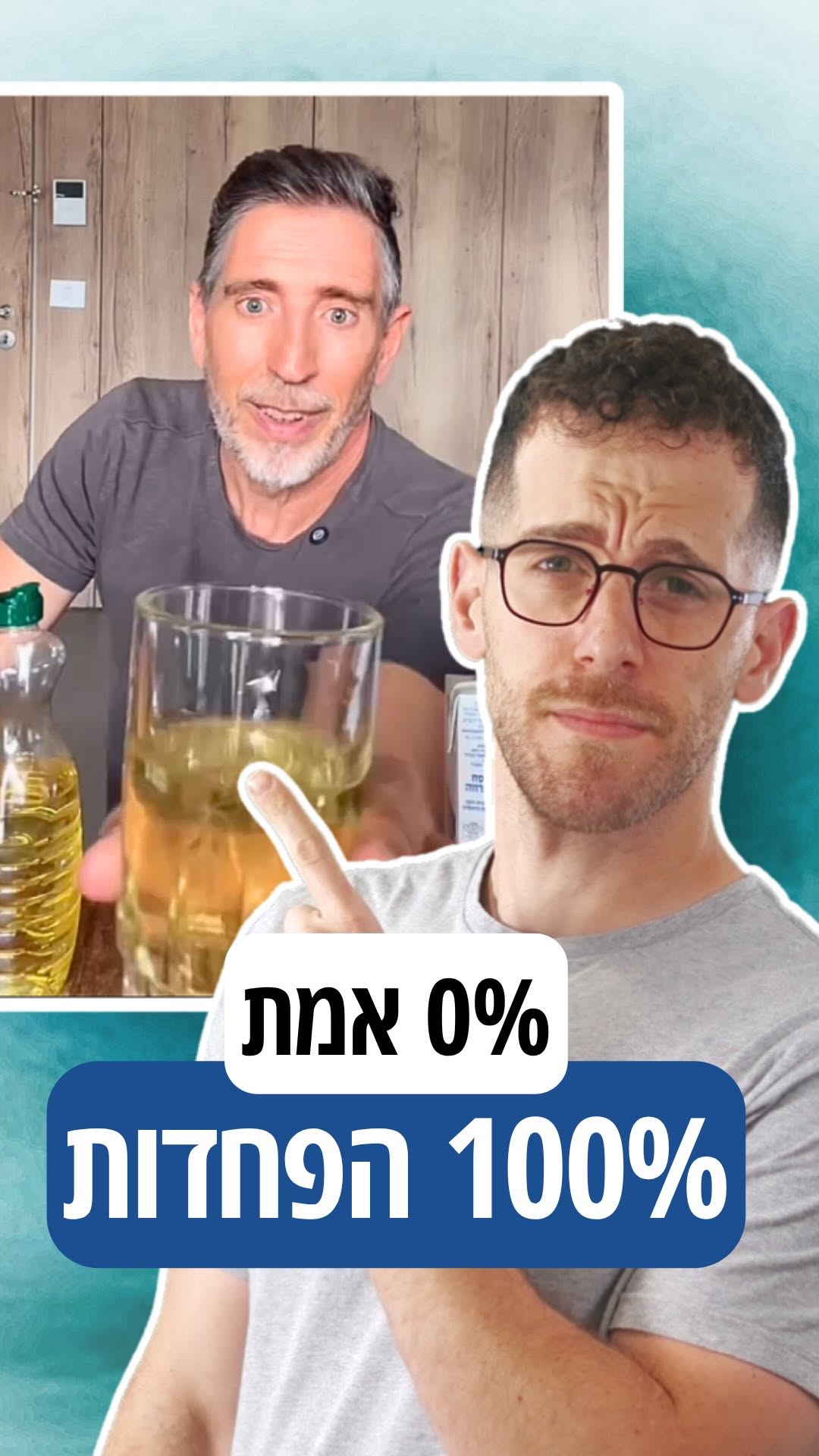
סרטון זה מציג קליפ של אדם המביע טענות רפואיות, ומומחה/מגיב שמתייחס אליהן. הציון מבוסס רק על טענות המומחה.
quiz טענות הקליפ ותגובת המומחה
"כל תחליפי החלב מכילים שמני זרעים."
info המומחה לא התייחס ישירות לטענה זו ואין מספיק נתונים לבדיקה עצמאית
"שמני זרעים בחלב גורמים לדלקת."
"הטענה ששמני זרעים בתחליפי חלב גורמים לדלקת אינה נכונה."
המומחה מפריך את הטענה של הדובר בקליפ ששמני זרעים בתחליפי חלב גורמים לדלקת.
מסקנת הבדיקה:
הספרות המדעית העדכנית מצביעה על כך שאין עדות חד-משמעית לכך שצריכת שמני זרעים כשלעצמם גורמת לדלקת בבני אדם, כאשר הם נצרכים כחלק מתזונה מאוזנת. עם זאת, הנושא נותר שנוי במחלוקת בקרב חוקרי תזונה, ונדרשים מחקרים נוספים כדי להכריע בשאלת ההשפעה הקרדיו-מטבולית ארוכת הטווח. (🟨)
person_check טענות נוספות של המומחה
טענות שהמומחה הביע שאינן קשורות ישירות לטענה ספציפית בקליפ
"ברוב תחליפי החלב אנחנו נראה אחוז שומן ממוצע של 1% עד 3.5%."
מסקנת הבדיקה:
מחקרים תזונתיים מראים כי תכולת השומן בתחליפי חלב מהצומח משתנה בהתאם למקור הצמחי, אך לרוב היא אכן נעה בטווח של 1% עד 3.5%, בדומה לחלב בקר סטנדרטי. (🟩)
chevron_right מקורות מדעיים: (2)
-
link
Comparison of nutritional composition between plant-based drinks and cow's milk.
The high decline in liquid milk consumption in Western countries has been compensated by the increased consumption of processed dairy products and the rapidly increasing number of new plant-based beverages constantly introduced in the market, advertised as milk substitutes and placed on shelves near milk products. To provide better understanding about the nutritional value of these drinks compared with cow's milk, 27 plant-based drinks of 8 different species and two milk samples were purchased from two big retailers in Switzerland, and their composition regarding protein, carbohydrate, fat, vitamin, and mineral contents and residue load [glyphosate, aminomethylphosphonic acid (AMPA), and arsenic] was analyzed quantitatively and qualitatively. Energy and nutrient intakes were calculated and compared with the dietary reference values for Germany, Austria and Switzerland (D-A-CH). In addition, the digestible indispensable amino acid score (DIAAS) was calculated to estimate the quality of the proteins. Milk contained more energy; fat; carbohydrate; vitamins C, B…
PMID: 36386959
-
link
Nutritional assessment of plant-based beverages in comparison to bovine milk.
Plant-based beverages (PBB) are often marketed and used by consumers as alternatives to ruminant milks, particularly bovine milk (hereafter referred to as milk). However, much research has established that there is variation in nutritional composition among these products, as well as demonstrating that they are largely not nutritional replacements for milk. A survey of the prices and nutrition labels of PBB available in New Zealand supermarkets was undertaken. Selected almond, coconut, oat, rice, and soy PBB products were then analyzed for nutritional content, including energy, fat, protein, amino acid, bioavailable amino acid, and trace element contents. Finally, the protein and calcium contents of well-mixed and unshaken products were analyzed to ascertain the impact of colloidal stability on nutrient content. All PBB groups were more expensive than milk on average, while their declared nutrient contents on package labels was highly variable within and between groups. Analyses of selected PBB revealed that soy products had the most similar proximate composition to milk, while all other PBB groups contained less than 1.1 g protein per 100 mL on average. Many PBB were fortified with calcium to a similar concentration as that in milk. Shaken and unshaken samples showed divergent protein and calcium content for several PBB products but had no effect on the composition of milk, indicating that the nutrient content of PBB at the point of consumption will be dependent on whether the product has been shaken. Only the soy PBB had comparable amino acid content and bioavailability to milk. Overall, our results demonstrate the diversity in composition and nutritional properties of PBB available in New Zealand. While the existent environmental footprint data on PBB shows that they generally have lower carbon emissions than milk, milk currently accounts for approximately 1% of the average New Zealand resident's consumption-based emissions. Except for calcium-fortified soy PBB, none of the commercially available PBB had nutritional compositions that were broadly comparable to milk.…
PMID: 36003838
"הסיבה העיקרית להוספת שמן לתחליפי חלב היא שיפור המרקם ותחושת הפה (Mouthfeel)."
מסקנת הבדיקה:
הספרות המדעית בתחום טכנולוגיית המזון מאשרת כי הוספת שומנים ושמנים לתחליפי חלב חיונית ליצירת אמולסיה יציבה, שיפור המרקם (Rheology) ותחושת הפה (Mouthfeel) כדי לדמות חלב מן החי. (🟩)
chevron_right מקורות מדעיים: (2)
-
link
The Impact of Adding Sunflower Seed Oil Bodies to a Sugar-Free Plant-Based Ice Cream Formulation.
The increasing demand for plant-based alternatives, driven by veganism, lactose intolerance, and greater health consciousness, has intensified research into dairy-free frozen desserts. This study investigates the development of a plant-based ice cream alternative utilizing oleosomes extracted from sunflower seed kernels as natural emulsifiers, eliminating the need for synthetic additives. Oleosomes were obtained through aqueous extraction from raw kernels, incorporated into emulsions in three levels (0, 12, and 24%), and combined with sunflower seed oil, tahini, date paste, and water to create the ice cream (IC) formulations. The physicochemical properties of three formulations of a sugar-free frozen dessert were studied. Physicochemical analyses assessed nutritional value, color (CIELab), melting time, stability, overrun, viscosity, and texture profile (TPA). Sensory evaluation was conducted using a hedonic test to assess the impact of tahini type (sunflower seed tahini or pumpkin seed kernel tahini) on the product acceptance. Results showed that higher oleosome content improved emulsion stability and melting resistance, while also producing a softer (30.74 ± 0.28 N), less adhesive (1.87 ± 0.20 mJ) texture, suitable for plant-based ice cream. Sensory analysis revealed a clear preference for the pumpkin tahini formulation, which scored 8.21 ± 0.62 for overall appreciation. The findings demonstrate that the addition of oleosome might improve textural attributes of the products, while the consumer preference could also be influenced by the type of tahini involved in the formulation. However, further studies are necessary to corroborate the proposed interaction mechanisms of ingredients.…
PMID: 41683061
-
link
Rheological analysis in food processing: factors, applications, and future outlooks with machine learning integration.
Food rheology serves as a critical tool for characterizing the flow and deformation properties of food, which directly impact its texture, taste, stability, and overall quality. The complex production environments and rapidly evolving market demands necessitate the integration of rheology with machine learning (ML) to accurately and effectively characterize and optimize the rheological properties of food. This review, with a focus on machine learning, examines texture analysis, including both large deformation rheology measurements, and small deformation rheology. It summarizes the factors influencing food rheology, emphasizing the interactions between key food components that affect rheological properties and the rheological characteristics of complex food systems. Furthermore, this review explores the detailed applications of combining rheology and machine learning in the food industry, as well as the associated challenges and future outlooks. ML has demonstrated significant efficacy in predicting and analyzing food rheology, despite the challenges posed by large datasets and intricate production conditions. The integration of ML with food rheology facilitates the analysis of food flow and deformation, optimization of product formulations, monitoring of production processes, and execution of sensory analysis. While ML-based approaches to rheology have advanced considerably in the context of food processing and quality assurance, substantial potential for further development remains.…
PMID: 41584137
"קיימות בשוק אפשרויות לתחליפי חלב ללא שמן כלל."
מסקנת הבדיקה:
קיימים בשוק תחליפי חלב המבוססים על רכיבים דלי שומן או ללא תוספת שמן, כגון משקאות אורז או שיבולת שועל מסוימים, אם כי הרכבם התזונתי והמרקם שלהם שונים מאלו המכילים שמנים מוספים. (🟩)
chevron_right מקורות מדעיים: (2)
-
link
Recent Advances in Plant-Based Dairy Alternatives: Technological Innovations, Nutritional Enhancement, Sustainability, and Consumer Perspectives.
Plant-based beverages (PBBs) have attracted considerable attention from the global dairy industry as a viable substitute to the milk industry due to their sustainability, nutritional value, and economics. An emerging trend is PBBs, which can be an affordable option for low-income populations in developing nations and in areas where there is a limited supply of cow's milk. The PBB market is projected to reach a value of $7.3 billion by 2032, growing at a compound annual growth rate (CAGR) of 10.3% from 2023 to $2.8 billion in 2022. The increase of vegans around the world is the main factor propelling the PBB market's expansion. Cereals, legumes, nuts, and seeds are the sources that may be utilized for manufacturing vegetal beverages. The present possibilities and obstacles related to PBB development are explored in this review. This review summarizes novel insights on PBB, the use of novel ingredients, traditional and technologically advanced methods, health benefits, and risks related to consuming these beverages. This comprehensive review also briefly describes the production processes utilized for producing PBBs, the bioavailability of nutrients, their impact on gut microbiota, and the sustainability of PBBs for the circular economy. These insights are intended to assist scientists and food producers in choosing and refining appropriate processing techniques to enhance the nutritional attributes, shelf life, and consumer acceptability of PBBs.…
PMID: 41809494
-
link
Drivers of Liking for Oat Milk.
Oat milk is one of the most popular plant-based milk alternatives in today's market. The objective of this study was to identify the sensory drivers of like and dislike for oat milk. Twenty-eight commercial oat milks were collected in duplicate lots. A highly experienced trained panel (n = 7) identified and documented attributes and definitions for the oat milks. Ten representative oat milks were selected for consumer acceptance testing with oat milk consumers (n = 157). Each consumer evaluated the 10 oat milks across 2 days. External preference mapping and penalty lift analyses were then applied to identify drivers of like and dislike. By external preference mapping, opacity, sweet aromatic and cooked cereal flavors, viscosity, and residual mouthcoating were drivers of liking for oat milk consumers, whereas thin/watery texture and cardboard flavor were drivers of dislike. Two clusters of oat milk consumers were identified which differed primarily by degree of liking for all oat milks. The determination of a sensory lexicon specific for oat milks and drivers of liking and dislike can be used by product developers for formulating the ideal oat milk and to improve current products.…
PMID: 41772912

Jordan Ovadia | ירדן עובדיה
דירוג זה מבוסס על 9 דוחות אימות קודמים.
האם הדוח הזה היה מועיל לך?
מה היה פחות טוב? (רשות)
תודה על הפידבק!
עירעור על דוח זה
ספקו ראיות חדשות או הצביעו על אי דיוקים
נעדכן אותך על תוצאות הבדיקה
הוסיפו קישורים למחקרים או מקורות רפואיים מוכרים
העירעור נשלח בהצלחה!
המנוע המדעי שלנו יבדוק את הראיות שהגשתם. נעדכן אתכם באימייל עם התוצאות.
ניתוח מבוסס בינה מלאכותית
דוח זה נוצר באופן אוטומטי על ידי מערכת בינה מלאכותית ועשוי להכיל שגיאות, אי-דיוקים או מידע חלקי. הניתוח אינו מהווה ייעוץ רפואי, אבחנה או המלצה לטיפול, והוא אינו תחליף לדעתו של איש מקצוע רפואי מוסמך. יש להתייעץ עם רופא או מומחה מוסמך לפני קבלת כל החלטה רפואית. המידע מוצג לצרכי מידע כללי בלבד.
מידע זה מופק על ידי בינה מלאכותית ואינו מהווה תחליף לייעוץ רפואי מקצועי.