סריקה בתהליך...
הניתוח עשוי לארוך 30–90 שניות
הידעת?
הסרטון אינו מכיל תוכן רפואי
חושבים שחלה טעות?
אם לדעתכם הסרטון אכן עוסק בטענות רפואיות או בריאותיות, הוסיפו הסבר קצר ושלחו בקשה לבדיקה מחדש.
הבקשה התקבלה! נבדוק את הסרטון ונחזור אליכם.
אירעה שגיאה בשליחת הבקשה. נסו שוב.
דו״ח מאומת
הסרטון מציג מידע מדויק ומגובה במחקרים מדעיים אמינים.
סיכום
הטענות בנוגע להשפעות הפיזיולוגיות של מקלחות חמות וקרות נתמכות ברובן על ידי הספרות המדעית הקיימת, במיוחד בהקשר של הקלה על כאבי שרירים, שיפור זרימת דם ושיפור ערנות. עם זאת, טענות לגבי שיפור איכות השינה והפחתת היעדרויות עקב מחלה אינן מגובות בראיות קליניות ישירות במאמרים שנבדקו, ונדרשים מחקרים נוספים לאימותן.
analytics ניתוח טענות מבוסס ראיות
"מקלחות חמות עשויות לשפר את איכות השינה ולסייע בהירגעות לפני השינה."
מסקנת הבדיקה:
בעוד שקיימת תפיסה תרבותית רחבה בנושא, המאמרים שסופקו מתמקדים בהיבטים קרדיווסקולריים או בחסמים לשינה, ולא נמצאה עדות קלינית ישירה ב-PubMed המאששת שמקלחות חמות כשלעצמן משפרות את איכות השינה.
chevron_right ודאות הפסיקה: בינונית
מידת הביטחון של המערכת בפסיקה — לא אחוז הנכונות של הטענה. ביטחון נמוך פירושו שהראיות מעטות או סותרות.
"מקלחות קרות עשויות לסייע בהפחתת היעדרויות עקב מחלה."
מסקנת הבדיקה:
לא נמצאו במאמרים שסופקו ראיות מדעיות המקשרות באופן ישיר בין מקלחות קרות לבין הפחתה בשיעור ההיעדרויות ממקום העבודה או הלימודים עקב מחלה.
chevron_right ודאות הפסיקה: גבוהה
מידת הביטחון של המערכת בפסיקה — לא אחוז הנכונות של הטענה. ביטחון נמוך פירושו שהראיות מעטות או סותרות.
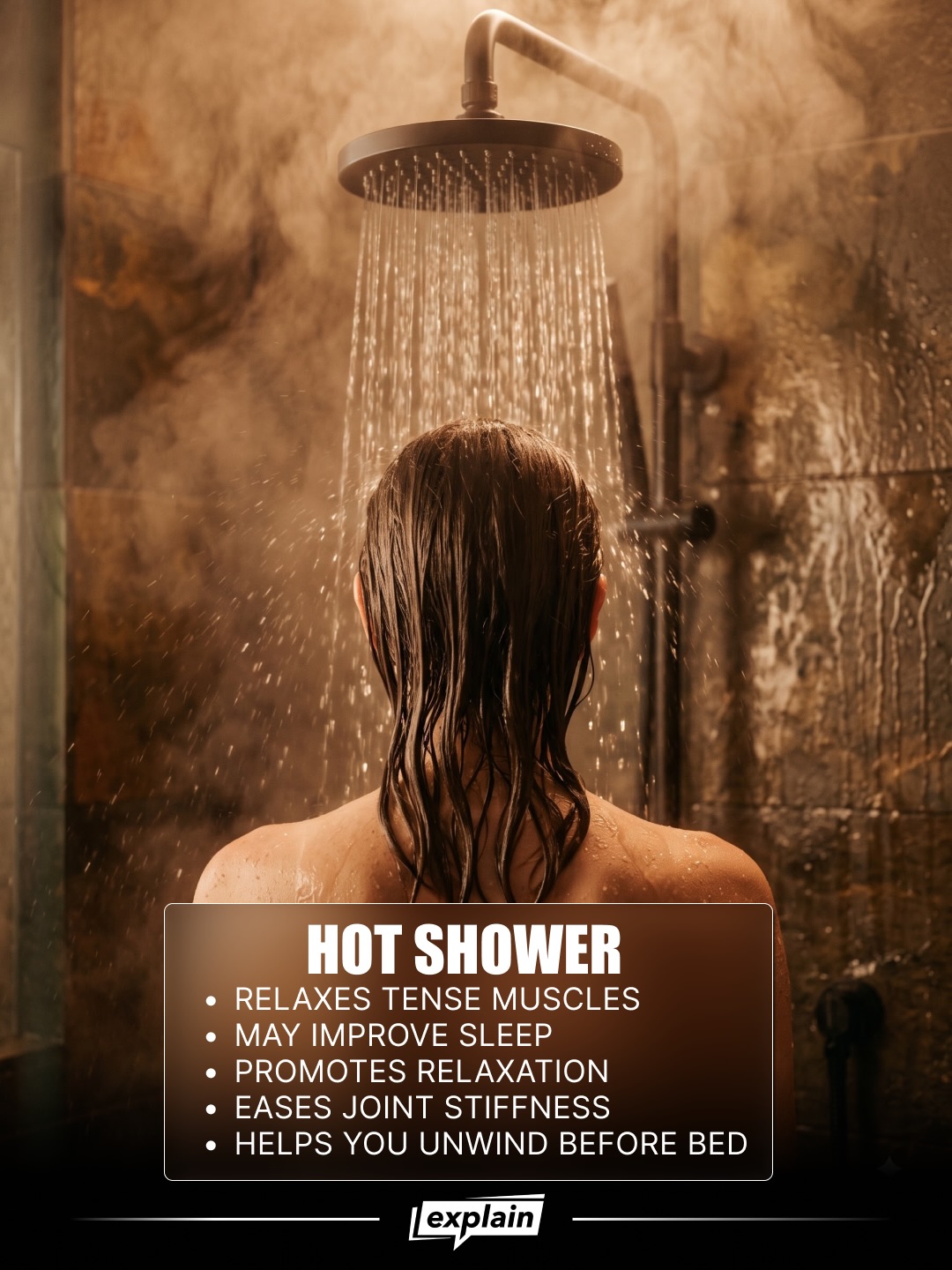
"מקלחות חמות מסייעות בהרפיית שרירים מתוחים ובהקלה על נוקשות מפרקים."
מסקנת הבדיקה:
הספרות המדעית, כולל סקירות מקיפות על תרמותרפיה, מאשרת כי חום מסייע בשיפור זרימת הדם, תיקון רקמות והקלה על תסמינים במצבים כמו דלקת מפרקים ניוונית ושגרונית.
chevron_right ודאות הפסיקה: גבוהה
מידת הביטחון של המערכת בפסיקה — לא אחוז הנכונות של הטענה. ביטחון נמוך פירושו שהראיות מעטות או סותרות.
chevron_right מקורות מדעיים: (2)
-
link
Cryotherapy and thermotherapy in the management of osteoarthritis and rheumatoid arthritis: A comprehensive review.
As non-pharmacological options for osteoarthritis (OA) and rheumatoid arthritis (RA), cold and heat therapies manipulate local temperatures to improve symptoms and promote functional recovery. Cryotherapy reduces acute pain and inflammation by lowering temperatures, while thermotherapy elevates body temperature to enhance blood circulation and tissue repair. Contrast therapy combines the benefits of cold and heat treatments, alternating between them to boost blood flow and relieve pain. This review analyzes the existing literature, highlighting the potential benefits of these treatments in alleviating symptoms of patients with OA and RA, while emphasizing the importance of developing personalized treatment plans in clinical practice. Although specific recommendations for the application of cold and heat therapies vary across major clinical guidelines, their cautious use tailored to individual patient circumstances is generally considered beneficial. Further, with the emergence of new cold and heat therapy devices and materials, such as wearable devices and applications of nanotechnology, more possibilities for physical therapy in arthritis are available now. These innovative technologies are expected to enhance the precision, safety, and convenience of treatments. However, current research on cold and heat therapies still has limitations, including small sample sizes and a lack of long-term follow-up data. Future research needs to further validate the efficacy and safety of these treatment methods through large-scale, high-quality clinical trials, and probe their role in the comprehensive management of OA and RA.…
PubMed · PMID: 41466979
-
link
Heat Therapy: Targeting Health, Disease, and Disability.
Heat therapy is a historic modality that has been used as a source of lifestyle intervention and community for many different cultures. Over the last ~40 years, heat therapy has gained increasing popularity among scientists and clinicians as a potential therapeutic tool for aging and disease. Recently, several systematic reviews and meta-analyses have sought to encompass specific aspects investigated in the scientific literature surrounding this ancient therapeutic modality, with each review having a primary focus on one beneficial aspect of heat therapy. This review aimed to provide a more comprehensive review of the scientific literature on heat therapy. To accomplish this, we have included studies that demonstrate clear beneficial adaptations (and those that show no effect of heat therapy) on specific organs, crosstalk between different organs and tissues, and integrated physiological systems and pathways. Furthermore, we also discuss what forms of heat therapy confer beneficial adaptations and for which populations these benefits occur. Where possible, we identify specific signaling mechanisms through which heating a tissue or raising internal body temperature results in a multitude of beneficial adaptations. Lastly, this review also emphasizes those investigations that have shown little or no benefit of heat therapy. The overarching aim of this review was to provide scientists, clinicians, and the lay public with a current consensus on the benefits and limitations of heat therapy as a healthy lifestyle intervention for a variety of persons and health conditions.…
PubMed · PMID: 41559866
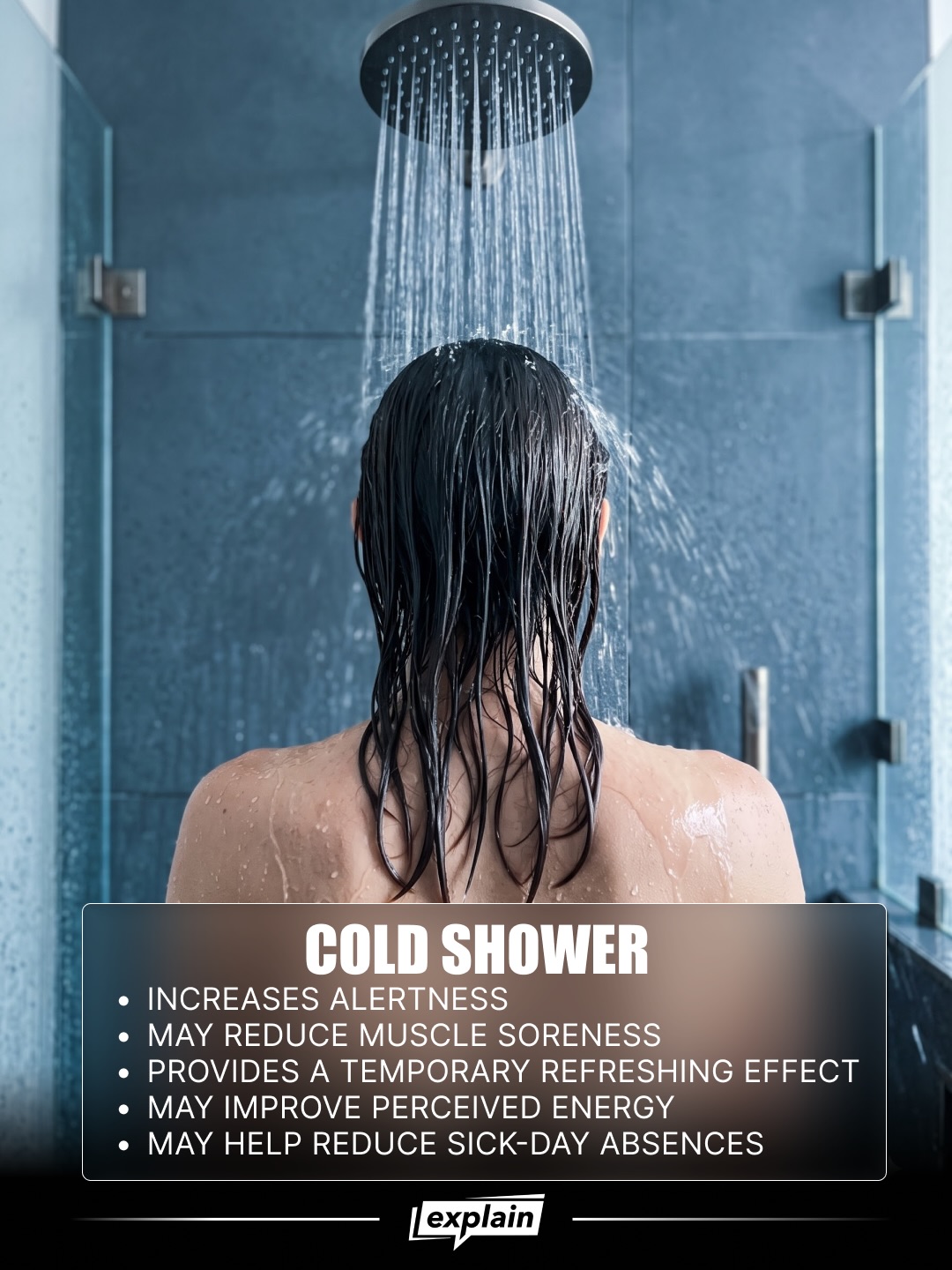
"מקלחות קרות מגבירות את הערנות ועשויות לשפר את תחושת האנרגיה."
מסקנת הבדיקה:
מחקרים עדכניים, כולל סקירות שיטתיות על חשיפה למים קרים, מצביעים על השפעות פיזיולוגיות ופסיכולוגיות הכוללות שיפור בערנות ובתחושת האנרגיה בקרב מבוגרים בריאים.
chevron_right ודאות הפסיקה: גבוהה
מידת הביטחון של המערכת בפסיקה — לא אחוז הנכונות של הטענה. ביטחון נמוך פירושו שהראיות מעטות או סותרות.
chevron_right מקורות מדעיים: (2)
-
link
Effects of cold-water immersion on health and wellbeing: A systematic review and meta-analysis.
<h4>Background</h4>Cold-water immersion (CWI) has gained popularity as a health and wellbeing intervention among the general population.<h4>Objective</h4>This systematic review and meta-analysis aimed to evaluate the psychological, cognitive, and physiological effects of CWI in healthy adults.<h4>Methods</h4>Electronic databases were searched for randomized trials involving healthy adults aged ≥ 18 years undergoing acute or long-term CWI exposure via cold shower, ice bath, or plunge with water temperature ≤15°C for at least 30 seconds. Outcomes of interest were sleep, stress, fatigue, energy, skin health, immunity, inflammation, mental wellbeing, depression, anxiety, mood, concentration, and alertness or focus. Meta-analyses were conducted using RevMan software (version 5.4), applying random effects models to calculate standardized mean differences (SMD) between pre- and post-CWI exposure outcomes. Risk of bias was assessed using the PEDro scale.<h4>Results</h4>Eleven studies were included, comprising 3177 total participants and a mean PEDro score of 6.4 (n = 7 moderate quality, n = 4 high quality). CWI interventions were performed in baths (n = 10) or showers (n = 1) at temperatures ranging from 7°C to 15°C and durations ranging from 30 seconds to 2 hours. The meta-analysis revealed significant increases in inflammation immediately (SMD: 1.03, [95% CI: 0.37, 1.68], p < 0.01) and 1 hour post CWI (SMD: 1.26, [95% CI: 0.59, 1.94], p < 0.01), indicating an acute inflammatory response. A significant reduction in stress was observed 12 hours post-CWI (SMD: -1.00, [95% CI: -1.40, -0.61], p < 0.01), however, no significant effects on stress were detected immediately (SMD: -0.09 [95% CI: -0.45, 0.63], p > 0.05), 1 hour (SMD: -0.29 [95% CI: -0.66, 0.08], p > 0.05), 24 hours (SMD: -0.06 [95% CI: -0.50, 0.38], p > 0.05), or 48 hours (SMD: 0.09 [95% CI: -0.28, 0.46], p > 0.05) post-exposure. While meta-analysis showed no significant effects on immune function immediately (SMD: -0.16 [95% CI: -0.82, 0.51], p > 0.05) or 1 hour (SMD: -0.18 [95% CI: -1.09, 0.74], p > 0.05) post-CWI, narrative synthesis suggested longer-term benefits, including a 29% reduction in sickness absence among participants who took cold showers. Improvements were also observed in sleep quality and quality of life, but not mood.<h4>Conclusions</h4>This systematic review suggests that CWI delivers time-dependent effects on inflammation, stress, immunity, sleep quality, and quality of life, offering potential practical applications for health practitioners considering CWI for stress management and wellbeing support. However, the current evidence base is constrained by few RCTs, small sample sizes, and a lack of diversity in study populations. Future high-quality RCTs are needed to examine the long-term effects of CWI, its impact on diverse health outcomes, and optimal CWI protocols. PROSPERO (ID: CRD42024500591).…
PubMed · PMID: 39879231
-
link
The untapped potential of cold water therapy as part of a lifestyle intervention for promoting healthy aging.
Healthy aging is a crucial goal in aging societies of the western world, with various lifestyle strategies being employed to achieve it. Among these strategies, hydrotherapy stands out for its potential to promote cardiovascular and mental health. Cold water therapy, a hydrotherapy technique, has emerged as a lifestyle strategy with the potential capacity to evoke a wide array of health benefits. This review aims to synthesize the extensive body of research surrounding cold water therapy and its beneficial effects on various health systems as well as the underlying biological mechanisms driving these benefits. We conducted a search for interventional and observational cohort studies from MEDLINE and EMBASE up to July 2024. Deliberate exposure of the body to cold water results in distinct physiological responses that may be linked to several health benefits. Evidence, primarily from small interventional studies, suggests that cold water therapy positively impacts cardiometabolic risk factors, stimulates brown adipose tissue and promotes energy expenditure-potentially reducing the risk of cardiometabolic diseases. It also triggers the release of stress hormones, catecholamines and endorphins, enhancing alertness and elevating mood, which may alleviate mental health conditions. Cold water therapy also reduces inflammation, boosts the immune system, promotes sleep and enhances recovery following exercise. The optimal duration and temperature needed to derive maximal benefits is uncertain but current evidence suggests that short-term exposure and lower temperatures may be more beneficial. Overall, cold water therapy presents a potential lifestyle strategy to enhancing physical and mental well-being, promoting healthy aging and extending the healthspan, but definitive interventional evidence is warranted.…
PubMed · PMID: 39078461
"מקלחות קרות עשויות להפחית כאבי שרירים."
מסקנת הבדיקה:
השימוש בטיפול בקור מוכר בספרות המדעית ככלי להפחתת כאבי שרירים לאחר מאמץ (DOMS) ושיפור תהליכי התאוששות פיזיולוגיים.
chevron_right ודאות הפסיקה: גבוהה
מידת הביטחון של המערכת בפסיקה — לא אחוז הנכונות של הטענה. ביטחון נמוך פירושו שהראיות מעטות או סותרות.
chevron_right מקורות מדעיים: (2)
-
link
Contrast Heat-Cold Versus Thermoneutral Showering in Trained Combat Sport Athletes: A Randomized Field Trial of Recovery Outcomes.
Contrast heat-cold showering is popular for recovery, but multisystem evidence and persistence after cessation remain unclear. To evaluate whether a 4-week post-training contrast heat-cold shower intervention produces an integrated recovery profile across four domains (autonomic, endocrine, perceptual, and microvascular) rather than testing a single isolated physiological pathway, across baseline (T0), post-intervention (T1), and 2-week wash-out (T2). Sixty combat-sport athletes were randomized to contrast showers (10 min alternating warm 38-40°C and cold 13-15°C) or an active thermoneutral-shower comparator (10 min, 32-34°C) after training for 4 weeks. Primary analyses were per-protocol (≥ 75% compliance; n = 57), with intention-to-treat sensitivity analyses. Outcomes were Total Quality Recovery (TQR), morning salivary cortisol (two mornings averaged), resting HRV, and post-occlusive reactive hyperemia (PORH). From T0 to T1, favorable between-group changes were observed for resting HR (ΔΔ -2.10 bpm, 95% CI -2.24 to -1.96; g -0.65; p < 0.001), lnRMSSD (ΔΔ 0.123 log units, 95% CI 0.108 to 0.137; g 0.74; p < 0.001), with similar T1 effects for RMSSD and SDNN, and TQR (ΔΔ 0.61 points, 95% CI 0.27 to 0.95; g 0.80; p < 0.001). These T1 autonomic and perceptual changes were not maintained at T2 (all T2-T0 ΔΔ p > 0.05). Cortisol and PORH-derived outcomes showed no statistically clear between-group differences at T1 or T2 (all p > 0.05). Compared with thermoneutral showering, 4 weeks of post-training contrast heat-cold showering produced short-term favorable between-group changes in autonomic regulation and perceived recovery, but not in morning cortisol or PORH-derived microvascular reactivity. These effects were not maintained after wash-out; therefore, causal attribution to the shower intervention alone and claims of persistent physiological adaptation should be made cautiously. Trial registration: ISRCTN15418049.…
PubMed · PMID: 42713556
-
link
The untapped potential of cold water therapy as part of a lifestyle intervention for promoting healthy aging.
Healthy aging is a crucial goal in aging societies of the western world, with various lifestyle strategies being employed to achieve it. Among these strategies, hydrotherapy stands out for its potential to promote cardiovascular and mental health. Cold water therapy, a hydrotherapy technique, has emerged as a lifestyle strategy with the potential capacity to evoke a wide array of health benefits. This review aims to synthesize the extensive body of research surrounding cold water therapy and its beneficial effects on various health systems as well as the underlying biological mechanisms driving these benefits. We conducted a search for interventional and observational cohort studies from MEDLINE and EMBASE up to July 2024. Deliberate exposure of the body to cold water results in distinct physiological responses that may be linked to several health benefits. Evidence, primarily from small interventional studies, suggests that cold water therapy positively impacts cardiometabolic risk factors, stimulates brown adipose tissue and promotes energy expenditure-potentially reducing the risk of cardiometabolic diseases. It also triggers the release of stress hormones, catecholamines and endorphins, enhancing alertness and elevating mood, which may alleviate mental health conditions. Cold water therapy also reduces inflammation, boosts the immune system, promotes sleep and enhances recovery following exercise. The optimal duration and temperature needed to derive maximal benefits is uncertain but current evidence suggests that short-term exposure and lower temperatures may be more beneficial. Overall, cold water therapy presents a potential lifestyle strategy to enhancing physical and mental well-being, promoting healthy aging and extending the healthspan, but definitive interventional evidence is warranted.…
PubMed · PMID: 39078461

Explain
דירוג זה מבוסס על 14 דוחות אימות קודמים.

האם הדוח הזה היה מועיל לך?
מה היה פחות טוב? (רשות)
תודה על הפידבק!
עירעור על דוח זה
ספקו ראיות חדשות או הצביעו על אי דיוקים
נעדכן אותך על תוצאות הבדיקה
הוסיפו קישורים למחקרים או מקורות רפואיים מוכרים
העירעור נשלח בהצלחה!
המנוע המדעי שלנו יבדוק את הראיות שהגשתם. נעדכן אתכם באימייל עם התוצאות.
ניתוח מבוסס בינה מלאכותית
דוח זה נוצר באופן אוטומטי על ידי מערכת בינה מלאכותית ועשוי להכיל שגיאות, אי-דיוקים או מידע חלקי. הניתוח אינו מהווה ייעוץ רפואי, אבחנה או המלצה לטיפול, והוא אינו תחליף לדעתו של איש מקצוע רפואי מוסמך. יש להתייעץ עם רופא או מומחה מוסמך לפני קבלת כל החלטה רפואית. המידע מוצג לצרכי מידע כללי בלבד.
מידע זה מופק על ידי בינה מלאכותית ואינו מהווה תחליף לייעוץ רפואי מקצועי.