סריקה בתהליך...
הניתוח עשוי לארוך 30–90 שניות
הידעת?
הסרטון אינו מכיל תוכן רפואי
חושבים שחלה טעות?
אם לדעתכם הסרטון אכן עוסק בטענות רפואיות או בריאותיות, הוסיפו הסבר קצר ושלחו בקשה לבדיקה מחדש.
הבקשה התקבלה! נבדוק את הסרטון ונחזור אליכם.
אירעה שגיאה בשליחת הבקשה. נסו שוב.
דו״ח מאומת
הסרטון מציג מידע מדויק ומגובה במחקרים מדעיים אמינים.
סיכום
הראיות המדעיות תומכות במסר המרכזי של הפוסט, לפיו הרפואה והמחקר התייחסו היסטורית לגוף הגברי כברירת מחדל ויצרו פערים באבחון ובטיפול. טענות רבות נמצאו מדויקות, ובהן פערים בתזמון האבחון, שימוש במודלים גבריים במחקרים בסיסיים, היעדר תקנים מבוססי דם לבדיקת מוצרי היגיינה, והפחתה במתן החייאה לנשים במרחב הציבורי. מנגד, הטענה על שיעור הסיבוכים והאשפוזים החוזרים אצל מטופלות של מנתחים גברים לעומת מנתחות אינה נתמכת במלואה בספרות. פערי המידע נותרו בעיקר בהבנת ההשפעה המדויקת של מגדר נתח וההשלכות הקליניות המלאות של הטיות מגדריות במחקרים פרה-קליניים.
analytics ניתוח טענות מבוסס ראיות
"שיעור הסיבוכים, האשפוזים החוזרים והתמותה בתוך 30 יום גבוה יותר באופן מובהק אצל נשים שנותחו על ידי מנתחים גברים לעומת מנתחות."
מסקנת הבדיקה:
סקירות שיטתיות ומטה-אנליזות מראות יתרון למנתחות בשיעורי התמותה, אך לא מצאו הבדל מובהק סטטיסטית בשיעורי הסיבוכים או האשפוזים החוזרים. לכן, הצגת כל שלושת המדדים כגבוהים באופן מובהק אצל מנתחים גברים מהווה הכללה שאינה נתמכת במלואה בספרות המדעית.
chevron_right ודאות הפסיקה: גבוהה
מידת הביטחון של המערכת בפסיקה — לא אחוז הנכונות של הטענה. ביטחון נמוך פירושו שהראיות מעטות או סותרות.
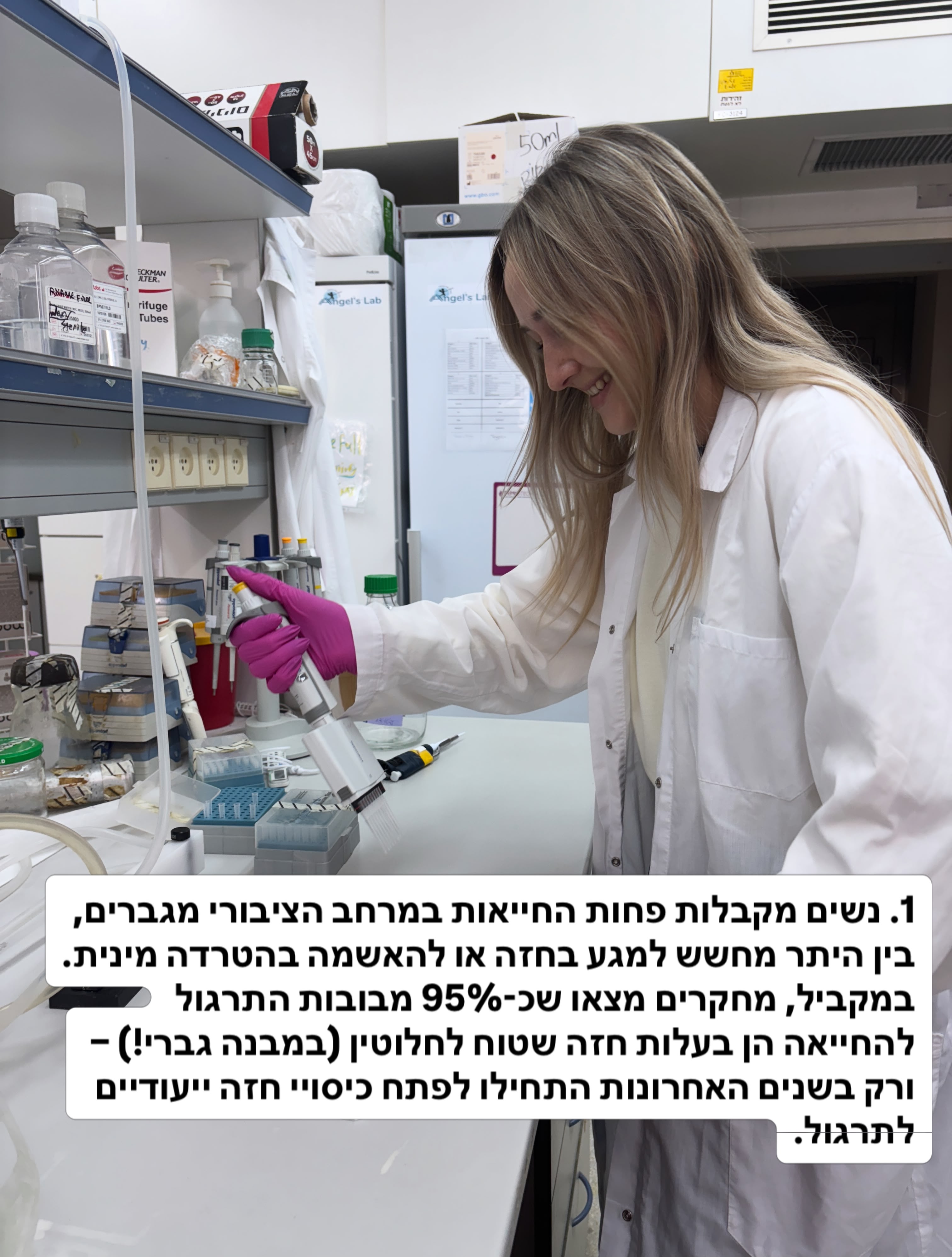
"בובות תרגול להחייאה היו בעלות מבנה גוף גברי (חזה שטוח), ונשים מקבלות פחות עזרה בהחייאה במרחב הציבורי מחשש להטרדה מינית."
מסקנת הבדיקה:
מחקרים וסקירות מעידים כי נשים אכן מקבלות פחות החייאה מעוברי אורח במרחב הציבורי, בין היתר עקב חשש ממגע בחזה או חשש מהאשמות בהטרדה מינית. בנוסף, נתונים מראים כי רוב מוחלט של בובות התרגול להחייאה היו ועודן בעלות מבנה גוף שטוח חזה, מה שמקנה תוקף מלא לטענה.
chevron_right ודאות הפסיקה: גבוהה
מידת הביטחון של המערכת בפסיקה — לא אחוז הנכונות של הטענה. ביטחון נמוך פירושו שהראיות מעטות או סותרות.
chevron_right מקורות מדעיים: (4)
-
link
CPR manikin diversity for BLS education: Current status mapped by an international cross-sectional survey and steps to reach health equity.
<h4>Background</h4>Certain community groups receive less bystander Basic Life Support (BLS). To improve that it was proposed to include in BLS training manikins representing diverse groups, as in current BLS training most manikins are white, lean and male/flat-chested. However, instructors attitudes about the use of diverse manikins and their distribution worldwide are unclear.<h4>Methods</h4>A cross-sectional survey was distributed in international resuscitation networks and national resuscitation councils. Data from participating organisations and manikin characteristics used for BLS training were analysed, and differences between countries from different income classification were assessed.<h4>Results</h4>After de-duplication and removal of incomplete responses, data of 133 organisations from 43 countries from six continents reporting on 5,364 manikins were analyzed. Most organisations (55%) use only white, male/flat-chested, lean manikins. Non-white manikins were the most commonly used diversification (33% of participating organisations). Only 20% of organisations use female manikins. Greater diversification is thought to enhance realism in training, promote inclusivity, and allows participants to be more aware of real-world situations involving diverse patient populations. Barriers described were high costs, low awareness towards the need of manikin diversity, institutional resistance to changes, and limited evidence on the impact of diversification.<h4>Conclusion</h4>The vast majority of reported adult and pediatric CPR manikins are white, male/flat-chested, and lean, and thus lack diversification. Almost one-fifth of respondents indicated to put a bra on a "standard" manikin to simulate a female manikin. Research into diversified manikin use, how to overcome barriers, and its impact on educational and clinical outcomes are needed.…
Europe PMC · PMID: 40503089
-
link
The implementation of diverse skin-toned female manikins in hospital provider basic life support training.
<h4>Background</h4>Women are less likely than men to receive bystander cardiopulmonary resuscitation (CPR). CPR training has traditionally relied on manikins depicting a lean, white male chest, which may reinforce disparities. This quality improvement initiative evaluated healthcare staff perceptions of sex/gender differences in CPR and the impact of diverse skin-toned female manikins on provider confidence.<h4>Methods</h4>Six female CPR manikins representing diverse skin tones were introduced into basic life support training at two Covenant Health hospitals. Participants completed anonymous pre- and post-training surveys assessing perceptions of sex/gender disparities, confidence performing CPR across different body types, and experiences with the manikins. Data were collected from July to October 2025. Staff were grouped by years of clinical practice (1-5, 5-10, 10-20, and ≥20 years). Between-group comparisons were performed using Kruskal-Wallis tests with post hoc pairwise comparisons. Open-text responses were analyzed using summary template analysis.<h4>Results</h4>A total of 573 healthcare staff participated; most were nurses (83.6%), women (85.9%), and had ≥10 years of practice (58.5%). Staff with ≥20 years of practice were less likely to believe sex differences exist in CPR administration. Fewer years of practice were associated with greater hesitation to perform CPR due to body differences (<i>p</i> < 0.001). Pre-training confidence differed significantly across groups, with greater confidence reported among more experienced staff (all <i>p</i> < 0.001). Following training, 73.1% of participants reported increased confidence performing CPR on someone with breasts.<h4>Conclusions</h4>Using manikins with breasts during CPR training increased healthcare staff confidence in providing CPR to people with breasts. Incorporating diverse female CPR manikins into hospital training may improve provider confidence and support more equitable, inclusive resuscitation education.…
Europe PMC · PMID: 42761387
-
link
Association between bystander cardiopulmonary resuscitation initiation and patient’s sex: a systematic review and meta-analysis
Background and aim: The chain of survival, including cardiopulmonary resuscitation (CPR) and automated external defibrillation (AED), improves patients' outcomes in case of cardiac arrest. Socioeconomic status, race, and gender appear to be associated with the likelihood of receiving resuscitation. The aim of this systematic review and meta-analysis was to evaluate the association between female sex and the odds of bystander CPR initiation and AED application in patients with cardiac arrest, compared with male individuals. Methods: The protocol of this systematic review was prospectively registered in PROSPERO (CRD42024512024). PubMed, Scopus, and Cochrane were searched for studies describing the association between patient sex and the initiation of bystander CPR or the application of AED pads. Results: = 45%; moderate certainty evidence). Conclusions: The evidence regarding the association between bystander CPR initiation and patient's sex is characterised by substantial heterogeneity. Female sex appears to be associated with a lower probability of AED pad application compared with males.…
OpenAlex · PMID: 40161290
-
link
Gender differences and survival after an out-of-hospital cardiac arrest: a systematic review and meta-analysis.
Patients who experience out-of-hospital cardiac arrest (OHCA) have unacceptably high mortality rates. It remains unclear whether gender has an association with survival in this regard. Hence, we aimed to investigate the association between gender and survival by conducting a systematic review and meta-analysis. The databases of PubMed, Embase, and Cochrane Database of Systematic Reviews were searched from inception to 17 March, 2020. Studies assessing the association between gender and survival to discharge or 30-day survival after OHCA were included. Two reviewers independently assessed the eligibility of the identified studies. The random-effects model was used to pool data, and the outcome was reported as odds ratios (ORs) and 95% confidence intervals, as the relative measure of association. Twenty-three eligible studies enrolling 897,805 patients were included in this systematic review. Overall, women were older and less likely to experience arrest in public places. When arrest occurred, women had less initial shockable rhythm, were less likely to be witnessed by bystanders, and were less likely provided with CPR compared with men. After admission, women underwent less coronary angiography, percutaneous coronary angiography, and targeted temperature management therapy. Eleven studies with ORs were pooled, showing a significant survival benefit in women (OR = 1.08, p < 0.05, I2 = 52.3%). In the subgroup analysis, both premenopausal women (< 50 years) (OR = 1.42, p < 0.001, I2 = 0%) and postmenopausal women (≥ 50 years) (OR = 1.07, p < 0.05, I2 = 16.4%) had higher odds of survival compared with age-matched men. Despite the unfavorable factors, the pooled results showed a significant survival benefit in women after OHCA, especially in premenopausal women.…
PubMed · PMID: 33174152
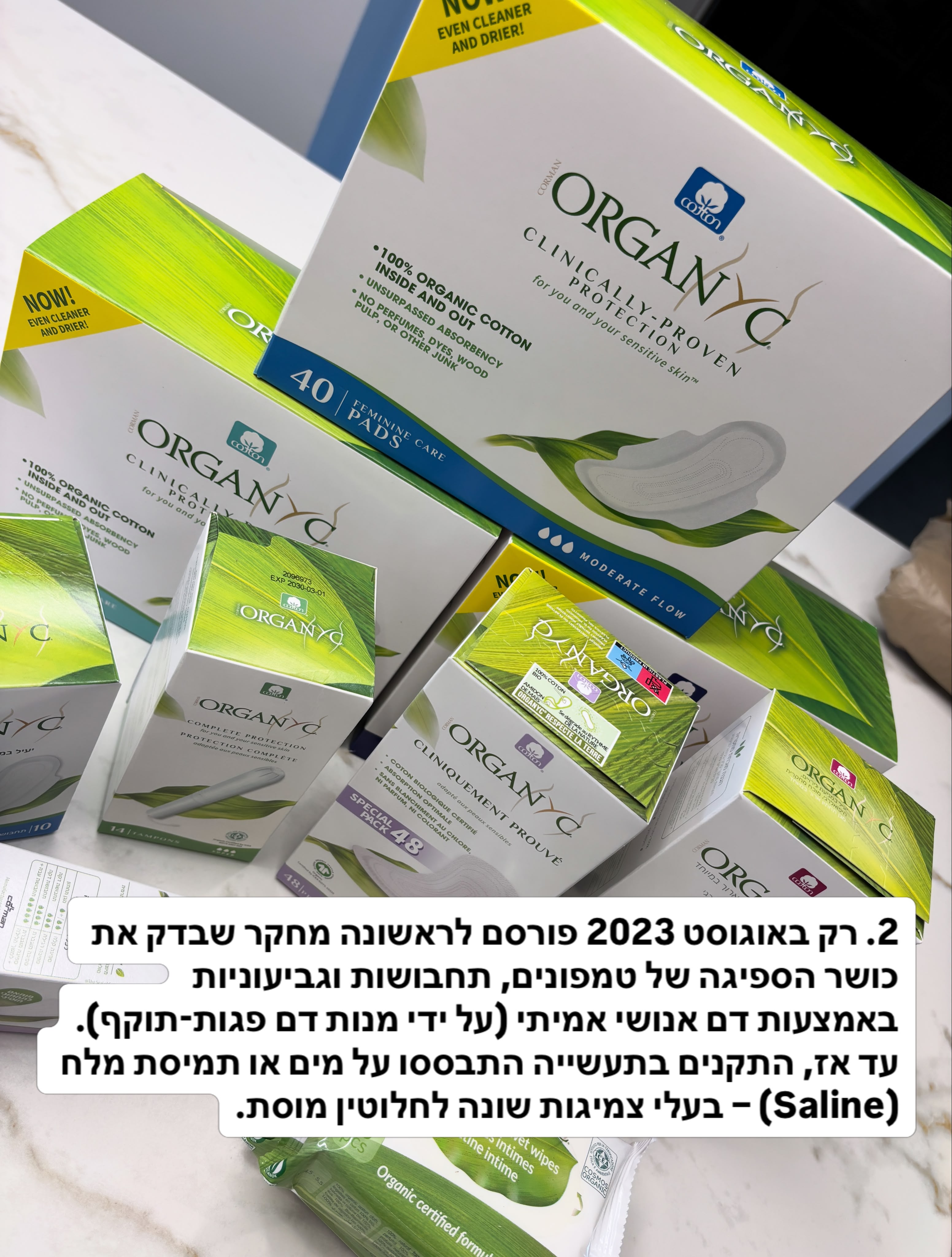
"עד אוגוסט 2023, תקני התעשייה לבדיקת כושר ספיגה של טמפונים ותחבושות התבססו על מים או תמיסת מלח ולא על דם אנושי אמתי."
מסקנת הבדיקה:
תקני התעשייה המקובלים לבקת כושר ספיגה של מוצרי היגיינה התבססו באופן היסטורי על תמיסות מלח או נוזלים סינתטיים מטעמי סטנדרטיזציה ובטיחות. ואכן, באוגוסט 2023 פורסם מחקר שבדק לראשונה את כושר הספיגה באמצעות דם אנושי אמתי והדגים פערים לעומת המבחנים הסטנדרטיים.
chevron_right ודאות הפסיקה: גבוהה
מידת הביטחון של המערכת בפסיקה — לא אחוז הנכונות של הטענה. ביטחון נמוך פירושו שהראיות מעטות או סותרות.
"מחקר מצא כי נשים מאובחנות בממוצע בגיל מבוגר יותר מגברים בכ-4 שנים על פני 770 מחלות."
מסקנת הבדיקה:
מחקרים אפידמיולוגיים רחבי היקף מבוססי-נתונים לאומיים תיעדו פערים מגדריים משמעותיים בתזמון האבחון במאות מחלות. מחקרים אלו מאששים כי נשים חוות לעיתים קרובות איחור באבחון ומאובחנות בממוצע בגיל מאוחר יותר בהשוואה לגברים במגוון מצבים רפואיים.
chevron_right ודאות הפסיקה: גבוהה
מידת הביטחון של המערכת בפסיקה — לא אחוז הנכונות של הטענה. ביטחון נמוך פירושו שהראיות מעטות או סותרות.
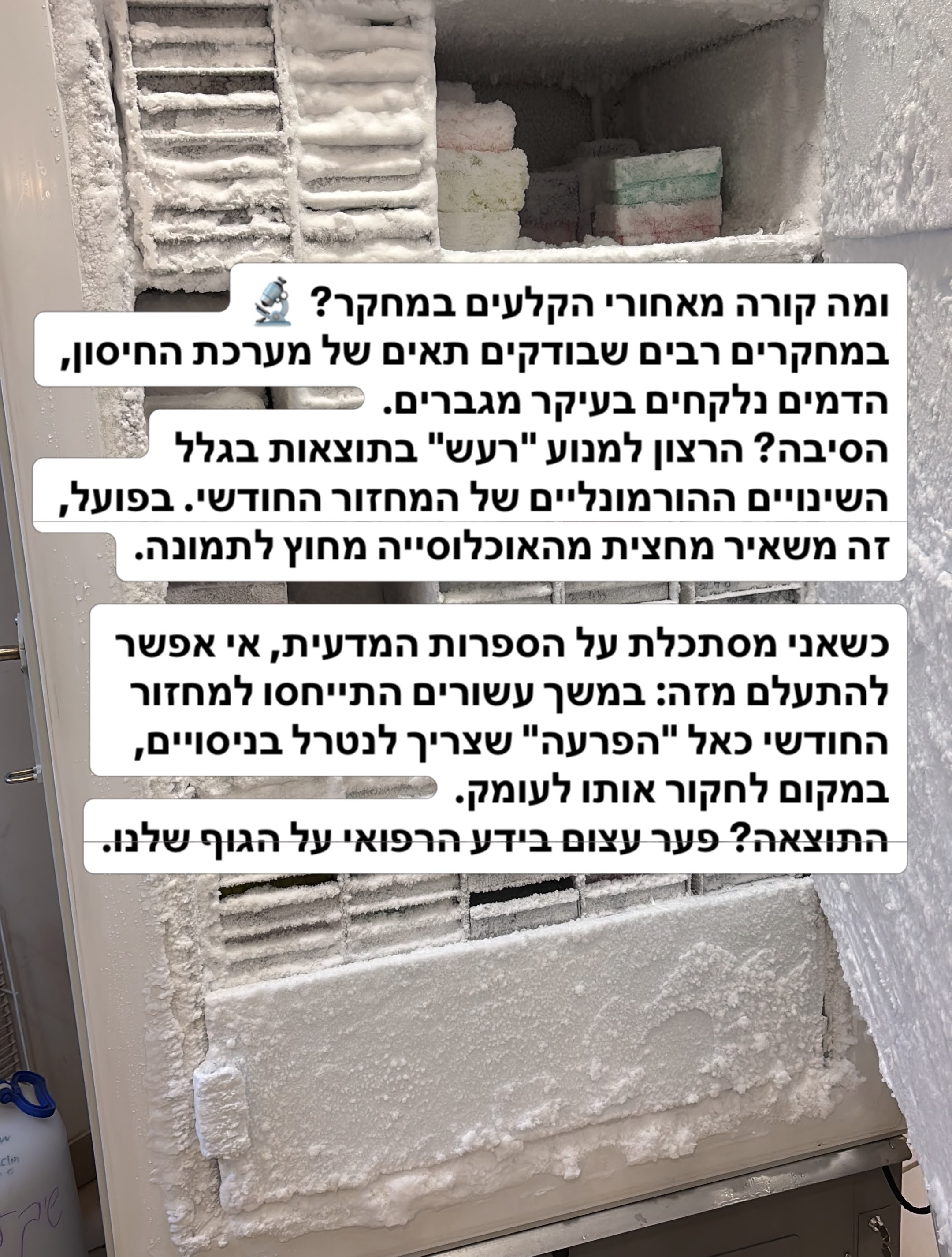
"במחקרים רבים, דגימות תאים של מערכת החיסון נלקחות בעיקר מגברים כדי להימנע מ'רעש' הנובע משינויים הורמונליים במחזור החודשי."
מסקנת הבדיקה:
הטענה מתארת תופעה מתועדת היטב בספרות המדעית, שבה מחקרים בסיסיים ופרה-קליניים השתמשו היסטורית ולעיתים קרובות עדיין משתמשים בדגימות או מודלים זכריים כדי להימנע מהשתנות (
chevron_right ודאות הפסיקה: גבוהה
מידת הביטחון של המערכת בפסיקה — לא אחוז הנכונות של הטענה. ביטחון נמוך פירושו שהראיות מעטות או סותרות.
chevron_right מקורות מדעיים: (3)
-
link
Sex differences in urinary extracellular vesicles originating from the genitourinary system in health and disease.
Urinary extracellular vesicles (uEVs) have risen to the forefront as a source of biomarkers in urine, a biofluid that can be obtained noninvasively in large quantities. These lipid bilayer-bound, anucleate particles contain molecular cargo that may reflect the pathology of disease processes affecting the urogenital and reproductive systems. Urinary EVs can be derived from a variety of organs including the kidney, bladder, and urethra, as well as the testis, epididymis, vas deferens, prostate, and seminal vesicles in males, or the uterus, vagina, and placenta (during pregnancy) in females, as well as from microbiota present in the bladder or urogenital tract, leading to differences in biomolecular cargo based on sex. Hormonal cycles, circadian rhythms, age, and stress might further influence sex differences in uEVs. Despite growing interest in uEVs as biomarkers for renal and urological diseases, the majority of clinical studies to date have relied on urine samples from male-dominant cohorts, including investigations of sex chromosome-linked disorders. This sampling bias has contributed to a significant knowledge gap regarding sex-specific differences in uEV composition and function, which may critically influence disease mechanisms, diagnostic accuracy, and therapeutic targeting. Addressing this gap is essential for advancing the translational relevance and inclusivity of uEV-based research. This state-of-the-art review focuses on the current literature comparing male versus female uEVs using a variety of orthogonal methods across different studies. We also provide insights to address variability and improve rigor and reproducibility in uEV studies targeting both men's and women's health disorders, to move this field forward.…
Europe PMC · PMID: 42530522
-
link
Sexual Dimorphism in Innate Immunity: The Role of Sex Hormones and Epigenetics
Sexual dimorphism refers to differences between biological sexes that extend beyond sexual characteristics. In humans, sexual dimorphism in the immune response has been well demonstrated, with females exhibiting lower infection rates than males for a variety of bacterial, viral, and parasitic pathogens. There is also a substantially increased incidence of autoimmune disease in females compared to males. Together, these trends indicate that females have a heightened immune reactogenicity to both self and non-self-molecular patterns. However, the molecular mechanisms driving the sexually dimorphic immune response are not fully understood. The female sex hormones estrogen and progesterone, as well as the male androgens, such as testosterone, elicit direct effects on the function and inflammatory capacity of immune cells. Several studies have identified a sex-specific transcriptome and methylome, independent of the well-described phenomenon of X-chromosome inactivation, suggesting that sexual dimorphism also occurs at the epigenetic level. Moreover, distinct alterations to the transcriptome and epigenetic landscape occur in synchrony with periods of hormonal change, such as puberty, pregnancy, menopause, and exogenous hormone therapy. These changes are also mirrored by changes in immune cell function. This review will outline the evidence for sex hormones and pregnancy-associated hormones as drivers of epigenetic change, and how this may contribute to the sexual dimorphism. Determining the effects of sex hormones on innate immune function is important for understanding sexually dimorphic autoimmune diseases, sex-specific responses to pathogens and vaccines, and how innate immunity is altered during periods of hormonal change (endogenous or exogenous).…
OpenAlex · PMID: 33584674
-
link
The effects of sex hormones on immune function: a meta-analysis
The effects of sex hormones on immune function have received much attention, especially following the proposal of the immunocompetence handicap hypothesis. Many studies, both experimental and correlational, have been conducted to test the relationship between immune function and the sex hormones testosterone in males and oestrogen in females. However, the results are mixed. We conducted four cross-species meta-analyses to investigate the relationship between sex hormones and immune function: (i) the effect of testosterone manipulation on immune function in males, (ii) the correlation between circulating testosterone level and immune function in males, (iii) the effect of oestrogen manipulation on immune function in females, and (iv) the correlation between circulating oestrogen level and immune function in females. The results from the experimental studies showed that testosterone had a medium-sized immunosuppressive effect on immune function. The effect of oestrogen, on the other hand, depended on the immune measure used. Oestrogen suppressed cell-mediated immune function while reducing parasite loads. The overall correlation (meta-analytic relationship) between circulating sex hormone level and immune function was not statistically significant for either testosterone or oestrogen despite the power of meta-analysis. These results suggest that correlational studies have limited value for testing the effects of sex hormones on immune function. We found little evidence of publication bias in the four data sets using indirect tests. There was a weak and positive relationship between year of publication and effect size for experimental studies of testosterone that became non-significant after we controlled for castration and immune measure, suggesting that the temporal trend was due to changes in these moderators over time. Graphical analyses suggest that the temporal trend was due to an increased use of cytokine measures across time. We found substantial heterogeneity in effect sizes, except in correlational studies of testosterone, even after we accounted for the relevant random and fixed factors. In conclusion, our results provide good evidence that testosterone suppresses immune function and that the effect of oestrogen varies depending on the immune measure used.…
OpenAlex · PMID: 26800512

Alex Yael Ohana
דירוג זה מבוסס על 1 דוחות אימות קודמים.



האם הדוח הזה היה מועיל לך?
מה היה פחות טוב? (רשות)
תודה על הפידבק!
עירעור על דוח זה
ספקו ראיות חדשות או הצביעו על אי דיוקים
נעדכן אותך על תוצאות הבדיקה
הוסיפו קישורים למחקרים או מקורות רפואיים מוכרים
העירעור נשלח בהצלחה!
המנוע המדעי שלנו יבדוק את הראיות שהגשתם. נעדכן אתכם באימייל עם התוצאות.
ניתוח מבוסס בינה מלאכותית
דוח זה נוצר באופן אוטומטי על ידי מערכת בינה מלאכותית ועשוי להכיל שגיאות, אי-דיוקים או מידע חלקי. הניתוח אינו מהווה ייעוץ רפואי, אבחנה או המלצה לטיפול, והוא אינו תחליף לדעתו של איש מקצוע רפואי מוסמך. יש להתייעץ עם רופא או מומחה מוסמך לפני קבלת כל החלטה רפואית. המידע מוצג לצרכי מידע כללי בלבד.
מידע זה מופק על ידי בינה מלאכותית ואינו מהווה תחליף לייעוץ רפואי מקצועי.