סריקה בתהליך...
הניתוח עשוי לארוך 30–90 שניות
הידעת?
הסרטון אינו מכיל תוכן רפואי
חושבים שחלה טעות?
אם לדעתכם הסרטון אכן עוסק בטענות רפואיות או בריאותיות, הוסיפו הסבר קצר ושלחו בקשה לבדיקה מחדש.
הבקשה התקבלה! נבדוק את הסרטון ונחזור אליכם.
אירעה שגיאה בשליחת הבקשה. נסו שוב.
דו״ח מאומת
הסרטון מכיל שילוב של עובדות מוכחות וטענות המטעות את הציבור.
סיכום
העדויות המדעיות תומכות בחלקן במסר המרכזי של הפוסט, שכן גיוון בצריכת פירות וירקות תורם לבריאות אך אינו מהווה תזונה מלאה בפני עצמו. הטענות לגבי תרומתם של פירות וירקות בצבעים כתום, אדום וכחול לבריאות הלב, העור, הראייה והזיכרון נמצאו מהימנות ומגובות במחקרים. לעומת זאת, הטענות המייחסות סגולות ספציפיות כמו ניקוי רעלים, אריכות ימים או חיזוק חיסוני ישיר לצבעים מסוימים מהוות הכללת-יתר ואינן נתמכות באופן מלא בספרות המדעית.
analytics ניתוח טענות מבוסס ראיות
"אכילת פירות וירקות בצבע צהוב מחזקת את מערכת החיסון"
מסקנת הבדיקה:
פירות וירקות צהובים מכילים ויטמינים ונוגדי חמצון התורמים לבריאות הכללית, אך המדע אינו מקשר באופן ישיר ובלעדי בין צבע המזון לחיזוק מערכת החיסון. תפקוד חיסוני תקין תלוי במכלול התזונה ובאורח חיים, ולכן הטענה מייצרת הכללת-יתר פשטנית שאינה נתמכת באופן ישיר על ידי הספרות המדעית.
chevron_right ודאות הפסיקה: גבוהה
מידת הביטחון של המערכת בפסיקה — לא אחוז הנכונות של הטענה. ביטחון נמוך פירושו שהראיות מעטות או סותרות.
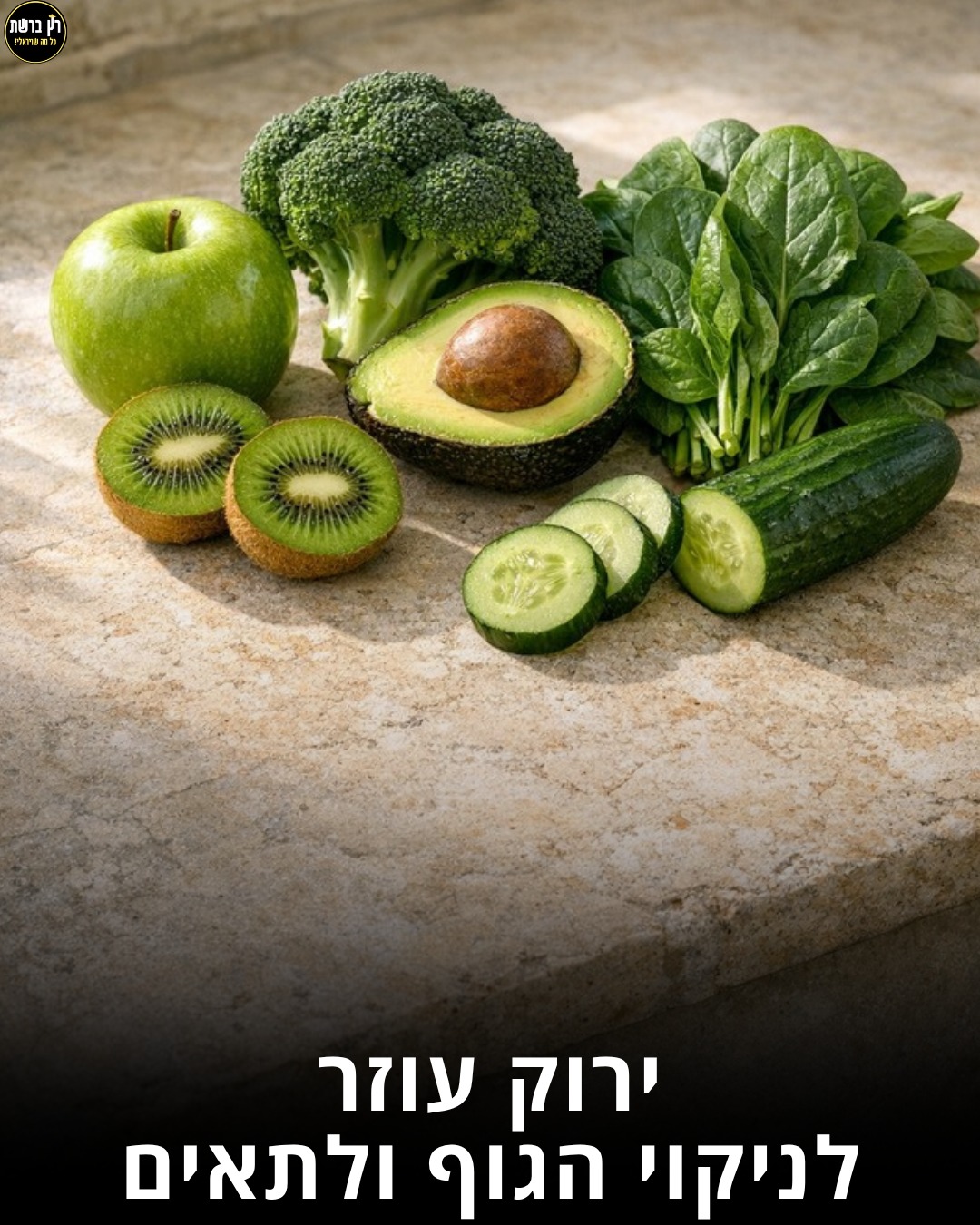
"אכילת פירות וירקות בצבע ירוק עוזרת לניקוי הגוף ולתאים בריאים"
מסקנת הבדיקה:
אכילת פירות וירקות ירוקים תורמת לבריאות התאים הודות לנוגדי חמצון וכלורופיל המסייעים בהפחתת עקה חמצונית, אך הביטוי "ניקוי הגוף" הוא מושג שיווקי שאינו מבוסס מדעית שכן הכבד והכליות הם הגופים האחראיים הבלעדיים על פינוי רעלים. לכן הטענה משלבת ערך תזונתי אמיתי יחד עם הגזמה פסבדו-מדעית.
chevron_right ודאות הפסיקה: גבוהה
מידת הביטחון של המערכת בפסיקה — לא אחוז הנכונות של הטענה. ביטחון נמוך פירושו שהראיות מעטות או סותרות.
chevron_right מקורות מדעיים: (2)
-
link
Health Benefits and Chemical Composition of Matcha Green Tea: A Review
Japanese matcha is a type of powdered green tea, grown in a traditional way. Shading of the plants during the growth period enhances the processes of synthesis and accumulation of biologically active compounds, including theanine, caffeine, chlorophyll and various types of catechins. Green tea contains four main catechins, i.e., (-)-epicatechin (EC), (-)-epicatechin-3-gallate (ECG), (-)-epigallocatechin (EGC) and (-)-epigallocatechin-3-gallate (EGCG), of which the latter is the most active and abundant and matcha is their best condensed source. Due to its unique chemical composition and prized flavour, which sets it apart from other tea beverages, it is considered the highest quality tea. Its health-promoting properties are attributed to the high content of antioxidant and anti-inflammatory substances. Studies confirming the high antioxidant potential of tea beverages claim that it originates from the considerable content of catechins, a type of phenolic compound with beneficial effects on human health. Due to its potential for preventing many diseases and supporting cognitive function, regular consumption of matcha may have a positive effect on both physical and mental health. The aim of this review was to compile the health benefits of matcha tea. It is the first such review to be undertaken, and presents its main bioactive compounds in a systematic manner.…
OpenAlex · PMID: 33375458
-
link
Chlorophylls as Natural Bioactive Compounds Existing in Food By-Products: A Critical Review
Chlorophylls are a group of naturally occurring pigments that are responsible for the green color in plants. This pigment group could have numerous health benefits due to its high antioxidant activity, including anti-inflammatory, anti-cancer, and anti-obesity properties. Many food by-products contain a high level of chlorophyll content. These by-products are discarded and considered environmental pollutants if not used as a source of bioactive compounds. The recovery of chlorophylls from food by-products is an interesting approach for increasing the sustainability of food production. This paper provides insight into the properties of chlorophylls and the effect of different treatments on their stability, and then reviews the latest research on the extraction of chlorophylls from a sustainable perspective.…
OpenAlex · PMID: 37050159
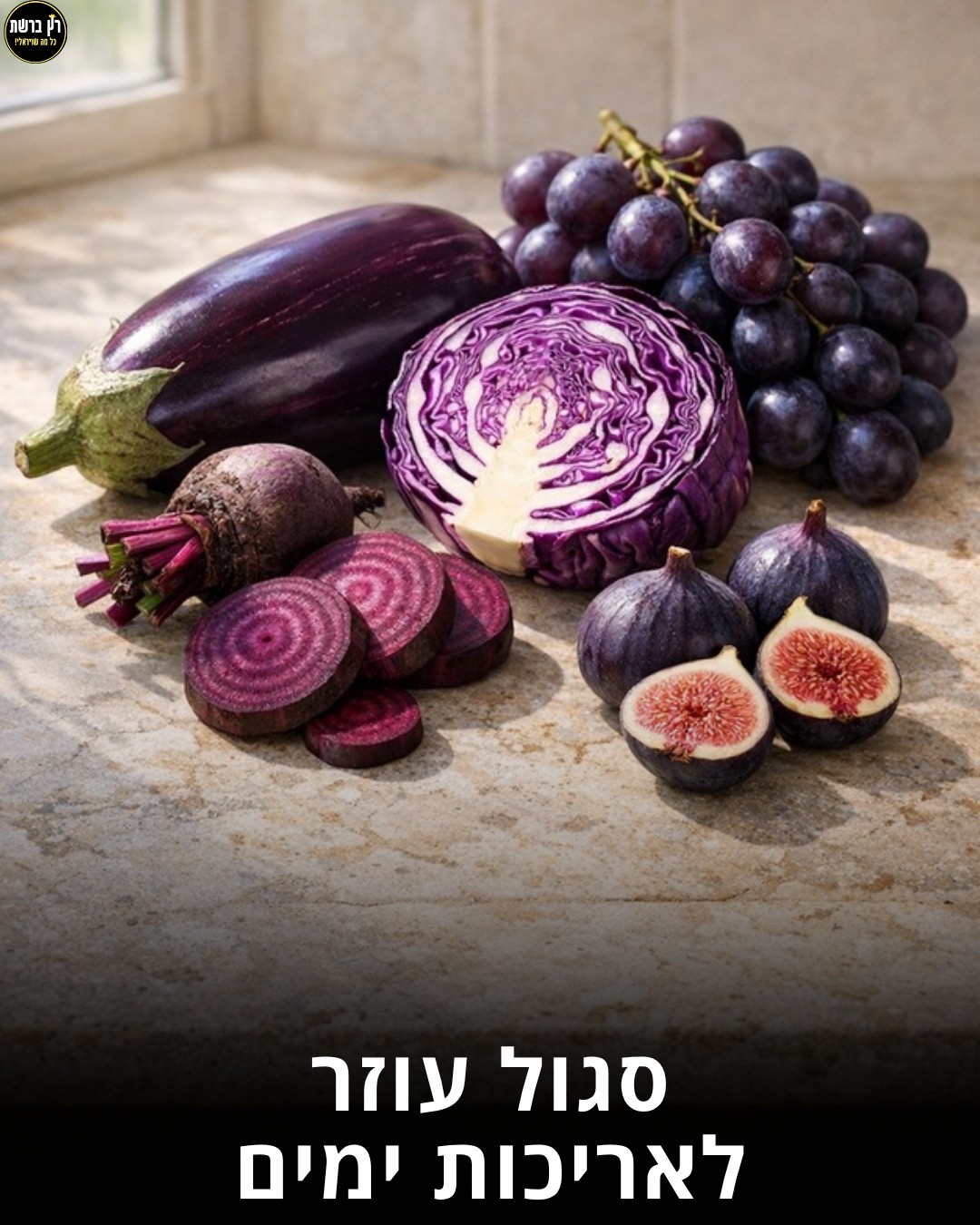
"אכילת פירות וירקות בצבע סגול מסייעת לאריכות ימים"
מסקנת הבדיקה:
תזונה עשירה שפירות וירקות תורמת לבריאות ולמניעת מחלות, אך ייחוס אריכות ימים לצבע ספציפי הוא פשטני ומתעלם מהמורכבות של אורח חיים ותזונה כוללת. אמנם פירות וירקות סגולים מכילים נוגדי חמצון המסייעים בהפחתת סיכון למחלות כרוניות, אך אין הוכחות קליניות לכך שצריכתם לבדם מאריכה את תוחלת החיים.
chevron_right ודאות הפסיקה: בינונית
מידת הביטחון של המערכת בפסיקה — לא אחוז הנכונות של הטענה. ביטחון נמוך פירושו שהראיות מעטות או סותרות.
chevron_right מקורות מדעיים: (3)
-
link
Diet strategies for promoting healthy aging and longevity: An epidemiological perspective
In recent decades, global life expectancies have risen significantly, accompanied by a marked increase in chronic diseases and population aging. This narrative review aims to summarize recent findings on the dietary factors influencing chronic diseases and longevity, primarily from large cohort studies. First, maintaining a healthy weight throughout life is pivotal for healthy aging and longevity, mirroring the benefits of lifelong, moderate calorie restriction in today's obesogenic food environment. Second, the specific types or food sources of dietary fat, protein, and carbohydrates are more important in influencing chronic disease risk and mortality than their quantity. Third, some traditional diets (e.g., the Mediterranean, Nordic, and Okinawa) and contemporary dietary patterns, such as healthy plant-based diet index, the DASH (dietary approaches to stop hypertension) diet, and alternate healthy eating index, have been associated with lower mortality and healthy longevity. These patterns share many common components (e.g., a predominance of nutrient-rich plant foods; limited red and processed meats; culinary herbs and spices prevalent in global cuisines) while embracing distinct elements from different cultures. Fourth, combining a healthy diet with other lifestyle factors could extend disease-free life expectancies by 8-10 years. While adhering to core principles of healthy diets, it is crucial to adapt dietary recommendations to individual preferences and cultures as well as nutritional needs of aging populations. Public health strategies should aim to create a healthier food environment where nutritious options are readily accessible, especially in public institutions and care facilities for the elderly. Although further mechanistic studies and human trials are needed to better understand molecular effects of diet on aging, there is a pressing need to establish and maintain long-term cohorts studying diet and aging in culturally diverse populations.…
OpenAlex · PMID: 37867396
-
link
Flavonoid-rich foods (FRF): A promising nutraceutical approach against lifespan-shortening diseases.
century. However, regrettably, a potential decline in life expectancy has been proposed for these nations in the 21st century due to a rapid upsurge in the prevalence of fatal degenerative diseases like cardiovascular diseases (CVD), cancer and diabetes. Collectively, these three diseases accounted for 65% of all deaths in urbanized societies and were considered as a dynamic issue for shortening the genetically determined lifespan through increased mortalities, morbidities, disabilities, immense sufferings, and premature aging. These fatal degenerative diseases and premature aging are closely associated with oxidative stress produced by the free radicals in the body. In epidemiologic studies, flavonoid-rich foods (FRF) like fruits, vegetables, and beverages have been associated as protective agents against these diseases. These also have been observed for their geroprotective effects and help in preventing premature aging and deterioration of brain function, which is related to Alzheimer's disease and dementia. In this review, we presented a comprehensive overview of the FRF for their potential role against lifespan-shortening complications, i.e., CVD, cancer, and diabetes. We also have drawn the future perspective and dietary guidelines to reduce the fatal disease burden in urban populations.…
OpenAlex · PMID: 32405356
-
link
Health benefits of anthocyanins against age-related diseases.
Anthocyanins, a class of polyphenol flavonoids widely present in various fruits and vegetables, have attracted significant attention due to their potent anti-inflammatory, antioxidant, and anti-aging properties. Recent studies indicate that anthocyanins may play important roles in extending life and preventing or treating age-related diseases. This review systematically summarizes the chemical characteristics of anthocyanins and their potential roles in age-related diseases, including lifespan extension, neurodegenerative diseases, skeletal diseases, cardiovascular diseases, cancer, and metabolic syndrome. Furthermore, we explore the effects of anthocyanins on age-related diseases and their potential mechanisms of action to establish a theoretical foundation for future clinical applications.…
Europe PMC · PMID: 40626227
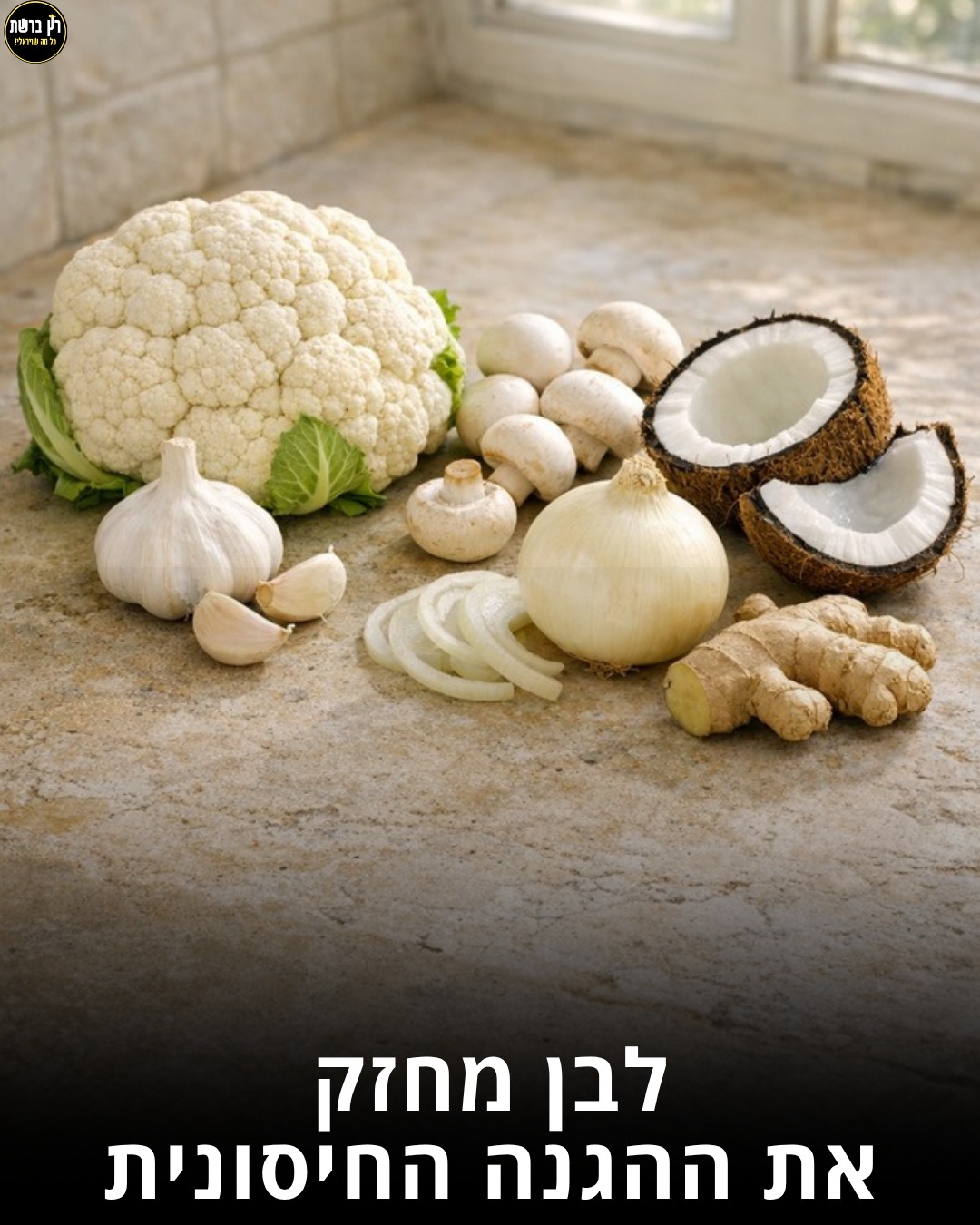
"אכילת פירות וירקות בצבע לבן מחזקת את ההגנה החיסונית"
מסקנת הבדיקה:
צריכת פירות וירקות תורמת לבריאות הכללית ולתפקוד חיסוני תקין כחלק מתזונה מאוזנת, וחלק מהירקות הלבנים (כמו שום) מכילים חומרים בעלי פעילות אנטי-מיקרוביאלית במחקרים פרה-קליניים. עם זאת, ייחוס סגולות חיזוק ספציפיות לקבוצת מזון לבנה הוא פשטנות יתר שאינה נתמכת בראיות קליניות ישירות.
chevron_right ודאות הפסיקה: גבוהה
מידת הביטחון של המערכת בפסיקה — לא אחוז הנכונות של הטענה. ביטחון נמוך פירושו שהראיות מעטות או סותרות.
"מילוי סל הקניות בפירות וירקות במגוון צבעים מספיק כדי לשמור על תזונה בריאה ללא תפריט מסובך"
מסקנת הבדיקה:
אכילת פירות וירקות מגוונים וצבעוניים היא אבן פינה חשובה לבריאות, אך תזונה בריאה שלמה דורשת רכיבים נוספים כגון חלבונים ושומנים חיוניים. לכן, הטענה שפירות וירקות לבדם מספיקים לשמירה על תזונה בריאה מהווה הצגה פשטנית מדי של ההמלצות התזונתיות.
chevron_right ודאות הפסיקה: גבוהה
מידת הביטחון של המערכת בפסיקה — לא אחוז הנכונות של הטענה. ביטחון נמוך פירושו שהראיות מעטות או סותרות.
chevron_right מקורות מדעיים: (3)
-
link
Fruits, vegetables, and health: A comprehensive narrative, umbrella review of the science and recommendations for enhanced public policy to improve intake.
Fruit and vegetables (F&V) have been a cornerstone of healthy dietary recommendations; the 2015-2020 U.S. Dietary Guidelines for Americans recommend that F&V constitute one-half of the plate at each meal. F&V include a diverse collection of plant foods that vary in their energy, nutrient, and dietary bioactive contents. F&V have potential health-promoting effects beyond providing basic nutrition needs in humans, including their role in reducing inflammation and their potential preventive effects on various chronic disease states leading to decreases in years lost due to premature mortality and years lived with disability/morbidity. Current global intakes of F&V are well below recommendations. Given the importance of F&V for health, public policies that promote dietary interventions to help increase F&V intake are warranted. This externally commissioned expert comprehensive narrative, umbrella review summarizes up-to-date clinical and observational evidence on current intakes of F&V, discusses the available evidence on the potential health benefits of F&V, and offers implementation strategies to help ensure that public health messaging is reflective of current science. This review demonstrates that F&V provide benefits beyond helping to achieve basic nutrient requirements in humans. The scientific evidence for providing public health recommendations to increase F&V consumption for prevention of disease is strong. Current evidence suggests that F&V have the strongest effects in relation to prevention of CVDs, noting a nonlinear threshold effect of 800 g per day (i.e., about 5 servings a day). A growing body of clinical evidence (mostly small RCTs) demonstrates effects of specific F&V on certain chronic disease states; however, more research on the role of individual F&V for specific disease prevention strategies is still needed in many areas. Data from the systematic reviews and mostly observational studies cited in this report also support intake of certain types of F&V, particularly cruciferous vegetables, dark-green leafy vegetables, citrus fruits, and dark-colored berries, which have superior effects on biomarkers, surrogate endpoints, and outcomes of chronic disease.…
PubMed · PMID: 31267783
-
link
Should We ‘Eat a Rainbow’? An Umbrella Review of the Health Effects of Colorful Bioactive Pigments in Fruits and Vegetables
Health promotion campaigns have advocated for individuals to ‘eat a rainbow’ of fruits and vegetables (FV). However, the literature has only focused on individual color pigments or individual health outcomes. This umbrella review synthesized the evidence on the health effects of a variety of color-associated bioactive pigments found in FV (carotenoids, flavonoids, betalains and chlorophylls), compared to placebo or low intakes. A systematic search of PubMed, EMBASE, CINAHL and CENTRAL was conducted on 20 October 2021, without date limits. Meta-analyzed outcomes were evaluated for certainty via the GRADE system. Risk of bias was assessed using the Centre for Evidence-Based Medicine critical appraisal tools. A total of 86 studies were included, 449 meta-analyzed health outcomes, and data from over 37 million participants were identified. A total of 42% of health outcomes were improved by color-associated pigments (91% GRADE rating very low to low). Unique health effects were identified: n = 6 red, n = 10 orange, n = 3 yellow, n = 6 pale yellow, n = 3 white, n = 8 purple/blue and n = 1 green. Health outcomes associated with multiple color pigments were body weight, lipid profile, inflammation, cardiovascular disease, mortality, type 2 diabetes and cancer. Findings show that color-associated FV variety may confer additional benefits to population health beyond total FV intake.…
OpenAlex · PMID: 35807307
-
link
A Review of the Science of Colorful, Plant-Based Food and Practical Strategies for “Eating the Rainbow”
Over the past decades, thousands of published studies have amassed supporting recommendations to consume fruits and vegetables for physiological and psychological health. Newer research has emerged to suggest that these plant-based foods contain a plethora of not only vitamins and minerals, but perhaps, most importantly, phytonutrients. These phytonutrients have known pleiotropic effects on cellular structure and function, ultimately resulting in the modulation of protein kinases and subsequent epigenetic modification in a manner that leads to improved outcomes. Even though eating fruits and vegetables is a well-known feature of a healthy dietary pattern, population intakes continue to be below federal recommendations. To encourage consumers to include fruits and vegetables into their diet, an "eat by color" approach is proposed in this review. Although each individual food may have numerous effects based on its constituents, the goal of this simplified approach was to identify general patterns of benefits based on the preponderance of scientific data and known mechanisms of food-based constituents. It is suggested that such a consumer-oriented categorization of these plant-based foods may lead to greater recognition of their importance in the daily diet throughout the lifespan. Other adjunctive strategies to heighten awareness of fruits and vegetables are discussed.…
OpenAlex · PMID: 33414957
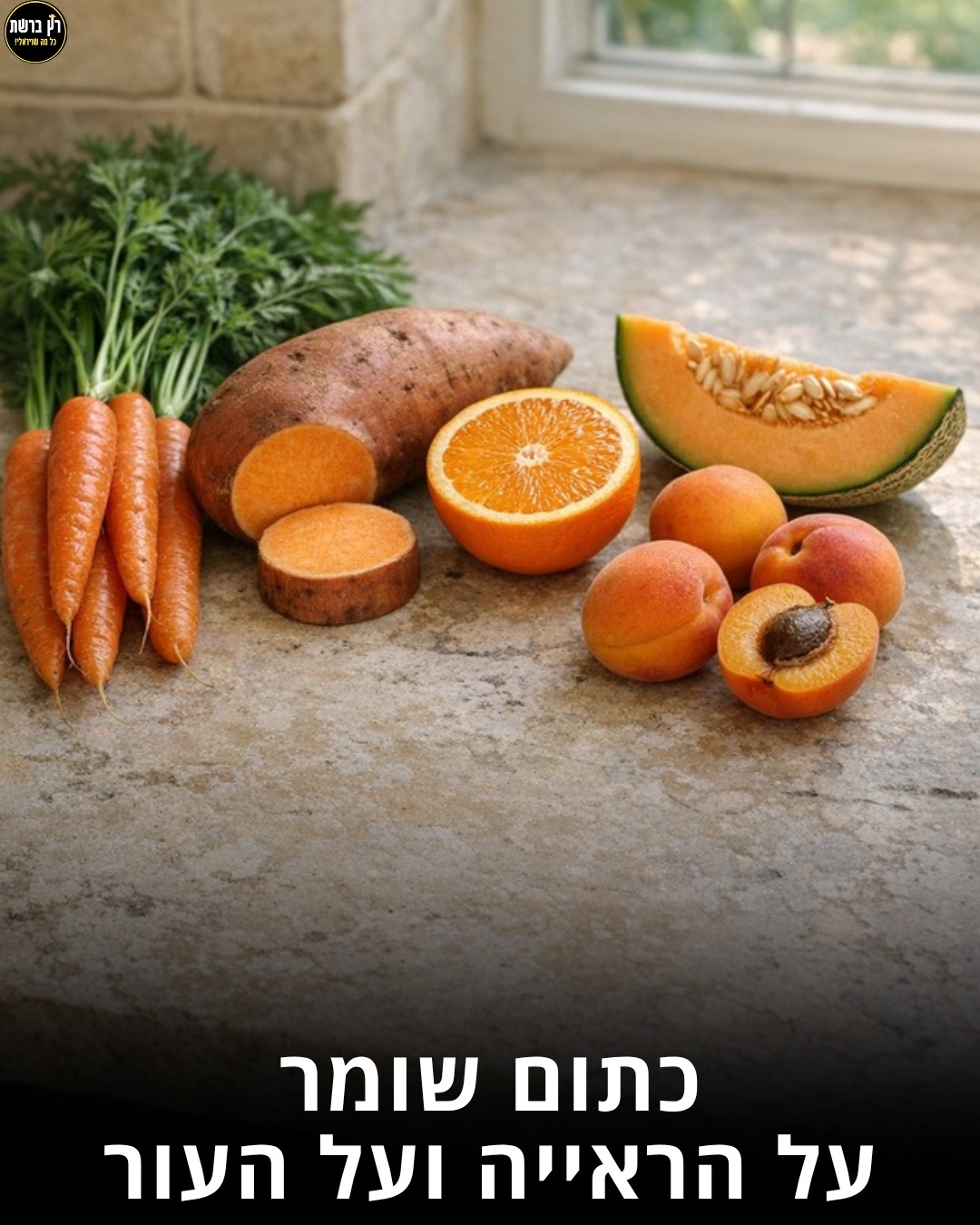
"אכילת פירות וירקות בצבע כתום שומרת על הראייה ועל העור"
מסקנת הבדיקה:
פירות וירקות כתומים עשירים בקרוטנואידים כגון בטא-קרוטן, שהגוף ממיר לוויטמין A החיוני לתפקוד תקין של הראייה ולשמירה על בריאות העור. הספרות המדעית והגורמים המקצועיים מאשרים כי רכיבים תזונתיים אלו מספקים הגנה נוגדת חמצון התומכת ברקמות העין והעור, ולכן הטענה נחשבת למהימנה ומדויקת.
chevron_right ודאות הפסיקה: גבוהה
מידת הביטחון של המערכת בפסיקה — לא אחוז הנכונות של הטענה. ביטחון נמוך פירושו שהראיות מעטות או סותרות.
chevron_right מקורות מדעיים: (2)
-
link
Bioactive Properties of Carotenoids in Ocular Diseases: Antioxidant, Anti-Inflammatory, and Neuroprotective Effects.
Ocular diseases are a significant public health problem worldwide and represent one of the leading causes of disability. The prevalence of visual impairment is steadily increasing, largely driven by the ageing population. Oxidative stress, chronic inflammation and neurodegenerative processes underlie the pathogenesis of many eye diseases, including age-related macular degeneration (AMD), diabetic retinopathy, glaucoma, and cataracts, contributing to progressive vision loss and functional impairment. Carotenoids such as lutein, zeaxanthin, meso-zeaxanthin, β-carotene, lycopene, and astaxanthin exhibit multidirectional biological effects, including antioxidant, anti-inflammatory, and neuroprotective properties. These compounds are selectively accumulated in the tissues of the eye, especially in the retina and macula, where they neutralise reactive oxygen species, modulate inflammatory pathways, stabilise mitochondrial function and support the survival and function of retinal ganglion cells and photoreceptors. The aim of our review was to provide a comprehensive review of current data regarding the mechanisms of action of carotenoids and their potential clinical significance in the prevention and treatment of retinal, optic nerve, lens, and eye surface diseases, including dry eye syndrome and Meibomian gland dysfunction. We identified results of available experimental and clinical research and outlined that an adequate supply of carotenoids in the diet or in the form of supplementation may support the protection of eye structures against oxidative and inflammatory damage, improve visual performance and potentially slow disease progression. However, high-quality prospective clinical trials are necessary to conclusively assess their therapeutic efficacy and establish evidence-based recommendations for clinical practice.…
Europe PMC · PMID: 42588090
-
link
Skin Color Cues to Human Health: Carotenoids, Aerobic Fitness, and Body Fat.
Colorful carotenoid ornaments are sexually selected signals of health in many species. In humans too, carotenoids could provide a perceptible cue to health as they impart an attractive yellow-orange color to skin. Increasing carotenoid pigmentation and skin yellowness is associated with increased fruit and vegetable intake, but whether other aspects of human health benefit skin color is unknown. Carotenoids, as antioxidants, help maintain oxidative balance but are expended in this role. Therefore, any health factor affecting oxidative balance could alter the quantity of carotenoids available to color skin. Exercise increases endogenous antioxidant capacity and consequently may decrease expenditure of carotenoids. Fitness could also raise skin carotenoids by lowering body fat (a source of oxidative stress). Here we investigate the relationship between skin color (measured spectrophotometrically), aerobic fitness (measured by estimating the maximum volume of oxygen that a person can use per unit of time, VO2 max), and body fat. In a cross-sectional design, we find that both higher aerobic fitness and lower body fat are predictors of skin yellowness, independent of each other and dietary fruit and vegetable intake. In a longitudinal design over 8 weeks, we found that increase in fitness and decrease in body fat were independently associated with an increase in skin yellowness. Change in self-reported stress and sleep were further predictors of skin yellowness indicating a more general relation between health and skin tone. Simulations of the skin color associated with higher fitness were found to appear healthier. Hence, our results suggest that increasing cardiovascular fitness and decreasing fat levels produce a healthier skin color. Such findings have repercussions for public health because improved attractiveness can provide an incentive for a healthier lifestyle, including exercise and weight regulation.…
PubMed · PMID: 32218759
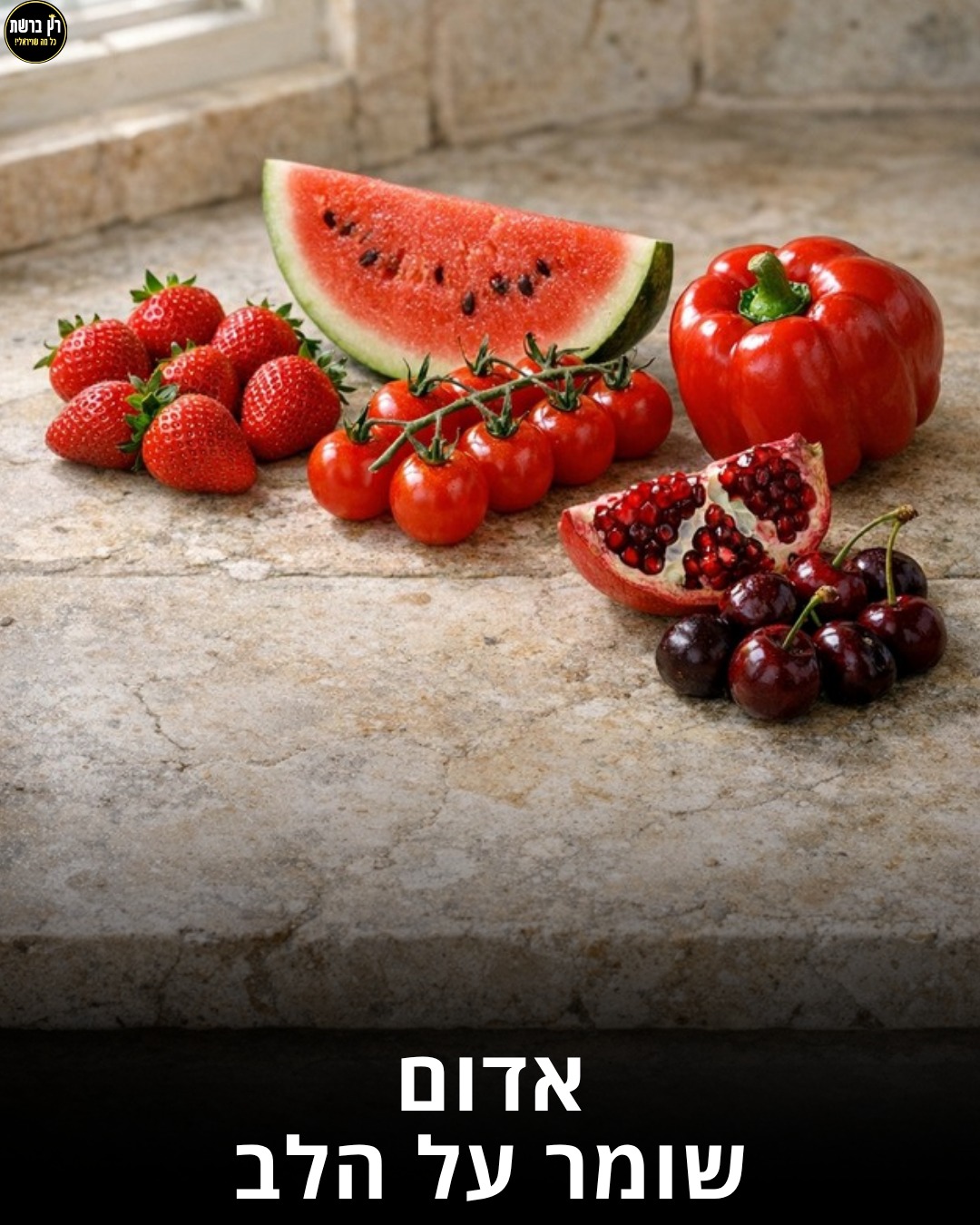
"אכילת פירות וירקות בצבע אדום שומרת על בריאות הלב"
מסקנת הבדיקה:
ההמלצה לצרוך פירות וירקות, ובפרט פירות וירקות אדומים העשירים בליקופן ונוגדי חמצון, מגובה היטב בספרות המדעית ובהנחיות ארגוני בריאות כמסייעת לשמירה על בריאות הלב. לכן, הטענה מאומת על ידי מחקרים אפידמיולוגיים וסקרי מטאנליזה רבים המראים קשר הפוך בין צריכתם לבין סיכון מופחת למחלות לב וכלי דם.
chevron_right ודאות הפסיקה: גבוהה
מידת הביטחון של המערכת בפסיקה — לא אחוז הנכונות של הטענה. ביטחון נמוך פירושו שהראיות מעטות או סותרות.
chevron_right מקורות מדעיים: (2)
-
link
Lycopene and risk of cardiovascular diseases: A meta-analysis of observational studies.
The aim of current meta-analysis was to investigate the relation between lycopene and risk of cardiovascular diseases (CVD). Studies concerning about the association between lycopene and risk of CVD were searched on Pubmed, Embase, and Web of Science from inception to October 2016. A total of 14 eligible studies were identified. A significantly inverse association with a pooled risk ratio (RR) of 0.83 (95% CI: 0.76-0.90) was shown between lycopene exposure and risk of CVD. Findings were similar restricting to dietary studies (RR = 0.87, 95% CI = 0.79-0.96) and biomarker studies (RR = 0.74, 95% CI = 0. 62-0.87).Dietary lycopene intake was statistically significant for coronary heart disease (CHD) (RR: 0.87; 95% CI: 0.76-0.98) and stroke (RR: 0.83; 95% CI: 0.69-0.96).The pooled risk estimate was generally similar for lycopene biomarker concentrations, but the association was only statistically significant for stroke (RR: 0.65; 95% CI: 0.42-0.87). Subgroup analyses showed that retrospective and low quality studies were statistically significant sources of heterogeneity. Higher lycopene exposure is inversely associated with a lower risk of CVD. Further well-designed randomized clinical trials are required to assess the role of lycopene on CVD.…
PubMed · PMID: 28318092
-
link
Effect of Intake of Lycopene-Containing Products on Vascular Endothelial Function in Healthy Adults: A Systematic Review with Meta-Analysis.
<b>Background/Objectives</b>: Vascular endothelial dysfunction is an early marker of cardiovascular disease. Lycopene, a naturally red carotenoid with strong antioxidant activity, may improve vascular endothelial function. This systematic review and meta-analysis examined lycopene's effects on vascular endothelial function in healthy adults in the context of cardiovascular risk assessment. <b>Methods</b>: In June 2026, we searched four literature databases (Ichushi-Web, PubMed, Cochrane Central Register of Controlled Trials, and Global Index Medicus), three clinical trial registries (International Clinical Trial Registry Platform, ClinicalTrials.gov, and University Hospital Medical Information Network Clinical Trials Registry), and notification information for Foods with Function Claims, using peer-reviewed search strategies. We extracted human intervention studies assessing oral lycopene intake and vascular endothelial function. Two authors independently selected eligible studies and assessed the risk of bias. Data were pooled as mean differences (MDs) and analyzed using a random-effects model. The protocol was registered in the University Hospital Medical Information Network Clinical Trials Registry (UMIN000058348). <b>Results</b>: Six studies were included in this systematic review. A meta-analysis of four continuous (≥7 days) lycopene-containing product intake studies measuring flow-mediated dilation (FMD) (<i>n</i> = 182) revealed a significant increase in FMD (MD = 1.36, 95% confidence interval: 0.20, 2.51, <i>p</i> = 0.02). The certainty of the evidence across the four studies was limited and moderate. One study not included in the meta-analysis showed that 15 mg of lycopene intake for 8 weeks significantly increased the reactive hyperemia peripheral arterial tonometry index. <b>Conclusions</b>: This systematic review/meta-analysis with limited and moderate certainty evidence suggests that the continuous intake of lycopene-containing products may have beneficial effects on vascular endothelial function in healthy adults. However, the findings were derived from a small-scale meta-analysis in which the result was no longer statistically significant after the exclusion of one study.…
Europe PMC · PMID: 42588128
"אכילת פירות וירקות בצבע כחול תומכת במוח ובזיכרון"
מסקנת הבדיקה:
סקירות שיטתיות ומחקרים קליניים מבוקרים רבים בבני אדם תומכים בכך שצריכת פירות וירקות כחולים העשירים באנתוציאנינים, כגון אוכמניות, תורמת לשיפור תפקודים קוגניטיביים ובפרט זיכרון. לכן, הטענה נמצאה מהימנה ומגובת היטב בספרות המדעית.
chevron_right ודאות הפסיקה: גבוהה
מידת הביטחון של המערכת בפסיקה — לא אחוז הנכונות של הטענה. ביטחון נמוך פירושו שהראיות מעטות או סותרות.
chevron_right מקורות מדעיים: (10)
-
link
Effects of Anthocyanins on Cognition and Vascular Function: A Systematic Review
SCOPE: Good vascular function is crucial for cerebral blood flow and cognitive performance. Diets high in anthocyanins have been shown to improve vascular function and are associated with improvements in cognition. This systematic review investigates randomized controlled trials examining the impact of anthocyanin intake on both cognition and vascular function. METHODS AND RESULTS: Of the 1486 studies identified through searching Ovid Medline and AMED, PsychInfo, Web of Science, and Scopus, 20 studies are selected which measured cognitive and vascular function. Overall, positive effects on verbal and working memory are observed, which are supported by studies using functional magnetic resonance imaging to demonstrate increased blood flow in brain regions related to these cognitive domains. However, effects of anthocyanins on blood pressure and markers of endothelial function are inconsistent. CONCLUSION: This systematic review provides evidence for a positive effect of anthocyanins on cognition and insight into the relevance of endothelial function. Anthocyanins are widely available and can be easily consumed in a range of different fruits, vegetables, and other products. Further studies should establish the optimal daily intake of anthocyanins for cardiovascular and cognitive health.…
OpenAlex · PMID: 38961529
-
link
Effects of Berry Anthocyanins on Cognitive Performance, Vascular Function and Cardiometabolic Risk Markers: A Systematic Review of Randomized Placebo-Controlled Intervention Studies in Humans.
Supplementation with anthocyanins, which are a type of flavonoids mainly found in various berries, is hypothesized to be a promising approach to lower the risk of developing cognitive decline. The aim of this systematic review was to provide a comprehensive overview of dietary intervention trials describing effects of berry anthocyanins on cognitive performance in humans, while also addressing potential underlying mechanisms. A total of 1197 articles were identified through a systematic search, and 49 studies reporting effects on cognitive performance (n = 18), vascular function (n = 22), or cardiometabolic risk markers (n = 32) were included. Significant improvements were observed on memory, while some of the studies also reported effects on attention and psychomotor speed or executive function. Vascular function markers such as brachial artery flow-mediated vasodilation were also affected and consistent evidence was provided for the beneficial effects of berry anthocyanins on endothelial function. Finally, studies reported improvements in blood pressure, but effects on metabolic risk markers (e.g. carbohydrate and lipid metabolism) were less consistent. In conclusion, this review provides evidence for the beneficial effects of berry anthocyanins on cognitive performance as memory improved. Whether observed anthocyanin-induced improvements in vascular function and blood pressure underlie beneficial effects on cognitive performance warrants further study.…
PubMed · PMID: 34204250
-
link
Effects of fruit and vegetable intake on memory and attention: a systematic review of randomized controlled trials.
Memory and attention are important for daily functioning, and their function deteriorates due to aging. However, fruit and vegetable consumption are one of the protective factors against deterioration in memory and attention. This systematic review of randomized controlled trials (RCTs) aims to identify the effects of fruit and vegetable consumption on memory and attention. We conducted a systematic search in EBSCOhost, ProQuest, PubMed, Embase, and Web of Science from inception up to 06/09/2022. The inclusion criteria were peer-reviewed articles, fruit and vegetable intake measured using randomized controlled trials, and the outcome measures that showed the results of memory and attention scores. Two researchers independently extracted articles that met the selection criteria and evaluated the quality of each study. There were 70 articles identified from the databases, of which 13 articles met the inclusion criteria and were included in this systematic review. There were 493 participants in total. The results show that consumption of fruit and vegetable intake improved memory and attention in longitudinal studies (10 to 12 weeks). Children showed improvement in immediate recall after supplementation with blueberries. Older adults required a higher dose of fruit and vegetable intake consumption to achieve significant improvement compared with children and younger adults. Furthermore, the effect of fruits and vegetables on memory showed better immediate memory recall than delayed recall. This systematic review showed that there is an improvement in memory and attention with fruit and vegetable intake consumption. Hence, awareness of fruit and vegetable intake consumption is important to maintain cognitive health.…
PubMed · PMID: 38849879
-
link
Blueberries for brainpower: A systematic review and meta-analysis with Bayesian post hoc analysis of RCTS exploring cognitive function in the elderly with prior cognitive decline.
Blueberries are anthocyanin-rich fruits widely consumed by the general population, with well-established health benefits on the endocrine and cardiovascular systems attributed to their potent anti-inflammatory properties. However, the potential impact of blueberry consumption on cognitive function in elderly individuals with prior cognitive decline, such as Alzheimer's disease and dementia, remains insufficiently explored in the literature. Therefore, we aimed to evaluate the potential effects of chronic blueberry consumption on cognitive performance in this population through various memory assessment tools. We searched PubMed, Embase, and Cochrane for randomized controlled trials (RCTs) evaluating the effect of chronic blueberry consumption on cognitive function. We pooled standard mean differences (SMD) and 95% confidence interval (CI) using a random-effects model. We identified nine eligible RCTs involving 513 patients. In elderly individuals with mild cognitive impairment (MCI) and subjective cognitive decline, blueberry intake showed a statistically significant improvement in episodic memory. (SMD = 0.34; 95% CI 0.11 to 0.57; p < 0.05). The subgroup analysis revealed that diagnostic objetivity was not a statistically significant effect modifier. Blueberry intake was also associated with improved language memory in MCI patients (SMD = 0.30; 95% CI 0.01 to 0.60; p < 0.05). No improvements were seen in processing speed (SMD = - 0.33; 95% CI - 0.85 to 0.19, p > 0.05), recognition memory (SMD = 0.14; 95% CI - 0.17 to 0.46, p > 0.05), visuospatial learning (SMD = 0.32; 95% CI - 0.16 to 0.79, p > 0.05) and working memory (SMD = 0.09; 95% CI - 0.21 to 0.39, p > 0.05). Chronic blueberry intake may improve episodic memory in the elderly with MCI and subjective cognitive decline, and also language in the elderly with MCI. These findings should be confirmed in further multicenter trials to confirm generalizability and long-term impact.…
PubMed · PMID: 40856863
-
link
The Effect of Anthocyanins on Cognition: A Systematic Review and Meta-analysis of Randomized Clinical Trial Studies in Cognitively Impaired and Healthy Adults
PURPOSE OF THE REVIEW: Clinical trials suggest that dietary anthocyanins may enhance cognitive function. This systematic literature review and meta-analysis aimed to identify the effect of anthocyanin on cognition and mood in adults. RECENT FINDINGS: Using a random-effects model, Hedge's g scores were calculated to estimate the effect size. Across 30 randomized controlled trials, fourteen (n = 733 participants) met the criteria for meta-analysis following PRISMA guidelines (Registration number: CRD42021279470). Qualitative synthesis showed improvements in multiple domains after anthocyanin intake: short-term memory, verbal learning and working memory, executive function, visual-spatial function, psychomotor skills, attention and semantic memory. Four of 15 studies reported significant mood improvements, including anti-fatigue and reduced anxiety and depression scores. However, there were no significant effects for working memory (Hedges's g = -0.183, 95% CI = -0.407 to 0.041, P = 0.110), verbal learning (Hedges's g = 0.054, 95% CI = -0.215 to 0.324, P = 0.69), immediate memory (Hedges's g = 0.196, 95% CI = -0.242 to 0.633, P = 0.38) and delayed memory (Hedges's g = -0.188, 95% CI = -0.629 to -0.252, P = 0.402) according to the meta-analysis. This review suggests potential benefits of anthocyanin intake on cognition and mood. However, in meta-analysis of 14 eligible studies, effects on working, immediate, delayed memory and verbal learning were not significant, likely due to study heterogeneity. Recommendations for future study designs are discussed.…
OpenAlex · PMID: 39875765
-
link
Effect of berry-based supplements and foods on cognitive function: a systematic review.
In the current decade, a growing body of evidence has proposed the correlation between diet and cognitive function or dementia in the ageing population. This study was designed to appraise discoveries from the randomized controlled trials to confirm the effects of berry-based supplements or foods on cognitive function in older adults. PubMed/MEDLINE, Cochrane Central Register of Controlled Trials, Web of Science, Scopus, EMBASE, Google Scholar, and ProQuest as well as SID, Magiran, and Iranmedex electronic databases were explored for human interventional studies up to March 2021. In total, eleven articles were identified using frozen blueberry (n = 4 studies), blueberry concentrate (n = 2), beverage (n = 3), capsule (n = 1), extract and powder (n = 1). These studies had been performed among older people with no recognized cognitive impairment or mild cognitive impairment (MCI). The primary outcomes included global cognitive function, psychomotor function, learning and memory, working memory capacity, executive functions, and brain perfusion/activity. To our knowledge, this is the first systematic review of available clinical trials on the effects of berry-based supplements and foods on cognitive performances as well as brain perfusion parameters among the elderly with normal cognition or MCI. Existing evidence concludes that berry-based supplements and foods have beneficial effects on resting brain perfusion, cognitive function, memory performance, executive functioning, processing speed, and attention indices.…
PubMed · PMID: 35217779
-
link
The effect of anthocyanins and anthocyanin-rich foods on cognitive function: a meta-analysis of randomized controlled trials
Abstract The rising prevalence of cognitive disorders highlights the urgent need for effective prevention strategies and therapeutic interventions. While adherence to a balanced diet has been associated with a reduced risk of cognitive decline, emerging evidence underscores the potential role of plant-derived bioactive compounds, such as (poly)phenols, with anthocyanins receiving increasing attention. This meta-analysis aimed to evaluate the effect of anthocyanin-rich interventions on cognitive performance. A systematic search of randomized controlled trials (RCTs) assessing the effects of anthocyanin supplementation and cognitive outcomes identified 59 eligible studies. Overall, anthocyanin intervention significantly improved global cognition (standardized mean difference (SMD) = 0.46, 95% CI = 0.30 to 0.63, I 2 = 0.0%) compared with controls. Domain-specific analyses further revealed significant benefits for visuospatial processing/reasoning and attention (SMD = 0.37, 95% CI = 0.18 to 0.55, I 2 = 76.3%), processing and psychomotor speed (SMD = 0.19, 95% CI = 0.05 to 0.34, I 2 = 64.0%), verbal speed and fluency (SMD = 0.21, 95% CI = 0.03 to 0.39, I 2 = 30.5%), episodic memory (SMD = 0.30, 95% CI = 0.10 to 0.50, I 2 = 75.9%), and working memory (SMD = 0.24, 95% CI = 0.12 to 0.36, I 2 = 46.5%). Collectively, these findings suggest that anthocyanin supplementation may improve multiple cognitive domains. Although these results are promising, further well-designed RCTs are needed to validate these outcomes and consolidate the current evidence base.…
OpenAlex · PMID: 41351717
-
link
Systematic Review of the Effects of Blueberry on Cognitive Performance as We Age.
The effect of flavonoid-rich food, such as blueberries, on cognitive function has been subject to a growing amount of research interest in recent years. Epidemiological, prospective, preclinical, and clinical trials have revealed positive cognitive benefits from flavonoid interventions, particularly in relation to the amelioration of cognitive decline in older adults. This review will specifically consider the existing clinical research from both acute and chronic blueberry interventions on cognition in human subjects. The results of 11 studies are reported with 4 studies considering blueberry intervention with children aged 7-10 years, 4 considering adults aged 60 years and older, and 3 considering adults suffering from mild cognitive impairment (MCI). Findings from these studies indicate that cognitive benefits may be found for delayed memory and executive function in children and for delayed memory, executive function, and psychomotor function in older healthy and MCI adults. There is less evidence to suggest positive benefits of blueberry intervention on working memory. Recommendations for future research, including dose used, cognitive tasks, and age groups considered, are proposed.…
PubMed · PMID: 30941401
-
link
Berry Consumption and Its Role in the Modulation of Obesity and Mild Cognitive Impairment.
Most dementias are preceded by mild cognitive impairment (MCI), a transitional clinical stage characterized by cognitive decline that does not yet significantly interfere with activities of daily living. Obesity and diabetes are among the major risk factors for MCI and are strongly associated with unhealthy lifestyle patterns. The growing global prevalence of obesity has intensified the need for effective dietary strategies that promote both weight control and neuroprotection. Red fruits, which are rich in bioactive compounds such as anthocyanins, have demonstrated potential roles in modulating metabolic pathways and cognitive function. This systematic review aimed to identify and synthesize evidence from human studies published over the past two decades that examined the effects of red fruit consumption on obesity-related mechanisms and cognitive outcomes, as well as its influence on key neurodegenerative biomarkers, including TAU protein, β-amyloid, and neurofilament light chain. A systematic search was conducted in major scientific databases to identify human clinical trials evaluating the metabolic and neuroprotective effects of berry-derived compounds. Eligible studies were screened for outcomes related to cognitive performance, obesity-related parameters, and relevant molecular biomarkers. The included studies reported modest improvements in cognitive domains, with the most consistent effects observed in memory-related outcomes. Berry-derived bioactive compounds demonstrated potential in attenuating TAU protein hyperphosphorylation and reducing β-amyloid accumulation; however, the available evidence remains limited and requires further confirmation. Human clinical studies remain scarce, and although some trials reported favorable metabolic effects, these findings are still inconclusive. Reported outcomes included improvements in insulin sensitivity, regulation of leptin levels, and modulation of the gut-brain axis, which may collectively contribute to a reduced risk of obesity. Based on the studies evaluated in this review, there remains a limited number of human clinical trials that robustly support the neuroprotective and complementary metabolic effects of berry-derived bioactive compounds. Nevertheless, the available evidence suggests that dietary strategies incorporating wild fruits rich in polyphenols may represent a promising complementary approach for the prevention of mild cognitive impairment (MCI) and obesity, with potential implications for reducing the risk of dementia progression.…
Europe PMC · PMID: 41754191
-
link
Dietary interventions and cognition: A systematic review of clinical trials.
Prevalence of Alzheimer's Disease and other forms of dementia is increasing in accordance with the increase of life expectancy and the resulting world population aging, while an effective pharmaceutical treatment is pending. These facts underline the need for development of targeted interventions that could decrease the incidence of dementia. Dietary supplementation, especially sources of ω-3 fatty acids and polyphenols such as fish oil and blueberries respectively, have been reported to have a beneficial effect on cognitive functioning. The aim of this review is to summarize the most recent findings of clinical studies investigating the effect of dietary supplementation on cognitive performance and identify potential effective interventions. For this purpose, PubMed, Scopus and Google Scholar research was conducted and a total of ten studies met the selection criteria. Four of these studies investigated the effect of ω-3 fatty acid supplementation. Two of these presented significant benefits in certain domains of cognitive functions (such as working memory, space imagery efficiency perceptual speed), in full scale IQ as well as prevention of hippocampal atrophy while the remaining two did not report any improvements. Two more studies investigated the effect of polyphenol supplementation and reported minor benefits in spatial memory as well as enhanced stimulation of certain brain regions. One study compared the effect of fish oil and blueberry supplementation as well as their combination and presented cognitive benefits for both fish oil and blueberries but not for their simultaneous administration. Finally, three more studies investigated the effect of DW 2009 soybean, ashwagandha and a nutraceutical formulation and reported cognitive benefits in attention, memory and global cognition respectively for their intervention groups. In total, eight studies investigated interventions on people with Mild Cognitive Impairment or Subjective Cognitive Impairment and all of them reported significant cognitive benefits in some cognitive domains. On the contrary, the remaining two studies included individuals with diagnosed dementia reported minimal to hardly any benefits. Conclusively, the interventions of the studies reviewed seem promising for individuals at risk of dementia, but not for those who are already diagnosed with dementia. However, further research is required to validate their effect as well as determine recommended doses.…
PubMed · PMID: 33099465

רץ ברשת
דירוג זה מבוסס על 4 דוחות אימות קודמים.




האם הדוח הזה היה מועיל לך?
מה היה פחות טוב? (רשות)
תודה על הפידבק!
עירעור על דוח זה
ספקו ראיות חדשות או הצביעו על אי דיוקים
נעדכן אותך על תוצאות הבדיקה
הוסיפו קישורים למחקרים או מקורות רפואיים מוכרים
העירעור נשלח בהצלחה!
המנוע המדעי שלנו יבדוק את הראיות שהגשתם. נעדכן אתכם באימייל עם התוצאות.
ניתוח מבוסס בינה מלאכותית
דוח זה נוצר באופן אוטומטי על ידי מערכת בינה מלאכותית ועשוי להכיל שגיאות, אי-דיוקים או מידע חלקי. הניתוח אינו מהווה ייעוץ רפואי, אבחנה או המלצה לטיפול, והוא אינו תחליף לדעתו של איש מקצוע רפואי מוסמך. יש להתייעץ עם רופא או מומחה מוסמך לפני קבלת כל החלטה רפואית. המידע מוצג לצרכי מידע כללי בלבד.
מידע זה מופק על ידי בינה מלאכותית ואינו מהווה תחליף לייעוץ רפואי מקצועי.