סריקה בתהליך...
הניתוח עשוי לארוך 30–90 שניות
הידעת?
הסרטון אינו מכיל תוכן רפואי
חושבים שחלה טעות?
אם לדעתכם הסרטון אכן עוסק בטענות רפואיות או בריאותיות, הוסיפו הסבר קצר ושלחו בקשה לבדיקה מחדש.
הבקשה התקבלה! נבדוק את הסרטון ונחזור אליכם.
אירעה שגיאה בשליחת הבקשה. נסו שוב.
דו״ח מאומת
הסרטון מציג מידע מדויק ומגובה במחקרים מדעיים אמינים.
סיכום
הספרות המדעית מאשרת את השימוש בסודה לשתייה כנוגד חומצה לצרבת וכמרכיב יעיל במוצרי היגיינה דנטלית. בנוסף, קיימים מחקרי מעבדה המצביעים על פוטנציאל של ביקרבונט להשפיע על סביבת הגידול הסרטני, וכן מחקרים על השפעתו כתוסף ארגוגני בביצועים ספורטיביים מסוימים. עם זאת, הטענה כי סודה לשתייה 'מאזנת את ה-pH של הגוף' אינה נתמכת מדעית, שכן הגוף שומר על הומאוסטזיס קפדני באמצעות מערכות פיזיולוגיות פנימיות.
analytics ניתוח טענות מבוסס ראיות
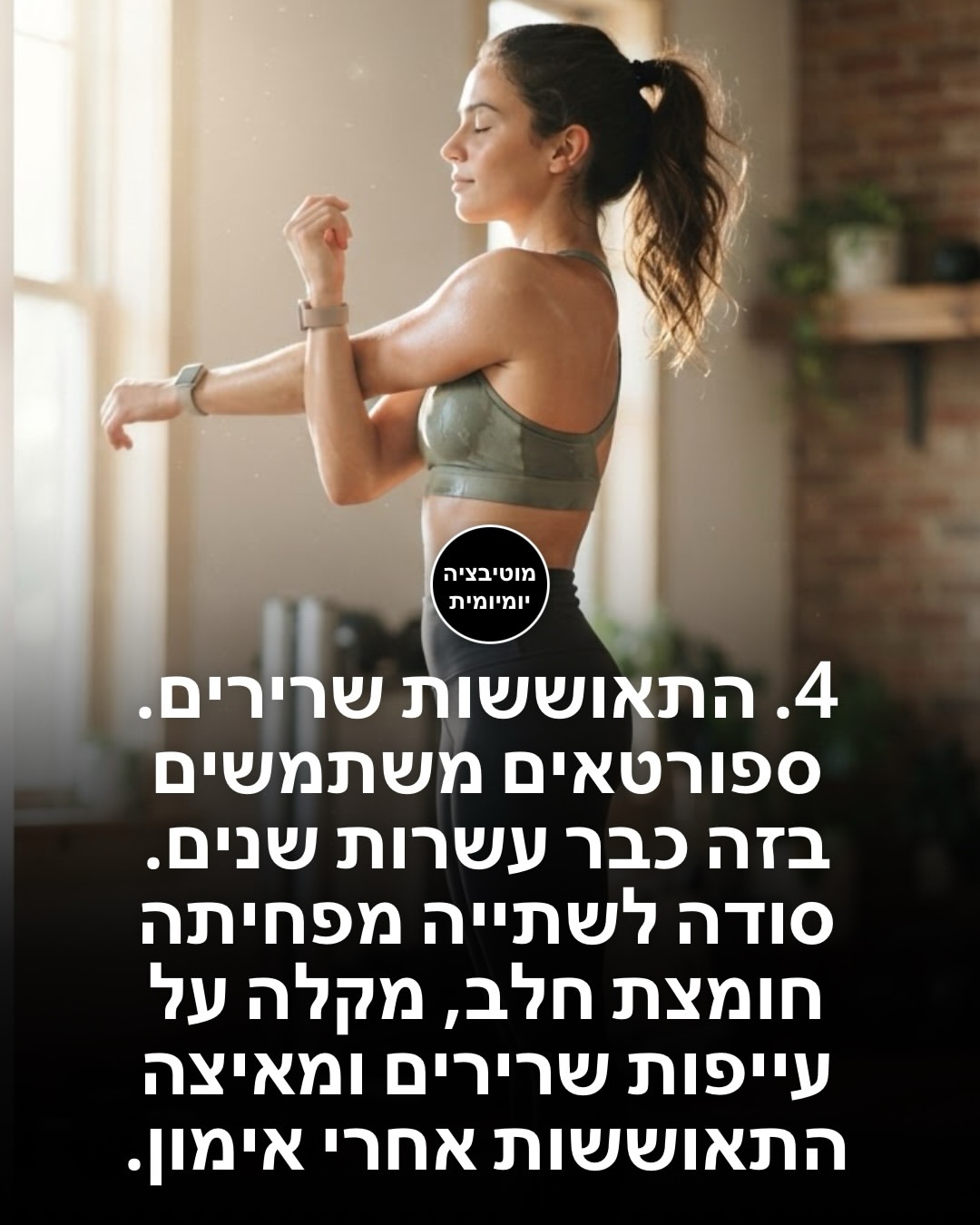
"סודה לשתייה מפחיתה חומצת חלב, מקלה על עייפות שרירים ומאיצה התאוששות לאחר אימון."
מסקנת הבדיקה:
השימוש בסודה לשתייה כתוסף ספורט נחקר כחומר המעלה את יכולת החיץ (buffering) של הדם, מה שעשוי לעכב עייפות באימונים עצימים מסוימים. עם זאת, השפעתו על התאוששות כללית ועל רמות חומצת החלב אינה חד-משמעית וקיימים מחקרים המראים תוצאות מעורבות. (🟨)
chevron_right מקורות מדעיים: (3)
-
link
Effects of Sodium Bicarbonate Supplementation on Performance and Gastrointestinal Symptoms During a High-Intensity Training Session in Elite Rugby Players: A Double-Blind Randomized Controlled Trial.
<h4>Background</h4>Sodium bicarbonate (SB) supplementation can enhance performance in short, high-intensity movements. However, its effectiveness in team sports such as rugby remains insufficiently explored.<h4>Methods</h4>In this double-blind, parallel, controlled trial, 17 male professional rugby players ingested SB (0.3 g/kg) or a placebo 90 min before a high-intensity, rugby-specific training session monitored via GPS. The training session was conducted under real-world conditions to enhance ecological validity. Physical performance (countermovement jump, CMJ), fatigue markers (capillary lactate and ratings of perceived exertion, RPE), and gastrointestinal (GI) symptoms were assessed pre- and post-exercise.<h4>Results</h4>No significant pre-post changes were observed in CMJ performance in either group. Lactate concentrations increased from pre- to post-exercise in both groups (both <i>p</i> < 0.001). The SB group showed higher GI symptom severity before, during and after exercise versus placebo, with several symptoms increasing over time solely in the SB group (<i>p</i> < 0.05). RPE increased similarly in both groups (SB: <i>p</i> = 0.012; PLA: <i>p</i> = 0.008). Due to the small sample size, only moderate-to-large within-group effects and very large between-group differences could be detected; therefore, the study was powered to detect moderate-to-large within-group effects but underpowered for detecting between-group differences.<h4>Conclusions</h4>Acute SB ingestion at 0.3 g/kg did not result in detectable improvements in performance or fatigue markers during rugby-specific high-intensity training and was associated with a greater incidence of GI discomfort; however, the study was underpowered to detect small between-group differences. This study was registered on 23 May 2025 on ClinicalTrials.gov (NCT07017582).…
PMID: 41893591
-
link
Ergogenic and Physiological Effects of Sports Supplements: Implications for Advertising and Consumer Information.
<h4>Background</h4>The use of sports supplements has increased significantly in athletic contexts, raising the need to evaluate their efficacy, safety, regulatory status, and communication practices.<h4>Objective</h4>This study aimed to describe and synthesize the ergogenic and physiological effects of Australian Institute of Sport (AIS) Category A performance supplements.<h4>Methods</h4>A descriptive and observational study was conducted, collecting and analyzing information from systematic reviews and position statements related to performance supplements, including caffeine, creatine, β-alanine, nitrate/beetroot juice, sodium bicarbonate, and glycerol.<h4>Results</h4>Caffeine and creatine are the only supplements with authorized health claims. However, β-alanine, nitrates, sodium bicarbonate, and glycerol show positive ergogenic effects supported by strong evidence, especially in endurance, strength, high-intensity, and aquatic sports. However, these substances lack regulatory approval, and only a small proportion of commercial products comply with current legislation.<h4>Conclusions</h4>While performance supplements may enhance athletic performance when used alongside proper nutrition and scientific guidance, their effectiveness is not always consistent or assured. This review highlights the urgent need to update regulatory frameworks, harmonize labeling standards, and promote ethical marketing to safeguard consumers and support sports and nutrition professionals.…
PMID: 40871734
-
link
Effect of oral administration of sodium bicarbonate on surface EMG activity during repeated cycling sprints.
The purpose of this study was to determine the effect of oral administration of sodium bicarbonate (NaHCO3) on surface electromyogram (SEMG) activity from the vastus lateralis (VL) during repeated cycling sprints (RCS). Subjects performed two RCS tests (ten 10-s sprints) interspersed with both 30-s and 360-s recovery periods 1 h after oral administration of either NaHCO3 (RCSAlk) or CaCO3 (RCSPla) in a random counterbalanced order. Recovery periods of 360 s were set before the 5th and 9th sprints. The rate of decrease in plasma HCO3- concentration during RCS was significantly greater in RCSAlk than in RCSPla, but the rates of decline in blood pH during the two RCS tests were similar. There was no difference between change in plasma lactate concentration in RCSAlk and that in RCSPla. Performance during RCSAlk was similar to that during RCSPla. There were no differences in oxygen uptake immediately before each cycling sprint (preVO2) and in SEMG activity between RCSAlk and RCSPla. In conclusion, oral administration of NaHCO3 did not affect SEMG activity from the VL. This suggests that the muscle recruitment strategy during RCS is not determined by only intramuscular pH.…
PMID: 17628824
"סודה לשתייה מאזנת את רמת ה-pH בגוף, מה שעשוי לסייע בהפחתת עייפות ודלקות הנגרמות מחומציות גבוהה."
מסקנת הבדיקה:
הגוף שומר על רמת pH מאוזנת ומדויקת באמצעות מנגנונים פיזיולוגיים מורכבים (כליות וריאות). אין עדות מדעית לכך שצריכת סודה לשתייה משנה את ה-pH המערכתי של הגוף או מהווה טיפול מוכח לעייפות ודלקות כרוניות. (⬜)
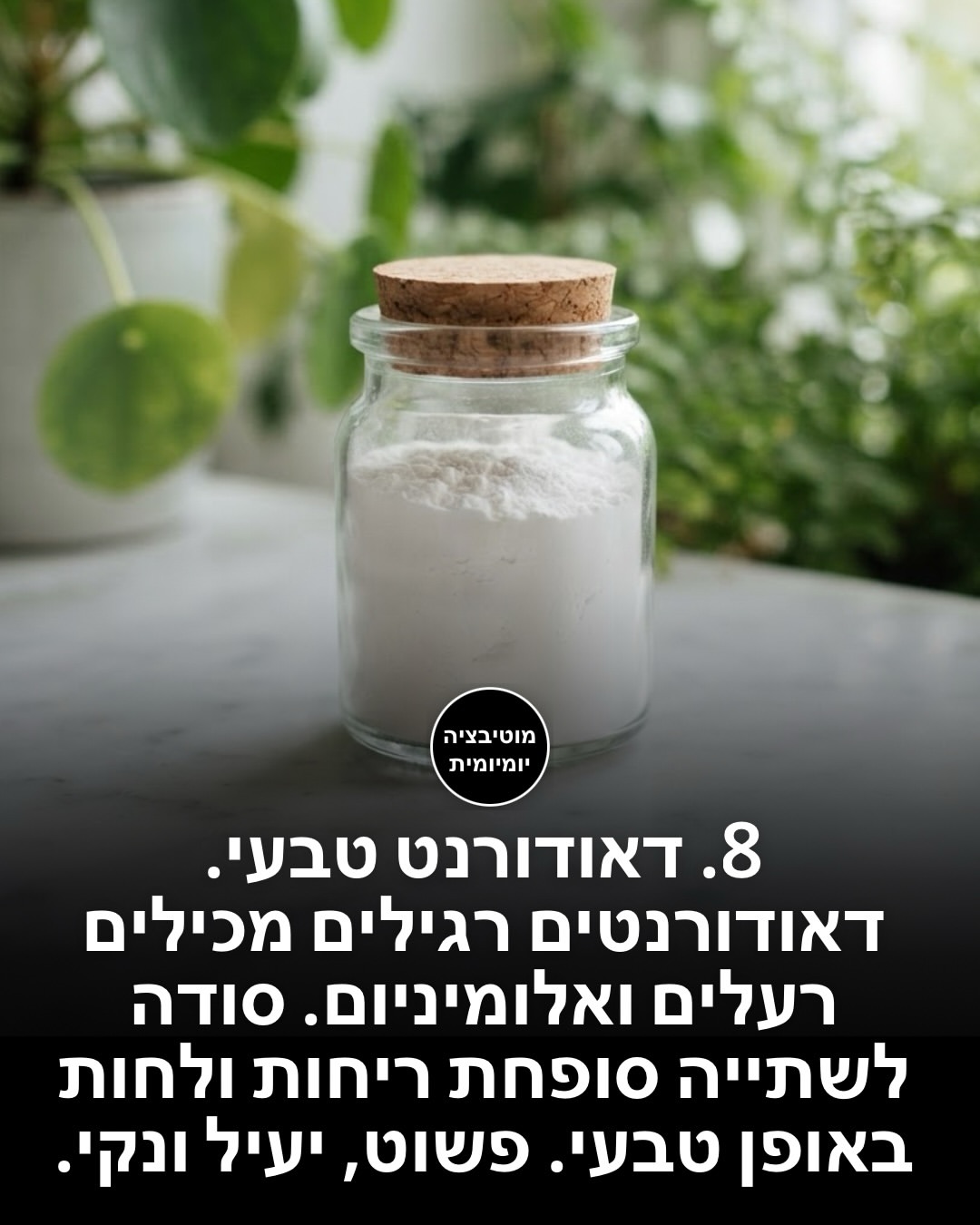
"סודה לשתייה מסייעת בבריאות השן על ידי קטילת חיידקים, הסרת פלאק, נטרול חומצות והלבנת שיניים."
מסקנת הבדיקה:
סודה לשתייה משמשת כמרכיב נפוץ במוצרי היגיינה דנטלית בשל תכונותיה השוחקות העדינות המסייעות בהסרת פלאק ויכולתה לנטרל חומצות בפה, מה שתומך בבריאות השן. (🟩)
chevron_right מקורות מדעיים: (5)
-
link
Assessment of Oral Hygiene Practices, Adjunctive Cleaning Methods, and Their Impact on Plaque and Gingival Indices Among Young Adults in Urban and Rural Settings in Romania.
<h4>Background/objectives</h4>Young adults increasingly prefer natural dentifrices; however, the short-term clinical effects and behavioural correlates of these products remain insufficiently documented. This study aimed to evaluate the associations between daily oral-hygiene practices, adjunctive cleaning methods, and plaque and gingival indices, and to compare the short-term effects of three natural toothpaste formulations-sodium bicarbonate, activated charcoal, and lemon-based.<h4>Methods</h4>In this cross-sectional study, 101 Romanian adults (aged 20-41 years; 69.3% urban) completed a structured questionnaire assessing brushing frequency and the use of dental floss, interdental stimulators, and mouth rinses. Clinical assessments included the Silness-Löe Plaque Index and the Löe-Silness Gingival Index (modified by Lobene), recorded immediately before and after a supervised 2 min brushing session using the Bass technique with soft-bristled brushes and the participant's self-reported natural toothpaste (baking soda: <i>n</i> = 42; charcoal: <i>n</i> = 27; lemon: <i>n</i> = 32).<h4>Results</h4>Before brushing, 78.2% of participants presented with thin adherent plaque, while the gingival status was normal in 72.3%, mildly inflamed in 22.8%, and moderately inflamed in 5.0%. After brushing, the proportion with normal gingiva increased to 77.2%, and the proportion of thin, adherent plaque decreased to 22.8%. Brushing frequency was positively correlated with plaque reduction (ρ = 0.42, <i>p</i> < 0.001), while the use of adjunctive cleaning methods was inversely correlated with post-brushing gingival inflammation (ρ = -0.36, <i>p</i> = 0.002). Gingival improvement differed significantly among toothpaste types (χ<sup>2</sup>, <i>p</i> < 0.001), with formulations containing baking soda and lemon showing slightly more favourable short-term gingival categories than charcoal; these patterns are descriptive and do not demonstrate comparative product efficacy. Urban-rural differences were observed for brushing frequency (<i>p</i> < 0.001) and periodontal status with fewer lesions among urban participants (<i>p</i> = 0.002).<h4>Conclusions</h4>A single supervised Bass-technique brushing session resulted in measurable short-term improvements in plaque and gingival indices among young adults. Sodium bicarbonate and lemon-based dentifrices appeared to be associated with slightly more favourable short-term gingival responses than charcoal, although these findings should be interpreted as preliminary. These findings emphasise the importance of consistent brushing and interdental cleaning behaviours and highlight the need for longitudinal randomised trials to evaluate the durability, safety, and comparative effectiveness of natural versus conventional dentifrices. Given the cross-sectional, single-session design, these findings are exploratory and do not establish causal or comparative product efficacy.…
PMID: 41302358
-
link
Antibacterial and Antibiofilm Activity of TheraBreath™ Oral Rinses: An In Vitro Study.
<b>Background/Objectives:</b> There are many commercial mouthrinses, used for a variety of purposes, including antiseptic activity. The objective of this study was to determine the antibacterial activity of various TheraBreath™ oral rinses against the cariogenic bacterium, <i>Streptococcus mutans</i>, and saliva-derived microbial communities, and their antibiofilm activity against <i>S. mutans</i> in vitro biofilms. <b>Methods:</b> Bactericidal activity against planktonic <i>S. mutans</i> was assessed by colony counting after 30 and 2 min exposures to mouthrinses. Ten saliva samples were exposed to mouthrinses for 30 s and plated aerobically on blood agar and Mitis Salivarius agar. Mature biofilms of <i>S. mutans</i> were treated with mouthrinses for 15 min followed by fluorescent vitality staining and polysaccharide measurement, followed by crystal violet staining for measurement of total biofilm remaining. Statistical analysis was performed using Kruskal-Wallis with Dunn's multiple comparisons test comparing all mean ranks (α = 0.05). <b>Results:</b> TheraBreath™ Fresh Breath, Healthy Smile, and Dry Mouth exhibited no significant antibacterial activity. TheraBreath™ Healthy Gums showed antibacterial activity against <i>S. mutans</i> and microbes from saliva samples similar to Listerine<sup>®</sup> Naturals at all exposure times. Whitening Fresh Breath showed intermediate killing of <i>S. mutans</i> after 30 min in liquid but not after 2 min or against salivary microbes. Live/Dead fluorescence vitality staining showed that Healthy Gums and Whitening Fresh Breath had antibacterial activity against mature biofilms of <i>S. mutans</i> statistically similar to Listerine<sup>®</sup> Naturals and Colgate<sup>®</sup> Total; however, Whitening Fresh Breath did not have significant killing compared to PBS. <b>Conclusions:</b> TheraBreath™ Healthy Gums demonstrated similar antiseptic activity levels to other antiseptic-claiming commercial rinses. Whitening Fresh Breath was comparable but unable to kill in short exposure times.…
PMID: 41002656
-
link
The Effectiveness of Different Cleaning Methods for Clear Orthodontic Aligners: Impacts on Physical, Mechanical, and Chemical Properties-An In Vivo Study.
Maintaining the cleanliness of orthodontic aligners is crucial for oral hygiene and preserving the optical properties of aligners. In this randomized clinical trial, we compared the effectiveness of different cleaning methods for the maintenance of Invisalign clear aligners. Twelve adult patients received five aligners, each worn for 10 days. The aligners were divided based on the cleaning method: tooth brushing with whitening toothpaste, vinegar, Fittydent Super Cleansing Tablets, Invisalign cleaning crystals, and only water. Scanning electron microscopy (SEM) was used to detect surface morphology changes; color changes (ΔE) were evaluated using a spectrophotometer. Fourier transform infrared spectroscopy (FTIR) with a diamond hemisphere was used to study the aligners' chemical compositions. Nanoindentation testing was used to assess changes in the elastic modulus. SEM confirmed the effectiveness of Invisalign cleaning crystals in maintaining cleanliness, revealing a surface similar to that of the control group with no adverse effects. Color stability analysis revealed significant ΔE value differences; whitening toothpaste had significantly lower ΔE values than water and Invisalign cleaning crystals. The elastic modulus and FTIR analyses indicated no significant differences between the cleaning methods. Therefore, Invisalign cleaning crystals and whitening toothpaste are safe for aligner maintenance, showing successful and aesthetically pleasing results.…
PMID: 40574148
-
link
Comparative evaluation of the biocompatibility and antibacterial efficacy of various toothpaste formulations.
This study aims to evaluate the biocompatibility of twelve toothpaste formulations using human gingival fibroblast (hGF) cell cultures, and to compare their antibacterial efficacy. In accordance with ethical guidelines, healthy hGF were obtained from individuals. The toothpaste formulations tested included Colgate Total 12 (TP1), Colgate Maximum Cavity Protection (TP2), Curaprox Enzycal (TP3), Elmex Kinder (TP4), Klorhex (TP5), ROCS Baby (TP6), ROCS Kids (TP7), Meridol (TP8), Oral-B Pro Expert Stages (TP9), Sensodyne Pronamel for Kids (TP10), Sensodyne Multi Protection (TP11), and Aquafresh Little Teeth (TP12). The cytotoxic effects of these formulations were evaluated in real-time using the xCELLigence system, which monitored cellular activity at 5-minute intervals over a 72-hour period. The apoptotic effects of the toothpastes at their IC<sub>50</sub> concentrations on hGF were assessed through Annexin V and Caspase-3 assays. Genotoxicity was investigated using the Alexa Fluor<sup>®</sup> 488 Mouse anti-H2AX assay. Antibacterial efficacy against Lactobacillus rhamnosus and Streptococcus mutans was determined using a modified microdilution method. Based on IC<sub>50</sub> values, TP8 was found to be the most cytotoxic toothpaste, while TP5 exhibited the least cytotoxicity. The cytotoxicity ranking of the formulations is as follows: TP8 (0.062)> TP2 (0.266) > TP3 (0.296) > TP10 (0.359) > TP11 (0.385) > TP6 (0.467) > TP7 (0.525) > TP4 (0.745) > TP12 (0.811) > TP9 (1.016) > TP1 (1.176) > TP5 (2.646) (p < 0.05). At the IC<sub>50</sub> concentrations, the Annexin V assay revealed no significant apoptotic effects on the hGF cells, except for TP2. Similarly, the Caspase-3 assay showed no significant impact on apoptosis, and the H2AX assay did not reveal any genotoxic effects (p > 0.05). TP8 and TP4 demonstrated the highest antibacterial efficacy against L.rhamnosus,whereas TP1, TP2, TP5, TP7, and TP10 exhibited superior activity against S.mutans. The tested toothpaste formulations exhibited marked variability in cytotoxicity and antibacterial performance in human gingival fibroblast cultures. While several formulations demonstrated strong antibacterial effects, these were frequently accompanied by increased cytotoxicity, particularly in products containing aggressive surfactant systems. Among the twelve formulations evaluated, Klorhex (TP5) showed the most favorable biological profile, characterized by the highest IC₅₀ value (lowest cytotoxicity), absence of significant apoptotic or genotoxic effects, and effective antibacterial activity against S. mutans. Based on the combined assessment of biocompatibility and antimicrobial efficacy, TP5 appears to be the most suitable option for clinical use, particularly for individuals with increased mucosal sensitivity or long-term dentifrice exposure. Clinicians should consider both the biocompatibility and antibacterial efficacy of dentifrices when making personalized recommendations for caries prevention.…
PMID: 41520031
-
link
Effects of different toothpastes against erosive tooth wear of enamel and dentine in vitro.
<h4>Background</h4>The increase in the prevalence of erosion lesions worldwide has led researchers to develop effective toothpastes with different ingredients to prevent erosion that can protect the tooth surface against acid attacks. There remains a lack of consensus in the literature regarding which toothpaste formulation exhibits the most effective preventive action against erosive tooth wear, highlighting the necessity for further investigation in this field. This study aimed to evaluate the preventive effect of brushing with toothpastes with different ingredients on enamel and dentine erosion.<h4>Methods</h4>The crowns and roots of ninety recently extracted bovine incisors were seperated and ground flat to obtain enamel and dentine surfaces. The obtained specimens were then divided into six groups: Curaprox Enzycal Zero Flouride (fluoride-free), Colgate Total 12 (1450 ppm NaF), Splat Biocalcium (fluoride-free and Nano-HAP), Colgate ProRelief (1450 ppm NaF and arginine), Sensodyne Repair and Protection (1450 ppm NaF and novamin), Opalescence Whitening (1100 ppm NaF). The specimens were immersed in a demineralizing solution for 2 min and in an artificial saliva for 60 min 4 times a day for 5 days. Brushing was performed with the aid of a charged toothbrush immediately after the first and last erosive attacks. Initial and final surface roughness (at the end of fifth day) were measured using a 3D profilometer. The Wilcoxon test was used to compare initial and final roughness values (p < 0.05).<h4>Results</h4>Opalescence Whitening and Curaprox Enzycal Zero Fluoride significantly increased both enamel and dentine surface roughness compared to baseline, demonstrating rougher surfaces than all other groups except Colgate ProRelief (p < 0.001). Sensodyne Repair and Protection and Colgate Total 12 resulted in the smoothest enamel and dentine surfaces, respectively. The increase in surface roughness was significantly higher for enamel samples compared to dentine samples in the Opalescence Whitening group (p < 0.001).<h4>Conclusions</h4>Whitening toothpastes may exacerbate dental erosion by increasing surface roughness. The protective properties of fluoride-free toothpastes vary depending on their active ingredient.…
PMID: 39633331
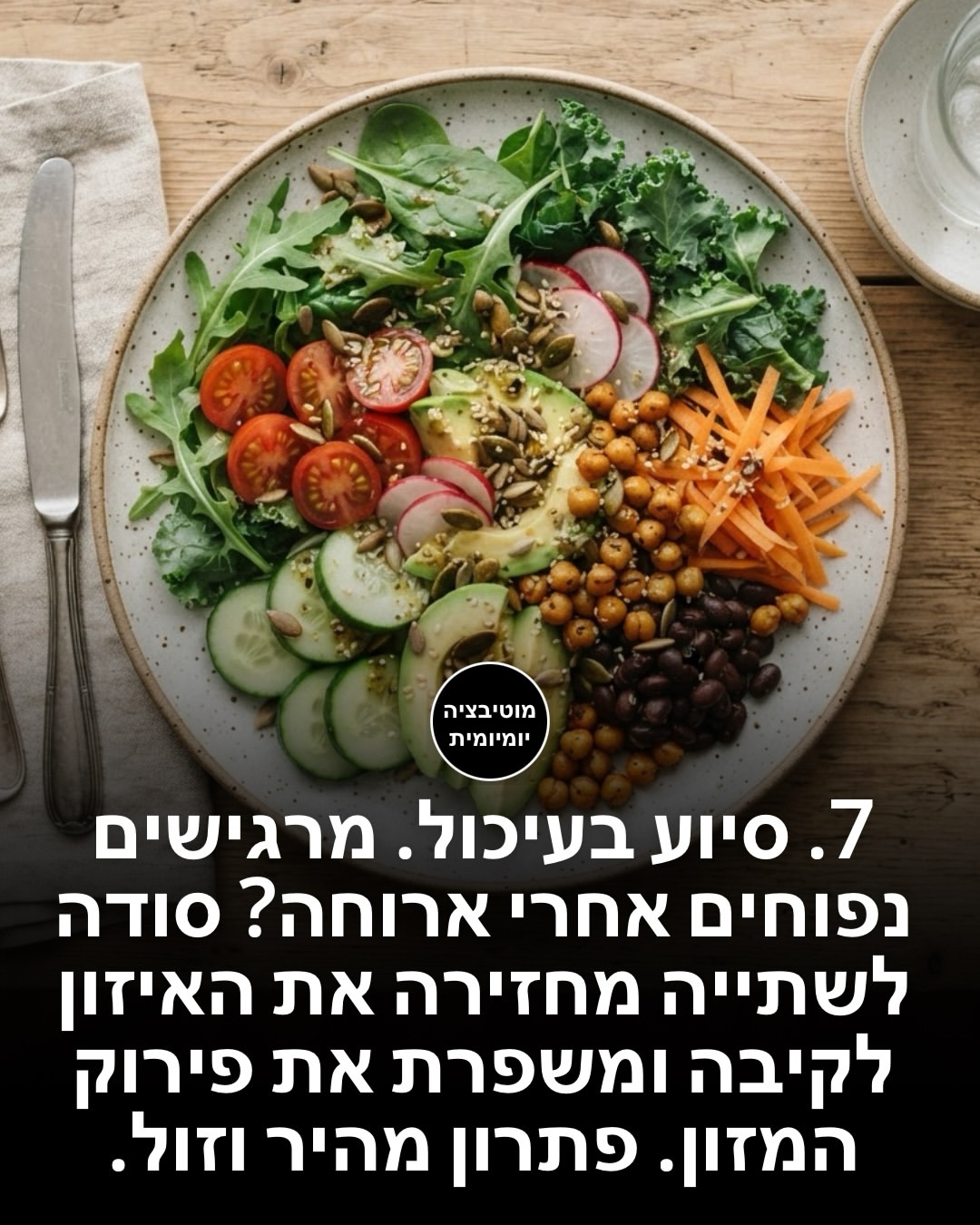
"סודה לשתייה מנטרלת חומציות בקיבה ומספקת הקלה מיידית לצרבת או לעיכול כבד."
מסקנת הבדיקה:
סודה לשתייה היא בסיס המגיב עם חומצת הקיבה (HCl) ומנטרל אותה, מה שמספק הקלה זמנית ומיידית בתסמיני צרבת ואי-נוחות עיכולית. (🟩)
chevron_right מקורות מדעיים: (4)
-
link
Empowering Pharmacists in Heartburn Management: Practical Insights for OTC Treatment and Self-Care.
Heartburn is a prevalent and frequently self-managed condition, with a myriad of over-the-counter (OTC) treatment options available for self-care. The potential for misinterpretation of drug labels and improper OTC medication selection may result in inadequate treatment, potential drug interactions, as well as medication overuse, misuse, or delay in seeking treatment for a more serious health condition. As highly accessible healthcare professionals, pharmacists play a crucial role in validating self-diagnoses, in guiding appropriate OTC medication selection and use, and in educating patients on both pharmacologic and non-pharmacologic management strategies for heartburn. It is essential for pharmacists to remain informed about the latest developments in disease management and treatment options. This narrative review provides an updated perspective on the epidemiology, risk factors, pathophysiology, and clinical manifestations associated with heartburn while underscoring the expanding role of pharmacists in patient care. This review includes a structured assessment framework and clinical management algorithm designed to enhance pharmacists' ability to identify red flag symptoms, optimize OTC medication use, and facilitate timely referrals when necessary. By incorporating evidence-based guidance with patient-centered counseling, pharmacists can enhance treatment outcomes, optimize, medication use, promote adherence, and ensure safer self-care practices. As self-medication trends and the role of pharmacists evolves, this review offers a comprehensive resource to equip pharmacists with the latest knowledge and practical tools for optimizing heartburn management and promoting patient safety.…
PMID: 40981244
-
link
NMR/MRI Techniques to Characterize Alginate-Based Gel Rafts for the Treatment of Gastroesophageal Reflux Disease.
Gastroesophageal reflux disease (GERD) is associated with symptoms such as heartburn, resulting from gastric content reflux. Alginate-based raft-forming gel formulations represent a non-pharmacological strategy for GERD management by forming a floating gel barrier in the stomach. This study evaluated three commercial anti-reflux oral gel systems under simulated fed-state gastric conditions, using in vitro magnetic resonance relaxometry techniques. Magnetic resonance imaging (MRI) was performed in 0.01 M hydrochloric acid (HCl) to visualize gel raft formation, spatial structure, and spatial distribution of effective T<sub>2</sub> relaxation time. Nuclear magnetic resonance (NMR) relaxometry in 0.01 M deuterium chloride (DCl) measured T<sub>1</sub> and T<sub>2</sub> relaxation times of the protons that were initially included in the preparation to assess its molecular mobility within the gel matrix. Two formulations formed floating, coherent gels, whereas the remaining one exhibited only polymer swelling without flotation. In one case, relaxometry data revealed a solid-like component that can be detected, indicating enhanced mechanical stability. The performance of each formulation was influenced by interactions among alginate, bicarbonates, and calcium ions, which determined gel consistency and flotation behavior. MRI and NMR relaxometry in vitro provide valuable non-invasive insights into the structural and functional behavior of alginate-based gel formulations. This approach supports the rational design of advanced gel-based therapies for GERD by linking molecular composition with in situ performance.…
PMID: 41002523
-
link
Comparable efficacy of generic and original alginate for symptom control in PPI-refractory GERD.
Gastroesophageal reflux disease (GERD) is a prevalent global condition, affecting 18.1-27.8% of North Americans and 6.3-18.3% of the Thai population. While proton pump inhibitors (PPIs) are the first-line treatment, only about one-third of patients achieve adequate symptom control. Alginate-based medications in combination with PPIs have shown promise, but the comparative effectiveness of generic versus original alginates remains unexplored. To compare the effectiveness of generic alginate (ONE GERD) versus original alginate (Gaviscon Dual Action Suspension) in combination with PPIs for treating GERD symptoms in patients who failed standard PPI therapy.This multicenter prospective randomized controlled non-inferiority trial included 48 patients who failed standard-dose PPI treatment. Patients were randomized to receive either generic or original alginate four times daily for 28 days. Treatment response was evaluated using the Reflux Disease Questionnaire (RDQ) at days 7 and 28. At day 7, both groups showed identical response rates of 45.83%. By day 28, response rates increased to 54.17% for generic alginate and 70.83% for original alginate (p = 0.23). Total RDQ scores and symptom-free rates showed no significant differences between groups at both time points. Adverse event rates were comparable (16.67% vs. 8.33%, p = 0.66). Analysis of specific symptoms (heartburn, chest pain, and regurgitation) revealed similar improvements in both groups throughout the study period. This study provides evidence supporting the therapeutic equivalence of the generic alginate (ONE GERD) to the original formulation (Gaviscon Dual Action Suspension) in treating symptoms for patients with GERD who have failed PPI therapy. Crucially, the comparable efficacy and safety, coupled with the inherent lower cost of generic medications, suggest significant economic benefits and the potential for wider patient access to effective GERD management. This makes generic alginate a viable and attractive alternative in clinical practice, particularly in resource-limited settings or for patients facing financial constraints, thereby contributing to more equitable healthcare solutions without compromising therapeutic outcomes.…
PMID: 40760009
-
link
Prospective uncontrolled clinical study shows rapid and long lasting relief of heartburn and acid related gastric discomfort with Refluthin.
Heartburn and acid regurgitation are main symptoms of gastro-esophageal reflux, a widespread complaint with a significant impact on quality of life (QoL). Refluthin® for Heartburn chewable tablets (Refluthin) are a symptomatic treatment option containing a combination of an antacid (CaCO<sub>3</sub>, MgCO<sub>3</sub>) and a polysaccharide-rich extract with mucoprotective substances from Opuntia ficus-indica cladodes. To investigate performance and safety of Refluthin in the rapid and long lasting relief of heartburn and acid related gastric discomfort under practical use conditions, a prospective, clinical, uncontrolled, open-label study was conducted. Adults with symptomatic heartburn, acid regurgitation, and/or recurrent acid related gastric discomfort took one tablet Refluthin up to four times/day as needed for up to 4 weeks. Endpoints were both time to onset and duration of symptom relief; reflux symptom intensity/frequency; global assessments (QoL, performance, satisfaction, usability, tolerability); and safety. 81/100 participants (81%) responded with a first symptom relief within ≤ 20 min in ≥ 50% of the individual applications. Long lasting effects of > 120 min were reported by 83/100 (83%) participants. Significant reductions in heartburn event frequency and intensity were seen within the 4 weeks of intermittent use (p < 0.0001, respectively). Global assessment results and safety-relevant findings were also favorable. Results thus demonstrated a distinct rapid and long lasting symptom relief after intake of Refluthin, with a safe and easy use. The significant reductions in frequency and intensity of heartburn events over time indicate sustained effects under treatment. These long-term effects might be explainable by soothing and protection of the irritated mucous membrane by Refluthin.…
PMID: 40335653
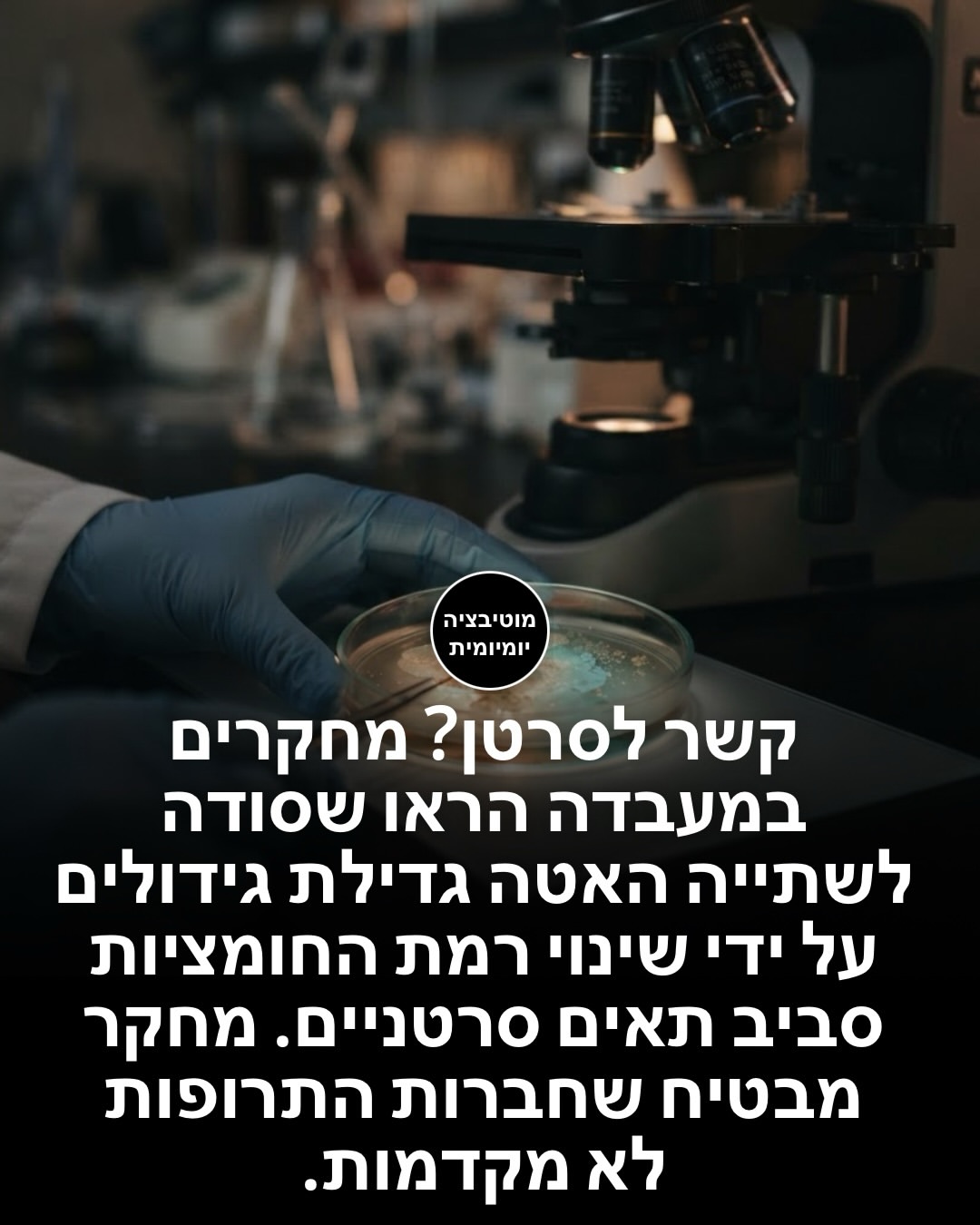
"מחקרי מעבדה מראים כי סודה לשתייה עשויה להאט גדילת גידולים על ידי שינוי רמת החומציות סביב תאים סרטניים."
מסקנת הבדיקה:
מחקרי מעבדה ובמודלים של בעלי חיים מצביעים על כך שסביבה חומצית בגידולים סרטניים תורמת להתקדמותם, וכי שימוש בביקרבונט עשוי להשפיע על ה-pH החוץ-תאי ולעכב גדילת תאים בתנאי מעבדה. (🟩)
chevron_right מקורות מדעיים: (6)
-
link
Targeting the bicarbonate transporter SLC4A4 overcomes immunosuppression and immunotherapy resistance in pancreatic cancer.
Solid tumors are generally characterized by an acidic tumor microenvironment (TME) that favors cancer progression, therapy resistance and immune evasion. By single-cell RNA-sequencing analysis in individuals with pancreatic ductal adenocarcinoma (PDAC), we reveal solute carrier family 4 member 4 (SLC4A4) as the most abundant bicarbonate transporter, predominantly expressed by epithelial ductal cells. Functionally, SLC4A4 inhibition in PDAC cancer cells mitigates the acidosis of the TME due to bicarbonate accumulation in the extracellular space and a decrease in lactate production by cancer cells as the result of reduced glycolysis. In PDAC-bearing mice, genetic or pharmacological SLC4A4 targeting improves T cell-mediated immune response and breaches macrophage-mediated immunosuppression, thus inhibiting tumor growth and metastases. In addition, Slc4a4 targeting in combination with immune checkpoint blockade is able to overcome immunotherapy resistance and prolong survival. Overall, our data propose SLC4A4 as a therapeutic target to unleash an antitumor immune response in PDAC.…
PMID: 36522548
-
link
Disrupting Hypoxia-Induced Bicarbonate Transport Acidifies Tumor Cells and Suppresses Tumor Growth.
Tumor hypoxia is associated clinically with therapeutic resistance and poor patient outcomes. One feature of tumor hypoxia is activated expression of carbonic anhydrase IX (CA9), a regulator of pH and tumor growth. In this study, we investigated the hypothesis that impeding the reuptake of bicarbonate produced extracellularly by CA9 could exacerbate the intracellular acidity produced by hypoxic conditions, perhaps compromising cell growth and viability as a result. In 8 of 10 cancer cell lines, we found that hypoxia induced the expression of at least one bicarbonate transporter. The most robust and frequent inductions were of the sodium-driven bicarbonate transporters SLC4A4 and SLC4A9, which rely upon both HIF1α and HIF2α activity for their expression. In cancer cell spheroids, SLC4A4 or SLC4A9 disruption by either genetic or pharmaceutical approaches acidified intracellular pH and reduced cell growth. Furthermore, treatment of spheroids with S0859, a small-molecule inhibitor of sodium-driven bicarbonate transporters, increased apoptosis in the cell lines tested. Finally, RNAi-mediated attenuation of SLC4A9 increased apoptosis in MDA-MB-231 breast cancer spheroids and dramatically reduced growth of MDA-MB-231 breast tumors or U87 gliomas in murine xenografts. Our findings suggest that disrupting pH homeostasis by blocking bicarbonate import might broadly relieve the common resistance of hypoxic tumors to anticancer therapy. Cancer Res; 76(13); 3744-55. ©2016 AACR.…
PMID: 27197160
-
link
Sodium bicarbonate transporter NBCe1 regulates proliferation and viability of human prostate cancer cells LNCaP and PC3.
Studies on cultured cancer cells or cell lines have revealed multiple acid extrusion mechanisms and their involvement in cancer cell growth and progression. In the present study, the role of the sodium bicarbonate transporters (NBCs) in prostate cancer cell proliferation and viability was examined. qPCR revealed heterogeneous expression of five NBC isoforms in human prostate cancer cell lines LNCaP, PC3, 22RV1, C4-2, DU145, and the prostate cell line RWPE-1. In fluorescence pH measurement of LNCaP cells, which predominantly express NBCe1, Na…
PMID: 34013380
-
link
Transdermal bicarbonate buffer therapy increases intratumoral pH and elicits antitumor responses in bladder cancer.
<h4>Introduction</h4>Tumor acidosis is a hallmark of cancer that leads to abrogation of T cell function and cancer progression. Oral sodium bicarbonate therapy for alkalization of the extracellular tumor pH has shown moderate positive effects in tumor models. However, its applicability in the clinic is very limited due to the unreasonably high dosage required and gastrointestinal disturbances that arise. In this study, we assessed the functional effects of acidity on T cells.<h4>Methods</h4>We show that acidity alters T cell proliferation, migration and effector functions as well as transcriptional programming using in vitro culture techniques and RNA sequencing. We then tested the potency of a proprietary transdermal formulation, DYV800, containing sodium bicarbonate to increase the extracellular tumor pH (pHe) and augment anti-tumor immune responses in a murine model of bladder cancer. The tumor pH was assessed using Chemical Exchange Saturation Transfer Magnetic Resonance Imaging (CEST-MRI) and antitumor immune responses via flow cytometry.<h4>Results</h4>We found that transdermal DYV800 significantly reduced tumor burden and improved antigen-specific CD8<sup>+</sup> T cell responses. Chemical Exchange Saturation Transfer Magnetic Resonance Imaging (CEST-MRI) of treated tumors showed an increase in intra-tumoral pH of bladder tumors, and this therapy also alkalizes the urine.<h4>Discussion/conclusion</h4>The transdermal delivery of DYV800 led to durable anti-tumor immune responses and is more clinically applicable to combat acidity in bladder cancer than oral bicarbonate. Targeting acidosis in the bladder tumor microenvironment has the potential to enhance T cell responses and improve anti-tumor immunity.…
PMID: 41909665
-
link
SLC4A7 Drives NSCLC Progression and Immune Evasion via pH Dysregulation: Its Targeting Synergizes with Anti-PD-1/L1 Therapy.
Solid tumors create an acidic tumor microenvironment (TME) that drives cancer progression, therapy resistance, and immune evasion. Bicarbonate is crucial for maintaining acid-base balance, however, its role in non-small cell lung cancer (NSCLC) remains unclear. Through the analysis of single-cell RNA sequencing data and the TCGA and CPTAC databases, we identified solute carrier family 4 member 7 (SLC4A7) as the predominantly expressed bicarbonate transporter in NSCLC. Functionally, SLC4A7 knockdown impaired bicarbonate uptake, resulting in intracellular acidification and extracellular alkalinization. This phenomenon led to a decrease in glycolysis and subsequently suppressed the growth and metastasis of NSCLC. Both <i>in vivo</i> and <i>in vitro</i> data demonstrate that the alkalinization of the TME induced by Slc4a7 knockout enhances the infiltration and function of cytotoxic T cells, significantly inhibiting tumor growth. Additionally, Slc4a7 knockout exhibits synergistic antitumor efficacy in combination with PD-1/PD-L1 immune checkpoint inhibitors. Mechanistically, integrative analysis of RNA-seq and ATAC-seq data identified CTCF as a transcription factor regulating SLC4A7 expression. In summary, our study demonstrates that SLC4A7-mediated bicarbonate transport is crucial for maintaining acid-base homeostasis in NSCLC and represents a promising therapeutic target for this disease.…
PMID: 42088432
-
link
Alkalization of the intracellular pH reprograms TNF-α signaling from inflammatory NF-κB activation to tumoricidal RIP kinase-dependent necroptosis in cancer cells.
Tumor necrosis factor-alpha (TNF-α) plays paradoxical roles in cancer, promoting tumor survival via NF-κB activation while also inducing necroptotic cell death. Here, we identify the intracellular pH (pHᵢ) as a decisive switch that reprograms TNF-α signaling from a prosurvival inflammatory response toward tumoricidal necroptosis. In both hepatocellular and cervical carcinoma models, alkalizing the pHᵢ with bicarbonate inhibits TNF-α-mediated IκB phosphorylation and NF-κB nuclear translocation while simultaneously activating the TNF-α-driven necroptotic cascade, which is characterized by the sequential phosphorylation of RIPK1, RIPK3, and MLKL. Mechanistically, bicarbonate induces the depolarization of the mitochondrial membrane potential, reactive oxygen species (ROS) generation, and a cyclophilin D-dependent permeability transition-effects that are synergistically amplified by TNF-α. Genetic knockdown of RIPK1 or RIPK3 abrogates necroptosis, whereas the pharmacological inhibition of ROS suppresses necroptosis and concurrently restores NF-κB nuclear translocation. ROS are identified as the key mediators determining the switch between these opposing TNF-α signaling pathways. In vivo, bicarbonate and TNF-α treatment suppresses tumor growth, enhances necroptotic signaling, and inhibits NF-κB activation. Thus, our work indicates that intracellular alkalization acts as a modifiable regulator to redirect TNF-α from a toxic, proinflammatory cytokine into a potent and selective tumoricidal agent. Graphical Abstract: Alkalization of the pHi by bicarbonate reprograms TNF-α signaling from a prosurvival NF-κB axis to a cytotoxic necroptotic pathway. a TNF-α alone activates NF-κB signaling, promoting inflammation and tumor growth. b Bicarbonate alkalizes the pHi and induces mitochondrial dysfunction and reactive oxygen species (ROS) production, which is further amplified by TNF-α. Elevated ROS levels inhibit NF-κB signaling and activate RIPK1-dependent necroptosis. This ROS-mediated switch redirects TNF-α signaling from a proinflammatory, tumor-promoting response to a cytotoxic, necroptotic pathway, resulting in the suppression of both tumor growth and inflammation. This diagram highlights the translational potential of combining bicarbonate with TNF-α for cancer therapy.…
PMID: 41951772

מוטיבציה יומיומית
דירוג זה מבוסס על 2 דוחות אימות קודמים.






האם הדוח הזה היה מועיל לך?
מה היה פחות טוב? (רשות)
תודה על הפידבק!
עירעור על דוח זה
ספקו ראיות חדשות או הצביעו על אי דיוקים
נעדכן אותך על תוצאות הבדיקה
הוסיפו קישורים למחקרים או מקורות רפואיים מוכרים
העירעור נשלח בהצלחה!
המנוע המדעי שלנו יבדוק את הראיות שהגשתם. נעדכן אתכם באימייל עם התוצאות.
ניתוח מבוסס בינה מלאכותית
דוח זה נוצר באופן אוטומטי על ידי מערכת בינה מלאכותית ועשוי להכיל שגיאות, אי-דיוקים או מידע חלקי. הניתוח אינו מהווה ייעוץ רפואי, אבחנה או המלצה לטיפול, והוא אינו תחליף לדעתו של איש מקצוע רפואי מוסמך. יש להתייעץ עם רופא או מומחה מוסמך לפני קבלת כל החלטה רפואית. המידע מוצג לצרכי מידע כללי בלבד.
מידע זה מופק על ידי בינה מלאכותית ואינו מהווה תחליף לייעוץ רפואי מקצועי.