סריקה בתהליך...
הניתוח עשוי לארוך 30–90 שניות
הידעת?
הסרטון אינו מכיל תוכן רפואי
חושבים שחלה טעות?
אם לדעתכם הסרטון אכן עוסק בטענות רפואיות או בריאותיות, הוסיפו הסבר קצר ושלחו בקשה לבדיקה מחדש.
הבקשה התקבלה! נבדוק את הסרטון ונחזור אליכם.
אירעה שגיאה בשליחת הבקשה. נסו שוב.
דו״ח מאומת
הסרטון מציג מידע מדויק ומגובה במחקרים מדעיים אמינים.
סיכום
המידע המוצג בפוסט תואם ברובו את הקונצנזוס המדעי. בעוד שהצגת זמני עיכול ספציפיים נחשבת לפישוט יתר שאינו מדויק מדעית, הטענות בדבר השפעת גורמים שונים על העיכול, הפרכת המיתוס על מסטיק בקיבה, וההסתייגות שמדובר בהמחשה כללית בלבד, נתמכות על ידי הספרות המדעית.
analytics ניתוח טענות מבוסס ראיות
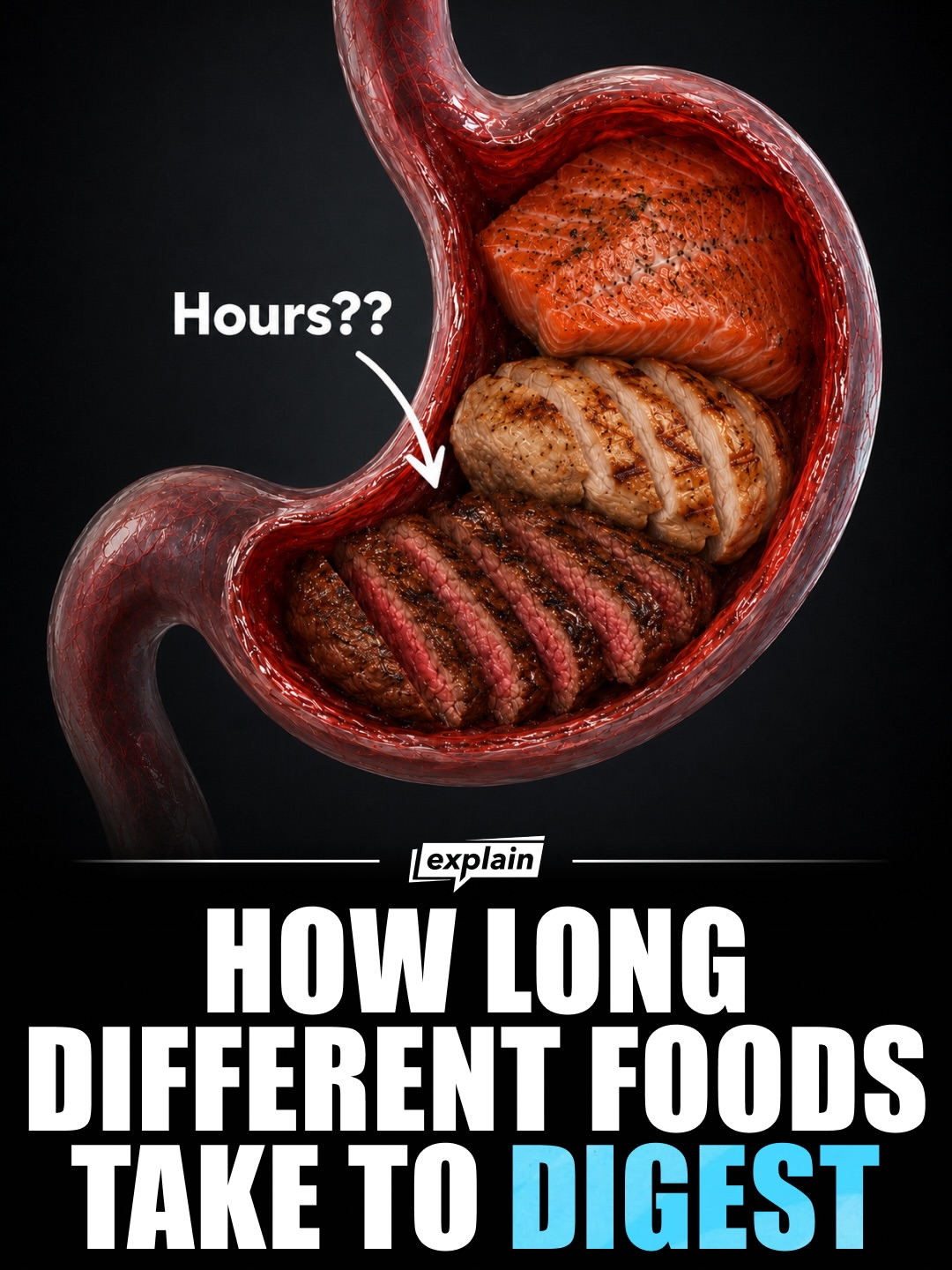
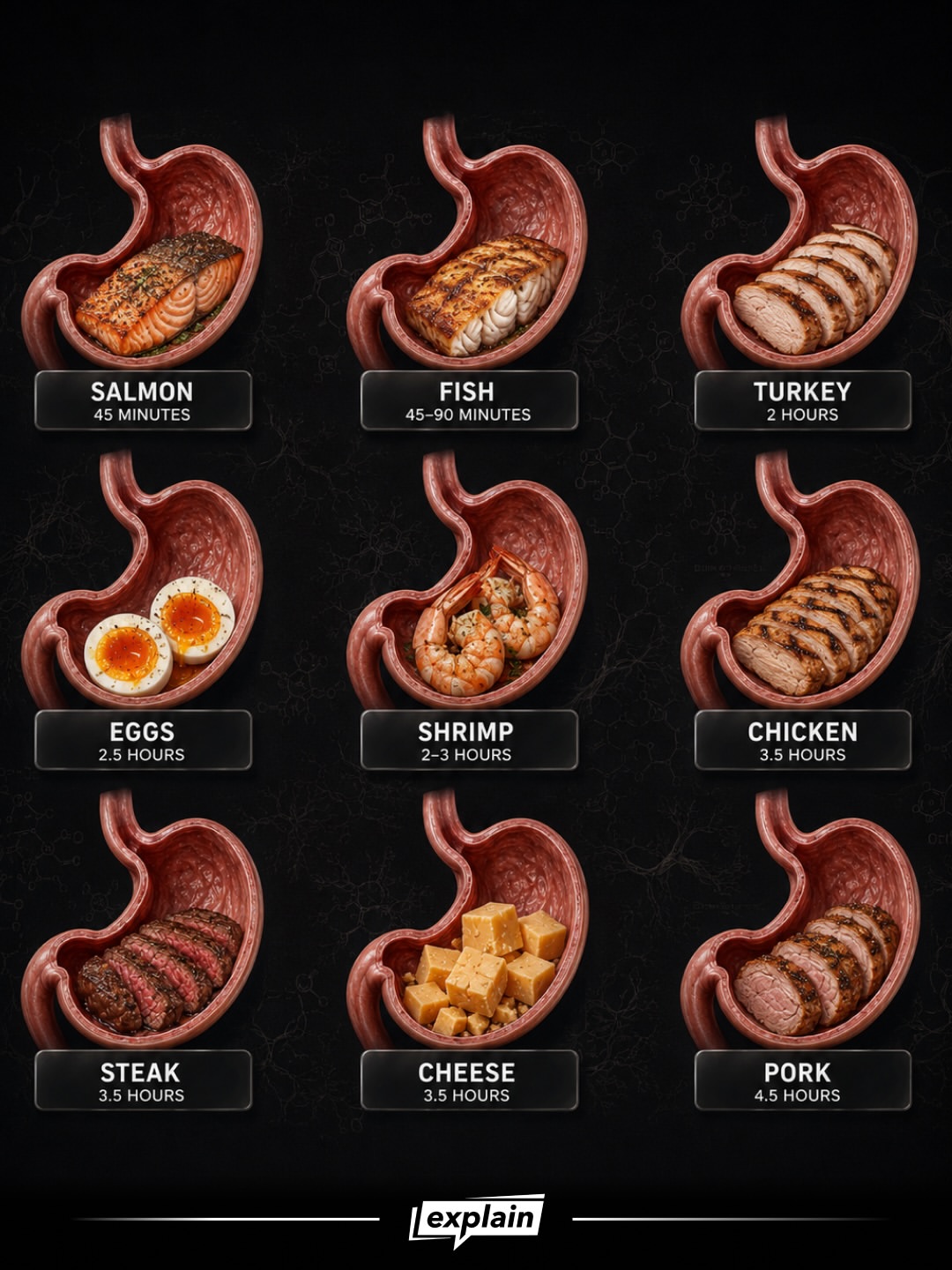
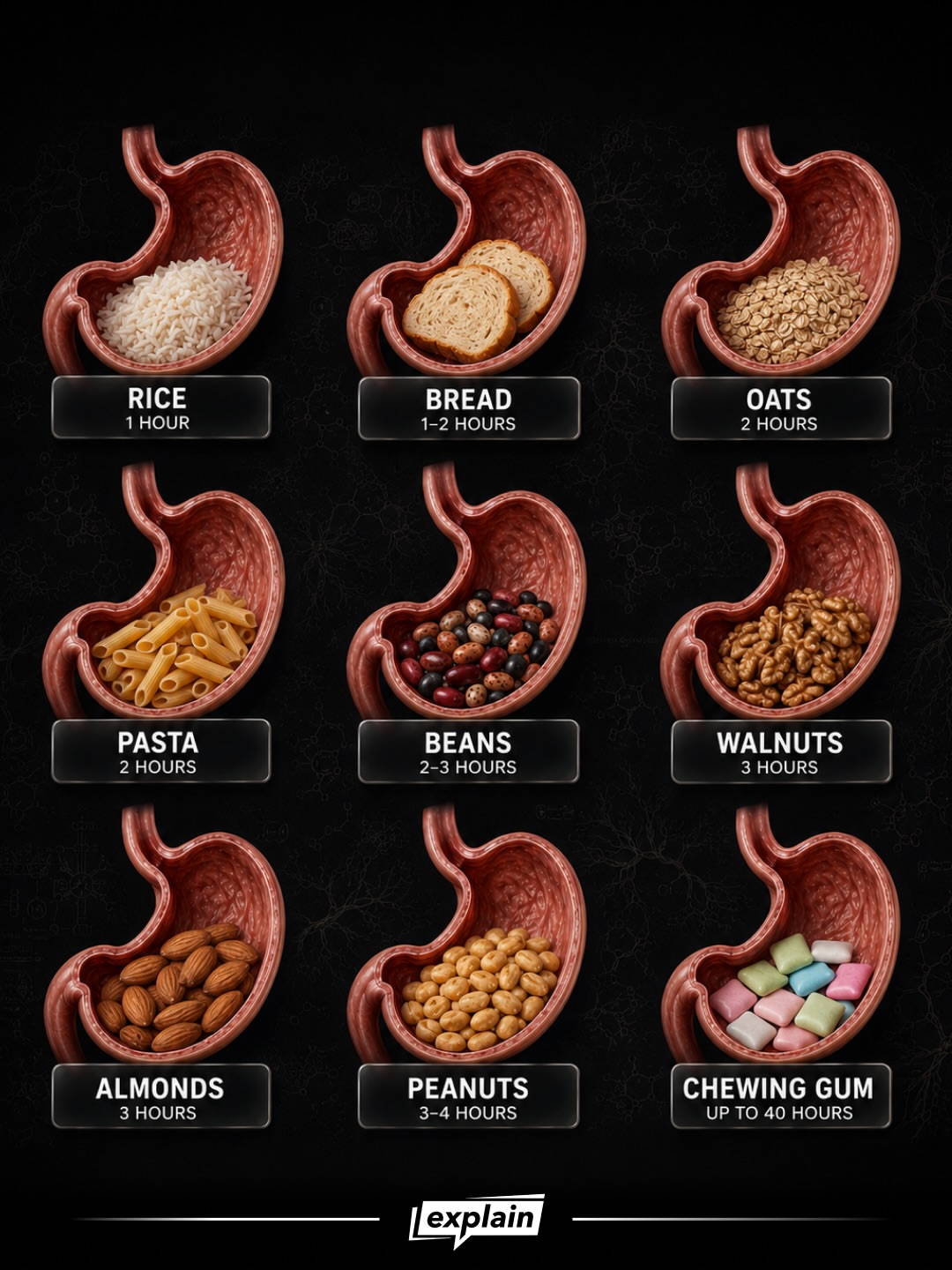
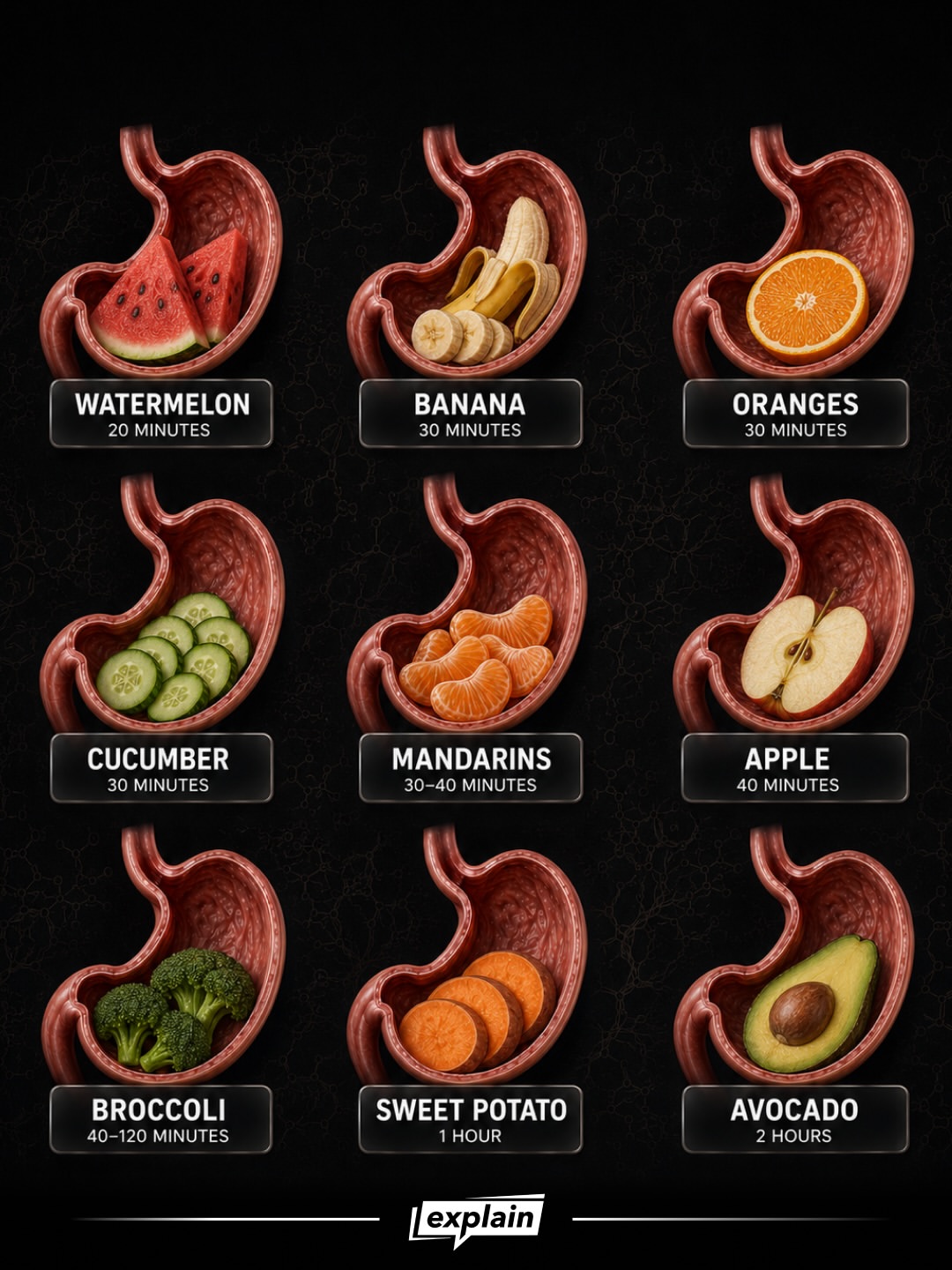
"הפוסט מציג זמני עיכול ספציפיים עבור מגוון רחב של מזונות בקיבה."
מסקנת הבדיקה:
הספרות המדעית מדגישה כי תהליך התרוקנות הקיבה הוא דינמי ומורכב, המושפע ממשתנים פיזיולוגיים ופיזיקליים רבים. הצגת זמני עיכול קבועים וספציפיים לכל מזון היא פישוט יתר שאינו משקף את המציאות הקלינית המשתנה. (⬜)
chevron_right מקורות מדעיים: (2)
-
link
Gastric Mixing During Food Digestion: Mechanisms and Applications.
Gastric mixing is a complex process that is governed by meal properties, such as food buffering capacity, physical properties, and the rate of breakdown as well as physiological factors, such as the rate of gastric secretions, gastric emptying, and gastric motility. Gastric mixing processes have been studied through the use of experimental and computational methods. Gastric mixing impacts the intragastric pH distribution and residence time in the stomach for ingested materials. Development of a fundamental understanding of the advective and diffusion processes and their roles in gastric mixing will be important in furthering our understanding of food breakdown, microbial survival, and drug dissolution during gastric digestion.…
PMID: 28125347
-
link
Disintegration of solid foods in human stomach.
Knowledge of the disintegration of solid foods in human stomach is essential to assess the bioavailability of nutrients in the gastrointestinal (GI) tract. A comprehensive review of food gastric digestion, focusing on disintegration of solid foods, is presented. Most of the research reviewed in this paper is contained in the medical, pharmaceutical, food, and nutritional literature. Stomach physiology is briefly introduced, including composition and rheological properties of gastric contents, stomach wall motility in fed/fasted states, and hydrodynamic and mechanical forces that act on the ingested food. In vivo and in vitro methods used for studying food and drug digestion in GI are summarized. Stomach emptying rate, which controls the rate of absorption of nutrients, is highly related to the disintegration of foods. This topic is highlighted with focus on the important mechanisms and the influence of chemical and physical properties of foods. Future research in this area is identified to increase our fundamental understanding of the food digestion process in the stomach as related to the food composition, material properties such as texture and microstructure, and chemical characteristics. This information is necessary to develop new guidelines for seeking innovative processing methods to manufacture foods specifically targeted for health.…
PMID: 18577009
"זמני העיכול אינם קבועים ומושפעים מגורמים כמו גודל המנה, הרכב המזון (שומן, חלבון, סיבים) ומצב בריאותי אישי."
מסקנת הבדיקה:
מחקרים רבים מאשרים כי קצב התרוקנות הקיבה אינו קבוע ומושפע באופן ישיר מהרכב המזון, גודל המנה, גורמים הורמונליים ומצבים רפואיים כגון סוכרת. הספרות המדעית תומכת בכך שקיימת שונות אינדיבידואלית משמעותית בתהליך זה. (🟩)
chevron_right מקורות מדעיים: (3)
-
link
Gastric Mixing During Food Digestion: Mechanisms and Applications.
Gastric mixing is a complex process that is governed by meal properties, such as food buffering capacity, physical properties, and the rate of breakdown as well as physiological factors, such as the rate of gastric secretions, gastric emptying, and gastric motility. Gastric mixing processes have been studied through the use of experimental and computational methods. Gastric mixing impacts the intragastric pH distribution and residence time in the stomach for ingested materials. Development of a fundamental understanding of the advective and diffusion processes and their roles in gastric mixing will be important in furthering our understanding of food breakdown, microbial survival, and drug dissolution during gastric digestion.…
PMID: 28125347
-
link
Drugs, diseases and altered gastric emptying.
Drugs are usually given orally. They are not absorbed to any extent from the stomach but may be absorbed very rapidly from the small intestine. Thus factors influencing the rate of gastric emptying may alter the rate of absorption of most if not all orally administered drugs. Food, hormones, posture, peritoneal irritation, severe pain, gastric ulcer, diabetes and other metabolic diseases, as well as drugs such as alcohol, anticholinergics, narcotic analgesics, ganglion blocking drugs, antacids and metoclopramide all influence the rate of gastric emptying and they will, in turn, change the rate of absorption of another drug. In most instances, increasing the rate of gastric emptying and gastro-intestinal motility increases the rate of absorption of a drug but, for digoxin and riboflavin, increased gastrointestinal motility is associated with a decrease in the rate of absorption. Delayed drug absorption due to altered gastric emptying usually results in therapeutic failure, especially if the drug has a short biological half-life. At present it is not possible to predict accurately the magnitude and clinical relevance of all drug absorption interactions.…
PMID: 797497
-
link
Diabetic gastroparesis: pathophysiology and impact on insulin timing choices.
Diabetic gastroparesis (DGP) is a chronic and frequently underrecognized complication of diabetes mellitus, characterized by delayed gastric emptying in the absence of mechanical obstruction. It represents a clinically significant manifestation of diabetic autonomic neuropathy and arises from a complex interplay of sustained hyperglycemia, oxidative and nitrosative stress, advanced glycation end-product accumulation, impaired insulin/IGF-1 signaling, lipid dysmetabolism, and inflammatory activation. These mechanisms converge to damage autonomic and enteric neurons, reduce interstitial cells of Cajal density, and disrupt gastric smooth muscle function, ultimately leading to impaired and unpredictable gastric motility. Beyond gastrointestinal symptoms, DGP profoundly affects metabolic control. The altered timing and variability of gastric emptying disturb the physiological coordination between nutrient absorption and insulin pharmacokinetics, generating a temporal mismatch that predisposes patients to early postprandial hypoglycemia followed by late hyperglycemia. This pattern increases glycemic variability, complicates insulin dose adjustment, and contributes to oxidative stress and vascular risk. In this narrative review, we examine the current understanding of DGP pathophysiology and its clinical implications for insulin therapy. We discuss diagnostic strategies, nutritional interventions, and pharmacological treatments, with particular attention to insulin timing modulation. We also analyze the emerging role of diabetes technologies, including continuous glucose monitoring and automated insulin delivery systems, as well as future perspectives such as glucose-responsive insulins and regenerative approaches targeting gastric neuromuscular dysfunction. A mechanism-based, personalized therapeutic strategy may improve metabolic stability and patient outcomes.…
PMID: 42334698
"הטענה שמסטיק נשאר בקיבה עד 40 שעות אינה נכונה; מסטיק עובר דרך מערכת העיכול כרגיל."
מסקנת הבדיקה:
אין עדות מדעית לכך שמסטיק נשאר בקיבה למשך 40 שעות. מחקרים על תנועתיות מערכת העיכול מראים כי מסטיק עובר דרך מערכת העיכול בדומה למזונות אחרים ואינו מצטבר בקיבה. (🟩)
chevron_right מקורות מדעיים: (2)
-
link
The effect of chewing gum on small-bowel transit time in capsule endoscopy: a prospective, randomized trial.
Approximately 1 in 6 capsule endoscopies (CEs) does not visualize the entire small bowel at completion of the examination because of limited battery life. To determine whether chewing gum can reduce the small-bowel transit time and increase CE completion rates. Prospective, single-blind, randomized, controlled trial. A tertiary university-affiliated hospital. Consecutive patients 19 years of age and older undergoing outpatient small-bowel CE from October 2010 to July 2012 were assessed for eligibility. Those with previous gastric or small-bowel surgery or ileostomy, dysphagia prohibiting capsule ingestion, diabetes mellitus with evidence of end-organ damage, use of narcotics or prokinetics within 5 days before the procedure, clinical hyper-/hypothyroidism, and symptoms suggestive of acute bowel obstruction were excluded. Gum chewing for at least 20 minutes every 2 hours starting at the time of capsule ingestion. Small-bowel transit time, gastric transit time, and completion rate were measured. Chewing gum did not have any significant effect on gastric transit time (rate ratio 1.06; 95% CI, 0.73-1.55; P = .75), small-bowel transit time (rate ratio 0.91; 95% CI, 0.62-1.35; P = .65), or completion rate (91.67% chewing gum vs 88.71% control, P = .58) of CE. Single-center study involving relatively healthy subjects. Procedures were done on an outpatient basis so participants were not monitored for adherence to protocol. Chewing gum does not speed up capsule transit or increase completion rate of CE in patients without risk factors for incomplete studies. ( NCT01241825.).…
PMID: 24112594
-
link
Can coffee or chewing gum decrease transit times in Colon capsule endoscopy? A randomized controlled trial.
A high rate of complete colon capsule endoscopy (CCE) investigations is required for a more widespread use of CCE. The objective of this study was to assess if coffee or chewing gum can increase excretion of the colon capsule within battery life time (excretion rate). One hundred eighty six screening participants with a positive immunochemical fecal occult blood test were included in this single-centre randomized controlled trial with blinding of the investigators to the randomization. Participants received instant coffee, chewing gum or nothing in addition to the standard bowel preparation. The intention was to include 57 participants in the coffee group, 61 in the chewing gum group and 60 in the control group, on 8 participants data were missing. A total of 165 participants were included in a per protocol analysis. Exclusion was due to not receiving the allocated intervention (8 coffee, 4 chewing gum) and technical failure of the capsule (1 coffee). The excretion rate was 58% in the coffee group (n = 48), 63% in the chewing gum group (n = 57) and 55% in the control group (n = 60, p > 0.2). Transit times were similar in all groups. The excretion rate was low in participants who had transit times over 10 h (14%). A strong correlation was found between adequate cleansing and excretion of the capsule. There were no serious adverse events related to the interventions or CCE investigations. Chewing gum and coffee did not improve excretion rate in this study. An effect of chewing gum could not be proven, possibly due to sample size. Since chewing gum might improve excretion rates, is cheap and has no known side effects, it needs to be considered in future bowel preparation trials for CCE. NCT02303756 , registered on December 1st 2014.…
PMID: 29940864
"הטבלה המוצגת בפוסט מהווה המחשה כללית בלבד ואינה מהווה מדריך רפואי."
מסקנת הבדיקה:
הצהרה זו נכונה מבחינה עובדתית, שכן טבלאות כלליות אינן מהוות תחליף לייעוץ רפואי מקצועי או להנחיות קליניות מבוססות, במיוחד לאור השונות הביולוגית הגבוהה בין מטופלים. (🟩)

Explain
דירוג זה מבוסס על 1 דוחות אימות קודמים.

האם הדוח הזה היה מועיל לך?
מה היה פחות טוב? (רשות)
תודה על הפידבק!
עירעור על דוח זה
ספקו ראיות חדשות או הצביעו על אי דיוקים
נעדכן אותך על תוצאות הבדיקה
הוסיפו קישורים למחקרים או מקורות רפואיים מוכרים
העירעור נשלח בהצלחה!
המנוע המדעי שלנו יבדוק את הראיות שהגשתם. נעדכן אתכם באימייל עם התוצאות.
ניתוח מבוסס בינה מלאכותית
דוח זה נוצר באופן אוטומטי על ידי מערכת בינה מלאכותית ועשוי להכיל שגיאות, אי-דיוקים או מידע חלקי. הניתוח אינו מהווה ייעוץ רפואי, אבחנה או המלצה לטיפול, והוא אינו תחליף לדעתו של איש מקצוע רפואי מוסמך. יש להתייעץ עם רופא או מומחה מוסמך לפני קבלת כל החלטה רפואית. המידע מוצג לצרכי מידע כללי בלבד.
מידע זה מופק על ידי בינה מלאכותית ואינו מהווה תחליף לייעוץ רפואי מקצועי.