סריקה בתהליך...
הניתוח עשוי לארוך 30–90 שניות
הידעת?
הסרטון אינו מכיל תוכן רפואי
חושבים שחלה טעות?
אם לדעתכם הסרטון אכן עוסק בטענות רפואיות או בריאותיות, הוסיפו הסבר קצר ושלחו בקשה לבדיקה מחדש.
הבקשה התקבלה! נבדוק את הסרטון ונחזור אליכם.
אירעה שגיאה בשליחת הבקשה. נסו שוב.
דו״ח מאומת
הסרטון מכיל שילוב של עובדות מוכחות וטענות המטעות את הציבור.
סיכום
הטענות שהועלו משלבות עובדות רפואיות מבוססות (כמו יעילות מי מלח והיגיינת פה) עם נתונים סטטיסטיים מוגזמים או חסרי ביסוס מדעי (כמו השוואת תחלואת ילדים בין יפן למערב והפחתה של 80% בתחלואה). בעוד ששטיפת פה היא כלי מועיל להיגיינה, אין לראות בה פתרון מוחלט למניעת מחלות או עצירת שכפול ויראלי בגוף.
analytics ניתוח טענות מבוסס ראיות
"שטיפת פה וגרון מסירה נגיפים לפני שהם נצמדים, מפחיתה עומס ויראלי ועוצרת הכפלה."
מסקנת הבדיקה:
מחקרים מצביעים על כך ששטיפת פה יכולה להפחית את העומס הוויראלי בחלל הפה, מה שעשוי לסייע בהפחתת העברה, אך הטענה שהיא 'עוצרת הכפלה' של נגיפים בגוף היא פשטנית מדי ואינה נתמכת כטיפול מערכתי למניעת שכפול ויראלי. (🟨)
chevron_right מקורות מדעיים: (2)
-
link
Saline nasal irrigation and gargling in COVID-19: Part II. Outcomes in Omicron and risk-benefit for self-care.
<h4>Background</h4>The World Health Organization recommends at-home management of mild COVID-19. While our preliminary evaluation provided evidence for saline nasal irrigation (SNI) and gargling in COVID-19, an update and risk-benefit assessment for self-care in Omicron infection is warranted, from treatment and preparedness perspectives, as new SARS-CoV-2 variants continuously emerge, while symptoms overlap with those of common colds and other upper respiratory tract infections.<h4>Methods</h4>Systematic literature searches for preclinical and clinical studies involving Omicron infection and saline, bias assessment, and review of outcomes (benefits, risks).<h4>Results</h4>A total of 14 studies met eligibility criteria: one experimental proof-of-concept study, eight randomized clinical trials (RCTs), two quasi-experimental, two matched case-control, and one controlled study (2,389 patients, 1,101 receiving saline). Study designs were highly heterogeneous, not allowing pooling of the data. In line with the pre-clinical findings, the clinical trials showed lower viral loads or faster viral clearance with SNI use; results were consistent, if SNI was started early in the infection. Individual studies supported reduced infectivity of saliva, inflammatory mediators and C-reactive protein, and increased lymphocytes. Symptoms resolved faster if severe at baseline, in line with the findings from pre-Omicron RCTs; the ability to perform daily activities was assessed in one RCT and improved significantly. Early initiation of daily SNI/gargling before the onset of smell/taste dysfunction prevented their development. Daily SNI hygiene was also associated with less frequent development of fever and a shorter duration of fever than observed among (non-irrigating) controls. Daily SNI modestly helped to reduce household transmission; a preliminary report suggests that reliable prophylaxis can be achieved, provided daily SNI is combined with strict use of personal protective measures. Hospitalization was virtually absent. Isotonic SNI was best tolerated.<h4>Conclusion</h4>This analysis is consistent with prior review findings: early initiation of SNI/gargling may help patients with mild COVID-19 feel better, irrespective of the variant. If clean water and irrigation materials are provided, SNI can reasonably be recommended as early self-care for COVID-19, as it is for the common cold. Larger prospective studies are required to determine optimal protocols and SNI's potential role in respiratory pathogen pandemic preparedness.…
PMID: 40910061
-
link
Effectiveness of mouth rinses against COVID-19: a systematic review and network meta-analysis.
This systematic review and network meta-analysis (NMA) comprehensively compared the effectiveness of different mouth rinses in reducing the viral load/infectivity of severe acute respiratory syndrome coronavirus-2 (SARS-CoV-2) (Part I), alleviating clinical symptoms or severity of disease (Part II), and decreasing the incidence of SARS-CoV-2 infection (Part III). Randomized controlled trials (RCTs) and non-randomized controlled trials (NRCTs) with restrictions were searched up to 3 Five RCTs (454 patients and nine interventions) in Part I were eligible for NMA. The NMA results showed that, in comparison with no rinse, sodium chloride (NaCl) was the most effective mouth rinse for reducing the viral load, followed by povidone-iodine (PVP-I), ß-cyclodextrin + citrox (CDCM), hydrogen peroxide (HP), chlorhexidine gluconate (CHX), cetylpyridinium chloride (CPC), placebo and hypochlorous acid (HClO). However, these results were not significant. Based on surface under the cumulative ranking curve scores, PVP-I was likely to be the most efficacious mouth rinse for reducing SARS-CoV-2 viral load, followed by CDCM, HP, NaCl, CHX, CPC, placebo, no rinse and HClO. Due to heterogeneity of the primary studies, the effectiveness of different mouth rinses to reduce viral infectivity, improve clinical symptoms or prevent SARS-CoV-2 infection remains inconclusive.…
PMID: 37419189
"מחקרים השוו נתוני תחלואה ומצאו: ילדים ביפן חולים פעם או פעמיים בשנה, לעומת ילדים במערב שחולים שמונה עד עשר פעמים."
מסקנת הבדיקה:
לא נמצאו בספרות המדעית ב-PubMed נתונים השוואתיים התומכים בטענה כי ילדים ביפן חולים בתדירות נמוכה משמעותית (פעם-פעמיים בשנה) בהשוואה לילדים במערב (8-10 פעמים). נתונים אלו אינם מבוססים על מחקרים אפידמיולוגיים מוכרים. (⬜)
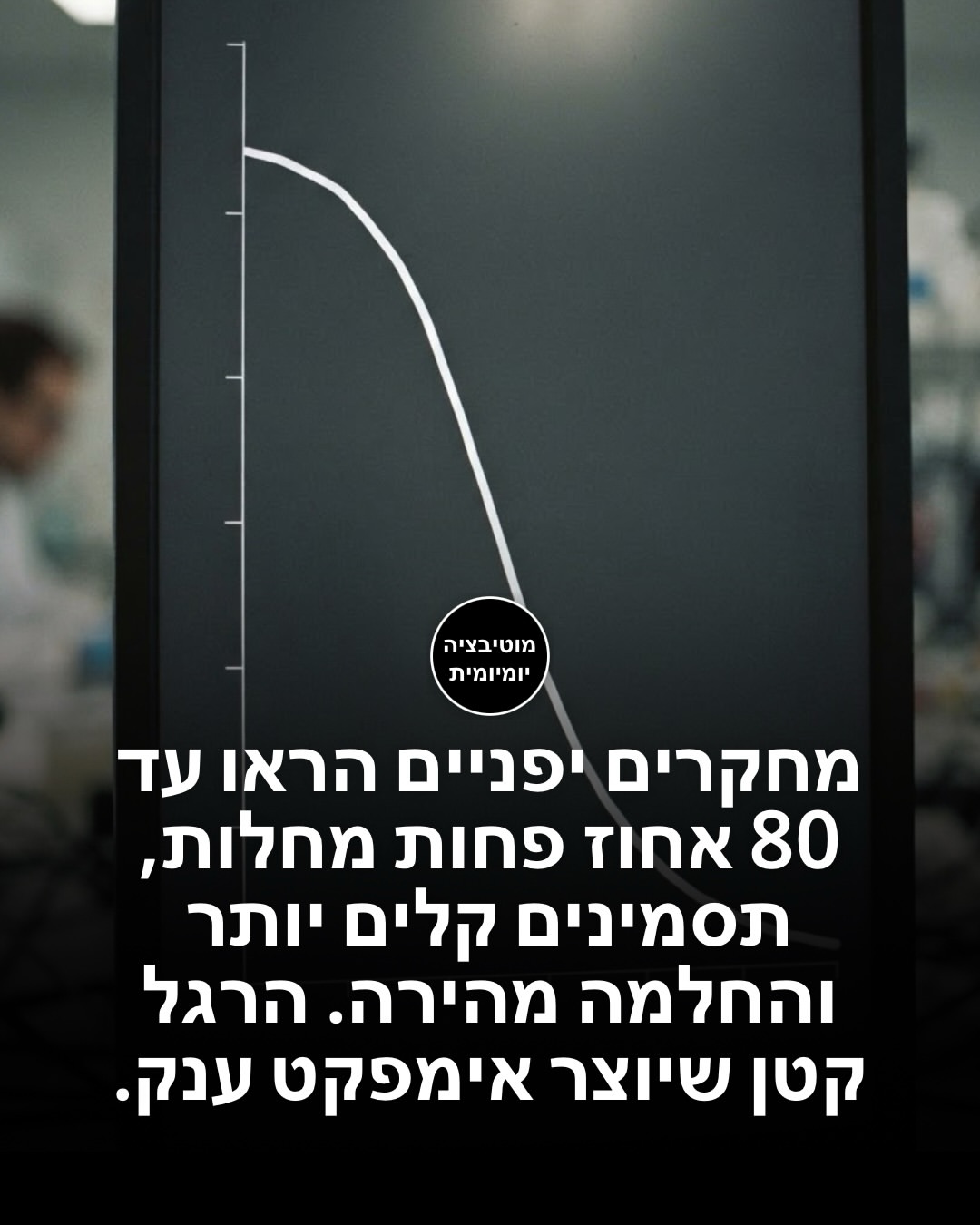
"מחקרים הראו עד 80 אחוז פחות מחלות, תסמינים קלים יותר והחלמה מהירה יותר בעקבות שטיפת פה."
מסקנת הבדיקה:
לא נמצאו מחקרים קליניים רחבי היקף המאששים את הטענה ל-'80 אחוז פחות מחלות' כתוצאה משטיפת פה. בעוד ששטיפות פה עשויות להפחית עומס ויראלי או למנוע זיהומים ספציפיים (כמו דלקת ריאות במונשמים), הנתון המספרי המוצג אינו מגובה בראיות מדעיות. (⬜)
"מי מלח יוצרים סביבה שקשה לחיידקים לשרוד בה."
מסקנת הבדיקה:
השימוש במי מלח (סליין) מוכר בספרות הרפואית כשיטה יעילה לשטיפה והפחתת עומס חיידקי בזכות תכונות אוסמוטיות המעכבות צמיחת מיקרואורגניזמים, והוא נמצא בשימוש קליני נרחב לטיפול בפה ובפצעים. (🟩)
chevron_right מקורות מדעיים: (3)
-
link
The dentine-sealer interface: Modulation of antimicrobial effects by irrigation.
Assess whether sodium hypochlorite (NaOCl) or chlorhexidine (CHX) and two irrigation protocols may alter the antibacterial properties of dentine and three endodontic sealers using a novel ex vivo tooth model. Prior to antibacterial testing, the tooth model was validated by means of scanning electron microscopy (SEM) to evaluate the separation between dentine and sealer surfaces. Root blocks prepared from extracted human roots were pre-treated with 17% EDTA + 0.9% saline and subsequently treated with 1% NaOCl (G1), 2% CHX (G2) or no irrigant (G3). Two irrigation protocols were further investigated, "1% NaOCl + 17% EDTA" (P1) and "1% NaOCl + 17% EDTA + 2% CHX" (P2). Following irrigation, the root blocks were either filled with AH Plus, BioRoot RCS and Pulp Canal Sealer (PCS), or left empty. All groups were incubated for 1, 7 and 28 days. Direct contact tests for planktonic E. faecalis and 48 h E. faecalis biofilms were performed at the level of dentine and sealer surfaces. Statistical analysis was performed on the bacterial survival between irrigants (G1, G2 and G3) and between irrigation protocols (P1 and P2); p < .05. The model was considered reproducible as SEM examination of dentine samples indicated consistent separation between dentine and sealer surfaces. Irrigation with CHX (G2) and irrigation protocol P2 enhanced the antibacterial properties of dentine without sealer application as well as dentine in contact with all three sealers tested, especially against planktonic E. faecalis. G2 and P2 also improved the antibacterial effect of AH Plus surfaces for all three incubation times. No irrigation groups (G1, G2) or irrigation protocols (P1, P2) altered the antibacterial properties of BioRoot RCS surfaces against planktonic bacteria or biofilms. Only BioRoot RCS surfaces eliminated the planktonic E. faecalis in all irrigation groups (G1, G2, G3) and protocols (P1, P2) investigated whilst PCS surfaces eliminate E. faecalis in biofilms in all groups up to 7 days. The tooth model was reproducible. CHX improved the antibacterial activity upon both sealer and dentine surfaces. Amongst sealers, BioRoot RCS was less affected by NaOCl and CHX, and exhibited high antibacterial properties regardless the irrigation applied.…
PMID: 35080277
-
link
Clinical evaluation of a Clematis chinensis Osbeck-containing mouthwash for the prevention of dental caries: a randomized, controlled clinical trial.
<h4>Background</h4>Chlorhexidine is widely used as a chemical antibacterial mouthwash, but its potential side effects have spurred interest in safer natural alternatives.<h4>Purpose</h4>This study aimed to evaluate the anticariogenic efficacy and inhibitory effects of a functional mouthwash containing Clematis chinensis Osbeck (C. chinensis Osbeck) extract in a randomized controlled clinical trial.<h4>Study design and methods</h4>In this randomized, double-blind, controlled clinical trial conducted at Busan M Dental Clinic, 69 participants were randomly assigned to three groups: saline gargle (n = 23), chlorhexidine gargle (n = 23), and C. chinensis Osbeck extract gargle (n = 23). Participants used 15 mL of the assigned mouthwash four times daily for 2 weeks. The oral environment was standardized with professional scaling and a 1-week recovery period before the intervention. Clinical outcomes were evaluated using the O'Leary index and the Cariview™ test kit (AIOBIO Co. Ltd., Seoul, South Korea) at baseline, 1 week, and 2 weeks, respectively, to evaluate dental plaque acidogenicity and user satisfaction. Saliva tests (including cariogenic bacterial counts, acidogenicity, and buffering capacity) were performed using the SillHa Oral Wellness System (ARKRAY Inc., Kyoto, Japan). Subgingival plaque samples were analyzed by quantitative real-time polymerase chain reaction (PCR) analysis to detect cariogenic bacteria (Streptococcus mutans [S. mutans] and Gram-positive cariogenic bacteria [GS group], comprising S. mitis, S. sobrinus, and Lactobacillus casei). Statistical analyses were performed using analysis of variance (ANOVA) and Duncan's post hoc test, with significance set at P < 0.05.<h4>Results</h4>The C. chinensis Osbeck extract gargle group showed reductions in the O'Leary index score and cariogenic activity, alongside a progressive increase in user satisfaction. Saliva analysis revealed significant decreases in caries-causing bacterial numbers and acid production and improved buffering capacity, enhancing salivary defense. Only the C. chinensis Osbeck extract gargle group showed a significant reduction in S. mutans and the GS group. Compared with the saline and chlorhexidine groups, this group demonstrated a continuous decrease in caries risk over the 2 weeks.<h4>Conclusion</h4>C. chinensis Osbeck extract significantly improved clinical parameters related to dental caries, suggesting its potential as a safe and effective natural alternative to chemical antibacterial agents for caries prevention and oral health maintenance.<h4>Trials registration</h4>ClinicalTrials.gov, KCT0008539. Registered on June 21, 2023, https://cris.nih.go.kr/cris/search/detailSearch.do/23816 ).…
PMID: 41276841
-
link
Comparison of the effects of ice saline and kangfuxin mouthwash on improving oral infection following buccal mucosa resection.
<h4>Objective</h4>This study aimed to compare the efficacy of ice saline and Kangfuxin mouthwash in reducing oral infection incidence following buccal mucosa resection in patients.<h4>Methods</h4>A retrospective analysis was performed on patients who underwent buccal mucosa resection at a tertiary hospital's Urology Department from January 2020 to December 2024. Post-surgery, patients used ice saline and Kangfuxin mouthwash for six mouthwashes before and after meals, with 10 ml per use, gargling for 3 min each time. The incidence of oral infection was compared between the two groups using t-tests, chi-square tests, and non-parametric tests.<h4>Results</h4>A total of 228 patients were included, with an overall oral infection incidence of 9.6%. After balancing the baseline characteristics and nutritional indicators between the groups, a statistically significant difference was observed in infection incidence and pain scores on the third postoperative day (p < 0.05).<h4>Conclusion</h4>Addressing oral infection in patients following buccal mucosa resection is crucial; postoperative use of Kangfuxin mouthwash shows potential in reducing oral infection incidence.<h4>Clinical trial number</h4>Not applicable.…
PMID: 40451902
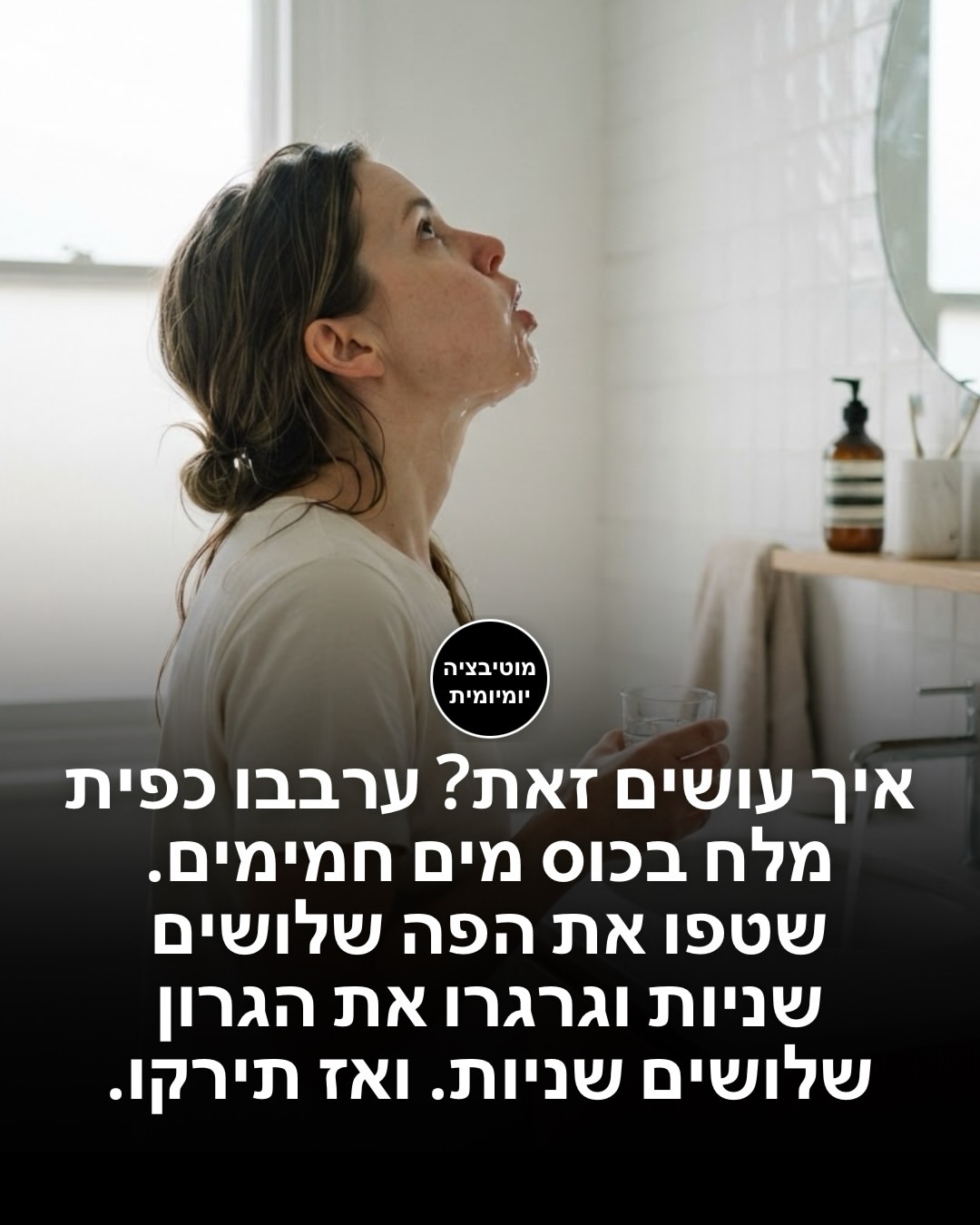
"שטיפת פה וגרון מפחיתה כאבי גרון, משפרת בריאות שיניים ומרעננת את הנשימה."
מסקנת הבדיקה:
קיימות ראיות מדעיות לכך ששטיפת פה וגרון תורמת להיגיינה אוראלית, מסייעת בהפחתת תסמינים של דלקות גרון ומסייעת בשמירה על בריאות השיניים והחניכיים. (🟩)
chevron_right מקורות מדעיים: (2)
-
link
Extending regular oral hygiene reduces the incidence of upper respiratory symptoms.
In this randomized controlled clinical study, the effectiveness of two different modes of extending oral hygiene - either gargling or using an oral spray - on the self-reported incidence of upper respiratory symptoms were evaluated, to help with the prevention of respiratory symptoms. The study was conducted in Porto Alegre, Brazil. A total of 205 individuals were enrolled and assigned to one of three groups: Control Group: brushed twice daily for two minutes with a commercially available fluoride toothpaste; Gargling Group: brushed twice daily for two minutes with a commercially available fluoride toothpaste and then gargled with a mouthwash containing 0.075% CPC (cetylpiridinium chloride); and Oral Spray Group: brushed twice daily for two minutes with a commercially available fluoride toothpaste and instructed to use an oral spray containing 0.075% CPC (3 pumps of spray applied directly into their mouth) twice daily. All subjects were asked to complete the WURSS-21 Daily Symptom Report via a diary for the 3 months duration of the study. Based on analysis of the diaries, the use of regular oral hygiene with brushing, in addition to a type that extended to the entire oral cavity, reduced the incidence and severity of upper respiratory symptoms throughout the duration of the study. Data were statistically analyzed using ANOVA (α = 0.05). Individuals using either mouthwash or spray reported approximately 20% fewer days with respiratory symptoms compared with the control group. Regular oral hygiene that extended to the whole oral cavity with either a mouthwash or an oral spray may help to reduce the incidence of upper respiratory symptoms.…
PMID: 41221971
-
link
Non-Pharmacological Interventions to Prevent Oropharyngeal Candidiasis in Patients Using Inhaled Corticosteroids: A Narrative Review.
Inhaled corticosteroids (ICSs) are widely used to manage chronic respiratory conditions such as asthma, chronic obstructive pulmonary disease (COPD), and human immunodeficiency virus (HIV). However, prolonged use of ICS is associated with the development of oropharyngeal candidiasis, a fungal infection primarily caused by <i>Candida albicans</i>, due to local immunosuppression in the oral cavity. The incidence of oropharyngeal candidiasis varies depending on geographic region, patient age, and comorbidities, with immunocompromised individuals, those with diabetes, and the elderly being particularly vulnerable. Key risk factors include high ICS doses, poor oral hygiene, and improper use of inhalers. Prevention is the cornerstone of managing oropharyngeal candidiasis associated with the chronic use of inhaled corticosteroids. Patient education on proper inhaler technique and oral hygiene is essential to reduce the risk of fungal overgrowth in the oral cavity. Additional preventive strategies include the use of spacers, mouth rinsing after inhalation, and proper denture care. In cases where these measures fail to prevent the infection, prompt detection and early intervention are crucial to prevent progression or recurrence. This narrative review aims to analyze the most effective prophylactic measures to prevent oropharyngeal candidiasis associated with the chronic use of inhaled corticosteroids, emphasizing patient education, oral hygiene, and proper use of inhalation devices.…
PMID: 40724743

מוטיבציה יומיומית
דירוג זה מבוסס על 2 דוחות אימות קודמים.





האם הדוח הזה היה מועיל לך?
מה היה פחות טוב? (רשות)
תודה על הפידבק!
עירעור על דוח זה
ספקו ראיות חדשות או הצביעו על אי דיוקים
נעדכן אותך על תוצאות הבדיקה
הוסיפו קישורים למחקרים או מקורות רפואיים מוכרים
העירעור נשלח בהצלחה!
המנוע המדעי שלנו יבדוק את הראיות שהגשתם. נעדכן אתכם באימייל עם התוצאות.
ניתוח מבוסס בינה מלאכותית
דוח זה נוצר באופן אוטומטי על ידי מערכת בינה מלאכותית ועשוי להכיל שגיאות, אי-דיוקים או מידע חלקי. הניתוח אינו מהווה ייעוץ רפואי, אבחנה או המלצה לטיפול, והוא אינו תחליף לדעתו של איש מקצוע רפואי מוסמך. יש להתייעץ עם רופא או מומחה מוסמך לפני קבלת כל החלטה רפואית. המידע מוצג לצרכי מידע כללי בלבד.
מידע זה מופק על ידי בינה מלאכותית ואינו מהווה תחליף לייעוץ רפואי מקצועי.