סריקה בתהליך...
הניתוח עשוי לארוך 30–90 שניות
הידעת?
הסרטון אינו מכיל תוכן רפואי
חושבים שחלה טעות?
אם לדעתכם הסרטון אכן עוסק בטענות רפואיות או בריאותיות, הוסיפו הסבר קצר ושלחו בקשה לבדיקה מחדש.
הבקשה התקבלה! נבדוק את הסרטון ונחזור אליכם.
אירעה שגיאה בשליחת הבקשה. נסו שוב.
דו״ח מאומת
הסרטון מציג מידע מדויק ומגובה במחקרים מדעיים אמינים.
סיכום
מרבית הטענות הרפואיות שנבדקו נמצאו מאומתות לחלוטין על בסיס הספרות המדעית ב-PubMed, כולל הקשרים בין תסמינים שונים לחסרים תזונתיים או למצבים רפואיים פנימיים. עם זאת, טענה אחת לגבי פיהוקים נמצאה מופרכת לאור המדע המודרני, וטענה אחת לגבי כאבי ראש והתייבשות נותרה ללא גיבוי ישיר במאמרים שנמצאו.
analytics ניתוח טענות מבוסס ראיות
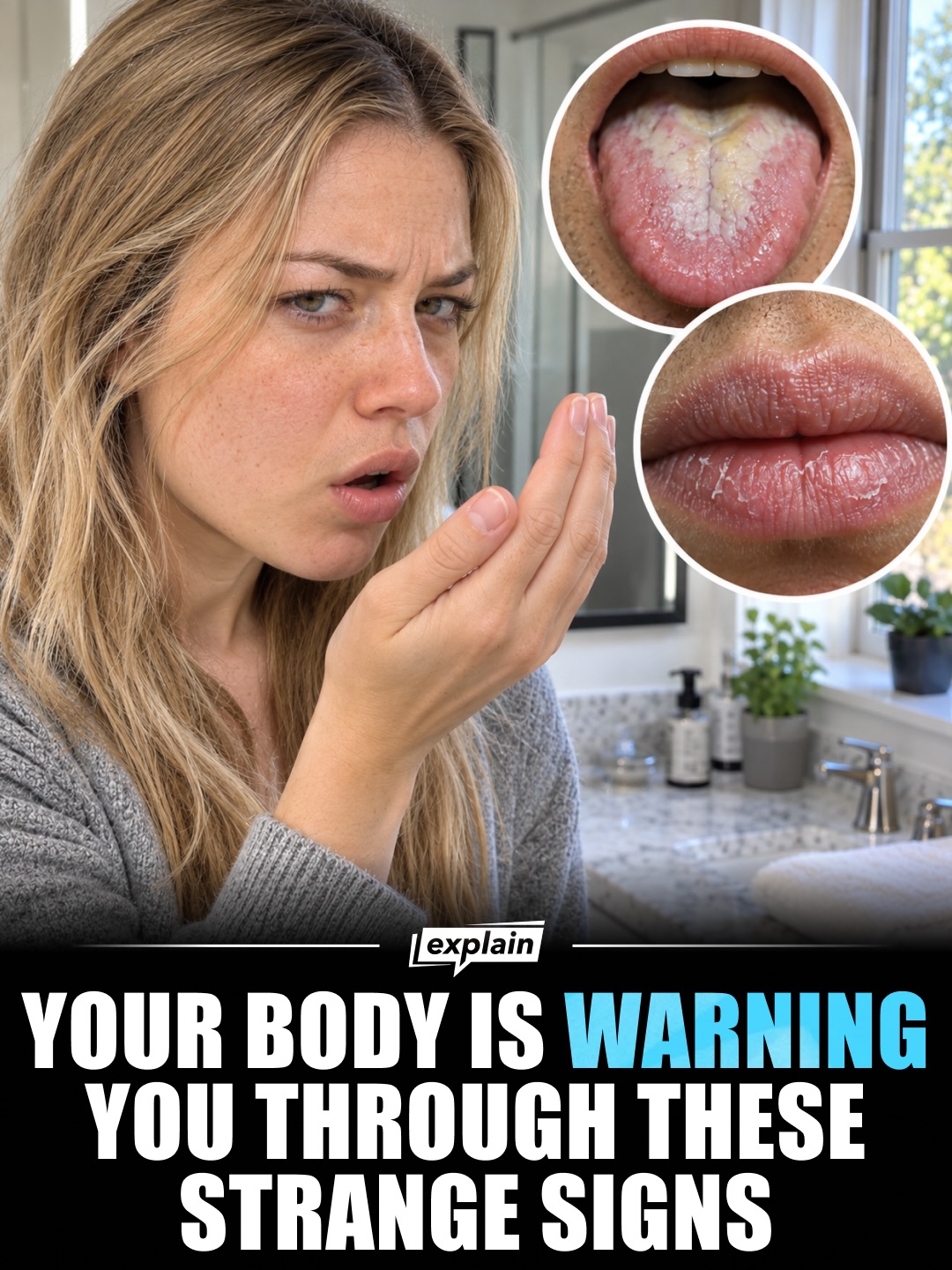
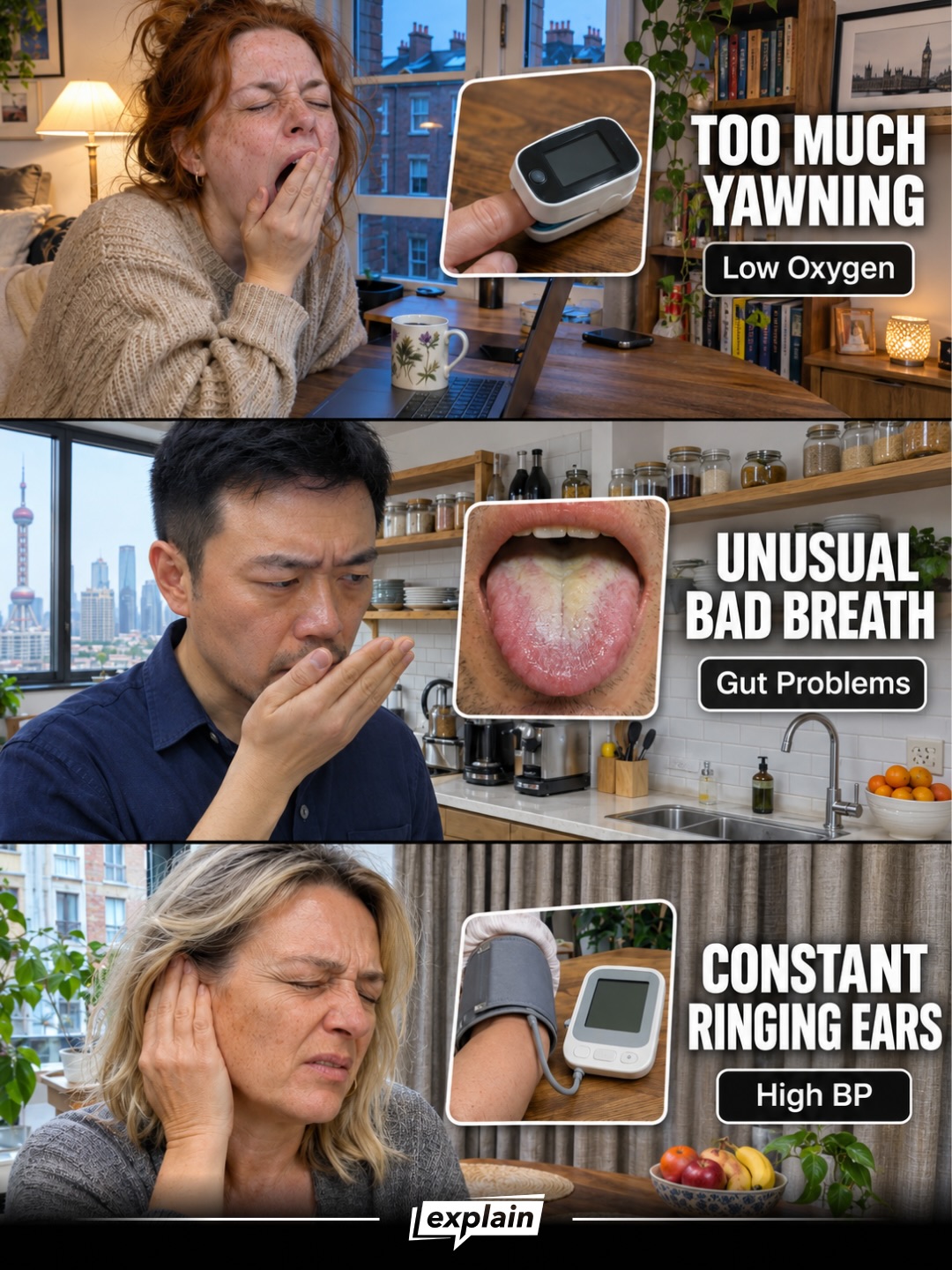
"פיהוק מרובה עשוי להעיד על רמות חמצן נמוכות."
מסקנת הבדיקה:
המחקרים והספרות המדעית מראים כי פיהוק אינו נובע מרמות חמצן נמוכות בדם, אלא קשור למנגנונים פיזיולוגיים כמו קירור המוח ועוררות עצבית.
chevron_right ודאות הפסיקה: גבוהה
מידת הביטחון של המערכת בפסיקה — לא אחוז הנכונות של הטענה. ביטחון נמוך פירושו שהראיות מעטות או סותרות.
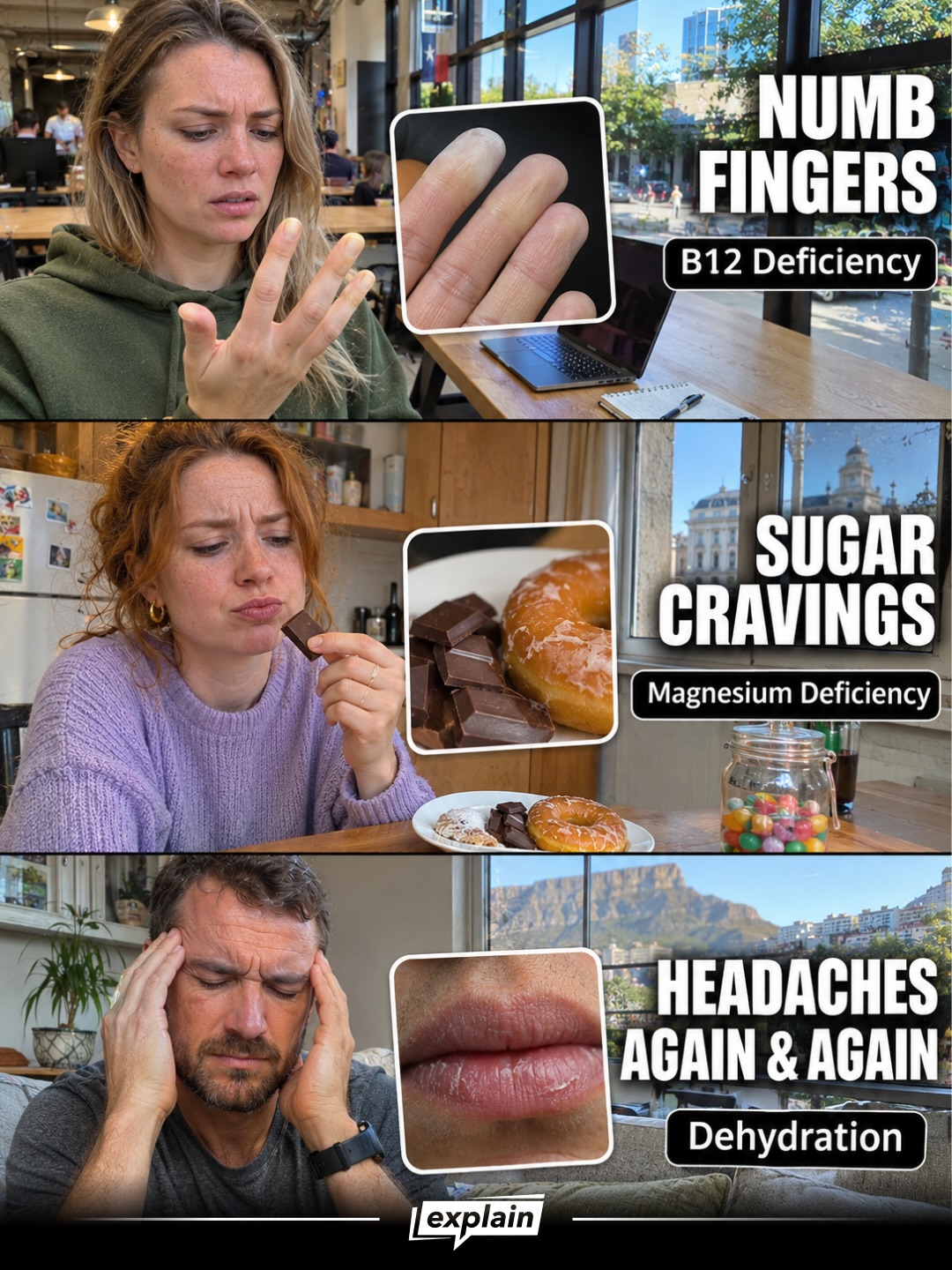
"כאבי ראש חוזרים ונשנים עשויים להיגרם מהתייבשות."
מסקנת הבדיקה:
המאמרים שנמצאו בחיפוש הנוכחי אינם מספקים תימוכין ישירים ומובהקים לכך שכאבי ראש חוזרים ונשנים נגרמים בהכרח מהתייבשות.
chevron_right ודאות הפסיקה: בינונית
מידת הביטחון של המערכת בפסיקה — לא אחוז הנכונות של הטענה. ביטחון נמוך פירושו שהראיות מעטות או סותרות.
"ריח רע מהפה עשוי להצביע על בעיות במערכת העיכול."
מסקנת הבדיקה:
הספרות המדעית מצביעה על קשר ישיר בין מחלות מערכת העיכול ודיסביוזה במעי לבין הופעת ריח רע מהפה.
chevron_right ודאות הפסיקה: גבוהה
מידת הביטחון של המערכת בפסיקה — לא אחוז הנכונות של הטענה. ביטחון נמוך פירושו שהראיות מעטות או סותרות.
chevron_right מקורות מדעיים: (2)
-
link
Halitosis: etiology, prevention, and the role of microbiota.
This study aims to review halitosis research, discuss its various causes, and propose effective interventions based on the underlying etiologies and mechanisms. The main research question is to identify the primary factors contributing to halitosis and appropriate strategies to address them. A comprehensive literature review was conducted on halitosis and its associated causes, including oral pathological factors, oral microbial influences, microbial metabolic pathways, gastrointestinal diseases, and gut microbiota dysbiosis. Unhealthy eating habits and an imbalance of microorganisms in the oral cavity and gastrointestinal tract were identified as primary causes of halitosis. Dental caries, periodontal disease, xerostomia, and digestive disorders like gastritis and irritable bowel syndrome were also found to be related to the development of halitosis. Due to poor oral hygiene or antibiotic use, disruption of microbial communities can result in dysbiosis, inflammation, and halitosis. Halitosis is a multifactorial condition with various underlying causes, including oral and systemic diseases. Effective interventions should be tailored based on the specific etiologies and mechanisms involved. Understanding the factors contributing to halitosis is crucial for developing appropriate treatment strategies. Enhancing oral hygiene habits, using antimicrobial drugs, or administering probiotics may help regulate oral or intestinal flora, thereby improving halitosis and overall oral health.…
PubMed · PMID: 37843633
-
link
Diet and halitosis.
The present article reviews the current knowledge of halitosis with particular emphasis upon the interplay of diet and disease of the gastrointestinal tract upon oral malodour. Transient-altered breath smell usually reflects the effects of foodstuffs, whereas longstanding halitosis is almost always because of oral disease such as gingivitis or periodontitis. There is, however, increasing evidence that upper gastrointestinal tract disease may give rise to halitosis and that extracts of foodstuffs may be future therapeutic agents for the treatment of halitosis derived from the mouth or upper gastrointestinal tract. There is some interplay between the halitosis and the gastrointestinal tract, and it is possible that the therapy of halitosis may be aided by investigations of the effects of foodstuffs upon bacteria that give rise to volatile sulphur compounds.…
PubMed · PMID: 21673571
"צלצולים קבועים באוזניים עשויים להיות קשורים ללחץ דם גבוה."
מסקנת הבדיקה:
מחקרים אפידמיולוגיים ואוכלוסייתיים תומכים בקיום קשר בין טינטון (צלצולים באוזניים) לבין מחלות קרדיווסקולריות ולחץ דם.
chevron_right ודאות הפסיקה: גבוהה
מידת הביטחון של המערכת בפסיקה — לא אחוז הנכונות של הטענה. ביטחון נמוך פירושו שהראיות מעטות או סותרות.
chevron_right מקורות מדעיים: (2)
-
link
Tinnitus and cardiovascular disease: the population-based Tromsø Study (2015-2016).
People with tinnitus are likely to have other co-occurring disorders that should be considered when diagnosing and understanding tinnitus as a health problem. The association between tinnitus and cardiovascular health in the general population is, however, unclear. This study aimed to examine whether tinnitus is associated with the prevalence of hypertension, myocardial infarction or stroke, in the general adult population. We used data from the seventh survey of the Tromsø Study, a comprehensive population-based health study carried out in 2015-2016. All inhabitants aged ≥40 years in the municipality of Tromsø, Norway, (n=32 591) were invited, of which 21 083 individuals (65%), aged 40-99, participated. Poisson regression was used to analyse the relationships between tinnitus and cardiovascular disease, while adjusting for relevant covariates. We used three separate tinnitus variables as exposures in analyses: (1) 'tinnitus status', measured with the question 'During the last 12 months, have you experienced ringing in your ears lasting more than five min?'; (2) 'tinnitus symptom intensity', generated as a function of tinnitus frequentness and tinnitus bother; and (3) 'tinnitus bother', analysed only among participants with tinnitus. Hypertension (measured blood pressure and/or self-reported use of antihypertensives), and self-reported myocardial infarction and stroke were the outcomes of analyses. Analyses of the complete sample (n=17 288, 51.2% women), in fully adjusted models, revealed non-significant and very weak associations between tinnitus status and all three cardiovascular outcomes (prevalence ratios (PRs): 1.04-1.11), while for tinnitus symptom intensity, we found significant positive associations between low-intensity tinnitus and hypertension (PR: 1.08, 95% CI: (1.01 to 1.16) and myocardial infarction (PR: 1.39, 95% CI: 1.07 to 1.81). Among participants with tinnitus (n=3570), there were no associations between tinnitus bother and cardiovascular outcomes. Results from the present study indicate that there is a weak association between tinnitus and cardiovascular disease and that tinnitus should be taken seriously even at low intensities.…
PubMed · PMID: 40018628
-
link
Increased prevalence of hearing loss and tinnitus in patients with retinal vein occlusion.
Emerging evidence suggests that sensorineural hearing loss and tinnitus may share similar microvascular and cardiometabolic etiologies, yet the potential association between retinal vein occlusion (RVO) and audiovestibular disorders has not been fully elucidated. This retrospective observational study aimed to investigate whether patients with RVO have an increased prevalence of tinnitus, hearing loss, vertigo, and sudden deafness. We used data from the Longitudinal Health Insurance Database 2010 of Taiwan. Adults diagnosed with RVO were identified and compared to comparison patients without RVO using a 1:3 propensity score matching approach, aligning them based on sociodemographic characteristics and vascular comorbidities. Multivariable logistic regressions were used to estimate adjusted odds ratios (AORs) and 95% confidence intervals (CIs) of tinnitus, hearing loss, vertigo, and sudden deafness between RVO group and comparison group. A total of 6,403 patients with RVO and 19,209 matched compariosn patients were included. Compared with compariosn group, RVO group had significantly higher prevalence of tinnitus (13.90% vs. 11.58%; p<.001) and hearing loss (10.15% vs. 8.39%; p<.001), but not vertigo or sudden deafness. After adjustment, RVO remained associated with increased odds of tinnitus (OR = 1.236; 95% CI 1.136-1.344) and hearing loss (OR = 1.240; 95% CI 1.125-1.366). We concluded that RVO group exhibit a higher prevalence of tinnitus and hearing loss compared with matched comparison group, supporting a possible shared microvascular or systemic vascular pathophysiology. Audiologic assessment may be considered in the comprehensive evaluation of individuals with RVO.…
PubMed · PMID: 42115364
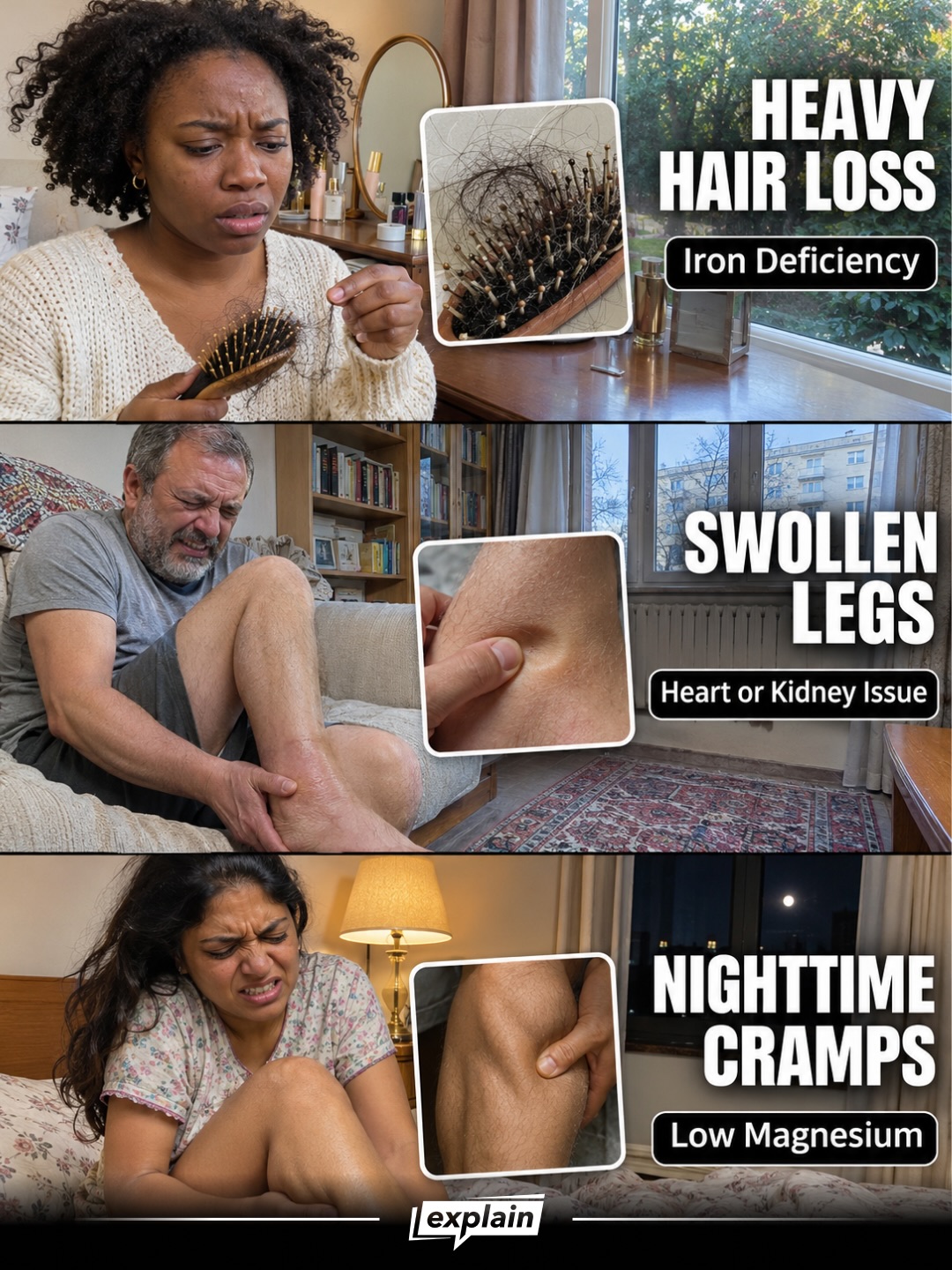
"נשירת שיער מוגברת עשויה להיגרם מחסר בברזל."
מסקנת הבדיקה:
מחקרים מאשרים כי חסר תזונתי בברזל קשור למצבים של נשירת שיער מפושטת.
chevron_right ודאות הפסיקה: גבוהה
מידת הביטחון של המערכת בפסיקה — לא אחוז הנכונות של הטענה. ביטחון נמוך פירושו שהראיות מעטות או סותרות.
chevron_right מקורות מדעיים: (2)
-
link
The diagnosis and treatment of iron deficiency and its potential relationship to hair loss.
Iron deficiency is the world's most common nutritional deficiency and is associated with developmental delay, impaired behavior, diminished intellectual performance, and decreased resistance to infection. In premenopausal women, the most common causes of iron deficiency anemia are menstrual blood loss and pregnancy. In men and postmenopausal women, the most common causes of iron deficiency anemia are gastrointestinal blood loss and malabsorption. Hemoglobin concentration can be used to screen for iron deficiency, whereas serum ferritin concentration can be used to confirm iron deficiency. However, the serum ferritin concentration may be elevated in patients with infectious, inflammatory, and neoplastic conditions. Other tests may be needed, such as erythrocyte zinc protoporphyrin concentration, transferrin concentration, serum iron concentration, and transferrin saturation. The cause of iron deficiency must be identified. If the patient is male, postmenopausal female, or has risk factors for blood loss, then the patient should be evaluated for sources of blood loss, especially gastrointestinal (eg, colon cancer). Several studies have examined the relationship between iron deficiency and hair loss. Almost all have addressed women exclusively and have focused on noncicatricial hair loss. Some suggest that iron deficiency may be related to alopecia areata, androgenetic alopecia, telogen effluvium, and diffuse hair loss, while others do not. Currently, there is insufficient evidence to recommend universal screening for iron deficiency in patients with hair loss. In addition, there is insufficient evidence to recommend giving iron supplementation therapy to patients with hair loss and iron deficiency in the absence of iron deficiency anemia. The decision to do either should be based on clinical judgment. It is our practice at the Cleveland Clinic Foundation to screen male and female patients with both cicatricial and noncicatricial hair loss for iron deficiency. Although this practice is not evidence based per se, we believe that treatment for hair loss is enhanced when iron deficiency, with or without anemia, is treated. Iron deficiency anemia should be treated. Treating iron deficiency without anemia is controversial. Treatment of nutritional iron deficiency anemia includes adequate dietary intake and oral iron supplementation. Excessive iron supplementation can cause iron overload and should be avoided, especially in high-risk patients such as those with hereditary hemochromatosis. Patients who do not respond to iron replacement therapy should undergo additional testing to identify other underlying causes of iron deficiency anemia.…
PubMed · PMID: 16635664
-
link
Iron Deficiency-Induced Hair Loss Is Associated with ROS-Mediated Disruption of Wnt/β-Catenin Signaling.
<h4>Background</h4>Gestational iron requirements may lead to maternal iron deficiency, increasing susceptibility in offspring. In mice, maternal iron deficiency induces hair loss in pups, but mechanisms remain poorly characterized.<h4>Objective</h4>This study investigates mechanisms underlying maternal iron deficiency-induced abnormal hair growth and the impact of iron supplementation on pups' hair development.<h4>Methods</h4>Pregnant C57BL/6J mice (nine-week-old, second week of gestation) were randomly assigned to a standard AIN-76 diet (control, CTRL) or an iron-deficient AIN diet (ID) until parturition and weaning. Offspring were maintained on the same diet as their mothers. At six weeks, hair loss was examined in one set (CTRL1 and ID), while the remaining were transitioned to an iron-replete AIN-76 diet (CTRL2 and IDN) for two additional weeks. An in vitro study with human follicle dermal papilla cells (HFDPC) via deferoxamine (DFO) treatment was performed.<h4>Results</h4>ID offspring exhibited truncal hairlessness, reduced body size, and abnormal follicular morphology compared to CTRL1, while IDN demonstrated hair regrowth comparable to CTRL2. ID skin tissues had reduced Wnt/β-catenin signaling, elevated oxidative stress markers, and activation of caspase-3, nuclear factor kappa B (NF-κB), and transforming growth factor-beta (TGF-β) signaling, all reversed by iron supplementation. DFO-treated HFDPCs demonstrated increased cellular and mitochondrial reactive oxygen species (ROS), diminished Wnt/β-catenin signaling, activation of caspase-3, NF-κB, and TGF-β signaling pathways. <i>N</i>-acetylcysteine pretreatment abrogated DFO-induced alterations in Wnt/β-catenin signaling and apoptosis, suggesting ROS mediates iron deficiency-induced hair loss.<h4>Conclusions</h4>Early iron deficiency may have impaired hair growth through increased ROS production, reduced Wnt/β-catenin signaling, and enhanced apoptotic signals, while postnatal iron supplementation could reverse these abnormalities.…
PubMed · PMID: 42514390
"רגליים נפוחות עשויות להצביע על בעיה בלב או בכליות."
מסקנת הבדיקה:
בצקת בגפיים התחתונות מוכרת היטב בספרות הרפואית כתסמין מרכזי המעיד על אי-ספיקת לב או מחלות כליה.
chevron_right ודאות הפסיקה: גבוהה
מידת הביטחון של המערכת בפסיקה — לא אחוז הנכונות של הטענה. ביטחון נמוך פירושו שהראיות מעטות או סותרות.
chevron_right מקורות מדעיים: (2)
-
link
[Leg swelling].
Leg swelling is an extremely frequent symptom with a broad variety of largely differing causes. The most important mechanisms behind the symptom include venous and lymphatic pathology, volume overload, increased capillary permeability, and lowered oncotic pressure. Therefore, the most frequent diseases associated with leg swelling are deep vein thrombosis and chronic venous insufficiency, primary or secondary lymphedema, cardiac failure, hypoproteinemia due to liver or renal failure, idiopathic cyclic edema, and drug-induced edema. Lipedema as a misnomer represents an important differential diagnosis. History and physical examination, when based on a sound knowledge of the diseases of interest, enable a conclusive diagnosis in most cases. Additional test are required in only a minority of patients. The present review discusses pathophysiology and clinical features of the most prevalent types of leg swelling. Finally, a brief guide to differential diagnosis is given.…
PubMed · PMID: 24264570
-
link
[Leg edema].
The legs are preferentially affected by systemic edematous states. Pathogenetic factors are: increased hydrostatic pressure, increased capillary permeability (leak), reduced colloid-oncotic pressure, reduced lymph drainage and miscellaneous rare conditions. The most frequent cause of increased hydrostatic pressure is right heart failure, which can be treated with diuretic drugs. Increased capillary leak is seen in septic-toxic events, where the underlying disease must be treated. Reduced oncotic pressure is caused by hypoalbuminemia, either due to reduced production, e.g., in liver cirrhosis, or to increased albumin loss, e.g., through the kidney in nephrotic syndrome or the gut in protein-loosing enteropathy. Lymphedema is classified either as primary or secondary and is treated by lymph drainage. Idiopathic edemas, primarily seen in females, often lead to chronic abuse of diuretics, which in turn can cause diuretic-induced edemas.…
PubMed · PMID: 9828697
"התכווצויות שרירים בלילה עשויות להיגרם מחסר במגנזיום."
מסקנת הבדיקה:
מחקרים וסקירות מעידים על כך שחסר במגנזיום עשוי לתרום להופעת התכווצויות שרירים בלילה.
chevron_right ודאות הפסיקה: גבוהה
מידת הביטחון של המערכת בפסיקה — לא אחוז הנכונות של הטענה. ביטחון נמוך פירושו שהראיות מעטות או סותרות.
chevron_right מקורות מדעיים: (2)
-
link
[Magnesium therapy in pregnancy. Pharmacologic and toxicologic aspects of magnesium supplementation and use in pre-eclampsia and threatened premature labor].
The efficacy of parenteral Mg therapy for pre-eclampsia and eclampsia is due to the Mg antagonism of Ca ions. Accordingly, the Mg additional treatment of medicamentous tocolysis reduces the risk of an over-increased cardial energy consumption; at the same time Mg has an effect which inhibits uterine contractions. The favourable effects on the nocturnal calf cramps are due to the compensation of a combined Mg and Ca deficiency and/or a membrane stabilisation caused by Mg. In animal experiments all reproduction processes were negatively influenced by Mg deficiency, whilst the rate of abortions in early and late pregnancy as well as premature births decreased in pregnant women after administration of Mg. The perinatal mortality is similarly favourably influenced. Since prophylactic oral Mg application is effective and safe, it can be recommended without reservations.…
PubMed · PMID: 6149180
-
link
The Role of Electrolytes in Muscle Pain Syndromes: A Systematic Review and Meta-Analysis With Implications for Temporomandibular Disorder.
<h4>Background</h4>Temporomandibular disorders (TMDs) are a major cause of chronic orofacial pain, with myalgia of the masticatory muscles being central to symptom burden. Electrolyte modulation, particularly magnesium, may influence neuromuscular excitability and nociceptor sensitization, but no systematic review has synthesized the evidence for muscle pain syndromes or its relevance to TMD.<h4>Objectives</h4>To evaluate the efficacy of electrolyte supplementation (magnesium, sodium, calcium, and potassium) in reducing muscle cramps and myalgia, and to explore the biological plausibility and potential extrapolation to TMD-related myofascial pain.<h4>Methods</h4>This systematic review followed PRISMA guidelines and was prospectively registered in PROSPERO (CRD420251120631). PubMed/MEDLINE, Embase, and Cochrane CENTRAL were searched from January 1995 to August 2025. Randomized or quasi-randomized trials of electrolyte supplementation for cramps or myalgia were eligible. Data extraction and risk-of-bias assessment (RoB 2 tool) were performed independently by 2 reviewers. Meta-analyses used random-effects models in R (v4.4.3) and Python (v3.11).<h4>Results</h4>Thirteen trials were included. Magnesium was most frequently studied (10 RCTs). In pregnancy-associated cramps (4 trials, N≈364), magnesium significantly reduced cramp frequency compared with placebo (pooled RR 1.35, 95% CI: 1.05-1.74, P = .02). In nocturnal or persistent leg cramps in adults (4 trials, N≈396), no significant effect was found (MD -0.42 cramps/week, 95% CI: -1.15 to 0.31, P = .26). Intravenous magnesium showed no benefit in older adults, but a perioperative trial demonstrated reduced fasciculations and postoperative myalgia. Sodium-based solutions reduced cramp susceptibility in exercise and cirrhosis, while calcium and potassium lacked supportive evidence. Risk of bias was generally low to moderate.<h4>Conclusion</h4>Magnesium supplementation benefits pregnancy-related cramps but shows inconsistent effects in other populations. Sodium-based interventions are context-specific, and calcium and potassium remain unsupported. Magnesium is the most plausible candidate for translation to TMD myalgia, warranting targeted clinical trials.…
PubMed · PMID: 41812583
"נימול באצבעות עשוי להעיד על מחסור בוויטמין B12."
מסקנת הבדיקה:
חסר בוויטמין B12 מוכר בספרות הרפואית כגורם המוביל לפגיעה עצבית היקפית, המתבטאת בין היתר בנימול באצבעות.
chevron_right ודאות הפסיקה: גבוהה
מידת הביטחון של המערכת בפסיקה — לא אחוז הנכונות של הטענה. ביטחון נמוך פירושו שהראיות מעטות או סותרות.
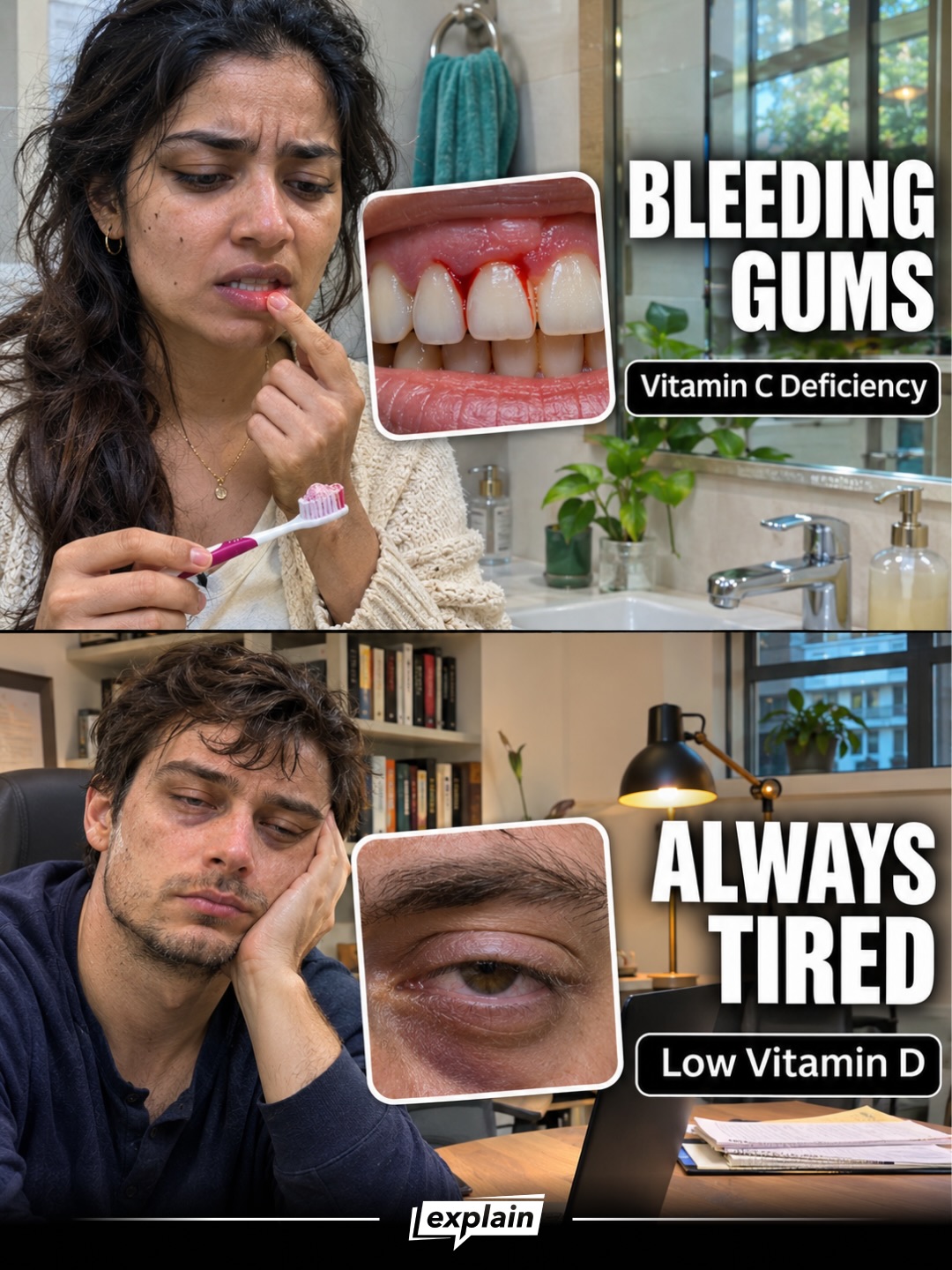
"דימום בחניכיים עשוי להיגרם מחסר בוויטמין C."
מסקנת הבדיקה:
מחקרים וסקירות קליניות מאשרים שדימום בחניכיים הוא תסמין קלאסי של מחסור בוויטמין C המוכר כצפדינה.
chevron_right ודאות הפסיקה: גבוהה
מידת הביטחון של המערכת בפסיקה — לא אחוז הנכונות של הטענה. ביטחון נמוך פירושו שהראיות מעטות או סותרות.
chevron_right מקורות מדעיים: (2)
-
link
Adult scurvy.
Unlike most animals, which form ascorbic acid by metabolizing glucose, humans require an exogenous source. Vitamin C occurs primarily in fruits and vegetables, and scurvy develops from inadequate consumption of these sources, usually because of ignorance about proper nutrition, psychiatric disorders, alcoholism, or social isolation. The earliest symptom of scurvy, occurring only after many weeks of deficient intake, is fatigue. The most common cutaneous findings are follicular hyperkeratosis, perifollicular hemorrhages, ecchymoses, xerosis, leg edema, poor wound healing, and bent or coiled body hairs. Gum abnormalities, which occur only in patients with teeth, include gingival swelling, purplish discoloration, and hemorrhages. Pain in the back and joints is common, sometimes accompanied by obvious hemorrhage into the soft tissue and joints. Syncope and sudden death may occur. Anemia is frequent, leukopenia occasional. Treatment with vitamin C results in rapid, often dramatic, improvement. (J Am Acad Dermatol 1999;41:895-906.) At the conclusion of this learning activity, participants should be familiar with the history, pathogenesis, clinical features, and treatment of scurvy in adults.…
PubMed · PMID: 10570371
-
link
Scurvy: Rediscovering a Forgotten Disease.
Scurvy is a nutritional deficiency caused by low vitamin C levels that has been described since ancient times. It leads to a varied presentation, affecting multiple organ systems due to its role in the biochemical reactions of connective tissue synthesis. Common manifestations include gingival bleeding, arthralgias, skin discoloration, impaired wound healing, perifollicular hemorrhage, and ecchymoses. Although there has been a dramatic reduction in the prevalence of scurvy in modern times owing to vitamin C supplementation and intake, sporadic cases still occur. In developed countries, it is mainly diagnosed in the elderly and malnourished individuals and is associated with alcoholism, low socio-economic status, and poor dietary habits. Scurvy has been an unusual cause of gastrointestinal (GI) bleeding among other GI manifestations. It can be adequately treated and prevented via vitamin C supplementation.…
PubMed · PMID: 37366866
"עייפות מתמדת עשויה להיגרם מחסר בוויטמין D."
מסקנת הבדיקה:
הספרות המדעית מצביעה על קשר בין רמות נמוכות של ויטמין D לבין תסמינים של עייפות ממושכת ופגיעה באיכות החיים.
chevron_right ודאות הפסיקה: גבוהה
מידת הביטחון של המערכת בפסיקה — לא אחוז הנכונות של הטענה. ביטחון נמוך פירושו שהראיות מעטות או סותרות.

Explain
דירוג זה מבוסס על 14 דוחות אימות קודמים.

האם הדוח הזה היה מועיל לך?
מה היה פחות טוב? (רשות)
תודה על הפידבק!
עירעור על דוח זה
ספקו ראיות חדשות או הצביעו על אי דיוקים
נעדכן אותך על תוצאות הבדיקה
הוסיפו קישורים למחקרים או מקורות רפואיים מוכרים
העירעור נשלח בהצלחה!
המנוע המדעי שלנו יבדוק את הראיות שהגשתם. נעדכן אתכם באימייל עם התוצאות.
ניתוח מבוסס בינה מלאכותית
דוח זה נוצר באופן אוטומטי על ידי מערכת בינה מלאכותית ועשוי להכיל שגיאות, אי-דיוקים או מידע חלקי. הניתוח אינו מהווה ייעוץ רפואי, אבחנה או המלצה לטיפול, והוא אינו תחליף לדעתו של איש מקצוע רפואי מוסמך. יש להתייעץ עם רופא או מומחה מוסמך לפני קבלת כל החלטה רפואית. המידע מוצג לצרכי מידע כללי בלבד.
מידע זה מופק על ידי בינה מלאכותית ואינו מהווה תחליף לייעוץ רפואי מקצועי.