סריקה בתהליך...
הניתוח עשוי לארוך 30–90 שניות
הידעת?
הסרטון אינו מכיל תוכן רפואי
חושבים שחלה טעות?
אם לדעתכם הסרטון אכן עוסק בטענות רפואיות או בריאותיות, הוסיפו הסבר קצר ושלחו בקשה לבדיקה מחדש.
הבקשה התקבלה! נבדוק את הסרטון ונחזור אליכם.
אירעה שגיאה בשליחת הבקשה. נסו שוב.
דו״ח מאומת
הסרטון מציג מידע מדויק ומגובה במחקרים מדעיים אמינים.
סיכום
הבדיקה המדעית מעלה כי מרבית הטענות שהוצגו מקבלות גימוב נרחב וחד-משמעי בספרות המחקר המעודכנת ב-PubMed בנושא השפעות הפעילות הגופנית, אימוני ההתנגדות והשפעתם על בריאות השריר, העצם, המטבוליזם והתפקוד הקוגניטיבי. טענה אחת בנושא תזונה והשפעותיה על טרשת עורקים נמצאה כלא מגובה דיו מתוך המאמרים הספציפיים שאותרו בלבד.
analytics ניתוח טענות מבוסס ראיות
"תזונה עשירה בשומן רווי, שומן טראנס ועודף קלוריות עלולה לפגוע ברמות הכולסטרול ולהוביל להצטברות רובד טרשתי בעורקים."
מסקנת הבדיקה:
אף על פי שקיים קשר רפואי מוכר בין תזונה ופרופיל שומנים בדם לבין מחלות לב וכלי דם, המאמרים הספציפיים שנמצאו במסגרת זו אינם מספקים תיעוד ישיר או מפורט המאמת במדויק את הקשר הספציפי שצוין בין רכיבי התזונה הללו לבין הצטברות רובד טרשתי.
chevron_right ודאות הפסיקה: בינונית
מידת הביטחון של המערכת בפסיקה — לא אחוז הנכונות של הטענה. ביטחון נמוך פירושו שהראיות מעטות או סותרות.
chevron_right מקורות מדעיים: (2)
-
link
Obesity and Cardiovascular Disease: An Obesity Medicine Association (OMA) Clinical Practice Statement (CPS) 2026.
<h4>Background</h4>Obesity is a chronic disease that directly contributes to cardiovascular disease (CVD) through biomechanical "fat mass disease" and dysfunction of epicardial adipose tissue, or "sick fat disease." It also indirectly promotes CVD through adiposopathic immune and endocrine abnormalities that drive type 2 diabetes mellitus, hypertension, dyslipidemia, and thrombosis - all major CVD risk factors. This Clinical Practice Statement (CPS) reviews obesity-related cardiovascular disease pathology and outlines evidence-based strategies for clinical management.<h4>Methods</h4>This CPS is based on a review of relevant medical literature, interpreted through the clinical expertise of authors specializing in obesity medicine, all members of the Obesity Medicine Association (OMA). Organized into 26 sections, each includes an introduction, essential principles, a "top ten" list of key points, and a summary figure.<h4>Results</h4>The CPS reviews how obesity intersects with major cardiovascular risk factors, including type 2 diabetes mellitus, hypertension, dyslipidemia, metabolic syndrome, and thrombosis. Additional metabolic complications such as metabolic dysfunction-associated steatotic liver disease (MASLD) and chronic kidney disease further elevate CVD risk. The CPS details obesity's impact on cardiac structure and function, including its role in heart failure with preserved ejection fraction (HFpEF), atrial fibrillation, and CVD considerations in patients with obstructive sleep apnea, cancer, and psychiatric disease. It also addresses the "obesity paradox," social determinants of health, pediatric considerations, and disparities by age, sex, and race. Also included are CVD diagnostic challenges and comprehensive management strategies, including medical nutrition therapy, physical activity, behavioral intervention, cardiometabolic medications, glucagon-like peptide-1 receptor agonists, and bariatric procedures.<h4>Conclusion</h4>Effective reduction of obesity-related CVD risk requires shifting from treating downstream risk factors to addressing excessive adipose tissue itself, along with improving adipose tissue function. Clinically, this approach is often manifest by a "treat obesity first" approach. Precision diagnostics, lifestyle therapy, obesity medications, and bariatric procedures can modify both adiposopathy ("sick fat disease") and fat mass disease, improving long-term cardiovascular outcomes.…
PubMed · PMID: 42729919
-
link
Physiological Regulation of Nutritional and Metabolic Biomarkers in Obesity: Implications for Precision Nutrition.
Obesity represents a heterogeneous metabolic disorder characterized by substantial interindividual variation in inflammatory status, insulin sensitivity, and cardiometabolic risk. Traditional anthropometric measures fail to capture this metabolic diversity, limiting risk stratification and personalized intervention strategies. This review critically examines nutritional and metabolic biomarkers that reflect the physiological dysregulation underlying obesity, including adipokines (leptin, adiponectin, resistin), inflammatory markers (<i>C</i>-reactive protein, interleukin-6, TNF-α), insulin resistance indices (HOMA-IR, fasting insulin, HbA1c), and lipid metabolism indicators (LDL cholesterol, triglycerides, HDL cholesterol, and liver enzymes such as ALT and GGT). Among these, elevated CRP, reduced adiponectin, and increased HOMA-IR have demonstrated the strongest clinical utility for early metabolic risk identification. We further evaluate emerging biomarkers-including circulating microRNAs, gut microbiota-derived metabolites (short-chain fatty acids, TMAO, lipopolysaccharides), and bile acid profiles-which offer additional mechanistic insight into diet-microbiome-host interactions. We systematically assess the mechanistic basis, clinical relevance, and nutritional modulation of each biomarker class, emphasizing how dietary composition-particularly fatty acid quality, fiber intake, and overall dietary patterns such as the Mediterranean diet-influences biomarker profiles and metabolic outcomes. Furthermore, we explore how biomarker-based phenotyping enables precision nutrition approaches by identifying individuals most likely to benefit from specific dietary interventions. Integration of multi-biomarker panels with clinical and genetic data holds promise for advancing from population-based dietary guidelines toward individualized nutrition strategies that optimize metabolic health and prevent obesity-related complications. Future research should prioritize validating biomarker-guided intervention frameworks, establishing standardized thresholds across diverse populations, and developing clinically implementable tools for personalized nutritional medicine.…
PubMed · PMID: 41901191
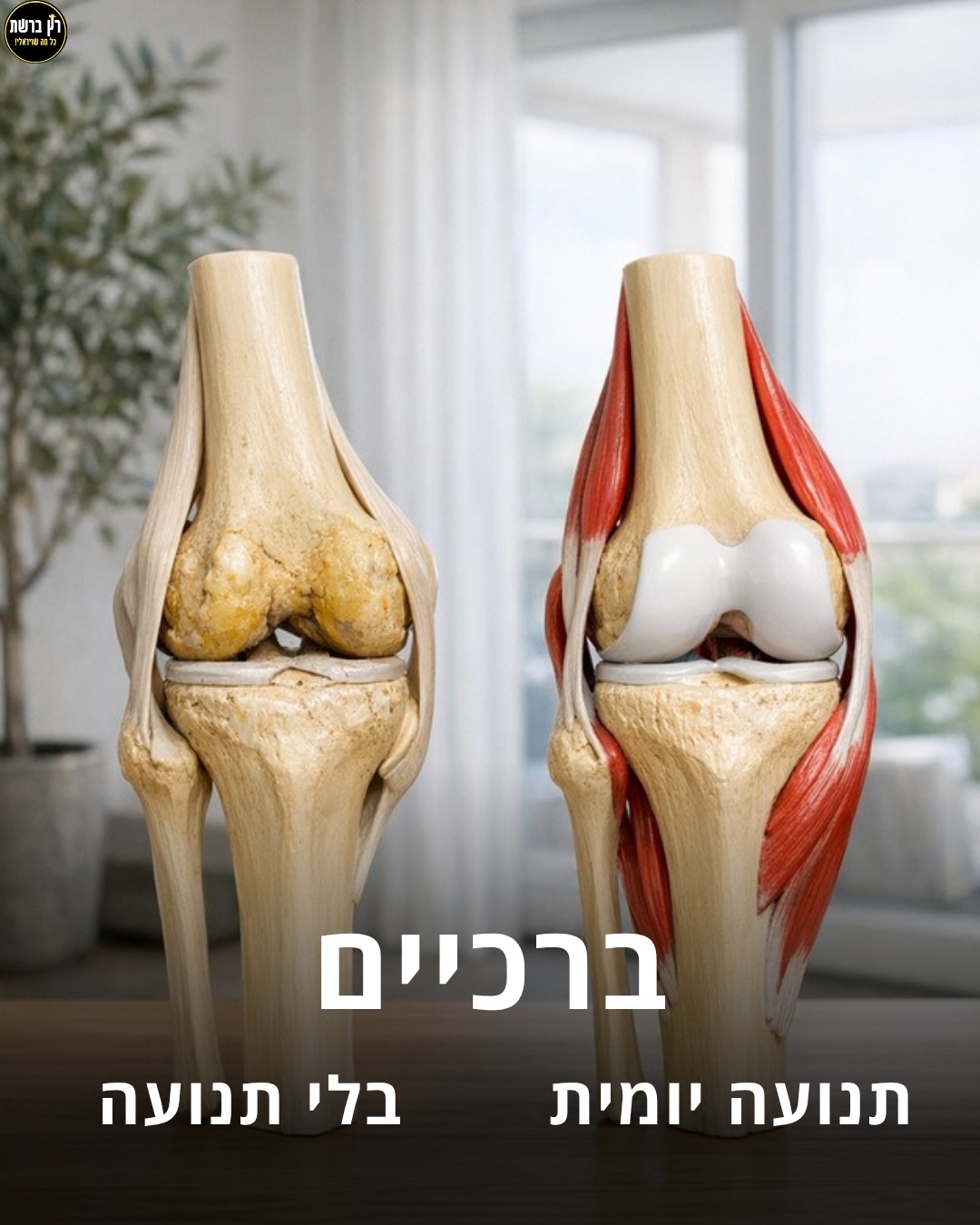
"חוסר פעילות גופנית קבועה גורם לאובדן הדרגתי של מסה וכוח בשרירים, בעוד שאימוני כוח מסייעים בשימורם ובשיפור התפקוד המטבולי."
מסקנת הבדיקה:
הספרות המדעית מאמתת כי חוסר פעילות גופנית קבועה מוביל לאובדן הדרגתי של מסה וכוח בשרירים (סרקופניה), בעוד שאימוני התנגדות ופעילות גופנית תורמים לשימור מסת הגוף הרזה, שיפור קצב חילוף החומרים במנוחה והגברת רגישות לאינסולין.
chevron_right ודאות הפסיקה: גבוהה
מידת הביטחון של המערכת בפסיקה — לא אחוז הנכונות של הטענה. ביטחון נמוך פירושו שהראיות מעטות או סותרות.
chevron_right מקורות מדעיים: (7)
-
link
The mechanisms of muscle hypertrophy and their application to resistance training.
The quest to increase lean body mass is widely pursued by those who lift weights. Research is lacking, however, as to the best approach for maximizing exercise-induced muscle growth. Bodybuilders generally train with moderate loads and fairly short rest intervals that induce high amounts of metabolic stress. Powerlifters, on the other hand, routinely train with high-intensity loads and lengthy rest periods between sets. Although both groups are known to display impressive muscularity, it is not clear which method is superior for hypertrophic gains. It has been shown that many factors mediate the hypertrophic process and that mechanical tension, muscle damage, and metabolic stress all can play a role in exercise-induced muscle growth. Therefore, the purpose of this paper is twofold: (a) to extensively review the literature as to the mechanisms of muscle hypertrophy and their application to exercise training and (b) to draw conclusions from the research as to the optimal protocol for maximizing muscle growth.…
PubMed · PMID: 20847704
-
link
Resistance training is medicine: effects of strength training on health.
Inactive adults experience a 3% to 8% loss of muscle mass per decade, accompanied by resting metabolic rate reduction and fat accumulation. Ten weeks of resistance training may increase lean weight by 1.4 kg, increase resting metabolic rate by 7%, and reduce fat weight by 1.8 kg. Benefits of resistance training include improved physical performance, movement control, walking speed, functional independence, cognitive abilities, and self-esteem. Resistance training may assist prevention and management of type 2 diabetes by decreasing visceral fat, reducing HbA1c, increasing the density of glucose transporter type 4, and improving insulin sensitivity. Resistance training may enhance cardiovascular health, by reducing resting blood pressure, decreasing low-density lipoprotein cholesterol and triglycerides, and increasing high-density lipoprotein cholesterol. Resistance training may promote bone development, with studies showing 1% to 3% increase in bone mineral density. Resistance training may be effective for reducing low back pain and easing discomfort associated with arthritis and fibromyalgia and has been shown to reverse specific aging factors in skeletal muscle.…
PubMed · PMID: 22777332
-
link
Effects of Resistance Training Volume on Physical Function, Lean Body Mass and Lower-Body Muscle Hypertrophy and Strength in Older Adults: A Systematic Review and Network Meta-analysis of 151 Randomised Trials.
The optimal prescription and precise recommendations of resistance training volume for older adults is unclear in the current literature. In addition, the interactions between resistance training volume and program duration as well as physical health status remain to be determined when assessing physical function, muscle size and hypertrophy and muscle strength adaptations in older adults. This study aimed to determine which resistance training volume is the most effective in improving physical function, lean body mass, lower-limb muscle hypertrophy and strength in older adults. Additionally, we examined whether effects were moderated by intervention duration (i.e. short term, < 20 weeks; medium-to-long term, ≥ 20 weeks) and physical health status (i.e. physically healthy, physically impaired, mixed physically healthy and physically impaired; PROSPERO identifier: CRD42023413209). CINAHL, Embase, LILACS, PubMed, Scielo, SPORTDiscus and Web of Science databases were searched up to April 2023. Eligible randomised trials examined the effects of supervised resistance training in older adults (i.e. ≥ 60 years). Resistance training programs were categorised as low (LVRT), moderate (MVRT) and high volume (HVRT) on the basis of terciles of prescribed weekly resistance training volume (i.e. product of frequency, number of exercises and number of sets) for full- and lower-body training. The primary outcomes for this review were physical function measured by fast walking speed, timed up and go and 6-min walking tests; lean body mass and lower-body muscle hypertrophy; and lower-body muscle strength measured by knee extension and leg press one-repetition maximum (1-RM), isometric muscle strength and isokinetic torque. A random-effects network meta-analysis was undertaken to examine the effects of different resistance training volumes on the outcomes of interest. We included a total of 161 articles describing 151 trials (n = 6306). LVRT was the most effective for improving timed up and go [- 1.20 standardised mean difference (SMD), 95% confidence interval (95% CI): - 1.57 to - 0.82], 6-min walk test (1.03 SMD, 95% CI: 0.33-1.73), lean body mass (0.25 SMD, 95% CI: 0.10-0.40) and muscle hypertrophy (0.40 SMD, 95% CI: 0.25-0.54). Both MVRT and HVRT were the most effective for improving lower-limb strength, while only HVRT was effective in increasing fast walking speed (0.40 SMD, 95% CI: - 0.57 to 0.14). Regarding the moderators, our results were independent of program duration and mainly observed for healthy older adults, while evidence was limited for those who were physically impaired. A low resistance training volume can substantially improve healthy older adults' physical function and benefits lean mass and muscle size independently of program duration, while a higher volume seems to be necessary for achieving greater improvements in muscle strength. A low volume of resistance training should be recommended in future exercise guidelines, particularly for physically healthy older adults targeting healthy ageing.…
PubMed · PMID: 39405023
-
link
Muscle Mass and Strength Gains Following Resistance Exercise Training in Older Adults 65-75 Years and Older Adults Above 85 Years.
Resistance exercise training (RET) can be applied effectively to increase muscle mass and function in older adults (65-75 years). However, it has been speculated that older adults above 85 years are less responsive to the benefits of RET. This study compares the impact of RET on muscle mass and function in healthy older adults 65-75 years versus older adults above 85 years. We subjected 17 healthy older adults 65-75 years (OLDER 65-75, n = 13/4 [female/male]; 68 ± 2 years; 26.9 ± 2.3 kg/m2) and 12 healthy older adults above 85 years (OLDER 85+, n = 7/5 [female/male]; 87 ± 3 years; 26.0 ± 3.6 kg/m2) to 12 weeks of whole-body RET (three times per week). Prior to, and after 6 and 12 weeks of training, quadriceps and lumbar spine vertebra 3 muscle cross-sectional area (computed tomography scan), whole-body lean mass (dual-energy X-ray absorptiometry scan), strength (one-repetition maximum test), and physical performance (timed up and go and short physical performance battery) were assessed. Twelve weeks of RET resulted in a 10% ± 4% and 11% ± 5% increase in quadriceps cross-sectional area (from 46.5 ± 10.7 to 51.1 ± 12.1 cm2, and from 38.9 ± 6.1 to 43.1 ± 8.0 cm2, respectively; p < .001; η2 = .67); a 2% ± 3% and 2% ± 3% increase in whole-body lean mass (p = .001; η2 = .22); and a 38% ± 20% and 46% ± 14% increase in one-repetition maximum leg extension strength (p < .001; η2 = .77) in the OLDER 65-75 and OLDER 85+ groups, respectively. No differences in the responses to RET were observed between groups (Time × Group, all p > .60; all η2 ≤ .012). Physical performance on the short physical performance battery and timed up and go improved (both p < .01; η2 ≥ .22), with no differences between groups (Time × Group, p > .015; η2 ≤ .07). Prolonged RET increases muscle mass, strength, and physical performance in the aging population, with no differences between 65-75 years and 85+ years older adults.…
PubMed · PMID: 37875254
-
link
Effectiveness of low-load resistance training with blood flow restriction vs. conventional high-intensity resistance training in older people diagnosed with sarcopenia: a randomized controlled trial.
Low-load resistance training with blood flow restriction (LRT-BFR) has shown potential to improve muscle strength and mass in different populations; however, there remains limited evidence in sarcopenic people diagnosed with sarcopenia criteria. This study systematically compared the effectiveness of LRT-BFR and conventional high-intensity resistance training (CRT) on clinical muscle outcomes (muscle mass, strength and performance), cardiovascular disease (CVD) risk factors and sarcopenia-related biomarkers of older people with sarcopenia. Twenty-one older individuals (aged 65 years and older) diagnosed with sarcopenia were randomly assigned to the LRT-BFR (20%-30% one-repetition maximum (1RM), n = 10) or CRT (60%-70% 1RM, n = 11) group. Both groups underwent a supervised exercise program three times a week for 12 weeks. The primary outcome was knee extensor strength (KES), and the secondary outcomes included body composition (body mass, body mass index and body fat percentage), muscle mass [appendicular skeletal muscle mass index (ASMI)], handgrip strength, physical performance [short physical performance battery (SPPB) and 6-m walk], CVD risk factors [hemodynamic parameters (systolic and diastolic blood pressure and heart rate (SBP, DBP and HR)) and lipid parameters (total cholesterol, triglyceride (TG), high-density lipoprotein (HDL) and low-density lipoprotein)], sarcopenia-related blood biomarkers [inflammatory biomarkers, hormones (growth hormone (GH) and insulin-like growth factor 1) and growth factors (myostatin and follistatin)] and quality of life [Short Form 36 Health Survey (SF-36)]. Both interventions remarkably improved the body composition, KES, 6-m walk, SBP, HDL, TG, GH, FST and SF-36 scores. CRT significantly improved the ASMI (p < 0.05) and SPPB (p < 0.05). A significant improvement in HR was observed only after LRT-BFR. No significant between-group differences were found before and after the interventions. This study suggested that LRT-BFR and CRT are beneficial to the clinical muscle outcomes, CVD risk factors and certain sarcopenia-related biomarkers of older people with sarcopenia. By comparison, CRT seems more effective in improving muscle mass, while LRT-BFR may be more beneficial for improving cardiovascular health in this population. Therefore, LRT-BFR is a potential alternative to CRT for aging sarcopenia.…
PubMed · PMID: 39558011
-
link
Beyond weight loss: the value of physical activity and exercise for improving cardiometabolic risk factors in individuals with overweight and obesity.
The global prevalence of overweight and obesity has increased markedly over recent decades. In clinical obesity care, and in the management of other chronic conditions, the role of physical exercise has largely been evaluated in the context of weight loss. Yet, while it only leads to modest changes in body weight, structured exercise provides extensive health benefits beyond weight loss. A multimodal exercise approach, progressing from reducing sedentary time to incorporating aerobic and resistance training, can provide an effective strategy to improve cardiovascular and metabolic health and body composition. Moreover, integrating structured exercise into surgical and pharmacological obesity care trajectories may support long-term, post-treatment health improvements. This narrative review synthesizes evidence on the effect of exercise on cardiometabolic health and body composition in individuals with overweight and obesity. Furthermore, we also examine the role of structured exercise in supporting cardiometabolic health and preserving skeletal muscle mass during surgical and pharmacological obesity treatment.…
PubMed · PMID: 42734720
-
link
Optimizing health outcomes for older adults with sarcopenic obesity: a scoping review of nutrition, exercise and combined interventions.
<h4>Background</h4>Against the backdrop of an aging population, sarcopenic obesity-a high-risk geriatric syndrome-significantly increases the risk of disability and mortality among older adults. However, current nutrition, exercise, and combined intervention programs for this population are diverse, with scattered outcome measures and a lack of systematic integration, severely limiting the identification and translation of optimal clinical practice strategies.<h4>Methods</h4>This study was conducted from February to March 2026. Under the leadership of one researcher and with the assistance of two professional librarians, a search strategy was developed to conduct a systematic search of four Chinese databases: CNKI, Wanfang, VIP, and SinoMed, as well as four English-language databases: PubMed, Web of Science, CINAHL, and Embase. The search period spanned from the inception of each database to February 24, 2026.<h4>Results</h4>This review included a total of 30 studies involving 8,587 obese older adults with sarcopenia. Interventions can be categorized into three major types: exercise training, nutritional intervention, and combined exercise-nutrition interventions. The included studies reported findings across five major domains: body composition, muscle strength and physical function, metabolic and cardiovascular risk, overall health and quality of life, and muscle mass and biomarkers. The existing literature is characterized by diverse intervention protocols and a wide range of outcome measures; some studies reported concurrent changes in body composition and muscle function indicators.<h4>Conclusion</h4>This review systematically organized the classification of intervention measures and the distribution of outcome measures in studies on nutrition, exercise, and combined interventions for SO older adults, revealing the fragmented state of this field characterized by diverse intervention protocols and scattered outcome measures. Based on these findings, future research should focus on establishing a core set of outcome measures, conducting quantitative studies on the dose-response relationship of interventions, exploring the mechanisms of interaction between different exercise modalities and nutritional supplementation, and developing optimization strategies for personalized intervention plans, thereby providing an evidence-based foundation for the development of precise, localized intervention and care plans.…
PubMed · PMID: 42909333
"חוסר פעילות ממושך עלול להוביל לאובדן מסת עצם, בעוד שאימוני התנגדות ומשקל גוף תורמים לחיזוק העצמות ולהפחתת הסיכון לשברים."
מסקנת הבדיקה:
המחקרים המדעיים תומכים בכך שחוסר פעילות גופנית ממושך מאיץ תהליכי פירוק עצם ודלדול מסת עצם, בעוד שאימוני התנגדות ופעילות נושאת משקל מספקים את הגירוי המכני הדרוש לחיזוק העצם ולהפחתת הסיכון לשברים.
chevron_right ודאות הפסיקה: גבוהה
מידת הביטחון של המערכת בפסיקה — לא אחוז הנכונות של הטענה. ביטחון נמוך פירושו שהראיות מעטות או סותרות.
chevron_right מקורות מדעיים: (6)
-
link
The effects of progressive resistance training on bone density: a review.
Osteoporosis is a major public health problem that is characterized by low bone mass and increased susceptibility to fractures, primarily of the hip, spine, and wrist. It is estimated to cause 1.5 million fractures annually in the United States in people aged 50 yr and older. Physical activity, particularly weight-bearing exercise, is thought to provide the mechanical stimuli or "loading" important for the maintenance and improvement of bone health, whereas physical inactivity has been implicated in bone loss and its associated health costs. Both aerobic and resistance training exercise can provide weight-bearing stimulus to bone, yet research indicates that resistance training may have a more profound site specific effect than aerobic exercise. Over the past 10 years, nearly two dozen cross-sectional and longitudinal studies have shown a direct and positive relationship between the effects of resistance training and bone density. Conversely, a handful of other studies have reported little or no effect on bone density. However, these results may be partially attributable to the study design, intensity and duration of the exercise protocol, and the bone density measurement techniques used. High-intensity resistance training, in contrast to traditional pharmacological and nutritional approaches for improving bone health in older adults, has the added benefit of influencing multiple risk factors for osteoporosis including improved strength and balance and increased muscle mass.…
PubMed · PMID: 9927006
-
link
Coexisting Sarcopenia and Osteoporosis in COPD: Integrated Identification, Risk-Oriented Assessment, and Comprehensive Management-A Structured Narrative Review.
Sarcopenia and osteoporosis are common but underrecognized extrapulmonary manifestations of chronic obstructive pulmonary disease (COPD). When they coexist, functional limitation, falls, fractures, hospitalization, and mortality may be amplified. This structured narrative review synthesizes evidence available through April 1, 2026, focusing on shared mechanisms, clinical identification, diagnostic interpretation, and management. Coexisting muscle-bone impairment is plausibly driven by systemic inflammation, hypoxia and oxidative stress, physical inactivity, malnutrition, exacerbation-related catabolism, and systemic glucocorticoid exposure, with additional but incompletely validated myokine-osteokine signaling. Integrated assessment is most relevant for patients with systemic wasting, recurrent exacerbations or substantial systemic glucocorticoid exposure, marked activity limitation, falls or fragility fractures, or planned pulmonary rehabilitation. A stepwise pathway links low-burden functional screening with consensus-based muscle assessment and formal bone evaluation; opportunistic computed tomography (CT) and musculoskeletal ultrasound may add complementary information but lack universal COPD-specific thresholds. Management should combine individualized endurance, resistance, and balance training with nutritional support, fracture-risk management, and serial reassessment. Prospective multicenter studies are needed to determine whether this approach reduces fractures, rehospitalization, or mortality.…
PubMed · PMID: 42644131
-
link
Prevalence and Associated Risk Factors of Osteoporosis in Community-Dwelling Older Adults in China: A Cross-Sectional Study of 2533 Participants.
BACKGROUND Osteoporosis poses a growing public health challenge in China's rapidly aging population. However, updated epidemiological data on osteoporosis prevalence and risk factors among community-dwelling older adults remain limited. This study aimed to investigate the prevalence of osteoporosis and identify its associated risk factors in community-dwelling older people in Eastern China. MATERIAL AND METHODS A community-based cross-sectional study was conducted among 2533 adults aged 65 years and older in Hangzhou, China, between February and December 2023. Bone mineral density at the lumbar spine, femoral neck, and total hip was measured using dual-energy X-ray absorptiometry. Osteoporosis was defined as a T score ≤-2.5 at any site according to WHO criteria. Demographic characteristics, lifestyle factors (smoking, alcohol consumption, physical activity), and medical history (diabetes, hypertension) were collected through standardized questionnaires. Multivariable logistic regression was employed to identify independent risk factors for osteoporosis. RESULTS The overall prevalence of osteoporosis was 32.8% (95% CI: 31.0%-34.6%), with significantly higher prevalence in women than in men (48.3% vs 15.2%, P<0.001). Prevalence increased progressively with age, from 24.6% in those aged 60 to 69 years to 45.7% in those aged ≥80 years (P for trend <0.001). Multivariable analysis revealed that female sex (OR=4.82, 95% CI: 3.91-5.94), advanced age (OR=1.58 per 10-year increase, 95% CI: 1.38-1.81), low body mass index (BMI <18.5 kg/m²; OR=2.36, 95% CI: 1.58-3.52), and physical inactivity (OR=1.54, 95% CI: 1.18-2.01) were independently associated with increased osteoporosis risk. Diabetes and hypertension showed no significant association after multivariable adjustment. CONCLUSIONS Osteoporosis affects nearly one-third of community-dwelling older adults in Eastern China, with particularly high burden among women and the oldest-old. Low BMI and physical inactivity emerged as important modifiable associated factors. These findings suggest potential targets for communitybased screening and lifestyle programs, although causal inferences cannot be drawn from this crosssectional design.…
PubMed · PMID: 42706713
-
link
Musculoskeletal decay and bone-muscle crosstalk during physical disuse: Mechanisms and integrated countermeasures.
Older adults experience a markedly increased risk of falls and fractures following hospital discharge, largely due to the rapid musculoskeletal deterioration associated with bed rest. Although age-related muscle and bone loss typically develops gradually, acute physical inactivity accelerates key biological processes underlying sarcopenia and osteoporosis, including muscle atrophy, anabolic resistance, increased bone resorption and reduced mechanical loading. Emerging evidence indicates that muscle, bone and adipose tissue communicate through interconnected biochemical pathways; however, the shared biological mechanisms underlying this crosstalk during acute unloading remain poorly understood. To review the effects of disuse on the muscle-bone-adipose axis, emphasizing disruption of inter-tissue signalling pathways and evaluating integrated countermeasures, a narrative review was conducted using PubMed, Scopus and Web of Science, focusing on human bed rest and disuse studies, musculoskeletal crosstalk and multimodal interventions involving exercise and nutrition in older adults. Disuse rapidly disrupts musculoskeletal homeostasis by uncoupling bone turnover and inducing muscle anabolic resistance. These changes are accompanied by alterations in myokine and osteokine signalling, including increased myostatin, reduced irisin, elevated RANKL, bone and muscle steatosis, and sclerostin upregulation, further compromising muscle-bone interactions. Evidence supports multimodal interventions combining resistance exercise with optimized protein intake (1.2-1.5 g/kg/day) and nutritional supplements, including β-hydroxy-β-methylbutyrate, vitamin D and creatine, to attenuate muscle and bone loss. Preventing disuse-related musculoskeletal decline requires recognizing muscle and bone as an integrated functional unit. Tailored multimodal strategies may preserve musculoskeletal health and functional independence in hospitalized older adults, although implementation must consider frailty, comorbidities, safety and feasibility.…
PubMed · PMID: 42804367
-
link
Beyond bone density: toward an integrated bone- muscle-function framework for fragility fracture prevention.
Fragility fractures are a major clinical and public health challenge in aging societies. Current prevention strategies are commonly organized around skeletal risk assessment and osteoporosis management, yet fracture occurrence and post-fracture outcomes in older adults are also influenced by muscle dysfunction, frailty, fall propensity, physiological reserve, and rehabilitation capacity. This Perspective proposes a bone-muscle-function framework to complement existing osteoporosis-centered approaches to fragility fracture prevention. In this framework, bone represents skeletal strength and structural fragility, muscle represents sarcopenia-related impairment in strength and physical performance, and function represents frailty-related reserve, resilience, fall propensity, and recovery capacity. Osteosarcopenia provides the bone-muscle foundation, whereas the addition of function extends the framework to include broader vulnerability and recovery potential. Rather than simply adding frailty and sarcopenia to osteoporosis assessment, it organizes bone, muscle, and function into a staged framework for risk identification, recovery planning, and secondary prevention.…
PubMed · PMID: 42620470
-
link
The Impact of Metabolic and Bariatric Surgery on Nutritional Status and Sarcopenia: A Narrative Overview of Underlying Mechanisms, Clinical Implications, and Prevention Strategies.
Bariatric surgery is the most effective treatment for severe obesity, leading to significant and sustained weight loss and improvement in metabolic comorbidities. However, it is also associated with substantial changes in body composition and nutritional status, including the risk of sarcopenia and sarcopenic obesity. This review aims to summarize current evidence on the interplay between metabolic and bariatric surgery, nutritional alterations, and skeletal muscle health. The recent literature highlights a high and increasing prevalence of muscle loss after surgery, driven by reduced protein intake, micronutrient deficiencies, hormonal changes, and decreased mechanical loading. Despite these challenges, improvements in metabolic health and physical function are often observed, suggesting a complex relationship between muscle mass and functional outcomes. A multidisciplinary approach, including nutritional optimization and structured exercise interventions, is essential to mitigate muscle loss and function and improve long-term outcomes. Further research is needed to standardize diagnostic criteria and develop targeted strategies for prevention and management.…
PubMed · PMID: 42739095
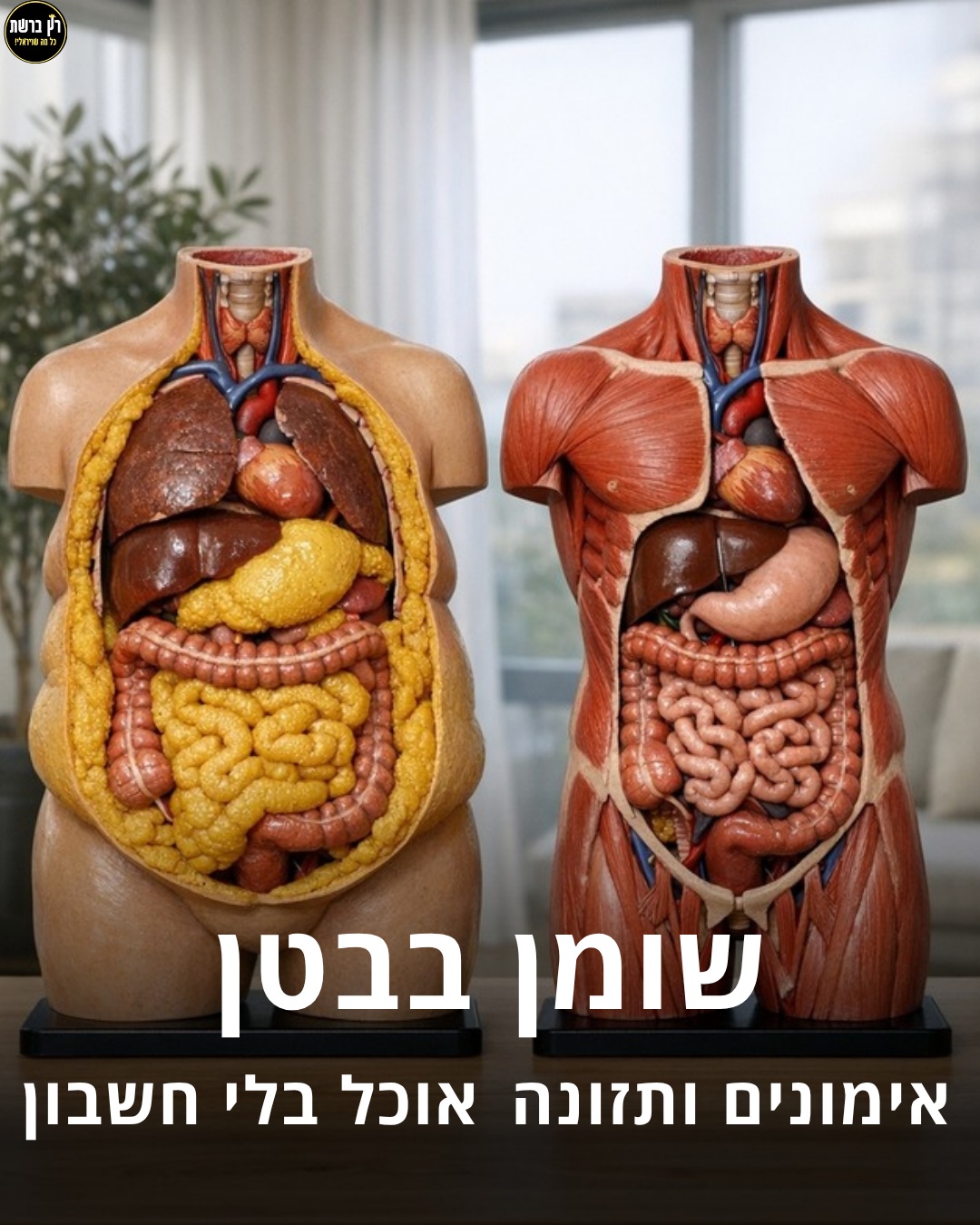
"עודף קלוריות וחוסר תנועה מגדילים את השומן הוויסצרלי סביב האיברים הפנימיים, המקושר לסיכון מוגבר למחלות לב ולסוכרת סוג 2."
מסקנת הבדיקה:
הספרות המדעית מצביעה בבירור על כך שעודף קלורי וחוסר פעילות גופנית תורמים להצטברות שומן ויסצרלי סביב האיברים הפנימיים, אשר נמצא במתאם גבוה עם סיכון מוגבר לתחלואה קרדיווסקולרית ולסוכרת סוג 2.
chevron_right ודאות הפסיקה: גבוהה
מידת הביטחון של המערכת בפסיקה — לא אחוז הנכונות של הטענה. ביטחון נמוך פירושו שהראיות מעטות או סותרות.
chevron_right מקורות מדעיים: (6)
-
link
Clinical importance of assessment of type 2 diabetes mellitus with visceral obesity. A Japanese perspective.
Type 2 diabetes mellitus (T2DM) is a complex heterogeneous group of metabolic disorders including hyperglycemia and impaired insulin action and/or insulin secretion. Obesity T2DM has become a serious problem in Japan as in Western countries, with over-eating and physical inactivity. Obese Asians have mild degree of adiposity, compared with Western subjects. Unlike total body fat, body fat distribution, especially excess accumulation of visceral fat, correlates with various diabetogenic, atherogenic, prothrombotic and proinflammatory metabolic abnormalities, which increase the risk of atherosclerotic cardiovascular disease (ACVD). Obese patients with T2DM have poor glycemic control with disordered eating behaviors, and complications of hypertension and dyslipidemia, leading to ACVD. The major therapies in obese T2DM, hyperinsulinemia and low insulin sensitivity, available for weight loss, especially visceral fat reduction, include caloric restriction, physical activity and behavior modification. On the other hand, the major therapies in non-obese T2DM with insufficient insulin secretion, are insulin-secretory agents and injectable insulin. For clinically meaningful prevention/reduction in the rate of future ACVD in T2DM, it may be important to stratify T2DM subjects into those with and without visceral obesity and design specific management protocols for each group.…
PubMed · PMID: 22309596
-
link
Obesity and Cardiovascular Disease: An Obesity Medicine Association (OMA) Clinical Practice Statement (CPS) 2026.
<h4>Background</h4>Obesity is a chronic disease that directly contributes to cardiovascular disease (CVD) through biomechanical "fat mass disease" and dysfunction of epicardial adipose tissue, or "sick fat disease." It also indirectly promotes CVD through adiposopathic immune and endocrine abnormalities that drive type 2 diabetes mellitus, hypertension, dyslipidemia, and thrombosis - all major CVD risk factors. This Clinical Practice Statement (CPS) reviews obesity-related cardiovascular disease pathology and outlines evidence-based strategies for clinical management.<h4>Methods</h4>This CPS is based on a review of relevant medical literature, interpreted through the clinical expertise of authors specializing in obesity medicine, all members of the Obesity Medicine Association (OMA). Organized into 26 sections, each includes an introduction, essential principles, a "top ten" list of key points, and a summary figure.<h4>Results</h4>The CPS reviews how obesity intersects with major cardiovascular risk factors, including type 2 diabetes mellitus, hypertension, dyslipidemia, metabolic syndrome, and thrombosis. Additional metabolic complications such as metabolic dysfunction-associated steatotic liver disease (MASLD) and chronic kidney disease further elevate CVD risk. The CPS details obesity's impact on cardiac structure and function, including its role in heart failure with preserved ejection fraction (HFpEF), atrial fibrillation, and CVD considerations in patients with obstructive sleep apnea, cancer, and psychiatric disease. It also addresses the "obesity paradox," social determinants of health, pediatric considerations, and disparities by age, sex, and race. Also included are CVD diagnostic challenges and comprehensive management strategies, including medical nutrition therapy, physical activity, behavioral intervention, cardiometabolic medications, glucagon-like peptide-1 receptor agonists, and bariatric procedures.<h4>Conclusion</h4>Effective reduction of obesity-related CVD risk requires shifting from treating downstream risk factors to addressing excessive adipose tissue itself, along with improving adipose tissue function. Clinically, this approach is often manifest by a "treat obesity first" approach. Precision diagnostics, lifestyle therapy, obesity medications, and bariatric procedures can modify both adiposopathy ("sick fat disease") and fat mass disease, improving long-term cardiovascular outcomes.…
PubMed · PMID: 42729919
-
link
The unified cardiometabolic disease continuum: mechanistic stages of a single pathophysiological process.
<h4>Background</h4>Type 2 diabetes mellitus (T2DM), atherosclerotic cardiovascular disease (ASCVD), heart failure with preserved ejection fraction (HFpEF), metabolic dysfunction-associated steatotic liver disease (MASLD), hypertension, and chronic kidney disease (CKD) share risk factors and may represent endpoints of a pathophysiological cardiometabolic continuum. We analyzed data suggesting these phenotypes arise along a unified cardiometabolic disease (UCD) continuum with distinct stages, biomarkers, and therapeutic targets.<h4>Methods</h4>A structured narrative review was conducted using PubMed/MEDLINE, Scopus, Web of Science, and Google Scholar. Searches combined terms for mechanistic drivers (visceral adipose tissue, ceramides, lipotoxicity, NF-κB/NLRP3 signaling, gut microbiota, TMAO, adipokines, endothelial dysfunction, epicardial fat, metabolic flexibility) and clinical endpoints. Priority was given to peer-reviewed translational studies, major outcome trials, and consensus statements published between 2017-2026.<h4>Results</h4>Current evidence supports a mechanistic framework in which visceral adipose tissue dysfunction and ectopic lipid accumulation, progressing through ceramide-mediated lipotoxicity, NF-κB/NLRP3-driven inflammation, gut microbiome-derived endotoxemia and TMAO, adipokine dysregulation, endothelial dysfunction, epicardial fat-mediated cardiac remodeling, impaired metabolic flexibility, and a cardiorenal amplification loop. Stage-specific mediators (e.g., ceramides, NLRP3, TMAO, leptin-adiponectin ratio) serve as biomarkers. The benefits of GLP-1 receptor agonists, SGLT2 inhibitors, and finerenone across T2DM, ASCVD, HFpEF, MASLD, and CKD reflect pharmacologic modulation of this continuum.<h4>Discussion</h4>Data support a UCD model where T2DM, ASCVD, MASLD, HFpEF, hypertension, and CKD are manifestations of a progressive pathophysiological continuum. Framing these conditions as stages of a continuum informs risk stratification, biomarker development, and mechanism-guided therapy, providing a framework for designing trials targeting the continuum rather than individual endpoints.…
PubMed · PMID: 42494872
-
link
Hypothesis: Nutrient Off-Loading and Ectopic Fat Reduction Reverse Insulin Resistance and Improve Cardiovascular Outcomes in Type 2 Diabetes-A Narrative Review.
Insulin resistance in type 2 diabetes is associated with cardiovascular disease. Nutritional overload, hyperinsulinemia, and physical inactivity are the major etiological factors driving the development of insulin resistance. In an obesogenic environment, insulin resistance has been proposed to protect the body against toxic fuel overload, hyperinsulinemia-induced injury, and metabolic stress. Insulin resistance has been further hypothesized to defend the heart and blood vessels against fuel overload when an individual is chronically overeating. Recent landmark cardiovascular outcome trials in type 2 diabetes show major improvements in cardiovascular disease outcomes after treatment with GLP-1 receptor agonists or SGLT2 inhibitors. Bariatric surgery achieves even greater improvements in cardiovascular disease outcomes than treatments with these newer pharmacological agents. It had been previously predicted that glucose-lowering approaches that normalize whole-body energy balance have the greatest potential to improve cardiovascular outcomes in type 2 diabetes. This review hypothesizes that treatment with bariatric surgery, GLP-1 receptor agonists, or SGLT2 inhibitors lowers glucose and nutritional off-loading, normalizes whole-body energy balance, and reduces ectopic fat depositions. This plays a central role in the dramatic reduction in cardiovascular disease and the reversal of insulin resistance in type 2 diabetes, which are observed after these three treatments.…
PubMed · PMID: 41828377
-
link
Microgravity as a translational model for metabolic dysfunction: implications for obesity, insulin resistance, steatotic liver and pancreatic diseases.
<h4>Purpose</h4>The long-term effects of physical inactivity, whether due to microgravity in spaceflight or an inactive lifestyle on Earth, can lead to a range of metabolic problems. This review examines the physiological response to reduced gravity and contemporary inactivity, with a focus on obesity, insulin resistance, type 2 diabetes, and hepatic and pancreatic steatosis, all of which are associated with metabolic dysfunction (MASLD, MASPD).<h4>Methods</h4>A narrative review approach was used, integrating evidence from spaceflight research, bed rest studies, and clinical trial data to examine the metabolic consequences of reduced mechanical loading and physical inactivity.<h4>Results</h4>Available evidence suggests that mechanical load deprivation alters fat distribution, promotes visceral adiposity, and initiates inflammation and immune-metabolic reprogramming. Emerging countermeasures, such as vibration platforms, resistive suits, and omics-directed personalized therapies, have been explored as potential strategies to mitigate these changes. A 12-week cascade model is proposed to illustrate the disease progression of metabolic dysfunction under reduced mechanical loading.<h4>Conclusion</h4>This review has brought together aerospace physiology and metabolic medicine, highlighting microgravity as a translational model that helps improve our understanding and mitigate lifestyle-induced metabolic disorders on Earth.<h4>Methods</h4>A comprehensive literature search was performed using electronic databases, including PubMed/MEDLINE, Scopus, and Web of Science. The search strategy incorporated a combination of the following keywords: Microgravity, Sedentary lifestyle, Insulin resistance, Ectopic fat, Metabolic syndrome, Steatotic Liver, and Pancreatic Diseases. Studies were selected based on relevance to the topic and included human studies (astronaut data, clinical cohorts, and bed rest trials), animal models of simulated microgravity, and <i>in vitro</i> mechanical studies. Articles not directly related to metabolic and endocrine outcomes of mechanical unloading were excluded. Given the heterogeneity of study designs and outcomes, findings were synthesized using a structured narrative approach.…
PubMed · PMID: 42109715
-
link
Insulin resistance, aging biology, and non- communicable chronic diseases: a narrative review of bidirectional mechanisms and translational implications.
<h4>Background</h4>Insulin resistance has been considered a metabolic disorder related to obesity, metabolic syndrome, and type 2 diabetes mellitus. Growing evidence points to possible interactions between insulin resistance and hyperinsulinemia and the biological aging process and age-related non-communicable diseases, like cardiovascular disease, neurodegenerative disorders, sarcopenia, frailty, adipose tissue dysfunction, chronic kidney disease, and liver disease. Most published associations lack causality, and some biological aging mechanisms may also independently increase the risk for both insulin resistance and chronic disease.<h4>Aim</h4>In this narrative review, we summarize bidirectional connections between insulin resistance, compensatory hyperinsulinemia, aging biology, and age-related non-communicable diseases and the quality of existing data.<h4>Methods</h4>We performed a structured narrative literature review for mechanistic, translational, omics, epidemiologic, and intervention studies on the connection between insulin resistance and biological mechanisms of aging and chronic disease.<h4>Results</h4>Mechanisms of age-related disease that may be affected by insulin resistance include insulin/IGF-1 signaling disruption, hyperinsulinemia, mitochondria dysfunction, oxidative stress, endothelial dysfunction, adipokine imbalance, chronic low-grade inflammation, cell senescence, ectopic lipids accumulation, AGE-RAGE signaling, and autophagy impairment. Aging mechanisms, such as cell senescence, mitochondria dysfunction, inflammaging, altered nutrient sensing, impaired proteostasis, adipose tissue remodeling, and physical inactivity may contribute to insulin resistance. Quality of evidence differs from strong to associative and exploratory depending on disease domain.<h4>Conclusion</h4>It is important to understand insulin resistance as an important mediator in reciprocal network of connections between metabolism, biological aging, and age-related chronic diseases, rather than one of the causes of aging.…
PubMed · PMID: 42577545
"פעילות גופנית סדירה משפרת את זרימת הדם למוח וקשורה לשיפור במצב הרוח, בזיכרון ובתפקוד הקוגניטיבי."
מסקנת הבדיקה:
מחקרים רבים מאשרים שפעילות גופנית סדירה משפרת את זרימת הדם המוחית והפרפוזיה, ותורמת לשיפור ביצועים קוגניטיביים, זיכרון ומצב הרוח, בין היתר באמצעות עידוד נוירוגנזה ופלסטיקאות סינפטית.
chevron_right ודאות הפסיקה: גבוהה
מידת הביטחון של המערכת בפסיקה — לא אחוז הנכונות של הטענה. ביטחון נמוך פירושו שהראיות מעטות או סותרות.
chevron_right מקורות מדעיים: (7)
-
link
Physical Activity to Counter Age-Related Cognitive Decline: Benefits of Aerobic, Resistance, and Combined Training-A Narrative Review.
With the increase in life expectancy, age-related cognitive decline has become a prevalent concern. Physical activity (PA) is increasingly being recognized as a vital non-pharmacological strategy to counteract this decline. This review aimed to (i) critically evaluate and synthesize the impact of different PA and exercise modalities (aerobic, resistance, and concurrent training) on cognitive health and overall well-being in older adults, (ii) discuss the influence of exercise intensity on cognitive functions, and (iii) elucidate the potential mechanisms through which PA and exercise may enhance or mitigate cognitive performance among older adults. An exhaustive analysis of peer-reviewed studies pertaining to PA/exercise and cognitive health in older adults from January 1970 to February 2025 was conducted using PubMed, Scopus, Web of Science, PsycINFO, and MEDLINE. There is compelling evidence that aerobic and resistance training (RT) improve cognitive function and mental health in older adults, with benefits influenced by the type and intensity of exercise. Specifically, moderate-intensity aerobic exercise appears to bolster memory, executive functions, and mood regulation, potentially through increased cerebral blood flow, neurogenesis, and production of brain-derived neurotrophic factors in the hippocampus. Moderate-to-high-intensity RT acutely enhances visuospatial processing and executive functions, with chronic training promoting neurogenesis, possibly by stimulating insulin-like growth factor-1 and augmenting blood flow to the prefrontal cortex. Findings related to the effects of concurrent training on cognitive function and mental health are heterogeneous, with some studies reporting no significant impact and others revealing substantial improvements. However, emerging evidence indicates that the combination of concurrent training and cognitive tasks (i.e., dual tasks) is particularly effective, often outperforming aerobic exercise alone. Regular aerobic and RT performance is beneficial for older adults to mitigate cognitive decline and enhance their overall well-being. Specifically, engaging in moderate-intensity aerobic exercises and moderate-to-high-intensity RT is safe and effective in improving cognitive function and mental health in this demographic. These exercises, which can be conveniently incorporated into daily routines, effectively enhance mental agility, memory, executive function, and mood. The findings related to concurrent training are mixed, with emerging evidence indicating the effectiveness of combined concurrent and cognitive tasks on cognitive health and well-being in older adults. Key Points - Moderate-intensity aerobic exercise is associated with significant improvements in cognitive function, mood regulation, and overall well-being in older adults. These benefits are linked to structural and functional changes in the brain such as increased hippocampal volume and elevated levels of brain-derived neurotrophic factor. - Moderate-to-high-intensity resistance training, both in acute and chronic forms, enhances cognitive performance in older adults, particularly in executive functions and visuospatial processing. Cognitive benefits, including improvements in information-processing speed, attention, and memory, can be sustained through regular training. - The effects of concurrent resistance and aerobic training on cognitive function in older adults are mixed. However, combining concurrent training with cognitive tasks (i.e., dual-task training) is particularly effective and often outperforms aerobic exercise alone. - Cognitive and well-being improvements from aerobic and resistance training are mediated by mechanisms such as increased cerebral blood flow and oxygen delivery, enhanced neurogenesis, reduced oxidative stress and inflammation, and positive hormonal changes. - While the optimal exercise dosage for promoting cognitive health in older adults remains undetermined, empirical evidence indicates a positive correlation between increased exercise dosage and cognitive health improvements.…
PubMed · PMID: 40381170
-
link
Healthy Lifestyle and Cognition: Interaction between Diet and Physical Activity.
This review discusses current research on the impact of specific dietary patterns and exercise, both individually and combined, on cognitive function in older adults. Observational evidence generally supports a relationship between diet adherence and positive cognitive outcomes related to memory, executive function, and risk for cognitive impairment; however, randomized controlled trials (RCTs) are limited. Exercise research is more extensive, showing improvements in cognitive performance after exercise interventions regardless of baseline cognitive status and noting lower incidences of cognitive impairment in people who engage in regular physical activity. Evidence supports adherence to specific dietary patterns and a combination of aerobic and resistance exercise as an effective approach to mitigate age-associated cognitive decline. Further research on older adults at various stages of cognitive decline, as well as longer-term RCTs, will help determine the best clinical markers of early cognitive dysfunction, and the effectiveness of early lifestyle intervention on cognitive function.…
PubMed · PMID: 32166628
-
link
Immediate effects of a single session of physical exercise on cognition and cerebral blood flow: A randomized controlled study of older adults.
Regular physical activity is beneficial for cognitive performance in older age. A single bout of aerobic physical exercise can transiently improve cognitive performance. Researchers have advanced improvements in cerebral circulation as a mediator of long-term effects of aerobic physical exercise on cognition, but the immediate effects of exercise on cognition and cerebral perfusion are not well characterized and the effects in older adults are largely unknown. Forty-nine older adults were randomized to a 30-min aerobic exercise at moderate intensity or relaxation. Groups were matched on age and cardiovascular fitness (VO2 max). Average Grey Matter Blood Flow (GMBF), measured by a pulsed arterial-spin labeling (pASL) magnetic resonance imaging (MRI) acquisition, and working memory performance, measured by figurative n-back tasks with increasing loads were assessed before and 7 min after exercising/resting. Accuracy on the n-back task increased from before to after exercising/resting regardless of the type of activity. GMBF decreased after exercise, relative to the control (resting) group. In the exercise group, higher n-back performance after exercise was associated with lower GMBF in the right hippocampus, left medial frontal cortex and right orbitofrontal cortex, and higher cardiovascular fitness was associated with lower GMBF. The decrease of GMBF reported in younger adults shortly after exercise also occurs in older adults and relates to cardiovascular fitness, potentially supporting the link between cardiovascular fitness and cerebrovascular reactivity in older age.…
PubMed · PMID: 33169699
-
link
The short-term effects of sedentary behaviour on cerebral hemodynamics and cognitive performance in older adults: a cross-over design on the potential impact of mental and/or physical activity.
Sedentary behaviour might be a potential risk factor for cognitive decline. However, the short-term effects of sedentary behaviour on (cerebro) vascular and cognitive performance in older people are unknown. We used a cross-over design with 22 older adults (78 years, 9 females) to assess the short-term hemodynamic and cognitive effects of three hours uninterrupted sitting and explored if these effects can be counteracted with regular (every 30 min) two-minute walking breaks. In addition, we investigated if low versus high mental activity during the three hours of sitting modified these effects. Before and after each condition, alertness, executive functioning, and working memory were assessed with the Test of Attentional Performance battery. Additionally, cerebral blood flow velocity (Transcranial Doppler) and blood pressure (Finapres) were measured in rest, and during sit-to-stand and CO2 challenges to assess baroreflex sensitivity, cerebral autoregulation, and cerebral vasomotor reactivity. No short-term differences were observed in cognitive performance, cerebral blood flow velocity, baroreflex sensitivity, cerebral autoregulation, or cerebral vasomotor reactivity across time, or between conditions. Blood pressure and cerebrovascular resistance increased over time (8.6 mmHg (5.0;12.1), p < 0.001), and 0.23 in resistance (0.01;0.45), p = 0.04). However, these effects were not mitigated by mental activity or by short walking breaks to interrupt sitting. In older individuals, three hours of sitting did not influence cognitive performance or cerebral perfusion. However, the sitting period increased blood pressure and cerebrovascular resistance, which are known to negatively impact brain health in the long-term. Importantly, we found that these effects in older individuals cannot be mitigated by higher mental activity and/or regular walking breaks. Clinical trial registration URL: https://www.toetsingonline.nl/. Unique identifier: NL64309.091.17. Date of registration: 06-02-2018.…
PubMed · PMID: 32571399
-
link
Natural Products and Exercise Synergy: Unraveling Molecular Mechanisms to Enhance Brain Function in Alzheimer's Disease.
Alzheimer's disease (AD) as well as other memory disorders significantly impair cognitive and behavioral functions, posing a growing global health burden. Research increasingly supports the synergistic effects of natural products-bioactive compounds derived from plant-based diets-and regular physical exercise in promoting brain health. Natural products exhibit neuroprotective effects by modulating oxidative stress, reducing neuroinflammation, and enhancing synaptic plasticity, while exercise complements these benefits by improving neurogenesis, cerebral blood flow, and mitochondrial function. This review synthesizes current findings on the signaling mechanisms underlying the combined impact of natural products and physical exercise on brain function. We focus on their influence on key pathways, including brain-derived neurotrophic factor (BDNF) signaling, amyloid-beta clearance, and the regulation of neuroinflammation and oxidative stress. Evidence recommends that the integration of these interventions can attenuate cognitive decline, support behavioral resilience, and delay disease progression in AD and other memory disorders. We also highlight the translational challenges of implementing these strategies in clinical settings, including individual variability in response and adherence. Future research directions are discussed, emphasizing the potential of combining dietary and exercise-based interventions. This review aims to advance the understanding of how lifestyle interventions can enhance behavioral and brain functions in the situation of neurodegenerative disorders.…
PubMed · PMID: 40643246
-
link
The effect of the Mediterranean diet combined with physical activity on cognitive function in older adults: a scoping review.
<h4>Background</h4>Cognitive impairment and dementia are rapidly increasing among older adults, with limited pharmacological treatments available. Modifiable lifestyle factors, particularly diet and physical activity, are promising preventive targets. Although the Mediterranean diet and regular exercise individually benefit cognition, their combined effects and underlying mechanisms remain poorly synthesised.<h4>Methods</h4>The systematic review followed PRISMA-ScR guidelines and involved database searches on PubMed, Embase, Web of Science, Cochrane, and CNKI. Study inclusion criteria were defined using the PICO framework.<h4>Results</h4>The Mediterranean diet supplies polyphenols and fatty acids that reduce oxidative stress and inflammation, and support neurotrophic and neuroendocrine functions, thus protecting the brain. Meanwhile, physical activity boosts cerebral blood flow, improving antioxidant delivery and stimulating neurotrophic factors like BDNF, IGF-1, and VEGF to enhance brain plasticity. Together, these approaches act synergistically to balance energy metabolism, lower inflammation, and activate antioxidant defenses, thereby preserving brain homeostasis and boosting cognitive function.<h4>Conclusions</h4>Evidence suggests a synergistic effect of the Mediterranean diet and physical activity in preserving cognitive function in older adults. The diet directly supports cognitive health and provides essential nutrients for exercise-induced neuroregeneration. Physical activity, in turn, increases cerebral blood flow, improving nutrient delivery and stimulating neurotransmitter release. This interaction enhances brain plasticity, establishing a virtuous cycle between nutrition, exercise, and cognitive health.…
PubMed · PMID: 42483938
-
link
Exercise and Brain Health in Postmenopausal Women: A Review of Cognitive Benefits, Mechanisms, and Neurodegeneration Prevention.
Menopause represents a major neuroendocrine transition characterized by substantial hormonal, metabolic, vascular, and inflammatory changes that may increase vulnerability to cognitive decline and neurodegenerative disease. Declining estrogen levels during the menopausal transition influence multiple neural processes, including synaptic plasticity, cerebral glucose metabolism, mitochondrial function, neuroinflammatory signaling, and cerebrovascular regulation. Women account for nearly two-thirds of individuals diagnosed with Alzheimer's disease, and mounting evidence suggests that menopause may represent a period of heightened neurological vulnerability. Physical exercise has emerged as one of the most promising non-pharmacological strategies for preserving cognitive health and reducing neurodegeneration risk in aging women. Current evidence demonstrates that exercise interventions after menopause are associated with improvements in executive function, memory performance, attention, and global cognition. These benefits appear to result from converging biological mechanisms that include enhanced neurotrophic signaling, increased brain-derived neurotrophic factor (BDNF) expression, improved cerebrovascular function, reduced systemic inflammation, improved insulin sensitivity, enhanced metabolic regulation, and preservation of structural brain integrity. Neuroimaging studies further demonstrate exercise-associated increases in hippocampal volume, cortical thickness, functional connectivity, and cerebral blood flow. Different exercise modalities appear to produce distinct but complementary neurological benefits. Aerobic exercise is strongly associated with improved cerebrovascular function and hippocampal integrity, resistance training demonstrates favorable effects on executive function and white matter preservation, and multimodal interventions combining aerobic, resistance, balance, and cognitively engaging activities appear to produce the broadest cognitive benefits. Emerging evidence further suggests that the timing of exercise initiation relative to menopause may influence outcomes, with earlier interventions potentially conferring greater neuroprotection. This review synthesizes current evidence regarding the effects of exercise on cognitive function in postmenopausal women, with emphasis on biological mechanisms, neuroimaging findings, exercise modality, timing considerations, and implications for neurodegeneration prevention. Understanding these relationships provides a scientific rationale for positioning exercise as a foundational strategy for preserving cognitive health and reducing neurodegenerative disease burden in postmenopausal women.…
PubMed · PMID: 42646500

רץ ברשת
דירוג זה מבוסס על 4 דוחות אימות קודמים.






האם הדוח הזה היה מועיל לך?
מה היה פחות טוב? (רשות)
תודה על הפידבק!
עירעור על דוח זה
ספקו ראיות חדשות או הצביעו על אי דיוקים
נעדכן אותך על תוצאות הבדיקה
הוסיפו קישורים למחקרים או מקורות רפואיים מוכרים
העירעור נשלח בהצלחה!
המנוע המדעי שלנו יבדוק את הראיות שהגשתם. נעדכן אתכם באימייל עם התוצאות.
ניתוח מבוסס בינה מלאכותית
דוח זה נוצר באופן אוטומטי על ידי מערכת בינה מלאכותית ועשוי להכיל שגיאות, אי-דיוקים או מידע חלקי. הניתוח אינו מהווה ייעוץ רפואי, אבחנה או המלצה לטיפול, והוא אינו תחליף לדעתו של איש מקצוע רפואי מוסמך. יש להתייעץ עם רופא או מומחה מוסמך לפני קבלת כל החלטה רפואית. המידע מוצג לצרכי מידע כללי בלבד.
מידע זה מופק על ידי בינה מלאכותית ואינו מהווה תחליף לייעוץ רפואי מקצועי.