סריקה בתהליך...
הניתוח עשוי לארוך 30–90 שניות
הידעת?
הסרטון אינו מכיל תוכן רפואי
חושבים שחלה טעות?
אם לדעתכם הסרטון אכן עוסק בטענות רפואיות או בריאותיות, הוסיפו הסבר קצר ושלחו בקשה לבדיקה מחדש.
הבקשה התקבלה! נבדוק את הסרטון ונחזור אליכם.
אירעה שגיאה בשליחת הבקשה. נסו שוב.
דו״ח מאומת
הסרטון מכיל טענות שגויות ומטעות שאינן מגובות בראיות מדעיות.
סיכום
הטענות המועלות מתייחסות לשימוש בצמחי מרפא ותבלינים שונים לשיפור בריאותי. בעוד שלחלק מהרכיבים הפעילים יש תיעוד בספרות המדעית בהקשר של נוגדי חמצון והשפעות אנטי-דלקתיות, הפרוטוקולים הספציפיים ומשכי הזמן הנטענים אינם מגובים במחקרים קליניים ישירים.
analytics ניתוח טענות מבוסס ראיות
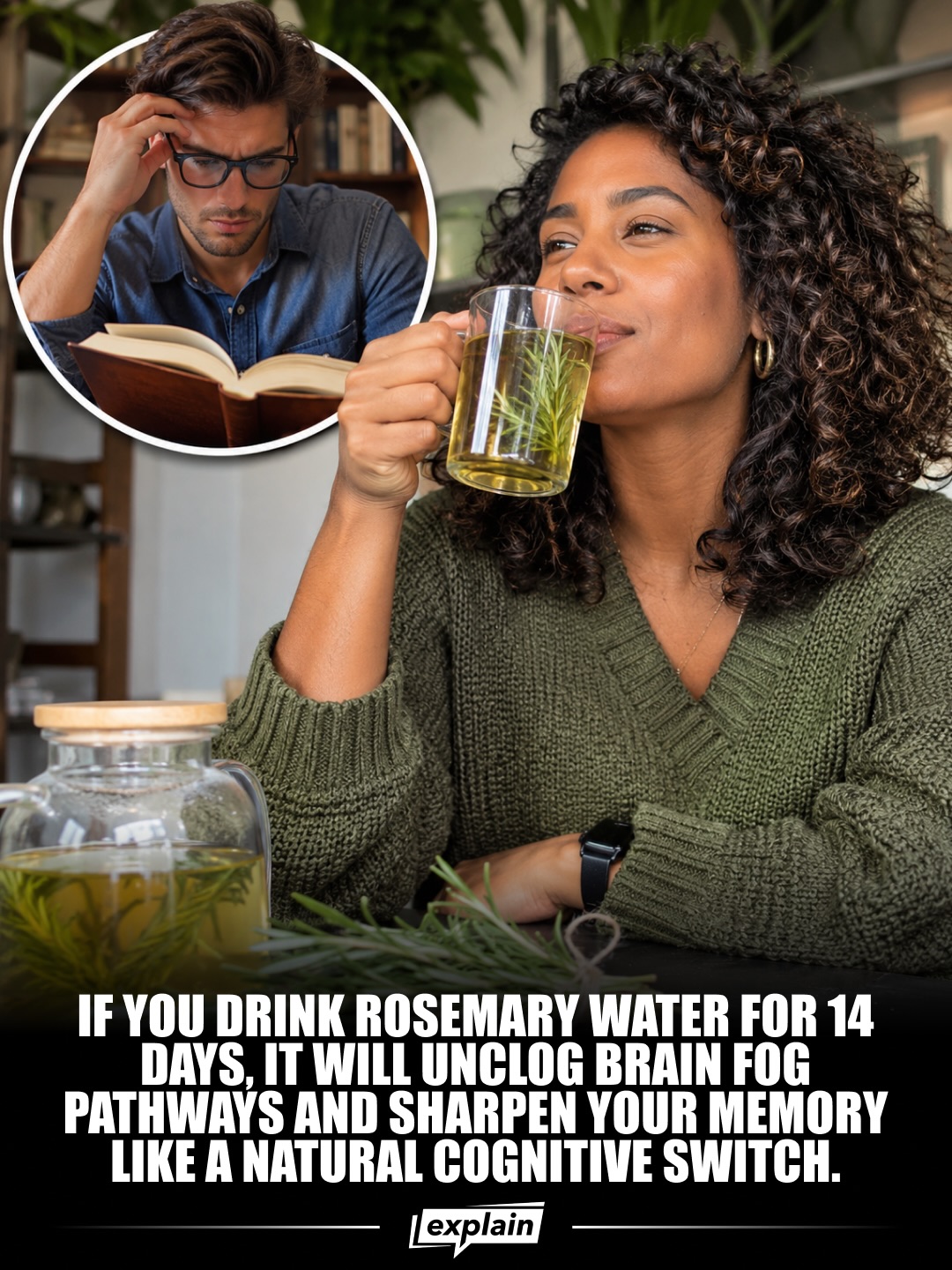
"שתיית מי רוזמרין במשך 14 ימים מפנה ערפל מוחי ומחדדת את הזיכרון כמתג קוגניטיבי טבעי."
מסקנת הבדיקה:
למרות שקיימים מחקרים על ההשפעה של חומרים צמחיים על תפקוד קוגניטיבי, אין בספרות המדעית תיעוד מדויק התומך בטענה ששתיית מי רוזמרין במשך 14 ימים מסירה ערפל מוחי בצורה המתוארת.
chevron_right ודאות הפסיקה: בינונית
מידת הביטחון של המערכת בפסיקה — לא אחוז הנכונות של הטענה. ביטחון נמוך פירושו שהראיות מעטות או סותרות.
chevron_right מקורות מדעיים: (2)
-
link
The effects of twenty-one nutrients and phytonutrients on cognitive function: A narrative review.
Brain health is becoming more important to the average person as the number of people with cognitive impairments, such as Alzheimer's disease (AD), is rising significantly. The current Food and Drug Administration-approved pharmacotherapeutics for dementia neither cure nor halt cognitive decline; they just delay the worsening cognitive impairment. This narrative review summarizes the effects of nutrients and phytonutrients on cognitive function. A comprehensive literature search of PubMed was performed to find clinical trials in humans that assessed the effects of nutrients and phytonutrients on cognitive function published in English between 2000 and 2021. Six independent reviewers evaluated the articles for inclusion in this review. Ninety-six articles were summarized in this narrative review. In total 21 categories of nutrients and phytonutrients were included, i.e., α-lipoic acid, Bacopa monnieri, B vitamins, cholinergic precursors, vitamin D, vitamin E, Ginkgo biloba, ginseng, lion's mane mushroom, N-acetyl cysteine, omega-3 fatty acids, aloe polysaccharides, Rhodiola rosea, rosemary, saffron, tart cherries, turmeric, wild yam, Withania somnifera, xanthines, and zinc. Particular noteworthy effects on cognition included memory, recollection, attention, intelligence, vocabulary, recognition, response inhibition, arousal, performance enhancement, planning, creative thinking, reaction time, vigilance, task switching, orientation to time, place, and person, reading, writing, comprehension, accuracy, learning, information processing speed, executive function, mental flexibility, daily functioning, decrease in mental fatigue, and freedom from distractibility. Some nutrients and phytonutrients also improved mood and contentedness and reduced anxiety and the need for caregiving. These effects are not completely consistent or ubiquitous across all patient populations or health statuses. Adverse effects were minimal or nonexistent. Due to the growing population of people with cognitive impairment and the lack of effective pharmacotherapeutics, it is prudent for those afflicted or their caregivers to find alternative treatments. Our narrative review shows that many of these nutrients and phytonutrients may be promising for treating some aspects of cognitive impairment, especially for people afflicted with AD. As demonstrated in a number of clinical trials, healthy adults and patients with various health challenges (e.g., AD, mild cognitive impairment, multiple sclerosis, and Parkinson's disease) exhibiting a wide range of severity in cognitive defects would be best served to consider multiple nutrients and phytonutrients to improve aspects of their cognitive function.…
PubMed · PMID: 34541370
-
link
Neuroactive Phytochemicals as Multi-Target Modulators of Mental Health and Cognitive Function: An Integrative Review.
The growing prevalence of mental health issues and cognitive impairment poses a significant challenge to global public health. Conditions such as depression, anxiety, neurodegenerative diseases, and stress-related cognitive dysfunction are becoming more common, while conventional pharmacotherapies are often limited by suboptimal efficacy, adverse side effects, and concerns about long-term use. Against this backdrop, neurophytochemistry-the study of plant-derived bioactive compounds-has emerged as a promising area of research. This review explores the potential of selected phytochemicals to support mental well-being and cognitive function via various molecular mechanisms. Compounds such as apigenin, hesperidin, and epigallocatechin gallate have been shown to have a significant impact on key regulatory pathways. These include enhancing neurogenesis via brain-derived neurotrophic factor, modulating neurotransmitter systems (such as GABA and serotonin), and attenuating oxidative stress and neuroinflammation. The therapeutic relevance of these compounds is discussed in the context of depression, anxiety, Alzheimer's disease, Parkinson's disease, and stress-related cognitive dysfunction, often referred to as 'brain fog'. This review synthesizes evidence published between 2010 and 2025 from several scientific databases, including PubMed, Scopus, Web of Science, and Embase. Preliminary evidence from in vitro studies and animal models indicates that neurophytochemicals could enhance synaptic plasticity, protect neurons from oxidative damage, and modulate inflammatory pathways, particularly those involving NF-κB and the Nrf2/ARE antioxidant response. In addition, early human clinical trials have shown that phytochemical supplementation can lead to improvements in mood regulation, stress response, and cognitive performance. Furthermore, emerging evidence suggests that the gut-brain axis plays a key role in mediating the effects of phytochemicals. Several compounds have been found to modulate the composition of gut microbiota in ways that could enhance the function of the central nervous system. While the initial results are encouraging, more high-quality clinical trials and mechanistic studies are required to validate these findings, optimize dosage regimens, and guarantee the safety and efficacy of long-term use. Thus, neurophytochemicals represent a promising integrative approach to alleviating the increasing burden of mental and cognitive disorders through naturally derived therapeutic strategies.…
PubMed · PMID: 41009475
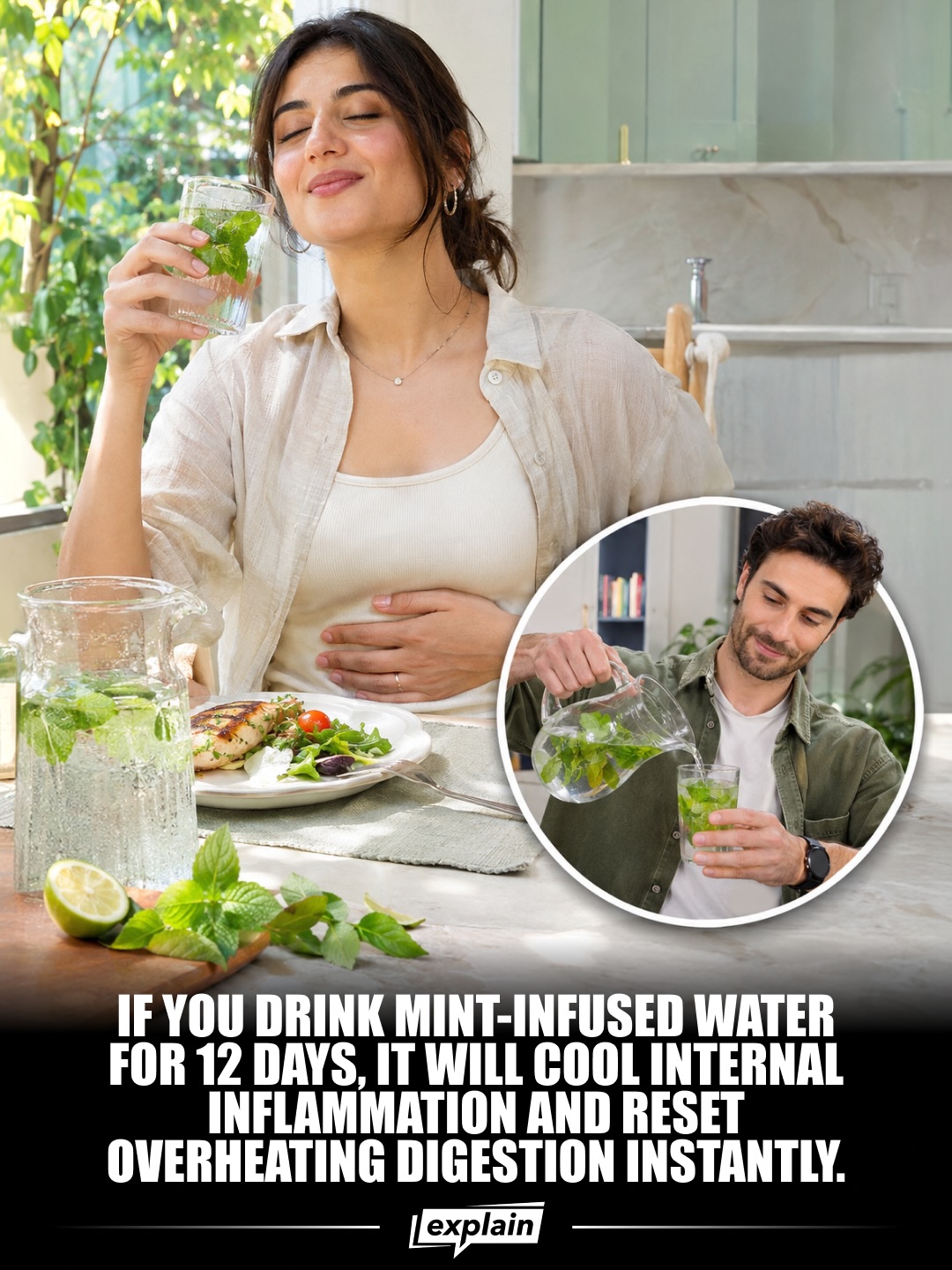
"שתיית מים מושרים בנענע במשך 12 ימים מצננת דלקות פנימיות ומאפסת עיכול מתחמם."
מסקנת הבדיקה:
מחקרים מצביעים על תכונות נוגדות דלקת ושיפור הבריאות במערכת העיכול של צמחי מרפא כמו נענע, אך אין עדות ספציפית לטענה ששתיית מים בנענע למשך 12 ימים מאפסת את מערכת העיכול.
chevron_right ודאות הפסיקה: בינונית
מידת הביטחון של המערכת בפסיקה — לא אחוז הנכונות של הטענה. ביטחון נמוך פירושו שהראיות מעטות או סותרות.
chevron_right מקורות מדעיים: (2)
-
link
Innovations in Herbal Functional Beverages: From Green Formulation and Bioactivity Preservation to Sensory Optimization and Regulatory Safety.
The increasing consumer preference for natural health-promoting products has fueled the development of herbal-extract-enriched functional beverages. These products bridge the gap between nutrition and therapy, offering bioactive compounds that contribute to antioxidant, anti-inflammatory, antidiabetic, and gut health benefits. This review explored the integration of herbal extracts into hot and cold beverages, focusing on the challenges and innovations in food processing. Physicochemical parameters and emerging encapsulation techniques to enhance bioavailability are discussed. Sensory properties have been analyzed in recent hedonic and descriptive sensory studies, emphasizing consumer acceptance and strategies for improving palatability. Preclinical and clinical evidence has demonstrated the health benefits of widely used herbs. In addition, safety profiles, dosage recommendations, potential herb-drug interactions, and regulatory frameworks were critically examined. This review concludes with insights into future directions, including personalized herbal nutrition, AI-assisted formulation, and sustainable ingredient sourcing, highlighting the potential of herbal beverages in functional food systems and preventive health care.…
PubMed · PMID: 42110208
-
link
Modulating the Bioavailability and Bioaccessibility of Polyphenolic Compounds and Enhancing Health-Promoting Properties Through the Addition of Herbal Extracts to a Functional Beverage.
Shots are becoming increasingly popular due to their convenience and concentrated nutrient content. In this study, innovative shots were developed as herbal-enriched formulations designed to improve bioaccessibility, bioavailability, and health-promoting properties. To achieve this, pear-flowering quince juice was enriched with a mixture of herbal infusions and evaluated for its physicochemical characteristics, including bioactive compounds, as well as its functional and sensory properties. Additionally, the products were subjected to a three-stage in vitro digestion model (oral-gastric-small intestine) to assess bioaccessibility and bioavailability. The results revealed that the shot containing mint and nettle had the highest polyphenolic content (579 mg/100 mL), while the shot enriched with white mulberry and common yarrow had the highest mineral content (28 mg/100 mL). The developed formulations also exhibited strong inhibitory effects on pancreatic lipase and lipoxygenase. It was demonstrated that the addition of selected herbs, particularly those rich in rosmarinic acid, can enhance both bioaccessibility and bioavailability, and that menthol may further potentiate these effects. In conclusion, the study showed that incorporating different types of herbs into pear-flowering quince juice enables the development of novel products with tailored health-promoting and sensory properties, primarily through the synergistic action of the individual ingredients.…
PubMed · PMID: 41471820
"שתיית מים עם אניון כוכבי במשך 7 ימים מפנה גודש ליחה ופותחת את דרכי הנשימה באופן טבעי."
מסקנת הבדיקה:
קיימים מחקרים על תפקידם של שמנים אתריים וצמחים בדרכי הנשימה, אך אין ראיות מדעיות ישירות המאמתות את הטענה ששתיית מים עם אניון כוכבי למשך 7 ימים מפנה גודש ליחה באופן ספציפי.
chevron_right ודאות הפסיקה: בינונית
מידת הביטחון של המערכת בפסיקה — לא אחוז הנכונות של הטענה. ביטחון נמוך פירושו שהראיות מעטות או סותרות.
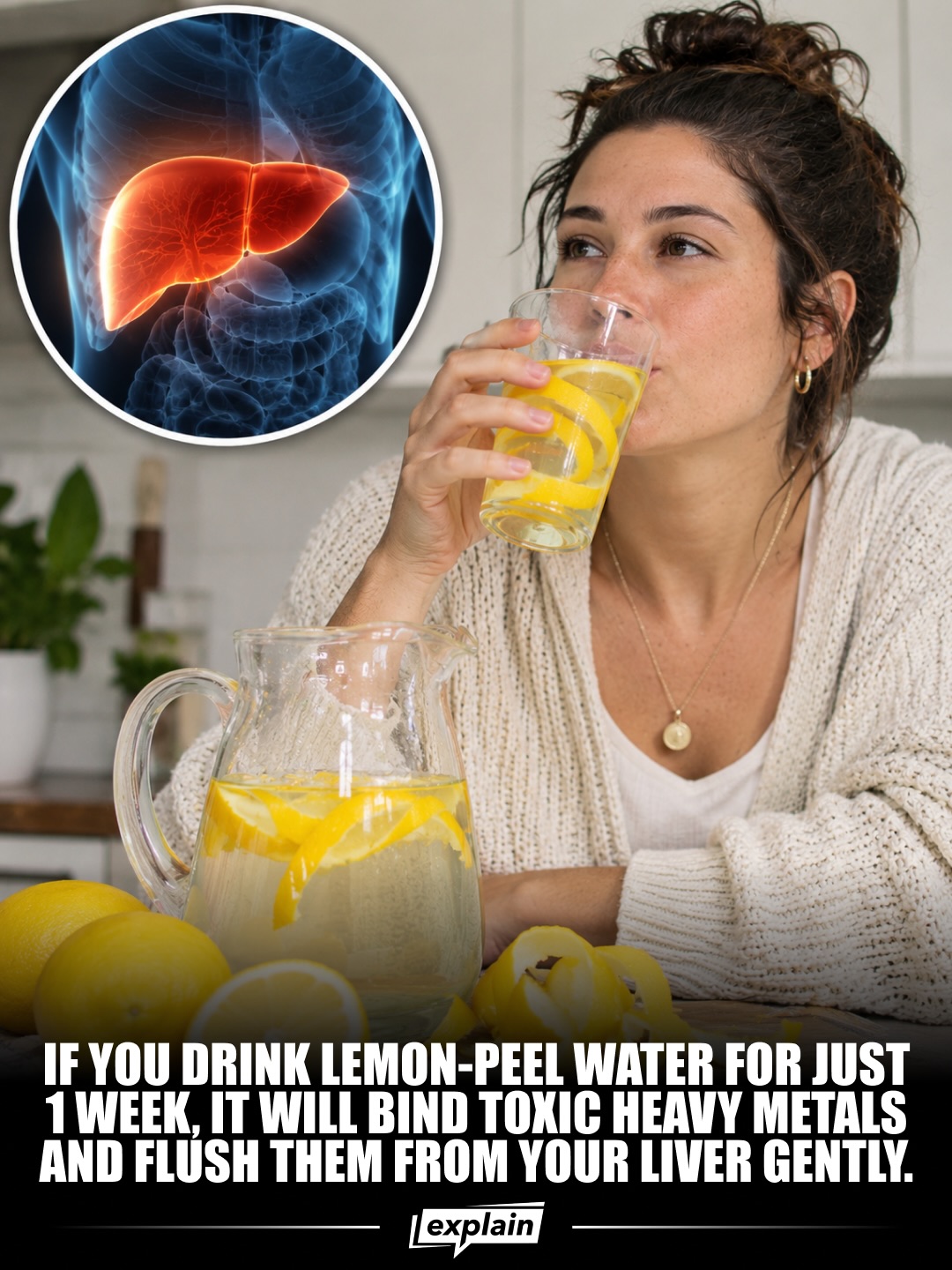
"שתיית מים עם קליפת לימון במשך שבוע אחד נקשרת למתכות כבדות רעילות ומפנה אותן מהכבד בעדינות."
מסקנת הבדיקה:
למרות ששאריות פירות ופוליפנולים נחקרים בהקשר של ניקוי רעלים, אין עדות מדעית מבוססת לכך ששתיית מי קליפת לימון למשך שבוע נקשרת למתכות כבדות ומפנה אותן מהכבד.
chevron_right ודאות הפסיקה: בינונית
מידת הביטחון של המערכת בפסיקה — לא אחוז הנכונות של הטענה. ביטחון נמוך פירושו שהראיות מעטות או סותרות.
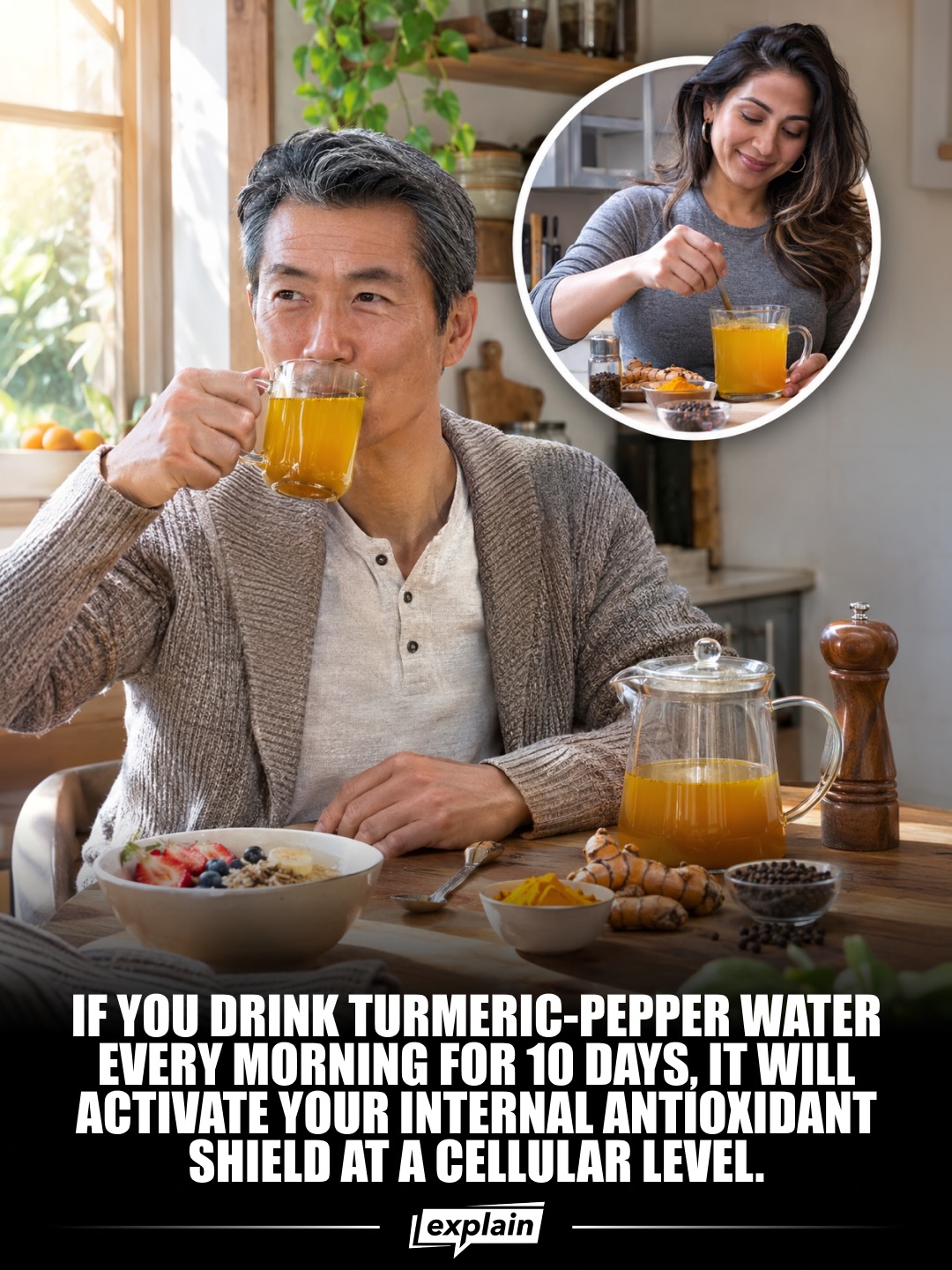
"שתיית מים עם כורכום ופלפל בכל בוקר במשך 10 ימים מפעילה את מגן נוגדי החמצון הפנימי ברמת התא."
מסקנת הבדיקה:
מחקרים מראים כי כורכומין ופלפל שחור מפעילים מסלולים נוגדי חמצון תאיים כמו Nrf2, אך אין בספרות מחקר קליני המאמת את פרוטוקול השתייה הספציפי למשך 10 ימים בדיוק כפי שנוסח.
chevron_right ודאות הפסיקה: בינונית
מידת הביטחון של המערכת בפסיקה — לא אחוז הנכונות של הטענה. ביטחון נמוך פירושו שהראיות מעטות או סותרות.
chevron_right מקורות מדעיים: (2)
-
link
A Comprehensive Analysis of Extraction Methods, Phytochemical Characterization and Neuroprotective Potential of Curcumin.
Curcumin, a natural polyphenol derived from <i>Curcuma longa</i>, exhibits multi-targeted anti-inflammatory, antioxidant, and neuroprotective activities. This review aims to evaluate its extraction methodologies, synthetic pathways, and neuroprotective potential across preclinical and clinical paradigms, while addressing bioavailability barriers and commercial adulteration. In cellular models (BV-2, U87), curcumin inhibits TLR4/MyD88/NF-κB and NLRP3 inflammasome signaling, resulting in the downregulation of pro-inflammatory cytokines (IL-1β, TNF-α, IL-6) and enzymes (COX-2, iNOS), while simultaneously activating Nrf2/ARE antioxidant pathways. Moreover, it facilitates the polarization of neuroprotective M2 microglia. In animal models of ischemic stroke, traumatic brain injury, and Parkinson's disease, curcumin reduces neuroinflammation, protects dopaminergic neurons, and maintains the integrity of the blood-brain barrier. Advanced nanocarriers such as PLGA nanoparticles, exosomes, and lipid complexes bypass rapid hepatic metabolism, thereby increasing brain bioavailability. Clinical data demonstrate that bioavailable formulations (Theracurmin, Longvida, CurQfen) could improve memory function and reduce cerebral amyloid and tau deposits in subjects without dementia and with mild cognitive impairment. Conversely, the use of unformulated curcumin results in inconsistent findings in trials for Alzheimer's and Parkinson's diseases owing to its poor systemic absorption. In conclusion, Curcumin might represent a promising multitarget neuroprotective agent; however, addressing pharmacokinetic limitations via bioavailable delivery systems and implementing rigorous quality control to prevent commercial adulteration are essential for effective clinical application.…
PubMed · PMID: 42942913
-
link
Spice phenolics inhibit human PMNL 5-lipoxygenase.
A wide variety of phenolic compounds and flavonoids present in spices possess potent antioxidant, antimutagenic and anticarcinogenic activities. We examined whether 5-lipoxygenase (5-LO), the key enzyme involved in biosynthesis of leukotrienes is a possible target for the spices. Effect of aqueous extracts of turmeric, cloves, pepper, chili, cinnamon, onion and also their respective active principles viz., curcumin, eugenol, piperine, capsaicin, cinnamaldehyde, quercetin, and allyl sulfide were tested on human PMNL 5-LO activity by spectrophotomeric and HPLC methods. The formation of 5-LO product 5-HETE was significantly inhibited in a concentration-dependent manner with IC(50) values of 0.122-1.44 mg for aqueous extracts of spices and 25-83 microM for active principles, respectively. The order of inhibitory activity was of quercetin>eugenol>curcumin>cinnamaldehyde>piperine>capsaicin>allyl sulfide. Quercetin, eugenol and curcumin with one or more phenolic ring and methoxy groups in their structure showed high inhibitory effect, while the non-phenolic spice principle allyl sulfide showed least inhibitory effect on 5-LO. The inhibitory effect of quercetin, curcumin and eugenol was similar to that of synthetic 5-LO inhibitors-phenidone and NDGA. Moreover, the inhibitory potency of aqueous extracts of spice correlated with the active principles of their respective spices. The synergistic or antagonistic effect of mixtures of spice active principles and spice extracts were investigated and all the combinations of spice active principles/extracts exerted synergistic effect in inhibiting 5-LO activity. These findings clearly suggest that phenolic compounds present in spices might have physiological role in modulating 5-LO pathway.…
PubMed · PMID: 15120715
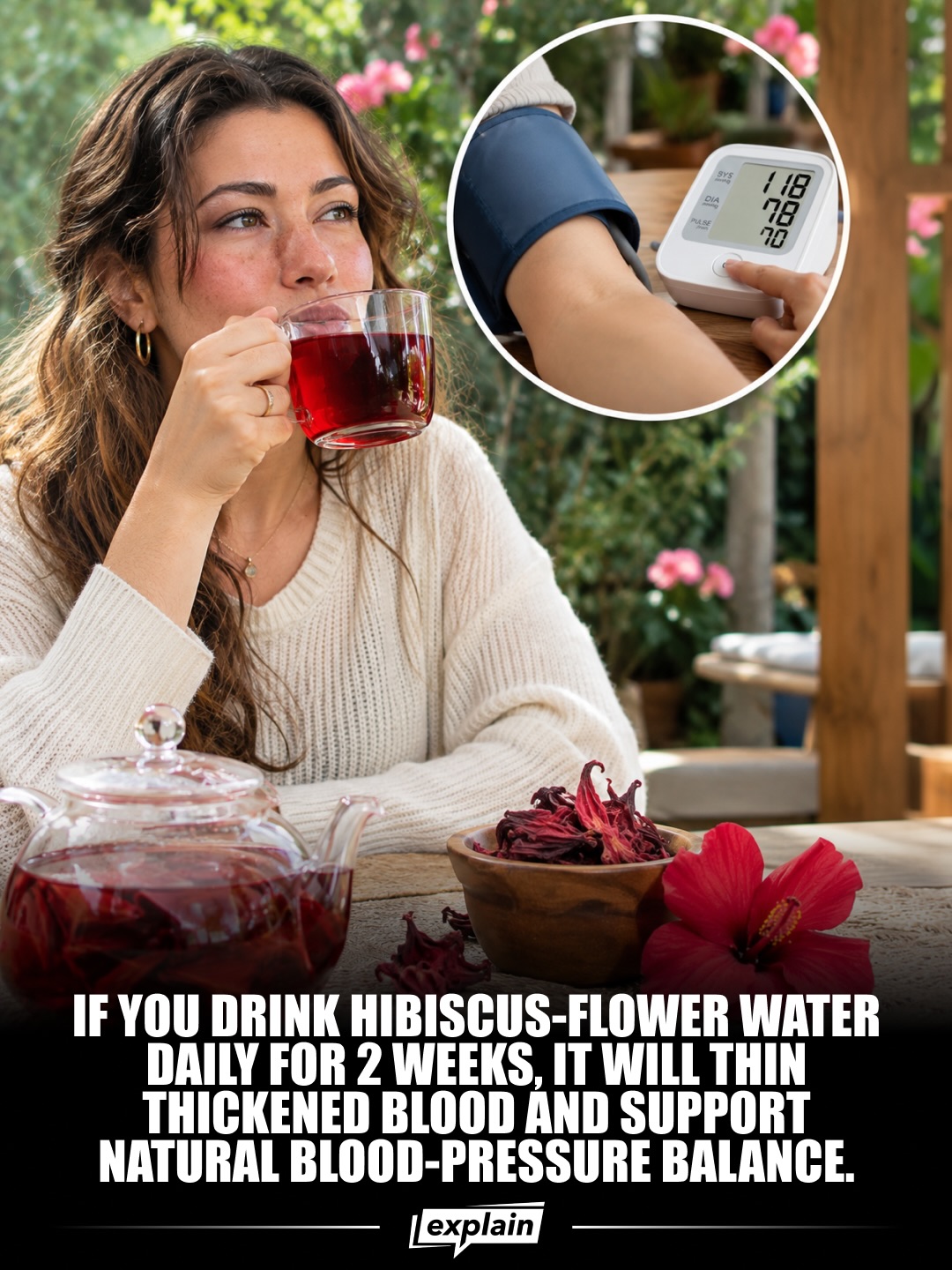
"שתיית מים עם פרחי היביסקוס מדי יום במשך שבועיים מדללת דם סמיך ותומכת באיזון טבעי של לחץ הדם."
מסקנת הבדיקה:
לא נמצאו במאגר PubMed מחקרים התומכים בטענה זו לגבי שתיית מי היביסקוס למשך שבועיים לדילול דם ואיזון לחץ דם.
chevron_right ודאות הפסיקה: בינונית
מידת הביטחון של המערכת בפסיקה — לא אחוז הנכונות של הטענה. ביטחון נמוך פירושו שהראיות מעטות או סותרות.
"שתיית מים עם זרעי פשתן בכל בוקר במשך 12 ימים משמנת מפרקים נוקשים ומווסתת תנודות הורמונליות."
מסקנת הבדיקה:
אף על פי שחומצות שומן וזרעי פשתן נחקרים בהקשר של בריאות המפרקים, אין ראיות מדעיות התומכות בתוצאה של סיכוך מפרקים וויסות הורמונלי לאחר 12 ימי שתייה.
chevron_right ודאות הפסיקה: בינונית
מידת הביטחון של המערכת בפסיקה — לא אחוז הנכונות של הטענה. ביטחון נמוך פירושו שהראיות מעטות או סותרות.

Explain
דירוג זה מבוסס על 14 דוחות אימות קודמים.




האם הדוח הזה היה מועיל לך?
מה היה פחות טוב? (רשות)
תודה על הפידבק!
עירעור על דוח זה
ספקו ראיות חדשות או הצביעו על אי דיוקים
נעדכן אותך על תוצאות הבדיקה
הוסיפו קישורים למחקרים או מקורות רפואיים מוכרים
העירעור נשלח בהצלחה!
המנוע המדעי שלנו יבדוק את הראיות שהגשתם. נעדכן אתכם באימייל עם התוצאות.
ניתוח מבוסס בינה מלאכותית
דוח זה נוצר באופן אוטומטי על ידי מערכת בינה מלאכותית ועשוי להכיל שגיאות, אי-דיוקים או מידע חלקי. הניתוח אינו מהווה ייעוץ רפואי, אבחנה או המלצה לטיפול, והוא אינו תחליף לדעתו של איש מקצוע רפואי מוסמך. יש להתייעץ עם רופא או מומחה מוסמך לפני קבלת כל החלטה רפואית. המידע מוצג לצרכי מידע כללי בלבד.
מידע זה מופק על ידי בינה מלאכותית ואינו מהווה תחליף לייעוץ רפואי מקצועי.