סריקה בתהליך...
הניתוח עשוי לארוך 30–90 שניות
הידעת?
הסרטון אינו מכיל תוכן רפואי
חושבים שחלה טעות?
אם לדעתכם הסרטון אכן עוסק בטענות רפואיות או בריאותיות, הוסיפו הסבר קצר ושלחו בקשה לבדיקה מחדש.
הבקשה התקבלה! נבדוק את הסרטון ונחזור אליכם.
אירעה שגיאה בשליחת הבקשה. נסו שוב.
דו״ח מאומת
הסרטון מכיל שילוב של עובדות מוכחות וטענות המטעות את הציבור.
סיכום
העדויות המדעיות תומכות בחלק מהחידושים והטיפולים הרפואיים המופיעים בפוסט, אך מציגות תמונה מורכבת יותר לגבי חלקם. טענות הנוגעות להשתלת זרועות וכתפיים, לפיתוח לב מלאכותי ולניסויים להחזרת ראייה באמצעות חלבוני אצות מתבררות כמדויקות ומבוססות היטב. לעומת זאת, הטענות על טיפות עיניים לתיקון ראייה ב-2026, שתלים לשחררון אינסולין, מיגור נגיף ה-HPV והסרת כרומוזום תסמונת דאון מציגות פיתוחים ראשוניים או זמניים כמציאות קלינית מוגמרת או לוקות באי דיוקים בלוחות הזמנים. פערי המידע העיקריים נובעים מהפרזה בהנגשת טכנולוגיות מחקריות ניסיוניות כטיפולים מעשיים זמינים לציבור.
analytics ניתוח טענות מבוסס ראיות
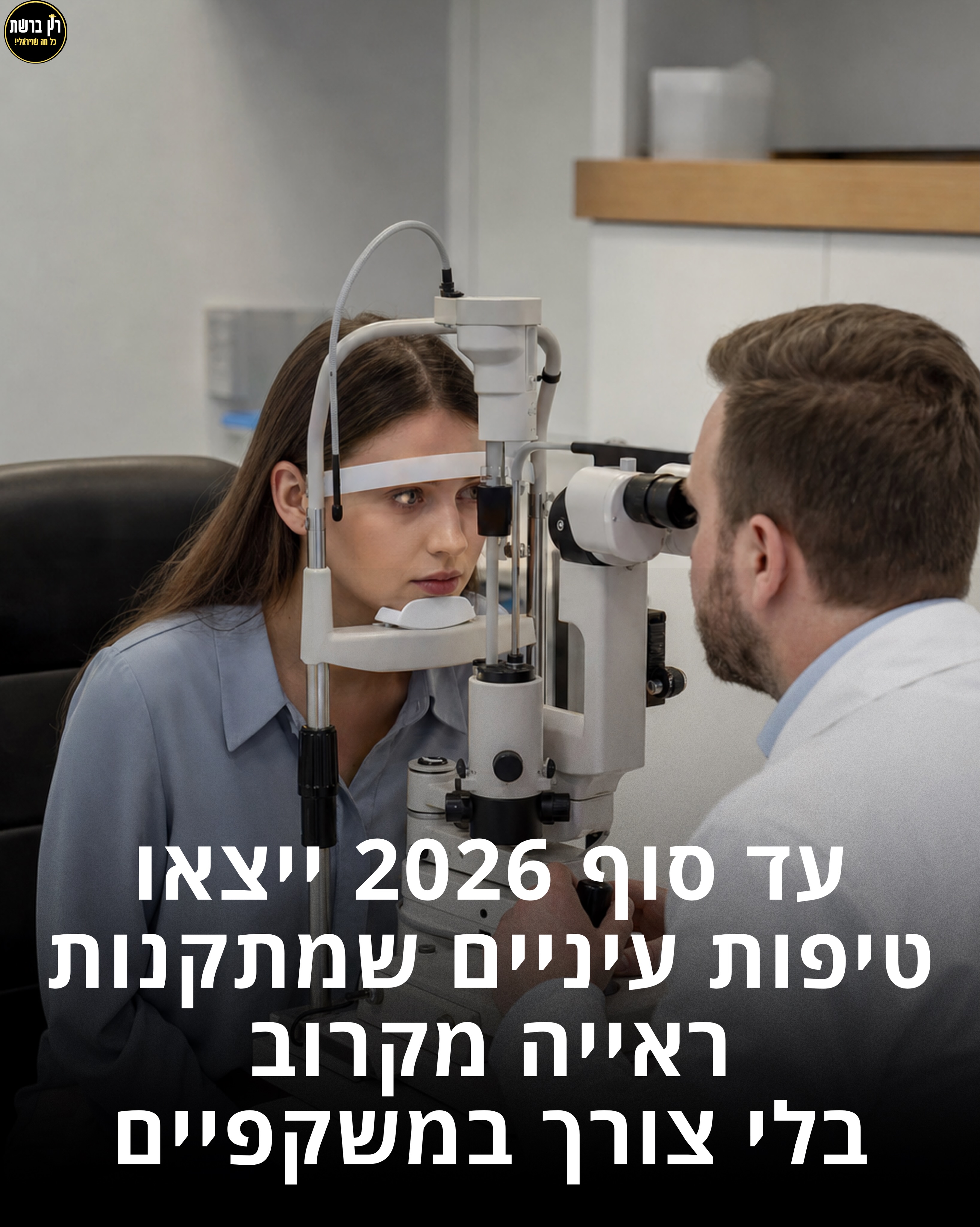
"עד סוף שנת 2026 צפויות לצאת טיפות עיניים שמתקנות ראייה מקרוב ללא צורך במשקפיים."
מסקנת הבדיקה:
טיפות עיניים לשיפור ראייה מקרוב, כגון פילוקרפין, כבר מאושרות על ידי ה-FDA ומשווקות לציבור מאז שנת 2021. לכן, הטענה שהטיפות צפויות לצאת לשוק רק בסוף שנת 2026 שגויה מבחינת לוח הזמנים, ובנוסף מדובר פתרון זמני המקל על הראייה ולא בתיקון קבוע המבטל לחלוטין את הצורך במשקפיים.
chevron_right ודאות הפסיקה: גבוהה
מידת הביטחון של המערכת בפסיקה — לא אחוז הנכונות של הטענה. ביטחון נמוך פירושו שהראיות מעטות או סותרות.
chevron_right מקורות מדעיים: (4)
-
link
An updated systematic review of pharmacological treatments for presbyopia.
Presbyopia, a common age-related condition affecting near vision, impacts over a billion people worldwide. The aim of this paper is to review the main reports and results of clinical trials, comparing the newest pharmacological treatment options for presbyopia, their mechanisms of action, and possible side effects. Pharmacological approaches, involving eye drops that target the underlying mechanisms of presbyopia, have gained growing interest. Two key pharmacological agents in this field are miotics and lens softeners. Miotics enhance near vision temporarily by creating a pinhole effect, though they may cause side effects and are under further investigation for long-term use with ongoing research also exploring the potential benefits of combining them with other drugs to improve outcomes and reduce adverse reactions. Lens softeners, on the other hand, aim to restore the flexibility of the lens, addressing one of the primary causes of presbyopia. Despite early trials, further development of lens softeners has been suspended. A notable advancement in this field is the recent FDA approval of 1.25% and 0.4% pilocarpine, a miotic agent, for presbyopia treatment. This milestone highlights the growing interest in pharmacological solutions for presbyopia, with several new drugs and their combinations currently being investigated for potential FDA approval. pharmacological treatments, particularly miotics like pilocarpine, represent a promising alternative to conventional methods for managing presbyopia. Continued research into these treatments, especially combinations of drugs, may offer more effective and convenient options for presbyopia patients in the future.…
PubMed · PMID: 39512930
-
link
Short-Term Efficacy and Safety of Pilocarpine Ophthalmic Solution for Presbyopia: A Systematic Review and Meta-Analysis.
This systematic review and meta-analysis (SRMA) addresses the clinical question: In patients with presbyopia, how does pilocarpine compare to a vehicle in improving near-vision acuity over a minimum follow-up of 2 weeks? Randomized clinical trials (RCTs) were included to assess the effectiveness of pilocarpine, an FDA-approved pharmacological alternative to traditional corrective measures. Presbyopia is a progressive age-related condition affecting near vision, impacting approximately 1.8 billion people worldwide. Glasses and contact lenses have limitations and can cause discomfort. In 2021, the FDA approved 1.25% pilocarpine hydrochloride ophthalmic solution (VuityⓇ) as a pharmacological alternative. Pilocarpine acts on muscarinic receptors to improve accommodation and depth of focus. Its efficacy and safety, however, require further investigation. This SRMA followed the Cochrane Handbook and PRISMA guidelines. RCTs comparing pilocarpine to a vehicle in presbyopic patients were included. Efficacy outcomes were the gain of ≥3 lines and ≥2 lines in mesopic, high-contrast binocular distance-corrected near visual acuity (DCNVA) at 3 hours postdose after ≥14 days of treatment. Safety analyses focused on the most consistently reported reactions: headache, blurred vision, eye pain, and pupil size variation. Four RCTs with 1531 participants were included. Pooled data showed 33% of pilocarpine users gained ≥3 lines in DCNVA versus 12% in the vehicle group (OR 3.69, 95% CI [2.66-5.14], P < .001) and 63% of pilocarpine users gained ≥2 lines versus 36% (OR 2.94, 95% CI [2.30-3.74], P < .001). Pilocarpine increased the risk of headache (+6.9%; OR 3.02, 95% CI 1.53-5.93), blurred vision (+3.1%; OR 4.93, 95% CI 1.92-12.65), and eye pain (+2.4%; OR 4.26, 95% CI 1.73-10.49), mostly mild and transient. A marked miotic effect was also observed, with a mean pupil size reduction of 1.38 mm versus 0.02 mm in the vehicle group. Sensitivity analysis indicated that removing the VIRGO study reduced heterogeneity, suggesting dosing frequency influence. Pilocarpine demonstrated short-term efficacy in improving near vision in presbyopic patients, with an increased incidence of specific, mostly mild and transient adverse events and a consistent miotic effect. Further large-scale, long-term RCTs are warranted to confirm benefits, optimize dosing, and fully characterize its safety profile.…
PubMed · PMID: 40835063
-
link
Efficacy and safety of pilocarpine for the treatment of presbyopia: a systematic review and meta‑analysis of randomized controlled trials.
Pilocarpine, the first Food and Drug Administration-approved ophthalmic solution for presbyopia treatment, has garnered substantial attention owing to its therapeutic efficacy and safety profile. This meta-analysis systematically evaluated the effectiveness and safety of pilocarpine in managing presbyopia.Relevant literature published before April 1, 2025 can be retrieved from Web of Science, Embase, PubMed, and Cochrane Library. After screening, extract baseline features and outcome data for inclusion in the study. Finally, a meta-analysis and Trial Sequential Analysis (TSA) were conducted.Five randomized controlled trials (RCTs) were included in this meta-analysis. The meta-analysis demonstrated that pilocarpine significantly increased the number of participants who achieved a mesopic distance-corrected near visual acuity (DCNVA) gain of ≥ 3 lines at 1 h (relative risk [RR]: 1.99, 95% confidence interval [CI] 1.55-2.56), 2 h (RR: 2.08, 95% CI 1.61-2.69), 3 h (RR: 4.30, 95% CI 2.84-6.52), 6 h (RR: 2.02, 95% CI 1.59-2.56), and 8 h (RR: 1.77, 95% CI 1.37-2.28), compared to controls. However, pilocarpine significantly increased the risk of participants experiencing ≥ 1 treatment-emergent adverse events (TEAEs), blurred vision, visual impairment, eye pain, headache, and nausea (P < 0.05) but had no significant effect on conjunctival hyperemia and instillation site pain (P > 0.05). TSA revealed conclusive results for mesopic DCNVA gain of ≥ 3 lines, participants with ≥ 1 TEAEs, blurred vision, visual impairment, and nausea. Except for eye pain (P = 0.010), the remaining outcomes showed no potential publication bias (P > 0.05). The evidence quality for DCNVA gain of ≥ 3 lines was rated as moderate, while that for safety outcomes ranged from very low to moderate.In conclusion, pilocarpine improves visual function in patients with presbyopia; however, it may increase the risk of adverse events. Owing to the limited sample size, these findings warrant further validation through large-scale multicenter RCTs.…
Europe PMC · PMID: 42472713
-
link
Efficacy and safety of pilocarpine hydrochloride ophthalmic solution USP 1.25% w/v versus placebo ophthalmic solution for the treatment of presbyopia - A multicentric clinical trial.
To evaluate the efficacy and safety of 1.25% pilocarpine compared to placebo for the treatment of presbyopia. This multicenter, randomized, double-masked clinical trial compared pilocarpine 1.25% to placebo in presbyopic individuals aged 45-55 years, meeting standard near vision impairment criteria. Participants were randomized 1:1 using a computer-generated sequence, with identical, unmarked bottles ensuring masking. Distance-corrected near visual acuity (DCNVA) and distance-corrected intermediate visual acuity (DCIVA) were assessed under mesopic and photopic conditions across multiple visits (days 1, 3, 7, 14, and 30). The primary outcome was a ≥ 3-line gain in mesopic, high-contrast, binocular DCNVA at day 30, hour 3. Secondary outcomes included photopic and intermediate vision improvements. A total of 234 participants (mean age 49 ± 3 years, 57% male) were randomized equally. By day 3, pilocarpine demonstrated a significant half-line improvement in high-contrast, binocular mesopic DCNVA (0.47 ± 0.1 vs. 0.51 ± 0.1 logMAR, P = 0.03), progressing to 1.3 lines by day 30 (0.37 ± 0.1 vs. 0.50 ± 0.1, P < 0.001). Nearly 50% achieved a two-line gain (n = 54 [46%] vs. 10 [8%], P = 0.001), and one-third gained three lines (n = 36 [31%)] vs. 5 [4%], P < 0.001). Pilocarpine's effect was cumulative, with each visit's baseline DCNVA surpassing prior measurements (P < 0.001). Photopic DCNVA followed a similar trend (0.31 ± 0.1 vs. 0.43 ± 0.1 logMAR, P = 0.02 at day 30, hour 3). Intermediate DCIVA showed a modest half-line improvement by day 30. No adverse drug reactions or ophthalmic side effects were observed during the study. Pilocarpine 1.25% effectively improves near vision in presbyopia, with sustained benefits up to day 30 and potential long-term adaptability.…
PubMed · PMID: 40880143
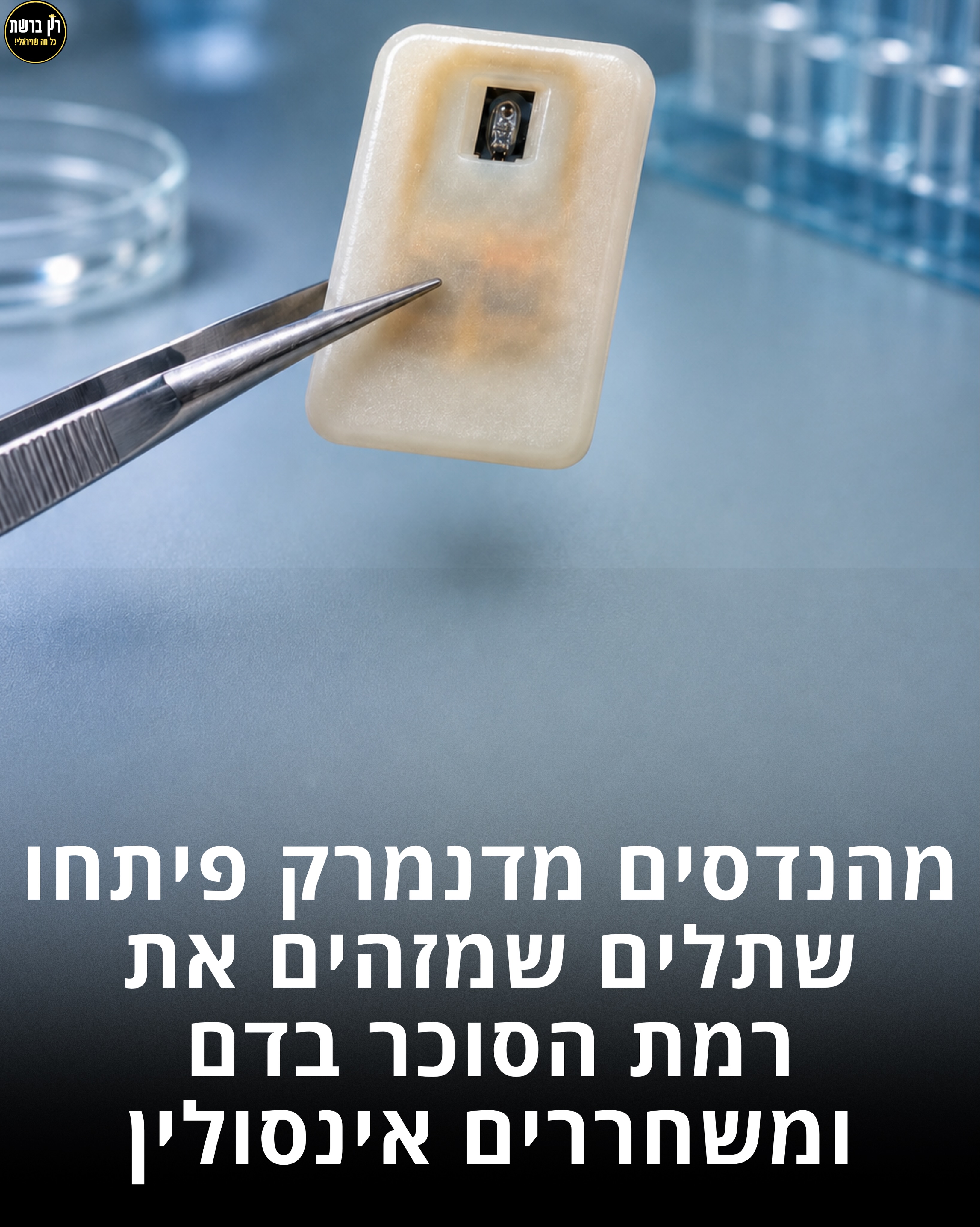
"מהנדסים מדנמרק פיתחו שתלים רפואיים המזהים את רמות הסוכר בדם ומשחררים אינסולין."
מסקנת הבדיקה:
מחקרים פרה-קליניים שונים בוחנים פיתוח של מערכות חכמות לשחרור אינסולין כתגובה לרמות סוכר, אך שתלים אוטונומיים לחלוטין טרם הושלמו או אושרו לשימוש קליני שגרתי. לכן, הצגת הטכנולוגיה כפיתוח רפואי זמין ומסחרי מהווה הפרזה ניכרת ביחס לשלב המחקר הנוכחי.
chevron_right ודאות הפסיקה: בינונית
מידת הביטחון של המערכת בפסיקה — לא אחוז הנכונות של הטענה. ביטחון נמוך פירושו שהראיות מעטות או סותרות.
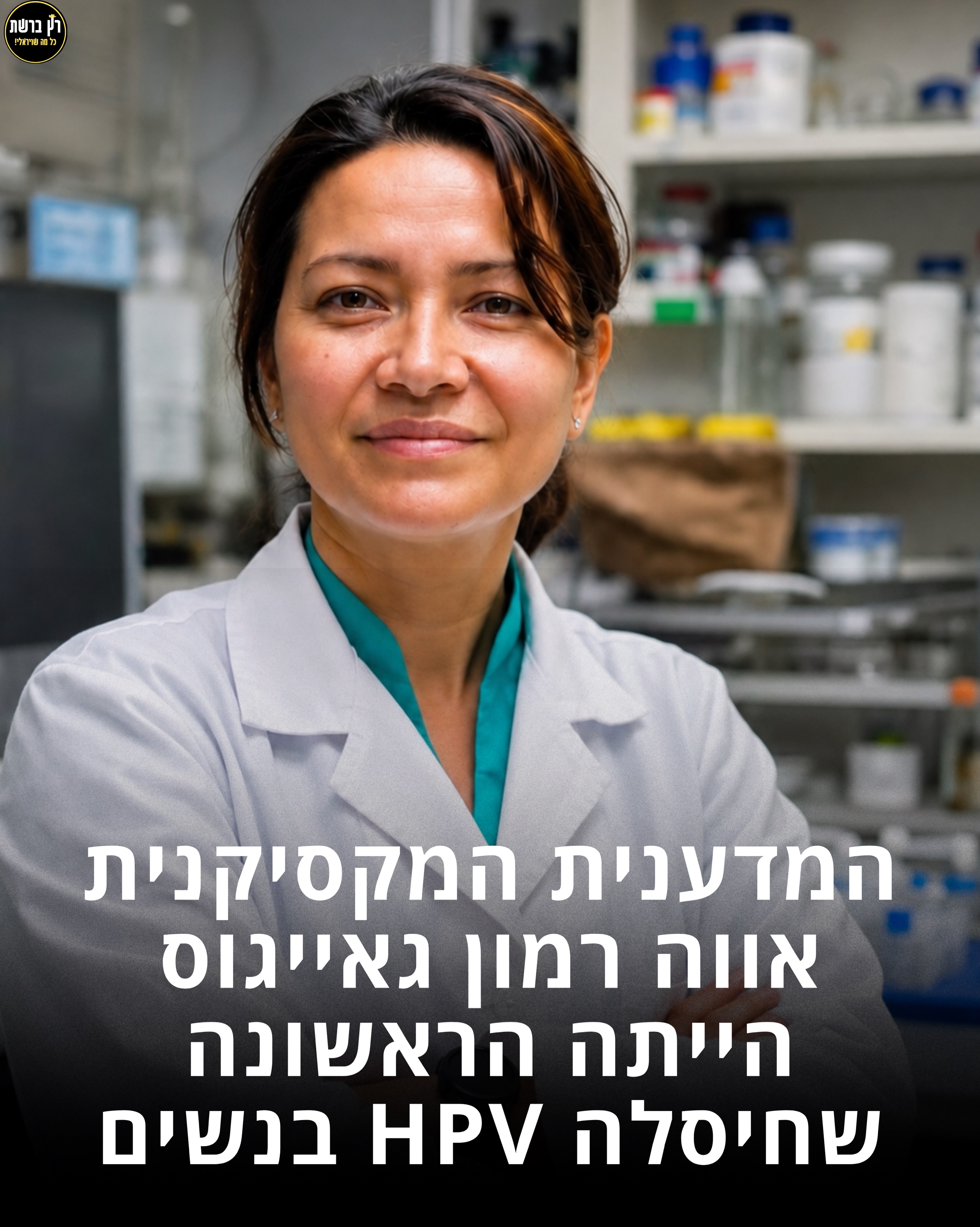
"המדענית המקסיקנית אווה רמון גאיגוס הצליחה למגר את נגיף ה-HPV אצל נשים."
מסקנת הבדיקה:
מחקרים קטנים ומצומצמים שבחנו טיפול פוטודינמי הראו אחוזי פינוי גבוהים של נגיף ה-HPV, אך מדובר במחקרים ראשוניים בהיקף מצומצם. ארגונים מקצועיים ואיגודים בינלאומיים כדוגמת ה-IPVS קובעים כי טיפול זה עדיין נחשב מחקרי ואין כיום טיפול מאושר או מוכח הממגר את נגיף ה-HPV באופן גורף.
chevron_right ודאות הפסיקה: גבוהה
מידת הביטחון של המערכת בפסיקה — לא אחוז הנכונות של הטענה. ביטחון נמוך פירושו שהראיות מעטות או סותרות.
chevron_right מקורות מדעיים: (4)
-
link
Did a Mexican Researcher Develop a Potential Treatment for HPV?
Claim reviewed: Did a Mexican researcher eliminate HPV in hundreds of women using photodynamic therapy?. Rated 'True' by Snopes.…
בדיקת עובדות: Snopes — True
-
link
Elimination of Human Papillomavirus and Cervical Pathological Microbiota with Photodynamic Therapy in Women from Mexico City with Cervical Intraepithelial Neoplasia I.
Cervical carcinoma (CC) is the second cause of cancer death in Mexican women. It starts with premalignant lesions known as Intraepithelial Cervical Neoplasia (CIN) that can develop due to infection by Human Papillomavirus (HPV) and other microorganisms. Current CIN therapy involves invasive methods that affect cervix integrity and fertility; we propose the use of photodynamic therapy (PDT) as a strategy with few side effects. In this work, the effectiveness of PDT for CIN I, HPV and pathogenic vaginal microbiota elimination in 29 women of Mexico City with CIN I, CIN I + HPV and HPV diagnosis was determined. After 6 months of PDT application, HPV infection was eliminated in 100% of the patients (P < 0.01), CIN I + HPV in 64.3% (P < 0.01) and CIN I in 57.2% (P > 0.05). PDT also eliminated pathogenic microorganisms: Chlamydia trachomatis in 81% of the women (P < 0.001) and Candida albicans in 80% (P < 0.05), without affecting normal microbiota since Lactobacillus iners was eliminated only in 5.8% of patients and the opportunistic Gardnerella vaginalis in 20%. These results show that PDT was highly effective in eradicating HPV and pathogenic microorganisms, suggesting that PDT is a promising therapy for cervical infections.…
PubMed · PMID: 36773299
-
link
Effectiveness of Photodynamic Therapy in Elimination of HPV-16 and HPV-18 Associated with CIN I in Mexican Women.
This study aimed to determine the effectiveness of photodynamic therapy (PDT), using δ-aminolevulinic acid (5-ALA), in the elimination of premalignant cervical lesions in Mexican patients with human papillomavirus (HPV) infection and/or cervical intraepithelial neoplasia (CIN). Thirty women diagnosed with CIN I and/or positive for HPV participated in the study. Topical 6% 5-ALA in gel form was applied to the uterine cervix; after 4 h, the lesion area was irradiated with a light dose of 200 J cm-2 at 635 nm. This procedure was performed three times at 48-h intervals. Clinical follow-up was performed at 3, 6, and 12 months after the initial PDT administration, by colposcopy, cervical cytology, histopathological analysis, polymerase chain reaction, and hybrid capture. Of HPV-infected patients without evidence of CIN I, 80% cleared the infection, while HPV associated with CIN I was eliminated in 83% of patients (P < 0.05). At 12 months, CIN I had regressed in 57% of patients, although this response was not statistically significant. PDT using 6% 5-ALA is concluded to be effective in eliminating HPV infection associated or not with CIN I.…
PubMed · PMID: 28380684
-
link
International Papillomavirus Society statement on reputed treatments for human papillomavirus infection and human papillomavirus-related diseases: evidence, risks, and standards for clinical evaluation.
Human papillomavirus is the most common sexually transmitted infection and the necessary cause of cervical cancer, as well as a proportion of other anogenital and oropharyngeal cancers. Although most infections clear spontaneously, persistent oncogenic human papillomavirus infection may lead to precancer and cancer. There is therefore a need for effective and globally accessible therapies that either promote sustained clearance of human papillomavirus infection or safely treat human papillomavirus-related lesions, particularly in settings where ablative or excisional procedures are not readily available. However, no therapy has demonstrated proven and durable efficacy in eradicating human papillomavirus infection itself, although some non-ablative interventions have shown efficacy in treating specific human papillomavirus-related lesions. We conducted a narrative review of currently available and emerging interventions promoted for the treatment of human papillomavirus infection or human papillomavirus-related lesions, including approved topical agents, oral formulations, immunotherapies, therapeutic vaccines, molecular inhibitors, and widely marketed commercial products. Evidence was synthesized from clinical trials, systematic reviews, clinical guidelines, health technology assessments, and policy recommendations, and assessed using a structured evidence-evaluation framework. Some agents, including immune modulators and sinecatechins, are approved for external anogenital warts but do not reliably eliminate underlying human papillomavirus infection. Selected topical therapies, particularly 5-fluorouracil, have demonstrated efficacy in randomized trials for regression of cervical intraepithelial neoplasia in specific clinical contexts, but do not represent validated antiviral eradication therapies. Photodynamic therapy, intralesional immunotherapy, therapeutic vaccines, and molecular inhibitors remain investigational, with insufficient evidence for routine clinical use. Probiotics, nutritional supplements, vaginal gels, and other commercially promoted products also lack robust evidence. In the absence of proven therapies that eradicate human papillomavirus infection, current management relies on surveillance, evidence-based treatment of precancerous lesions, vaccination, and screening. The proposed framework may support professional societies in evaluating emerging interventions and providing clear, evidence-based guidance to health care professionals, policymakers, patients, and the public.…
PubMed · PMID: 42680631
"מדענים הצליחו להסיר את הכרומוזום האחראי לתסמונת דאון במטרה למנוע את הופעתה."
מסקנת הבדיקה:
מדענים הצליחו להסיר או להשתיק את הכרומוזום הנוסף במודלים מעבדתיים של תאים בלבד, אך אין כיום טיפול רפואי מאושר או הצלחה קלינית בהסרת הכרומוזום בבני אדם. הטענה מטעה בכך שהיא מציגה מחקר מוקדם וניסיוני כהישג מעשי מוגמר.
chevron_right ודאות הפסיקה: גבוהה
מידת הביטחון של המערכת בפסיקה — לא אחוז הנכונות של הטענה. ביטחון נמוך פירושו שהראיות מעטות או סותרות.
chevron_right מקורות מדעיים: (3)
-
link
Trisomic rescue via allele-specific multiple chromosome cleavage using CRISPR-Cas9 in trisomy 21 cells
Human trisomy 21, responsible for Down syndrome, is the most prevalent genetic cause of cognitive impairment and remains a key focus for prenatal and preimplantation diagnosis. However, research directed toward eliminating supernumerary chromosomes from trisomic cells is limited. The present study demonstrates that allele-specific multiple chromosome cleavage by clustered regularly interspaced palindromic repeats Cas9 can achieve trisomy rescue by eliminating the target chromosome from human trisomy 21 induced pluripotent stem cells and fibroblasts. Unlike previously reported allele-nonspecific strategies, we have developed a comprehensive allele-specific (AS) Cas9 target sequence extraction method that efficiently removes the target chromosome. The temporary knockdown of DNA damage response genes increases the chromosome loss rate, while chromosomal rescue reversibly restores gene signatures and ameliorates cellular phenotypes. Additionally, this strategy proves effective in differentiated, nondividing cells. We anticipate that an AS approach will lay the groundwork for more sophisticated medical interventions targeting trisomy 21.…
OpenAlex · PMID: 39967679
-
link
Chromosomal and cellular therapeutic approaches for Down syndrome: A research update.
In individuals with Down syndrome (DS), an additional HSA21 chromosome copy leads to the overexpression of a myriad of HSA21 genes, disrupting the transcription of the entire genome. This dysregulation in transcription and post-transcriptional modifications contributes to abnormal phenotypes across nearly all tissues and organs in DS individuals. The array of severe clinical symptoms associated with trisomy 21 poses a considerable challenge in the quest for a cure for DS. Fortunately, a wealth of research suggests that chromosome therapy, hinging on cutting-edge genome editing technologies, can potentially eliminate the extra copy of the human chromosome 21. Genome editing tools have demonstrated their efficacy in restoring trisomy to a normal diploid state in vitro DS cell models. Furthermore, we delve into the noteworthy findings in cellular therapy for DS, with recent studies showcasing the increasing feasibility of strategies involving stem cells and CAR T-cells to address corresponding clinical phenotypes.…
PubMed · PMID: 39260337
-
link
Down Syndrome Therapy: Emerging Horizons in Chromosomal Deletion and Targeted Interventions
Introduction: Down Syndrome (DS), or Trisomy 21, is the most common chromosomal disorder, characterized by an extra copy of chromosome 21. It leads to intellectual disability, developmental delays, and multiple health complications. Current management strategies improve quality of life but do not address the underlying genetic abnormality. Recent advances in chromosomal therapy, particularly gene silencing and deletion techniques, have sparked interest in potentially modifying or correcting the root genetic cause of DS. Methods: A narrative review was conducted to evaluate scientific developments in chromosomal silencing and removal. Literature was sourced from PubMed, ScienceDirect, and Google Scholar, focusing on gene-editing technologies, induced pluripotent stem cells (iPSCs), XIST gene activation, and potential therapeutic strategies. The ethical, technical, and clinical feasibility of these approaches was also examined. Results: Studies demonstrate partial success in silencing chromosome 21 through XIST gene insertion and iPSC reprogramming. Preclinical evidence suggests that chromosomal deletion may be achievable in vitro, but challenges persist regarding genomic stability, long-term effects, and ethical concerns. Alternative therapeutic options, including stem cell therapy, pharmacological agents, and epigenetic modulation, have shown promise in improving cognitive and physiological outcomes in DS models. Discussion: While chromosomal deletion and silencing represent groundbreaking scientific progress, these interventions remain experimental and are not yet clinically applicable. Ethical implications, such as germline editing and access equity, must be carefully weighed. A combination of gene therapy, neuroprotective agents, and lifestyle interventions may form a more realistic and immediate therapeutic framework. Conclusion: Chromosomal therapies for Down Syndrome are in early experimental stages but hold transformative potential. Continued research into safe and effective gene-editing strategies, alongside supportive treatments, could reshape the future of DS care. Ethical guidelines and long-term clinical studies will be critical for translating these innovations into practice.…
OpenAlex · DOI: 10.2174/012212697x402101251126105313
"איש מאיסלנד עבר את השתלת שתי הידיים והכתפיים הראשונה בעולם."
מסקנת הבדיקה:
הטענה נכונה ומדויקת לחלוטין. גבר מאיסלנד עבר בהיצלחה את השתלת שתי הזרועות והכתפיים הראשונה מסוגה בעולם בצרפת בשנת 2021.
chevron_right ודאות הפסיקה: גבוהה
מידת הביטחון של המערכת בפסיקה — לא אחוז הנכונות של הטענה. ביטחון נמוך פירושו שהראיות מעטות או סותרות.
chevron_right מקורות מדעיים: (2)
-
link
317.9: Report of a Case of Double Arm Transplantation Including Left Shoulder Reconstruction
Introduction: Although arm transplantation was proposed as a therapeutic option in arm amputees, only 14 cases were reported. Objectives: A double arm transplantation including reconstruction of the left shoulder was performed on January 13, 2021 in Lyon (France). We report the results one year after the transplantation. Materials and Methods: The recipient was a 48-years old patient with bilateral amputation at proximal arm level after electric shock in January 1998, who underwent liver transplantation in 2002. He received the grafts from a deceased 35-year old male donor. In the recipient on the right side donor humerus was fixed on the remaining 9 cm-long proximal stump, which was reinforced with the donor fibula in an intra-medullary fashion. On the left side the whole donor humerus including the humeral head was transplanted, with reconstruction of the gleno-humeral joint capsule by performing a suspension ligamentoplasty. On the right side the anastomoses were performed between donor and recipient axillary arteries and veins; on the left side the arterial anastomoses were performed between donor and recipient subclavian arteries and the venous anastomosis between donor subclavian vein and recipient jugular vein; Nervous repair was at the proximal nerve level on the right side and at level of the brachial plexus trunks on the left side. Both deltoid muscles were transplanted: on the right side it was used to assure skin vascularization; on the left side the recipient deltoid muscle was reinserted and the donor one was reported posteriorly with its innervation. Cold ischemia time was 101 minutes on the right side and 133 minutes on the left side. Continuous hemodialysis was performed during the surgical procedure to reduce reperfusion-induced ischemic disorders after revascularization. The immunosuppressive protocol included antithymocyte globulins and tacrolimus, steroids and mycophenolate mofetil. An intensive rehabilitation program was initiated since the first post-operative day. Results: In the first post-operative period partial thrombosis of the venous bypass occurred and an anticoagulant treatment was started with consequent hematoma in the left pectoralis, which was successfully treated with percutaneous drainage.A specific antibiotic therapy was given against Propionibacterium acnes, evidenced in the biopsies performed on the recipient’s bones during the transplantation. Twenty days after transplantation the patient developed a Banff grade 2 acute rejection episode on both arms, which disappeared after IV steroids and clobetasol and tacrolimus creams. The patient suffered neuropathic pain at level of the grafted upper extremities.Twelve months after the procedure, the patient is well and very satisfied. His ability in daily life activities is already equivalent to that with the prostheses. Conclusions: This case seems to confirm that bilateral arm transplantation represents a treatment option in bilateral amputees.…
OpenAlex · DOI: 10.1097/01.tp.0000886740.73052.b3
-
link
Proximal Bilateral Arm Transplantation with Left Shoulder Reconstruction: Outcomes at 24 Months
Background: Arm transplantation has been proposed as a valid therapeutic option for arm amputees. A bilateral arm transplantation including reconstruction of the left shoulder was performed on January 13, 2021 in Lyon (France). Methods: The recipient was a 48-year-old man with bilateral amputation at proximal arm level on both sides following an electric shock in 1998. He had received a liver transplant in 2002. The donor was a 35-year-old man. On the right side, the donor humerus was fixed on the remaining 9-cm-long proximal stump, and was reinforced with the donor fibula in an intramedullary fashion. On the left side, the whole donor humerus (including the humeral head) was transplanted with reconstruction of the gleno-humeral joint, including a suspension ligamentoplasty. The immunosuppressive protocol was based on antithymocyte globulins as induction therapy, and tacrolimus, steroids and mycophenolate mofetil as maintenance therapy. Results: Good bone healing and a well-positioned ligamentoplasty on the left side were achieved. At 2 years, the recipient was able to flex both elbows, and wrist extension, finger flexion, and extension were appreciated on both sides. Intrinsic muscle activity was detectable by electromyography during the eighth posttransplant month, and sensitivity was recovered. The patient is satisfied with his autonomy in some daily activities, but his greatest satisfaction is the recovery of his body image. Conclusions: These results confirm that it is possible to propose this transplantation to proximal-level arm amputees. The patients' information about risks and limits as well as their compliance and determination remain important prerequisites.…
OpenAlex · PMID: 38859807
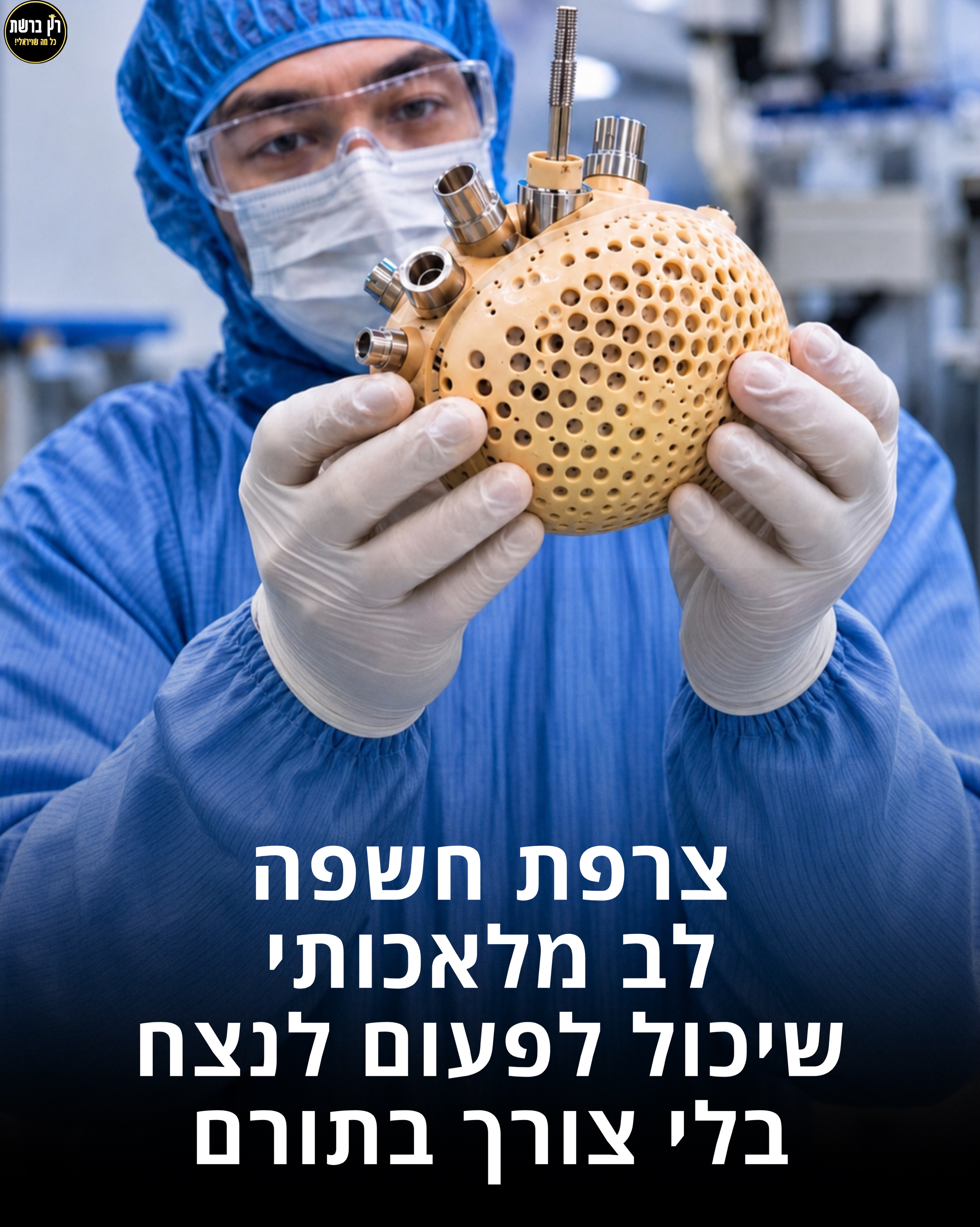
"בצרפת פותח לב מלאכותי המסוגל לפעום ללא צורך בתורם אנושי."
מסקנת הבדיקה:
הלב המלאכותי של חברת CARMAT פותח בצרפת ומהווה התקן מושתל המדמה את פעולת הלב ומספק זרימת דם ללא צורך בתרומת איבר אנושי. העדויות המדעיות והתיעוד ההיסטורי מאשרים את פיתוחו והצלחתו הקלינית הראשונית במדינה.
chevron_right ודאות הפסיקה: גבוהה
מידת הביטחון של המערכת בפסיקה — לא אחוז הנכונות של הטענה. ביטחון נמוך פירושו שהראיות מעטות או סותרות.
chevron_right מקורות מדעיים: (3)
-
link
The CARMAT total artificial heart
Research into the subject of total artificial heart (TAH) began in the USA in 1963 under the impetus of the American Congress; however, it soon hit the snags of haemocompatibility, autoadjustment of operation to the patient's physiological needs, miniaturization, portable energy and reliability in the long run. Michael DeBakey was the first to use an external heart pump successfully in a patient as a left ventricular bypass pump in 1966. The first TAH, called Liotta-Heart, was implanted by Denton Cooley in 1969 in Houston, TX, USA. The 47-year old male recipient was bridged for 65 h until heart transplantation was possible. This first TAH was developed by the Argentinian surgeon Domingo Liotta who was hired at Baylor College of Medicine in Houston, Texas as Director of the Artificial Heart Program by Michael DeBakey in 1961 and returned to his homeland later. Finally it remained unclear how many Liotta-TAHs were implanted. The next TAH, called Jarvik-7, was implanted in 1982 to a retired dentist. The patient survived 112 days. The Jarvik-7 heart led to a remarkable reaction in the media. Meanwhile the original Jarvik-7 heart was further developed, named CardioWest and finally placed on the market under the name Syncardia TAH. The Syncardia TAH has two pneumatically driven ventricles, separated from each other and with two mechanical valves each. It was originally implanted mainly in Europe (France and then Germany). In 2004, the device was approved by the FDA as a bridge to transplant, allowing several US centres to implant the device. Owing to the introduction of portable drivers in 2010, patients could now be discharged home and the utilization of the Syncardia TAH increased. Over 30 years, more than 1300 were implanted. The company received a humanitarian device exemption to test its TAH for destination therapy in 2012, but has not yet begun clinical trials for this indication. The patient who lived the longest time on the Syncardia TAH was successfully bridged to heart transplantation after 4 years of support. The Syncardia TAH has ventricles of 70 ml, which does not fit in smaller women and adolescent patients. Meanwhile, Syncardia started to develop a smaller version with 50 ml ventricles. The AbioCor® TAH was developed by the company AbioMed. It was the world's first fully implantable and completely self-contained artificial heart. The internal battery is charged by a transcutaneous energy transfer (TET) system. A 71-year old man survived for 17 months with the AbioCor TAH. A feasibility study in fourteen patients and the end-point of 60-day survival led to an initial rejection by the FDA circulatory system devices advisory panel. In 2006, the FDA approved the AbioCor TAH as a humanitarian use device because of its limited market for patients ineligible for transplantation. The device has since been implanted according to our knowledge in one case (2009). Development of the CARMAT TAH began in 1993 in Paris by a medical team led by Alain Carpentier in collaboration with an engineering team from Matra Defense, a subsidiary of Airbus Group (then EADS). In 2008, a company (CARMAT SAS) was founded to accelerate development and manufacturing of the prosthesis, with funding from venture capital, the French Innovation Agency and from an Initial Public Offering in 2010 (CARMAT SA). CARMAT TAH. (A) Compliance bag surrounding the prosthesis; atrial suture flanges and ejection conduits. (B) Partially open view of embedded electronics and motor-pump units. The blood-contacting surface of the membrane is bioprosthetic material—processed bovine pericardial tissue—similar to the biological valves developed by Carpentier in the early 1980s [1, 2]. The intended benefit of these bioprosthetic materials is improved haemocompatibility, potentially reducing the risk of bleeding/thrombosis and the need for prolonged anticoagulation [3]. The challenge is the long-term durability of the membranes and valves in this application. The internal electro-hydraulic actuation of the membranes eliminates the need for an external actuator (such as Syncardia's pneumatic drivers) and, important from a quality-of-life perspective, produces no audible noise. The device uses a control algorithm that responds to changes in preload and afterload, measured by the pressure sensors in the ventricles. The resulting blood flow ranges from 2–9 l/min, depending on the patient's needs. This is also a potential improvement in the quality of life. The sensors, electronics and microprocessor that regulate the system are embedded inside the prosthesis. While this might reduce the risk of user-interface errors, failing components cannot be replaced without explanting the device. The prosthesis has been designed to mimic the shape of the natural heart. With the volume of the ventricles (65 ml each), the actuating liquid and the embedded components, the displacement volume is at least 750 ml. The company provides a virtual anatomical fit tool to assist in selecting patients who have enough space in the thoracic cavity. Retrospective studies of 115 thoracic CT scans from patients with cardiac pathologies demonstrated a virtual fit in 86% of male patients but only 14% of females (data presented at the Annual Conference of the French Society of Cardiovascular and Thoracic Surgery, Lyon, 2011). For a wider use of this TAH, a miniaturized version would be needed [4]. Based on preclinical verification and validation studies, the French National Agency for Medicines and Health Products Safety (ANSM) authorized a feasibility study on 4 patients in 2013. The first implantation took place in December 2013, in a 76-year old man ineligible for heart transplant. The first experience in man with this bioprosthetic TAH will be communicated after completion of the clinical trial. Conflict of interest: Paul Mohacsi is a member of the scientific advisory board of CARMAT SA. He does not receive a salary or any financial support. Pascal Leprince is a member of the adverse event committee of CARMAT's feasibility study.…
OpenAlex · PMID: 25228743
-
link
Total artificial heart as a bridge to transplantation.
Since the first implantation of a total artificial heart (TAH) 50 years ago the devices and technique have evolved to provide reliable support for patients with biventricular failure as a bridge to heart transplant. The purpose of this review is to discuss the history and evolution of devices, current devices, critical aspects of patient selection, tips and pitfalls of implantation, and future directions. The most studied device on the market is the SynCardia TAH, which has been implanted in over 2000 patients worldwide and is the only device that is currently Food and Drug Administration approved as a bridge to transplant. The overall survival in patients supported by the device at 1 year is 42% while those that make it to transplant have a 1 year post transplant survival of 83%. A newer device the Aeson TAH (Carmat, Velizy-Villacoublay, France) was first implanted in France in 2013 and is currently under clinical trial in the United States. Significant progress has been made in both the technology and technique of TAH implantation and these devices remain both a reliable and sometimes only option for patients with severe biventricular heart failure.…
PubMed · PMID: 35649113
-
link
Hemocompatibility and safety of the Carmat Total Artifical Heart hybrid membrane
The Carmat bioprosthetic total artificial heart (C-TAH) is a biventricular pump developed to minimize drawbacks of current mechanical assist devices and improve quality of life during support. This study aims to evaluate the safety of the hybrid membrane, which plays a pivotal role in this artificial heart. We investigated in particular its blood-contacting surface layer of bovine pericardial tissue, in terms of mechanical aging, risks of calcification, and impact of the hemodynamics shear stress inside the ventricles on blood components. Hybrid membranes were aged in a custom-designed endurance bench. Mechanical, physical and chemical properties were not significantly modified from 9 months up to 4 years of aging using a simulating process. Exploration of erosion areas did not show no risk of oil diffusion through the membrane. Blood contacting materials in the ventricular cavities were subcutaneously implanted in Wistar rats for 30 days as a model for calcification and demonstrated that the in-house anti-calcification pretreatment with Formaldehyde-Ethanol-Tween 80 was able to significantly reduce the calcium concentration from 132 μg/mg to 4.42 μg/mg (p < 0.001). Hemodynamic simulations with a computational model were used to reproduce shear stress in left and right ventricles and no significant stress was able to trigger hemolysis, platelet activation nor degradation of the von Willebrand factor multimers. Moreover, explanted hybrid membranes from patients included in the feasibility clinical study were analyzed confirming preclinical results with the absence of significant membrane calcification. At last, blood plasma bank analysis from the four patients implanted with C-TAH during the feasibility study showed no residual glutaraldehyde increase in plasma and confirmed hemodynamic simulation-based results with the absence of hemolysis and platelet activation associated with normal levels of plasma free hemoglobin and platelet microparticles after C-TAH implantation. These results on mechanical aging, calcification model and hemodynamic simulations predicted the safety of the hybrid membrane used in the C-TAH, and were confirmed in the feasibility study.…
OpenAlex · PMID: 31867454
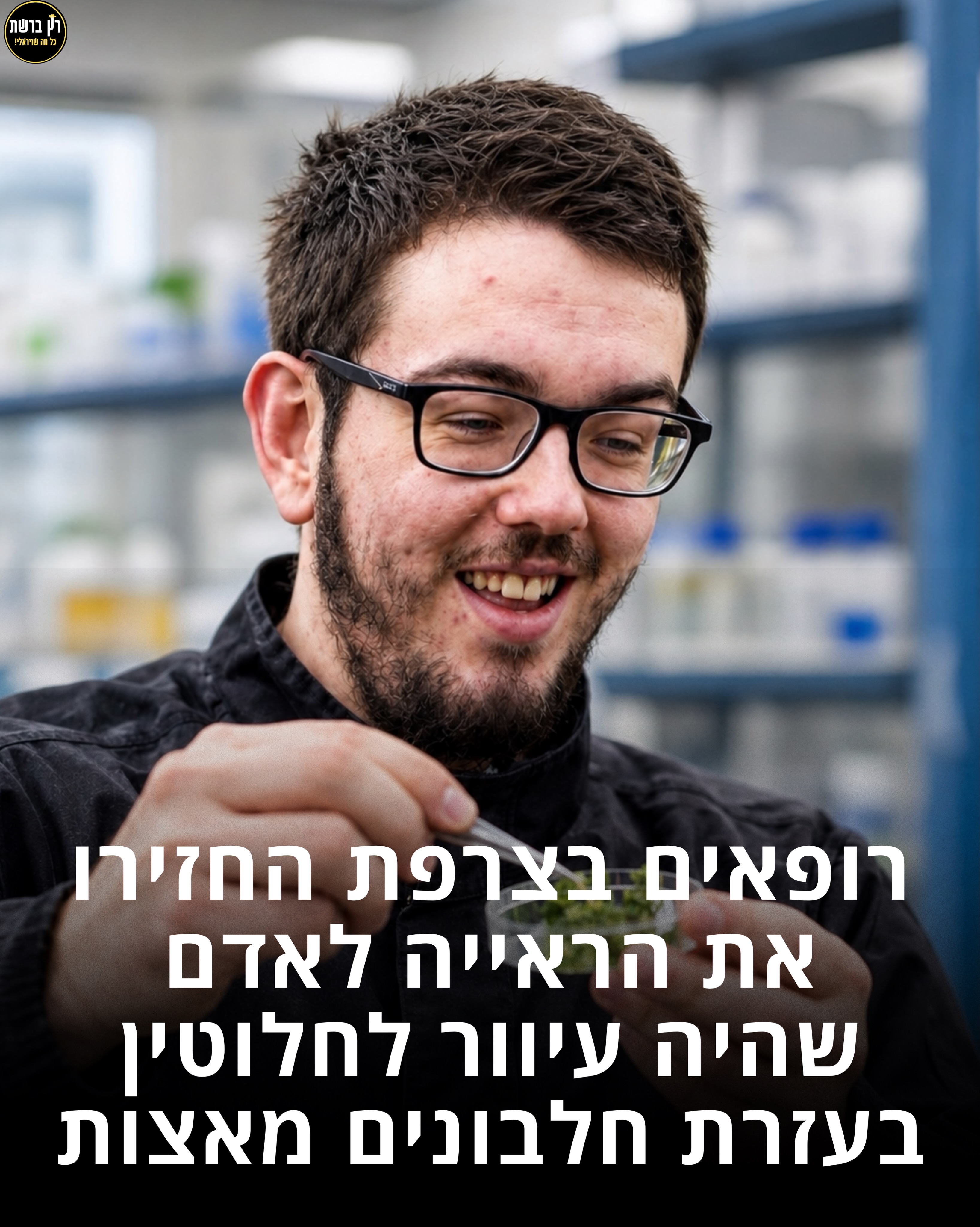
"רופאים בצרפת החזירו את הראייה לאדם שהיה עיוור לחלוטין באמצעות שימוש בחלבונים מאצות."
מסקנת הבדיקה:
מחקרים קליניים שנערכו בצרפת הדגימו כי שימוש בחלבונים רגישים לאור שמקורם באצות במסגרת טיפול אופטוגנטי אפשר החזרת תפקוד חלקי ויכולת זיהוי עצמים אצל חולה עיוור. למרות שמדובר בשיקום ראייה חלקי וניסיוני ולא בהחזרת ראייה מלאה, עצם קיומו של הניסוי וההצלחה החלקית מתועדים היטב בספרות המדעית.
chevron_right ודאות הפסיקה: גבוהה
מידת הביטחון של המערכת בפסיקה — לא אחוז הנכונות של הטענה. ביטחון נמוך פירושו שהראיות מעטות או סותרות.
chevron_right מקורות מדעיים: (2)
-
link
Partial recovery of visual function in a blind patient after optogenetic therapy.
Optogenetics may enable mutation-independent, circuit-specific restoration of neuronal function in neurological diseases. Retinitis pigmentosa is a neurodegenerative eye disease where loss of photoreceptors can lead to complete blindness. In a blind patient, we combined intraocular injection of an adeno-associated viral vector encoding ChrimsonR with light stimulation via engineered goggles. The goggles detect local changes in light intensity and project corresponding light pulses onto the retina in real time to activate optogenetically transduced retinal ganglion cells. The patient perceived, located, counted and touched different objects using the vector-treated eye alone while wearing the goggles. During visual perception, multichannel electroencephalographic recordings revealed object-related activity above the visual cortex. The patient could not visually detect any objects before injection with or without the goggles or after injection without the goggles. This is the first reported case of partial functional recovery in a neurodegenerative disease after optogenetic therapy.…
PubMed · PMID: 34031601
-
link
Advantages of human opsins in optogenetic visual restoration.
Optogenetic vision restoration has progressed from proof-of-concept to early clinical testing, yet most programmes rely on microbial channels that demand high irradiance and offer limited adaptation. This review synthesizes preclinical and clinical evidence comparing microbial actuators with human opsins (rhodopsin, cone opsins, melanopsin) and outlines vector and safety considerations for translation. Human opsins activate G-protein-coupled cascades, providing intrinsic signal amplification and operation at room-light levels (∼10<sup>11</sup>-10<sup>12</sup> photons⋅cm<sup>-2</sup>⋅s<sup>-1</sup>), in contrast to the ≥1015 photons⋅cm<sup>-2</sup>⋅s<sup>-1</sup> typically needed for channelrhodopsins. Rhodopsin and MW cone opsin preserve photopic-range sensitivity (rhodopsin > cone opsin) while delivering millisecond-scale kinetics and adaptation across backgrounds, enabling patterned retinal responses without optical intensification devices; clinical validation without external intensification is pending. Such mammalian pigments also confer bleaching-based light adaptation, whereas microbial tools are photocyclic and can desensitize under steady illumination, limiting sustained contrast encoding. Bistable melanopsin enables durable irradiance coding but with slow dynamics; chimeric designs (e.g., melanopsin-mGluR6, Gloeobacter-human rhodopsin) aim to combine amplification with favorable reset properties. In contrast to human opsins, microbial channels warrant safety considerations including light-dose budgeting (particularly at short wavelengths), potential cytotoxicity from proton or calcium loads, and vector-related ocular inflammation; red-shifted actuators improve photochemical safety margins. Targeting opsins to ON bipolar (ON-BP) cells retains inner-retinal computations (center-surround, ON/OFF segregation, temporal filtering). Engineered adeno-associated virus (AAV) capsids (e.g., AAV2-7m8 intravitreally; AAV8.BP2 subretinally) paired with GRM6 or L7 promoters achieve broad ON-BP expression in rodents but a much more limited expression profile in non-human primates. First clinical studies report acceptable early ocular safety with emerging efficacy signals. We propose accelerating phase I safety human trials of human-opsin vectors with prospectively defined light-exposure budgets and low vision functional endpoints such as navigation, face and object recognition, temporal contrast sensitivity, alongside work on chromophore support, cascade integrity in late degeneration, and scalable vector-promoter solutions. Pharmacological noise suppression in degenerating retinas (e.g., gap-junction blockers or retinoic-acid pathway modulators) may further enhance signal-to-noise without altering opsin biochemistry. Together, these steps can move human-opsin optogenetics from experimental promise to clinically meaningful restoration of light sensitivity.…
Europe PMC · PMID: 41395268

רץ ברשת
דירוג זה מבוסס על 4 דוחות אימות קודמים.





האם הדוח הזה היה מועיל לך?
מה היה פחות טוב? (רשות)
תודה על הפידבק!
עירעור על דוח זה
ספקו ראיות חדשות או הצביעו על אי דיוקים
נעדכן אותך על תוצאות הבדיקה
הוסיפו קישורים למחקרים או מקורות רפואיים מוכרים
העירעור נשלח בהצלחה!
המנוע המדעי שלנו יבדוק את הראיות שהגשתם. נעדכן אתכם באימייל עם התוצאות.
ניתוח מבוסס בינה מלאכותית
דוח זה נוצר באופן אוטומטי על ידי מערכת בינה מלאכותית ועשוי להכיל שגיאות, אי-דיוקים או מידע חלקי. הניתוח אינו מהווה ייעוץ רפואי, אבחנה או המלצה לטיפול, והוא אינו תחליף לדעתו של איש מקצוע רפואי מוסמך. יש להתייעץ עם רופא או מומחה מוסמך לפני קבלת כל החלטה רפואית. המידע מוצג לצרכי מידע כללי בלבד.
מידע זה מופק על ידי בינה מלאכותית ואינו מהווה תחליף לייעוץ רפואי מקצועי.