סריקה בתהליך...
הניתוח עשוי לארוך 30–90 שניות
הידעת?
הסרטון אינו מכיל תוכן רפואי
חושבים שחלה טעות?
אם לדעתכם הסרטון אכן עוסק בטענות רפואיות או בריאותיות, הוסיפו הסבר קצר ושלחו בקשה לבדיקה מחדש.
הבקשה התקבלה! נבדוק את הסרטון ונחזור אליכם.
אירעה שגיאה בשליחת הבקשה. נסו שוב.
דו״ח מאומת
הסרטון מציג מידע מדויק ומגובה במחקרים מדעיים אמינים.
סיכום
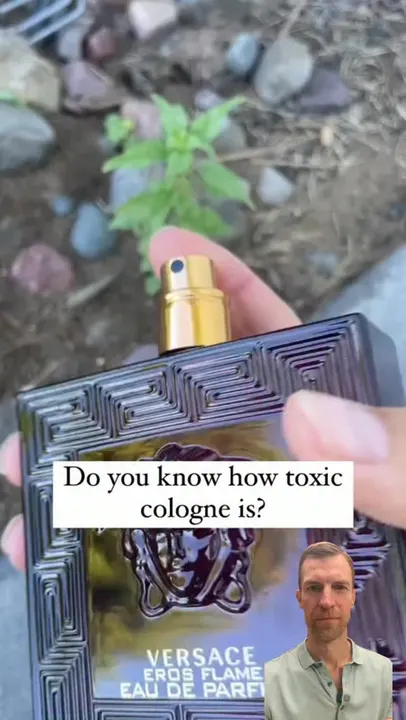
הראיות המדעיות תומכות בחלקן במסר המרכזי של הפוסט, המזהיר מפני כימיקלים נסתרים ומשבשים אנדוקריניים במוצרי בישום. הטענות לפיהן המונח בושם מסתיר כימיקלים רבים, ושפורמולות אלו כוללות פתלאטים המקושרים לפגיעה הורמונלית, נמצאו נכונות ומאומתות בספרות המקצועית. לעומת זאת, ההמלצה הגורפת לעבור לשמנים אתריים טבעיים שנויה במחלוקת, שכן חומרים טבעיים אלו עלולים להוות אלרגנים נפוצים ולגרום לגירוי עור בדיוק כמו חומרים סינתטיים. פערי הראיות העיקריים נוגעים להנחה שחלופות טבעיות בטוחה באופן אוטומטי בהשוואה למוצרים קונבנציונליים.
analytics ניתוח טענות מבוסס ראיות
"מומלץ להשתמש בבשמים המציגים שקיפות מלאה לגבי הרכיבים שלהם או לעבור לחלופות טבעיות כמו שמנים אתריים."
מסקנת הבדיקה:
הדרישה לשקיפות ברכיבי בשמים היא סבירה ומקובלת, אך ההנחה ששמנים אתריים טבעיים בטוחים יותר באופן גורף אינה מדויקת. שמנים אתריים מכילים חומרים פעילים רבים המהווים אלרגנים נפוצים ועשויים לגרום לגירוי ולדלקת עור אלרגית בדיוק כמו חומרים סינתטיים.
chevron_right ודאות הפסיקה: גבוהה
מידת הביטחון של המערכת בפסיקה — לא אחוז הנכונות של הטענה. ביטחון נמוך פירושו שהראיות מעטות או סותרות.
chevron_right מקורות מדעיים: (2)
-
link
Essential Oils as Natural Sources of Fragrance Compounds for Cosmetics and Cosmeceuticals
Fragrance is an integral part of cosmetic products and is often regarded as an overriding factor in the selection of cosmetics among consumers. Fragrances also play a considerable role in masking undesirable smells arising from fatty acids, oils and surfactants that are commonly used in cosmetic formulations. Essential oils are vital assets in the cosmetic industry, as along with imparting pleasant aromas in different products, they are able to act as preservatives and active agents and, simultaneously, offer various benefits to the skin. Moreover, the stimulating demand for natural ingredients has contributed massively to a renewed interest in cosmetic and wellness industries in plant derivatives, especially essential oils. This has led popular cosmetic companies to endorse natural fragrances and opt for minimally processed natural ingredients, given the potentially adverse health risks associated with artificial fragrance chemicals, which are major elements of cosmetics. Among the high-valued essential oils used as fragrances are citrus, lavender, eucalyptus, tea tree and other floral oils, among others, while linalool, geraniol, limonene, citronellol, and citral are much-appreciated fragrance components used in different cosmetics. Thus, this review aimed to highlight the enormous versatility of essential oils as significant sources of natural fragrances in cosmetics and cosmeceuticals. Moreover, a special focus will be laid on the different aspects related to essential oils such as their sources, market demand, chemistry, fragrance classification, aroma profile, authenticity and safety.…
OpenAlex · PMID: 33514008
-
link
Trends in regulation and industry practices in essential oils and fragrances in cosmetics
The cosmetics industry is shifting toward using essential oils (EOs) and natural fragrances in response to consumer demand for safer, more sustainable products. EOs, sourced from plants offer antimicrobial, antioxidant, and anti-inflammatory benefits, making them attractive alternatives to synthetic fragrances, which have been linked to allergic reactions and health risks. As a result, many companies are reformulating products with these natural ingredients. Regulatory frameworks, particularly in the European Union, are evolving to ensure consumer safety by mandating the labeling of fragrance allergens. Additionally, the industry is developing innovative extraction and formulation techniques to enhance the stability and efficacy of EOs while reducing environmental impact. Regulation and industry practices in cosmetics are increasingly focusing on natural, safe, and effective products, driven by consumer preferences and regulatory demands for transparency and safety. The integration of EOs is becoming key in shaping the future of cosmetics, ensuring both product efficacy and consumer protection.…
OpenAlex · DOI: 10.1201/9781003558477-9
"מאחורי המילה 'בושם' או 'חומר ריח' ברשימת הרכיבים עלולים להסתתר עשרות כימיקלים שונים."
מסקנת הבדיקה:
המונח בושם או חומר ריח המופיע על גבי תוויות מוצרי קוסמטיקה וטיפוח אכן מהווה לרוב תערובת קניינית סודית שעשויה להכיל עשרות כימיקלים שונים שאינם מפורטים במלואם ברשימת הרכיבים בשל הגנת סוד מסחרי. עובדה זו מתועדת היטב בספרות המקצועית וברגולציה העולמית, ולכן הטענה נמצאה נכונה ומאומתת.
chevron_right ודאות הפסיקה: גבוהה
מידת הביטחון של המערכת בפסיקה — לא אחוז הנכונות של הטענה. ביטחון נמוך פירושו שהראיות מעטות או סותרות.
chevron_right מקורות מדעיים: (3)
-
link
The impact of perfumes and cosmetic products on human health: a narrative review
Background: The use of perfumes and cosmetic products is widespread, serving personal hygiene, aesthetic, and olfactory functions. However, concerns have been raised regarding the potential health impacts associated with long-term exposure to various ingredients used in these products. Objectives: This narrative review aims to synthesize evidence on the health risks associated with perfumes and cosmetics, focusing on specific health concerns, including fertility, respiratory health, cancer risk, allergies, skin disorders, endocrine disruption, and neurological effects. It also discusses the presence of heavy metals in cosmetics, regulatory challenges, and the need for transparency in ingredient disclosure. Methods: A comprehensive review of the literature that was published between 2005 and 2024 was conducted, examining findings from interdisciplinary studies relevant to the health impacts of cosmetic and fragrance products. The review highlights health concerns linked to specific chemical components, including synthetic chemicals such as phthalates, parabens, and volatile organic compounds (VOCs). Results: The findings indicate that many synthetic chemicals in perfumes and cosmetics are associated with adverse health outcomes. These include allergies, respiratory issues, endocrine disruption, reproductive problems, and potentially cancer. Heavy metals in cosmetics also pose significant health risks. Despite regulatory guidelines, the cumulative and long-term effects of combined exposure to multiple cosmetic ingredients remain poorly understood and inadequately addressed. Conclusion: There is a pressing need for stricter regulatory oversight and improved transparency in ingredient disclosure to safeguard consumer health. Further research is required to clarify the long-term health risks associated with the daily use of cosmetic products and to develop safer alternatives.…
OpenAlex · PMID: 40949028
-
link
Hidden harm? Trade secret designations and transparency in consumer product labeling
This study examined ingredient disclosure and concealment patterns in cosmetic products reported under California's Safe Cosmetics Program (CSCP), with particular attention to trade secret designations and their implications for public health transparency. Drawing on a dataset from CSCP filings, descriptive analyses and logistic regressions were calculated to identify category predictors of ingredient non-disclosure, including product type, manufacturer characteristics, and chemical hazard profiles. Limitations in standard statistical models, such as rare outcomes and complete separation, required a pivot to stratified descriptive summaries and sensitivity checks. The study also documented inconsistencies in ingredient naming conventions and reporting formats that hinder public access and regulatory oversight. The results highlight the need for stronger disclosure standards, improved data coordination, and stronger labeling enforcement to enable meaningful assessment of chemical risks in personal care products. The analysis provides a framework for translating legal disclosure mandates into empirical research and policy evaluation.…
OpenAlex · PMID: 41254902
-
link
Frequency of perfume in 398 children's cosmetics
OBJECTIVE: Perfume (Parfum) or fragrance is a natural or synthetic cosmetic ingredient added to emit a pleasant aroma or to improve the odor of a cosmetic formula. It is a mixture of substances, not revealed by the manufacturer, which may contain ingredients with allergenic potential, endocrine disruptors, and other possible harmful effects on human health. This study aims to analyze children's cosmetics labels to assess the presence of Perfume. METHODS: The researchers randomly visited points of sale in Curitiba, the capital of a southern Brazilian state; in order to catalog the largest possible number of children's cosmetics items. RESULTS: 398 children's cosmetics were analyzed and found Parfum on 295 (74.1 %) of the labels, including 90.4 and 79,1 % of the shampoos and wet wipes, respectively. CONCLUSION: Exposure of children's skin to fragrances can lead to local side effects such as allergies, but also to systemic effects, and the lack of knowledge of the general population and health professionals about its possible deleterious effects emphasizes the importance of changes in the regulation of cosmetics aiming to reduce the use of this ingredient.…
OpenAlex · PMID: 38012955
"רכיבי ריח קונבנציונליים רבים מקושרים לשיבוש המערכת ההורמונלית ולהשפעות שליליות על בריאות הרבייה."
מסקנת הבדיקה:
רכיבי ריח קונבנציונליים רבים, ובמיוחד פתלאטים וחומרים נלווים המשמשים בבשמים ובמוצרי טיפוח, מוגדרים בספרות המדעית כמשבשים אנדוקריניים. מחקרים אפידמיולוגיים וטוקסיקולוגיים מקשרים חומרים אלו להפרעות בפעילות ההורמונלית ולהשפעות שליליות על בריאות הרבייה, ולכן הטענה מאומתת.
chevron_right ודאות הפסיקה: גבוהה
מידת הביטחון של המערכת בפסיקה — לא אחוז הנכונות של הטענה. ביטחון נמוך פירושו שהראיות מעטות או סותרות.
chevron_right מקורות מדעיים: (4)
-
link
Consumer products, endocrine disruption, and breast cancer risk: Insights from systematic reviews
The most common malignancy among women globally is breast cancer. The burden of breast cancer is increasing in Nigeria and other low- and middle-income countries. Survival has improved by advances in early detection and treatment; however, the most sustainable long-term strategy remains primary prevention through the identification and control of modifiable risk factors. These two-part systematic review series published in this issue “Breast Cancer Risks in Consumer Products: A Systematic Review (Part 1)” and “Breast Cancer Risks in Consumer Products: A Systematic Review (Part 2)” provide a detailed and timely contribution to the discourse on environmental determinants of breast cancer. These two reviews critically interrogate the role of endocrine-disrupting compounds (EDCs), particularly bisphenol A (BPA) and phthalates, which are widely present in plastics, food packaging, cosmetics, and fragranced products. It is an established finding in animal studies that critical stages of fetal development, puberty, pregnancy, or menopause are affected if there is early exposure to these substances. There is interruption of the growth of mammary gland and increased risk of cancer.[1-3] Human data remain uncategorical, but the emerging epidemiological findings support biologically plausible associations between EDC exposure and breast cancer risk.[4,5] Part 1 focuses primarily on BPA and phthalates, highlighting their mechanistic effects and potential contributions to carcinogenesis. Part 2 extends the analysis to a broader spectrum of consumer product-related chemicals, including parabens, polycyclic aromatic hydrocarbons, and certain metals, thereby providing a holistic synthesis of the environmental factors implicated in breast carcinogenesis.[6] Together, the two reviews underscore the cumulative and multifactorial nature of risk, reflecting the complexity of real-world exposures rather than isolated chemical effects. When juxtaposed with the Nigerian and broader Sub-Saharan African context—where consumer habits and food storage practices such as wrapping hot foods in plastic films, reheating in disposable containers, and reusing cans for steaming may heighten exposure—the significance of these findings becomes particularly evident. Similarly, growing use of cosmetics and fragrant household products is an overlooked but changeable risk, making it a practical focus for public health action. This study highlights the urgent need for locally relevant epidemiological research to better quantify exposures and clarify causal links in African populations. It also underscores the importance of public education campaigns that empower communities to make safer consumer choices. It also calls for stronger regulatory oversight of chemicals in consumer products, harmonizing national policies with international safety standards.[1,2,4] By synthesizing experimental, epidemiological, and contextual evidence, this two-part systematic review provides an indispensable foundation for research, policy, and advocacy. It represents precisely the kind of scholarship that bridges basic science, public health, and clinical oncology and is therefore highly relevant for clinicians, researchers, and policymakers alike. The Journal of Clinical Sciences is proud to present these companion articles, which not only enrich scientific understanding but also provide a roadmap for preventive strategies. As we confront the rising incidence of breast cancer, such integrative analyses remind us that while genetic predispositions are immutable, environmental exposures are amenable to intervention. Prioritizing the regulation and reduction of harmful exposures must, therefore, be central to cancer prevention strategies in Nigeria and beyond.…
OpenAlex · DOI: 10.4103/jcls.jcls_126_25
-
link
Contribution of Consumer Products to Emerging Chemical Exposures in a Preconception Cohort Study.
In the United States (U.S.), 15% of couples attempting pregnancy experience infertility, and 20% of pregnancies end in miscarriage. Environmental chemical exposures, particularly endocrine-disrupting chemicals (EDCs) from consumer products, may contribute to reproductive health challenges. We mailed wearable passive samplers (Fresh Air wristbands) to 132 female participants across 39 U.S. states and 24 of their male partners in the Pregnancy Study Online (PRESTO) to characterize exposure among couples trying to conceive between January and October 2021. Wristbands were analyzed using thermal desorption gas chromatography-high-resolution mass spectrometry with targeted and nontargeted approaches. Nontargeted analysis revealed exposure to 491 chemicals, predominantly benzenoids (36.9%) and organoheterocyclic compounds (18.3%). Health hazard assessment identified 107 high-risk EDCs and 47 compounds predicted to have medium-to-high impacts on reproductive outcomes, including galaxolide, salicylates, and phthalates. Targeted analysis quantified 43 chemicals, revealing universal exposure to polycyclic aromatic hydrocarbons and phthalates. Lifestyle factors influenced exposures: frequent sunscreen users had up to 3.1 times higher ultraviolet filter exposures, while dog owners had 1.2-2.6 times higher exposure to fragrance compounds. Among cohabitating couples, few similarities were observed, despite shared environments. The findings demonstrate that consumer products contribute to complex exposure mixtures with reproductive health implications during preconception.…
Europe PMC · PMID: 42457234
-
link
Fragrances as Environmental and Human Endocrine Disruptors
Fragrances are mostly used in personal care products, household cleaners, cosmetics, industrial formulations and many other consumer goods.Global demand for fragrance containing products has increased markedly over past decade, rising concerns about their potential endocrine disrupting properties and associated risks to human and environmental health.Endocrine disruptors are exogenous substances that interfere with hormone biosynthesis, transport, binding, metabolism, or excretion, thereby disrupting normal hormonal regulation essential for homeostasis, development, and reproduction.Fragrance ingredients such as synthetic musks, phthalates, fixatives, and terpenebased aroma compounds are detected in biological matrices, indoor environments, sewage systems, aquatic ecosystems, and wildlife.Evidence suggests that several of these compounds may mimic or inhibit hormonal activity, induce oxidative stress, impair steroid hormone synthesis, adversely affect reproductive development.Despite increasing public awareness of these risks, fragrance safety regulations vary considerably among countries and ingredient disclosure is often limited due to trade secret protections.This chapter provides an overview of major fragrance classes, their exposure routes, mechanisms of endocrine disruption, documented effects on humans and wildlife.It also discusses environmental behavior, analytical challenges in detecting fragrance constitutes, regulatory limitations and highlights critical knowledge gaps requiring further research.…
OpenAlex · DOI: 10.47278/book.tl/2026.102
-
link
Rethinking Beauty: The Reproductive Risks of Cosmetic Chemicals and a Call for Innovation
Dear Editor, The intersection between beauty practices and reproductive health deserves renewed attention in public health discourse. While cosmetics are widely perceived as benign or solely esthetic, growing evidence implicates certain ingredients in adverse reproductive outcomes, including spontaneous abortion, hormonal disruption, and fertility challenges. With millions of women worldwide using cosmetics daily, the implications are profound and urgent. Emerging research links common cosmetic ingredients – such as phthalates, parabens, and triclosan – with endocrine-disrupting activities that interfere with hormone regulation critical for reproductive health. Phthalates, often used to enhance fragrance durability, have been shown to reduce serum estradiol levels and impair ovarian function in animal studies and human epidemiology alike.[1] Parabens, widely used as preservatives in lotions and creams, possess weak estrogenic effects that can disrupt menstrual regularity and embryo implantation.[2] Furthermore, triclosan, a prevalent antibacterial agent in personal care items, has been associated with altered thyroid hormone levels, impacting fetal neurodevelopment and pregnancy maintenance.[3] The concern intensifies during pregnancy. A longitudinal study of pregnant women found that higher urinary concentrations of certain phthalates were associated with increased odds of miscarriage, particularly in the first trimester.[4] Another study noted that prenatal exposure to parabens correlated with adverse birth outcomes such as preterm delivery and low birth weight.[5] Yet, despite such findings, regulatory oversight of cosmetics remains limited compared to food or pharmaceuticals, and public awareness is minimal. To mitigate these risks and empower consumers, I propose a multifaceted strategy rooted in innovation and policy reform. First, governments and industry leaders should collaborate to develop a universal Bio-Certified Cosmetics Initiative – a certification standard for products free of known endocrine-disrupting chemicals. A recognizable “bio-safe” label would allow consumers, especially women of reproductive age, to make informed decisions with confidence. In parallel, a digital mobile application could revolutionize consumer awareness by enabling individuals to scan cosmetic barcodes and receive real-time risk assessments based on ingredient safety. By incorporating health profiles such as pregnancy or fertility treatment status, the app would personalize alerts and suggest safer alternatives tailored to each user. Reproductive health clinics must also play a proactive role. Integrating cosmetic-use screening into patient intake forms – especially during preconception and prenatal care – would facilitate personalized counseling on potential product risks. This small change could have a significant impact, particularly among populations unaware of these associations. Furthermore, increased investment in green chemistry is vital. Research programs should prioritize the development of safe, plant-based preservatives and fragrance alternatives, which are not only effective but proven safe for long-term reproductive health. These innovations must undergo rigorous safety testing and be made accessible to manufacturers globally to encourage widespread adoption. Finally, legislative reform is essential. In countries like the United States, cosmetic safety laws are alarmingly outdated. The FDA must update its regulatory framework to mandate full ingredient disclosure, implement postmarket surveillance mechanisms, and enforce bans on ingredients with scientifically confirmed reproductive risks. Without strong legal scaffolding, the burden of safety remains unfairly on the consumer. The link between cosmetics and reproductive health is a silent public health issue – subtle in exposure but far-reaching in impact. By equipping consumers with knowledge, tools, and safer choices, we can reconcile beauty with biology. Let us rethink the cost of beauty not just in currency, but in fertility, motherhood, and future generations. Financial support and sponsorship None. Conflicts of interest There are no conflicts of interest.…
OpenAlex · DOI: 10.4103/injms.injms_320_25
"פורמולות בישום רבות מכילות פתלאטים – קבוצת כימיקלים הקשורה לשיבוש אנדוקריני ולפגיעה בבריאות הרבייה."
מסקנת הבדיקה:
סקירות שיטתיות רבות מאשרות כי פורמולות בישום ומוצרי טיפוח מכילים לעיתים קרובות פתלאטים, המשמשים בין היתר כמקבעי ריח. חומרים אלו מוכרים במחקרים מדעיים כמשבשים אנדוקריניים המקושרים לפגיעה במערכת הרבייה ובהתפתחות.
chevron_right ודאות הפסיקה: גבוהה
מידת הביטחון של המערכת בפסיקה — לא אחוז הנכונות של הטענה. ביטחון נמוך פירושו שהראיות מעטות או סותרות.
chevron_right מקורות מדעיים: (4)
-
link
Evaluation of pollutants in perfumes, colognes and health effects on the consumer: a systematic review.
Cosmetic products, especially perfumes and colognes, are widely used in various communities. However, the use of these products can have side effects on consumers. This article aims to review the relevant literature published up to August 2020 to determine whether perfumes and colognes can affect people's health. Relevant articles were identified through electronic search. A total of 562 articles were selected and finally 37 related articles were included in the study after the screening process. The results of this systematic study showed that phthalates, aldehydes, parabens and aluminum-based salts are the most important contaminants in aromatic products that cause side effects such as allergies, breast cancer, reproductive disorders, especially in males, skin allergies, nervous system damage and migraine headaches for consumers. The incidence of complications in people using these products depends on parameters such as age, gender, race, amount of substance consumed, duration of use and economic status, and regarding the relationship between diseases such as cancer, respiratory disorders and endocrine with common contaminants in aromatic products, incidence of these diseases is probable in consumers which require further research to prove.…
PubMed · PMID: 35669814
-
link
Effect of prenatal phthalate exposure on fetal development and maternal/neonatal health consequences: A systematic review.
The ubiquitous presence of phthalate compounds in cosmetics, personal care products and plastics commonly used in toys, food packaging or household products, results in human exposure with adverse effects on reproductive health and fetal development. Following the PRISMA methodology, this systematic review analyzes the effect of prenatal phthalate exposure on major pregnancy complications, such as gestational diabetes, pregnancy-induced hypertension, fetal growth restriction and preterm birth, and its role in fetal neurodevelopment. This review includes >100 articles published in the last 10 years, showing an association between maternal exposure to phthalates and the risk of developing pregnancy complications. Phthalates are negatively associated with motor skills and memory, and also increase the risk of delayed language acquisition, autism spectrum disorder traits, and behavioral deficits, such as attention deficit hyperactivity disorder in children prenatally exposed to phthalates. Di (2-ethylhexyl) phthalate and its metabolites (mono(2-ethylhexyl) phthalate, mono(3-carboxypropyl) phthalate, mono(2-ethyl-5-hydroxyhexyl) phthalate, mono(2-ethyl-5-oxohexyl) phthalate) are the main compounds associated with the above-mentioned pregnancy complications and fetal neurodevelopmental disorders. In addition, this review discusses the molecular mechanisms responsible for various pregnancy complications and neurodevelopmental disorders, and the critical window of exposure, in order to clarify these aspects. Globally, the most common molecular mechanisms involved in the effects of phthalates are endocrine disruption, oxidative stress induction, intrauterine inflammation, and DNA methylation disorders. In general, the critical window of exposure varies depending on the pathophysiology of the complication being studied, although the first trimester is considered an important period because some of the most vulnerable processes (embryogenesis and placentation) begin early in pregnancy. Future research should aim to understand the specific mechanism of the disruptive effect of each component and to establish the toxic dose of phthalates, as well as to elucidate the most critical period of pregnancy for exposure and the long-term consequences for human health.…
PubMed · PMID: 39079634
-
link
Phthalates as the silent saboteurs of male fertility via changes in semen quality: a systematic review.
BACKGROUND: Phthalates, which are commonly used as plasticizers, are pervasive in modern environments. The potential effects of endocrine-disrupting chemicals (EDCs) on human reproductive health have raised concerns. Among the various health risks, a significant focus has been on male fertility, particularly the relationship between phthalate exposure and a reduced sperm count. Di-(2-ethylhexyl) phthalate (DEHP) and di-n-butyl phthalate (DBP) are two of the most studied phthalates because of their wide use in products such as plastics, cosmetics and medical devices. Growing evidence suggests that they may impair sperm production, viability, and quality, contributing to male infertility. This review synthesizes epidemiological and experimental evidence on the reproductive toxicity governed by phthalates in semen parameters. METHODS: This systematic review was conducted following the SWiM (synthesis without meta-analysis) guidelines. A comprehensive search across three major databases was conducted to capture literature on phthalate exposure and semen parameters, including sperm concentration, morphology and motility, published between 2014 and 14/10/2024. Two independent researchers screened and selected studies. The risk of bias in the included studies was assessed via ROBINS-E tool. A meta-analysis was not performed due to variability in the study designs. RESULTS: 38 studies met the eligibility criteria and were included in this review. Human phthalate exposure has shown that semen parameters are altered, such as a decrease in the sperm concentration. Research suggests that high exposure to phthalates such as MEHP, DEHP and DBP is associated with reduced sperm concentration, motility, and overall semen quality. Phthalates remain a potential contributing factor in male fertility issues, but the variability in findings across populations and exposure levels in these populations indicate that more research is needed to understand this relationship. CONCLUSION: Phthalates, particularly MEHP, DEHP and DBP, negatively affect sperm concentration and affect sperm morphology, likely through endocrine disruption and impairment of testicular function via oxidative stress. The certainty of the evidence is graded as low to moderate, primarily due to the observational nature of the included studies. However, given the potential risks to reproductive health, the evidence supports a precautionary approach advocating stricter regulation of phthalate exposure in everyday products.…
PubMed · PMID: 41803857
-
link
The Impact of Endocrine Disruptors in Cosmetic Products: A Systematic Review
Nowadays, technology is developing so rapidly that it implicitly drives economic growth by increasing the productivity of artificial products. Endocrine disruptors (EDs) are increasingly recognized as emerging contaminants in cosmetic formulations, raising concerns about their ability to alter hormonal homeostasis through long-term, low-dose exposure. The objective of this systematic review is to synthesize current evidence on the presence, mechanisms of action, and health effects of endocrine-disrupting chemicals commonly found in cosmetic formulations, as well as existing regulatory frameworks and gaps in consumer protection. A systematic search across major scientific databases for studies published between 2000 and March 2026 was conducted in accordance with PRISMA guidelines, yielding 102 eligible studies. The most commonly identified endocrine disruptors were parabens, phthalates, benzophenones, and triclosan. Evidence shows that these compounds can mimic or block endogenous hormones, disrupt estrogenic, androgenic, and thyroid pathways, and contribute to reproductive, metabolic, and developmental disturbances. Several studies reported bioaccumulation in human tissues and measurable internal exposure with higher vulnerability in pregnant women and adolescents. Current evidence supports a biologically plausible and clinically relevant association between exposure to cosmetic-derived endocrine disruptors and adverse health outcomes. Despite regulatory progress, major gaps persist in long-term exposure assessment, mixture toxicity, and cumulative real-world risk. Strengthening surveillance, harmonizing international regulations, and encouraging safer cosmetic formulations remain essential to reducing population exposure. Although regulatory measures have been introduced, comprehensive protocols for the use of endocrine disruptors in cosmetics are still under development; additional targeted research is required to refine health risk assessments and strengthen regulatory frameworks.…
OpenAlex · DOI: 10.3390/cosmetics13030141

Dr. Josh Axe, DC, DNM, CNS | Podcast Host
דירוג זה מבוסס על 1 דוחות אימות קודמים.
האם הדוח הזה היה מועיל לך?
מה היה פחות טוב? (רשות)
תודה על הפידבק!
עירעור על דוח זה
ספקו ראיות חדשות או הצביעו על אי דיוקים
נעדכן אותך על תוצאות הבדיקה
הוסיפו קישורים למחקרים או מקורות רפואיים מוכרים
העירעור נשלח בהצלחה!
המנוע המדעי שלנו יבדוק את הראיות שהגשתם. נעדכן אתכם באימייל עם התוצאות.
ניתוח מבוסס בינה מלאכותית
דוח זה נוצר באופן אוטומטי על ידי מערכת בינה מלאכותית ועשוי להכיל שגיאות, אי-דיוקים או מידע חלקי. הניתוח אינו מהווה ייעוץ רפואי, אבחנה או המלצה לטיפול, והוא אינו תחליף לדעתו של איש מקצוע רפואי מוסמך. יש להתייעץ עם רופא או מומחה מוסמך לפני קבלת כל החלטה רפואית. המידע מוצג לצרכי מידע כללי בלבד.
מידע זה מופק על ידי בינה מלאכותית ואינו מהווה תחליף לייעוץ רפואי מקצועי.