סריקה בתהליך...
הניתוח עשוי לארוך 30–90 שניות
הידעת?
הסרטון אינו מכיל תוכן רפואי
חושבים שחלה טעות?
אם לדעתכם הסרטון אכן עוסק בטענות רפואיות או בריאותיות, הוסיפו הסבר קצר ושלחו בקשה לבדיקה מחדש.
הבקשה התקבלה! נבדוק את הסרטון ונחזור אליכם.
אירעה שגיאה בשליחת הבקשה. נסו שוב.
דו״ח מאומת
הסרטון מציג מידע מדויק ומגובה במחקרים מדעיים אמינים.
סיכום
רוב הטענות שהוצגו בנושאי תזונה ופיזיולוגיה נמצאו מאומתות על בסיס הספרות המדעית, ומשקפות עובדות מבוססות לגבי ספיגת סוכרים, חומצות אמינו חיוניות, תפקיד השומנים והכולסטרול, ורכיבים תזונתיים חיוניים לתפקוד השרירים והמוח.
analytics ניתוח טענות מבוסס ראיות
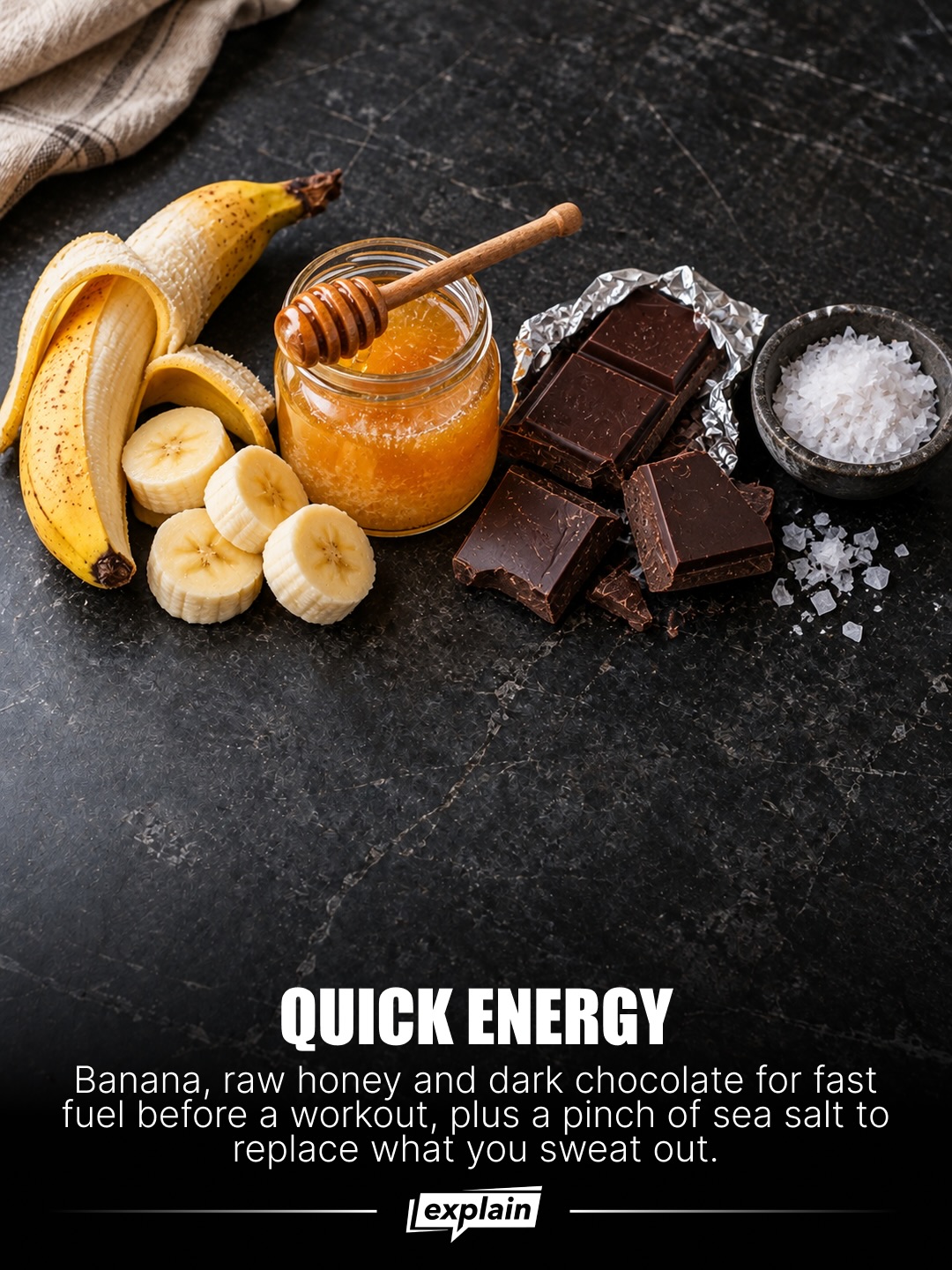
"בננה, דבש גולמי ושוקולד מריר מספקים אנרגיה מהירה לפני אימון, ומעט מלח ים מחזיר את המלחים שאובדים בהזיעה."
מסקנת הבדיקה:
למרות שמרכיבים כמו בננות ודבש מספקים פחמימות זמינות, לא נמצאו במאמרים שסופקו ראיות ישירות ומפורטות המאמתות שילוב ספציפי זה לצורך אנרגיה והשבת מלחים.
chevron_right ודאות הפסיקה: בינונית
מידת הביטחון של המערכת בפסיקה — לא אחוז הנכונות של הטענה. ביטחון נמוך פירושו שהראיות מעטות או סותרות.
"פירות שלמים מכילים סיבים תזונתיים ולכן הסוכר שבהם נספג בדם לאט יותר מאשר סוכר בממתקים."
מסקנת הבדיקה:
פירות שלמים מכילים סיבים תזונתיים ורכיבים נוספים המאטים את קצב עיכול וספיגת הסוכר בדם, בהשוואה למזונות מעובדים עתירי סוכר כמו ממתקים.
chevron_right ודאות הפסיקה: גבוהה
מידת הביטחון של המערכת בפסיקה — לא אחוז הנכונות של הטענה. ביטחון נמוך פירושו שהראיות מעטות או סותרות.
chevron_right מקורות מדעיים: (3)
-
link
Carbohydrate bioavailability.
There is consensus that carbohydrate foods, in the form of fruit, vegetables and whole-grain products, are beneficial to health. However, there are strong indications that highly processed, fibre-depleted, and consequently rapidly digestible, energy-dense carbohydrate food products can lead to over-consumption and obesity-related diseases. Greater attention needs to be given to carbohydrate bioavailability, which is determined by the chemical identity and physical form of food. The objective of the present concept article is to provide a rational basis for the nutritional characterisation of dietary carbohydrates. Based on the properties of carbohydrate foods identified to be of specific relevance to health, we propose a classification and measurement scheme that divides dietary carbohydrates into glycaemic carbohydrates (digested and absorbed in the small intestine) and non-glycaemic carbohydrates (enter the large intestine). The glycaemic carbohydrates are characterised by sugar type, and by the likely rate of digestion described by in vitro measurements for rapidly available glucose and slowly available glucose. The main type of non-glycaemic carbohydrates is the plant cell-wall NSP, which is a marker of the natural fibre-rich diet recognised as beneficial to health. Other non-glycaemic carbohydrates include resistant starch and the resistant short-chain carbohydrates (non-digestible oligosaccharides), which should be measured and researched in their own right. The proposed classification and measurement scheme is complementary to the dietary fibre and glycaemic index concepts in the promotion of healthy diets with low energy density required for combating obesity-related diseases.…
PubMed · PMID: 16115326
-
link
Monosaccharides in health and disease.
In healthy persons, glucose homeostasis maintains blood glucose levels between 70 and 130 mg/dl despite perturbations by meals, fasting, and exercise. Long-term follow-up of diabetic patients has suggested that "good control" of blood sugar levels minimizes the long-term complications of diabetes, such as retinopathy, nephropathy, and atherosclerosis. It now seems likely the products of insulin-independent metabolic pathways in epithelial and endothelial cells leading to polyol formation and protein glycosylation may be factors in the genesis of retinopathy, neuropathy, nephropathy, and premature atherosclerosis of diabetic patients. Dietary complex carbohydrates of various type, including those rich in dietary fiber, which are the cell walls of fruits, vegetables, and cereals, may slow the rate of absorption of glucose from those diets and contribute to a lowering of the postprandial glucose peak. Glycemic responses to various foods compared to glucose have been studied and show a large variation, which is dependent upon gastric emptying, overall effects on rate of hydrolysis and absorption of glucose from food mixtures. Dietary sucrose seems to cause a degree of insulin resistance. The active part of the disaccharide is fructose, which does not elicit an acute insulin response, but appears indirectly to increase insulin levels in both animals and man. Sucrose in animals appears to promote obesity more than glucose because of its lack of stimulation of thermogenesis. Xylitol has been used as a sweetener and as a sugar substitute in total parenteral nutrition. It is a paradox that the most physiological of sugars (glucose) can be a menace at high concentrations. The use of nonphysiological sugars or their derivatives in diabetics and patients with special needs, such as TPN, requires much more investigation to develop a sound rationale in nutrition management.…
PubMed · PMID: 3524617
-
link
Dietary Fibre and Organic Acids in Kiwifruit Suppress Glycaemic Response Equally by Delaying Absorption-A Randomised Crossover Human Trial with Parallel Analysis of 13C-Acetate Uptake.
Non-sugar components of kiwifruit reduce the amplitude of the glycaemic response to co-consumed cereal starch. We determined the relative contribution of different non-sugar kiwifruit components to this anti-glycaemic effect. Healthy participants (n = 9) ingested equal carbohydrate meals containing 20 g starch as wheat biscuit (WB, 30 g), and the sugar equivalent of two kiwifruit (KFsug, 20.4 g), either intrinsic or added as glucose, fructose and sucrose (2:2:1). The meals were WB+KFsug (control, no non-sugar kiwifruit components), WB + whole kiwifruit pulp (WB+KF), WB + neutralised kiwifruit pulp (WB+KFneut), WB + low-fibre kiwifruit juice (WB+KFjuice) and WB+KFsug + kiwifruit organic acids (WB+KFsug+OA). All meals were spiked with 100 mg sodium [1-13C] acetate to measure intestinal absorption. Each participant ingested all meals in random order. Blood glucose and breath 13CO2 were measured at ingestion and at 15 min intervals up to 180 min. Compared with WB+KFsug, whole kiwifruit pulp (WB+KF) almost halved glycaemic response amplitude (p < 0.001), reduced incremental area under the blood glucose response curve (iAUC) at 30 min (peak) by 50% (p < 0.001), and averted late postprandial hypoglycaemia. All other treatments suppressed response amplitude half as much as whole kiwifruit and averted acute hypoglycaemia, with little effect on iAUC. Effects on 13CO2 exhalation paralleled effects on blood glucose (R2 = 0.97). Dietary fibre and organic acids contributed equally to the anti-glycaemic effect of kiwifruit by reducing intestinal absorption rate. Kiwifruit flesh effectively attenuates glycaemic response in carbohydrate exchange, as it contains fructose, dietary fibre and organic acids.…
PubMed · PMID: 35956366
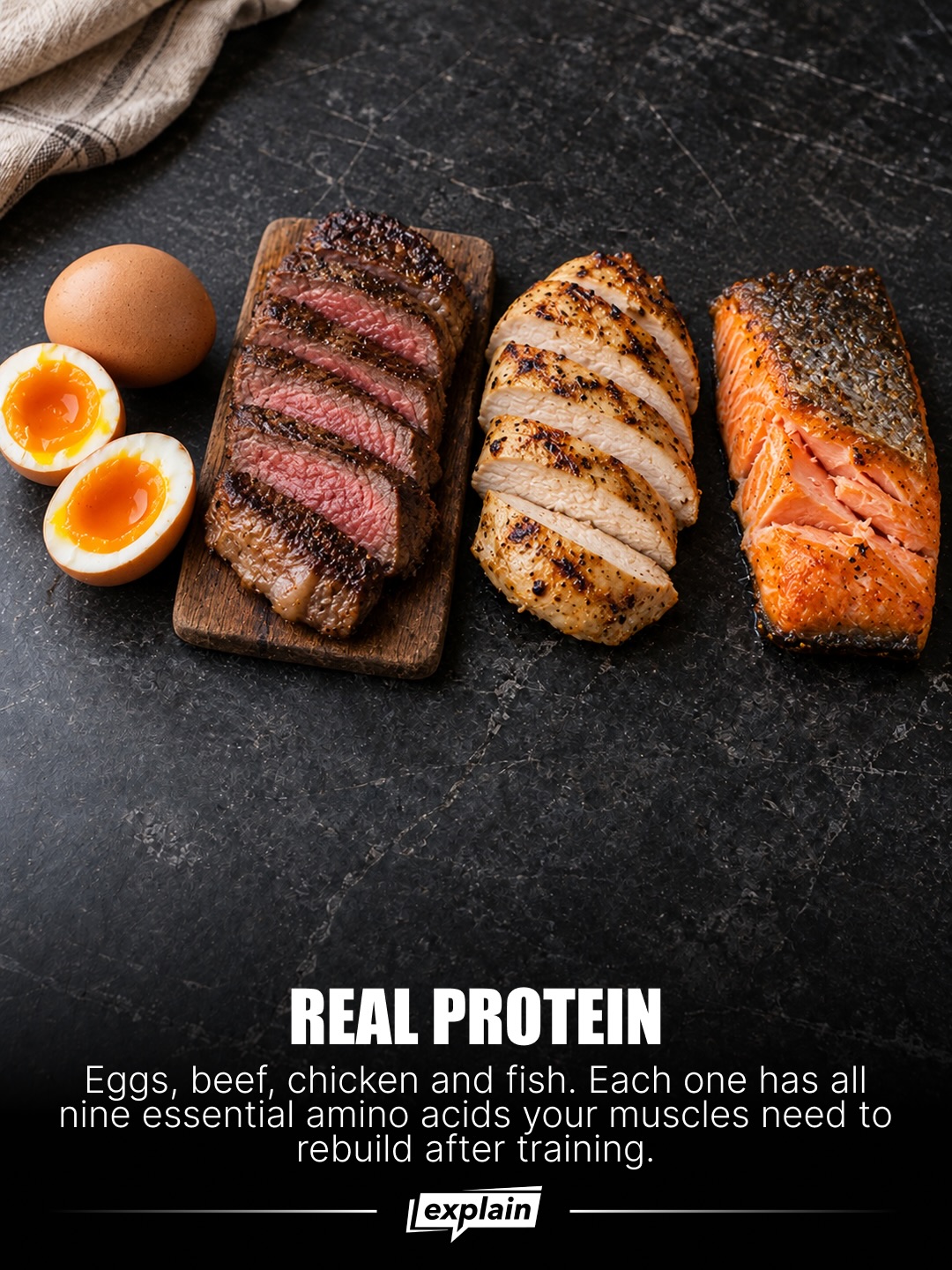
"ביצים, בקר, עוף ודגה מכילים את תשע חומצות האמינו החיוניות שהשרירים צריכים כדי להיבנות מחדש לאחר אימון."
מסקנת הבדיקה:
הספרות המדעית מאשרת שמקורות חלבון מן החי כגון ביצים, בקר, עוף ודגה מכילים את כל תשע חומצות האמינו החיוניות הנדרשות לגוף ולבניית שרירים.
chevron_right ודאות הפסיקה: גבוהה
מידת הביטחון של המערכת בפסיקה — לא אחוז הנכונות של הטענה. ביטחון נמוך פירושו שהראיות מעטות או סותרות.
chevron_right מקורות מדעיים: (2)
-
link
Consideration of insects as a source of dietary protein for human consumption.
Consumption of sufficient dietary protein is fundamental to muscle mass maintenance and overall health. Conventional animal-based protein sources such as meat (ie, beef, pork, lamb), poultry, fish, eggs, and dairy are generally considered high-quality sources of dietary protein because they meet all of the indispensable amino-acid requirements for humans and are highly digestible. However, the production of sufficient amounts of conventional animal-based protein to meet future global food demands represents a challenge. Edible insects have recently been proposed as an alternative source of dietary protein that may be produced on a more viable and sustainable commercial scale and, as such, may contribute to ensuring global food security. This review evaluates the protein content, amino-acid composition, and digestibility of edible insects and considers their proposed quality and potential as an alternative protein source for human consumption.…
PubMed · PMID: 29202184
-
link
[Fish protein: nutrition and innovation].
Introduction: initial references of products made with surimi date back in Japan to the 12th century. The technological process was developed in 1972. It is essential to use fresh fish to preserve the nutritional and technological quality of its myofibrillar protein. The highest quality species for elaborating surimi is Alaska pollock, belonging to the cod family. The best part of the fish regarding quality are its fillets or loins. Objectives: to evaluate the protein quality of surimi and its omega-3 fatty acid content, and to review the scientific evidence for the role of surimi in relation to health. Results: the amino acid score pattern of surimi is above 100 for the 9 essential amino acids, showing good assimilation and digestibility, even higher than that of homologous products such as meat, fish, and eggs. Surimi contributes considerably to the intake of omega-3 fatty acids eicosapentaenoic (EPA) and docosahexaenoic (DHA). Different studies link surimi consumption with positive effects on body composition: increase in skeletal muscle and reduction in white adipose tissue, as well as a tendency to improved muscle motor function. EPA and DHA have a function on both cardiovascular and cognitive parameters. Conclusions: one of the main reasons to consume surimi is its excellent protein quality, highlighting its easy assimilation and digestibility. Likewise, surimi's natural content in omega-3 fatty acids EPA and DHA is of great nutritional interest. These components are related to functional effects on body composition, metabolic syndrome parameters, and cognitive level. Introducción: las primeras referencias de productos elaborados con surimi en Japón datan del siglo XII. En 1972 se desarrolló el proceso tecnológico. Es imprescindible partir de pescado muy fresco para preservar la calidad nutricional y tecnológica de su proteína miofibrilar. La especie de mayor calidad para elaborar surimi es el abadejo de Alaska, una especie de la familia del bacalao, siendo la mejor parte los filetes o lomos del pescado. Objetivos: evaluar la calidad de la proteína del surimi y su contenido en ácidos grasos omega-3, y revisar la evidencia científica en torno a la funcionalidad del surimi en relación con la salud. Resultados: el perfil de aminoácidos del surimi obtiene puntuaciones por encima de 100 para los 9 aminoácidos esenciales, presentando buena asimilación y digestibilidad, incluso superior a la de productos homólogos como las carnes, los pescados y los huevos. El surimi contribuye considerablemente al aporte de ácidos grasos omega-3 eicosapentaenoico (EPA) y docosahexaenoico (DHA). Diferentes estudios relacionan el consumo de surimi con efectos positivos sobre la composición corporal: aumento del músculo esquelético y reducción del tejido adiposo blanco, así como tendencia a una mejora de la función motora. EPA y DHA presentan funcionalidad sobre diferentes parámetros a nivel cardiovascular y cognitivo. Conclusiones: una de las principales razones para utilizar surimi es su proteína de excelente calidad, destacando su fácil asimilación y digestibilidad. Asimismo, su contenido natural en ácidos grasos omega-3 EPA y DHA es de gran interés nutricional. Dichos componentes se relacionan con efectos funcionales sobre la composición corporal, los parámetros relacionados con el síndrome metabólico y el nivel cognitivo.…
PubMed · PMID: 34323094
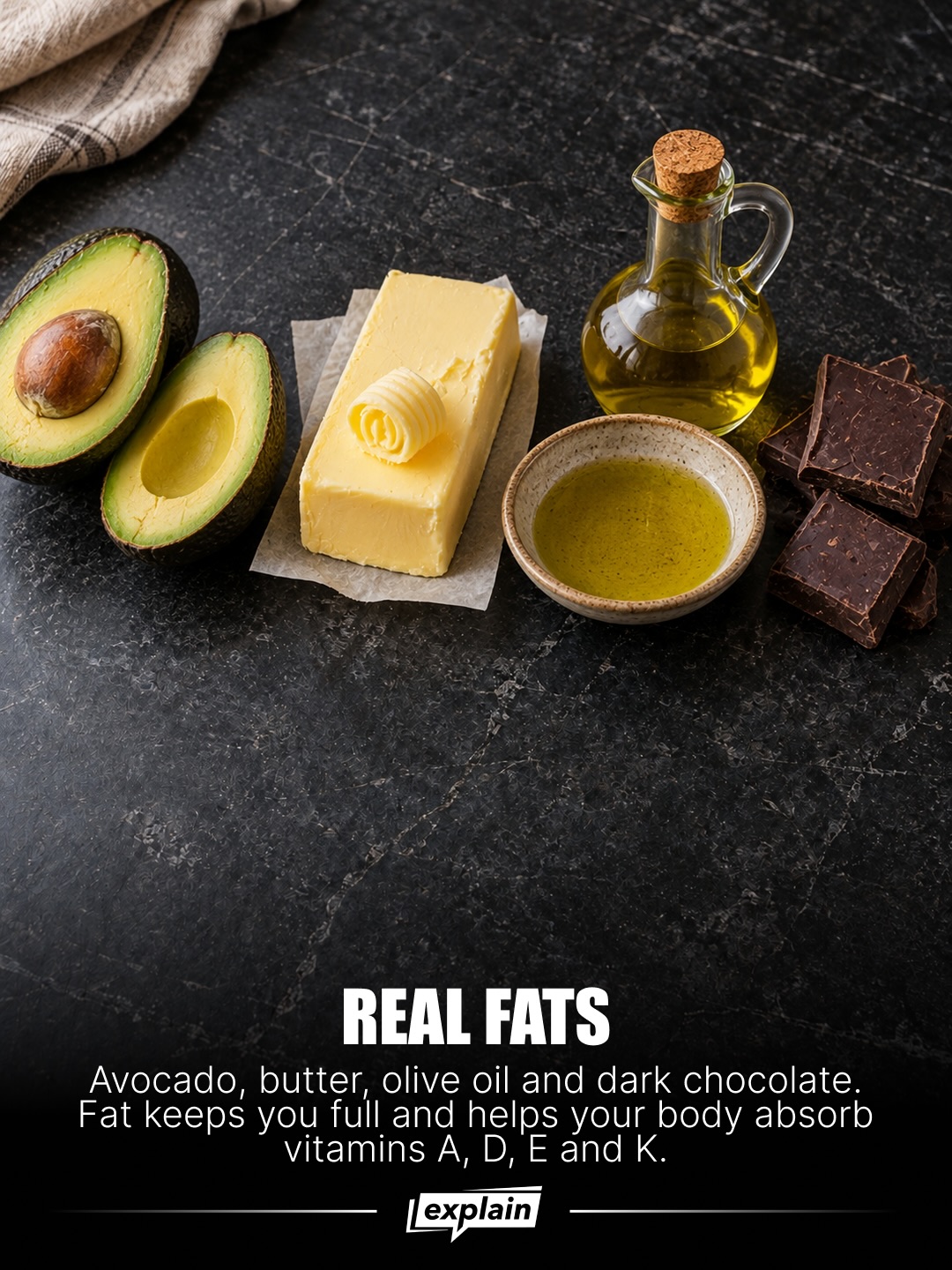
"צריכת שומן תורמת לתחושת שובע ומסייעת לגוף לספוג את הוויטמינים A, D, E ו-K."
מסקנת הבדיקה:
צריכת שומן ידועה כממריצה מנגנוני שובע ומהווה תנאי הכרחי לספיגה תקינה של ויטמינים מסיסי שומן בגוף.
chevron_right ודאות הפסיקה: גבוהה
מידת הביטחון של המערכת בפסיקה — לא אחוז הנכונות של הטענה. ביטחון נמוך פירושו שהראיות מעטות או סותרות.
chevron_right מקורות מדעיים: (2)
-
link
Intestinal expression of human apolipoprotein A-IV in transgenic mice fails to influence dietary lipid absorption or feeding behavior.
Two transgenic mouse lines, expressing low or high amounts of human apo A-IV were created. In low and high expressor HuAIVTg mice on a chow diet, serum human apo A-IV levels were 6 and 25 times the normal human level and on a high fat diet, they were 12 and 77 times higher. Human apo A-IV was equally distributed between lipoprotein (mainly HDL) and lipid-free fractions. Intestinal absorption of radiolabeled cholesterol and triglycerides was unaffected in HuAIVTg mice. Vitamin A, carried exclusively in chylomicrons and their remnants, was catabolized normally. When an intragastric vitamin E bolus is given to the HuAIVTg mice, the initial absorption and appearance in triglyceride-rich lipoproteins was similar to that observed in normal mice. However, elevated amounts of vitamin E were subsequently observed in the VLDL of the HuAIVTg mice. Furthermore, in the fed state, serum VLDL triglycerides were markedly elevated in HuAIVTg mice. This effect was greater in high expressor mice. Serum total cholesterol was not elevated, but the distribution was altered in the HuAIVTg mice; VLDL-C was increased at the expense of VLDL-C. Kinetic studies suggested a delayed clearance of VLDL in HuAIVTg mice. Apo A-IV has been suggested to be a satiety factor, but no effect on feeding behavior or weight gain was observed in these HuAIVTg mice. In summary, our studies with HuAIVTg mice show that additional apo A-IV does not effect intestinal absorption of fat and fat-soluble vitamins, and at least chronic elevation of plasma apo A-IV does not effect feeding behavior in this model system.…
PubMed · PMID: 8163677
-
link
Restoring Satiety After GLP-1/GIP Pharmacotherapy: Metabolic Stability, Diet Quality, and the Gut Microbiota.
GLP-1 receptor agonists and dual GLP-1/GIP agonists have significantly transformed the treatment of obesity, enabling clinically meaningful weight reduction and improvements in cardiometabolic parameters. However, clinical trial data indicate that cessation of therapy is associated with biologically driven weight regain and a partial loss of metabolic benefits. This phenomenon underscores the chronic nature of obesity and the limited durability of effects achieved through pharmacotherapy alone. Nevertheless, structured clinical frameworks describing how to maintain satiety and metabolic stability after GLP-1/GIP dose reduction or discontinuation remain limited. The aim of this narrative review is to discuss the mechanisms underlying weight regain following dose reduction or discontinuation of GLP-1/GIP pharmacotherapy and to present strategies supporting long-term metabolic stabilisation. Weight regain is driven in part by persistent metabolic adaptations, including a reduction in resting energy expenditure (adaptive thermogenesis), alterations in the hunger-satiety axis (increased ghrelin, reduced leptin signalling), and potentially incomplete restoration of adipose tissue and liver-related metabolic function, although direct evidence in this specific setting remains limited. Weight loss is often accompanied by a reduction in fat-free mass, which further lowers energy expenditure and increases susceptibility to a positive energy balance after treatment cessation. It remains unclear whether pharmacological suppression of appetite results in sustained normalisation of endogenous satiety regulation after treatment cessation, and its effects on gut microbiota function remain uncertain. In clinical practice, key priorities include preserving muscle mass (adequate protein intake, resistance training), maintaining dietary nutrient density, stabilising postprandial glycaemia, and ensuring sufficient intake of fermentable fibre to support short-chain fatty acid production and gut-brain signalling. GLP-1/GIP pharmacotherapy should be viewed as a component of an integrated model of obesity treatment. We propose that long-term weight stabilisation may require a transition from pharmacologically induced satiety to satiety supported by diet quality, preserved fat-free mass, and metabolic stability. Further research is needed to define optimal post-treatment strategies and to identify patients in whom therapy can be safely reduced or discontinued. This transition should be regarded as a conceptual framework and forward-looking hypothesis requiring validation in prospective studies.…
PubMed · PMID: 42278190
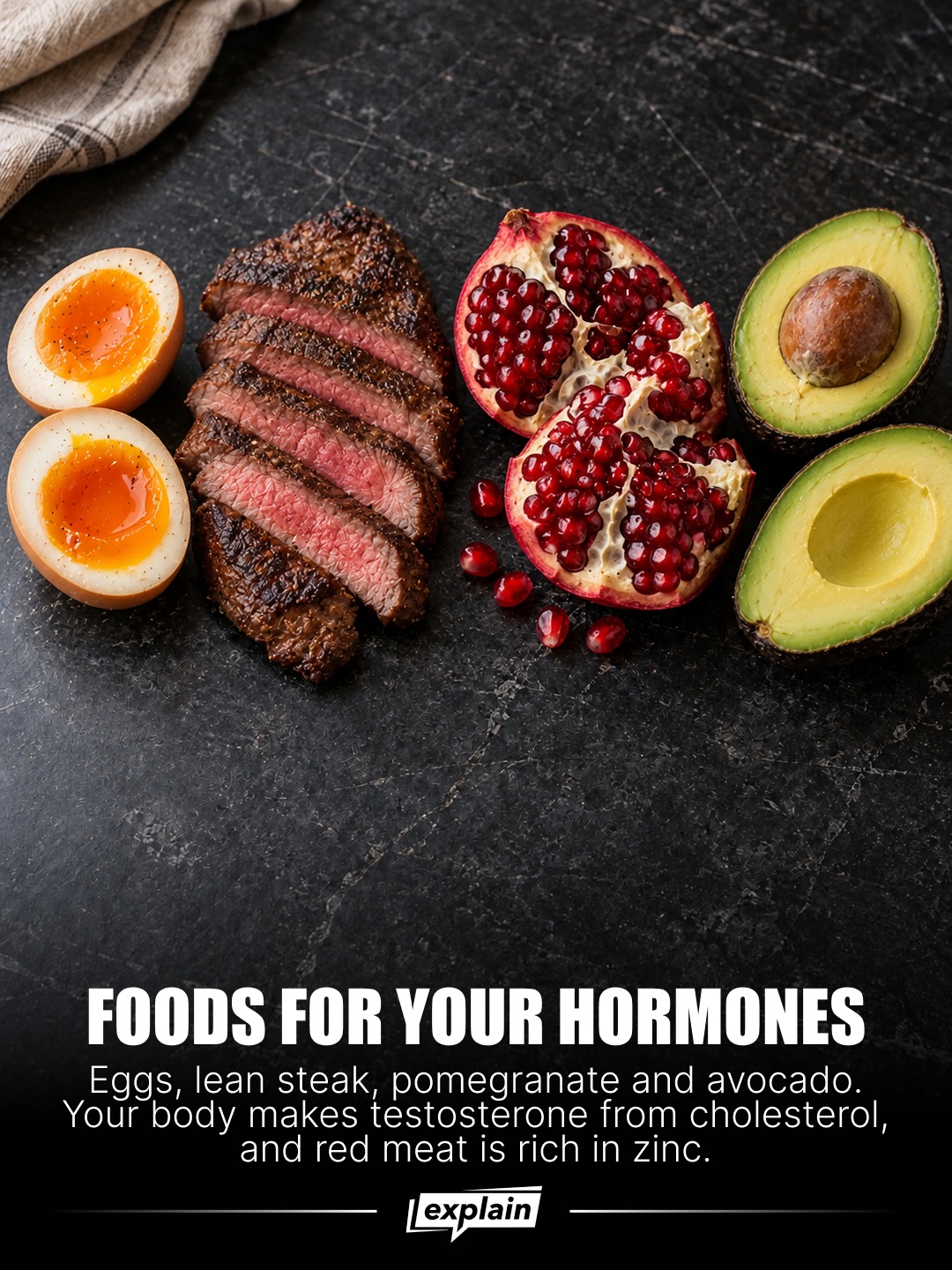
"הגוף מייצר טסטוסטרון מכולסטרול, ובשר אדום עשיר באבץ התומך בפעילות ההורמונלית."
מסקנת הבדיקה:
כולסטרול מהווה חומר מוצא לייצור טסטוסטרון בגוף, ובשר אדום מהווה מקור עשיר לאבץ אשר חיוני לתפקוד המערכת ההורמונלית וסינתזת טסטוסטרון.
chevron_right ודאות הפסיקה: גבוהה
מידת הביטחון של המערכת בפסיקה — לא אחוז הנכונות של הטענה. ביטחון נמוך פירושו שהראיות מעטות או סותרות.
chevron_right מקורות מדעיים: (2)
-
link
A potential role for zinc transporter 7 in testosterone synthesis in mouse Leydig tumor cells.
Previous studies have demonstrated that zinc (Zn) is an essential trace element which is involved in male reproduction. The zinc transporter (ZnT) family, SLC30a, is involved in the maintenance of Zn homeostasis and in mediating intracellular signaling events; however, relatively little is known regarding the effect of ZnTs on testosterone synthesis. Thus, in the present study, we aimed to determine the effect of Zn transporter 7 (ZnT7) on testosterone synthesis in male CD-1 mice and mouse Leydig cells. The findings of the present study revealed that the concentrations of Zn in the testes and Leydig cells were significantly lower in mice fed a Zn-deficient diet compared with the control mice fed a Zn-adequate diet. In addition, ZnT7 was principally expressed and colocalized with steroidogenic acute regulatory protein (StAR) in the Leydig cells of male CD-1 mice. ZnT7 expression was downregulated in the mice fed a Zn-deficient diet, which led to decreases in the expression of the enzymes involved in testosterone synthesis namely cholesterol side‑chain cleavage enzyme (P450scc) and 3β-hydroxysteroid dehydrogenase/D5-D4 isomerase (3β-HSD) as well as decreased serum testosterone levels. These results suggested that Znt7 may be involved in testosterone synthesis in the mouse testes. To examine this hypothesis, we used the mouse Leydig tumor cell line (MLTC-1 cell line) in which the ZnT7 gene had been silenced, in order to gauge the impact of changes in ZnT7 expression on testosterone secretion and the enzymes involved in testosterone synthesis. The results demonstrated that ZnT7 gene silencing downregulated the expression of StAR, P450scc and 3β-HSD as well as progesterone concentrations in the human chorionic gonadotrophin (hCG)-stimulated MLTC-1 cells. Taken together, these findings reveal that ZnT7 may play an important role in the regulation of testosterone synthesis by modulating steroidogenic enzymes, and may represent a therapeutic target in testosterone deficiency.…
PubMed · PMID: 27121848
-
link
Vitamin D and testosterone co-ordinately modulate intracellular zinc levels and energy metabolism in prostate cancer cells.
Vitamin D3 and its receptor are responsible for controlling energy expenditure in adipocytes and have direct roles in the transcriptional regulation of energy metabolic pathways. This phenomenon also has a significant impact on the etiology of prostate cancer (PCa). Using several in vitro models, the roles of vitamin D3 on energy metabolism and its implication in primary, early, and late invasive PCa were investigated. BODIPY staining and qPCR analyses show that 1,25-dihydroxyvitamin D3 (1,25(OH)2D3) up-regulates de novo lipogenesis in PCa cells by orchestrating transcriptional regulation that affects cholesterol and lipid metabolic pathways. This lipogenic effect is highly dependent on the interaction of several nuclear receptors and their corresponding ligands, including androgen receptor (AR), vitamin D receptor (VDR), and retinoid X receptor (RXR). In contrast, inhibition of peroxisome proliferator-activated receptor alpha (PPARα) signaling blocks the induction of the lipogenic phenotype induced by these receptors. Furthermore, 1,25(OH)2D3, T, and 9 cis-retinoic acid (9-cis RA) together redirect cytosolic citrate metabolism toward fatty acid synthesis by restoring normal prostatic zinc homeostasis that functions to truncate TCA cycle metabolism. 1,25(OH)2D3, T, and 9-cis RA also exert additional control of TCA cycle metabolism by down-regulating SLC25A19, which limits the availability of the co-factor thiamine pyrophosphate (TPP) that is required for enzymatic catalyzation of citrate oxidation. This extensive metabolic reprogramming mediated by 1,25(OH)2D3, T, and 9-cis RA is preserved in all in vitro cell lines investigated. These data suggest that 1,25(OH)2D3 and T are important regulators of normal prostatic energy metabolism. Based on the close association between energy metabolism and cancer progression, supplementation of vitamin D3 and testosterone can restrict the energy production that is required to drive PCa progression by maintaining proper zinc homeostasis and inhibiting TCA cycle activity in PCa cells.…
PubMed · PMID: 30664926
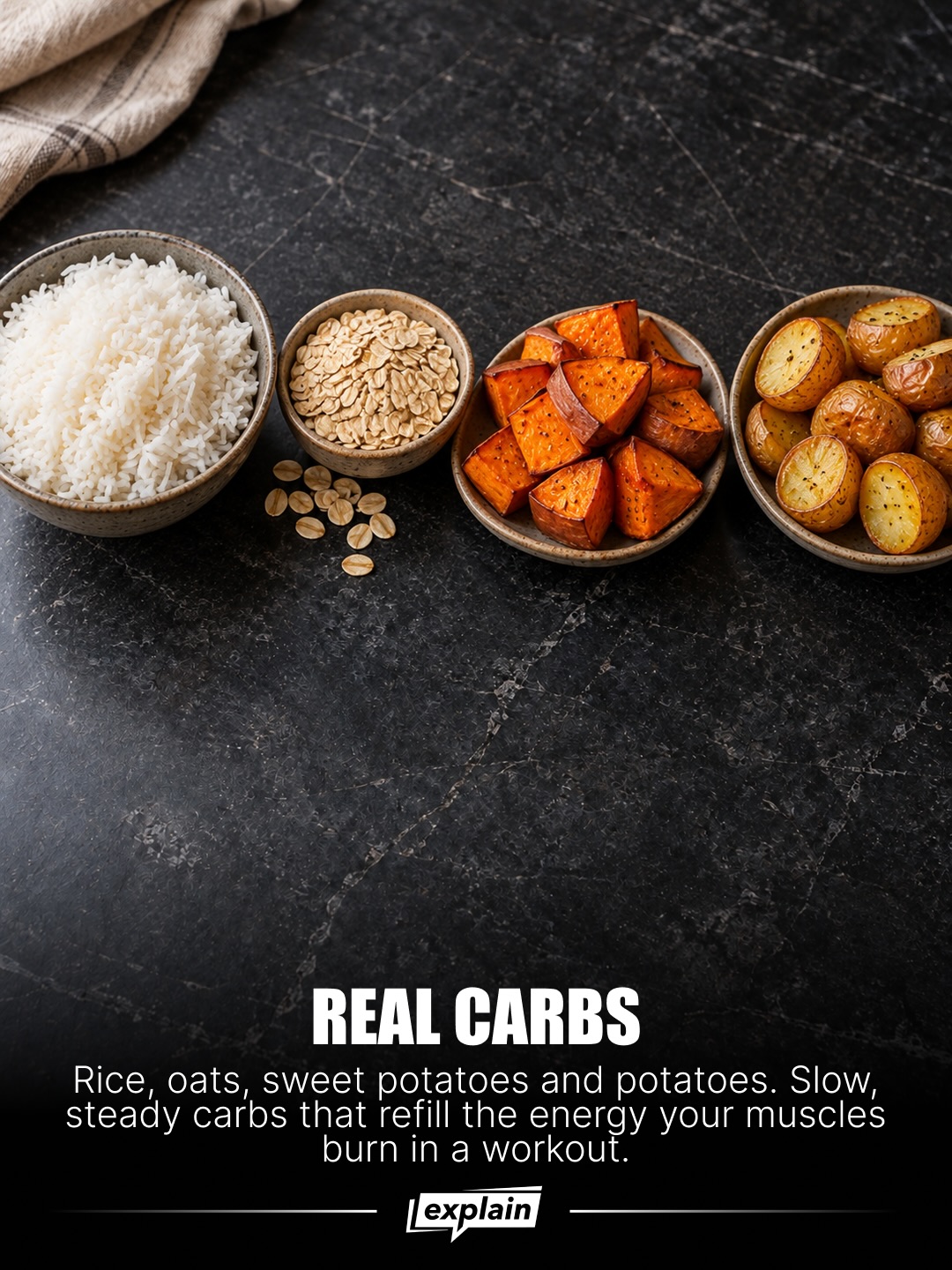
"אורז, שיבולת שועל, בטטות ותפוחי אדמה מספקים פחמימות איטיות ויציבות שממלאות את אנרגיית השרירים הנשרפת באימון."
מסקנת הבדיקה:
פחמימות מורכבות כמו אורז, שיבולת שועל ובטטות מספקות אספקה יציבה של אנרגיה ומסייעות בחידוש מאגרי הגליקוגן בשרירים בהקשר של פעילות גופנית.
chevron_right ודאות הפסיקה: גבוהה
מידת הביטחון של המערכת בפסיקה — לא אחוז הנכונות של הטענה. ביטחון נמוך פירושו שהראיות מעטות או סותרות.
chevron_right מקורות מדעיים: (2)
-
link
The differential effects of a complex protein drink versus isocaloric carbohydrate drink on performance indices following high-intensity resistance training: a two arm crossover design.
Post-workout nutrient timing and macronutrient selection are essential for recovery, glycogen replenishment and muscle protein synthesis (MPS). Performance repeatability, particularly after strenuous activity, can be influenced by substrate availability, recovery markers and perceived rate of exertion. This study compared the differential effects of a complex protein ready-to-drink beverage (VPX) and isocaloric carbohydrate beverage (iCHO) on performance-agility T-test, push-up test, 40-yard sprint, and rate of perceived exertion (RPE), following high-intensity resistance training (HIRT). In a randomized, double blind two-arm crossover controlled trial, 15 subjects performed a 15-18 minute (2:1 work to rest) HIRT and then immediately drank one of the two treatments. After a 2-hour fast, subjects returned to execute the field tests and report RPE. The protocol was repeated one week later with the other treatment. There were no significant main effect differences in the agility T-test (p = 0.83), push-up (p = 0.21) sprint (p = 0.12), average agility RPE (p = 0.83), average push-up RPE (p = 0.81) or average sprint RPE (p = 0.66) between the two trials and the two treatments. The multivariate analysis yielded a cumulative significant interaction effect amongst the three performance variables after consuming VPX (p < 0.01). These results suggest a complex protein beverage is a better post-workout choice compared to an isocaloric carbohydrate beverage for repeated performance for activities that require multiple energy demands and athletic skills; however, this outcome was not observed for each single performance event or RPE. When considering the collective physical effects of the agility T-test, push-up and sprint tests, a complex protein beverage may provide a recovery advantage as it relates to repeated-bout performance compared to an iCHO-only beverage. Additional research examining the chronic effects of post-exercise protein versus iCHO beverages on performance repeatability, particularly in special populations (e.g. tactical and elite athletes), is warranted to further develop these findings.…
PubMed · PMID: 23758838
-
link
The Role of Nutrition in Exercise and Sports.
Nutrition affects all bodily processes by supporting energy production and tissue maintenance [...].…
PubMed · PMID: 42123956
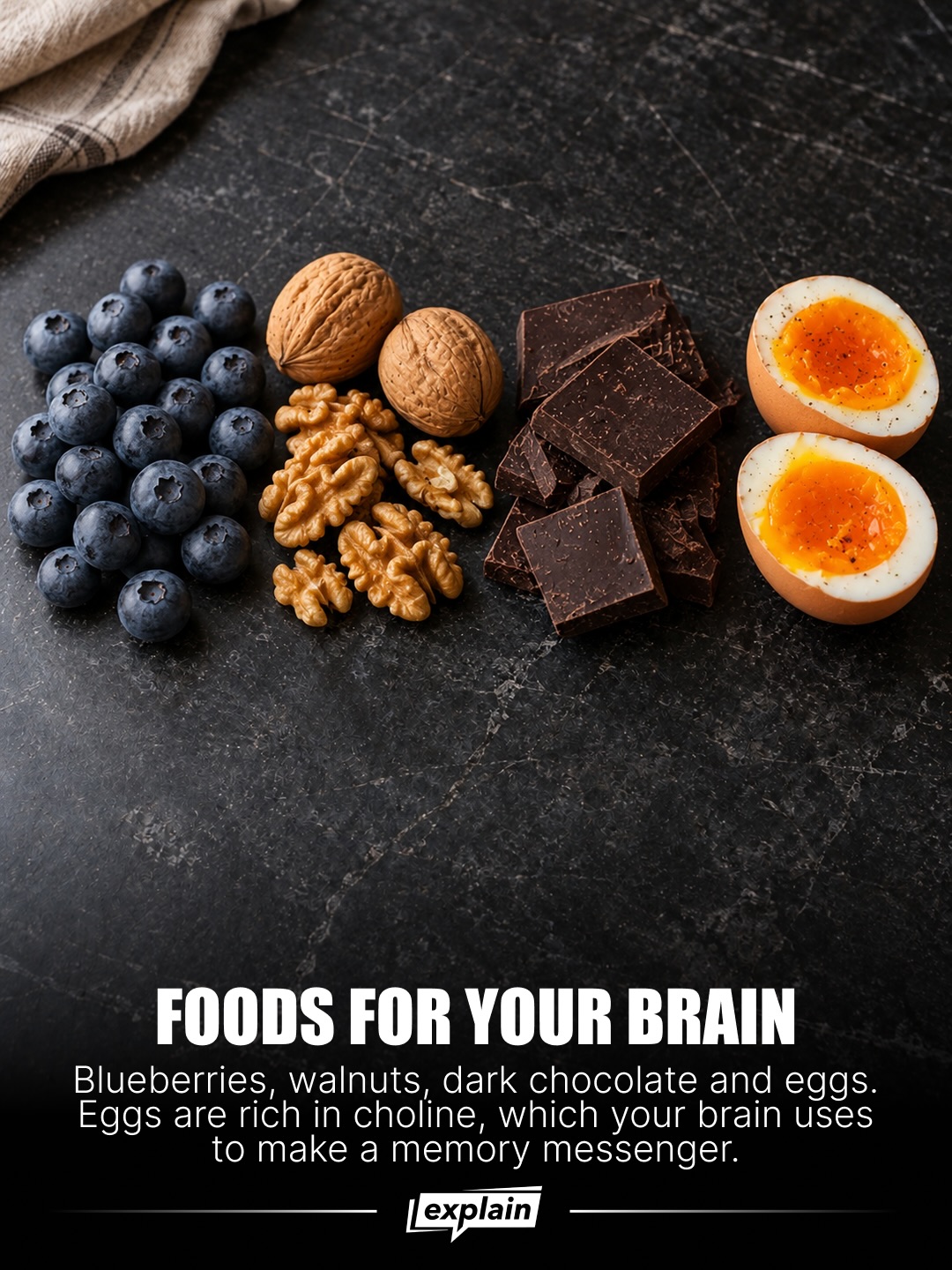
"ביצים עשירות בכולין, רכיב שהמוח משתמש בו לייצור מתווך עצבי הקשור לזיכרון."
מסקנת הבדיקה:
ביצים עשירות בכולין, רכיב חיוני שהמוח משתמש בו לייצור אצטילכולין, מתווך עצבי המרכזי לתהליכי זיכרון ותפקוד קוגניטיבי.
chevron_right ודאות הפסיקה: גבוהה
מידת הביטחון של המערכת בפסיקה — לא אחוז הנכונות של הטענה. ביטחון נמוך פירושו שהראיות מעטות או סותרות.
chevron_right מקורות מדעיים: (3)
-
link
The effects of 9 months of formulated whole-egg or milk powder food products as meal or snack replacements on executive function in preadolescents: A randomized, placebo-controlled trial.
Elevated brain choline is associated with better executive functions in preadolescents. Manipulating dietary choline prospectively in preadolescents using egg supplementation could improve executive functions via effects on brain cellular and neurotransmitter functions. We tested the 9-month impacts of egg supplementation on executive functions. It was hypothesized that preadolescents who consumed meal or snack replacement products containing powder made from whole eggs would have the largest improvements in executive functions after 9 months compared to those consuming similar products with either added milk powder or gelatin as a placebo. A randomized, parallel-group, double-blinded, placebo-controlled trial design was used. The executive functions of 122 preadolescents (58 females) aged 9-13 were analyzed before and after the 9-month intervention. The primary outcomes were 3 NIH Toolbox-Cognitive Battery measures of executive function: mental flexibility, working memory, and selective attention and inhibitory control. Participants were randomized to consume food products with either: 1) whole egg powder; 2) milk powder; or 3) gelatin as a placebo, all matched on macronutrient content and used as replacements for commonly consumed foods (i.e., waffles, pancakes, macaroni and cheese, ice cream, and brownies). Hypothesis testing used mixed-effects models that included physical activity and sleep scores as covariates. A statistically significant group × time interaction for selective attention and inhibitory control was found (P = 0.049) for the milk group. This interaction resulted from no change for the placebo group and an improvement in selective attention and inhibitory control performance for the milk group by a T-score of 5.8; the effect size (d) was 0.44 SD units. Other comparisons were statistically insignificant. Consumption of foods with added milk powder as a replacement for snacks or meals for 9 months improves selective attention and inhibitory control in preadolescents. Replacement of foods with added whole egg powder does not impact 9-month changes in preadolescent executive functions. This trial was registered at clinicaltrials.gov as NCT03739424.…
PubMed · PMID: 36173384
-
link
EGG phosphatidylcholine combined with vitamin B12 improved memory impairment following lesioning of nucleus basalis in rats.
We investigated the effects of egg phosphatidylcholine (PC) combined with vitamin B12 on memory in the Morris water maze task, and on choline and acetylcholine (ACh) concentrations in the brain of rats. Animals with nucleus basalis Magnocellularis (NBM) lesion received intragastric administration of egg PC or vitamin B12, or both for 18 days. Memory acquisition and retention were remarkably impaired in NBM lesioned rats compared with in sham-operated control. NBM lesioned group had lower choline and ACh concentrations than control group in the frontal cortex. High dose of egg PC alone significantly increased choline concentration, but did not change ACh concentration in the frontal cortex. High dose of vitamin B12 alone did not change choline and ACh concentrations in the brain. Either egg PC or vitamin B12 did not improve memory acquisition and retention. However, low dose of egg PC combined with vitamin B12 significantly increased ACh concentration and improved memory acquisition and retention in the NBM lesioned rats. We concluded that egg PC combined with vitamin B12 improved the memory impairment of NBM lesioned rats through the action on the cholinergic neurons.…
PubMed · PMID: 9496699
-
link
Eggs and Associated Nutrients: Implications for Brain Development and Function From Conception to Early Adulthood: A Narrative Review.
Brain development is an ongoing process that occurs throughout the first 1000 days of life (conception until 2 years) and proceeds throughout childhood, adolescence and up until early adulthood. Adequate nutrient intakes are crucial for both neurodevelopment inside the womb and critical life-stages thereafter when the brain continues to grow and develop. This review critically summarises the current evidence for eggs and nutrients found in eggs in relation to their potential to support brain development and function. Twenty-one key publications, including a mixture of meta-analyses, systematic reviews, randomised controlled trials (RCTs), clinical trials and observational studies, were identified, focusing on eggs or nutrients found in eggs that could influence brain development and function. Findings suggest that the consumption of eggs or nutrients found in eggs could have potential benefits for aspects of neurodevelopment, certain markers of motor development and academic performance. Eggs are high in protein, monounsaturated fatty acids, riboflavin, vitamin B12, vitamin D, biotin, iodine, selenium and a source of vitamin A, folate, pantothenic acid and phosphorus. They also provide an array of nutrients and bioactive components, including docosahexaenoic acid, choline, lutein and zeaxanthin that have potential to reinforce brain growth and development. Given the nutrient-dense profile of eggs, consumption could be encouraged across life-stages that are physiologically demanding from a brain development, growth and function stance. This includes amongst women of childbearing age, infancy, childhood and adolescence. However, the extent to which egg intake can influence specific markers of brain/cognitive function requires further investigation.…
PubMed · PMID: 41510783

Explain
דירוג זה מבוסס על 14 דוחות אימות קודמים.



האם הדוח הזה היה מועיל לך?
מה היה פחות טוב? (רשות)
תודה על הפידבק!
עירעור על דוח זה
ספקו ראיות חדשות או הצביעו על אי דיוקים
נעדכן אותך על תוצאות הבדיקה
הוסיפו קישורים למחקרים או מקורות רפואיים מוכרים
העירעור נשלח בהצלחה!
המנוע המדעי שלנו יבדוק את הראיות שהגשתם. נעדכן אתכם באימייל עם התוצאות.
ניתוח מבוסס בינה מלאכותית
דוח זה נוצר באופן אוטומטי על ידי מערכת בינה מלאכותית ועשוי להכיל שגיאות, אי-דיוקים או מידע חלקי. הניתוח אינו מהווה ייעוץ רפואי, אבחנה או המלצה לטיפול, והוא אינו תחליף לדעתו של איש מקצוע רפואי מוסמך. יש להתייעץ עם רופא או מומחה מוסמך לפני קבלת כל החלטה רפואית. המידע מוצג לצרכי מידע כללי בלבד.
מידע זה מופק על ידי בינה מלאכותית ואינו מהווה תחליף לייעוץ רפואי מקצועי.