סריקה בתהליך...
הניתוח עשוי לארוך 30–90 שניות
הידעת?
הסרטון אינו מכיל תוכן רפואי
חושבים שחלה טעות?
אם לדעתכם הסרטון אכן עוסק בטענות רפואיות או בריאותיות, הוסיפו הסבר קצר ושלחו בקשה לבדיקה מחדש.
הבקשה התקבלה! נבדוק את הסרטון ונחזור אליכם.
אירעה שגיאה בשליחת הבקשה. נסו שוב.
דו״ח מאומת
הסרטון מכיל שילוב של עובדות מוכחות וטענות המטעות את הציבור.
סיכום
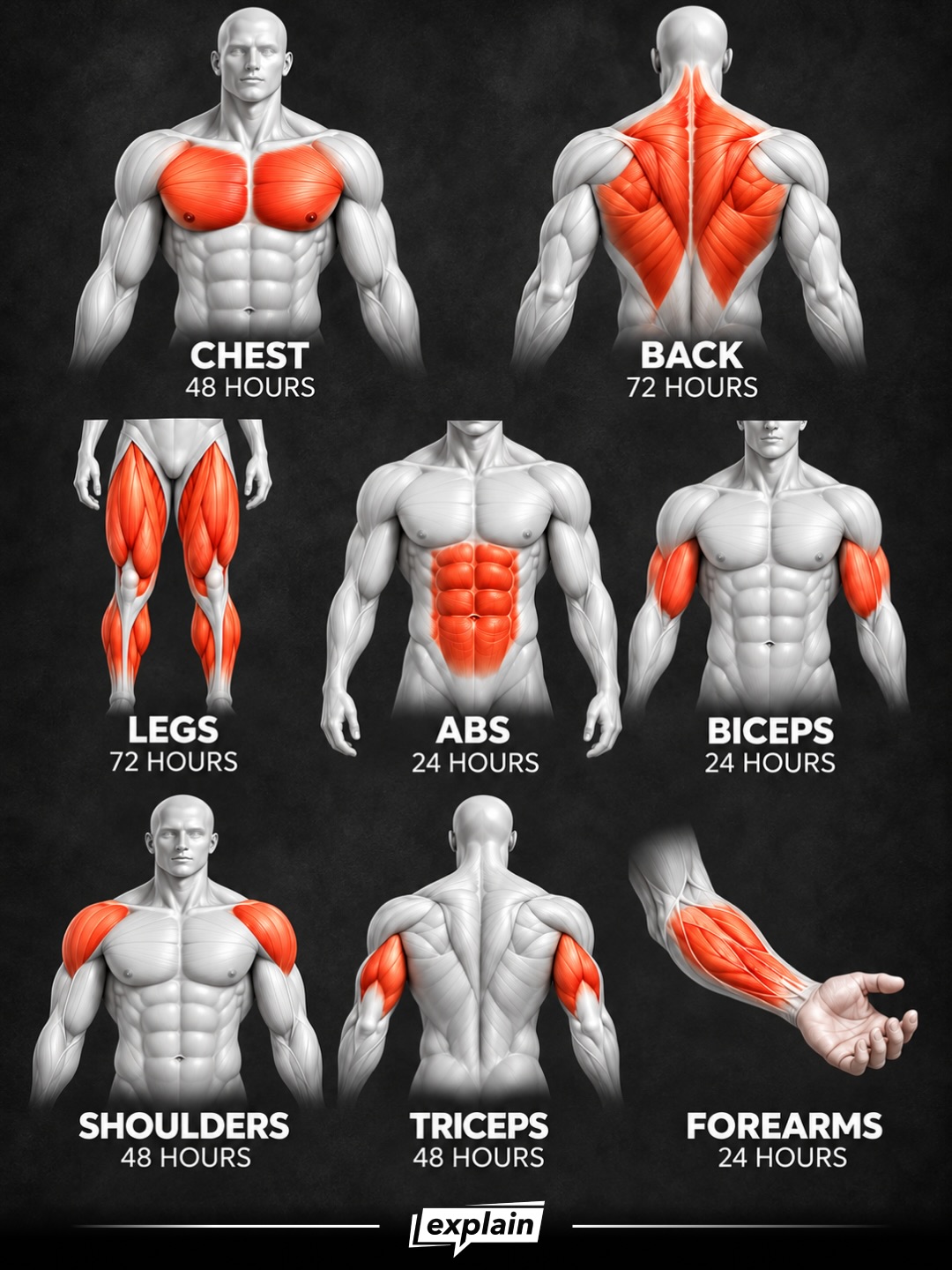
הטענות הנוגעות למשך שעות התאוששות מדויקות לכל קבוצת שריר מהוות כללי אצבע מעולם הכושר שאינם מעוגנים במספר שעות נוקשה ויחיד בספרות המדעית, המדגישה כי ההתאוששות משתנה בהתאם לעצימות ולנפח האימון. מנגד, החשיבות העקרונית של ההתאוששות לתהליכי תיקון רקמות וצמיחת שריר מאומתת היטב במחקרים.
analytics ניתוח טענות מבוסס ראיות
"קבוצות שרירים קטנות כמו הבייספס, הבטן והאמות זקוקות לכ-24 שעות התאוששות בלבד לאחר אימון."
מסקנת הבדיקה:
הטענה מציגה כלל אצבע לפיו שרירים קטנים דורשים 24 שעות התאוששות. הספרות המדעית מראה שזמן ההתאוששות משתנה בהתאם לעצימות ונפח האימון ולא רק לגודל השריר, ולכן הטענה אינה מגובה באופן מדויק בספרות כמספר קבוע.
chevron_right ודאות הפסיקה: בינונית
מידת הביטחון של המערכת בפסיקה — לא אחוז הנכונות של הטענה. ביטחון נמוך פירושו שהראיות מעטות או סותרות.
"קבוצות שרירים כמו החזה, הכתפיים והטרייספס דורשות כ-48 שעות התאוששות."
מסקנת הבדיקה:
הטענה מתייחסת ל-48 שעות התאוששות לקבוצות שרירים מסוימות. למרות שמחקרים בוחנים טווחי זמן דומים, אין בספרות המדעית הוכחה חד-משמעית התומכת במספר שעות קבוע ונוקשה זה לכל קבוצת שריר.
chevron_right ודאות הפסיקה: בינונית
מידת הביטחון של המערכת בפסיקה — לא אחוז הנכונות של הטענה. ביטחון נמוך פירושו שהראיות מעטות או סותרות.
"קבוצות שרירים גדולות כמו הגב והרגליים זקוקות לעד 72 שעות התאוששות לאחר אימון אינטנסיבי."
מסקנת הבדיקה:
הטענה קובעת ששרירים גדולים דורשים עד 72 שעות התאוששות. אף על פי שמחקרים מסוימים עוקבים אחר חלונות התאוששות של 72 שעות, משך הזמן בפועל תלוי במשתנים אישיים, עצימות ונפח האימון ולא ניתן להכללה גורפת.
chevron_right ודאות הפסיקה: בינונית
מידת הביטחון של המערכת בפסיקה — לא אחוז הנכונות של הטענה. ביטחון נמוך פירושו שהראיות מעטות או סותרות.
"מתן זמן מספיק להתאוששות השרירים חיוני לתיקון רקמות, תמיכה בצמיחת שרירים ושיפור הכוח."
מסקנת הבדיקה:
הספרות המדעית מאשרת באופן חד-משמעי כי מתן זמן מספיק להתאוששות חיוני לתהליכי תיקון רקמות שריר, תמיכה בצמיחה פיזיולוגית ושיפור תפקודי הכוח.
chevron_right ודאות הפסיקה: גבוהה
מידת הביטחון של המערכת בפסיקה — לא אחוז הנכונות של הטענה. ביטחון נמוך פירושו שהראיות מעטות או סותרות.
chevron_right מקורות מדעיים: (2)
-
link
Turning Up the Heat: An Evaluation of the Evidence for Heating to Promote Exercise Recovery, Muscle Rehabilitation and Adaptation.
Historically, heat has been used in various clinical and sports rehabilitation settings to treat soft tissue injuries. More recently, interest has emerged in using heat to pre-condition muscle against injury. The aim of this narrative review was to collate information on different types of heat therapy, explain the physiological rationale for heat therapy, and to summarise and evaluate the effects of heat therapy before, during and after muscle injury, immobilisation and strength training. Studies on skeletal muscle cells demonstrate that heat attenuates cellular damage and protein degradation (following in vitro challenges/insults to the cells). Heat also increases the expression of heat shock proteins (HSPs) and upregulates the expression of genes involved in muscle growth and differentiation. In rats, applying heat before and after muscle injury or immobilisation typically reduces cellular damage and muscle atrophy, and promotes more rapid muscle growth/regeneration. In humans, some research has demonstrated benefits of microwave diathermy (and, to a lesser extent, hot water immersion) before exercise for restricting muscle soreness and restoring muscle function after exercise. By contrast, the benefits of applying heat to muscle after exercise are more variable. Animal studies reveal that applying heat during limb immobilisation attenuates muscle atrophy and oxidative stress. Heating muscle may also enhance the benefits of strength training for improving muscle mass in humans. Further research is needed to identify the most effective forms of heat therapy and to investigate the benefits of heat therapy for restricting muscle wasting in the elderly and those individuals recovering from serious injury or illness.…
PubMed · PMID: 29470824
-
link
Exercise-Induced Skeletal Muscle Secretory Factors and Macrophage Functional Remodeling: Mechanistic Advances.
Regular exercise mediates inter-tissue communication between skeletal muscle and the immune system through skeletal muscle-derived secretory factors, providing an important molecular basis for the beneficial effects of exercise on chronic inflammation, metabolic dysregulation, and impaired tissue repair. As key effector cells of the innate immune system, macrophages do not simply conform to a dichotomous classification of classically activated M1 macrophages and alternatively activated M2 macrophages; rather, their functional states constitute a dynamic spectrum shaped by exercise load, recovery time window, tissue microenvironment, and disease context. This review focuses on recent advances in exercise-induced skeletal muscle secretory factors involved in macrophage functional remodeling. Representative signals, including interleukin-6 (IL-6), irisin, meteorin-like protein (METRNL), fibroblast growth factor 21 (FGF21), oncostatin M (OSM), decorin, myostatin, chemokines, and extracellular vesicles, are systematically summarized in terms of their exercise responsiveness, evidence for skeletal muscle origin, and evidence supporting macrophage regulation. Based on these dimensions, an evidence-strength grading framework is further proposed. Moreover, this review integrates key signaling axes, including glycoprotein 130 (gp130)/Janus kinase (JAK)/signal transducer and activator of transcription (STAT), signal transducer and activator of transcription 6 (STAT6)/peroxisome proliferator-activated receptor gamma (PPARγ), AMP-activated protein kinase (AMPK)/nuclear factor erythroid 2-related factor 2 (Nrf2)/nuclear factor kappa B (NF-κB), transforming growth factor beta (TGF-β)/Smad, and chemokine receptor pathways, to explain how exercise-induced secretory networks participate in the dynamic regulation of the macrophage functional spectrum through immune cell recruitment, inflammatory clearance, immunometabolic reprogramming, matrix remodeling, and repair-niche formation. Current evidence indicates the translational potential of exercise-induced skeletal muscle secretory factors in skeletal muscle repair, metabolic inflammation, aging-related functional decline, and cancer rehabilitation. However, this field still faces several major challenges, including insufficient tracing of skeletal muscle-derived signals, limited direct causal validation, a lack of human tissue-level evidence, and unclear exercise dose-response relationships. Future studies should combine tissue-specific genetic interventions, receptor blockade, single-cell and spatial omics, metabolic flux analysis, and standardized human exercise interventions to further clarify the mechanistic basis and application boundaries of exercise-induced skeletal muscle-macrophage communication, thereby providing a theoretical foundation for precision exercise prescription and chronic inflammation intervention.…
PubMed · PMID: 42737432

Explain
דירוג זה מבוסס על 14 דוחות אימות קודמים.


האם הדוח הזה היה מועיל לך?
מה היה פחות טוב? (רשות)
תודה על הפידבק!
עירעור על דוח זה
ספקו ראיות חדשות או הצביעו על אי דיוקים
נעדכן אותך על תוצאות הבדיקה
הוסיפו קישורים למחקרים או מקורות רפואיים מוכרים
העירעור נשלח בהצלחה!
המנוע המדעי שלנו יבדוק את הראיות שהגשתם. נעדכן אתכם באימייל עם התוצאות.
ניתוח מבוסס בינה מלאכותית
דוח זה נוצר באופן אוטומטי על ידי מערכת בינה מלאכותית ועשוי להכיל שגיאות, אי-דיוקים או מידע חלקי. הניתוח אינו מהווה ייעוץ רפואי, אבחנה או המלצה לטיפול, והוא אינו תחליף לדעתו של איש מקצוע רפואי מוסמך. יש להתייעץ עם רופא או מומחה מוסמך לפני קבלת כל החלטה רפואית. המידע מוצג לצרכי מידע כללי בלבד.
מידע זה מופק על ידי בינה מלאכותית ואינו מהווה תחליף לייעוץ רפואי מקצועי.