סריקה בתהליך...
הניתוח עשוי לארוך 30–90 שניות
הידעת?
הסרטון אינו מכיל תוכן רפואי
חושבים שחלה טעות?
אם לדעתכם הסרטון אכן עוסק בטענות רפואיות או בריאותיות, הוסיפו הסבר קצר ושלחו בקשה לבדיקה מחדש.
הבקשה התקבלה! נבדוק את הסרטון ונחזור אליכם.
אירעה שגיאה בשליחת הבקשה. נסו שוב.
דו״ח מאומת
הסרטון מציג מידע מדויק ומגובה במחקרים מדעיים אמינים.
סיכום
כל הטענות שנבדקו לגבי פעילות גופנית והשפעותיה הבריאותיות על הלב, המיטוכונדריה בשרירים, הפחתת שומן בכבד ואיזון רמות הסוכר בדם נמצאו מאומתות לחלוטין על ידי הספרות המדעית ב-PubMed.
analytics ניתוח טענות מבוסס ראיות
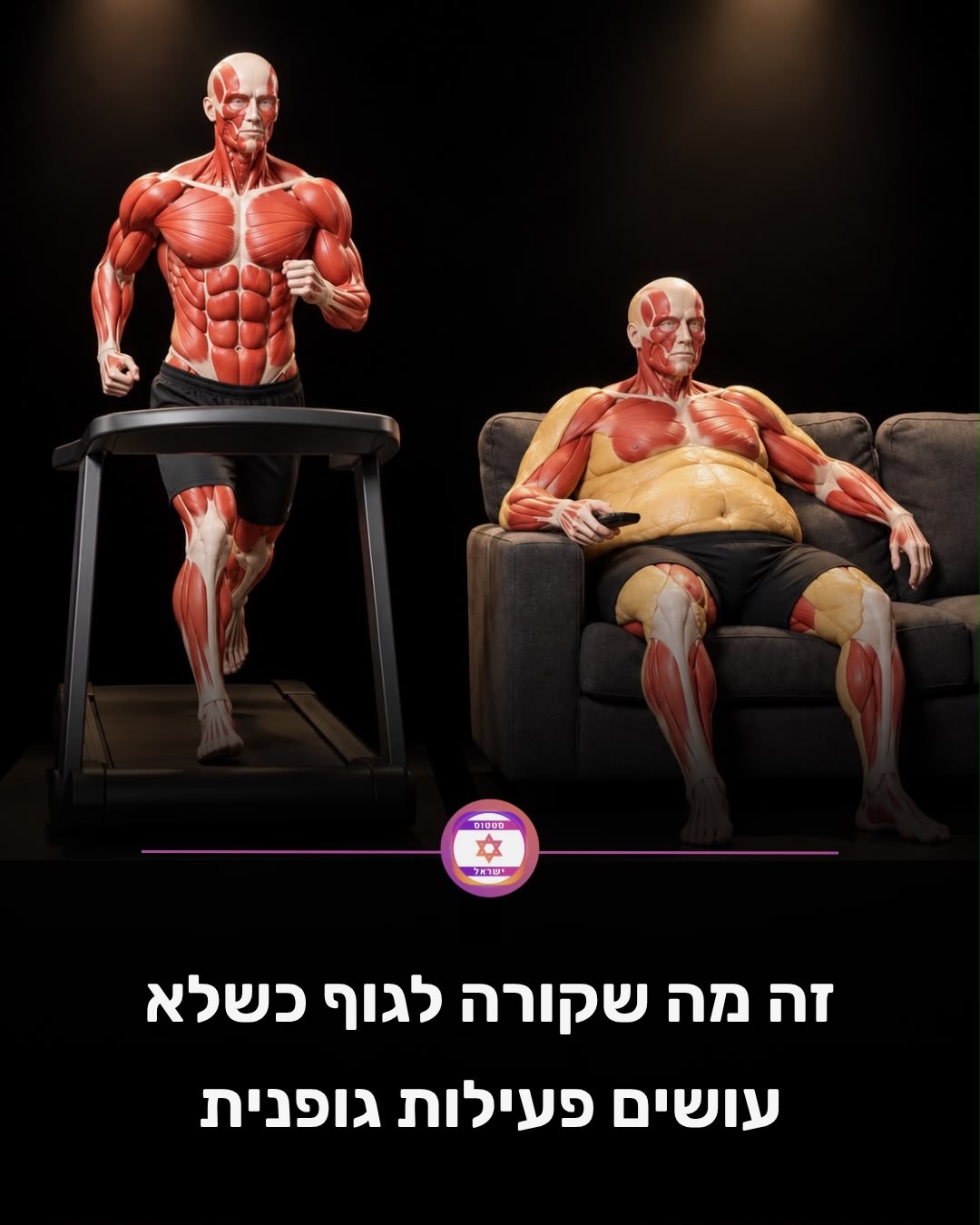
"פעילות גופנית קבועה מחזקת את שריר הלב ועוזרת לו להזרים דם ביעילות."
מסקנת הבדיקה:
מחקרים מדעיים (כגון PMID: 40936660) מצביעים על כך שפעילות גופנית קבועה משפרת את התפקוד הפיזיולוגי של הלב ומספקת הגנה לבבית (cardioprotection).
chevron_right ודאות הפסיקה: גבוהה
מידת הביטחון של המערכת בפסיקה — לא אחוז הנכונות של הטענה. ביטחון נמוך פירושו שהראיות מעטות או סותרות.
chevron_right מקורות מדעיים: (2)
-
link
Exercise-induced cardioprotection: From endogenous to exogenous mechanisms.
Acute myocardial infarction (AMI) remains the leading form of cardiovascular morbidity and mortality, while exercise is a preventative and therapeutic countermeasure. The collective benefits of exercise on the heart are called cardioprotection. Exercise-induced cardioprotection encompasses four broad areas: 1) cardiovascular disease (CVD) risk factor improvement, 2) anatomical remodeling of the heart, 3) improved cardiac physiologic function, and 4) mechanisms of exercise preconditioning. With respect to the latter area of cardioprotection, research indicates that a few days of moderate intensity aerobic exercise preconditions the heart against cardiac dysrhythmias, ventricular pump dysfunction, and tissue death. The short duration protective timeframe, hours to days after exercise, indicates that the mechanisms are biochemical in nature. Protective mechanisms within exercised hearts include endogenous antioxidant enzymes, better regulation of cytosolic Ca The current review outlines existing knowledge on exercise and factors of cardiac preconditioning, and highlights the avenues for next-step scientific advances to understanding treatments against AMI.…
PubMed · PMID: 40936660
-
link
Age and physical work capacity.
Aging is associated with a progressive decrement in various components of physical work capacity, including aerobic power and capacity, muscular strength and endurance, and the tolerance of thermal stress. A part of the functional loss can be countered by regular physical activity, control of body mass, and avoidance of cigarette smoking. Nevertheless, athletes who continue to train regularly still show a substantial aging of both physiological function and competitive performance, reflecting a deterioration of cardiac pump function, a decrease of muscle strength, and a progressive impairment of heat tolerance. These various changes are of concern to the occupational physician, because of the rising average age of the labor force. In theory, an over-taxing of the heart and skeletal muscles might be thought to lead to a decrease of productivity, manifestations of worker fatigue such as absenteeism, accidents, and industrial disputes, and an increased susceptibility to musculoskeletal injuries, heart attacks, and strokes. However, in practice, the productivity, health, and safety of the older worker pose relatively few problems. Reasons for this paradox are discussed, and it is stressed that in general there is no longer need to push workers to their physical limits because of automation-related changes in methods of production.…
PubMed · PMID: 10553515
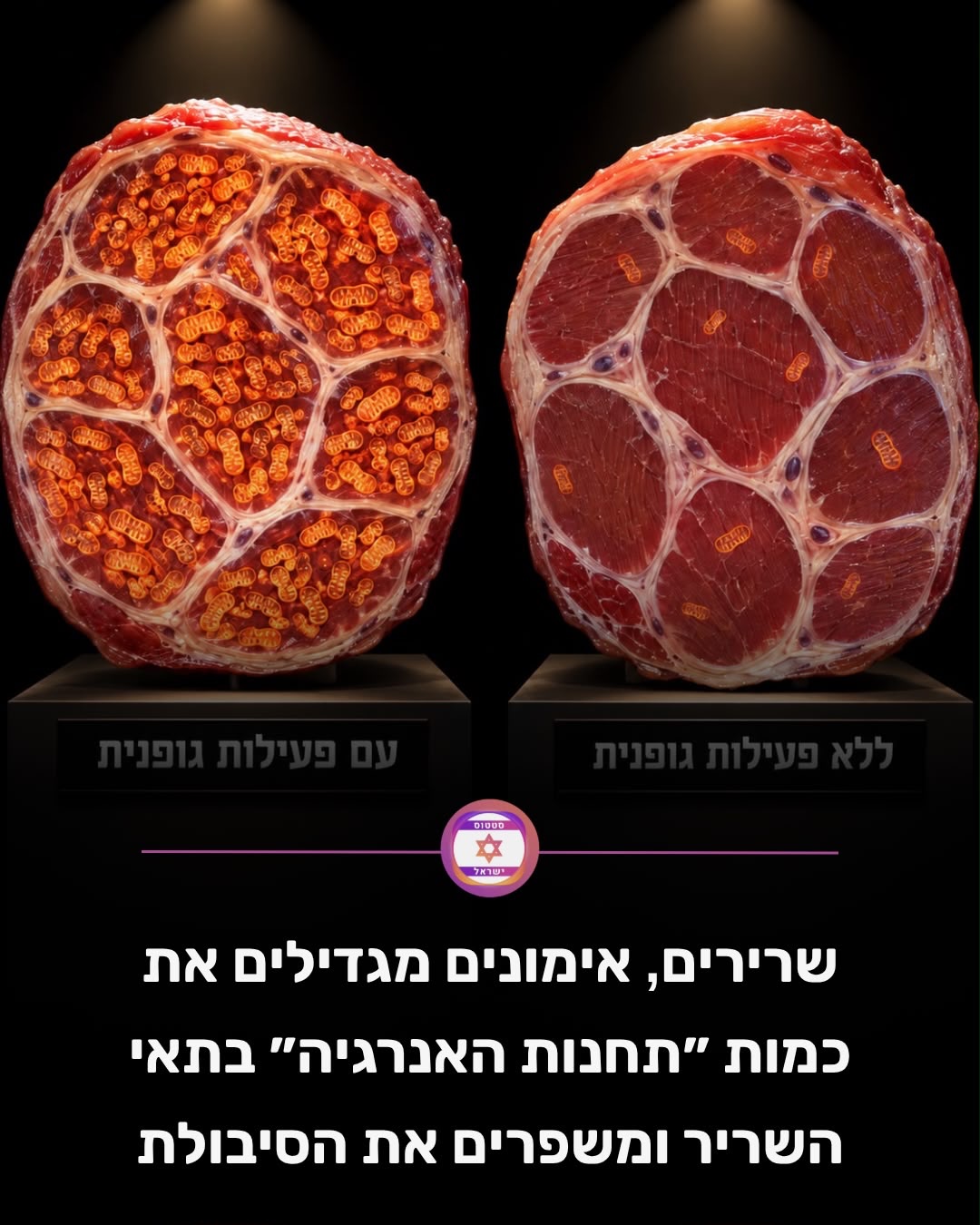
"אימונים גופניים מגדילים את כמות "תחנות האנרגיה" (המיטוכונדריה) בתאי השריר ומשפרים את הסיבולת."
מסקנת הבדיקה:
הספרות המדעית (כגון PMID: 39390310) מאשרת שאימוני סיבולת וכושר גופני מגדילים את כמות המיטוכונדריה בתאי השריר ומשפרים את הסיבולת האירובית.
chevron_right ודאות הפסיקה: גבוהה
מידת הביטחון של המערכת בפסיקה — לא אחוז הנכונות של הטענה. ביטחון נמוך פירושו שהראיות מעטות או סותרות.
chevron_right מקורות מדעיים: (2)
-
link
Effects of Exercise Training on Mitochondrial and Capillary Growth in Human Skeletal Muscle: A Systematic Review and Meta-Regression.
Skeletal muscle mitochondria and capillaries are crucial for aerobic fitness, and suppressed levels are associated with chronic and age-related diseases. Currently, evidence-based exercise training recommendations to enhance these characteristics are limited. It is essential to explore how factors, such as fitness level, age, sex, and disease affect mitochondrial and capillary adaptations to different exercise stimuli. The main aim of this study was to compare the effects of low- or moderate intensity continuous endurance training (ET), high-intensity interval or continuous training (HIT), and sprint interval training (SIT) on changes in skeletal muscle mitochondrial content and capillarization. Secondarily, the effects on maximal oxygen consumption (VO A systematic literature search was conducted in PubMed, Web of Science, and SPORTDiscus databases, with no data restrictions, up to 2 February 2022. Exercise training intervention studies of ET, HIT, and SIT were included if they had baseline and follow-up measures of at least one marker of mitochondrial content or capillarization. In total, data from 5973 participants in 353 and 131 research articles were included for the mitochondrial and capillary quantitative synthesis of this review, respectively. Additionally, measures of VO After adjusting for relevant covariates, such as training frequency, number of intervention weeks, and initial fitness level, percentage increases in mitochondrial content in response to exercise training increased to a similar extent with ET (23 ± 5%), HIT (27 ± 5%), and SIT (27 ± 7%) (P > 0.138), and were not influenced by age, sex, menopause, disease, or the amount of muscle mass engaged. Higher training frequencies (6 > 4 > 2 sessions/week) were associated with larger increases in mitochondrial content. Per total hour of exercise, SIT was ~ 2.3 times more efficient in increasing mitochondrial content than HIT and ~ 3.9 times more efficient than ET, while HIT was ~ 1.7 times more efficient than ET. Capillaries per fiber increased similarly with ET (15 ± 3%), HIT (13 ± 4%) and SIT (10 ± 11%) (P = 0.556) after adjustments for number of intervention weeks and initial fitness level. Capillaries per mm The magnitude of change in mitochondrial content, capillarization, and VO…
PubMed · PMID: 39390310
-
link
Mitophagy-mediated S1P facilitates muscle adaptive responses to endurance exercise through SPHK1-S1PR1/S1PR2 in slow-twitch myofibers.
Endurance exercise triggers adaptive responses especially in slow-twitch myofibers of skeletal muscles, leading to the remodeling of myofiber structure and the mitochondrial network. However, molecular mechanisms underlying these adaptive responses, with a focus on the fiber type-specific perspective, remains largely unknown. In this study we analyzed the alterations of transcriptomics and metabolomics in distinct skeletal myofibers in response to endurance exercise. We determined that genes associated with sphingolipid metabolism, namely those encoding SPHK1, S1PR1, and S1PR2, are enriched in slow-twitch but not fast-twitch myofibers from both mouse and human skeletal muscles, and found that the SPHK1-S1PR pathway is essential for adaptive responses of slow-twitch to endurance exercise. Importantly, we demonstrate that endurance exercise causes the accumulation of ceramides on stressed mitochondria, and the mitophagic degradation of ceramides results in an increase of the sphingosine-1-phosphate (S1P) level. The elevated S1P thereby facilitates mitochondrial adaptation and enhances endurance capacity via the SPHK1-S1PR1/S1PR2 axis in slow-twitch muscles. Moreover, administration of S1P improves endurance performance in muscle atrophy mice by emulating these adaptive responses. Our findings reveal that the SPHK1-S1P-S1PR1/S1PR2 axis through mitophagic degradation of ceramides in slow-twitch myofibers is the central mediator to endurance exercise and highlight a potential therapeutic target for ameliorating muscle atrophy diseases.…
PubMed · PMID: 40181214
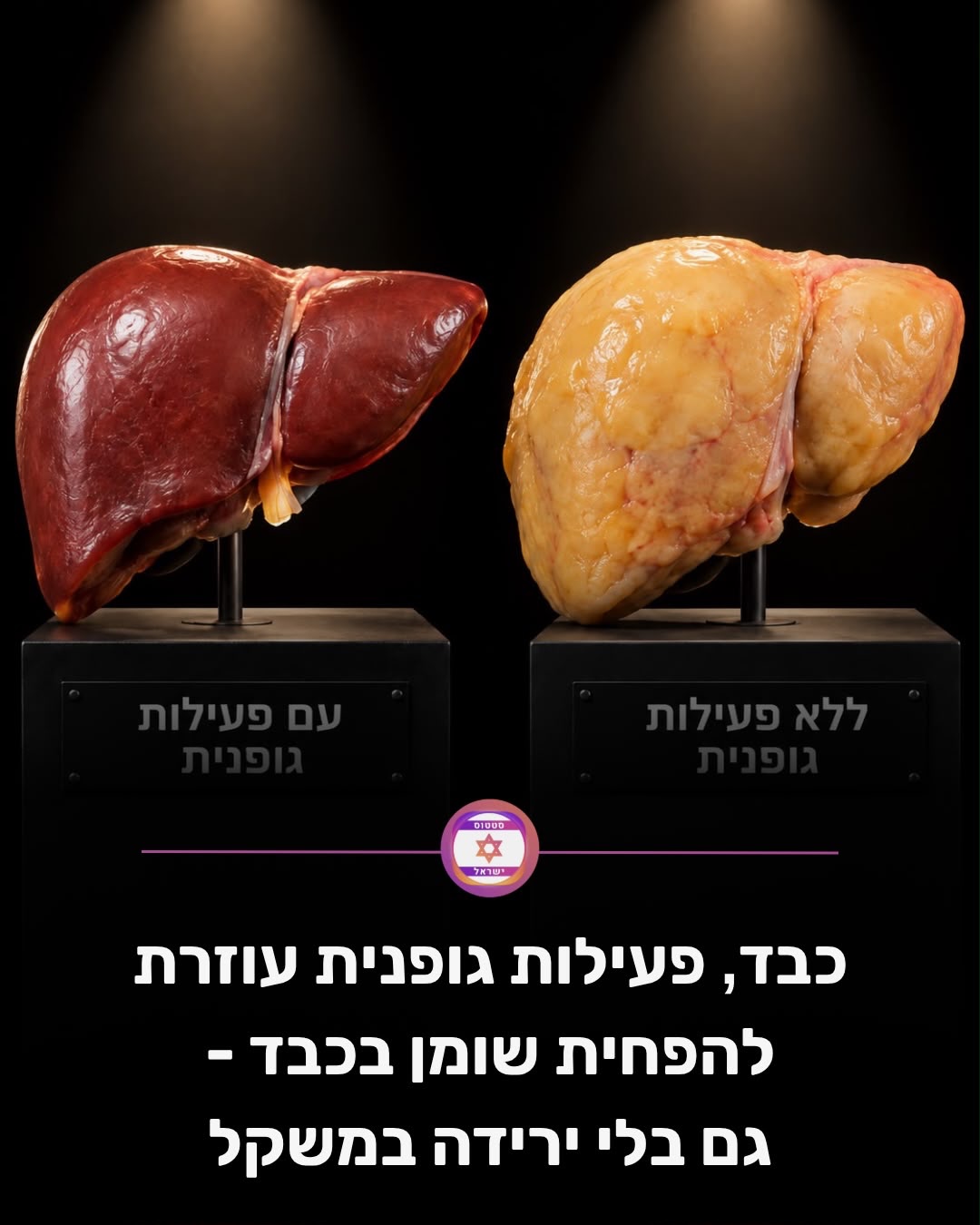
"פעילות גופנית מסייעת להפחתת שומן בכבד, גם ללא ירידה במשקל."
מסקנת הבדיקה:
מחקרים עדכניים (כגון PMID: 42884653) מראים שלהתערבויות באורח חיים הכוללות פעילות גופנית יש השפעות מטיבות על הפחתת שומן בכבד, גם ללא תלות בירידה במשקל לבדה.
chevron_right ודאות הפסיקה: גבוהה
מידת הביטחון של המערכת בפסיקה — לא אחוז הנכונות של הטענה. ביטחון נמוך פירושו שהראיות מעטות או סותרות.
chevron_right מקורות מדעיים: (2)
-
link
Beyond Weight Loss: Rethinking Dietary and Lifestyle Interventions for Liver Disease Modification in MASLD.
Metabolic dysfunction-associated steatotic liver disease (MASLD) is commonly managed with dietary and lifestyle intervention, and weight loss is often used as a key marker of treatment success. However, changes in body weight alone do not fully describe the effects of lifestyle intervention on liver disease. This narrative review asks when lifestyle-induced changes can support a claim of liver disease modification. Current guidance generally associates sustained weight loss of at least 5% with reduced liver fat, 7-10% with reduced liver inflammation, and at least 10% with improvement in fibrosis. The review distinguishes weight loss from biological response, pathological improvement, and long-term clinical benefit. It considers how intervention exposure, biological response, outcome type, and duration of follow-up should be interpreted together. It also addresses differences in patient response, long-term adherence, and the limits of different study designs. Randomized trials, long-term observational studies, and target-trial emulation are considered in relation to what they can establish about causality and long-term benefit. We propose a five-question framework for evaluating lifestyle-induced liver disease modification: Who? What? Through which pathway? What outcome? For how long and with what evidence? Weight loss remains an important treatment target, but it should not be considered synonymous with liver disease modification. Claims of disease modification should reflect the level of evidence available. This framework provides a clearer way to distinguish short-term improvement from meaningful and durable modification of MASLD.…
PubMed · PMID: 42884653
-
link
Treatment of NAFLD with diet, physical activity and exercise.
Lifestyle intervention can be effective when treating non-alcoholic fatty liver diseases (NAFLD) patients. Weight loss decreases cardiovascular and diabetes risk and can also regress liver disease. Weight reductions of ⩾10% can induce a near universal non-alcoholic steatohepatitis resolution and fibrosis improvement by at least one stage. However, modest weight loss (>5%) can also produce important benefits on the components of the NAFLD activity score (NAS). Additionally, we need to explore the role of total calories and type of weight loss diet, micro- and macronutrients, evidence-based benefits of physical activity and exercise and finally support these modifications through established behavioural change models and techniques for long-term maintenance of lifestyle modifications. Following a Mediterranean diet can reduce liver fat even without weight loss and is the most recommended dietary pattern for NAFLD. The Mediterranean diet is characterised by reduced carbohydrate intake, especially sugars and refined carbohydrates (40% of the calories vs. 50-60% in a typical low fat diet), and increased monounsaturated and omega-3 fatty acid intake (40% of the calories as fat vs. up-to 30% in a typical low fat diet). Both TV sitting (a reliable marker of overall sedentary behaviour) and physical activity are associated with cardio-metabolic health, NAFLD and overall mortality. A 'triple hit behavioural phenotype' of: i) sedentary behaviour, ii) low physical activity, and iii) poor diet have been defined. Clinical evidence strongly supports the role of lifestyle modification as a primary therapy for the management of NAFLD and NASH. This should be accompanied by the implementation of strategies to avoid relapse and weight regain.…
PubMed · PMID: 28545937
"כשהשרירים עובדים במהלך פעילות גופנית, הם משתמשים בסוכר שבדם ועוזרים לאזן אותו."
מסקנת הבדיקה:
מחקרים (כגון PMID: 15133003 ו-PMID: 42563997) מאשרים שפעילות גופנית מעודדת צריכת גלוקוז על ידי השרירים ומסייעת באיזון רמות הסוכר בדם.
chevron_right ודאות הפסיקה: גבוהה
מידת הביטחון של המערכת בפסיקה — לא אחוז הנכונות של הטענה. ביטחון נמוך פירושו שהראיות מעטות או סותרות.
chevron_right מקורות מדעיים: (2)
-
link
Effects of insulin resistance on substrate utilization during exercise in overweight women.
During exercise, obese individuals oxidize less glycogen and more fat than their lean counterparts, but the shift in substrate use may be mediated by insulin resistance rather than body fat per se. In addition, individuals with Type 2 diabetes are not resistant to contraction-mediated glucose uptake during exercise, but in vivo studies uncomplicated by hyperglycemia are lacking. The purpose of this study was to compare blood glucose uptake and the balance between carbohydrate and fat utilization during exercise in insulin-resistant (IR) and insulin-sensitive (IS) women of equivalent body fatness and maximal oxygen consumption (VO2 max). Twelve overweight sedentary women were divided into two groups with similar body mass index (IR = 28.5 +/- 1.6, IS = 27.5 +/- 1.9), lean mass (IR = 42.4 +/- 1.8 kg, IS = 41.5 +/- 1.9 kg), and VO2 max (IR = 29.7 +/- 3.5 ml.kg(-1).min(-1), IS = 30.7 +/- 3.9 ml.kg(-1).min(-1)) but a markedly different composite insulin sensitivity index (IR = 3.0 +/- 0.7, IS = 7.7 +/- 0.9). Blood glucose kinetics and substrate oxidation were assessed by stable isotope dilution and indirect calorimetry during 50 min of treadmill walking at 45% VO2 max. Total carbohydrate oxidation and estimated muscle glycogen use were significantly lower in the IR group. Blood glucose uptake was the same in the IR and IS groups. These data suggest that insulin resistance, independent of body fat, spares muscle glycogen and shifts substrate oxidation toward less carbohydrate use during exercise. Insulin-resistant individuals with normoglycemia appear to have no defect in blood glucose uptake during exercise.…
PubMed · PMID: 15133003
-
link
Underlying mechanisms of exercise protection against diabetes mellitus: a narrative review.
Diabetes mellitus is a significant metabolic disorder posing a serious threat to human health. While current pharmacological therapies are relatively well-established, they are often associated with certain side effects. As an economical and low-risk intervention, exercise has emerged as a pivotal non-pharmacological strategy in diabetes management. This narrative review summarizes the mechanisms by which exercise ameliorates both type 1 and type 2 diabetes, explores its beneficial impacts on diabetes-related complications, and compares the efficacy of different exercise modalities.…
PubMed · PMID: 42563997

סטטוס ישראל 🇮🇱
דירוג זה מבוסס על 2 דוחות אימות קודמים.


האם הדוח הזה היה מועיל לך?
מה היה פחות טוב? (רשות)
תודה על הפידבק!
עירעור על דוח זה
ספקו ראיות חדשות או הצביעו על אי דיוקים
נעדכן אותך על תוצאות הבדיקה
הוסיפו קישורים למחקרים או מקורות רפואיים מוכרים
העירעור נשלח בהצלחה!
המנוע המדעי שלנו יבדוק את הראיות שהגשתם. נעדכן אתכם באימייל עם התוצאות.
ניתוח מבוסס בינה מלאכותית
דוח זה נוצר באופן אוטומטי על ידי מערכת בינה מלאכותית ועשוי להכיל שגיאות, אי-דיוקים או מידע חלקי. הניתוח אינו מהווה ייעוץ רפואי, אבחנה או המלצה לטיפול, והוא אינו תחליף לדעתו של איש מקצוע רפואי מוסמך. יש להתייעץ עם רופא או מומחה מוסמך לפני קבלת כל החלטה רפואית. המידע מוצג לצרכי מידע כללי בלבד.
מידע זה מופק על ידי בינה מלאכותית ואינו מהווה תחליף לייעוץ רפואי מקצועי.