סריקה בתהליך...
הניתוח עשוי לארוך 30–90 שניות
הידעת?
הסרטון אינו מכיל תוכן רפואי
חושבים שחלה טעות?
אם לדעתכם הסרטון אכן עוסק בטענות רפואיות או בריאותיות, הוסיפו הסבר קצר ושלחו בקשה לבדיקה מחדש.
הבקשה התקבלה! נבדוק את הסרטון ונחזור אליכם.
אירעה שגיאה בשליחת הבקשה. נסו שוב.
דו״ח מאומת
הסרטון מציג מידע מדויק ומגובה במחקרים מדעיים אמינים.
סיכום
כל הטענות התזונתיות שנבדקו נמצאו מאומתות על סמך הספרות המדעית ב-PubMed, ומקבלות גיב מלא בנוגע לערכיהם התזונתיים של המזונות השונים.
analytics ניתוח טענות מבוסס ראיות
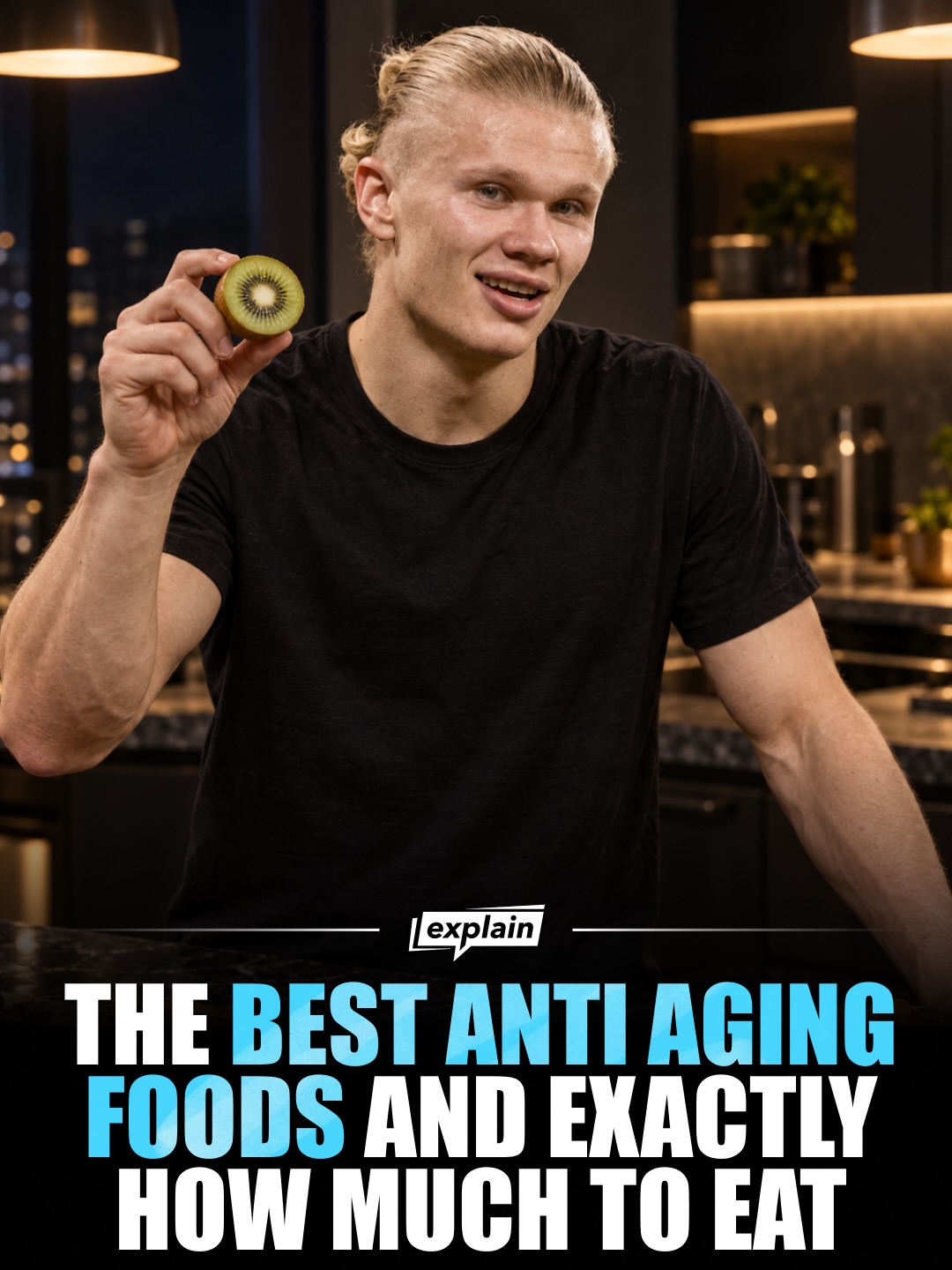
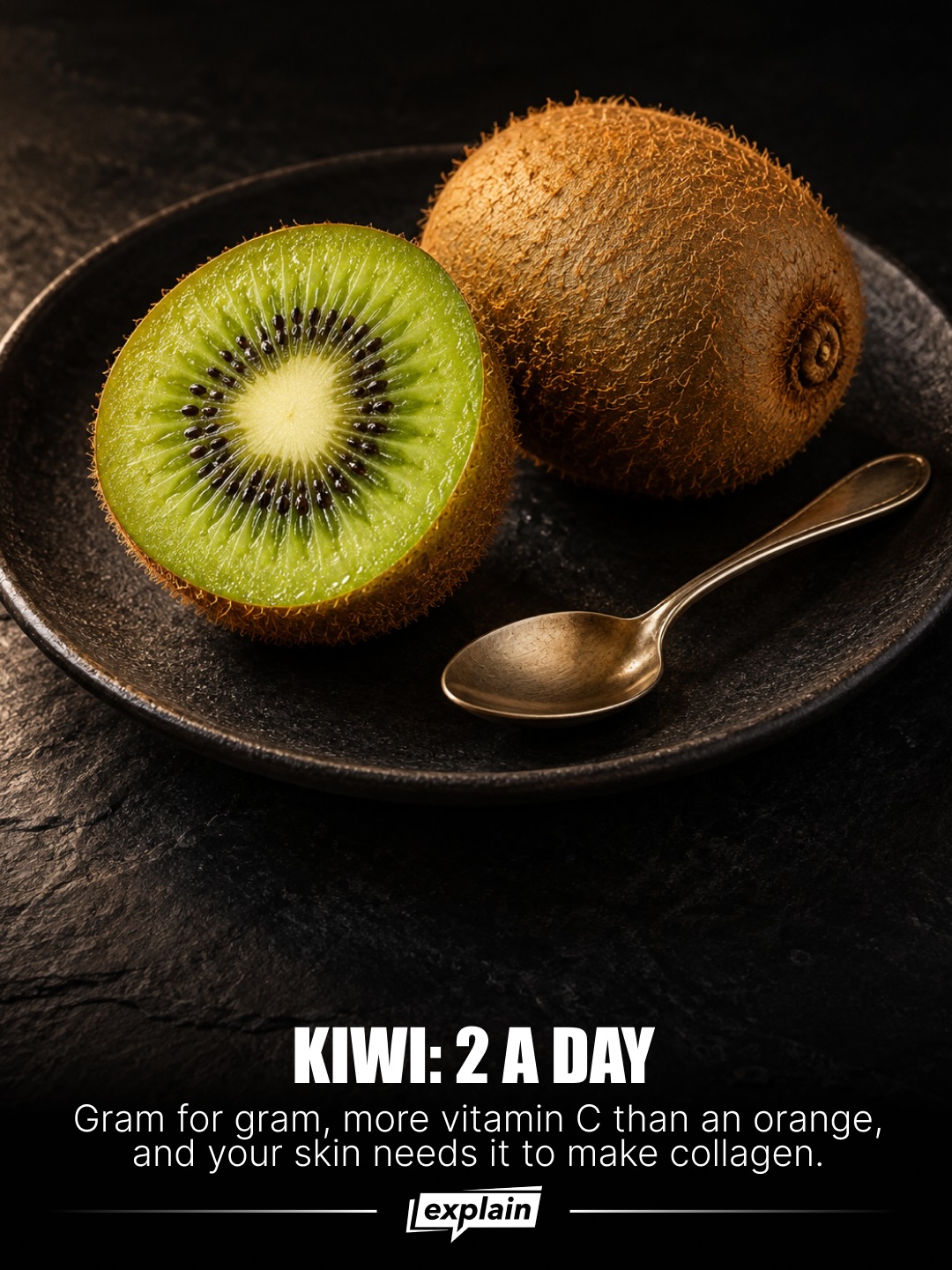
"אכילת קיווי מספקת ויטמין C בכמות גבוהה יחסית למשקל בהשוואה לתפוז, והוא חיוני לייצור קולגן בעור."
מסקנת הבדיקה:
קיווי מכיל ריכוז גבוה של ויטמין C ביחס למשקלו (בהשוואה לתפוזים), וויטמין זה הכרחי לתהליך ייצור וסינתזת קולגן בגוף.
chevron_right ודאות הפסיקה: גבוהה
מידת הביטחון של המערכת בפסיקה — לא אחוז הנכונות של הטענה. ביטחון נמוך פירושו שהראיות מעטות או סותרות.
chevron_right מקורות מדעיים: (2)
-
link
Protective Effects of an Advanced Antioxidant Serum and an Encapsulated Vitamin C Serum From UV-Induced Erythema and Oxidative Stress.
<h4>Objective</h4>To evaluate the protective effects of 2 antioxidant products against UV light by assessing UV-induced erythema and skin damage biomarkers.<h4>Methods</h4>A randomized, controlled trial enrolled 15 healthy women aged 35 to 60 years. Participants' lower backs were marked with 4 test sites (5 cm × 6 cm). Test products (4 mg/cm<sup>2</sup>) were applied daily for 4 days. Untreated/irradiated and naïve sites served as controls. After determining each participant's minimal erythema dose (MED), skin was exposed to UV irradiation at 1× and 2× MED. Erythema, imaging, and skin damage were evaluated. Analysis of markers was determined from biopsies using histochemical imaging and scoring by a dermatopathologist (2× MED site).<h4>Results</h4>Pretreatment with the advanced antioxidant serum (TAP) demonstrated 72% (1× MED, <i>P</i>=0.02) and 300% less erythema (2× MED, <i>P</i><0.001) vs an encapsulated vitamin C serum (Encap-C) and 75% (1× MED, <i>P</i>=0.01) and 354% (2× MED, <i>P</i><0.001) vs control. Pretreatment with TAP demonstrated significant protective effects vs Encap-C and control at 1× and 2× MED for matrix metalloproteinase 9 (<i>P</i>=0.004 and <i>P</i>=0.005, respectively), thymine dimers (both <i>P</i><0.001), sunburn cell count (<i>P</i>=0.008 and <i>P</i><0.001, respectively), p53 (<i>P</i><0.001, both), CD68 (<i>P</i>=0.001 and <i>P</i><0.001, respectively), and total lymphocyte count (both <i>P</i><0.001). Encap-C did not demonstrate significant differences in erythema or biomarker levels vs control.<h4>Limitations</h4>This study was conducted in healthy participants (mean age: 49 years), with limited representation across Fitzpatrick skin types. Future studies should include a more diverse study population.<h4>Conclusion</h4>Pretreatment with TAP demonstrated significantly less UV-induced erythema and provided significantly greater cellular protection vs Encap-C serum and untreated/irradiated skin.…
PubMed · PMID: 42459249
-
link
From Waste to Beauty: Agri-Food By-Products as Sources of Antioxidant Compounds for Cosmeceutical Applications.
Agri-food processing generates large quantities of residues that are increasingly recognized as sustainable sources of bioactive ingredients for high-value applications. This narrative review examines agri-food by-products as sources of antioxidant compounds and provides an integrated mechanistic perspective on their applications in skin, oral, and hair care. By highlighting the shared antioxidant mechanisms of action underlying these applications, the review offers a comprehensive framework for understanding the cosmeceutical potential of agri-food-derived bioactive compounds. Peer-reviewed studies published mainly between 2015 and 2026 were considered, focusing on the chemical composition of by-products, green recovery strategies, biological mechanisms, and evidence from in vitro, ex vivo, in vivo, and clinical studies. Fruit and vegetable peels, seeds, skins, pomaces, and other agro-industrial residues contain polyphenols, flavonoids, phenolic acids, tannins, carotenoids, vitamins, lipids, peptides, and polysaccharides with antioxidant, anti-inflammatory, antimicrobial, photoprotective, anti-aging, moisturizing, and pigmentation-modulating properties. These compounds can reduce oxidative stress, support endogenous antioxidant defences, modulate redox-sensitive signaling pathways, attenuate inflammation, preserve extracellular matrix integrity, and improve skin barrier-related outcomes. Green extraction technologies, including ultrasound-assisted extraction, microwave-assisted extraction, supercritical fluid extraction, pressurized liquid extraction, and natural deep eutectic solvents, enhance their sustainable recovery. Overall, agri-food by-products represent promising resources for circular cosmeceutical innovation, although extract standardization, safety, stability, skin bioavailability, formulation performance, and controlled clinical validation remain essential for translation.…
PubMed · PMID: 42650213
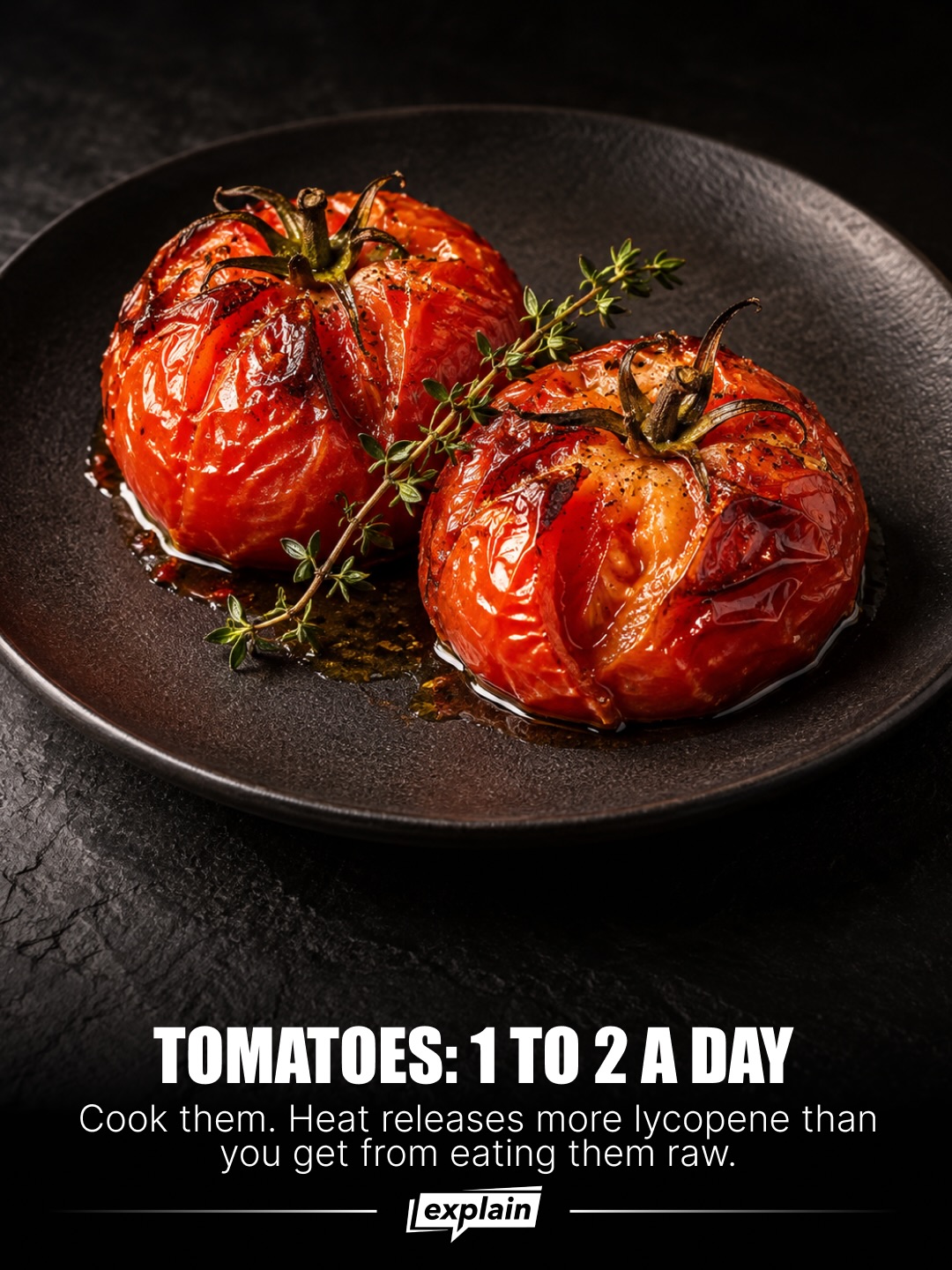
"בישול עגבניות משחרר כמות גדולה יותר של ליקופן בהשוואה לצריכתן בצורה טרייה."
מסקנת הבדיקה:
הספרות המדעית מאשרת שבישול עגבניות משפר את הזמינות הביולוגית של הליקופן ומשחרr כמות גדולה יותר ממנו לספיגה.
chevron_right ודאות הפסיקה: גבוהה
מידת הביטחון של המערכת בפסיקה — לא אחוז הנכונות של הטענה. ביטחון נמוך פירושו שהראיות מעטות או סותרות.
chevron_right מקורות מדעיים: (3)
-
link
Effect of domestic cooking on human bioavailability of naringenin, chlorogenic acid, lycopene and beta-carotene in cherry tomatoes.
Epidemiological data showed that tomato and tomato product (sauce, paste) consumption is associated with a protective effect against the development of some chronic-degenerative diseases. Tomato antioxidant bioactive molecules such as carotenoids and polyphenols could be responsible, at least in part, for the healthy effect observed. The bioavailability of these compounds is an essential requirement to sustain their in vivo role. While it is well known that many factors can influence the bioaccessibility of carotenoids from the food matrix, there is little information about the factors affecting phenolic compounds' bioaccessibility. This investigation was carried out to evaluate the effect of domestic cooking on the bioavailability in humans of antioxidant molecules after the administration of a test meal containing cherry tomatoes. A cross-over design was conducted. Subjects (3 females and 2 males) consumed experimental meals containing fresh and cooked cherry tomatoes. Blood collection was performed at different time intervals (0, 2, 4, 6, 8 and 24 h). Carotenoid and phenol plasma concentrations were measured. Plasma levels of lycopene and beta-carotene were not significantly different with respect to the baseline after ingestion of both the test meals, while plasma concentrations of naringenin and chlorogenic acid increased significantly with respect to the baseline (P<0.05) after administration of cooked cherry tomatoes, but not after administration of fresh cherry tomatoes. The present study indicated that domestically cooked tomatoes significantly increase naringenin and chlorogenic acid plasma levels. Considering that both naringenin and chlorogenic acid are widely studied for their potential healthy properties, evidence of their bioavailability and of the factors influencing their bioaccessibility is an important tool to sustain the possibility that these polyphenols play a biological role in human physiology.…
PubMed · PMID: 15309458
-
link
Home cooking and ingredient synergism improve lycopene isomer production in Sofrito.
There has been increasing interest in tomato products rich in lycopene Z-isomers since these carotenoids present greater bioavailability and antioxidant capacity than the all-E lycopene form. Intrinsic food properties as well as processing and the interaction between dietary components can all influence the content, type and bioavailability of carotenoids. The aim of this study was to evaluate whether carotenoid content and isomerization in tomato-based Mediterranean sofrito is affected by the process of home cooking and the presence of other ingredients such as extra virgin olive oil, onion and garlic. We used a full factorial design to clarify the contribution of each ingredient to the carotenoid composition of sofrito and to determine whether this can be improved by the cooking time and ingredient synergism. Cooking time and onion content were associated with a higher production of 5-Z-lycopene, 9-Z-lycopene and 13-Z-lycopene in sofrito. Onion proved to be the most interesting ingredient in the sofrito formulation due to their enhancing effect on lycopene isomerization. The use of onion combined with an adequate processing time may improve the bioavailability of lycopene in tomato products.…
PubMed · PMID: 28847422
-
link
Carotenoids in the Context of the Mediterranean Dietary Pattern: From Food Matrix and Bioavailability to Biomarkers and Human Health.
The Mediterranean Diet pattern is characterized by high intake of plant-based foods rich in bioactive nutrients, including carotenoids. This review examines the major dietary carotenoids and xanthophylls characteristic of the Mediterranean food matrix, focusing on their structural diversity, plant biosynthesis, release from the food matrix, bioavailability, and biological redox-modulating activities. The literature was collected from PubMed, Web of Science, and Scopus to trace the pathway of carotenoids from their accumulation in plant tissues to their potential effects on human health. Culinary processing and the concomitant intake of dietary lipids can enhance carotenoid bioaccessibility by promoting isomerization and facilitating the formation of mixed micelles during digestion. In addition to systemic absorption, noninvasive diagnostic tools, including skin carotenoid measurements by reflectance spectroscopy and macular pigment optical density, provide useful biomarkers of fruit and vegetable intake. Carotenoids may contribute to systemic antioxidant and redox regulation by quenching singlet oxygen, scavenging free radicals, and modulating redox-sensitive signaling pathways. Overall, their structural diversity, food-matrix interactions, bioaccessibility, and biological activities support continued investigation of carotenoid-rich foods within the Mediterranean dietary pattern and their associations with human health outcomes.…
PubMed · PMID: 42792203
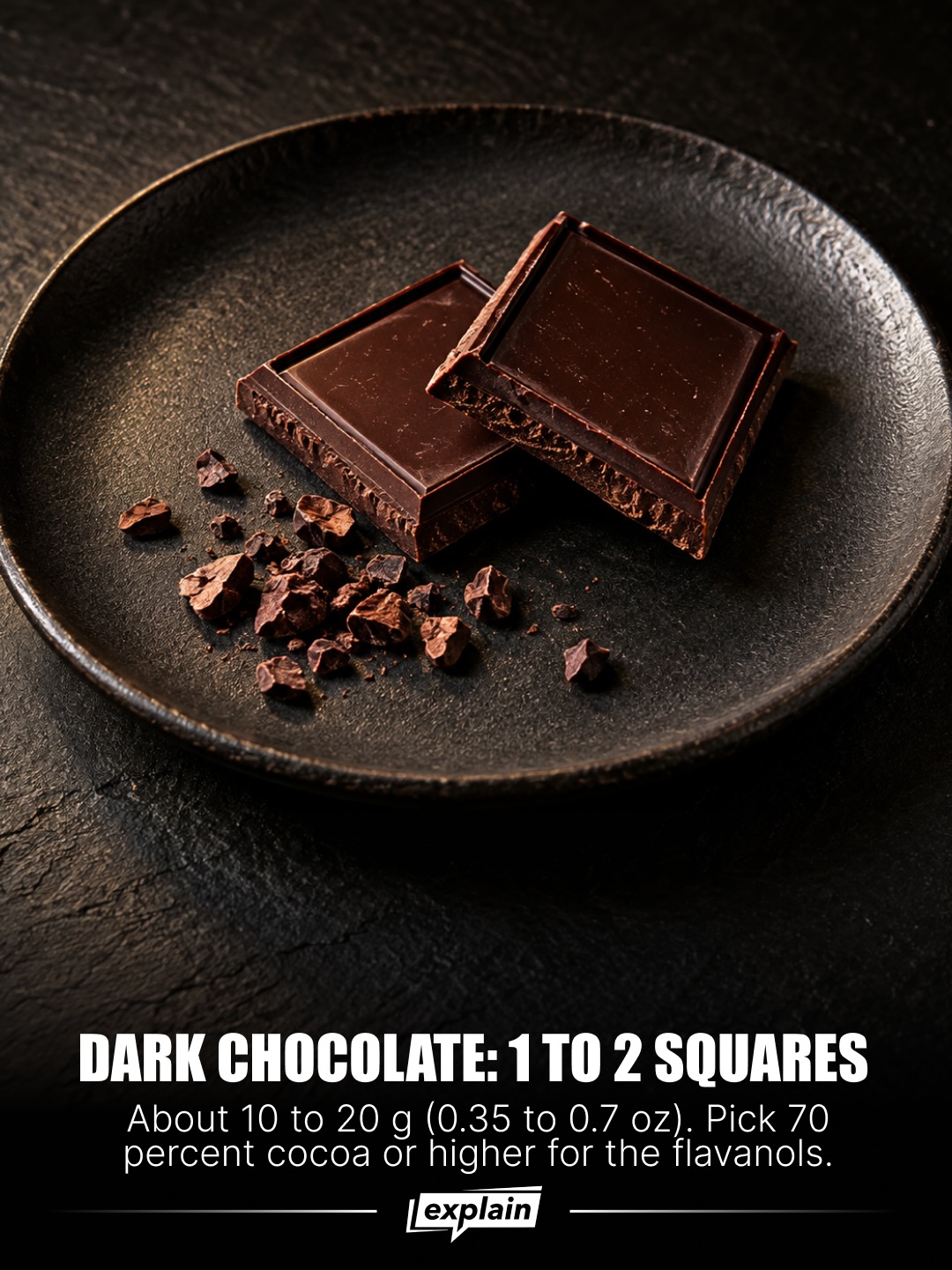
"שוקולד מריר המכיל 70 אחוז קקאו ומעלה מספק פלבנוולים לבריאות."
מסקנת הבדיקה:
שוקולד מריר עם אחוז קקאו גבוה (70% ומעלה) מוכר במחקרים כמקור עשיר לפלבנוולים התורמים לבריאות.
chevron_right ודאות הפסיקה: גבוהה
מידת הביטחון של המערכת בפסיקה — לא אחוז הנכונות של הטענה. ביטחון נמוך פירושו שהראיות מעטות או סותרות.
chevron_right מקורות מדעיים: (2)
-
link
Effects of Cocoa Polyphenols and Dark Chocolate on Obese Adults: A Scoping Review.
Obesity remains a major public health problem due to its increasing prevalence. Natural products have become common as adjunct therapeutic agents for treating obesity and preventing metabolic diseases. Cocoa and its products are commonly consumed worldwide. Dark chocolate, a rich source of polyphenols, has received attention lately for its beneficial role in the management of obesity; however, conflicting results are still being reported. This scoping review aims to provide a comprehensive understanding of the existing literature on the relationship and effects of cocoa and dark chocolate intake among obese adults. We searched multiple databases for research investigating the consumption of cocoa and/or dark chocolate in managing obesity among adults. This review includes epidemiological and human studies that were published in English over the last 10 years. Our review of the current literature indicates that epidemiological and human trials with obese adults have shown inconsistent results, which may be due to the different populations of subjects, and different types of cocoa products and doses used for intervention. Studies among obese adults are mainly focusing on obese individuals with comorbidities, as such more studies are needed to elucidate the role of cocoa polyphenols in weight control and preventing the risk of chronic diseases among obese individuals without comorbidities as well as healthy individuals. Careful adjustment of confounding factors would be required. The effects of cocoa and dark chocolate intake on obese adults were discussed, and further research is warranted to identify the gaps.…
PubMed · PMID: 33266002
-
link
The Impact of Cocoa Flavanols on Cardiovascular Health.
The aim of the study was to review the effect of cocoa flavanols on cardiovascular health, with emphasis on the doses ingested, and to analyze a range of cocoa products for content of these compounds. PubMed was searched from 2010 to locate systematic reviews (SR) on clinical effects of chocolate consumption. Thirteen SRs were identified and reviewed, and provided strong evidence that dark chocolate did not reduce blood pressure. The evidence was however strong for an association with increased flow-mediated vasodilatation (FMD) and moderate for an improvement in blood glucose and lipid metabolism. Our analysis showed that cocoa products with around 100 mg epicatechin can reliably increase FMD, and that cocoa flavanol doses of around 900 mg or above may decrease blood pressure in specific individuals and/or if consumed over longer periods. Out of 32 cocoa product samples analyzed, the two food supplements delivered 900 mg of total flavanols and 100 mg epicatechin in doses of 7 g and 20 g and 3 and 8 g, respectively. To achieve these doses with chocolate, around 100 to 500 g (for 900 mg flavanols) and 50 to 200 g (for 100 mg epicatechin) would need to be consumed. Chocolate products marketed for their purported health benefits should therefore declare the amounts of total flavanols and epicatechin. Copyright © 2016 John Wiley & Sons, Ltd.…
PubMed · PMID: 27363823
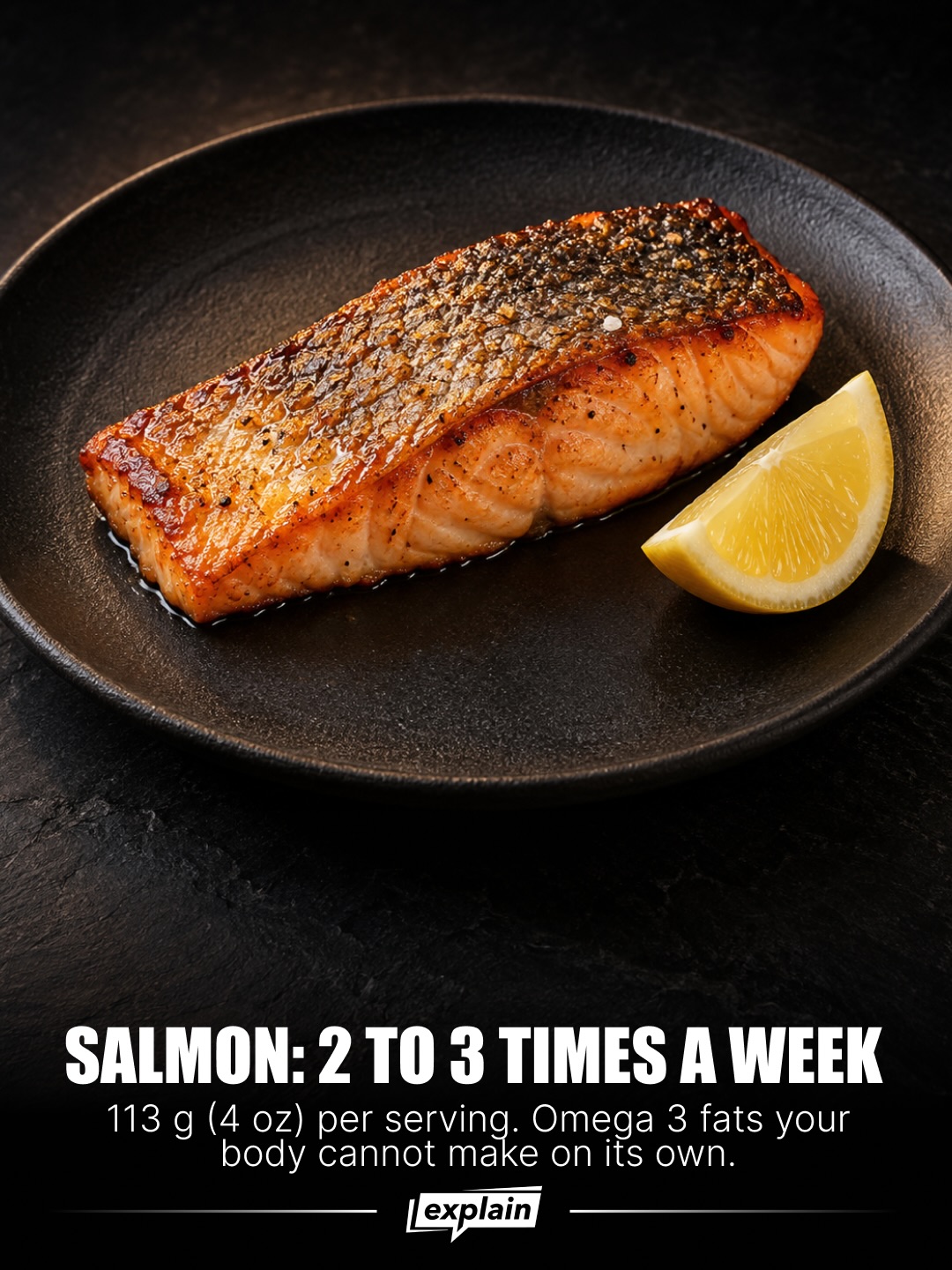
"אכילת סלמון מספקת חומצות שומן מסוג אומגה 3 שהגוף אינו יכול לייצר בעצמו."
מסקנת הבדיקה:
סלמון הוא דג עשיר בחומצות שומן אומגה 3 חיוניות (כגון EPA ו-DHA) שהגוף האנושי אינו מסוגל לייצר בעצמו.
chevron_right ודאות הפסיקה: גבוהה
מידת הביטחון של המערכת בפסיקה — לא אחוז הנכונות של הטענה. ביטחון נמוך פירושו שהראיות מעטות או סותרות.
chevron_right מקורות מדעיים: (2)
-
link
Levels of Omega 3 fatty acids in Australian seafood.
The aim of this study was to determine the quantity of omega 3 (n-3) fatty acids in commonly consumed species of South Australian fish. Omega 3 fatty acids ranged from 17.7% to 53.7% of total fat with docosahexaenoic acid (DHA, 22:6n-3) as the major omega 3 fatty acid in all 26 species tested (range 9.5 % to 47.1% of total fat). The levels of total omega 6 (n-6) fatty acids ranged from 2.3% to 20.2% of total lipids, chiefly as arachidonic acid (AA, 20:4n-6). Fatty fish such as Gemfish, Atlantic Salmon and Swordfish were found to be good sources of omega-3 fatty acid (1360, 2252 and 2571 mg/100g fish respectively), while low fat fish such as Ling, Deep Sea Bream (Blue Warhou) and Blue Grenadier (0.5, 0.7 and 0.7% fat) had low levels of omega 3 fatty acid (222, 257 and 247 mg/100g). Because most white table fish consumed by Australians are so low in fat they are actually a limited source of omega 3 fats. The amount of fish required to be consumed to provide 1 g of omega 3 fatty acid per day ranged from 40 to 450 g.…
PubMed · PMID: 18818157
-
link
Molecular Regulation of Biosynthesis of Long Chain Polyunsaturated Fatty Acids in Atlantic Salmon.
Salmon is a rich source of health-promoting omega-3 long chain polyunsaturated fatty acids (n-3 LC-PUFA), such as eicosapentaenoic acid (EPA, 20:5n-3) and docosahexaenoic acid (DHA, 22:6n-3). The LC-PUFA biosynthetic pathway in Atlantic salmon is one of the most studied compared to other teleosts. This has largely been due to the massive replacement of LC-PUFA-rich ingredients in aquafeeds with terrestrial plant oils devoid of these essential fatty acids (EFA) which ultimately pushed dietary content towards the minimal requirement of EFA. The practice would also reduce tissue content of n-3 LC-PUFA compromising the nutritional value of salmon to the human consumer. These necessitated detailed studies of endogenous biosynthetic capability as a contributor to these EFA. This review seeks to provide a comprehensive and concise overview of the current knowledge about the molecular genetics of PUFA biosynthesis in Atlantic salmon, highlighting the enzymology and nutritional regulation as well as transcriptional control networks. Furthermore, we discuss the impact of genome duplication on the complexity of salmon LC-PUFA pathway and highlight probable implications on endogenous biosynthetic capabilities. Finally, we have also compiled and made available a large RNAseq dataset from 316 salmon liver samples together with an R-script visualization resource to aid in explorative and hypothesis-driven research into salmon lipid metabolism.…
PubMed · PMID: 35907166
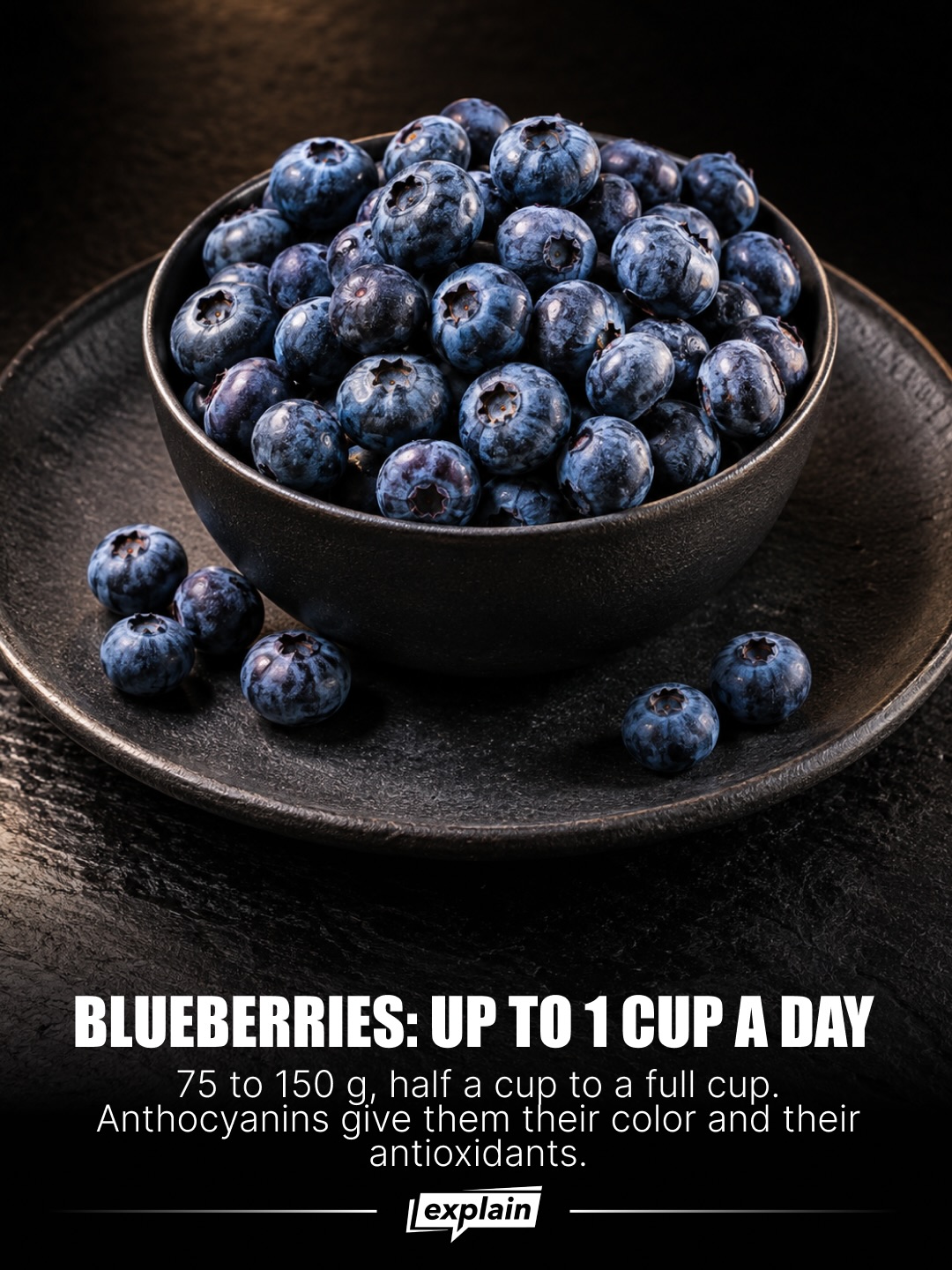
"אוכמניות מכילות אנתוציאנינים האחראיים על צבען ומשמשים כנוגדי חמצון."
מסקנת הבדיקה:
אוכמניות עשירות באנתוציאנינים, שהם פיגמנטים המעניקים להן את צבען ומשמשים כנוגדי חמצון משמעותיים.
chevron_right ודאות הפסיקה: גבוהה
מידת הביטחון של המערכת בפסיקה — לא אחוז הנכונות של הטענה. ביטחון נמוך פירושו שהראיות מעטות או סותרות.
chevron_right מקורות מדעיים: (2)
-
link
NMR Metabolite Profiling and Antioxidant Properties of Spartan, Jewels, Misty, and Camelia Blueberries.
The health-promoting properties of blueberries are widely recognized and are mainly attributed to anthocyanins. However, fruit's chemical composition includes also other components and strongly depends on varieties and climatic conditions. Here,…
PubMed · PMID: 39348468
-
link
Anthocyanins in Blueberries Grown in Hot Climate Exert Strong Antioxidant Activity and May Be Effective against Urinary Tract Bacteria.
Anthocyanins are extensively studied for their health-related properties, including antibacterial activity against urinary tract infections (UTI). Among common fruits, blueberries, with their remarkable antioxidant capacity, are one of the richest sources. Anthocyanin-rich extracts were obtained from four varieties: Snowchaser, Star, Stella Blue and Cristina Blue, grown in the hot climate of Southern Spain. Their total anthocyanins contents (TAC) were determined spectrophotometrically, and the anthocyanin profile by ultra high performance liquid chromatography - tandem mass spectrometer (UHPLC-MS/MS). Their antioxidant activity was assessed by oxygen radical absorbance capacity (ORAC) assay, while antibacterial activity against strains isolated from UTI patients was assessed in vitro, helping to select the varieties with the highest bioactive potential. Star showed the highest TAC and antioxidant activity (1663 ± 159 mg of cyanidin-3-…
PubMed · PMID: 32498420

Explain
דירוג זה מבוסס על 14 דוחות אימות קודמים.

האם הדוח הזה היה מועיל לך?
מה היה פחות טוב? (רשות)
תודה על הפידבק!
עירעור על דוח זה
ספקו ראיות חדשות או הצביעו על אי דיוקים
נעדכן אותך על תוצאות הבדיקה
הוסיפו קישורים למחקרים או מקורות רפואיים מוכרים
העירעור נשלח בהצלחה!
המנוע המדעי שלנו יבדוק את הראיות שהגשתם. נעדכן אתכם באימייל עם התוצאות.
ניתוח מבוסס בינה מלאכותית
דוח זה נוצר באופן אוטומטי על ידי מערכת בינה מלאכותית ועשוי להכיל שגיאות, אי-דיוקים או מידע חלקי. הניתוח אינו מהווה ייעוץ רפואי, אבחנה או המלצה לטיפול, והוא אינו תחליף לדעתו של איש מקצוע רפואי מוסמך. יש להתייעץ עם רופא או מומחה מוסמך לפני קבלת כל החלטה רפואית. המידע מוצג לצרכי מידע כללי בלבד.
מידע זה מופק על ידי בינה מלאכותית ואינו מהווה תחליף לייעוץ רפואי מקצועי.