סריקה בתהליך...
הניתוח עשוי לארוך 30–90 שניות
הידעת?
הסרטון אינו מכיל תוכן רפואי
חושבים שחלה טעות?
אם לדעתכם הסרטון אכן עוסק בטענות רפואיות או בריאותיות, הוסיפו הסבר קצר ושלחו בקשה לבדיקה מחדש.
הבקשה התקבלה! נבדוק את הסרטון ונחזור אליכם.
אירעה שגיאה בשליחת הבקשה. נסו שוב.
דו״ח מאומת
הסרטון מציג מידע מדויק ומגובה במחקרים מדעיים אמינים.
סיכום
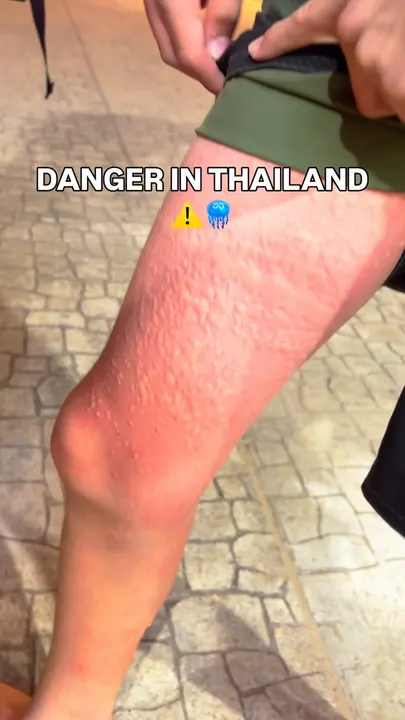
הראיות המדעיות תומכות בחלק מהמסרים המרכזיים של הסרטון, אך ישנם פערים משמעותיים לגבי הטיפול התרופתי. הטענות לגבי שטיפה בחומץ לבן, איסור שימוש במים או בשתן, חומרת הארס של מדוזת הקופסה בתאילנד ופנייה למוקד החירום 1669 נמצאו מאומתות ומבוססות על פרוטוקולים רפואיים קליניים. לעומת זאת, הטענה שיש למרוח או ליטול אנטיהיסטמינים כדי למנוע פריחה אינה נכונה, מכיוון שהתסמינים נובעים מרעילות הארס ולא כתגובה אלרגית מתוכת-היסטמין. פער הראיות המרכזי סובב סביב חוסר היעילות והסיכון שבשימוש באנטיהיסטמינים מקומיים המנוגדים להנחיות הרפואיות.
analytics ניתוח טענות מבוסס ראיות
"לאחר ייבוש העור מחומץ, יש למרוח משחה אנטיהיסטמינית או ליטול כדורי אנטיהיסטמין כדי למנוע התפשטות פריחה וכוורות."
מסקנת הבדיקה:
פריחה וכוורות לאחר עקיצת מדוזה נגרמות בעיקר מרעילות ישירה של ארס המדוזה ולא מתגובה אלרגית מתווכת-היסטמין, ולכן אנטיהיסטמינים אינם מונעים את התפשטותן. כמו כן, מריחת משחות אנטיהיסטמיניות מקומיות אינה מומלצת שכן היא עלולה לגרום לדלקת עור מגע אלרגית.
chevron_right ודאות הפסיקה: גבוהה
מידת הביטחון של המערכת בפסיקה — לא אחוז הנכונות של הטענה. ביטחון נמוך פירושו שהראיות מעטות או סותרות.
"במקרה של עקיצת מדוזה בתאילנד, יש לשטוף את העור בחומץ לבן למשך 30 שניות מבלי לשפשף ולאחר מכן לתת לו להתייבש."
מסקנת הבדיקה:
ההנחיות הרפואיות המקובלות לטיפול בעקיצות מדוזות באזורים טרופיים כמו תאילנד, שבהם מצויות מדוזות קופסה מסוכנות, ממליצות על שטיפה בחומץ לבן (4%-6% חומצה אצטית) למשך 30 שניות כדי למנוע שחרור נוסף של רעלן מהתאים הצורבים. לכן, הטענה מאומתת על ידי הספרות המקצועית וההנחיות הקליניות.
chevron_right ודאות הפסיקה: גבוהה
מידת הביטחון של המערכת בפסיקה — לא אחוז הנכונות של הטענה. ביטחון נמוך פירושו שהראיות מעטות או סותרות.
chevron_right מקורות מדעיים: (4)
-
link
Clinical manifestations and managements in jellyfish envenomation A systematic review
Background: The phylum Cnidarians have over nine thousand species that approximately, one hundred species are dangerous for humans. Annually, a large number of deaths were reported due to jellyfish stings. The manifestations depend on their species and kind of venoms, and include the local and systemic manifestations. A number of methods and compounds were used and under investigation for management of injuries with jellyfishes. Due to the lack of an integrated systematic review, the current study was done. Materials and Methods: The PubMed data bank was searched for the term “Jellyfish”. A total of 1677 papers were found. These papers were divided into three categories: medical, biomedical and biotechnological fields. The medical category was further divided into three subcategories comprising systemic manifestations, cutaneous manifestations and treatments for the stings of jellyfishes. The biomedical category was further subdivided into genomics, proteomics, and biology of venoms, mechanisms of actions and products of biomedical significance. In this part of systematic review, the medical aspects of injuries with jellyfishes were evaluated. Results: The clinical manifestations in jellyfish envenomation depend on their species and the nature of venoms. The most common clinical manifestations of jellyfish stings are cutaneous presentations like urticasia, erythema, swelling, vesicles and severe dermonectoric manifestations. Systemic manifestations were seen in the stings of box jellyfishes, Portuguese man-of-war and in Irukandji syndrome. The most common recommendations for jellyfish envenomation managements include decreasing the local effects of venom, prevention of the venomous nematocysts release, and Controlling of systemic reactions. Application of commercial vinegar (4 - 6% acetic acid), hot water immersion (HWI) (42 ° C for 20 minutes), ice packs, sea water rinsing for inactivating nematocysts, administration of topical and parenteral analgesics, corticosteroids , and antihistamines are the basics for treatments of jellyfish envenomations. The Anti-venom for jellyfishes can counteract the effects of venom. Conclusion: The cutaneous manifestations in jellyfish envenomation are the most common clinical presentation. There was no any conducted double-blind and controlled clinical trials for the management of jellyfish envenomation, the application of commercial vinegar (4 - 6% acetic acid), hot water, ice packs and sea water rinsing are the fundamentals of treatments in the stings of the jellyfishes.…
OpenAlex · W2262942094
-
link
Jellyfish Stings and Their Management: A Review
Jellyfish (cnidarians) have a worldwide distribution. Despite most being harmless, some species may cause local and also systemic reactions. Treatment of jellyfish envenomation is directed at: alleviating the local effects of venom, preventing further nematocyst discharges and controlling systemic reactions, including shock. In severe cases, the most important step is stabilizing and maintaining vital functions. With some differences between species, there seems to be evidence and consensus on oral/topical analgesics, hot water and ice packs as effective painkillers and on 30 s application of domestic vinegar (4%-6% acetic acid) to prevent further discharge of unfired nematocysts remaining on the skin. Conversely, alcohol, methylated spirits and fresh water should be carefully avoided, since they could massively discharge nematocysts; pressure immobilization bandaging should also be avoided, as laboratory studies show that it stimulates additional venom discharge from nematocysts. Most treatment approaches are presently founded on relatively weak evidence; therefore, further research (especially randomized clinical trials) is strongly recommended. Dissemination of appropriate treatment modalities should be deployed to better inform and educate those at risk. Adequate signage should be placed at beaches to notify tourists of the jellyfish risk. Swimmers in risky areas should wear protective equipment.…
OpenAlex · PMID: 23434796
-
link
The toxicity of Physalia physalis: systematic review and experimental study.
Jellyfish poisonings are frequent in coastal areas of temperate latitudes. In Spain, the most frequent and dangerous jellyfish is the Portuguese man-of-war or Physalia physalis. Although the clinical manifestations of P. physalis envenomation are known, the acute management and complications are controversial, with varying criteria about proper treatment. This paper presents a systematic review of those studies that have collected clinical aspects of the sting of P. physalis, as well as an experimental study that evaluates the discharge capacity of nematocysts under different conditions (heated seawater at 50°C, 4°C seawater, distilled water, 25% commercial vinegar, distilled water, 25% commercial vinegar in seawater) as a proxy for envenomation potential including in sea lice. Also, discharged and undischarged nematocyst count was performed in air-dried tentacles at different times after specimen collection. Acetic acid does not produce nematocyst discharge when diluted in seawater and warm seawater is an optimal rinsing agent that dissolves the jellyfish mesoglea. Furthermore, the nematocysts detached from the jellyfish body maintain toxic capacity for at least 120 days after the stranding of the organism. Most controversy regarding the treatment of P. physalis envenomation is related to the lack of proper species stratification or identification. In our sample, acetic acid does not elicit nematocyst discharge by itself, but depending on the solvent. Both vinegar and hot seawater rinses are the best first-aid treatments. A first aid protocol is proposed based on data from the review and the experimental study.…
PubMed · PMID: 40248951
-
link
First Aid Treatment of Jellyfish Stings: A Systematic Review.
Jellyfish stings and envenomation can cause local and systemic symptoms with varying severity and duration. The goals of first aid include interventions to relieve symptoms, thus reducing morbidity and mortality. In this systematic review performed on behalf of the International Liaison Committee on Resuscitation (ILCOR) First Aid Task Force, we aimed to answer the question: Among adults and children with a suspected jellyfish sting, what is the effect of first aid intervention as treatment, compared to other treatment or no treatment, on pain, time to pain relief, survival, need for hospitalization, and adverse outcomes or complications? A search for randomized controlled trials (RCTs) and non-randomized studies was performed on Cochrane Central Register of Controlled Trials, Medical Literature Analysis and Retrieval System Online (MEDLINE), Excerpta Medica database (Embase), and Web of Science until 31 March 2025. This systematic review was conducted in accordance with the Cochrane Handbook for Systematic Reviews of Interventions, and reporting adhered to the Preferred Reporting Items for Systematic Reviews and Meta-Analyses (PRISMA) checklist. There were seven RCTs or quasi-RCTs and three non-randomized studies. There was very low confidence in the estimate of effects for the outcomes evaluated due to the risk of bias and heterogeneity. Treatment with topical vinegar was the most frequently evaluated intervention (seven studies), followed by heat therapy (six studies). All studies reported on the critical outcome of any pain relief and intensity of pain, with a wide range of time to pain relief of up to 24 hours. Adverse outcomes after treatment were evaluated in six studies and included pain, erythema, burns, and difficulty with application. Treatments that may relieve symptoms of jellyfish stings include seawater, heat therapy, cold packs, lidocaine, benzocaine, Adolph's meat tenderizer, vinegar, commercial products (e.g., Stingose or Sting-Aid), and sodium bicarbonate. There were very few studies and a significant risk of bias and heterogeneity, leading to very low-quality evidence on first aid treatment for jellyfish stings. Seawater would be recommended, given its availability at no cost in the coastal region.…
Europe PMC · PMID: 40525026
"במקרה של עקיצת מדוזה, אין להשתמש במים או בשתן על אזור העקיצה."
מסקנת הבדיקה:
הנחיות רפואיות מקובלות, כמו אלו של ארגוני בריאות והצלה ימית, ממליצות להימנע משימוש במים מתוקים או בשתן על עקיצות מדוזות מכיוון שהם עלולים לגרום לשחרור נוסף של רעלן מתאי הצורב. לכן, הטענה המזהירה מפני שימוש במים או בשתן נכונה ומבוססת על פרוטוקולים קליניים.
chevron_right ודאות הפסיקה: גבוהה
מידת הביטחון של המערכת בפסיקה — לא אחוז הנכונות של הטענה. ביטחון נמוך פירושו שהראיות מעטות או סותרות.
chevron_right מקורות מדעיים: (2)
-
link
Experimental Assays to Assess the Efficacy of Vinegar and Other Topical First-Aid Approaches on Cubozoan (Alatina alata) Tentacle Firing and Venom Toxicity.
Despite the medical urgency presented by cubozoan envenomations, ineffective and contradictory first-aid management recommendations persist. A critical barrier to progress has been the lack of readily available and reproducible envenomation assays that (1) recapitulate live-tentacle stings; (2) allow quantitation and imaging of cnidae discharge; (3) allow primary quantitation of venom toxicity; and (4) employ rigorous controls. We report the implementation of an integrated array of three experimental approaches designed to meet the above-stated criteria. Mechanistically overlapping, yet distinct, the three approaches comprised (1) direct application of test solutions on live tentacles (termed tentacle solution assay, or TSA) with single image- and video-microscopy; (2) spontaneous stinging assay using freshly excised tentacles overlaid on substrate of live human red blood cells suspended in agarose (tentacle blood agarose assays, or TBAA); and (3) a "skin" covered adaptation of TBAA (tentacle skin blood agarose assay, or TSBAA). We report the use and results of these assays to evaluate the efficacy of topical first-aid approaches to inhibit tentacle firing and venom activity. TSA results included the potent stimulation of massive cnidae discharge by alcohols but only moderate induction by urine, freshwater, and "cola" (carbonated soft drink). Although vinegar, the 40-year field standard of first aid for the removal of adherent tentacles, completely inhibited cnidae firing in TSA and TSBAA ex vivo models, the most striking inhibition of both tentacle firing and subsequent venom-induced hemolysis was observed using newly-developed proprietary formulations (Sting No More™) containing copper gluconate, magnesium sulfate, and urea.…
PubMed · PMID: 26761033
-
link
Effect of Rinse Solutions on Rhizostoma pulmo (Cnidaria: Scyphozoa) Stings and the Ineffective Role of Vinegar in Scyphozoan Jellyfish Species.
Rhizostoma pulmo is a widely distributed scyphozoan in the Mediterranean Sea. Their stings result mainly in erythema, small vesicles, or/and pain, and cause a high number of bathers to seek assistance from first-aid services during the summer season. Despite the threat that jellyfish stings represent to public health, there is disagreement in the scientific community on first-aid protocols, with the dispute largely centered around the effectiveness of vinegar. In the present research, we investigated the effect of commonly used rinse solutions on nematocyst discharge in R. pulmo and the effect of vinegar on three more scyphozoans (Aurelia sp., Cassiopea sp., and Rhizostoma luteum). Scented ammonia, vinegar, and acetic acid triggered nematocyst discharge in R. pulmo. Vinegar also caused nematocyst discharge in Aurelia sp., Cassiopea sp., and R. luteum. In contrast, seawater, baking soda, freshwater, urine, and hydrogen peroxide were considered neutral solutions that did not induce nematocyst discharge. These results indicate that the use of vinegar, acetic acid, or commercial products based on these compounds is counterproductive. Their use can worsen pain and discomfort caused not only by R. pulmo stings but also by those of any scyphozoan. The use of seawater is recommended for cleaning the R. pulmo sting site until an inhibitor solution that irreversibly prevents nematocyst discharge is discovered.…
PubMed · PMID: 36767709
"אם המצב מחמיר, יש קשיי נשימה או גירוד בכל הגוף, יש להתקשר מיד למוקד החירום בתאילנד במספר 1669."
מסקנת הבדיקה:
מספר הטלפון 1669 הוא מוקד החירום הרפואי הרשמי של המכון הלאומי לרפואת חירום בתאילנד. תסמינים חמורים כמו קשיי נשימה או תגובה מערכתית מפושטת מחייבים פנייה מיידית לעזרה רפואית דחופה דרך מוקד זה.
chevron_right ודאות הפסיקה: גבוהה
מידת הביטחון של המערכת בפסיקה — לא אחוז הנכונות של הטענה. ביטחון נמוך פירושו שהראיות מעטות או סותרות.
chevron_right מקורות מדעיים: (5)
-
link
The Impact of the Coronavirus Disease 2019 (Covid-19) Pandemic on the Use of Emergency Medical Services System in Bangkok, Thailand
Background: Coronavirus disease 2019 (COVID-19) has widely affected the global public health system, especially the emergency medical service (EMS), which has been the first responders since 2020. However, this pandemic persists with still limited studies on its impact on EMS. This study aimed to compare the number of EMS patients and the operation periods of Bangkok EMS in Thailand between 2020 (severe COVID-19 pandemic) and 2019 (prepandemic). Patients and Methods: We retrospectively analyzed data of patients with severe COVID-19 were collected from the emergency medical information system of Bangkok EMS center. Data were compared between the two periods. The COVID-19 pandemic period (study period) spanned from January 01, 2020 to December 31, 2020, whereas the control period referred to the same period in the previous year (January 01, 2019 to December 31, 2019). Results: A total of 178,594 patients were serviced by EMS, with 93,288 during the study period and 85,306 during the control period. The study period had more EMS patients overall by 9.36% (95% confidence interval [CI]: 9.16-9.55) and significantly more EMS patients per day, with a mean difference of 21.19 (254.90 ± 25.55 vs 233.71 ± 23.49; 95% CI: 17.63-24.76, p < 0.001), than the control period. Furthermore, all EMS operation periods studied were significantly longer during the study period. Conclusion: During COVID-19 pandemic period, a significantly increased number of EMS patients compared to one during non-COVID-19 pandemic period for both traumatic and non-traumatic patients, as well as remarkably increased every EMS operation period of both groups during COVID-19 pandemic period were found in the present study. From this knowledge, provision of necessary EMS resources and preparation of emergency staff to be ready for management of future pandemics should be obtained to reduce EMS operation period in the future pandemics.…
OpenAlex · PMID: 35958628
-
link
Leadership Perspectives on Criteria-Based Dispatch and Prehospital Triage in Thailand's Emergency Medical Services: A 10-Year National Trend Analysis and Policy Implications.
<h4>Introduction</h4>Criteria-Based Dispatch (CBD) is Thailand's national telephone-based prehospital triage system used to prioritize emergency response and allocate resources. However, long-term national trends in CBD utilization and their implications for healthcare leadership remain limited.<h4>Purpose</h4>This study aimed to analyze 10-year trends in CBD utilization in Thailand (2012-2022), focusing on overall patterns, age groups, and geographic variations to inform policy and EMS planning.<h4>Methods</h4>This retrospective descriptive study analyzed 14,763,882 emergency calls recorded in the national EMS database. Trend analyses were conducted to assess temporal changes across CBD categories, demographic subgroups, and regions.<h4>Results</h4>Of 14,758,415 eligible calls, CBD 25 (motor vehicle accident) was the most common category (23.6%) and showed a significant increasing trend with seasonal peaks during the New Year period (p < 0.001). Adults aged 18-59 years accounted for the largest proportion of calls (52.4%), with CBD 25 predominating (31.5%). Among older adults (≥60 years), CBD 17 (sick [unknown]/other) was most frequent (33.3%). Regionally, the Northeast had the highest call volume (46.7%), where CBD 17 predominated, while CBD 25 was most common in other regions.<h4>Conclusion</h4>These findings describe important variations in EMS demand across population groups and regions and may inform workforce planning, resource allocation, and targeted prevention strategies.…
Europe PMC · PMID: 42382735
-
link
Determinants and barriers of prehospital emergency medical services utilization among general critical emergency patients in Thailand
This cross-sectional study identified the determinants and barriers of pre- hospital emergency medical services (EMS) utilization among general critical emergency patients in Thailand, using the data of general critical emergency patients (red zone) from the information technology for emergency medical system (ITEMS) of the National Emergency Medical Service Institute. The sample of 889 critical emergency patients was selected through multistage random sampling method. Data were analyzed by multiple logistic regression. The findings indicated that 41.51% of general critical emergency patients used EMS through the EMS rescue hotline system of the National Institute of Emergency Medicine in which most of them were diabetic patients (24.75%). The determinants relating to EMS utilization of general critical emergency patients consisted of level of knowledge on EMS system (AdjOR: 5.77; 95%CI: 2.8-11.87), confidence in the safety of service utilization (AdjOR: 5.04; 95%CI: 3.65-6.98), recognition in service and severity of illness (AdjOR: 3.22; 95%CI: 2.17-4.76), service adequacy (AdjOR: 1.92; 95%CI: 1.41-2.63), educational background (AdjOR:1.69; 95%CI: 1.13-2.53), and service satisfaction (AdjOR: 1.14; 95%CI: 1.07-1.21). Nearly half of the people were utilizing the EMS services in Thailand. However, required level of knowledge on EMS, confidence on safety on service utilization, service adequacy as well as patient’s educational background had tremendous role on the proper utilization of EMS.…
OpenAlex · DOI: 10.11591/ijphs.v12i2.22319
-
link
PREHOSPITAL EMERGENCY MEDICAL SERVICES UTILIZATION FOR CRITICAL PATIENTS AND ITS DETERMINANTS IN THAILAND
This research aimed to determine the situations and factors associated with prehospital emergency medical services (EMS) utilization for critical patients in Thailand. This cross-sectional study used the data of a survey conducted by the Information Technology for Emergency Medical System (ITEMS) of the National Institute of Emergency Medicine, Thailand. The survey collected the data among 1,145 participants using a structured questionnaire. The generalized linear mixed model (GLMM) was used to identify the factors associated with prehospital EMS utilization among critical patients when controlling the effects of covariates presenting adjusted OR and 95% confidence interval. Among 1,145 critical patients, 33.71 % reported using the prehospital EMS of the emergency medical system. Factors that were associated with prehospital EMS use had a high level of knowledge on prehospital EMS (adj. OR = 6.49; 95%CI: 3.78-11.12), high level of trust in quality and safety of prehospital EMS (adj. OR = 4.72; 95%CI: 3.50-6.36), low-moderate severity of perceived illness (adj. OR= 3.71; 95%CI: 2.54-5.42), critical condition occurred at workplace/building (adj. OR=3.57; 95%CI: 2.33-5.47), at home/residential building (adj. OR = 2.21; 95%CI: 1.37-3.58), had adequate services in the area (adj. OR= 1.94; 95%CI: 1.45-2.60), finished at least secondary school (adj. OR= 1.62; 95%CI: 1.11-2.37), less than 15km distance between scene and EMS service site (adj. OR= 1.47; 95%CI: 1.10-1.98), and were very satisfied with services (adj. OR = 1.15; 95%CI: 1.08-1.22) from the reasons mentioned.…
OpenAlex · DOI: 10.35741/issn.0258-2724.56.5.47
-
link
Trends in pre-hospital emergency calls and transportation data for emergency medical services in Thailand
Objective: Emergency medical dispatchers (EMDs) ensure that pre-hospital resources are provided for potential hospital admissions.This analysis aimed to describe the prevalence and time trends of all requests to emergency medical services (EMS) in Thailand.Methods: This cross-sectional analytical study was conducted using a data set of 8,182,724 emergency calls to emergency medical dispatch centers throughout Thailand, collected from the EMS Registry from January 1, 2016 to December 31, 2020.Results: Out of the 8,116,969 eligible emergency calls, most regional emergency calls came from the Northeast region (45.5%), while the lowest number of calls came from the Western region (4.6%).The provinces with the highest and lowest numbers of emergency calls were Khon Kaen (6.15%) and Mae Hong Son (0.24%), respectively.The most frequent emergency calls were related to traffic accidents (25.6%), followed by unknown problems (20.4%),abdominal pain (10.6%), fall injury (8%), and dyspnea (7.8%).The total number of calls peaked at rainy season (42.2%),Fridays (14.7%), and during the afternoon (36.5%).Furthermore, 87% of calls were assigned the highest emergency priority levels (EPLs I and II).EPL I cases included cardiac arrest (93.9%), near-drowning (66.9%), unconsciousness (53.9%), stroke (52.7%), and diabetic problems (51.3%).Calls for cardiac arrest peaked in the morning (7:00 to 9:00) and during the evening (16:00 to 19:00), mainly occurring on Monday, in the winter season, and from October to December.Conclusion: The findings of this study provide fundamental information for the development of strategic treatment planning and allocation of emergency resources in Thailand.…
OpenAlex · DOI: 10.35616/jemsm.2022.00017
"מדוזת הקופסה הנמצאת בתאילנד היא בעלת ארס קטלני."
מסקנת הבדיקה:
מדוזות הקופסה, ובפרט מינים שונים הנמצאים בחופי תאילנד, מחזיקות בארס עוצמתי במיוחד העלול לגרום לתסמינים מערכתיים קשים ואף למוות. הספרות המדעית והרשויות הרפואיות מאשרות היטב את רעילותן הגבוהה והקטלנית של מדוזות אלו באזור.
chevron_right ודאות הפסיקה: גבוהה
מידת הביטחון של המערכת בפסיקה — לא אחוז הנכונות של הטענה. ביטחון נמוך פירושו שהראיות מעטות או סותרות.
chevron_right מקורות מדעיים: (4)
-
link
Rapid and Accurate Species-Specific PCR for the Identification of Lethal Chironex Box Jellyfish in Thailand.
Box jellyfish are extremely potent venom-producing marine organisms. While they have been found worldwide, the highest health burden has been anticipated to be the tropical Indo-Pacific of Southeast Asia (SEA). At least 12 Cubozoan species have now been documented in Thai waters, and many of them inflict acutely lethal strings, especially those under the order Chirodropida. Our previous study has successfully differentiated species of box jellyfish using DNA sequencing to support the morphological study. In this study, we specifically designed polymerase chain reaction (PCR) primers for the 16S ribosomal RNA (rRNA) gene and the mitochondrial DNA cytochrome oxidase subunit I (COI) gene of lethal Thai Chironex species. The SYBR green-based real-time PCR panel was performed for rapid species identification. The sensitivity and specificity of the panel were determined by testing samples of different species. Moreover, we applied the panel to the tentacle sample from a real patient, which helped confirm the animal-of-cause of envenomation. Our results show a success for species identification of box jellyfish using 16S rRNA and COI PCR panel, which revealed congruence between molecular and morphological identification. Furthermore, the panel worked very well with the unknown samples and jellyfish tissue from the real envenomation case. The results demonstrated that molecular panels were able to identify three species of Chironex box jellyfish both rapidly and accurately, and can be performed without having a complete specimen or morphological study.…
PubMed · PMID: 33396697
-
link
Transcriptome and venom proteome of the box jellyfish Chironex fleckeri.
The box jellyfish, Chironex fleckeri, is the largest and most dangerous cubozoan jellyfish to humans. It produces potent and rapid-acting venom and its sting causes severe localized and systemic effects that are potentially life-threatening. In this study, a combined transcriptomic and proteomic approach was used to identify C. fleckeri proteins that elicit toxic effects in envenoming. More than 40,000,000 Illumina reads were used to de novo assemble ∼ 34,000 contiguous cDNA sequences and ∼ 20,000 proteins were predicted based on homology searches, protein motifs, gene ontology and biological pathway mapping. More than 170 potential toxin proteins were identified from the transcriptome on the basis of homology to known toxins in publicly available sequence databases. MS/MS analysis of C. fleckeri venom identified over 250 proteins, including a subset of the toxins predicted from analysis of the transcriptome. Potential toxins identified using MS/MS included metalloproteinases, an alpha-macroglobulin domain containing protein, two CRISP proteins and a turripeptide-like protease inhibitor. Nine novel examples of a taxonomically restricted family of potent cnidarian pore-forming toxins were also identified. Members of this toxin family are potently haemolytic and cause pain, inflammation, dermonecrosis, cardiovascular collapse and death in experimental animals, suggesting that these toxins are responsible for many of the symptoms of C. fleckeri envenomation. This study provides the first overview of a box jellyfish transcriptome which, coupled with venom proteomics data, enhances our current understanding of box jellyfish venom composition and the molecular structure and function of cnidarian toxins. The generated data represent a useful resource to guide future comparative studies, novel protein/peptide discovery and the development of more effective treatments for jellyfish stings in humans. (Length: 300).…
PubMed · PMID: 26014501
-
link
Chironex fleckeri (Box Jellyfish) Venom Proteins
The box jellyfish Chironex fleckeri produces extremely potent and rapid-acting venom that is harmful to humans and lethal to prey. Here, we describe the characterization of two C. fleckeri venom proteins, CfTX-A (∼40 kDa) and CfTX-B (∼42 kDa), which were isolated from C. fleckeri venom using size exclusion chromatography and cation exchange chromatography. Full-length cDNA sequences encoding CfTX-A and -B and a third putative toxin, CfTX-Bt, were subsequently retrieved from a C. fleckeri tentacle cDNA library. Bioinformatic analyses revealed that the new toxins belong to a small family of potent cnidarian pore-forming toxins that includes two other C. fleckeri toxins, CfTX-1 and CfTX-2. Phylogenetic inferences from amino acid sequences of the toxin family grouped CfTX-A, -B, and -Bt in a separate clade from CfTX-1 and -2, suggesting that the C. fleckeri toxins have diversified structurally and functionally during evolution. Comparative bioactivity assays revealed that CfTX-1/2 (25 μg kg(-1)) caused profound effects on the cardiovascular system of anesthetized rats, whereas CfTX-A/B elicited only minor effects at the same dose. Conversely, the hemolytic activity of CfTX-A/B (HU50 = 5 ng ml(-1)) was at least 30 times greater than that of CfTX-1/2. Structural homology between the cubozoan toxins and insecticidal three-domain Cry toxins (δ-endotoxins) suggests that the toxins have a similar pore-forming mechanism of action involving α-helices of the N-terminal domain, whereas structural diversification among toxin members may modulate target specificity. Expansion of the cnidarian toxin family therefore provides new insights into the evolutionary diversification of box jellyfish toxins from a structural and functional perspective.…
OpenAlex · PMID: 24403082
-
link
Irukandji-like syndrome caused by single-tentacle box jellyfish found in Thailand, 2007–2019
BACKGROUND: Irukandji syndrome definition is still widely misunderstood. Irukandji-like syndrome is more unclear than Irukandji syndrome. This study aimed to describe Irukandji-like syndrome in cases involving stinging by single-tentacle box jellyfish species in Thailand. MATERIALS AND METHODS: Surveillance system and networks of toxic jellyfish incidents were established to enable case detection. In the period 2007 to 2019, all cases of stinging by single-tentacle box jellyfish resulting in collapse, hospital attendance or death were investigated. RESULTS: The majority of the 19 Irukandji-like syndrome cases were male (68.2%), median age 35.0 years (range 6.0-60.0), and Thai nationality (52.3%). Clinical manifestations of Irukandji-like syndrome were categorised as severe wound pain with immediate systemic reaction (66.7%), moderate wound pain with gradual systemic reaction (16.7%), and moderate wound pain with the immediate systemic reaction after a physical/chemical trigger (16.7%). The pain occurring when being stung differed from the pain occurring during the systemic reaction. The five most common symptoms were pain (100.0%), high blood pressure (100.0%), palpitations (86.7%), respiratory distress (52.6%), and near collapse/collapse (31.6%). The pain occurs when being stung was excruciating or burning pain at the wounds, felt like an electric shock, and rapidly expanded to heart pain. While the pain occurring during the systemic reaction was back pain, muscle pain, joint pain, abdominal pain, and body aches. The marks from the tentacles appeared similar in appearance to the caterpillar tracks of tanks. In 6 cases the species could be identified and all of them involving the Morbakka spp. CONCLUSIONS: This was the largest study of Irukandji-like syndrome cases involving stings by single-tentacle box jellyfish in Thailand and the different clinical manifestations might be caused by different species of single-tentacle box jellyfish.…
OpenAlex · PMID: 32604451

Louis James
דירוג זה מבוסס על 1 דוחות אימות קודמים.
האם הדוח הזה היה מועיל לך?
מה היה פחות טוב? (רשות)
תודה על הפידבק!
עירעור על דוח זה
ספקו ראיות חדשות או הצביעו על אי דיוקים
נעדכן אותך על תוצאות הבדיקה
הוסיפו קישורים למחקרים או מקורות רפואיים מוכרים
העירעור נשלח בהצלחה!
המנוע המדעי שלנו יבדוק את הראיות שהגשתם. נעדכן אתכם באימייל עם התוצאות.
ניתוח מבוסס בינה מלאכותית
דוח זה נוצר באופן אוטומטי על ידי מערכת בינה מלאכותית ועשוי להכיל שגיאות, אי-דיוקים או מידע חלקי. הניתוח אינו מהווה ייעוץ רפואי, אבחנה או המלצה לטיפול, והוא אינו תחליף לדעתו של איש מקצוע רפואי מוסמך. יש להתייעץ עם רופא או מומחה מוסמך לפני קבלת כל החלטה רפואית. המידע מוצג לצרכי מידע כללי בלבד.
מידע זה מופק על ידי בינה מלאכותית ואינו מהווה תחליף לייעוץ רפואי מקצועי.