סריקה בתהליך...
הניתוח עשוי לארוך 30–90 שניות
הידעת?
הסרטון אינו מכיל תוכן רפואי
חושבים שחלה טעות?
אם לדעתכם הסרטון אכן עוסק בטענות רפואיות או בריאותיות, הוסיפו הסבר קצר ושלחו בקשה לבדיקה מחדש.
הבקשה התקבלה! נבדוק את הסרטון ונחזור אליכם.
אירעה שגיאה בשליחת הבקשה. נסו שוב.
דו״ח מאומת
הסרטון מכיל שילוב של עובדות מוכחות וטענות המטעות את הציבור.
סיכום
הבדיקה מעלה כי חלק מהטענות, כגון השימוש בסודה לשתייה להסרת חומרי הדברה והשימוש בשמן קצח להקלת אלרגיות, נתמכות על ידי הספרות המדעית. לעומת זאת, טענות הנוגעות ל'ניקוי רעלים' באמצעות חומץ או הבהרת כתמי גיל באמצעות שמן קיק וסודה אינן מגובות בראיות מדעיות. בנוסף, השימוש בתערובות ביתיות להלבנת שיניים שנוי במחלוקת בשל חוסר יעילות מוכחת וסיכון פוטנציאלי לשחיקת אמייל השן.
analytics ניתוח טענות מבוסס ראיות
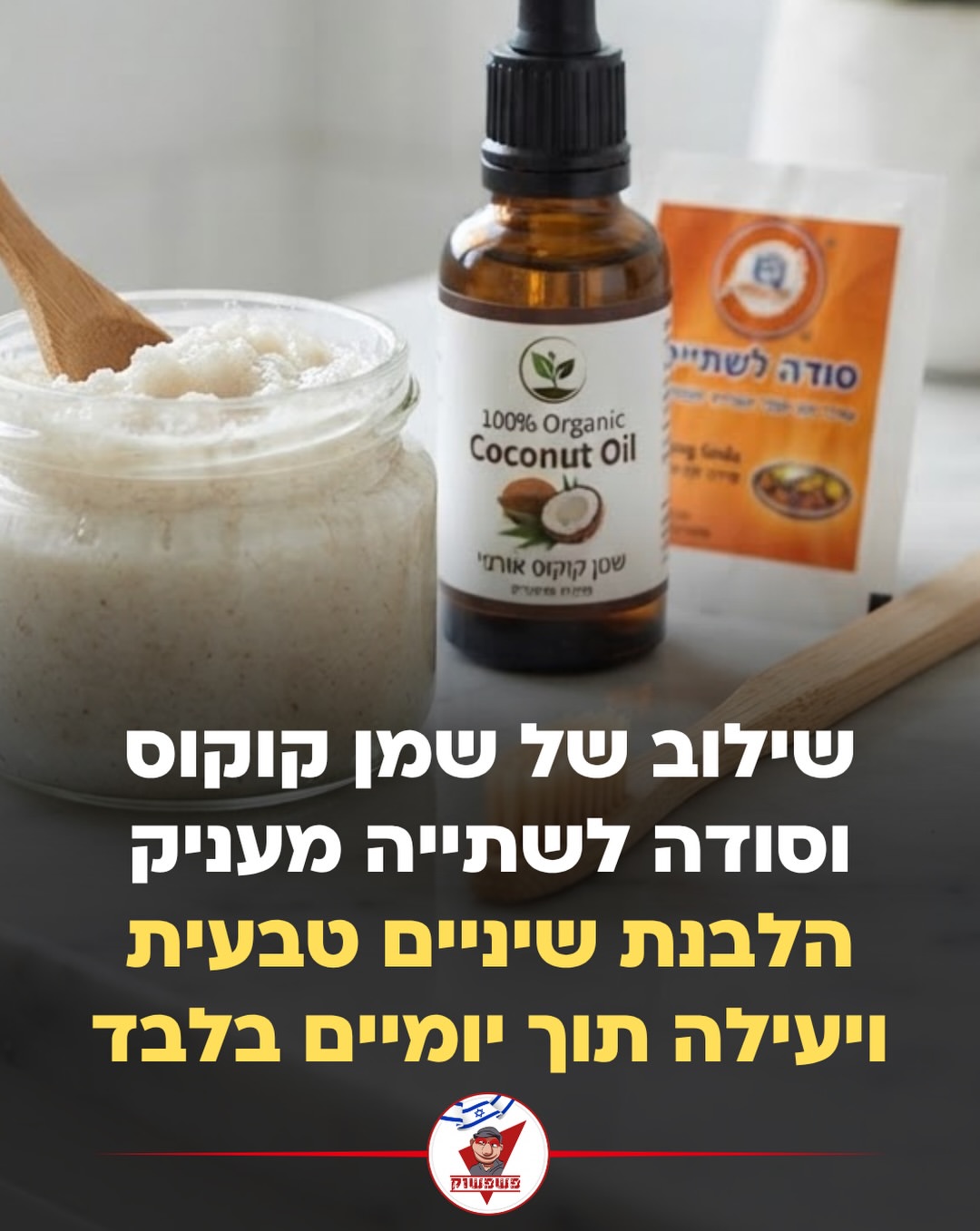
"שילוב של שמן קוקוס ואבקת סודה לשתייה מלבין שיניים באופן טבעי תוך יומיים."
מסקנת הבדיקה:
אמנם סודה לשתייה משמשת כחומר שוחק עדין שעשוי להסיר כתמים חיצוניים מהשן, אך אין הוכחה מדעית לכך ששילוב עם שמן קוקוס מלבין שיניים באופן משמעותי תוך יומיים. שימוש בחומרים שוחקים ביתיים עלול אף להוביל לשחיקת אמייל השן בטווח הארוך. (🟨)
chevron_right מקורות מדעיים: (2)
-
link
In vitro comparison of natural tooth-whitening remedies and professional tooth-whitening systems.
An increasing number of patients are using natural homemade remedies such as strawberries, banana peels, coconut oil rinse, basil, lemon, activated charcoal, apple cider vinegar, baking soda, and turmeric to obtain whiter teeth. However, studies on these natural whitening products are limited. To evaluate the effectiveness of different homemade tooth-whitening agents in vitro. Ninety caries-free extracted anterior and premolar teeth were collected, cleaned, and sectioned at the roots. The teeth were mounted in epoxy resin (buccal surface) and stored in 0.2 % thymol solution, and were treated with one of the following six whitening agents: baking soda, activated charcoal, lemon juice, strawberries, Colgate Optic Whitening toothpaste, and Opalescence 20 % home-bleaching system. The enamel shade in each sample was measured four times using a spectrophotometer. Baseline measurements for ΔE and (L*, a*, b*) were obtained, and the second measurement was obtained after 5 days. The third reading was obtained on the 10th day, and the fourth reading was obtained at the 4th week to measure colour stability. One-way analysis of variance and post-hoc Tukey tests were used for statistical analysis. ΔE measurements showed a significant difference on the 10th day in all groups except the lemon group (P = 0.164), while all groups showed a statistically significant difference at the 4th week. The mean colour change differed remarkably between the first and fourth readings. The highest change was observed in the lemon group (44.0 ± 2.9), closely followed by the Opalescence 20 % and Colgate Optic Whitening toothpaste groups. The lowest change was observed with strawberries (38.2 ± 4.8). ΔE showed a significant difference in all groups except the turmeric group. Statistically significant differences were obtained with baking soda, activated charcoal, strawberries, lemon juice, Colgate Optic Whitening toothpaste, and Opalescence 20%. Further studies are required to evaluate the effects of these agents on surface roughness and colour stability.…
PMID: 36942206
-
link
Mouthwashes: Alternatives and Future Directions.
This narrative review summarises "alternative" or "natural" over-the-counter (OTC) mouthwashes not covered elsewhere in this supplement and newly emerging products, as potential mouthwashes of the future. The "natural" mouthwashes reviewed include saltwater, baking soda, coconut oil, charcoal, propolis, seaweeds, and probiotics. Other than essential oils, it is apparent that their clinical effectiveness is still under debate, but there is some evidence to suggest that propolis reduces plaque and gingivitis. This review also covers the host immune response, via novel anti-inmmunomodulant mouthwashes, such as erythropoietin to reduce inflammation with oral mucositis (OM) after radiotherapy. The emerging concept of nanoparticle-containing mouthwashes, such as iron oxide, is further discussed for OM, this agent having the potential for more targeted delivery of chemical antimicrobials. Unfortunately, there are impacts on the environment of widening mouthwash use with more new products, including increased use of packaging, antimicrobial resistance, and possible detrimental effects on marine life. Further, there are roadblocks, relating to regularly approvals and side effects, that still need to be overcome for any OTC deivered immunomodulant or nanoformulation mouthwashes. Despite these caveats, there are many new mouthwashes under development, which could help manage major oral diseases such as caries, gingivitis, and periodontal disease.…
PMID: 37867066
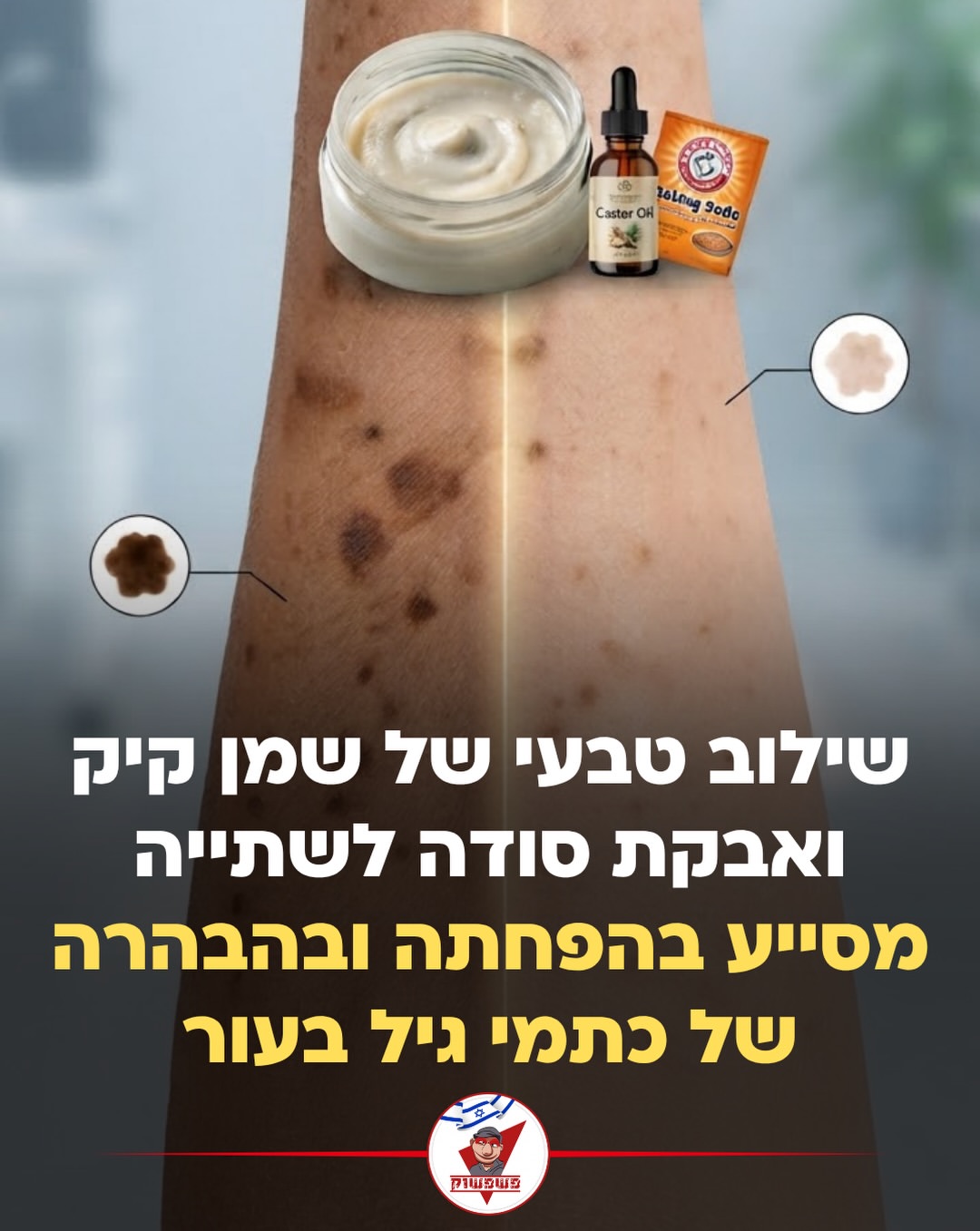
"שילוב של שמן קיק ואבקת סודה לשתייה מסייע בהפחתה ובהבהרה של כתמי גיל על העור."
מסקנת הבדיקה:
לא נמצאו ראיות מדעיות ב-PubMed התומכות בטענה כי שילוב של שמן קיק ואבקת סודה לשתייה מסייע בהבהרת כתמי גיל על העור. הספרות הרפואית אינה מכירה בטיפול זה כשיטה מוכחת או בטוחה לטיפול בפיגמנטציה עורית. (⬜)
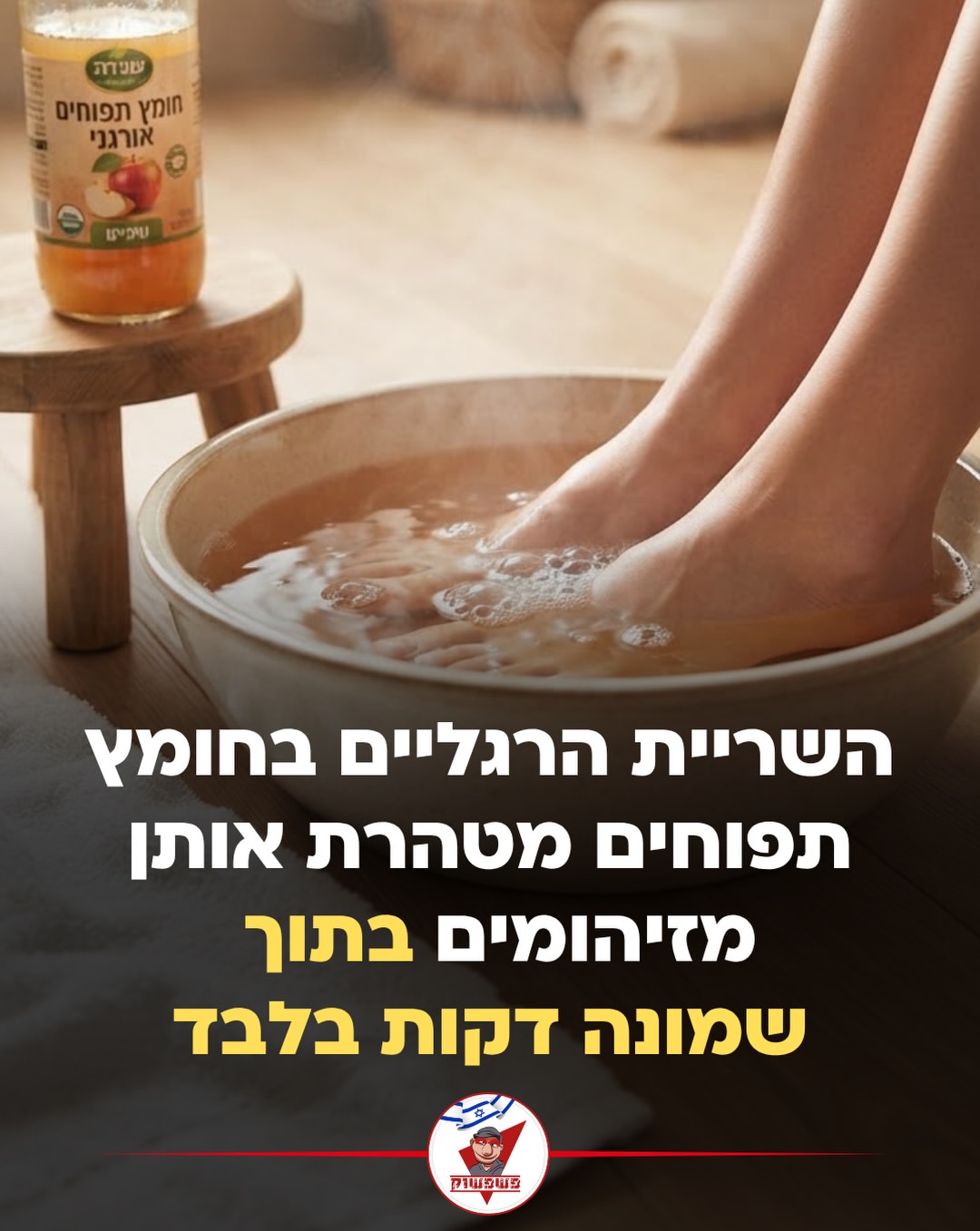
"השריית כפות הרגליים בחומץ תפוחים מטהרת אותן מרעלים תוך שמונה דקות."
מסקנת הבדיקה:
אין כל עדות מדעית התומכת בטענה כי השריית כפות הרגליים בחומץ תפוחים מטהרת את הגוף מרעלים. המושג 'ניקוי רעלים' דרך כפות הרגליים אינו נתמך על ידי הפיזיולוגיה האנושית או הספרות הרפואית. (⬜)
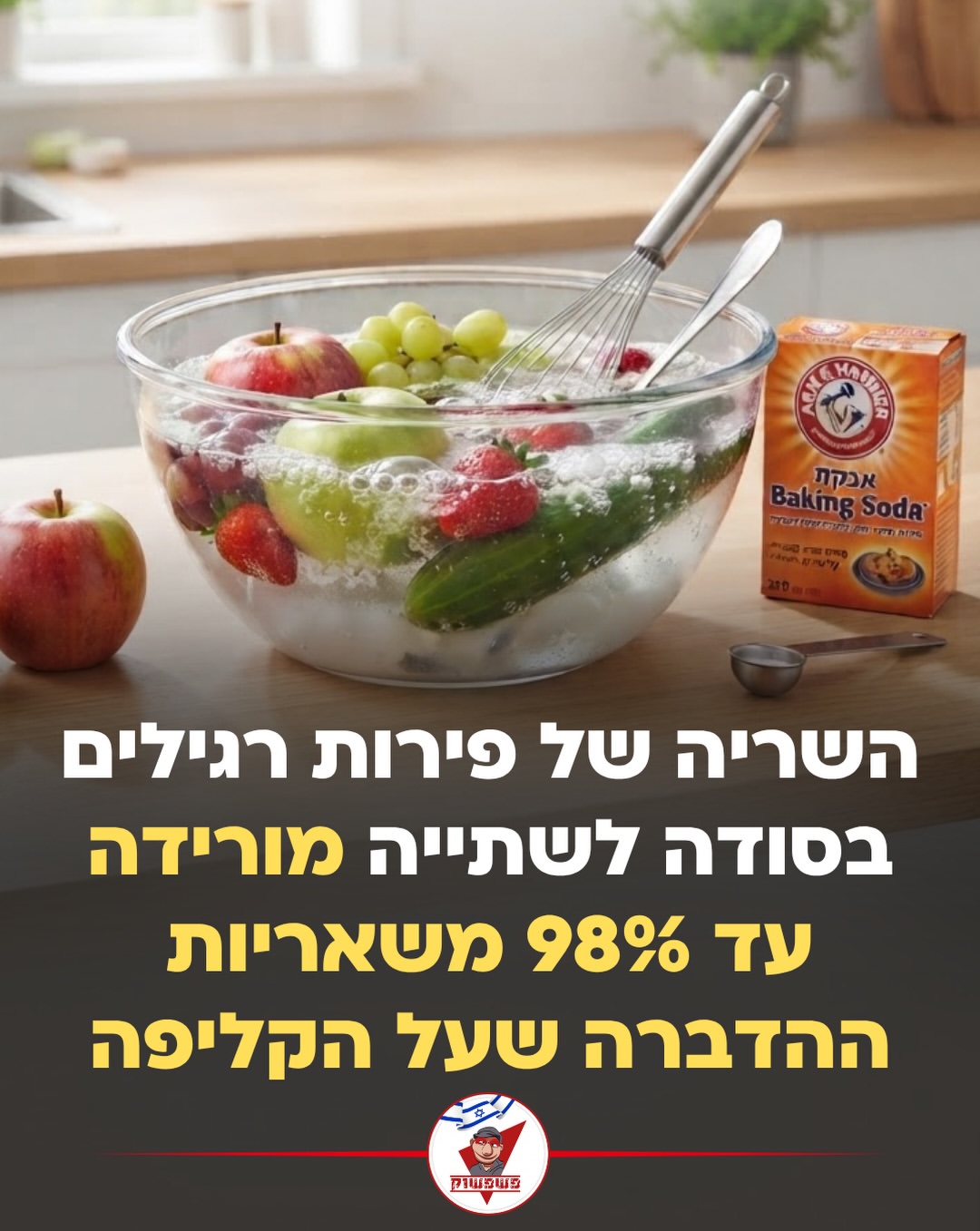
"השריית פירות וירקות בתמיסת סודה לשתייה מסירה עד 98% משאריות חומרי ההדברה על הקליפה."
מסקנת הבדיקה:
מחקרים מדעיים מאשרים כי שטיפה או השרייה בתמיסת סודה לשתייה (נתרן ביקרבונט) היא שיטה יעילה להפחתת שאריות חומרי הדברה על פירות וירקות. הספרות המקצועית מציינת כי תהליך זה מסייע בפירוק כימי של שאריות חומרי הדברה מסוימים על הקליפה ביעילות גבוהה. (🟩)
chevron_right מקורות מדעיים: (2)
-
link
The efficacy of washing strategies in the elimination of fungicide residues and the alterations on the quality of bell peppers.
Food safety problems caused by pesticide residues in vegetables have become a top issue to raise public concern. In this study, bell peppers were grown in an experimental field and sprayed with two systemic (azoxystrobin and difenoconazole) and one contact (chlorothalonil) fungicides. Ozone (ozonated water and water continuously bubble with ozone) or conventional domestic (washing with distilled water, detergent, acetic acid, sodium bicarbonate, and sodium hypochlorite solutions) procedures were investigated to identify the most effective way to remove fungicide residues in bell peppers. The residues in the fruits and the washing solutions were determined by solid-liquid extraction with a low-temperature partition (SLE/LTP) and liquid-liquid extraction with a low-temperature partition (LLE/LTP), respectively, and analyzed by gas chromatography. Water continuously bubbled with ozone a concentration of 3 mg L…
PMID: 34399550
-
link
Determination of the Most Efficient Household Technique for the Reduction of Pesticide Residues from Raw Fish Muscles.
Substantial quantities of pesticides are routinely applied to enhance agricultural crop production. Pesticides used in this way continuously accumulate in the environment and in foods. Harvested crops contain pesticide residues at various concentrations, with potential harmful impacts on human health. Hence, it is of value to identify techniques for the effective decontamination of tainted foods. However, cleaning with water or household agents, e.g., acetic acid and sodium bicarbonate, are recognized treatments for the efficient degradation of pesticides from vegetables and fruits. There is an apparent void of information about the decontamination treatments for raw fishes using household agents that are affordable for all classes of consumers. Hence, the present study was performed to determine the most efficient household technique for reducing pesticide residue levels from precooked raw fish to ensure the utmost food safety. Fish muscles of four species of fishes, viz., Clarias gariepinus, Channa striatus, Anabas testudineus and Trichogaster trichopterus, were treated with six treatments: washing with running tap water (T1), dipping in normal water (T2), dipping in 2% salt solution (T3), dipping in 2% vinegar (T4), dipping in 0.1% sodium bicarbonate solution (T5) as well as dipping in 0.1% sodium bicarbonate solution + 2% vinegar + 2% salt solution + lemon juice (T6), as fish muscle is the major consumable portion of fish. The current study demonstrated that the removal percentage of lindane, heptachlor, aldrin, endosulfan, dieldrin, endrin, DDT, methoxychlor and cypermethrin residues against the treated household treatments, in downward order, were soaking in 0.1% sodium bicarbonate solution + 2% vinegar + 2% salt solution + lemon juice solution (T6) > soaking in 2% vinegar (T4) solution > soaking in 0.1% sodium bicarbonate (T5) solution > soaking in 2% salt (T3) solution > washing with running tap water (T1) > soaking in stable normal water (T2). The treatment of raw fish muscle samples by soaking them in 0.1% sodium bicarbonate solution + 2% vinegar + 2% salt solution + lemon juice was found to be the most efficient household treatment, performing significant reductions (%) in pesticide concentration: 72−80% (p < 0.05) in Channa striata, 71−79% (p < 0.05) in Clarias gariepinus, 74−80% (p < 0.05) in Anabas testudineus as well as 78−81% (p < 0.05) in Trichogaster trichopterus before cooking.…
PMID: 35563977
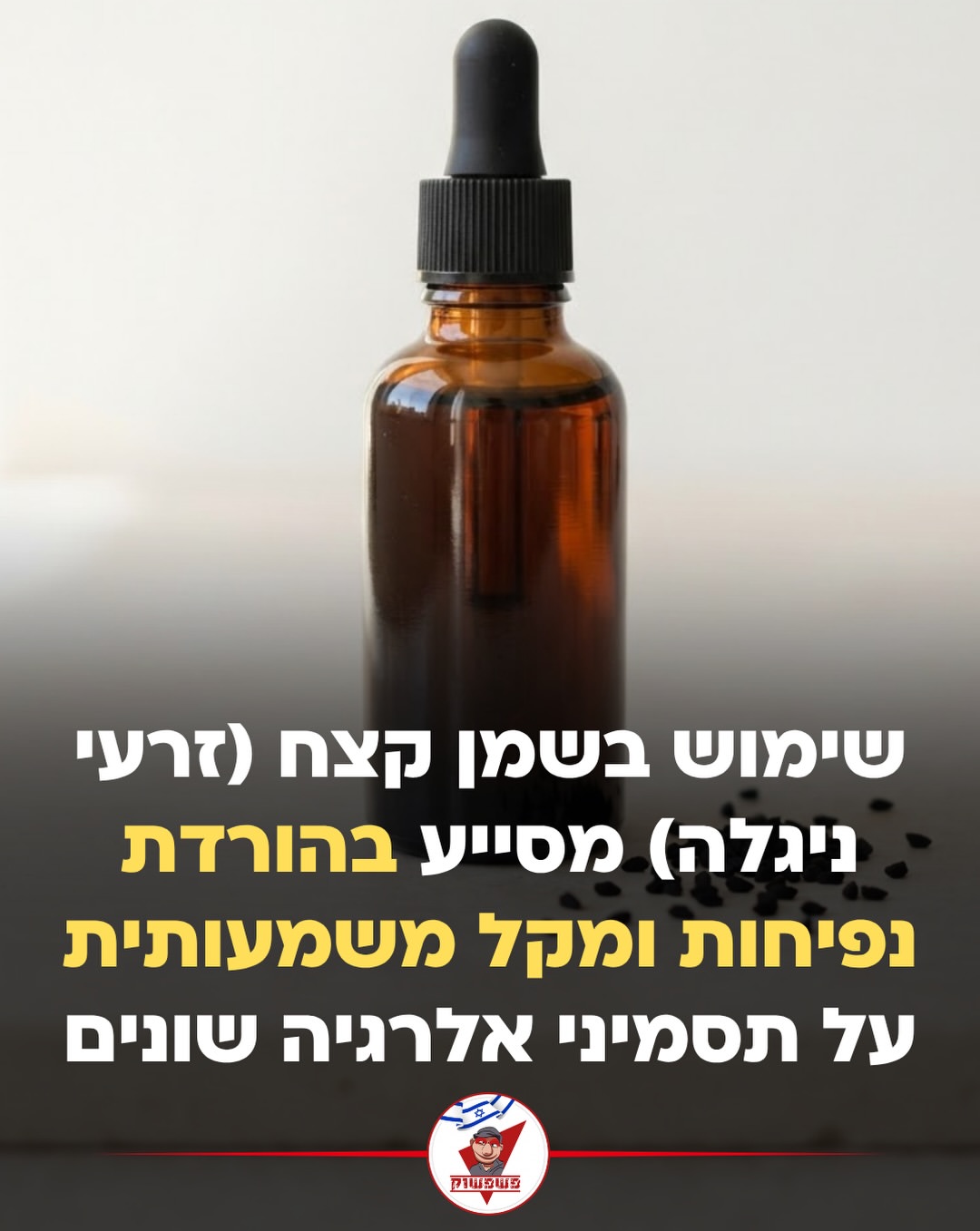
"שימוש בשמן קצח (זרעי ניגלה) מסייע בהורדת נפיחות ומקל משמעותית על תסמיני אלרגיה שונים."
מסקנת הבדיקה:
קיימות עדויות מדעיות רבות, כולל מטא-אנליזות ומחקרים קליניים, המצביעות על כך ששמן זרעי קצח (Nigella sativa) מכיל רכיבים פעילים כמו תימוקינון, המסייעים בהפחתת תסמיני אלרגיה (כגון נזלת אלרגית) ובעלי השפעות אנטי-דלקתיות ואימונומודולטוריות. (🟩)
chevron_right מקורות מדעיים: (3)
-
link
A randomized, double-blind, placebo-controlled study to evaluate the benefits of a standardized Nigella sativa oil containing 5% thymoquinone in reducing the symptoms of seasonal allergy.
Allergic rhinitis (AR) or seasonal allergy characterized by sneezing, nasal congestion, nasal itching, and nasal discharge, triggered by immune reactions to environmental allergens. Present day customers also monitor the personal improvements in the area of Evidence-Based natural medicines/supplements. A randomized, double-blind, placebo-controlled study was conducted on 65 participants aged 18 to 60 years having 2 or more allergic symptoms like sneezing, rhinorrhoea, nasal obstruction, and nasal itching for a cumulative period greater than 1 hour per day. The study participants received a capsule of NSO (250 mg) with 2.5 mg piperine (BioPerine) as a bioavailability enhancer or a placebo, twice a day, after food for 15 days. The primary objectives were evaluated by mean change in Total Nasal Symptom Score and the duration of AR symptoms per day from baseline to Day 15. Secondary endpoints were changes in Total Ocular Symptoms Score, AR symptom frequency and severity, serum Immunoglobulin E levels, and Patient Global Impression of Change scale. Adverse events were monitored throughout the study. Sixty-five patients were enrolled and all of them completed the study, N = 33 in NSO and N = 32 in placebo. A significant reduction in Total Nasal Symptom Score and Total Ocular Symptoms Score was observed in the NSO group compared to the placebo, highlighting the potential of NSO in alleviating AR symptoms. The episodes of AR symptoms per day and the frequency of symptoms in 24 hours reduced significantly in 15 days in both groups, but the extent of improvement was significantly higher in NSO compared to placebo. Improvement in Patient Global Impression of Change was also significantly better in NSO compared to the placebo. Serum Immunoglobulin E levels decreased in NSO but were not significantly different from placebo. No clinically significant changes were observed in vital signs, liver and renal function, lipid profile, hematology, fasting blood sugar, or urine analysis at the end of the study. The result of the study demonstrates that NSO 250 mg with 2.5 mg piperine is an effective and well-tolerated supplement for the management of AR symptoms.…
PMID: 39121267
-
link
Meta-analysis of randomized controlled trials assessing the efficacy of <i>nigella sativa</i> supplementation for allergic rhinitis treatment.
<h4>Background</h4>Demonstrating the positive effects of <i>Nigella sativa</i> supplementation (<i>Nigella</i> spp) on Allergic Rhinitis (AR) treatment is challenging. To investigate the role of <i>Nigella</i> spp in managing AR, a comprehensive review through systematic reviews and meta-analyses was conducted.<h4>Purpose</h4>To carry out a meta-analysis of clinical trials that used <i>Nigella spp</i> in treating AR based on current data.<h4>Study design</h4>A meta-analysis of randomized controlled trials (RCTs) was performed.<h4>Methods</h4>Various databases, including PubMed, Web of Science, Embase, Science Direct, Springer Link and the Cochrane Library, were searched until October 2023 to obtain RCTs assessing impact of <i>Nigella</i> spp in the control of AR. The current meta-analysis was carried out with a random-effects model.<h4>Results</h4>There were 8 studies enrolled, and our meta-analysis findings revealed that, relative to the control group, observation group exhibited the markedly increased total effective rate for allergic rhinitis treatment (odds ratio [OR] = 4.24, 95% confidence interval [CI] (2.57, 7.27), and <i>p</i> < 0.00001); three studies showed that the effect of <i>Nigella</i> spp for nasal symptoms treatment among patients with allergic rhinitis was superior in observation group to control group [mean difference = -2.60, 95% CI (-2.82, -2.38), <i>p</i> < 0.00001]; adverse effects occurred in five studies, all of which were transient, did not require medical intervention, and were not statistically significant between the two groups [OR = 1.01, 95% CI (0.59, 1.73), <i>p</i> = 0.98].<h4>Conclusion</h4>The observation group demonstrated relative safety and had an enhanced effect on allergic rhinitis treatment and total nasal symptom improvement than the control group. The inclusion of fewer studies and the lower quality of trial design might affect the stability of the results. However, the evidence-based findings that <i>Nigella</i> spp for allergic rhinitis treatment is more accurate should be validated in future large-scale, multicenter, and well-designed RCTs.…
PMID: 39372205
-
link
<i>Astragalus membranaceus</i>, <i>Nigella sativa,</i> and <i>Perilla frutescens</i> as Immunomodulators-Molecular Mechanisms and Clinical Effectiveness in Allergic Diseases.
Plants are the source of numerous remedies in modern medicine, and some of them have been studied due to their potential immunomodulatory activity. <i>Astragalus membranaceus</i> Fisch. ex Bunge (<i>A. membranaceus</i>), <i>Nigella sativa</i> L. (<i>N. sativa</i>), and <i>Perilla frutescens</i> (L.) Britton (<i>P. frutescens</i>) are plant species used in traditional medicine for the treatment of various diseases. Their potential to act as immunomodulatory, anti-inflammatory, and anti-allergic agents makes them interesting for investigating their clinical potential in alleviating the symptoms of allergic diseases. Allergy affects a large number of people; according to some sources more than 30% of the world population suffer from some type of allergic reaction, with pollen allergy as the most common type. Treatment is usually pharmacological and may not be completely effective or have side effects. Thus, we are seeking traditional medicine, mostly medicinal plants, with promising potential for alleviating allergy symptoms. A literature overview was conducted employing databases such as Scopus, PubMed, Web of Science, Springer, and Google Scholar. This manuscript summarizes recent in vivo preclinical and clinical studies on three species with immunomodulatory activity, provides a comparison of their anti-allergic effects, and underlines the potential of their application in clinical practice. The obtained results confirmed their efficacy in the in vivo and clinical studies, but also emphasize the problem of phytochemical characterization of the species and difference between tested doses. More clinical trials with standardized protocols (defined active molecules, dosage, side effects) are required to obtain safe and effective herbal drugs.…
PMID: 39194750

עירעור על דוח זה
ספקו ראיות חדשות או הצביעו על אי דיוקים
נעדכן אותך על תוצאות הבדיקה
הוסיפו קישורים למחקרים או מקורות רפואיים מוכרים
העירעור נשלח בהצלחה!
המנוע המדעי שלנו יבדוק את הראיות שהגשתם. נעדכן אתכם באימייל עם התוצאות.
ניתוח מבוסס בינה מלאכותית
דוח זה נוצר באופן אוטומטי על ידי מערכת בינה מלאכותית ועשוי להכיל שגיאות, אי-דיוקים או מידע חלקי. הניתוח אינו מהווה ייעוץ רפואי, אבחנה או המלצה לטיפול, והוא אינו תחליף לדעתו של איש מקצוע רפואי מוסמך. יש להתייעץ עם רופא או מומחה מוסמך לפני קבלת כל החלטה רפואית. המידע מוצג לצרכי מידע כללי בלבד.
מידע זה מופק על ידי בינה מלאכותית ואינו מהווה תחליף לייעוץ רפואי מקצועי.