סריקה בתהליך...
הניתוח עשוי לארוך 30–90 שניות
הידעת?
הסרטון אינו מכיל תוכן רפואי
חושבים שחלה טעות?
אם לדעתכם הסרטון אכן עוסק בטענות רפואיות או בריאותיות, הוסיפו הסבר קצר ושלחו בקשה לבדיקה מחדש.
הבקשה התקבלה! נבדוק את הסרטון ונחזור אליכם.
אירעה שגיאה בשליחת הבקשה. נסו שוב.
דו״ח מאומת
הסרטון מציג מידע מדויק ומגובה במחקרים מדעיים אמינים.
סיכום
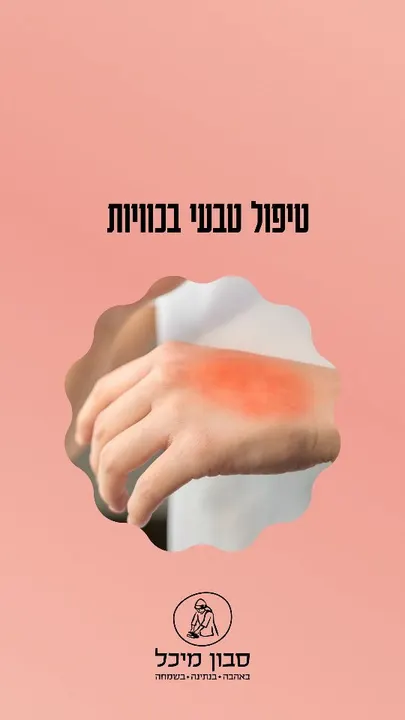
הראיות המדעי תומכות בחלק מההמלצות המופיעות בסרטון אך שוללות אחרות. ההמלצות להימנע משימוש ישיר בקרח, להשתמש בקומפרס לח ונקי ולמרוח סרום אלוורה לאחר הרגעת העור זוהו כמוצדקות ומבוססות על הנחיות רפואיות. מנגד, הוספת שמן אתרי לבנדר לקומפרס ומריחת משחת קלנדולה אינן נתמכות בהנחיות הקליניות המקובלות לפצעי כוויה בשל סיכון לגירוי עורי. הפערים המרכזיים נובעים מהיעדר ביסוס קליני חד-משמעי לשימוש בשמנים אתריים ובצמחי מרפא מסוימים על עור פגוע בשלבים הראשונים.
analytics ניתוח טענות מבוסס ראיות
"מומלץ להוסיף שמן אתרי לבנדר לקומפרס הקר לטיפול בכוויה."
מסקנת הבדיקה:
ההנחיות הקליניות המקובלות לטיפול ראשוני בכוויות ממליצות על קירור במים זורמים והימנעות ממריחת שמנים אתריים או חומרים מגרים על פצעי כוויה טריים בשל סיכון לגירוי ודלקת עור. אף על פי שמחקרים מסוימים בדקו שימוש בארומתרפיה להפחתת כאב וחרדה (לרוב בשאיפה), הוספת שמן אתרי לבנדר ישירות לקומפרס על כוויה אינה נתמכת בהמלצות רפואיות ומנוגדת לעקרונות הטיפול בפצעים פתוחים.
chevron_right ודאות הפסיקה: גבוהה
מידת הביטחון של המערכת בפסיקה — לא אחוז הנכונות של הטענה. ביטחון נמוך פירושו שהראיות מעטות או סותרות.
"לאורך תהליך ההחלמה של הכוויה, מומלץ למרוח משחת קלנדולה לשמירה על עור גמיש ובריא."
מסקנת הבדיקה:
ההנחיות הרפואיות המקובלות אינן ממליצות על מריחת משחת קלנדולה לטיפול בכוויות. אף על פי שמחקרים פרה-קליניים ומעבדתיים מצביעים על תכונות נוגדות דלקת של הצמח, מחקרים קליניים בבני אדם הראו תוצאות מעורבות או היעדר יתרון מוכח של משחת קלנדולה בהשוואה לטיפולים מקובלים.
chevron_right ודאות הפסיקה: גבוהה
מידת הביטחון של המערכת בפסיקה — לא אחוז הנכונות של הטענה. ביטחון נמוך פירושו שהראיות מעטות או סותרות.
"אין לשים קרח ישירות על כוויה מיד לאחר ההתרחשות."
מסקנת הבדיקה:
ההנחיות הרפואיות המקובלות ממליצות לקרר כוויה באמצעות מים או קומפרסים קרירים, ומזהירות מפני הנחת קרח ישירות על הפצע מכיוון שהקור הקיצוני עלול להחמיר את הנזק הרקמתי. לכן, ההמלצה להימנע משימוש ישיר בקרח מיד לאחר בכוויה היא מדויקת ומבוססת היטב.
chevron_right ודאות הפסיקה: גבוהה
מידת הביטחון של המערכת בפסיקה — לא אחוז הנכונות של הטענה. ביטחון נמוך פירושו שהראיות מעטות או סותרות.
"יש להשתמש בבד נקי ולח כקומפרס קר לטיפול בכוויה."
מסקנת הבדיקה:
ההנחיות הרפואיות המקובלות לטיפול ראשוני בכוויות ממליצות לקרר את המקום בהקדם האפשרי באמצעות מים קרירים או קומפרס לח ונקי. שימוש בבד נקי ולח מהווה דרך בטוחה ויעילה להורדת הטמפרטורה של הרקמה בלי לגרום לנזק נוסף כמו זה שנגרם משימוש ישיר בקרח.
chevron_right ודאות הפסיקה: גבוהה
מידת הביטחון של המערכת בפסיקה — לא אחוז הנכונות של הטענה. ביטחון נמוך פירושו שהראיות מעטות או סותרות.
chevron_right מקורות מדעיים: (2)
-
link
[Treatment of burns in infants].
Because of the potential severity of their residual deformities, burn injuries in infants justify an early management in specialized centres when they cover more than 5% of body surface and in every case when hands, face, or external genitalia are concerned. Cooling with cold water is the first aid treatment to be performed as early as possible after the injury. The treatment in specialized centres must be both general and surgical. General treatment includes fluid and electrolyte therapy, temperature control, appropriate nutrition and pain suppression. Pain suppression is a major part of the treatment and morphine must be largely used. Surgical treatment starts as soon as the patient arrives in the centre and is eventually performed under general anesthesia: all the burned areas are covered with occlusive dressings. Infections are prevented by systematic cultures and adjusted antibiotic therapy. A vigorous rehabilitation program must be instituted as soon as possible: massages, compressive clothes, splints, physical therapy, plastic surgery. Primary prevention by sustained parental education is important in order to reduce the frequency of burn injuries in infants.…
PubMed · PMID: 7496456
-
link
Burn Wound Care Strategies for the Battlefield and Austere Settings.
Burns are commonly encountered in the battlefield environment; however, the availability of burn expertise and specialized supplies is variable. Initial burn care should remain focused on cooling the burn, preventing hypothermia, basic wound cleansing, and evacuation. Key ongoing burn wound management principles include wound debridement, accurate burn size and depth estimation, wound care, ongoing wound evaluation, and treatment of suspected Gram-negative wound infection. Operative management should be limited to urgent procedures, and definitive burn management should be performed only after evacuation to a higher level of care. Flexibility, creativity, and the ability to adapt care to the tactical environment are key to the successful management of burn injuries in battlefield and austere settings.…
Europe PMC · PMID: 39600013
"לאחר שהעור נרגע, מומלץ למרוח באופן קבוע סרום פעיל המכיל אלוורה וחומרים פעילים לשיקום העור."
מסקנת הבדיקה:
מחקרים קליניים וסקירות שיטתיות מראים ששימוש מקומי באלוורה מסייע בהאצת תהליך ההחלמה וקיצור משך ריפוי בכוויה. לכן, ההמלצה למרוח תכשיר מבוסס אלוורה לשיקום העור לאחר שהשלב החריף חולף נתמכת על ידי הספרות המקצועית.
chevron_right ודאות הפסיקה: גבוהה
מידת הביטחון של המערכת בפסיקה — לא אחוז הנכונות של הטענה. ביטחון נמוך פירושו שהראיות מעטות או סותרות.
chevron_right מקורות מדעיים: (6)
-
link
Topical Aloe Vera Gel for Accelerated Wound Healing of Split-Thickness Skin Graft Donor Sites: A Double-Blind, Randomized, Controlled Trial and Systematic Review.
Aloe vera has been used to treat wounds since ancient times. However, data regarding the efficacy of aloe vera for burns and split-thickness skin graft donor sites are inconclusive. A double-blind, randomized, controlled trial was conducted. Patients who underwent split-thickness skin graft harvesting from the thigh were included. Split-thickness skin graft donor sites were divided into two groups: the aloe vera group and the placebo group. The visual analogue scale score was used to evaluate pain, and complete epithelialization was assessed. The authors searched electronic databases and included only international clinical trials published in the English language. Twelve patients with 24 donor sites participated. Times to complete epithelization for the aloe vera and placebo groups were 11.5 ± 1.45 and 13.67 ± 1.61 days, respectively (p < 0.05). Visual analogue scale scores after wound dressing for the aloe vera and placebo groups were 17.18 ± 13.17 and 18.63 ± 11.20, respectively. No statistical significance was found between groups. Five articles met the inclusion criteria: four involved burns and one involved split-thickness skin graft donor sites. Three studies of burn wounds demonstrated improved epithelization and one did not. The split-thickness skin graft donor-site study indicated that wound healing time for the control group was significantly different from that of the aloe vera and placebo groups. The healing rate was not statistically different between groups. Topical aloe vera gel significantly demonstrated accelerated split-thickness skin graft donor-site healing but did not show significant pain relief. Therapeutic, I.…
PubMed · PMID: 29649056
-
link
The efficacy of aloe vera used for burn wound healing: a systematic review.
Aloe vera has been traditionally used for burn healing but clinical evidence remains unclear. We conducted a systematic review to determine the efficacy of topical aloe vera for the treatment of burn wounds. We electronically searched relevant studies in MEDLINE, CINAHL, Cochrane Library, HealthSTAR, DARE, South-East Asia Database, Chinese Databases, and several Thai local Databases (1918-June 2004). Only controlled clinical trials for burn healing were included. There were no restrictions on any language of publication. Two reviewers independently extracted data on study characteristics, patient characteristics, intervention, and outcome measure. Four studies with a total of 371 patients were included in this review. Based on a meta-analysis using duration of wound healing as an outcome measure, the summary weighted mean difference in healing time of the aloe vera group was 8.79 days shorter than those in the control group (P=0.006). Due to the differences of products and outcome measures, there is paucity to draw a specific conclusion regarding the effect of aloe vera for burn wound healing. However, cumulative evidence tends to support that aloe vera might be an effective interventions used in burn wound healing for first to second degree burns. Further, well-designed trials with sufficient details of the contents of aloe vera products should be carried out to determine the effectiveness of aloe vera.…
PubMed · PMID: 17499928
-
link
The Effect of Aloe Vera Clinical Trials on Prevention and Healing of Skin Wound: A Systematic Review.
Aloe vera is an herbaceous and perennial plant that belongs to the Liliaceae family and used for many medicinal purposes. The present study aimed to systematically review clinical trials regarding the effect of Aloe vera on the prevention and healing of skin wounds. To identify all related published studies, we searched SID, IRANDOC, Google Scholar, PubMed, MEDLINE, Scopus, Cochrane Library, and ScienceDirect databases in both the English and Persian languages from 1990 to 2016. The keywords used were Aloe vera, wound healing, and prevention. All clinical trials using Aloe vera gel, cream, or derivatives that included a control group with placebo or comparison with other treatments were included in the study. The PRISMA checklist (2009) was used to conduct the review. In total, 23 trials that met the inclusion criteria were studied. The results of the studies showed that Aloe vera has been used to prevent skin ulcers and to treat burn wounds, postoperative wounds, cracked nipples, genital herpes, psoriasis, and chronic wounds including pressure ulcers. Considering the properties of Aloe vera and its compounds, it can be used to retain skin moisture and integrity and to prevent ulcers. It seems that the application of Aloe vera, as a complementary treatment along with current methods, can improve wound healing and promote the health of society.…
PubMed · PMID: 30666070
-
link
Effects of Aloe vera on Burn Injuries: A Systematic Review and Meta-Analysis of Randomized Controlled Trials.
Burn injuries cause severe pain, infection risks, psychological distress, financial burdens, and mortality, necessitating effective care. Aloe vera, a traditional burn remedy, shows wound-healing potential, but its analgesic effects and efficacy with varying burn severity are uncertain. This study aims to investigate A. vera's effect on wound healing, pain management, and infection prevention in patients with burns. A systematic search on PubMed, Embase, and CENTRAL was performed on October 9, 2023, for randomized controlled trials (RCTs). The risk of bias was examined using the Cochrane risk-of-bias tool (version 2), and the meta-analysis was carried out using a random-effects model. The primary outcome was wound-healing time, with secondary outcomes examining pain severity and wound infection. The Grading of Recommendations, Assessment, Development, and Evaluation (GRADE) approach was used to assess the quality of evidence for each outcome. Nine RCTs were included in the current study, of which 6 provided data on the primary outcome. Aloe vera significantly reduced mean wound-healing time compared to other topicals (mean difference [MD] -3.76 days; 95% CI, -5.69 to -1.84). Additionally, the meta-analysis of the secondary outcomes found no significant differences in pain reduction (MD -0.76 points; 95% CI, -1.53 to 0.01) and wound infection risk (risk ratio 1.10; 95% CI, 0.34-3.59) between A. vera and control groups. In conclusion, A. vera expedites wound healing in patients with second-degree burns without increased infection risk compared to other antimicrobial agents. The analgesic effects on burn injuries remain uncertain.…
PubMed · PMID: 38605441
-
link
A Systematic Review and Meta-Analysis Comparing Burn Healing Outcomes Between Silver Sulfadiazine and Aloe vera.
Burn wounds remain a prevalent problem in the developed and developing world. A multitude of remedies has been tested. This study evaluated the healing time of second- and third-degree burn wounds between silver sulfadiazine (SSD) and Aloe vera (AV). In July 2020, a systematic review of MEDLINE (Ovid) and PubMed (National Library of Medicine) was performed to identify studies that reported healing of second- and third-degree burns using either SSD or AV. Articles meeting the inclusion criteria were screened and carefully analyzed. Our goal was to report the healing time for these burns using SSD and AV. A total of eight studies published between 1988 and 2018 reporting healing of second- and third-degree burns using SSD and AV were included in this review. Six were cohort studies and two were randomized controlled trials. The studies included both animal and human subjects. The meta-analysis demonstrated that the mean time to wound healing favored AV (RR: -1.34, 95% CI: -1.8 to 0.9, p < 0.001). It would seem that time to healing benefitted those burns in which AV was utilized. In conclusion, increased consideration and emphasis should be placed on using AV to aid the healing of second- and third-degree burns.…
PubMed · PMID: 36337821
-
link
Efficacy of Herbal Remedies for Burn: A Scoping Review.
<h4>Introduction</h4>Burns are a prevalent form of injury that can be found throughout the world. The most common causes of burns are fire and flame, scalding, contact with objects, electrical, and chemical. The aim of this study was to conduct a systematic review on the efficacy of herbal medicine in the treatment of burn wounds.<h4>Methods</h4>This systematic review adhered to the principle set forth by the Preferred Reporting Items for Systematic Reviews and Meta-Analyses (PRISMA) for performing the literature search. An amount of 1,282 publications were found via searches of six literature databases. The PRISMA process was then applied to systematically review the literature, with 50 articles excluded due to duplicates. The titles and abstracts of the remaining studies were assessed for relevance, and 1,216 were found to not meet the inclusion criteria.<h4>Results</h4>After further review of the relevant literature for eligibility, a total of 16 papers were chosen for inclusion in this study. This review highlights that Aloe vera is the most commonly used plant for burn wounds, offering numerous benefits such as reducing inflammation, aiding proliferation, and supporting remodeling.<h4>Conclusion</h4>This review highlights the potential of herbal therapies in burn wound healing, with herbs promoting re-epithelialization, collagen synthesis, and angiogenesis. Their bioactive compounds offer anti-inflammatory, antimicrobial, and regenerative benefits. Further research is needed to clarify their mechanisms and standardize clinical use, with the integration of herbal treatments potentially enhancing burn care and improving patient outcomes.…
Europe PMC · PMID: 42623328

סבון מיכל
דירוג זה מבוסס על 1 דוחות אימות קודמים.
האם הדוח הזה היה מועיל לך?
מה היה פחות טוב? (רשות)
תודה על הפידבק!
עירעור על דוח זה
ספקו ראיות חדשות או הצביעו על אי דיוקים
נעדכן אותך על תוצאות הבדיקה
הוסיפו קישורים למחקרים או מקורות רפואיים מוכרים
העירעור נשלח בהצלחה!
המנוע המדעי שלנו יבדוק את הראיות שהגשתם. נעדכן אתכם באימייל עם התוצאות.
ניתוח מבוסס בינה מלאכותית
דוח זה נוצר באופן אוטומטי על ידי מערכת בינה מלאכותית ועשוי להכיל שגיאות, אי-דיוקים או מידע חלקי. הניתוח אינו מהווה ייעוץ רפואי, אבחנה או המלצה לטיפול, והוא אינו תחליף לדעתו של איש מקצוע רפואי מוסמך. יש להתייעץ עם רופא או מומחה מוסמך לפני קבלת כל החלטה רפואית. המידע מוצג לצרכי מידע כללי בלבד.
מידע זה מופק על ידי בינה מלאכותית ואינו מהווה תחליף לייעוץ רפואי מקצועי.