סריקה בתהליך...
הניתוח עשוי לארוך 30–90 שניות
הידעת?
הסרטון אינו מכיל תוכן רפואי
חושבים שחלה טעות?
אם לדעתכם הסרטון אכן עוסק בטענות רפואיות או בריאותיות, הוסיפו הסבר קצר ושלחו בקשה לבדיקה מחדש.
הבקשה התקבלה! נבדוק את הסרטון ונחזור אליכם.
אירעה שגיאה בשליחת הבקשה. נסו שוב.
דו״ח מאומת
הסרטון מציג מידע מדויק ומגובה במחקרים מדעיים אמינים.
סיכום
הטענות המרכזיות לגבי הימצאות כימיקלים משבשי פעילות אנדוקרינית במוצרי בישום, הקשר שלהם לבעיות בריאותיות שונות, והאפשרות לשאיפת חומרי ריח דרך מערכת הנשימה – זוהו כמאומתות על ידי ספרות המחקר המדעית. הטענה הספציפית על מאפייני הספיגה של עור הצוואר נותרה לא מגובה באופן פרטני במאמרים שנבדקו.
analytics ניתוח טענות מבוסס ראיות
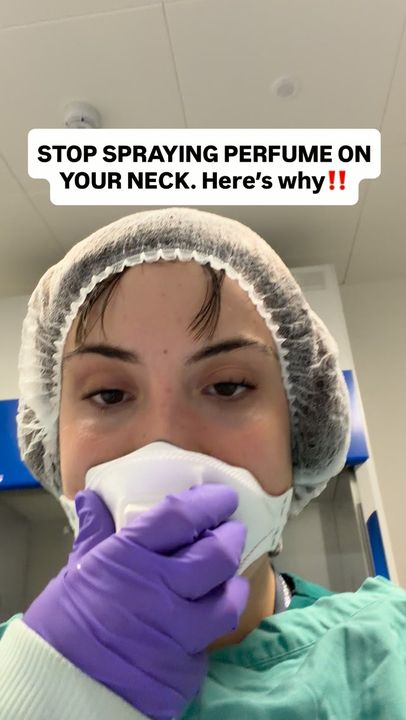
"עור הצוואר דק ועשיר בכלי דם, מה שמאפשר לספוג חומרי ריח וכימיקלים לעומק ובמהירות ישירות אל מחזור הדם."
מסקנת הבדיקה:
למרות הידוע על ספיגה דרך העור, לא נמצאו במאמרים שנבדקו נתונים ספציפיים המאמתים את הטענה לפיה עור הצוואר ספציפית מאפשר ספיגה מהירה ועמוקה יותר באופן ייחודי ביחס לאזורים אחרים.
chevron_right ודאות הפסיקה: בינונית
מידת הביטחון של המערכת בפסיקה — לא אחוז הנכונות של הטענה. ביטחון נמוך פירושו שהראיות מעטות או סותרות.
"מוצרי בישום עלולים להכיל כימיקלים כמו פורמלדהיד, פתאלטים ותרכובות אורגניות נדיפות, המשמשים כמשבשי פעילות אנדוקרינית ויכולים לחקות או לחסום הורמונים בגוף."
מסקנת הבדיקה:
הספרות המדעית מאשרת כי מוצרי בישום וקוסמטיקה מכילים חומרים שונים כגון פתאלטים ותרכובות העשויות לפעול כמשבשי פעילות אנדוקרינית.
chevron_right ודאות הפסיקה: גבוהה
מידת הביטחון של המערכת בפסיקה — לא אחוז הנכונות של הטענה. ביטחון נמוך פירושו שהראיות מעטות או סותרות.
chevron_right מקורות מדעיים: (2)
-
link
The impact of perfumes and cosmetic products on human health: a narrative review.
<h4>Background</h4>The use of perfumes and cosmetic products is widespread, serving personal hygiene, aesthetic, and olfactory functions. However, concerns have been raised regarding the potential health impacts associated with long-term exposure to various ingredients used in these products.<h4>Objectives</h4>This narrative review aims to synthesize evidence on the health risks associated with perfumes and cosmetics, focusing on specific health concerns, including fertility, respiratory health, cancer risk, allergies, skin disorders, endocrine disruption, and neurological effects. It also discusses the presence of heavy metals in cosmetics, regulatory challenges, and the need for transparency in ingredient disclosure.<h4>Methods</h4>A comprehensive review of the literature that was published between 2005 and 2024 was conducted, examining findings from interdisciplinary studies relevant to the health impacts of cosmetic and fragrance products. The review highlights health concerns linked to specific chemical components, including synthetic chemicals such as phthalates, parabens, and volatile organic compounds (VOCs).<h4>Results</h4>The findings indicate that many synthetic chemicals in perfumes and cosmetics are associated with adverse health outcomes. These include allergies, respiratory issues, endocrine disruption, reproductive problems, and potentially cancer. Heavy metals in cosmetics also pose significant health risks. Despite regulatory guidelines, the cumulative and long-term effects of combined exposure to multiple cosmetic ingredients remain poorly understood and inadequately addressed.<h4>Conclusion</h4>There is a pressing need for stricter regulatory oversight and improved transparency in ingredient disclosure to safeguard consumer health. Further research is required to clarify the long-term health risks associated with the daily use of cosmetic products and to develop safer alternatives.…
PubMed · PMID: 40949028
-
link
Use of Cosmetics in Pregnancy and Neurotoxicity: Can It Increase the Risk of Congenital Enteric Neuropathies?
Pregnancy is a particularly vulnerable period for the growing fetus, when exposure to toxic agents, especially in the early phases, can decisively harm embryo development and compromise the future health of the newborn. The inclusion of various chemical substances in personal care products (PCPs) and cosmetic formulations can be associated with disruption and damage to the nervous system. Microplastics, benzophenones, parabens, phthalates and metals are among the most common chemical substances found in cosmetics that have been shown to induce neurotoxic mechanisms. Although cosmetic neurotoxin exposure is believed to be minimal, different exposure scenarios of cosmetics suggest that these neurotoxins remain a threat. Special attention should be paid to early exposure in the first weeks of gestation, when critical processes, like the migration and proliferation of the neural crest derived cells, start to form the ENS. Importantly, cosmetic neurotoxins can cross the placental barrier and affect the future embryo, but they are also secreted in breast milk, so babies remain exposed for longer periods, even after birth. In this review, we explore how neurotoxins contained in cosmetics and PCPs may have a role in the pathogenesis of various neurodevelopmental disorders and neurodegenerative diseases and, therefore, also in congenital enteric aganglionosis as well as in postnatal motility disorders. Understanding the mechanisms of these chemicals used in cosmetic formulations and their role in neurotoxicity is crucial to determining the safety of use for cosmetic products during pregnancy.…
PubMed · PMID: 39199372
"מספר מחקרים מקשרים בין חומרי בישום לבין בעיות בריאותיות כגון בעיות פוריות, בעיות בדרכי הנשימה ואף סרטן."
מסקנת הבדיקה:
מחקרים וסקירות ספרות ב-PubMed מקשרים בין חומרי בישום וכימיקלים במוצרי טיפוח לבין השפעות שליליות על פוריות, דרכי הנשימה וסיכון מוגבר לסרטן.
chevron_right ודאות הפסיקה: גבוהה
מידת הביטחון של המערכת בפסיקה — לא אחוז הנכונות של הטענה. ביטחון נמוך פירושו שהראיות מעטות או סותרות.
chevron_right מקורות מדעיים: (2)
-
link
The impact of perfumes and cosmetic products on human health: a narrative review.
<h4>Background</h4>The use of perfumes and cosmetic products is widespread, serving personal hygiene, aesthetic, and olfactory functions. However, concerns have been raised regarding the potential health impacts associated with long-term exposure to various ingredients used in these products.<h4>Objectives</h4>This narrative review aims to synthesize evidence on the health risks associated with perfumes and cosmetics, focusing on specific health concerns, including fertility, respiratory health, cancer risk, allergies, skin disorders, endocrine disruption, and neurological effects. It also discusses the presence of heavy metals in cosmetics, regulatory challenges, and the need for transparency in ingredient disclosure.<h4>Methods</h4>A comprehensive review of the literature that was published between 2005 and 2024 was conducted, examining findings from interdisciplinary studies relevant to the health impacts of cosmetic and fragrance products. The review highlights health concerns linked to specific chemical components, including synthetic chemicals such as phthalates, parabens, and volatile organic compounds (VOCs).<h4>Results</h4>The findings indicate that many synthetic chemicals in perfumes and cosmetics are associated with adverse health outcomes. These include allergies, respiratory issues, endocrine disruption, reproductive problems, and potentially cancer. Heavy metals in cosmetics also pose significant health risks. Despite regulatory guidelines, the cumulative and long-term effects of combined exposure to multiple cosmetic ingredients remain poorly understood and inadequately addressed.<h4>Conclusion</h4>There is a pressing need for stricter regulatory oversight and improved transparency in ingredient disclosure to safeguard consumer health. Further research is required to clarify the long-term health risks associated with the daily use of cosmetic products and to develop safer alternatives.…
PubMed · PMID: 40949028
-
link
The dark side of beauty: an in-depth analysis of the health hazards and toxicological impact of synthetic cosmetics and personal care products.
Over the past three decades, the popularity of cosmetic and personal care products has skyrocketed, largely driven by social media influence and the propagation of unrealistic beauty standards, especially among younger demographics. These products, promising enhanced appearance and self-esteem, have become integral to contemporary society. However, users of synthetic, chemical-based cosmetics are exposed to significantly higher risks than those opting for natural alternatives. The use of synthetic products has been associated with a variety of chronic diseases, including cancer, respiratory conditions, neurological disorders, and endocrine disruption. This review explores the toxicological impact of beauty and personal care products on human health, highlighting the dangers posed by various chemicals, the rise of natural ingredients, the intricate effects of chemical mixtures, the advent of nanotechnology in cosmetics, and the urgent need for robust regulatory measures to ensure safety. The paper emphasizes the necessity for thorough safety assessments, ethical ingredient sourcing, consumer education, and collaboration between governments, regulatory bodies, manufacturers, and consumers. As we delve into the latest discoveries and emerging trends in beauty product regulation and safety, it is clear that the protection of public health and well-being is a critical concern in this ever-evolving field.…
PubMed · PMID: 39253281
"התזת בבושם יוצרת תרסיס שנשאף לדרכי הנשימה, כך שכימיקלי הריח מגיעים לגוף גם דרך הריאות."
מסקנת הבדיקה:
הספרות המדעית מתייחסת בפירוש לחשיפה משאיפה של תרסיסים ומוצרי קוסמטיקה אירוסוליים, ומצביעה על כך שחומרי הריח מגיעים למערכת הנשימה ולריאות.
chevron_right ודאות הפסיקה: גבוהה
מידת הביטחון של המערכת בפסיקה — לא אחוז הנכונות של הטענה. ביטחון נמוך פירושו שהראיות מעטות או סותרות.
chevron_right מקורות מדעיים: (2)
-
link
Fragrance inhalation toxicity assessment: a proactive testing strategy using ex vivo precision cut lung slices (PCLuS) for the prioritization of selected aroma ingredients candidates for in vivo testing.
To date, exposure thresholds for fragrance chemicals are most often extrapolated from oral administration data. Due to limited inhalation toxicity data, the potentially high exposure levels toward fragrances - especially in air care applications - are sometimes perceived as potentially critical. Herein, we assessed the potential inhalation toxicity of various commonly used fragrances with main focus on respiratory tract effects. 19 high volume fragrances were screened for their cytotoxic potential by using rat precision cut lung slices (PCLuS). Based on the screening data, chemicals were categorized into low, mid, and high cytotoxicity groups. From these groups, five fragrances were selected for further in vivo investigation. In a 14-day inhalation study, male 7-week old Wistar rats were exposed to geraniol, geranyl acetate, citral, L-menthol, and p-tert-butyl-alpha-methylhydro-cinnamic aldehyde (BMHCA) to investigate the respiratory and sensory irritation potential. Ex vivo screening allowed for a preliminary classification of the cytotoxic potential, facilitating the selection of candidates for in vivo inhalation assessments. Local respiratory irritation was observed for liquid aerosol fractions of citral and geraniol, but not for other substances or vapor only exposure. Overall, no systemic effects related to treatment were observed. Sensory irritation was only observed for citral and BMHCA but not for other fragrance chemicals. While PCLuS and further model development could not fully replace animal testing at this stage, this study's findings contribute to the reduction and refinement according to 3 R principles and might serve as a foundation for future testing strategies aiming toward a complete replacement.…
PubMed · PMID: 41058115
-
link
The Risks Associated with Inhalation Exposure to Cosmetics and Potential for Assessment Using Lung Organoids.
This review addresses the exposure risks associated with the inhalation of aerosolized cosmetic products and explores the utility of lung organoids in assessing these risks. Aerosolized cosmetics such as sprays pose potential health hazards through inhalation, necessitating a thorough evaluation of exposure levels. Traditional methods for assessing inhalation risks have limitations, prompting the exploration of more sophisticated models. Lung organoids, three-dimensional structures derived from stem cells, offer a biologically relevant model for studying lung responses to inhaled substances. This review discusses the construction of lung organoids, their characteristics, and the advantages that they provide over conventional models. Furthermore, it examines existing studies that have employed lung organoids to evaluate the effects of cosmetic inhalation exposure, highlighting the potential of this approach to enhance the safety assessments of cosmetic products. We aim to establish lung organoids as a reliable tool for future research, ensuring the safety and regulatory compliance of cosmetics.…
PubMed · PMID: 40564468

Ana Canadas
דירוג זה מבוסס על 1 דוחות אימות קודמים.
האם הדוח הזה היה מועיל לך?
מה היה פחות טוב? (רשות)
תודה על הפידבק!
עירעור על דוח זה
ספקו ראיות חדשות או הצביעו על אי דיוקים
נעדכן אותך על תוצאות הבדיקה
הוסיפו קישורים למחקרים או מקורות רפואיים מוכרים
העירעור נשלח בהצלחה!
המנוע המדעי שלנו יבדוק את הראיות שהגשתם. נעדכן אתכם באימייל עם התוצאות.
ניתוח מבוסס בינה מלאכותית
דוח זה נוצר באופן אוטומטי על ידי מערכת בינה מלאכותית ועשוי להכיל שגיאות, אי-דיוקים או מידע חלקי. הניתוח אינו מהווה ייעוץ רפואי, אבחנה או המלצה לטיפול, והוא אינו תחליף לדעתו של איש מקצוע רפואי מוסמך. יש להתייעץ עם רופא או מומחה מוסמך לפני קבלת כל החלטה רפואית. המידע מוצג לצרכי מידע כללי בלבד.
מידע זה מופק על ידי בינה מלאכותית ואינו מהווה תחליף לייעוץ רפואי מקצועי.