סריקה בתהליך...
הניתוח עשוי לארוך 30–90 שניות
הידעת?
הסרטון אינו מכיל תוכן רפואי
חושבים שחלה טעות?
אם לדעתכם הסרטון אכן עוסק בטענות רפואיות או בריאותיות, הוסיפו הסבר קצר ושלחו בקשה לבדיקה מחדש.
הבקשה התקבלה! נבדוק את הסרטון ונחזור אליכם.
אירעה שגיאה בשליחת הבקשה. נסו שוב.
דו״ח מאומת
הסרטון מציג מידע מדויק ומגובה במחקרים מדעיים אמינים.
סיכום
הטענות שנבדקו לגבי ברזיל ואוסטרליה נמצאו מאומתות על סמך ספרות רפואית עדכנית מ-PubMed, המעידה על התקדמות משמעותית או עמידה ביעדים של חיסול העברת HIV מאם לילד בברזיל וחיסול צפוי של סרטן צוואר הרחם באוסטרליה.
analytics ניתוח טענות מבוסס ראיות
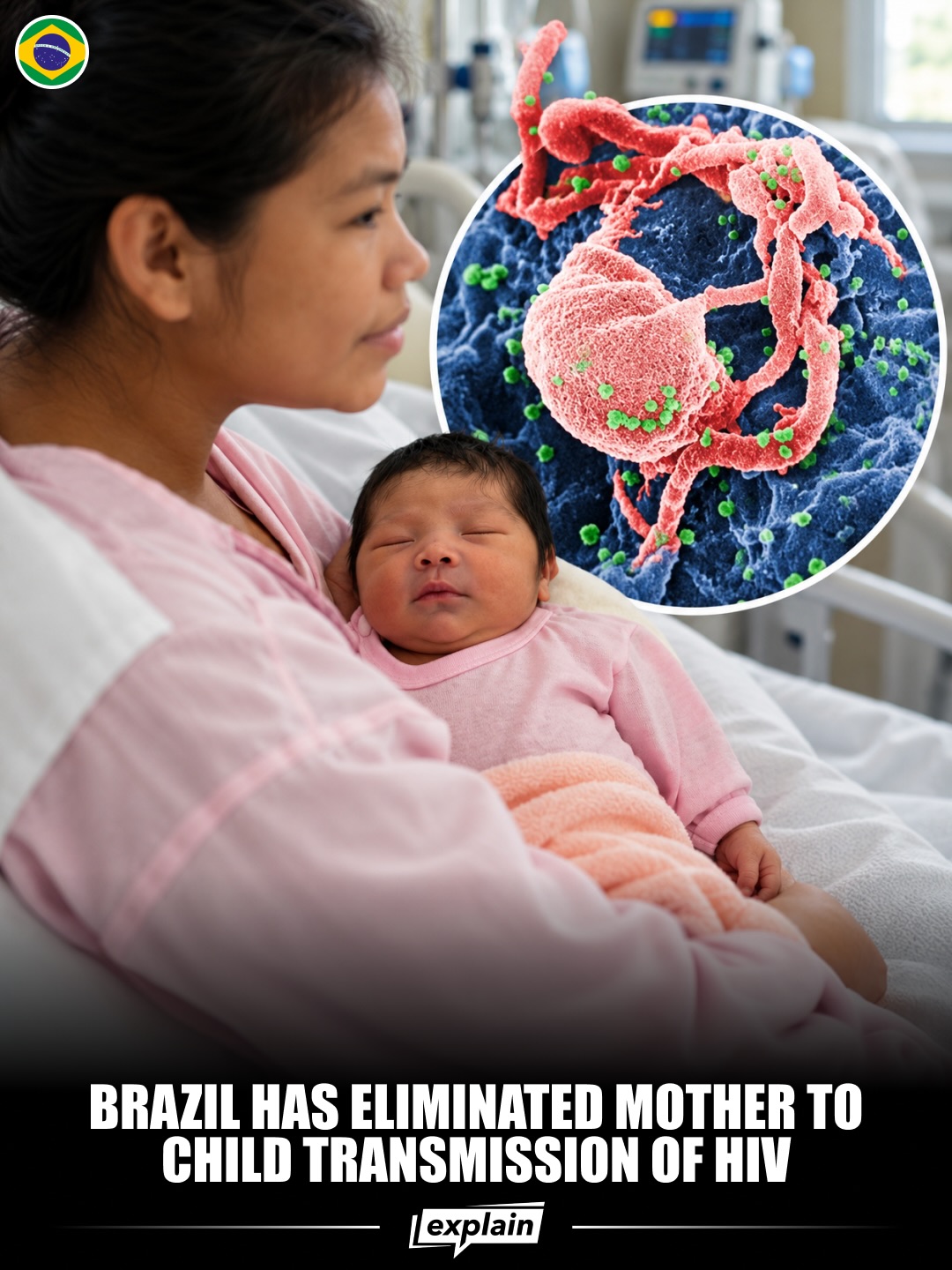
"ברזיל חיסלה את ההדבקה של נגיף ה-HIV מאם לילד"
מסקנת הבדיקה:
מחקרים ונתונים רשמיים מראים כי ברזיל הגיעה להישגים משמעותיים ואף הוכרה על ידי ארגונים בינלאומיים בחיסול או בהפחתה דרמטית של ההדבקה האנכית (מאם לילד) של נגיף ה-HIV במספר עיריות ובאזורים שונים ברחבי המדינה, כפי שעולה מנתוני משרד הבריאות והספרות המדעית.
chevron_right ודאות הפסיקה: גבוהה
מידת הביטחון של המערכת בפסיקה — לא אחוז הנכונות של הטענה. ביטחון נמוך פירושו שהראיות מעטות או סותרות.
chevron_right מקורות מדעיים: (2)
-
link
Subnational certification of elimination of mother-to-child transmission of HIV and/or syphilis: a Brazilian experience report.
to describe the subnational implementation process of the certification for elimination of mother-to-child transmission of HIV and/or syphilis, its main barriers, challenges and opportunities. in 2022, indicators from the last full year for impact targets and the last two full years for process targets, available in national information systems, were evaluated; descriptive reports were analyzed and actions were acknowledged within four thematic axes, according to PAHO/WHO recommendations. 43 municipalities ≥ 100,000 inhabitants were certified, covering 24.6 million inhabitants; one municipality achieved dual elimination (HIV-syphilis), 28 municipalities achieved elimination of HIV and 10 received silver tiers; regarding syphilis, one elimination was observed, along with 4 gold tiers, 13 silver tiers and 4 bronze tiers; a higher number of certifications was identified in the Southeast and South regions. barriers and challenges of the process were overcome through tripartite collaboration; the experience provided better integration of surveillance with care and improved actions aimed at preventing mother-to-child transmission. First experience of the sub-national process of certification of elimination of mother-to-child transmission (MTCT) of HIV and/or syphilis at a global level. In 2022, 43 municipalities ≥ 100,000 inhabitants were certified, covering 24.6 million inhabitants. The experience of sub-national certification of the EMTCT was important in mobilizing the municipalities that engaged in its initiatives, worked to improve the quality of care and surveillance and emerging as the main proponents in the process. Through this ongoing and dynamic initiative, there is an anticipation of over 100 municipalities and states joining in 2023. Sub-national certification aims to enhance comprehensive care for pregnant women, in order to achieve national certification of EMTCT. describir el proceso de implementación subnacional de la certificación de eliminación de la transmisión vertical (TV) de sífilis y/o VIH, barreras, oportunidades y desafíos. en 2022, se evaluaron indicadores del último año completo para la meta de impacto y de los dos últimos años para las de proceso en los sistemas de información; se analizaron informes descriptivos y se reconocieron acciones de cuatro ejes, según las recomendaciones de la OPS/OMS. se certificaron 43 municipios ≥ 100.000 mil habitantes, cubriendo 24,6 millones de habitantes; un municipio logró la doble eliminación (VIH-sífilis), 28 la eliminación del VIH y 10 sellos plata; para sífilis, hubo una eliminación, 4 sellos oro, 13 plata y 4 bronce; las regiones Sudeste y Sur obtuvieron más certificaciones. barreras y desafíos fueron superados mediante la colaboración tripartita; la experiencia permitió la integración de la vigilancia con la atención y la cualificación de acciones para la prevención de la TV. descrever o processo de implantação subnacional da certificação da eliminação da transmissão vertical de HIV e/ou sífilis, suas principais barreiras, desafios e oportunidades. em 2022, foram avaliados indicadores do último ano completo para meta de impacto, e dos dois últimos anos completos para metas de processo, disponíveis nos sistemas nacionais de informações; foram analisados relatórios descritivos e reconhecidas ações em quatro eixos temáticos, conforme recomendações da OPAS/OMS. 43 municípios ≥ 100 mil habitantes foram certificados, abrangendo 24,6 milhões de habitantes; um município alcançou dupla eliminação (HIV-sífilis), 28 alcançaram eliminação para HIV e 10, selos prata; para sífilis, houve uma eliminação, 4 selos ouro, 13 prata e 4 bronze; identificou-se maior número de certificações nas regiões Sudeste e Sul. barreiras e desafios do processo foram superados pela colaboração tripartite; a experiência proporcionou melhor integração da vigilância com a assistência e qualificação das ações para prevenção da transmissão vertical.…
PubMed · PMID: 37909522
-
link
Association of Psychoactive Substance Use With Syphilis and HIV Positivity Among Pregnant Women Receiving Prenatal Care in Belém, Northern Brazil.
Vertical transmission of sexually transmitted infections remains a public health concern, particularly in socially vulnerable settings. Although Brazil has achieved the elimination of mother-to-child transmission of HIV, syphilis during pregnancy continues to pose significant challenges, especially in the northern region. This cross-sectional study aimed to estimate the prevalence of HIV and syphilis and identify associated factors among pregnant women receiving prenatal care in Belém, Pará, Brazil. Between April and June 2021, 398 pregnant women were interviewed using a structured clinical-epidemiological questionnaire and underwent laboratory testing. HIV diagnosis was established using fourth-generation serological assays with immunoblot confirmation, and syphilis diagnosis was based on nontreponemal testing followed by treponemal confirmation. Descriptive analyses were performed, followed by bivariate analyses using Fisher's exact test, chi-square test with Monte Carlo simulation, and Mann-Whitney U test, and Poisson regression with robust variance was applied to estimate prevalence ratios for syphilis. The prevalence of syphilis was 6.36%, and HIV prevalence was 1.01%. Psychoactive substance use was the only variable independently associated with syphilis positivity, while other sociodemographic and behavioral factors showed descriptive trends without statistical significance, and no significant associations were observed for HIV infection. These findings indicate that persistent social and behavioral vulnerabilities, particularly psychoactive substance use, contribute to ongoing syphilis transmission during pregnancy, underscoring the importance of integrating substance use screening, targeted counseling, and harm-reduction strategies into prenatal care to advance efforts toward eliminating vertical transmission of sexually transmitted infections.…
PubMed · PMID: 42694351
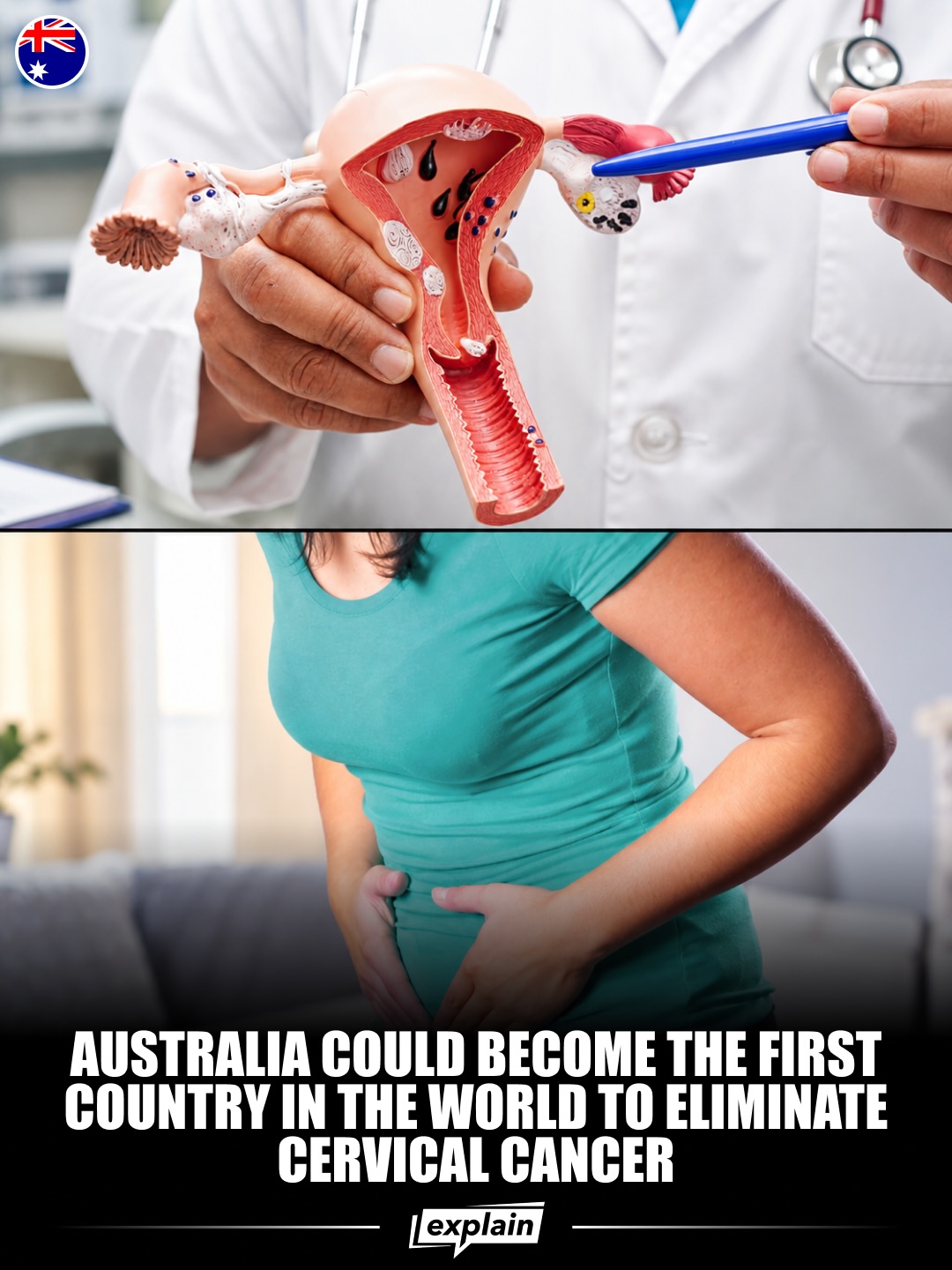
"אוסטרליה עשויה להפוך למדינה הראשונה בעולם שמחסלת את סרטן צוואר הרחם"
מסקנת הבדיקה:
הספרות המדעית מאשרת כי אוסטרליה נמצאת במסלול להפוך למדינה הראשונה בעולם שמחסלת את סרטן צוואר הרחם כבעיה בריאותית ציבורית, הודות לשיעורי חיסון גבוהים ל-HPV ומעבר לתוכניות סקר מתקדמות.
chevron_right ודאות הפסיקה: גבוהה
מידת הביטחון של המערכת בפסיקה — לא אחוז הנכונות של הטענה. ביטחון נמוך פירושו שהראיות מעטות או סותרות.
chevron_right מקורות מדעיים: (3)
-
link
Cervical Cancer Elimination in Australia and the Asia Pacific: Progress and Barriers.
Australia has been at the forefront of innovation and implementation of cervical cancer control and is predicted to eliminate cervical cancer by 2035, the first country to achieve elimination using active measures. This is a result of Australia being an early adopter of universal human papillomavirus (HPV) vaccination and early transition to a primary HPV-based cervical screening program. However, to ensure timely and equitable elimination, disparities in coverage among underserved populations must be addressed, and recent declines in vaccination and screening uptake must be reversed. Improved routine data linkages are required to ensure gaps in participation in subpopulations can be identified. Primary health providers have an important role in checking vaccination and screening status and offering vaccination catch-up or screening as appropriate. A universal option of self-collection of an HPV sample for all screen-eligible people has increased acceptability overall, but further innovative and flexible models of service delivery are required to ensure equitable access for all. Australia has also played an important role in cervical cancer control globally and was a co-sponsor of the 2020 World Health Assembly resolution to accelerate the global elimination of cervical cancer as a public health problem. In the Indo-Pacific region, regional frameworks have been developed to advance strategic actions to progress implementation of the global strategy. The Elimination Partnership in the Indo-Pacific for Cervical Cancer (EPICC), a major initiative supported by the Australian Government and the Minderoo Foundation, provides tailored support to countries, considering local needs and priorities.…
PubMed · PMID: 41914308
-
link
The projected timeframe until cervical cancer elimination in Australia: a modelling study.
In 2007, Australia was one of the first countries to introduce a national human papillomavirus (HPV) vaccination programme, and it has since achieved high vaccination coverage across both sexes. In December, 2017, organised cervical screening in Australia transitioned from cytology-based screening every 2 years for women aged from 18-20 years to 69 years, to primary HPV testing every 5 years for women aged 25-69 years and exit testing for women aged 70-74 years. We aimed to identify the earliest years in which the annual age-standardised incidence of cervical cancer in Australia (which is currently seven cases per 100 000 women) could decrease below two annual thresholds that could be considered to be potential elimination thresholds: a rare cancer threshold (six new cases per 100 000 women) or a lower threshold (four new cases per 100 000 women), since Australia is likely to be one of the first countries to reach these benchmarks. In this modelling study, we used Policy1-Cervix-an extensively validated dynamic model of HPV vaccination, natural history, and cervical screening-to estimate the age-standardised incidence of cervical cancer in Australia from 2015 to 2100. We incorporated age-specific coverage of the Australian National HPV Vaccination Program in girls, including the catch-up programme, and the inclusion of boys into the vaccine programme from 2013, and a change from the quadrivalent to the nonavalent vaccine from 2018. We also modelled the effects of the transition to primary HPV screening. We considered two scenarios for future screening recommendations regarding the cohorts who will be and who have been offered the nonavalent vaccine: either that HPV screening every 5 years continues, or that no screening would be offered to these women. We estimate that, in Australia, the age-standardised annual incidence of cervical cancer will decrease to fewer than six new cases per 100 000 women by 2020 (range 2018-22), and to fewer than four new cases per 100 000 women by 2028 (2021-35). The precise year of attaining these rates is dependent on the population used for age-standardisation, HPV screening behaviour and test characteristics, the incremental effects of vaccination of men on herd immunity in women, and assumptions about the future frequency of benign hysterectomies. By 2066 (2054-77), the annual incidence of cervical cancer will decrease and remain at fewer than one case per 100 000 women if screening for HPV every 5 years continues for cohorts who have been offered the nonavalent vaccine, or fewer than three cases per 100 000 women if these cohorts are not screened. Cervical cancer mortality is estimated to decrease to less than an age-standardised annual rate of one death per 100 000 women by 2034 (2025-47), even if future screening is only offered to older cohorts that were not offered the nonavalent vaccine. If high-coverage vaccination and screening is maintained, at an elimination threshold of four new cases per 100 000 women annually, cervical cancer could be considered to be eliminated as a public health problem in Australia within the next 20 years. However, screening and vaccination initiatives would need to be maintained thereafter to maintain very low cervical cancer incidence and mortality rates. National Health and Medical Research Council (Australia).…
PubMed · PMID: 30291040
-
link
Cervical Cancer Elimination Must Centre Aboriginal and Torres Strait Islander Women.
Australia is on track to become the first country to eliminate cervical cancer as a public health problem. However, this achievement cannot be claimed equitably if Aboriginal and Torres Strait Islander women continue to be disproportionately affected by social and systemic barriers to screening and treatment. This commentary argues that cervical cancer elimination must be grounded in cultural safety, health system structural reform and Aboriginal-led health promotion. It calls for urgent investment in community-controlled approaches that centre Indigenous knowledges, relationships and leadership.…
PubMed · PMID: 42402334

Explain
דירוג זה מבוסס על 14 דוחות אימות קודמים.














האם הדוח הזה היה מועיל לך?
מה היה פחות טוב? (רשות)
תודה על הפידבק!
עירעור על דוח זה
ספקו ראיות חדשות או הצביעו על אי דיוקים
נעדכן אותך על תוצאות הבדיקה
הוסיפו קישורים למחקרים או מקורות רפואיים מוכרים
העירעור נשלח בהצלחה!
המנוע המדעי שלנו יבדוק את הראיות שהגשתם. נעדכן אתכם באימייל עם התוצאות.
ניתוח מבוסס בינה מלאכותית
דוח זה נוצר באופן אוטומטי על ידי מערכת בינה מלאכותית ועשוי להכיל שגיאות, אי-דיוקים או מידע חלקי. הניתוח אינו מהווה ייעוץ רפואי, אבחנה או המלצה לטיפול, והוא אינו תחליף לדעתו של איש מקצוע רפואי מוסמך. יש להתייעץ עם רופא או מומחה מוסמך לפני קבלת כל החלטה רפואית. המידע מוצג לצרכי מידע כללי בלבד.
מידע זה מופק על ידי בינה מלאכותית ואינו מהווה תחליף לייעוץ רפואי מקצועי.