סריקה בתהליך...
הניתוח עשוי לארוך 30–90 שניות
הידעת?
הסרטון אינו מכיל תוכן רפואי
חושבים שחלה טעות?
אם לדעתכם הסרטון אכן עוסק בטענות רפואיות או בריאותיות, הוסיפו הסבר קצר ושלחו בקשה לבדיקה מחדש.
הבקשה התקבלה! נבדוק את הסרטון ונחזור אליכם.
אירעה שגיאה בשליחת הבקשה. נסו שוב.
דו״ח מאומת
הסרטון מכיל שילוב של עובדות מוכחות וטענות המטעות את הציבור.
סיכום
חלק מהטענות לגבי תוספי תזונה, ספיגת מינרלים ועיתוי צריכה זכו לאימוד בספרות המדעית, בעוד שחלק מהטענות נותרו ללא גיבוי ישיר במסמכים שסופקו.
analytics ניתוח טענות מבוסס ראיות
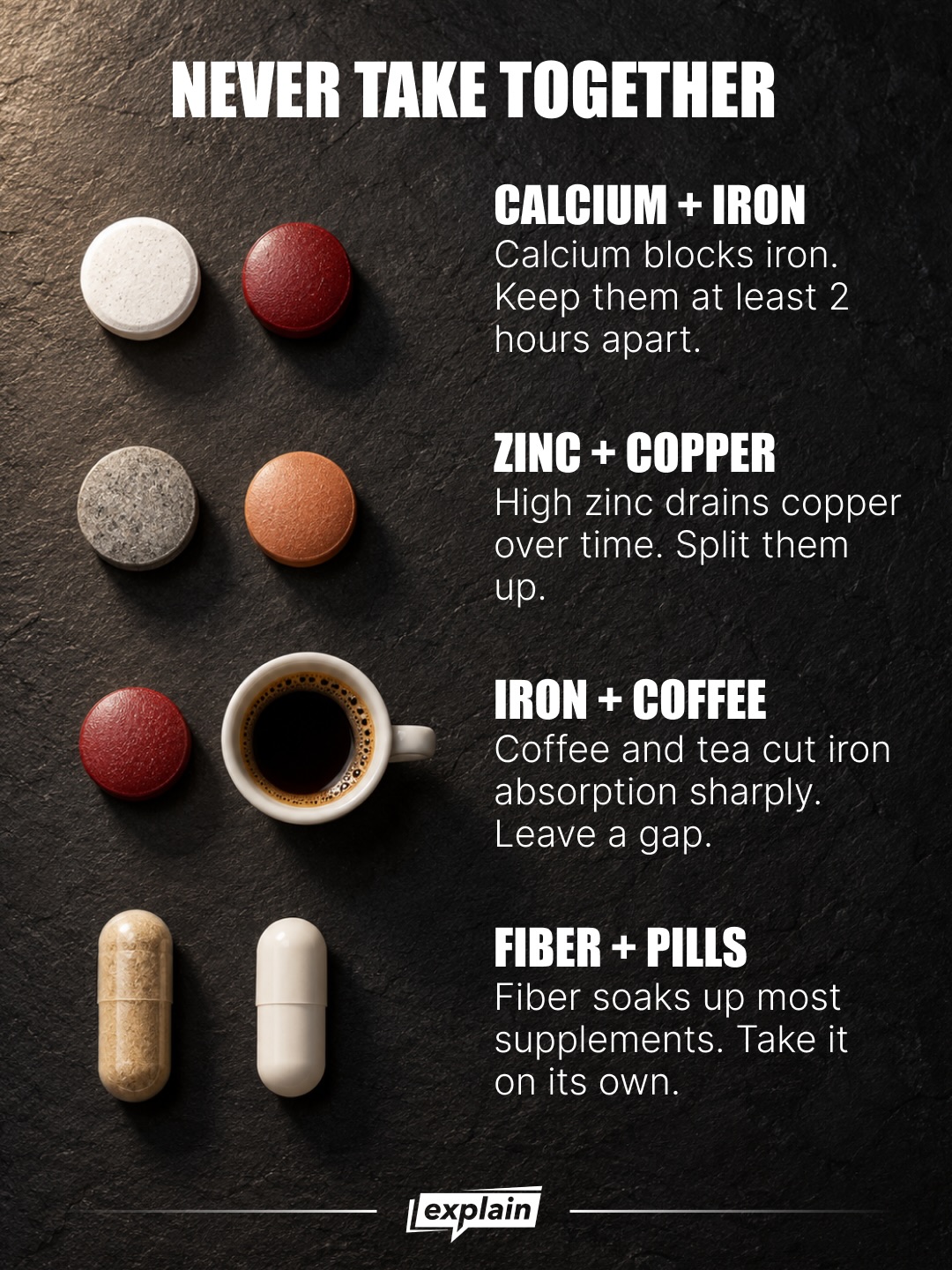
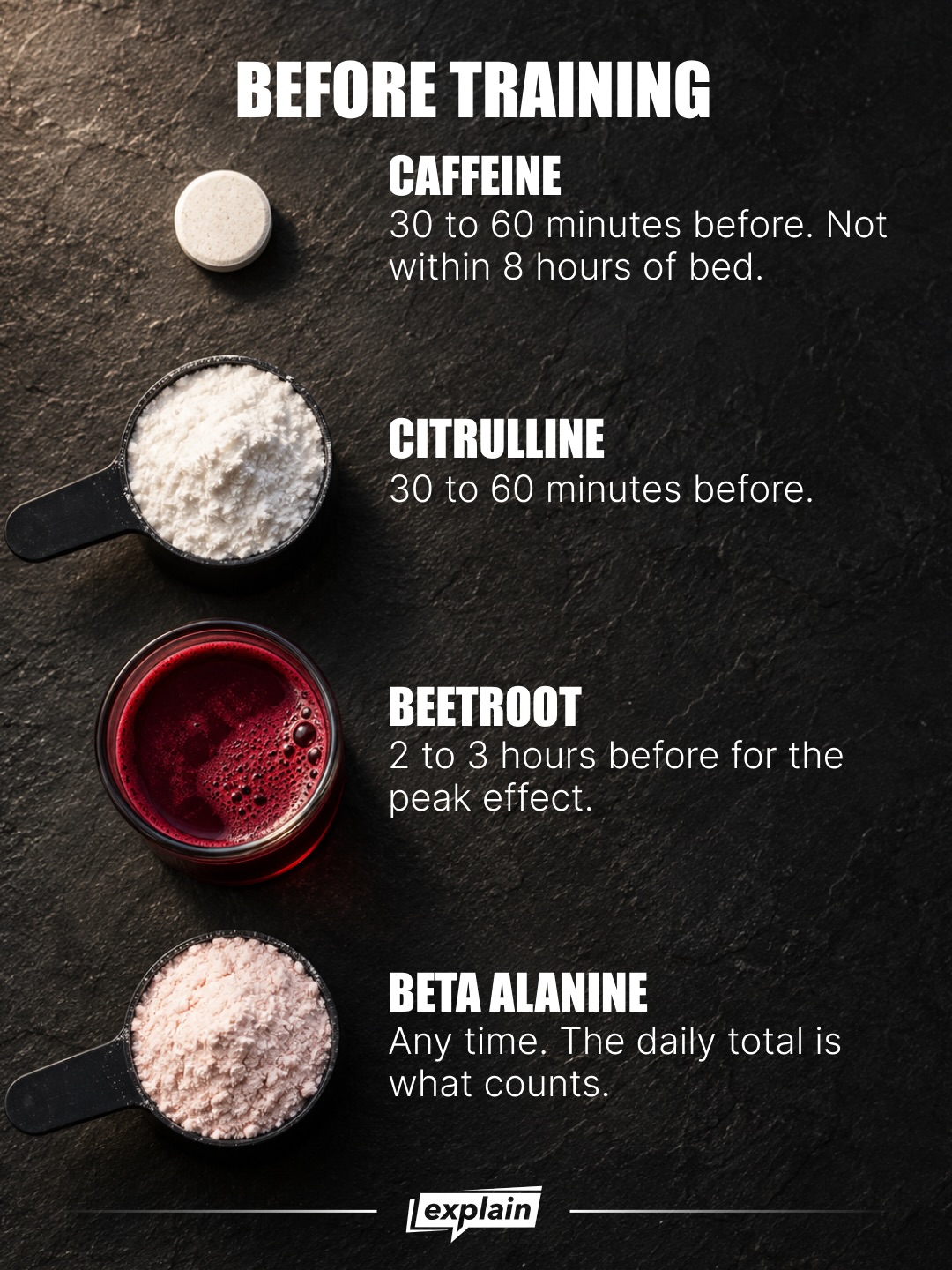
"קפה ותה מפחיתים משמעותית את ספיגת הברזל, ולכן יש להקפיד על מרווח זמן בינם לבין נטילת תוספי ברזל."
מסקנת הבדיקה:
המאמרים שסופקו דנים באנמיה ופוליפנולים באופן כללי, אך אינם מספקים תימוכין ישירים ומפורשים לגבי ההשפעה הספציפית של קפה ותה ודרישת מרווח הזמן.
chevron_right ודאות הפסיקה: בינונית
מידת הביטחון של המערכת בפסיקה — לא אחוז הנכונות של הטענה. ביטחון נמוך פירושו שהראיות מעטות או סותרות.
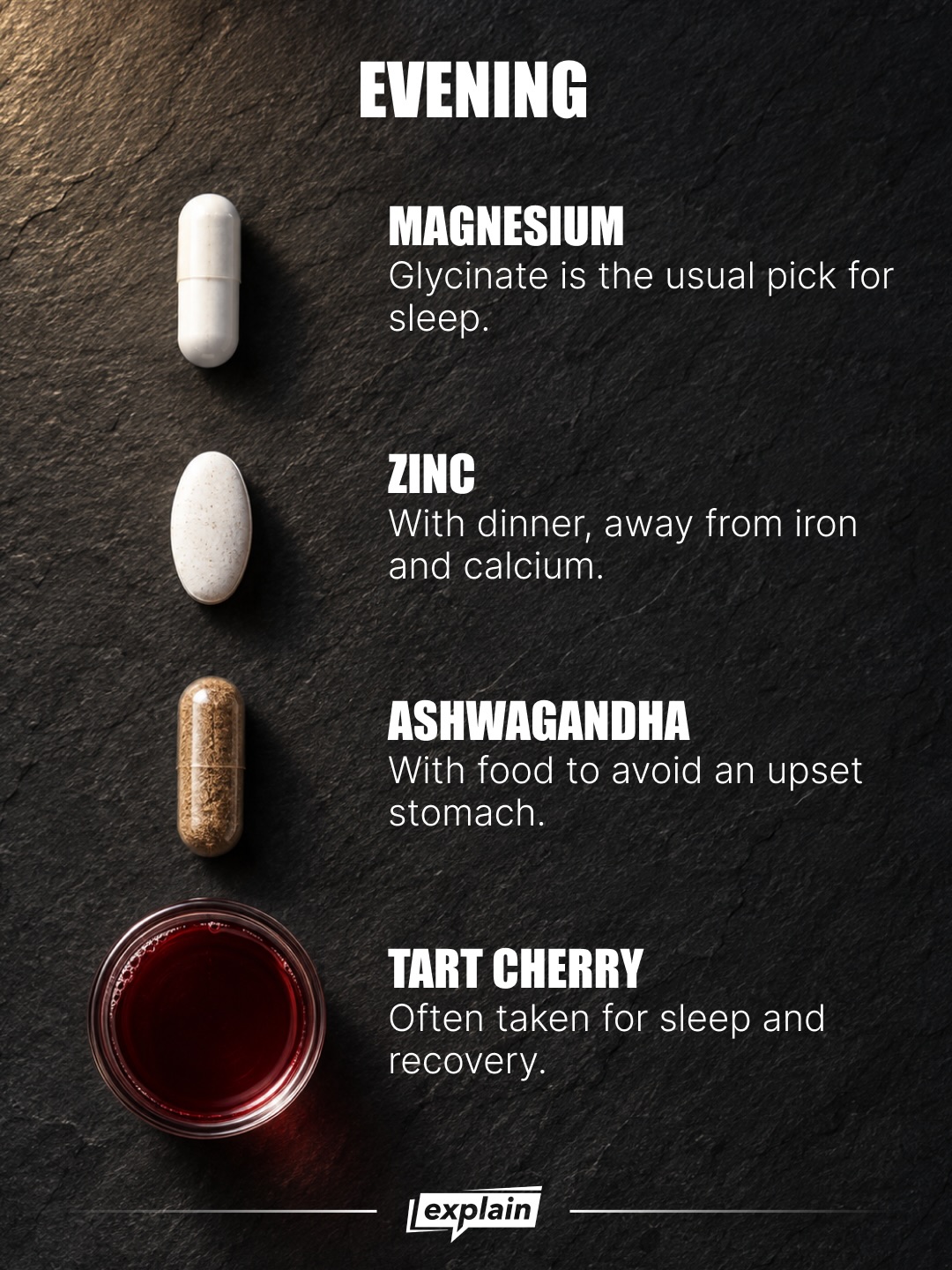
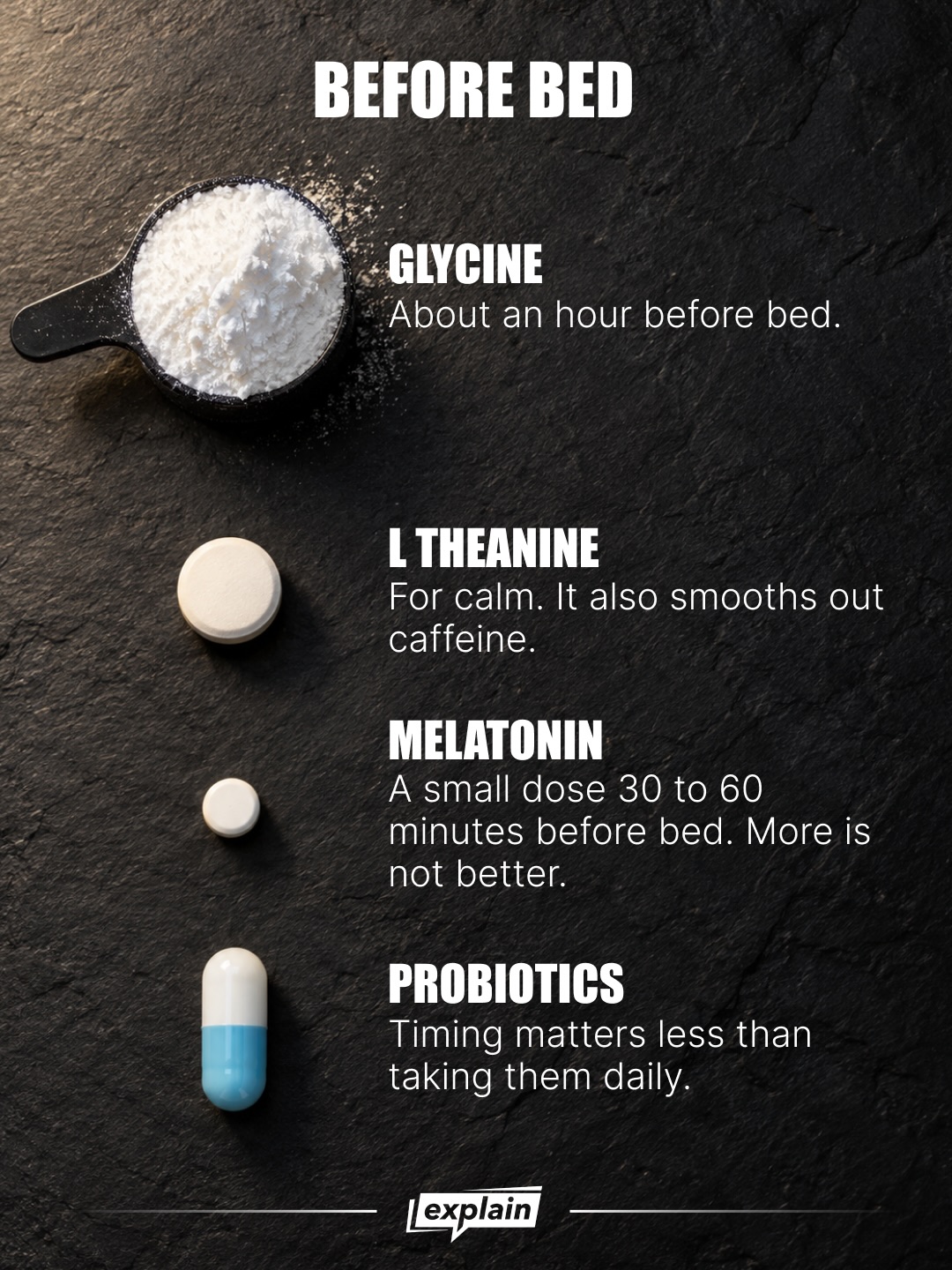
"מגנזיום גליצינאט נבחר לרוב בשעות הערב או לפני השינה כדי לסייע בשיפור השינה."
מסקנת הבדיקה:
אמנם ישנם מחקרים על קשר בין מגנזיום לשינה, אך המסמכים שסופקו אינם מכילים עדות מדעית מפורשת לגבי מגנזיום גליצינאט בשעות הערב.
chevron_right ודאות הפסיקה: בינונית
מידת הביטחון של המערכת בפסיקה — לא אחוז הנכונות של הטענה. ביטחון נמוך פירושו שהראיות מעטות או סותרות.
"סידן חוסם את הספיגה של ברזל, ולכן יש ליטול את השניים בהפרש של שעתיים לפחות זה מזה."
מסקנת הבדיקה:
המחקרים מעידים כי סידן מעכב ספיגת ברזל ויש להפריד את נטילתם לשעות נפרדות.
chevron_right ודאות הפסיקה: גבוהה
מידת הביטחון של המערכת בפסיקה — לא אחוז הנכונות של הטענה. ביטחון נמוך פירושו שהראיות מעטות או סותרות.
chevron_right מקורות מדעיים: (4)
-
link
Metabolic mechanisms of drug-nutrient interactions.
Metabolic mechanisms of nutrition and drug interactions include 1) the effects of diet on drug metabolism and action and 2) the effects of drugs on nutritional processes. The type, amount, and timing of foods consumed influence drug dissolution, absorption, distribution, metabolism, and excretion. High-fat meals enhance the absorption of griseofulvin and some other drugs. Milk and other sources of calcium inhibit absorption of tetracycline. High-fat meals increase plasma concentrations of free fatty acids and thereby displace many drugs from binding sites on plasma albumin. High-protein diets increase the activity of the mixed-function oxidase system and enhance the metabolism of numerous drugs. High-electrolyte intakes increase excretion of lithium and also diminish the action of diuretic agents. Bile acid sequestrants and some laxatives decrease lipid digestion and absorption, as well as absorption of the fat-soluble vitamins. Numerous drugs, including tetracycline and cholestyramine, bind iron and decrease its absorption. Coumarins inhibit the function of vitamin K. Phenobarbital and other anticonvulsants are inducers of cytochrome P-450 and the mixed-function oxidase system. Long-term treatment with these inducers can cause excessive metabolism and deficiency of vitamin D. Prooxidant drugs such as chloroquine, drugs detoxified by conjugation with glutathione, and alcohol can deplete reduced glutathione with consequent effects on amino acid transport and the redox status of cells. Acid-forming foods acidify the urine and increase the loss of alkaline drugs such as the amphetamines. Base-forming drugs increase the loss of acidic drugs such as barbiturates. The range of metabolic interactions of drugs and nutrients includes the full scope of physiological processes to which drugs and nutrients are subject.…
PubMed · PMID: 3881283
-
link
The inhibitory effect of dietary calcium on iron bioavailability: a cause for concern?
Increased intake of calcium has been recently recommended by a National Institutes of Health (NIH) Consensus Development Panel on Optimal Calcium Intake. However, high intakes of dietary calcium can inhibit iron absorption if both are present in the same meal. The mechanism for the calcium-iron interaction is not known. A recent study has demonstrated that separating foods high in calcium from meals high in iron can prevent some of the calcium-induced inhibition of iron absorption. The feasibility of changing the nature of meals or the timing of calcium supplementation to adjust for this phenomenon is untested.…
PubMed · PMID: 7770189
-
link
Dietary determinants of and possible solutions to iron deficiency for young women living in industrialized countries: a review.
Iron deficiency is a concern in both developing and developed (industrialized) countries; and young women are particularly vulnerable. This review investigates dietary determinants of and possible solutions to iron deficiency in young women living in industrialized countries. Dietary factors including ascorbic acid and an elusive factor in animal protein foods (meat; fish and poultry) enhance iron absorption; while phytic acid; soy protein; calcium and polyphenols inhibit iron absorption. However; the effects of these dietary factors on iron absorption do not necessarily translate into an association with iron status and iron stores (serum ferritin concentration). In cross-sectional studies; only meat intake has consistently (positively) been associated with higher serum ferritin concentrations. The enhancing effects of ascorbic acid and meat on iron absorption may be negated by the simultaneous consumption of foods and nutrients which are inhibitory. Recent cross-sectional studies have considered the combination and timing of foods consumed; with mixed results. Dietary interventions using a range of focused dietary measures to improve iron status appear to be more effective than dietary approaches that focus on single nutrients or foods. Further research is needed to determine optimal dietary recommendations for both the prevention and treatment of iron deficiency.…
PubMed · PMID: 25244367
-
link
One-month of calcium supplementation does not affect iron bioavailability: a randomized controlled trial.
Calcium (Ca) and iron (Fe) are essential minerals for normal growth and development. Although previous studies have shown that Ca inhibits acute Fe absorption, there is no evidence of the possible long- or medium-term effects of Ca supplementation on Fe bioavailability. The aim of this study was to determine the effect of 34 d of Ca supplementation on heme Fe and non-heme Fe bioavailability in non-pregnant women of ages 33 to 47 y. This was a prospective, randomized, double-blind, placebo-controlled trial. Twenty-six healthy women (40 ± 5 y) were randomly assigned to receive either 600 mg of elemental Ca/d as CaCO3 (Ca group, n = 13) or a placebo (P group, n = 13) for 34 d. Heme Fe and non-heme Fe bioavailability were determined before and after treatment using (55)Fe and (59)Fe radioisotopes. A two-factor, repeated-measures analysis of variance was used to assess differences by treatment and timing. The geometric mean (range ± 1 SD) of heme Fe bioavailability before and after treatment was 16.5% (8.3-32.8) and 26% (15.5-43.6) for the Ca group and 21.8% (13.0-36.6) and 25.1% (16.5-38.3) for the P group. Non-heme Fe bioavailability before and after treatment was 39.5% (19.9-78.7) and 34.1% (19.1-60.6) for the Ca group, and 44.6% (24.9-79.7) and 39.3% (24.3-63.4) for the P group. There were no differences in either heme Fe or non-heme Fe bioavailability either at baseline or after treatment. The administration of calcium supplements for 34 d does not affect iron bioavailability. This trial is registered with Controlled-trials.gov, number ISRCTN 89888123.…
PubMed · PMID: 24290597
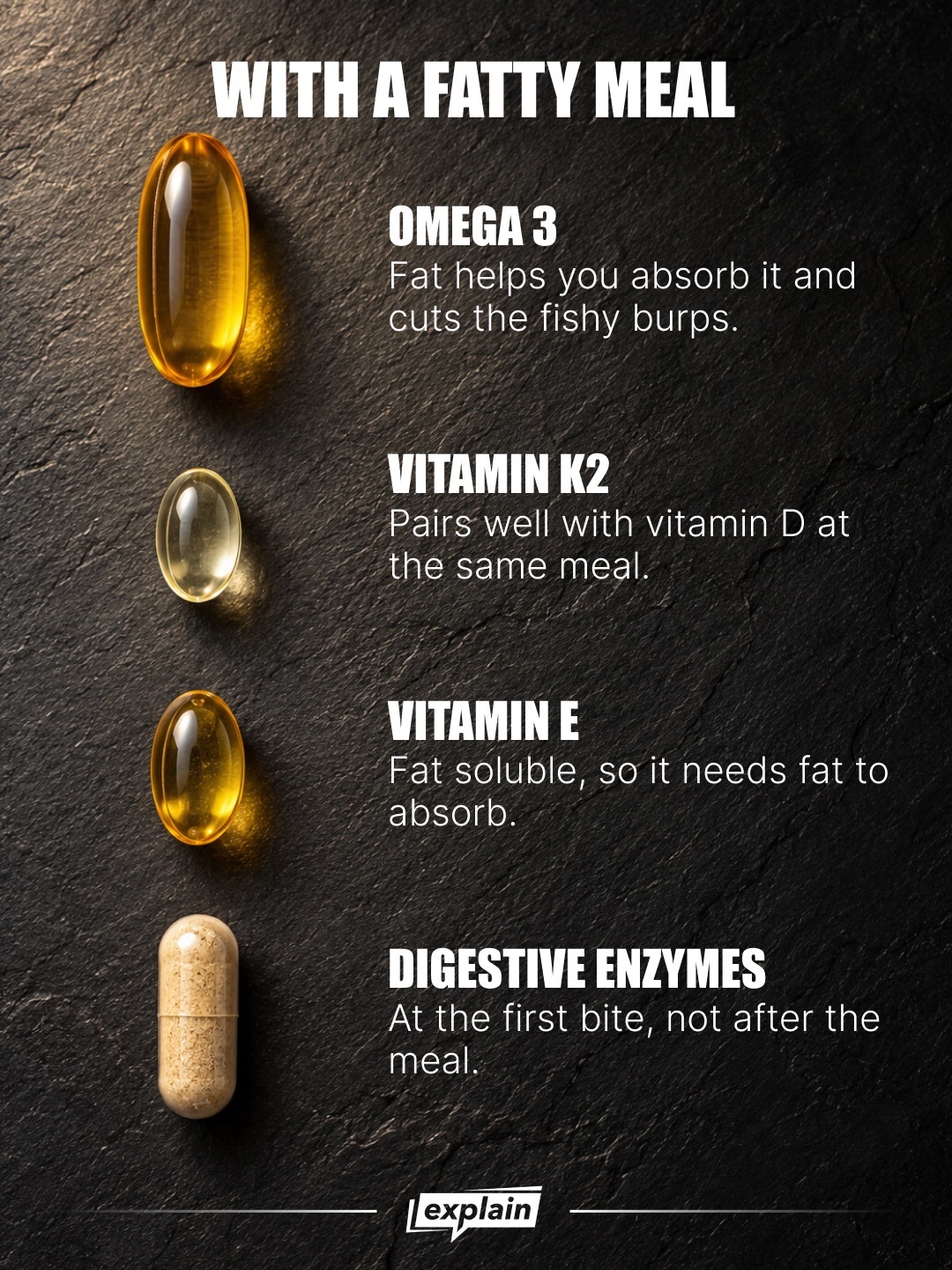
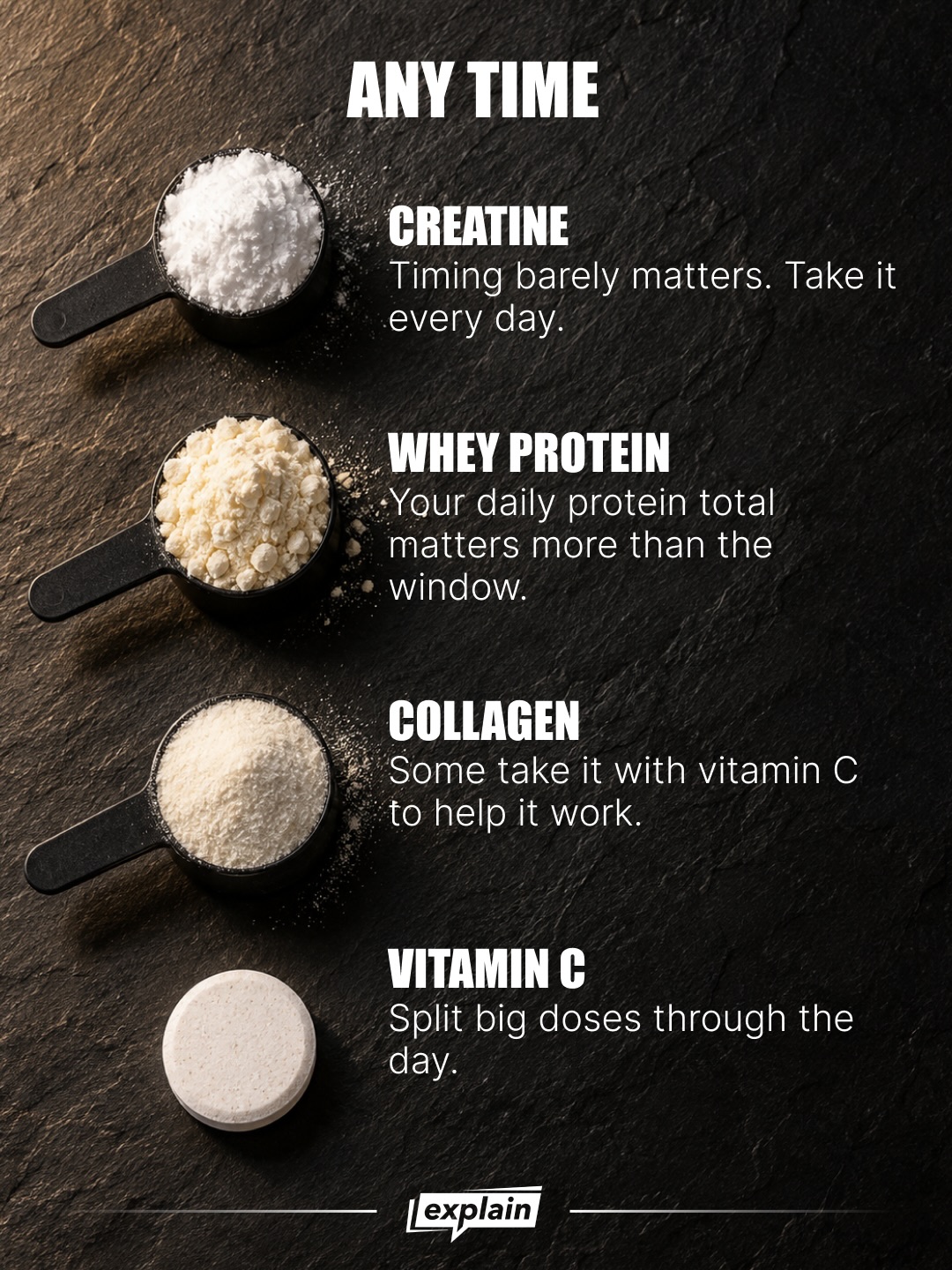
"ויטמינים מסיסים בשומן ואומגה 3 נספגים בצורה הטובה ביותר כאשר נוטלים אותם עם ארוחה המכילה שומן תזונתי."
מסקנת הבדיקה:
ויטמינים מסיסים בשומן ואומגה 3 מציגים זמינות ביולוגית גבוהה יותר בעת צריכתם עם ארוחה עתירת שומן.
chevron_right ודאות הפסיקה: גבוהה
מידת הביטחון של המערכת בפסיקה — לא אחוז הנכונות של הטענה. ביטחון נמוך פירושו שהראיות מעטות או סותרות.
chevron_right מקורות מדעיים: (3)
-
link
Bioavailability of Nutrients from Animal-Derived Foods Versus Other Sources of Foods: A Comprehensive Literature Review.
Modern nutritional science places increasing emphasis not only on absolute nutrient content, but primarily on bioavailability and interactions with the food matrix. This paper presents a comprehensive comparison of the bioavailability of protein, vitamins (A, D, and B<sub>12</sub>), and key minerals (iron, zinc, and calcium) from animal-source foods (ASF) and plant-based alternatives. Based on the literature indexed in the Web of Science, Scopus, PubMed, and ScienceDirect databases, this review assessed nutrient absorption and matrix effects, including both antinutritional factors and health-promoting compounds. The analysis shows that while ASF generally exhibit higher baseline bioavailability of several essential micronutrients and protein (measured by PDCAAS and DIAAS) due to the absence of phytates and oxalates, plant-based matrices offer distinct physiological benefits, including dietary fiber and phytonutrients. Moreover, the lower bioavailability in plant sources can be significantly improved through food processing techniques (e.g., fermentation, germination, thermal treatment) and strategic dietary combinations. Therefore, adequate nutrient intake depends not only on the food's origin but also on its preparation methods and the overall dietary pattern. It is also important that the best diet is both nutritionally adequate and sustainable for the individual and the environment.…
PubMed · PMID: 42739054
-
link
Traditional Food Systems as Nutrient Optimization Architectures: Mechanisms of Bioavailability and Dietary Resilience.
Traditional food systems have historically sustained nutrient adequacy under conditions of environmental variability and limited food diversity, yet their underlying nutritional mechanisms remain insufficiently integrated into contemporary nutrition science. This article attempts to provide a conceptual synthesis of how traditional dietary practices may function as informal nutrient optimization strategies. Drawing on evidence from nutrition science, food chemistry, and human physiology, it examines how food processing techniques (e.g., fermentation, soaking, germination, and thermal treatment), food pairing, and structural properties of foods influence nutrient bioavailability, absorption, and metabolic responses. Across diverse dietary contexts-including Mediterranean, agrarian cereal-legume, and East Asian-type patterns-recurring mechanisms emerge that can boost mineral solubility, improve protein digestibility and amino acid balance, facilitate vitamin absorption, and modulate glycemic responses. These effects are mediated not only by nutrient content but by interactions within the food structure and at the meal level. The synthesis supports a reframing of traditional diets as functional nutritional architectures in which processing and dietary configuration may enhance nutrient utilization efficiency. From this perspective, nutrient adequacy arises from coordinated structural features rather than from maximal nutrient density alone. The findings can be influential in contemporary nutrition research and policy, highlighting the need to move beyond reductionist intake-based models toward integrated approaches that account for bioavailability, metabolic handling, and dietary context. Several transferable principles of nutrient optimization are proposed, offering a framework for designing nutritionally efficient and resilient diets in modern settings.…
PubMed · PMID: 42124046
-
link
Participants with long-chain 3-hydroxy-acylCoA dehydrogenase deficiency (LCHADD)/trifunctional protein deficiency (TFPD) report consistent low-fat diet intake over time.
<h4>Background</h4>Patients with LCHADD/TFPD are counseled to follow a diet low in long-chain fats (LCT) and supplement with medium-chain fats (MCT) with adequate micronutrients, but there is limited data on patient implementation of recommendations. We analyzed diet intake of LCHADD/TFPD participants twice, 2 years apart.<h4>Methods</h4>Participants enrolled in the longitudinal Natural History of LCHAD Retinopathy study completed a 3-day food record and supplement logs at baseline and 2 years later. Differences in %LCT and MCT intake over time, and intra-individual and population variation, were analyzed. Percentage of participants meeting estimated average requirements (EAR) for fat-soluble (A, D, E, K) and water-soluble vitamins (B1, B2, B3, C) were calculated.<h4>Results</h4>Forty participants were enrolled, 2-36 years (48% female), 25% G1528C homozygous, 68% G1528C heterozygous, and 7% TFPD. Thirty-five baseline and 38 follow-up diet records were included. Fat intake was consistent over time; baseline 13.7% LCT, 18.8% MCT, follow-up 14.7% LCT, 20.6% MCT. Intra-individual variation ranged from 22% to 32% for MCT and LCT, respectively, but both were less than the overall population variation 49% MCT and 36% LCT. An average of 38.8% of participants took a multivitamin; however, only 51% met the EAR for fat-soluble vitamins compared to 81% for water-soluble vitamins.<h4>Conclusions</h4>LCHADD/TFPD patients are consistently consuming a low-fat diet with appropriate supplementation of MCT. Day-to-day variation in %LCT was comparable to the general population, but absolute amount of fat was lower. A greater proportion of patients are still not meeting EAR for fat-soluble vitamins compared to water-soluble vitamins.…
PubMed · PMID: 42364315
"עיתוי נטילת הקריאטין אינו משמעותי כל עוד צורכים אותו באופן עקבי מדי יום."
מסקנת הבדיקה:
הספרות המדעית תומכת בכך שעיתוי נטילת הקריאטין פחות קריטי כל עוד מקפידים על צריכה עקבית ויויומיות.
chevron_right ודאות הפסיקה: גבוהה
מידת הביטחון של המערכת בפסיקה — לא אחוז הנכונות של הטענה. ביטחון נמוך פירושו שהראיות מעטות או סותרות.
chevron_right מקורות מדעיים: (3)
-
link
Resistance training combined with creatine supplementation: a three-level meta-analysis of multidimensional outcomes from strength enhancement to body composition remodeling.
<h4>Objective</h4>This study aimed to determine (1) the effects of resistance training combined with creatine supplementation on muscle strength (upper- and lower-body strength) and body composition (lean mass, fat mass, body-fat percentage, and body mass), and (2) whether these effects were moderated by participant characteristics (age, gender, and training experience) and intervention protocols (intervention duration, weekly frequency, dosing strategy, daily dose, and supplementation protocol).<h4>Methods</h4>We conducted a systematic search of PubMed, Web of Science, Cochrane Library, Embase, and EBSCO from database inception through April 21 2025, and performed backward citation tracking to identify additional relevant trials. Hedge's g (g) served as the summary effect size for each outcome. Meta-analysis was performed using a three-level random-effects model in the metafor package (R). Potential moderators were explored via subgroup analyses and meta-regression.<h4>Results</h4>Sixty-three studies (<i>n</i> = 1489) were included. Compared with resistance training alone (RT), resistance training plus creatine (RT + CR) produced significant increases in upper-body strength (g = 0.54, <i>p</i> < 0.001), lower-body strength (g = 0.55, <i>p</i> < 0.001), lean mass (g = 0.30, <i>p</i> < 0.001), and body mass (g = 0.12, <i>p</i> = 0.04), and a significant reduction in body-fat percentage (g = -0.14, <i>p</i> = 0.02). No significant difference emerged for fat mass (g = -0.10, <i>p</i> = 0.14). Exploratory subgroup analyses suggested that age may be associated with strength gains, with statistically significant between-subgroup differences observed for both upper- and lower-body strength. These findings should be interpreted cautiously because multiple moderator analyses were conducted and the age subgroups were unevenly represented. Exploratory meta-regression also suggested an inverse association between age and strength effects, with larger effects observed in studies involving younger participants. Neither subgroup nor meta-regression analyses identified consistent moderators for body composition outcomes.<h4>Conclusion</h4>Compared with resistance training alone, resistance training combined with creatine supplementation significantly enhanced muscle strength and lean body mass, without a significant effect on fat mass. The modest increase in total body weight was primarily attributable to gains in lean body mass, contributing to a slight reduction in body fat percentage. Among participant characteristics, age appeared to be associated with the magnitude of strength effects, although this exploratory finding should be interpreted cautiously given the uneven representation of age subgroups. Intervention-protocol variables did not significantly influence the outcomes. These conclusions should also be interpreted within the context of heterogeneous and incompletely reported nutritional intake and training backgrounds across the included trials.…
PubMed · PMID: 42765482
-
link
From Macronutrients to Functional Foods: Nutritional Strategies for Recovery Following High-Intensity Exercise.
High-intensity exercise improves aerobic and anaerobic performance, neuromuscular function, and sport-specific readiness but may also induce glycogen depletion, exercise-induced muscle damage, muscle soreness, inflammatory responses, oxidative stress, and temporary reductions in subsequent performance. Recovery nutrition is therefore essential to restore physiological readiness. This review aimed to synthesize current evidence on nutritional strategies for recovery following high-intensity exercise, ranging from foundational macronutrients to functional foods and bioactive compounds. A structured narrative review was conducted using peer-reviewed literature retrieved from PubMed/MEDLINE, Scopus, Web of Science, SPORTDiscus, ScienceDirect, and Google Scholar. Priority was given to position stands, consensus statements, systematic reviews, meta-analyses, randomized controlled trials, and human intervention studies published in English between 2011 and May 2026. Eligible studies involved athletes or physically active adults and examined biochemical, perceptual, or functional recovery outcomes after high-intensity, repeated-sprint, resistance, eccentric, or muscle-damaging exercise. Carbohydrate and protein remain the most consistently supported nutritional strategies for recovery. Carbohydrate facilitates glycogen resynthesis, particularly when recovery time is limited, whereas high-quality protein supports muscle protein synthesis and tissue repair. Functional foods and bioactive compounds may provide additional benefits as adjunct recovery strategies, although the available evidence varies considerably across exercise models, participant characteristics, supplementation protocols, and recovery outcomes. Among the functional foods reviewed, tart cherry currently has the strongest supporting evidence for selected recovery outcomes. Curcumin, omega-3 fatty acids, and beetroot have shown promising context-dependent benefits, whereas evidence for pomegranate, cocoa flavanols, and green tea remains more variable and is generally stronger for oxidative-stress modulation than for consistent improvements in functional recovery. Chronic high-dose vitamin C and E supplementation may impair training adaptations. Based on the synthesized evidence, we propose a hierarchical and periodized conceptual framework for recovery nutrition following high-intensity exercise, in which carbohydrate and protein adequacy remain the primary priorities. Within this framework, functional foods and bioactive compounds may serve as context-dependent adjuncts, and their application should be individualized according to recovery demands, competition schedule, adaptation goals, and the current strength and consistency of the available evidence.…
PubMed · PMID: 42707668
-
link
Creatine formulations and repeated sprint training: effects on physical and physiological adaptations in soccer players during the short-term preparation phase.
<h4>Background</h4>This research examined the impact of various creatine (Cr) supplementation formulations during a 4-week preparatory phase on the efficacy of repeated sprint training (RST) and on improvements in physical and physiological performance in male soccer athletes.<h4>Methods</h4>A total of forty collegiate young soccer players volunteered for the study. They were randomly divided into four groups: creatine monohydrate (Cr-Mon, <i>n</i> = 10), creatine ethyl ester (Cr-Ee, <i>n</i> = 10), creatine hydrochloride (Cr-Hcl, <i>n</i> = 10), and placebo (PL, <i>n</i> = 10). All athletes engaged in a 4-week training intervention, three times a week (i.e. 12 sessions), and physical (countermovement vertical jump [CMVJ], 20-m sprint, and L-run) and physiological (Wingate anaerobic power and incremental exercise tests) performance were assessed both before and after the training period.<h4>Results</h4>All training groups improved physical and physiological performance following the 4-week intervention period (<i>p</i> < 0.05). Additionally, the groups receiving the Cr supplement exhibited significantly greater changes (<i>p</i> = 0.001) in physical performance, peak power output, and fatigue index compared to the PL group. However, no significant differences were found among the groups regarding mean power output and VO2max. Notably, the Ee and Hcl forms of Cr showed superior gains (<i>p</i> < 0.05) in physical performance and peak power compared to the Mon form after the 4-week intervention.<h4>Conclusions</h4>The results underscore the importance of Cr ingestion in enhancing adaptations for short-term physical performance tasks, highlighting the effectiveness of the Ee and Hcl forms in further improving the CMVJ, 20-m sprint, L-run, and peak power among soccer players during the short-term preparation phase.…
PubMed · PMID: 42720250

Explain
דירוג זה מבוסס על 14 דוחות אימות קודמים.
האם הדוח הזה היה מועיל לך?
מה היה פחות טוב? (רשות)
תודה על הפידבק!
עירעור על דוח זה
ספקו ראיות חדשות או הצביעו על אי דיוקים
נעדכן אותך על תוצאות הבדיקה
הוסיפו קישורים למחקרים או מקורות רפואיים מוכרים
העירעור נשלח בהצלחה!
המנוע המדעי שלנו יבדוק את הראיות שהגשתם. נעדכן אתכם באימייל עם התוצאות.
ניתוח מבוסס בינה מלאכותית
דוח זה נוצר באופן אוטומטי על ידי מערכת בינה מלאכותית ועשוי להכיל שגיאות, אי-דיוקים או מידע חלקי. הניתוח אינו מהווה ייעוץ רפואי, אבחנה או המלצה לטיפול, והוא אינו תחליף לדעתו של איש מקצוע רפואי מוסמך. יש להתייעץ עם רופא או מומחה מוסמך לפני קבלת כל החלטה רפואית. המידע מוצג לצרכי מידע כללי בלבד.
מידע זה מופק על ידי בינה מלאכותית ואינו מהווה תחליף לייעוץ רפואי מקצועי.