סריקה בתהליך...
הניתוח עשוי לארוך 30–90 שניות
הידעת?
הסרטון אינו מכיל תוכן רפואי
חושבים שחלה טעות?
אם לדעתכם הסרטון אכן עוסק בטענות רפואיות או בריאותיות, הוסיפו הסבר קצר ושלחו בקשה לבדיקה מחדש.
הבקשה התקבלה! נבדוק את הסרטון ונחזור אליכם.
אירעה שגיאה בשליחת הבקשה. נסו שוב.
דו״ח מאומת
הסרטון מציג מידע מדויק ומגובה במחקרים מדעיים אמינים.
סיכום
כל הטענות שנבדקו נמצאו מאומתות על פי הספרות המדעית. הראיות מצביעות על כך שיציאות, שימוש במשלשלים ושינויים בתדירות היציאות אינם מדדים ישירים לשריפת שומן או לקצב מטבולי, וכי תסמינים כמו ירידה במשקל ויציאות תכופות בהיפרתירואידיזם הם ביטויים נפרדים לאותה הפרעה הורמונלית.
analytics ניתוח טענות מבוסס ראיות
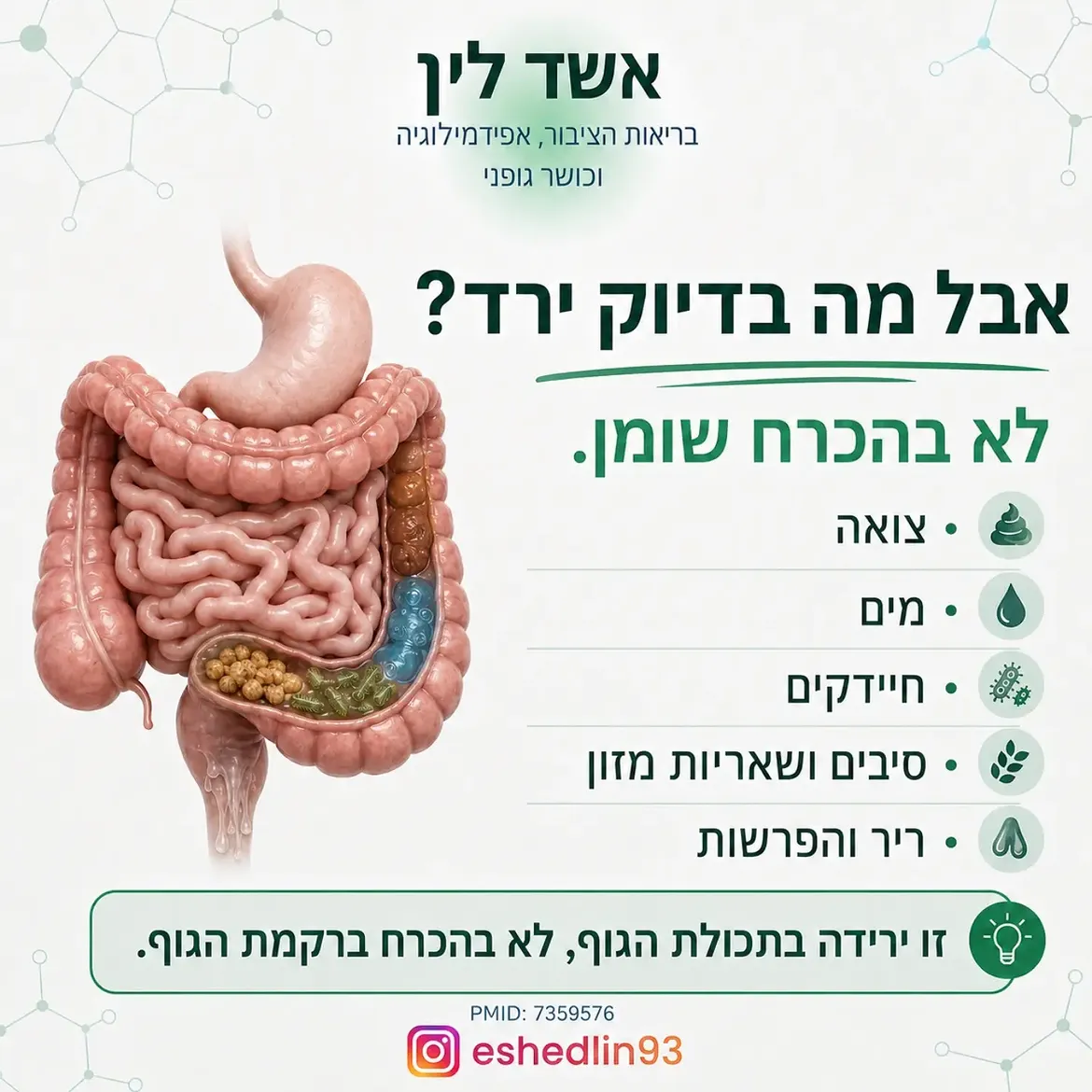
"יציאות גורמות לירידה זמנית במשקל הגוף (בשל יציאת חומר מהגוף), אך אין זה אומר שאיבדת שומן."
מסקנת הבדיקה:
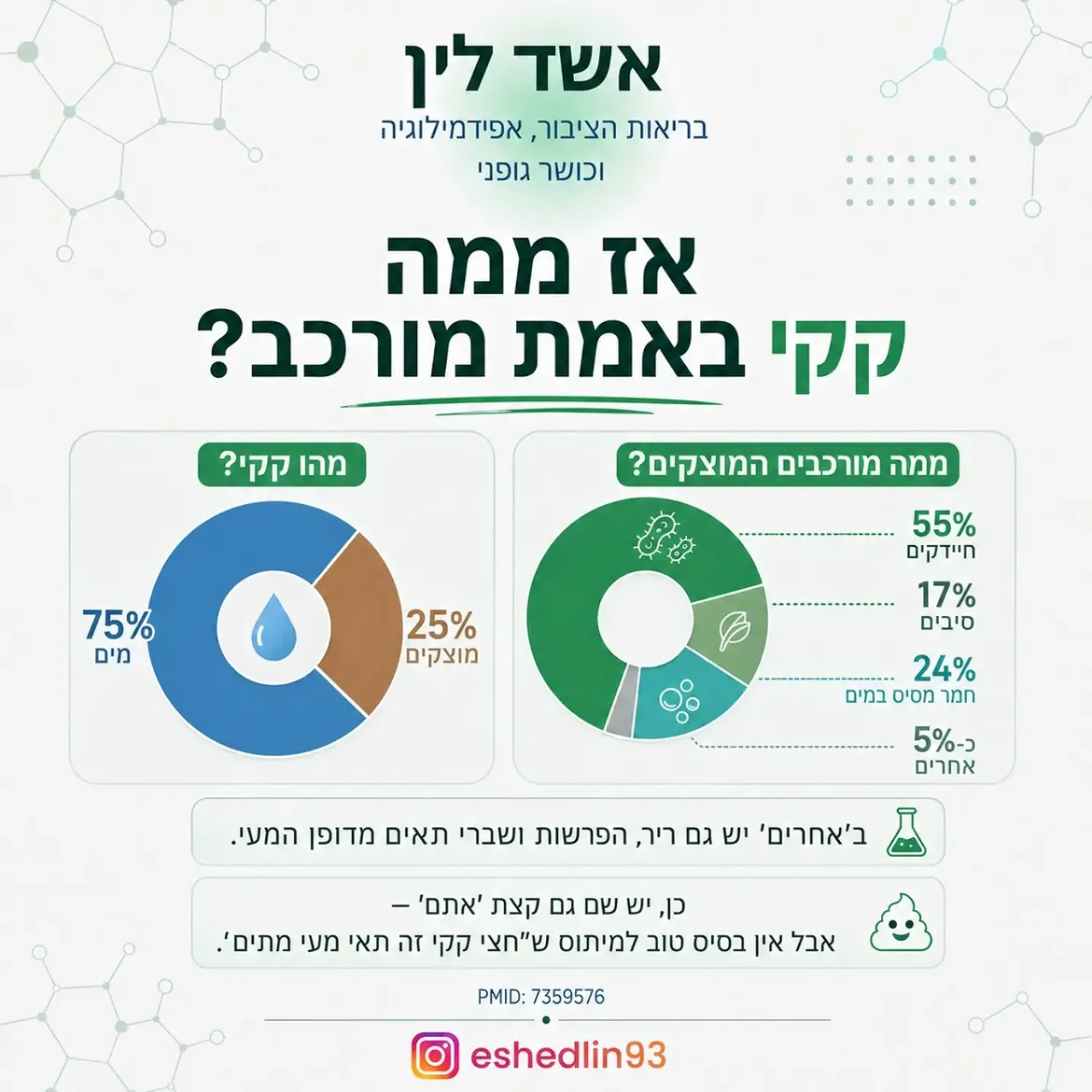
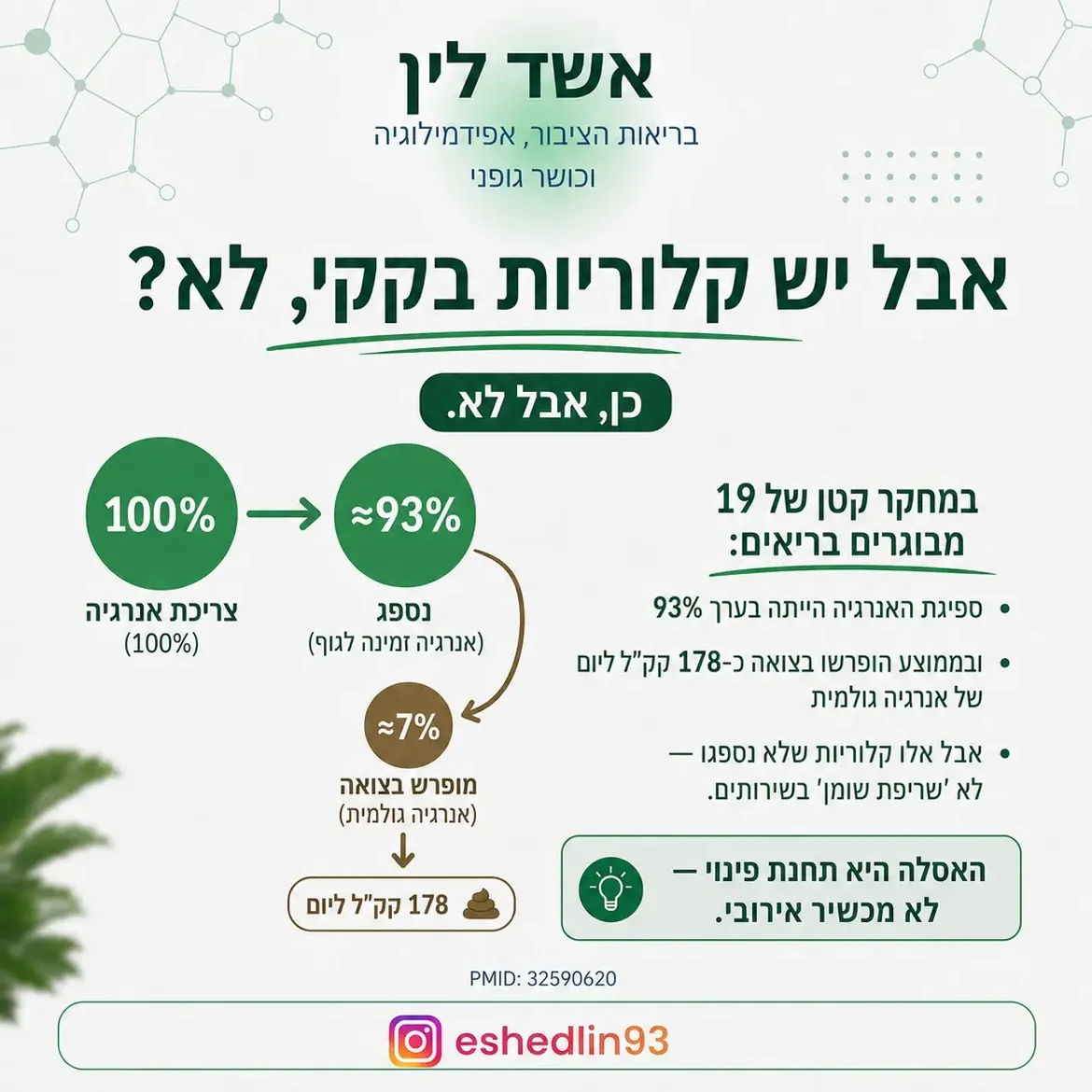
יציאות מורכבות בעיקר ממים, שאריות מזון, חיידקים ותאים מתים. איבוד משקל כתוצאה מיציאה הוא אובדן מסה פיזיקלית של תוכן המעי, ואינו משקף שריפת רקמת שומן בגוף. (🟩)
chevron_right מקורות מדעיים: (2)
-
link
The microbial contribution to human faecal mass.
A method has been developed, based on techniques used for isolating bacteria from the rumen, that enables human faeces to be fractionated into three major components. The method requires repeated, vigorous agitation of a suspension of faecal solids with detergent, the use of a stomacher, and high-speed centrifugation. By this means the faecal microflora are separated from faecal dietary-fibre residues. These two components, with water-soluble material in the stool, comprise 98.3 +/- 0.9% of faecal solids. The purity of the microbial fraction was demonstrated by Gram and plant stains and by scanning electron microscopy. Microscopic counts of the bacteria in each fraction of the stool showed that the microbial fraction contained 95% of the total bacteria. Chemical analysis of the component sugars indicated 6-7% possible contamination by non-bacterial polysaccharides. The bacterial pellet was 6% nitrogen, and accounted for 60% of the total faecal nitrogen. When faeces from nine healthy subjects on a metabolically controlled British-type diet were studied, bacteria comprised 54.7 +/- 1.7% of the total solids, fibre 16.7 +/- 0.8% and soluble material 24.0 +/- 1.3%. Bacteria therefore represent a much larger proportion of the faecal mass than was previously thought.…
PMID: 7359576
-
link
Measures of Dietary Fat and Energy Absorption in Healthy Adults.
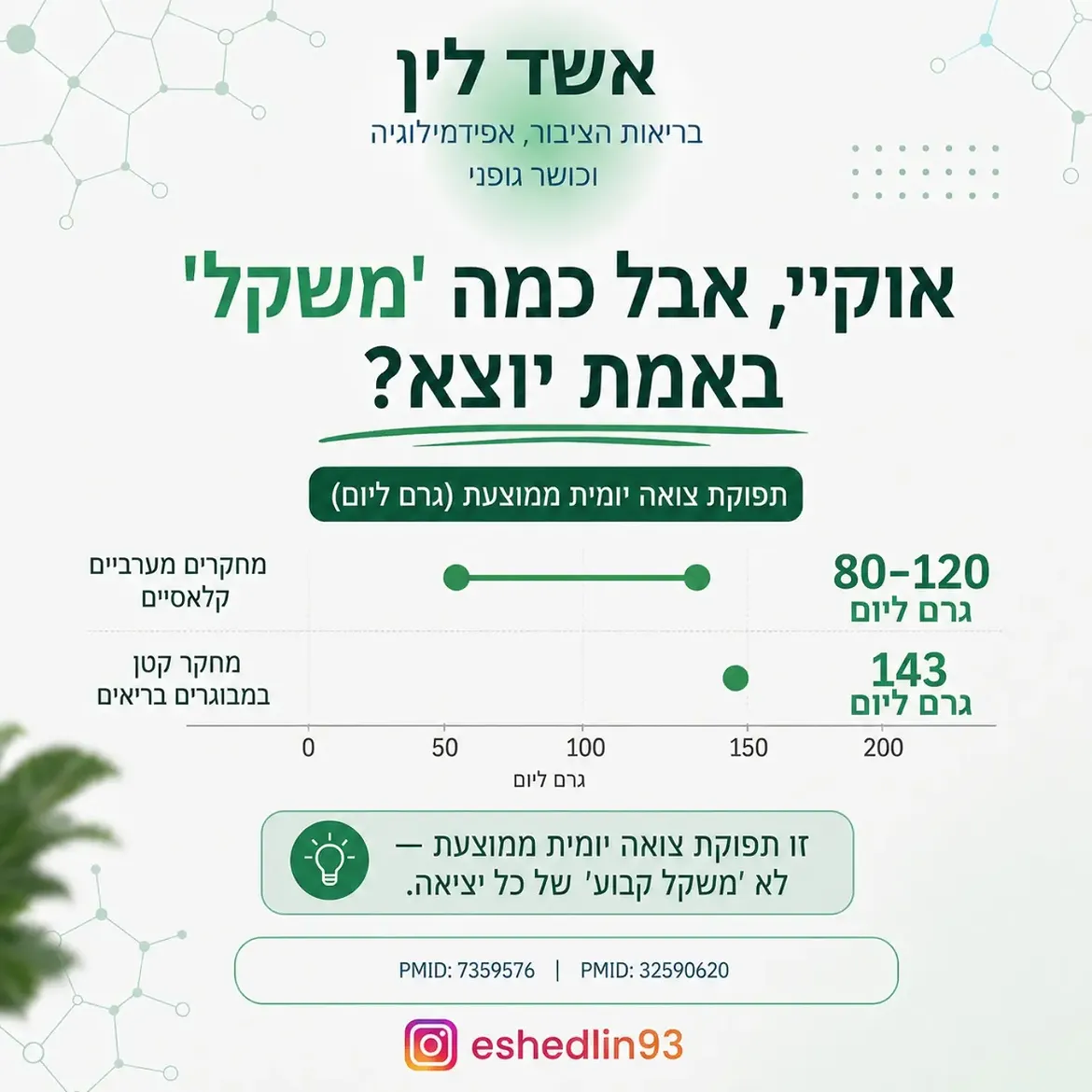
Existing reference ranges for stool fat and energy absorption were developed using subjects in controlled environments on precise diets. This study measured energy and fat absorption in healthy, community-dwelling adults eating a moderate-to-high fat American diet via stool- and serum-based methods. This was a secondary analysis of healthy subjects recruited as the comparison group in a chronic pancreatitis study. Subjects recorded dietary intake and collected stool over 3-day periods. Stool was analyzed for fat content using the coefficient of fat absorption and for energy content using bomb calorimetry. The malabsorption blood test (MBT) was used to measure dietary fat absorption. Nineteen subjects had mean daily stool measures of 143 g wet weight, 4.1 g of fat, and 178 kcal. The mean coefficients of fat and energy absorption were 96% and 93%, respectively. The mean MBT area under the curve cut-point was greater than 8 mg·h/dL. This study confirms the historical reference range for the coefficient of fat absorption in contemporary healthy, community-dwelling adults on a moderate-to-high fat diet. The study contributes to the development of reference range values for multiple bomb calorimetry-based outcomes of stool energy losses and to the serum-based MBT as a promising method for measuring fat absorption.…
PMID: 32590620
"תדירות היציאות אינה מדד ישיר ל'מטבוליזם מהיר'."
מסקנת הבדיקה:
תדירות יציאות מושפעת מגורמים רבים כמו תזונה, סיבים, הידרציה ופעילות גופנית, ואינה מהווה מדד ישיר או אמין לקצב חילוף החומרים הבסיסי (BMR). (🟩)
chevron_right מקורות מדעיים: (2)
-
link
Nutrition and lifestyle in relation to bowel movement frequency: a cross-sectional study of 20630 men and women in EPIC-Oxford.
To investigate the relationships between nutritional and lifestyle factors and bowel movement frequency. Cross-sectional analysis using data from a prospective study. Mean numbers of bowel movements were calculated in relation to a range of factors. In addition, individuals were categorised according to frequency of bowel movements: fewer than 7 per week ('less than daily') versus 7 or more per week ('daily'), and odds ratios were calculated from logistic regression models. Results for each factor were adjusted for the other factors under consideration. The European Prospective Investigation into Cancer and Nutrition, Oxford cohort (EPIC-Oxford), UK. In total, 20630 men and women aged 22-97 years at recruitment. Thirty per cent of the subjects were vegetarians or vegans. Women had fewer bowel movements on average than men, and were less likely to have daily bowel movements. Mean bowel movement frequency was higher in vegetarians (10.5 in men, 9.1 in women) and especially in vegans (11.6 in men, 10.5 in women) compared with participants who ate meat (9.5 in men, 8.2 in women). There were also significant positive associations between bowel movement frequency and body mass index (BMI), intakes of dietary fibre and non-alcoholic fluids, for both men and women. Vigorous exercise was positively associated with bowel movement frequency in women although results for men were less clear. Alcohol intake was positively associated with bowel movement frequency in men but not in women. Being vegetarian and especially vegan is strongly associated with a higher frequency of bowel movements. Moreover, having a high intake of dietary fibre and fluids and a high BMI are associated with an increase in frequency of bowel movements.…
PMID: 14972075
-
link
Normative values for stool frequency and form using Rome III diagnostic criteria for functional constipation in adults: systematic review with meta-analysis.
When designing clinical trials focused on functional constipation therapies, understanding the normative values of populations selected using the Rome III criteria is important for estimating baseline symptom severity, and for power analysis and sample size calculations. The objective of this review was to determine normative ranges for stool frequency and form in adults with functional constipation (Rome III criteria). Eligible studies reported stool frequency or form; random effects meta-analysis was performed with subgroup analyses to explore sources of heterogeneity. A total of 25 studies (43 groups, 2292 subjects) were included. Pooled estimates were 2.7 (95% CI 2.4-3.0) for weekly stools and 2.4 (95% CI 2.1-2.6) for stool form (Bristol scale). Heterogeneity was high for both outcomes (both I…
PMID: 28243036
"משלשלים יכולים להוביל לירידה זמנית במשקל בעיקר עקב איבוד נוזלים ופינוי תוכן מעי, ולא עקב שריפת שומן."
מסקנת הבדיקה:
משלשלים פועלים על ידי הגברת תנועתיות המעי או משיכת נוזלים לתוכו, מה שמוביל לאובדן נוזלים ואלקטרוליטים. אין להם השפעה ישירה על תהליכי פירוק או שריפת שומן בגוף. (🟩)
chevron_right מקורות מדעיים: (2)
-
link
Pharmacological management of childhood constipation: Bridging today's gaps with tomorrow's therapies.
Childhood constipation is a prevalent yet frequently underestimated global health concern, affecting approximately 10% of children across diverse populations. Its impact extends well beyond bowel-related symptoms, with affected children often experiencing extraintestinal manifestations such as pain in multiple sites, behavioral disturbances, and a markedly diminished quality of life. The burden is further compounded in low- and middle-income countries, where financial and logistical constraints limit access to effective treatment. The impact is intensified in developing countries due to limited healthcare resources and the unavailability of pharmacological agents. When left untreated or poorly managed, functional constipation (FC) can lead to significant long-term consequences, including persistent bowel dysfunction, psychological disorders, and progression to chronic constipation and other disorders of gut-brain interaction later in life. Pathophysiology of FC is multifactorial, involving factors such as stool withholding behavior, dietary habits, anorectal dysfunction, and psychological factors. Hence, management of FC is multifaceted, including both pharmacological and non-pharmacological interventions. Pharmacological management remains central to treatment, aimed at relieving symptoms and preventing adverse outcomes. However, current therapeutic strategies rely predominantly on a narrow range of osmotic and stimulant laxatives. Introducing new drugs that have often been shown to be effective in adults, have been found to have limited efficacy in children, with some performing no more effectively than a placebo in clinical trials. This highlights a substantial gap in pediatric pharmacotherapy and emphasizes the pressing need for new, evidence-based interventions tailored to the unique physiological and developmental characteristics of children. In this review, we critically examine the current pharmacologic options for managing childhood constipation, assess their limitations, and explore future directions of these drugs and other novel interventions for the development of more effective, accessible, and child-appropriate treatments for this common yet impactful condition.…
PMID: 41884051
-
link
A Short-Term Low-Fiber Diet Reduces Body Mass in Healthy Young Men: Implications for Weight-Sensitive Sports.
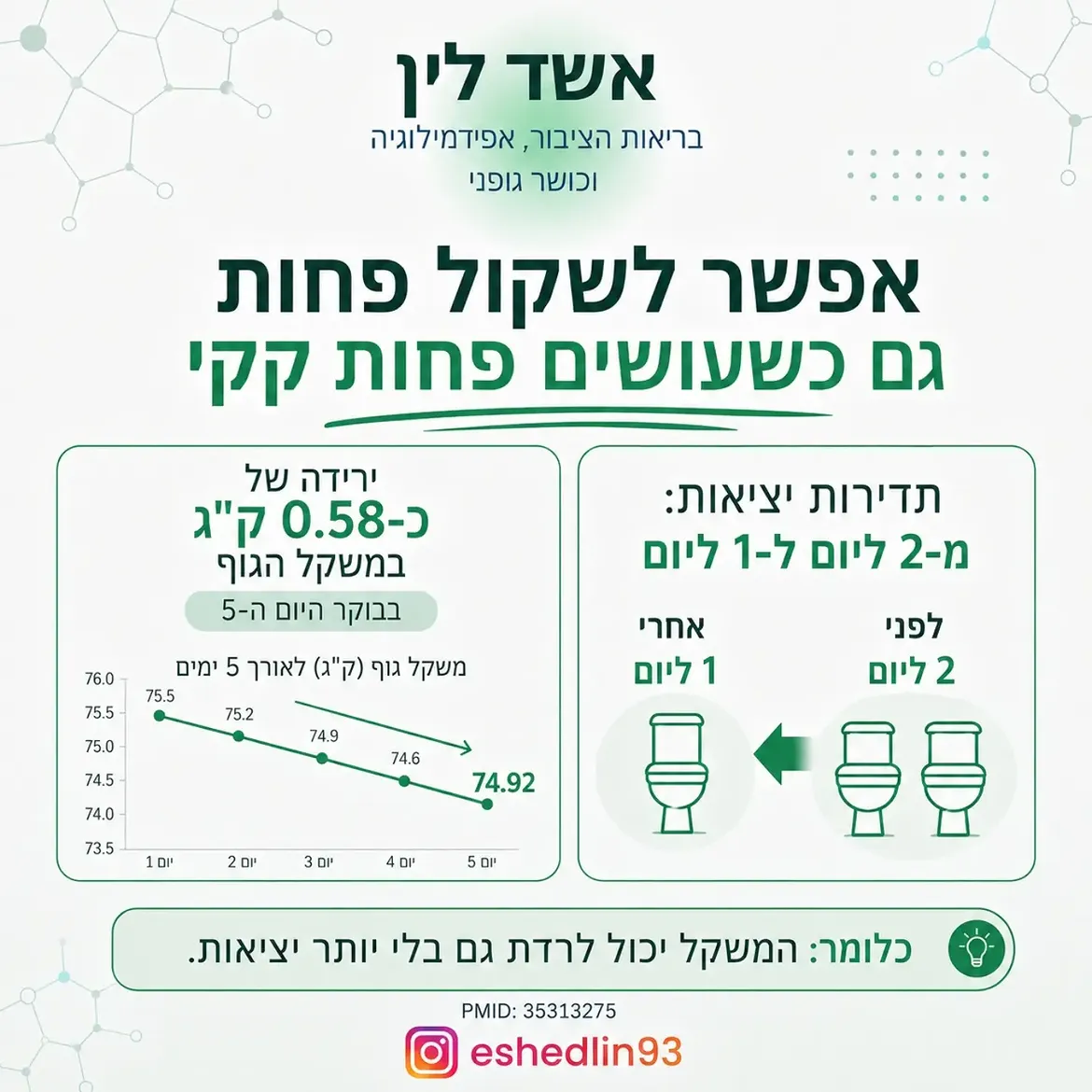
Athletes from weight-sensitive sports are reported to consume low-fiber diets (LOW) to induce acute reductions in body mass (BM). However, evidence supporting their efficacy is anecdotal. Therefore, we aimed to determine the effect of a LOW on acute changes in BM. Nineteen healthy males (32 ± 10 years, 1.79 ± 0.07 m, 77.5 ± 8.1 kg) consumed their habitual diet (∼30 g fiber/day) for 7 consecutive days followed by 4 days of a LOW (<10 g fiber/day) that was matched for energy and macronutrient content. Participants also matched their daily exercise load during LOW to that completed during habitual diet (p = .669, average 257 ± 141 arbitrary units). BM was significantly reduced in LOW versus habitual diet after 4 days (Δ = 0.40 ± 0.77 kg or 0.49% ± 0.91%, p < .05, effect size [ES] [95% confidence interval] = -0.53 [-1.17, 0.12]) and on the morning of Day 5 (Δ = 0.58 ± 0.83 kg or 0.74% ± 0.99%, p < .01, ES = -0.69 [-1.34, -0.03]). LOW resulted in moderately higher hunger (Δ = 5 ± 9 mm, p = .015, ES = 0.55 [-0.09, 1.20]), a decline in stool frequency from 2 ± 0 to 1 ± 0 bowel movements per day (p = .012, ES = 0.64 [-0.02, 1.29]) and stool softness decrease (p = .005). Nonetheless, participants reported the diet to be tolerable (n = 18/19) and were willing to repeat it (n = 16/19). Data demonstrate for the first time that consumption of a short-term LOW induces reductions in BM.…
PMID: 35313275
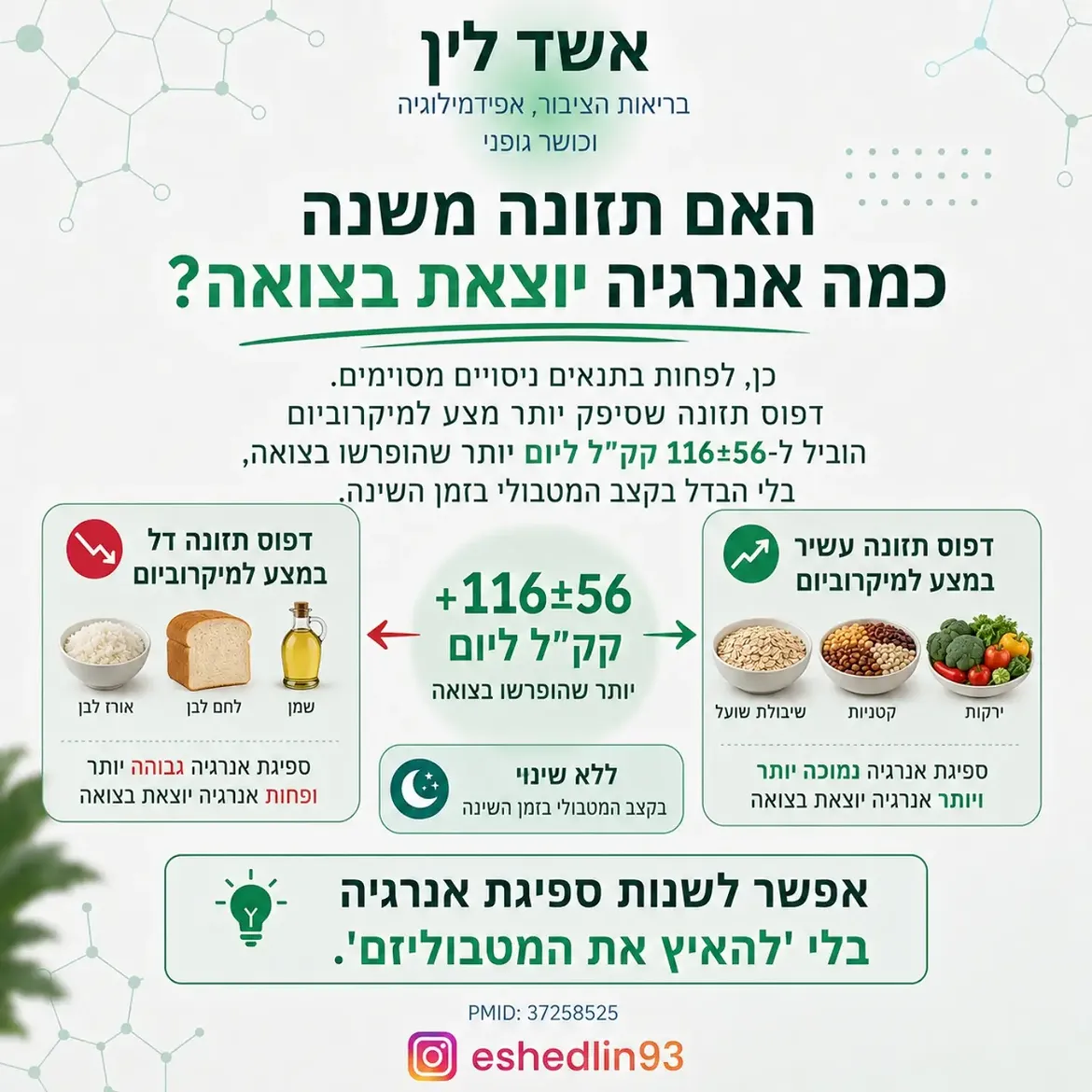
"דפוסי תזונה יכולים להשפיע על ספיגת האנרגיה במעי ללא שינוי בקצב המטבולי."
מסקנת הבדיקה:
הרכב התזונה (כמו כמות סיבים) משפיע על יעילות ספיגת האנרגיה במעי ועל המיקרוביום, ללא קשר הכרחי לשינוי בקצב המטבולי של הגוף. (🟩)
chevron_right מקורות מדעיים: (3)
-
link
Effects of energy loads on energy and nutrient absorption rates and gut microbiome in humans: A randomized crossover trial.
This study aimed to determine the effects of different energy loads on the gut microbiota composition and the rates of energy and nutrient excretion via feces and urine. A randomized crossover dietary intervention study was conducted with three dietary conditions: overfeeding (OF), control (CON), and underfeeding (UF). Ten healthy men were subjected to each condition for 8 days (4 days and 3 nights in nonlaboratory and laboratory settings each). The effects of dietary conditions on energy excretion rates via feces and urine were assessed using a bomb calorimeter. Short-term energy loads dynamically altered the gut microbiota at the α-diversity (Shannon index), phylum, and genus levels (p < 0.05). Energy excretion rates via urine and urine plus feces decreased under OF more than under CON (urine -0.7%; p < 0.001, urine plus feces -1.9%; p = 0.049) and UF (urine -1.0%; p < 0.001, urine plus feces -2.1%; p = 0.031). However, energy excretion rates via feces did not differ between conditions. Although short-term overfeeding dynamically altered the gut microbiota composition, the energy excretion rate via feces was unaffected. Energy excretion rates via urine and urine plus feces were lower under OF than under CON and UF conditions.…
PMID: 37927202
-
link
Intestinal Energy Harvest Mediates Gut Microbiota-Associated Weight Loss Following Bariatric Surgery.
Metabolic and bariatric surgery (MBS) is the most effective treatment for class III obesity. The capacity to efficiently extract intestinal energy is potentially a determinant of varying weight loss outcomes post-MBS. Prior research indicated that intestinal energy harvest is correlated with post-MBS weight loss. Studies have also demonstrated that the gut microbiota is associated with weight loss post-MBS. We aim to investigate whether gut microbiota-associated weight loss is mediated by intestinal energy harvest in patients post-MBS. We examined the relationship between specific gut microbiota, intestinal energy harvest, diet, and weight loss using fecal metagenomic sequence data, bomb calorimetry (fecal energy content as a proxy for calorie absorption), and a validated dietary questionnaire on 67 individuals before and after MBS. Mediation analysis and a machine learning algorithm were conducted. Intestinal energy harvest was a mediator in the relationship between the intestinal microbiota (Bacteroides caccae) and weight loss outcomes in patients post-MBS at 18 months (M). The association between the abundance of B. caccae and post-MBS weight loss rate at 18 M was partly mediated by 1 M intestinal energy harvest (β = 0.001 ± 0.001, P = 0.020). This mediation represents 2.83% of the total effect (β = 0.050 ± 0.047; P = 0.028). Intestinal microbiota and energy harvest improved random forest model's accuracy in predicting weight loss results. Energy harvest partly mediates the relationship between the intestinal microbiota and weight loss outcomes among patients post-MBS. This study elucidates a potential mechanism regarding how intestinal energy absorption facilitates the effect of intestinal microbiota on energy metabolism and weight loss outcomes.…
PMID: 39196507
-
link
Reframing obesity through the gut microbiota: functional dysbiosis and metabolic disease.
<h4>Purpose of review</h4>Obesity and its metabolic complications remain major global health challenges. Beyond excess caloric intake, emerging evidence implicates diet-induced gut microbiota dysfunction as a modulator of metabolic homeostasis. This review examines recent advances in understanding how functional alterations of the gut microbiota contribute to obesity pathogenesis.<h4>Recent findings</h4>Current data indicate that obesity is characterized less by specific microbial taxa and more by disruption of key microbial functions. Diet-induced dysbiosis alters short-chain fatty acid production, bile acid metabolism, tryptophan-derived signaling, and intestinal barrier integrity. These changes promote metabolic endotoxemia, impair enteroendocrine hormone secretion, and disrupt gut-brain and gut-liver communication, contributing to adipose tissue inflammation, hepatic steatosis, and insulin resistance. Experimental and clinical studies further suggest that microbiota-targeted interventions, including dietary fiber enrichment, prebiotics, synbiotics, and fecal microbiota transplantation, can partially restore microbial metabolic function and improve selected metabolic outcomes.<h4>Summary</h4>Obesity is increasingly conceptualized as a state of diet-driven functional gut microbiota disruption. Targeting microbial metabolic pathways rather than individual taxa may offer a promising adjunctive strategy to complement established therapies for obesity-related metabolic disease.…
PMID: 42093245
"פעילות יתר של בלוטת התריס יכולה לגרום גם לירידה במשקל וגם ליציאות תכופות, אך אלו שני דברים שיכולים לנבוע מאותו מצב ולא בהכרח גורמים זה לזה."
מסקנת הבדיקה:
פעילות יתר של בלוטת התריס (היפרתירואידיזם) מאיצה תהליכים פיזיולוגיים רבים, כולל קצב חילוף החומרים (המוביל לירידה במשקל) ותנועתיות המעי (המובילה ליציאות תכופות). אלו תסמינים מקבילים של אותו מצב הורמונלי ולא סיבה ותוצאה ישירה. (🟩)
chevron_right מקורות מדעיים: (3)
-
link
Risk stratification and dental management of the patient with thyroid dysfunction.
The thyroid gland produces hormones critical to the maintenance of the cellular metabolic rate. The actions of these hormones are far-reaching, affecting thermoregulation and calorigenesis; the metabolism of carbohydrates, fats, and proteins; and oxygen utilization. Thyroid hormones also appear to act synergistically with epinephrine and enhance tissue sensitivity to catecholamines. Signs and symptoms of hypothyroidism include listlessness, fatigue, cold intolerance, dry skin, hair loss, constipation, weight gain, muscle soreness, and slow heart rate. Signs and symptoms of hyperthyroidism include irritability, heat intolerance, tremors, increased sweating, frequent bowel movements, and quickened heart rate. The effect of inadequately treated or undiagnosed hyperthyroidism on the heart carries perioperative risks. To provide competent dental care to patients with thyroid dysfunction, clinicians must understand the disease, its treatment, and the impact the disease and its treatment may have on the patient's ability to undergo and respond to dental care.…
PMID: 18560652
-
link
Hyperthyroidism in the cat: ten cases.
In ten neutered crossbred cats 10 to 14 years old and of both sexes, hyperthyroidism was evidenced by hyperactivity, weight loss despite increased appetite, frequent defecation with bulky stools, thirst, polyuria, moderately elevated temperature, increased heart rate and size, sometimes with murmurs and arrhythmias, and palpable enlargement of one or both thyroid lobes. The diagnosis of hyperthyroidism was confirmed on the basis of high serum concentrations of thyroxine (T4) and triiodothyronine (T3). In seven cats (6 treated by total thyroidectomy, 1 studied at necropsy), both thyroid lobes were variably enlarged, mottled, cystic, or nodular; in three cats, only one lobe required removal. Adenomatous goiter was diagnosed microscopically in all. In two, there also were foci of adenocarcinoma and in two others, foci suggestive of adenocarcinoma. Three of the nine cats having surgery were treated preoperatively to stabilize cardiac function. Most cats recovered from surgery rapidly and without complications but although every effort was made to spare at least one parathyroid gland in cats having bilateral thyroidectomies, two cats had transient signs of hypoparathyroidism, requiring careful monitoring of serum electrolytes and treatment with calcium and vitamin D2. All having bilateral thyroidectomies were subsequently maintained on treatment with l-thyroxine or, in one case, liothyronine (triiodothyronine).…
PMID: 7358553
-
link
Thyrotoxicosis in prepubertal children compared with pubertal and postpubertal patients.
The course of Graves' thyrotoxicosis in 7 prepubertal children (6.4+/-2.4 yr) was compared with that in 21 pubertal (12.5+/-1.1 yr) and 12 postpubertal (16.2+/-0.84 yr) patients. In the prepubertal group the main complaints were weight loss and frequent bowel movements (86%), whereas typical symptoms (irritability, palpitations, heat intolerance, and neck lump) occurred significantly less often (P < 0.01). The most prominent manifestation at diagnosis was accelerated growth and bone maturation: their height SD score was significantly greater than that of the pubertal and postpubertal patients (2.6+/-0.7 us. 0.15+/-0.65 and 0.15+/-0.9, respectively, P < 0.001), and their bone age to chronological age ratio was 1.39+/-0.35 compared with 0.98+/-0.06 in the pubertal children (P = 0.02). T3 levels were also significantly higher than in the other two groups (9.9+/-2.9 nmol/L vs. 6.32+/-1.9 nmol/L and 6.02+/-2.0 nmol/L, P = 0.01). All patients were initially prescribed antithyroid drugs (ATDs). Overall, adverse reactions to ATDs occurred in 35%, with a higher rate among the prepubertal children (71%) than the pubertal (28%) and postpubertal (25%) patients (P = 0.08). Major adverse reactions were noted in two children, both prepubertal. Remission was achieved in 10 patients (28%). Although the rate of remission did not differ among the three groups, time to remission tended to be longer in the prepubertal children (P = 0.09). In conclusion, thyrotoxicosis has an atypical presentation and more severe course in prepubertal children. Considering their adverse reactions to ATD, overall low remission rate, and long period to remission, definitive treatment should be considered earlier in this age group.…
PMID: 11061522

Eshed Lin
דירוג זה מבוסס על 1 דוחות אימות קודמים.










האם הדוח הזה היה מועיל לך?
מה היה פחות טוב? (רשות)
תודה על הפידבק!
עירעור על דוח זה
ספקו ראיות חדשות או הצביעו על אי דיוקים
נעדכן אותך על תוצאות הבדיקה
הוסיפו קישורים למחקרים או מקורות רפואיים מוכרים
העירעור נשלח בהצלחה!
המנוע המדעי שלנו יבדוק את הראיות שהגשתם. נעדכן אתכם באימייל עם התוצאות.
ניתוח מבוסס בינה מלאכותית
דוח זה נוצר באופן אוטומטי על ידי מערכת בינה מלאכותית ועשוי להכיל שגיאות, אי-דיוקים או מידע חלקי. הניתוח אינו מהווה ייעוץ רפואי, אבחנה או המלצה לטיפול, והוא אינו תחליף לדעתו של איש מקצוע רפואי מוסמך. יש להתייעץ עם רופא או מומחה מוסמך לפני קבלת כל החלטה רפואית. המידע מוצג לצרכי מידע כללי בלבד.
מידע זה מופק על ידי בינה מלאכותית ואינו מהווה תחליף לייעוץ רפואי מקצועי.