סריקה בתהליך...
הניתוח עשוי לארוך 30–90 שניות
הידעת?
הסרטון אינו מכיל תוכן רפואי
חושבים שחלה טעות?
אם לדעתכם הסרטון אכן עוסק בטענות רפואיות או בריאותיות, הוסיפו הסבר קצר ושלחו בקשה לבדיקה מחדש.
הבקשה התקבלה! נבדוק את הסרטון ונחזור אליכם.
אירעה שגיאה בשליחת הבקשה. נסו שוב.
דו״ח מאומת
הסרטון מכיל שילוב של עובדות מוכחות וטענות המטעות את הציבור.
סיכום
הטענות שנבדקו מציגות תערובת של עובדות פיזיולוגיות מבוססות (כמו רפלקס הצלילה והשפעת נשימה איטית על העצב התועה) לצד טענות המבוססות על מסורות אלטרנטיביות או פישוט יתר של תהליכים נוירולוגיים (כמו נשימה מנחיר שמאל ואימון היד הלא דומיננטית). לא נמצאו ראיות מדעיות התומכות בשימוש במצמוץ מהיר כטכניקה להירדמות.
analytics ניתוח טענות מבוסס ראיות
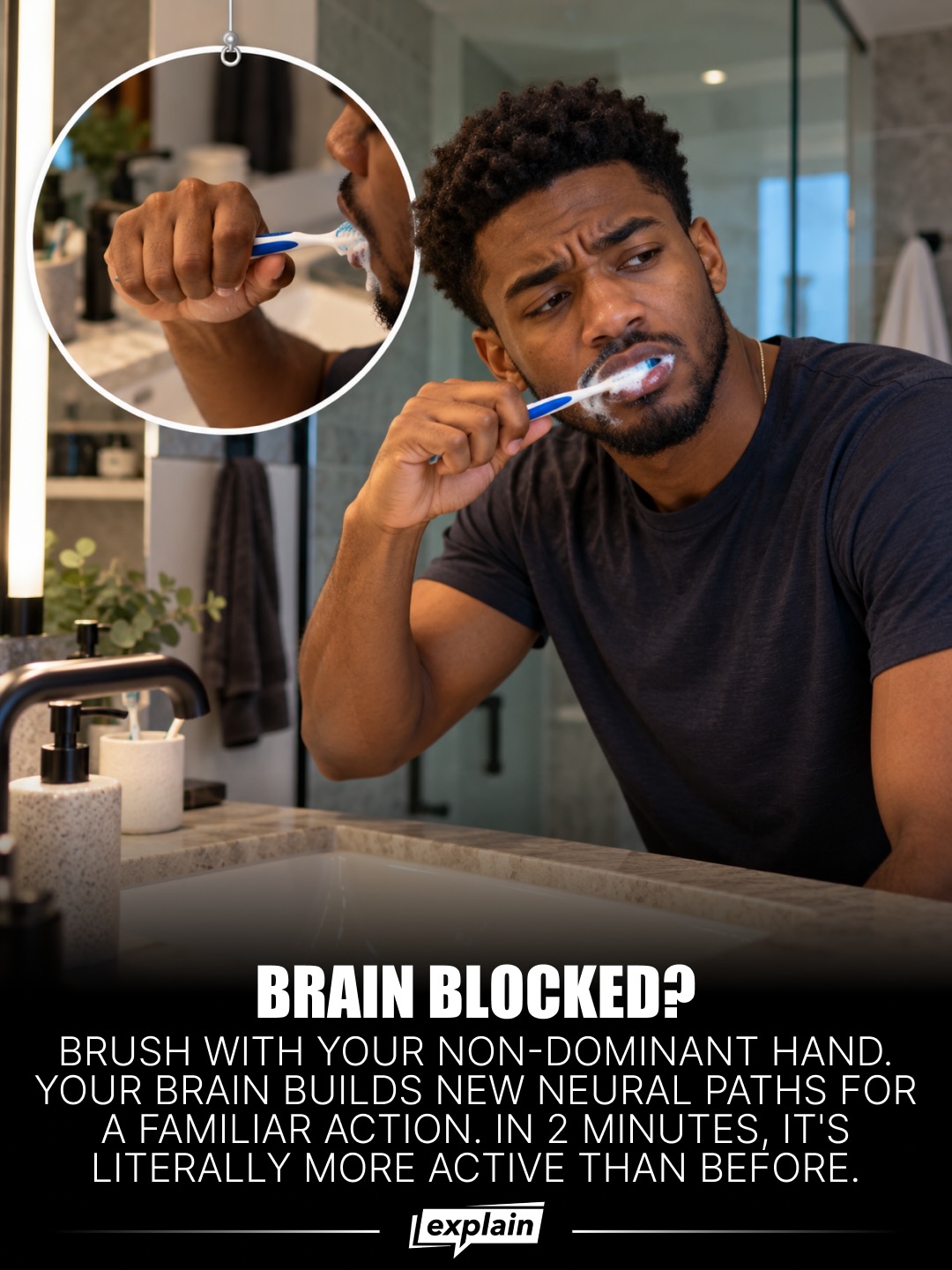
"צחצוח שיניים ביד הלא דומיננטית בונה מסלולים עצביים חדשים במוח."
מסקנת הבדיקה:
הטענה ששימוש ביד לא דומיננטית בונה מסלולים עצביים חדשים היא פישוט יתר של מושג הנוירופלסטיות. בעוד שאימון מיומנויות מוטוריות חדשות אכן מלווה בשינויים בקישוריות המוחית, הספרות המדעית מצביעה על כך ששינויים אלו מורכבים ותלויים בהקשר, ולא בהכרח מוגדרים כ'בניית מסלולים חדשים' במובן הפשוט של המילה.
chevron_right ודאות הפסיקה: בינונית
מידת הביטחון של המערכת בפסיקה — לא אחוז הנכונות של הטענה. ביטחון נמוך פירושו שהראיות מעטות או סותרות.
chevron_right מקורות מדעיים: (2)
-
link
Acquisition of a new motor skill is accompanied by changes incutaneomuscular reflex responses recorded from finger muscles in man.
Cutaneomuscular reflex (CMR) responses and motor unit synchronisation have been recorded to investigate possible reorganisation of central nervous pathways in six healthy adults learning a novel skill with the non-dominant hand. Multi-unit surface EMG signals were recorded from first dorsal interosseous (1DI) and abductor digiti minimi (ADM) muscles during sustained flexion of the index finger and abduction of the little finger (flex/ab) and during bilateral controlled finger abduction (ab/ab). CMR responses were elicited by concomitant stimulation of the digital nerves of the index finger at 2.5 times threshold for perception. For training purposes the subject practised the novel flex/ab task phasically at a rate of 1 Hz for 10 min daily for 12 days. Cortically mediated components of the CMR responses recorded from 1DI and ADM were significantly larger in both muscles during training. Taking the data for all subjects together, when subjects performed sustained flex/ab (novel task), the size of the I1 and E2 components were increased by 25 and 55% in IDI and 192 and 167% in ADM (Mann-Whitney U-test, P<0.05). Corresponding values for sustained ab/ab were more modest: 31 and 16% in 1DI and 88 and 54% in ADM. Changes in the size of the spinal E1 component were not the same in each muscle: values for sustained flex/ab and ab/ab were 33 and 31% smaller in 1DI and 89 and 59% larger in ADM. No significant changes were found in the amount of synchrony of motor unit firing between 1DI and ADM when subjects performed either task during training. These results suggest that learning a new motor skill produces changes which take place predominantly in the cortical pathways of the CMR and these may be due to changed connectivity within motor and/or sensory cortex which has previously been shown in the monkey.…
PubMed · PMID: 11037292
-
link
Weaker Inter-hemispheric and Local Functional Connectivity of the Somatomotor Cortex During a Motor Skill Acquisition Is Associated With Better Learning.
Recently, an increasing interest in investigating interactions between brain regions using functional connectivity (FC) methods has shifted the initial focus of cognitive neuroimaging research from localizing functional circuits based on task activation to mapping brain networks based on intrinsic FC dynamics. Leveraging the advantages of the latter approach, it has been shown that despite primarily invariant intrinsic organization of the large-scale functional networks, interactions between and within these networks significantly differ between various behavioral and cognitive states. These differences presumably indicate transient reconfiguration of functional connections-an instantaneous process that flexibly mediates and calibrates human behavior according to momentary demands of the environment. Nevertheless, the specificity of these reconfigured FC patterns to the task at hand and their relevance to adaptive processes during learning remain elusive. To address this knowledge gap, we investigated (1) to what extent FC within the somatomotor network is reconfigured during motor skill practice, and (2) how these changes are related to learning. We applied a seed-driven FC approach to data collected during a continuous task-free condition, so-called resting state, and during a motor sequence learning task using functional magnetic resonance imaging. During the task, participants repeatedly performed a short five-element sequence with their non-dominant (left) hand. As predicted, such unimanual sequence production was associated with lateralized activation of the right somatomotor cortex (SMC). Using this "active" region as a seed, here we show that unimanual performance of the motor sequence relies on functional segregation between the two SMC and selective integration between the "active" SMC and supplementary motor area. Whereas, greater segregation between the two SMC was associated with gains in performance rate, greater segregation within the "active" SMC itself was associated with more consistent performance by the end of training. Nether the resting-state FC patterns within the somatomotor network nor their relative modulation by the task state predicted these behavioral benefits of learning. Our results suggest that task-induced FC changes reflect reconfiguration of the connectivity patterns within the somatomotor network rather than a simple amplification or silencing of its intrinsic dynamics. Such reconfiguration not only supports motor behavior but may also predict learning.…
PubMed · PMID: 31827459
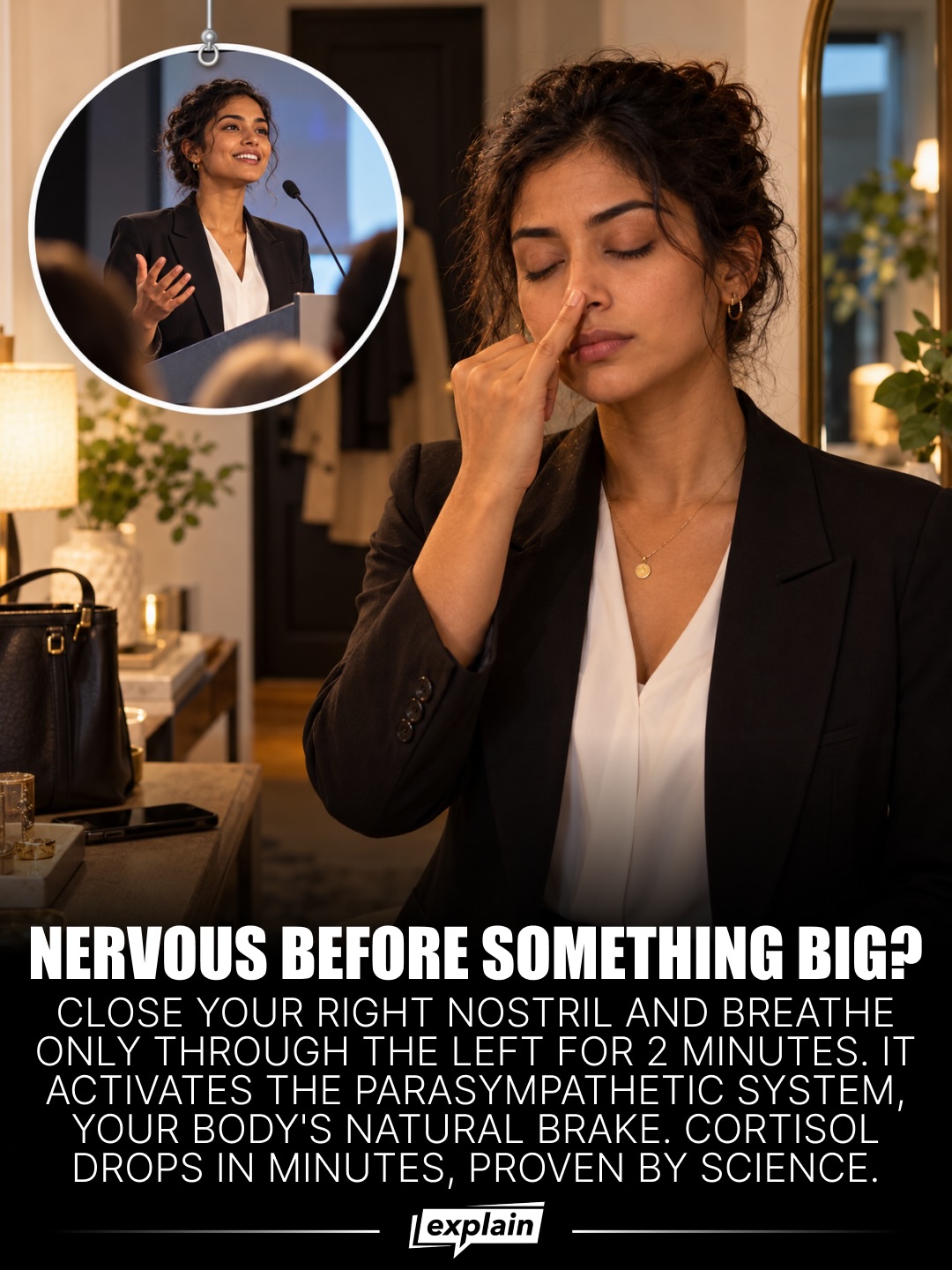
"נשימה דרך נחיר שמאל בלבד מפעילה את המערכת הפאראסימפתטית ומפחיתה את רמות הקורטיזול."
מסקנת הבדיקה:
הקשר בין נשימה מנחיר שמאל להפעלת המערכת הפאראסימפתטית מבוסס על מסורות יוגיות (Swara Yoga). בעוד שיש מחקרים הבוחנים את השפעת הנשימה החד-נחירית על המערכת האוטונומית, הראיות המדעיות המודרניות אינן חד-משמעיות לגבי השפעה ישירה ובלעדית על רמות הקורטיזול.
chevron_right ודאות הפסיקה: בינונית
מידת הביטחון של המערכת בפסיקה — לא אחוז הנכונות של הטענה. ביטחון נמוך פירושו שהראיות מעטות או סותרות.
chevron_right מקורות מדעיים: (2)
-
link
The Swara-Informed model of autonomic synchrony in psychotherapy: theoretical foundations and hypotheses.
<h4>Background</h4>Autonomic dysregulation is increasingly recognized as a central mechanism complicating psychotherapeutic work across anxiety, trauma-related, and mood disorders. Persistent hyperarousal (sympathetic activation) or hypoarousal (persistent parasympathetic activation or shutdown/ dissociation) may put clients out of their "window of tolerance," thus limiting access to cognitive, emotional, and interpersonal processes that are essential to the effectiveness of psychotherapy. Swara yoga, a traditional Indian system, assigns functional significance to nasal dominance and unilateral nostril breathing (UNB). According to this system, right nostril breathing is said to be activating, while left nostril breathing is calming. Contemporary psychophysiological studies on UNB and related breathing techniques have shown that nostril-specific breathing can alter autonomic indicators, such as heart rate variability. In contrast, slow-paced breathing tends to increase vagal tone and enhance autonomic flexibility.<h4>Objective</h4>This conceptual analysis integrates Swara yoga's principles with current knowledge of autonomic physiology to propose a "Swara-informed autonomic synchrony model" for psychotherapy. The proposed model aims to provide state-contingent use of unilateral nostril breathing as an adjunct to evidence-based psychological interventions.<h4>Methods</h4>Based on empirical investigations of UNB, alternate nostril breathing, heart rate variability, and trauma-related autonomic dysregulation, we developed a state-based clinical framework. Rather than assigning a fixed autonomic profile to each diagnostic category, we distinguished two broad psychophysiological states: hyperarousal (autonomic surge) and hypoarousal (shutdown), and mapped these states to nostril selection based upon Swara yoga.<h4>Model</h4>We propose that slow left nostril breathing should be used as a parasympathetic biasing, down-regulatory adjunct to psychotherapy when the client presents with hyperarousal-dominant states such as panic, hyperarousal-dominant PTSD, or agitated anxiety. When hypoarousal-dominant states such as psychomotor-retarded depression, dissociative PTSD, and negative symptom presentations are evident, we propose that slow right nostril breathing should be used as a sympathetic biasing, up-regulatory adjunct to psychotherapy. In both cases, UNB would be used as a short-term, inexpensive preparatory regulatory technique embedded in standard psychotherapeutic procedures (e.g., exposure, behavioral activation, trauma processing).<h4>Conclusion</h4>The Swara-informed autonomic matching model provides a culturally grounded framework that hypothesizes how nostril-specific breathing may be integrated into psychotherapy and provides a basis for future empirical investigation. We formulated testable hypotheses and study designs to investigate whether state-matched UNB yields greater benefits than slow-paced breathing. Finally, we discuss several potential limitations, safety issues, and ethical considerations relevant to this research area.…
PubMed · PMID: 42707086
-
link
Effect of Nasal Dominance on Pulmonary Function Test and Heart Rate: A Pilot Study.
<h4>Background</h4>The nasal cycle is one of the many cyclic events in a human being. Nasal airflow is greater in one nostril at any given point in time and this alternates between right and left nostrils over time. Its periodicity ranges from 25 min to 8 h. This alteration has been known to be controlled by the autonomic nervous system. The current study was designed to assess the effect of nasal dominance during rest on pulmonary function parameters and heart rate.<h4>Materials and methods</h4>A cross-sectional study was done on 35 apparently healthy individuals of the age group of 18-30 years. Based on a cold mirror test, the participants were categorized into two groups of right nasal dominance (RND) and left nasal dominance (LND). The parameters recorded were forced expiratory volume in the first sec (FEV<sub>1</sub>), forced vital capacity (FVC), FEV<sub>1</sub>/FVC, peak expiratory flow rate, forced expiratory flow between 25%-75%, SpO<sub>2</sub>, and pulse rate. Data were expressed as mean ± standard deviation and were analyzed using SPSS version 20.<h4>Results</h4>All pulmonary function parameters exhibited higher values in RND participants compared to LND participants and the difference was found to be statistically significant (<i>P</i> < 0.05).<h4>Conclusion</h4>Nasal dominance has a measurable effect on pulmonary functions and heart rate hence emphasizing the role of autonomic control of airways. This influence can be used as adjuvant therapy for certain disorders.…
PubMed · PMID: 34188386
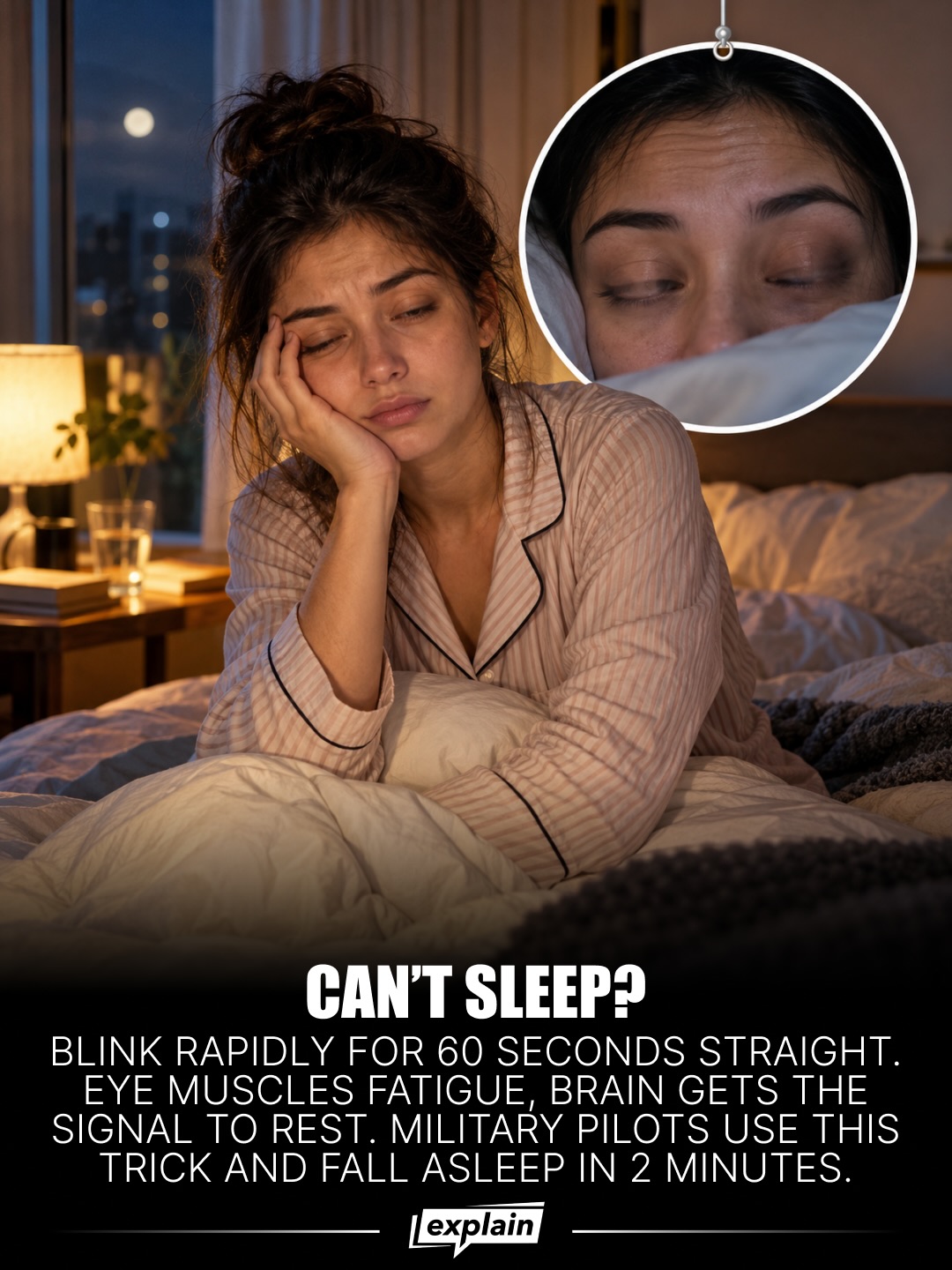
"מצמוץ מהיר במשך 60 שניות רצופות עשוי לסייע בהירדמות."
מסקנת הבדיקה:
לא נמצאה עדות מדעית ישירה ב-PubMed התומכת בטענה שמצמוץ מהיר למשך 60 שניות מסייע להירדמות. הספרות המדעית מתמקדת בעיקר בקשר שבין מצמוץ מופחת לבין עייפות דיגיטלית ויובש בעיניים, ולא כטכניקה להשראת שינה.
chevron_right ודאות הפסיקה: נמוכה
מידת הביטחון של המערכת בפסיקה — לא אחוז הנכונות של הטענה. ביטחון נמוך פירושו שהראיות מעטות או סותרות.
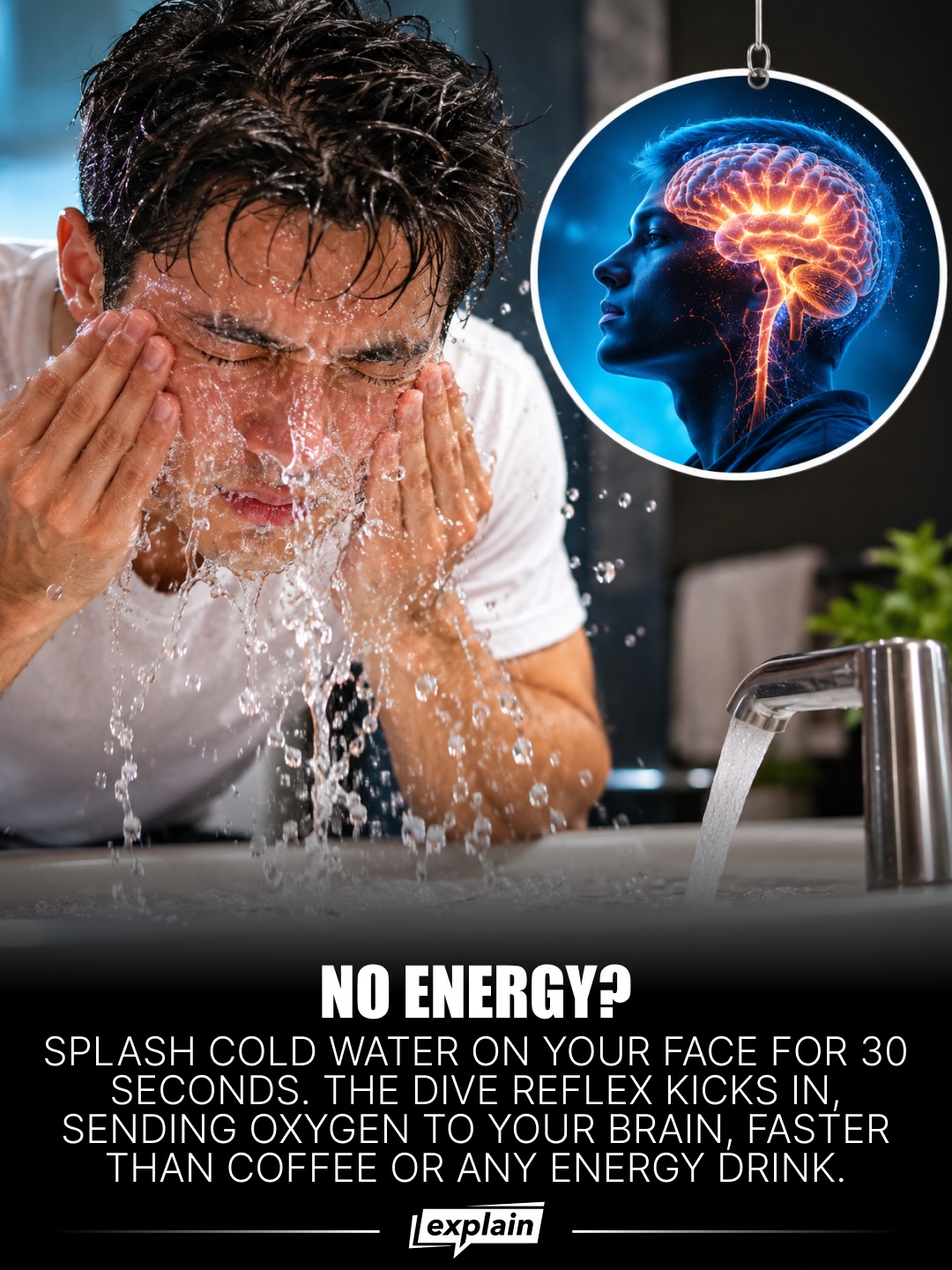
"התזת מים קרים על הפנים מפעילה את רפלקס הצלילה ומגבירה את אספקת החמצן למוח."
מסקנת הבדיקה:
התזת מים קרים על הפנים אכן מפעילה את 'רפלקס הצלילה' (Diving Reflex), המאופיין בברדיקרדיה (האטת קצב הלב) ושינויים בזרימת הדם, שמטרתם שימור חמצן לאיברים חיוניים כמו המוח והלב.
chevron_right ודאות הפסיקה: גבוהה
מידת הביטחון של המערכת בפסיקה — לא אחוז הנכונות של הטענה. ביטחון נמוך פירושו שהראיות מעטות או סותרות.
chevron_right מקורות מדעיים: (2)
-
link
Trigeminal Cardiac Reflex and Cerebral Blood Flow Regulation.
The stimulation of some facial regions is known to trigger the trigemino-cardiac reflex: the main stimulus is represented by the contact of the face with water. This phenomenon called diving reflex induces a set of reactions in the cardiovascular and respiratory systems occurring in all mammals, especially marine (whales, seals). During the immersion of the face in the water, the main responses are aimed at reducing the oxygen consumption of the organism. Accordingly reduction in heart rate, peripheral vasoconstriction, blood pooling in certain organs, especially the heart, and brain and an increase in blood pressure have been reported. Moreover, the speed and intensity of the reflex is inversely proportional to the temperature of the water: more cold the water, more reactions as described are strong. In the case of deep diving an additional effect, such as blood deviation, has been reported: the blood is sequestered within the lungs, to compensate for the increase in the external pressure, preventing them from collapsing. The trigeminal-cardiac reflex is not just confined to the diving reflex; recently it has been shown that a brief proprioceptive stimulation (10 min) by jaw extension in rats produces interesting effects both at systemic and cerebral levels, reducing the arterial blood pressure, and vasodilating the pial arterioles. The arteriolar dilation is associated with rhythmic diameter changes characterized by an increase in the endothelial activity. Fascinating the stimulation of trigeminal nerve is able to activate the nitric oxide release by vascular endothelial cells. Therefore, the aim of this review was to highlight the effects due to trigeminal cardiac reflex induced by a simple mandibular extension. Opposite effects, such as hypotension, and modulation of cerebral arteriolar tone, were observed, when these responses were compared to those elicited by the diving reflex.…
PubMed · PMID: 27812317
-
link
Diving bradycardia: a mechanism of defence against hypoxic damage.
A feature of all air-breathing vertebrates, diving bradycardia is triggered by apnoea and accentuated by immersion of the face or whole body in cold water. Very little is known about the afferents of diving bradycardia, whereas the efferent part of the reflex circuit is constituted by the cardiac vagal fibres. Diving bradycardia is associated with vasoconstriction of selected vascular beds and a reduction in cardiac output. The diving response appears to be more pronounced in mammals than in birds. In humans, the bradycardic response to diving varies greatly from person to person; the reduction in heart rate generally ranges from 15 to 40%, but a small proportion of healthy individuals can develop bradycardia below 20 beats/min. During prolonged dives, bradycardia becomes more pronounced because of activation of the peripheral chemoreceptors by a reduction in the arterial partial pressure of oxygen (O2), responsible for slowing of heart rate. The vasoconstriction is associated with a redistribution of the blood flow, which saves O2 for the O2-sensitive organs, such as the heart and brain. The results of several investigations carried out both in animals and in humans show that the diving response has an O2-conserving effect, both during exercise and at rest, thus lengthening the time to the onset of serious hypoxic damage. The diving response can therefore be regarded as an important defence mechanism for the organism.…
PubMed · PMID: 21330930
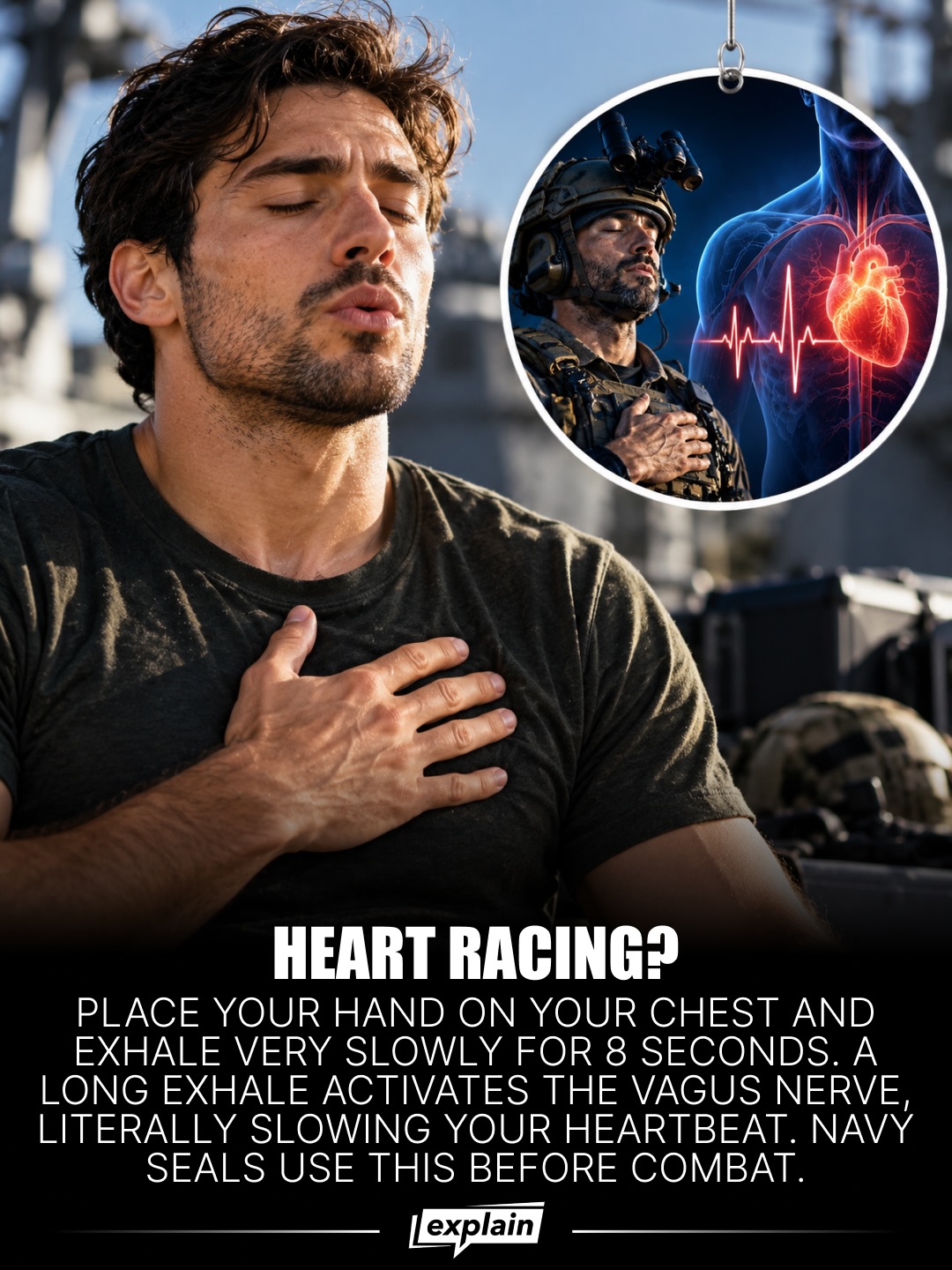
"נשיפה איטית מפעילה את העצב התועה (ואגוס) ומאטה את קצב הלב."
מסקנת הבדיקה:
קיימות ראיות מדעיות חזקות לכך שנשימה איטית ומבוקרת, ובמיוחד נשיפה ממושכת, מפעילה מסלולים ואגאליים (עצב התועה) התורמים להפחתת קצב הלב ולהגברת הטון הפאראסימפתטי.
chevron_right ודאות הפסיקה: גבוהה
מידת הביטחון של המערכת בפסיקה — לא אחוז הנכונות של הטענה. ביטחון נמוך פירושו שהראיות מעטות או סותרות.
chevron_right מקורות מדעיים: (2)
-
link
Expiratory-gated Transcutaneous Auricular Vagus Nerve Stimulation (taVNS) does not Further Augment Heart Rate Variability During Slow Breathing at 0.1 Hz.
As cardiac vagal control is a hallmark of good health and self-regulatory capacity, researchers are seeking ways to increase vagally mediated heart rate variability (vmHRV) in an accessible and non-invasive way. Findings with transcutaneous auricular vagus nerve stimulation (taVNS) have been disappointing in this respect, as its effects on vmHRV are inconsistent at best. It has been speculated that combining taVNS with other established ways to increase vmHRV may produce synergistic effects. To test this idea, the present study combined taVNS with slow breathing in a cross-over design. A total of 22 participants took part in two sessions of breathing at 6 breaths/min: once combined with taVNS, and once combined with sham stimulation. Electrical stimulation (100 Hz, 400 µs) was applied during expiration, either to the tragus and cavum conchae (taVNS) or to the earlobe (sham). ECG was recorded during baseline, 20-minutes of stimulation, and the recovery period. Frequentist and Bayesian analyses showed no effect of taVNS (in comparison to sham stimulation) on the root mean square of successive differences between normal heartbeats, mean inter-beat interval, or spectral power of heart rate variability at a breathing frequency of 0.1 Hz. These findings suggest that expiratory-gated taVNS combined with the stimulation parameters examined here does not produce acute effects on vmHRV during slow breathing.…
PubMed · PMID: 36920567
-
link
Neurophysiological mechanisms of breathing-based well-being practices: a narrative review for clinical application.
Breathing is a physiological process that extends beyond gas exchange, linking neural, cardiovascular, glymphatic, and autonomic systems. This narrative review summarizes how breathing-based practices modulate physiological processes in the body and brain, emphasizing their applicability in clinical care. Regulating the pace and depth of breathing, particularly with relaxed exhalation, may engage vagal pathways that lower heart rate and blood pressure and promote a shift toward increased parasympathetic tone relative to sympathetic activity. Neuroimaging studies show that controlled breathing reduces activity in stress-related brain regions while enhancing networks supporting calm attention and emotional steadiness. Changes in breathing depth also influence cerebrospinal fluid movement, though direct evidence of waste clearance in humans is lacking. This review identifies populations requiring caution, including individuals with panic symptoms, significant cardiopulmonary disease, or pregnancy. Clinicians should distinguish between breathing-only and multimodal protocols when interpreting research findings, as combined interventions preclude attribution of benefit to breathing alone. Study design quality, particularly the use of active rather than waitlist controls, should inform how effect sizes are interpreted. Breathing practices are not a replacement for medical treatment but may represent accessible, low-cost adjuncts for stress reduction and cardiovascular regulation.…
PubMed · PMID: 42487760

Explain
דירוג זה מבוסס על 14 דוחות אימות קודמים.

האם הדוח הזה היה מועיל לך?
מה היה פחות טוב? (רשות)
תודה על הפידבק!
עירעור על דוח זה
ספקו ראיות חדשות או הצביעו על אי דיוקים
נעדכן אותך על תוצאות הבדיקה
הוסיפו קישורים למחקרים או מקורות רפואיים מוכרים
העירעור נשלח בהצלחה!
המנוע המדעי שלנו יבדוק את הראיות שהגשתם. נעדכן אתכם באימייל עם התוצאות.
ניתוח מבוסס בינה מלאכותית
דוח זה נוצר באופן אוטומטי על ידי מערכת בינה מלאכותית ועשוי להכיל שגיאות, אי-דיוקים או מידע חלקי. הניתוח אינו מהווה ייעוץ רפואי, אבחנה או המלצה לטיפול, והוא אינו תחליף לדעתו של איש מקצוע רפואי מוסמך. יש להתייעץ עם רופא או מומחה מוסמך לפני קבלת כל החלטה רפואית. המידע מוצג לצרכי מידע כללי בלבד.
מידע זה מופק על ידי בינה מלאכותית ואינו מהווה תחליף לייעוץ רפואי מקצועי.