סריקה בתהליך...
הניתוח עשוי לארוך 30–90 שניות
הידעת?
הסרטון אינו מכיל תוכן רפואי
חושבים שחלה טעות?
אם לדעתכם הסרטון אכן עוסק בטענות רפואיות או בריאותיות, הוסיפו הסבר קצר ושלחו בקשה לבדיקה מחדש.
הבקשה התקבלה! נבדוק את הסרטון ונחזור אליכם.
אירעה שגיאה בשליחת הבקשה. נסו שוב.
דו״ח מאומת
הסרטון מציג מידע מדויק ומגובה במחקרים מדעיים אמינים.
סיכום
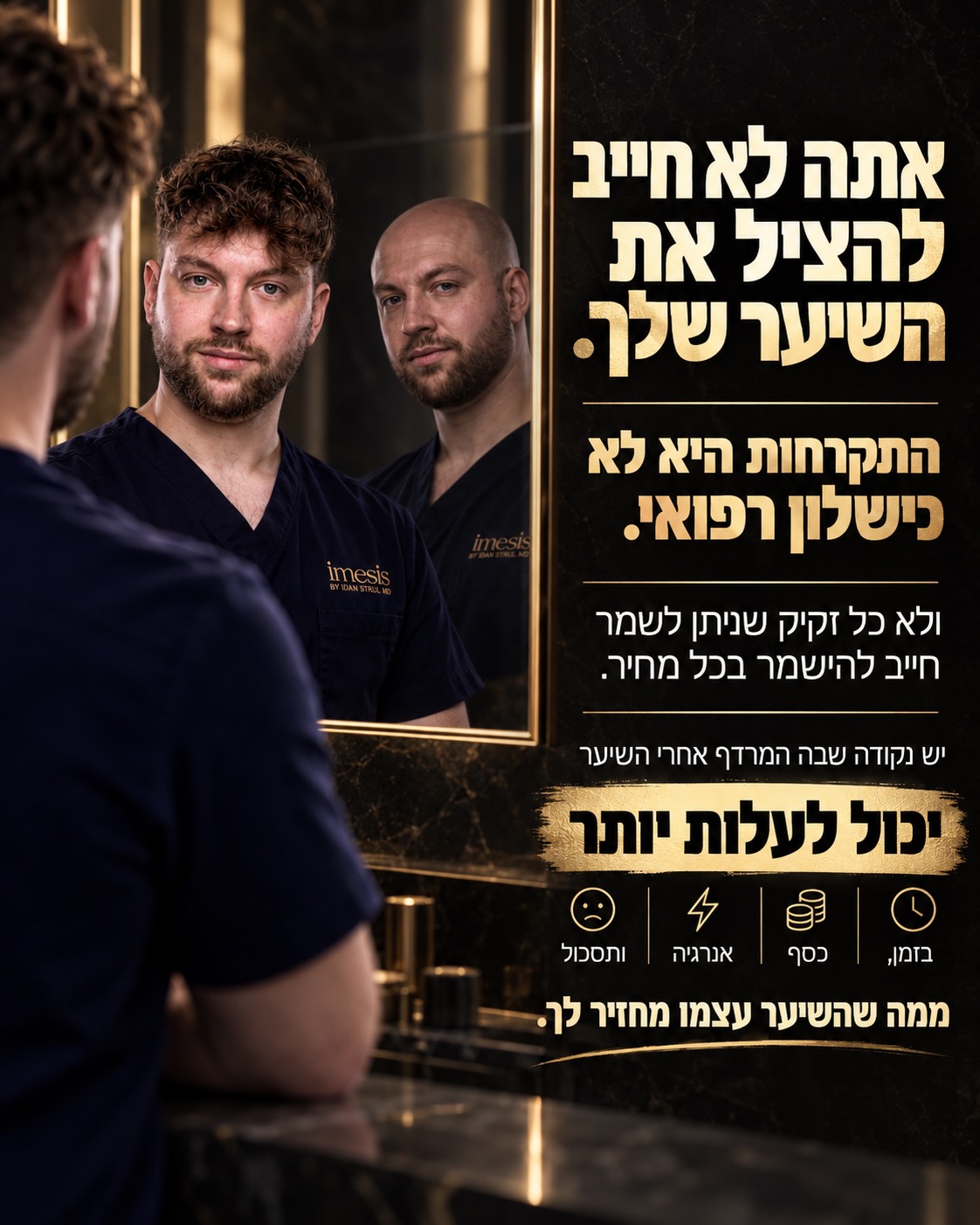
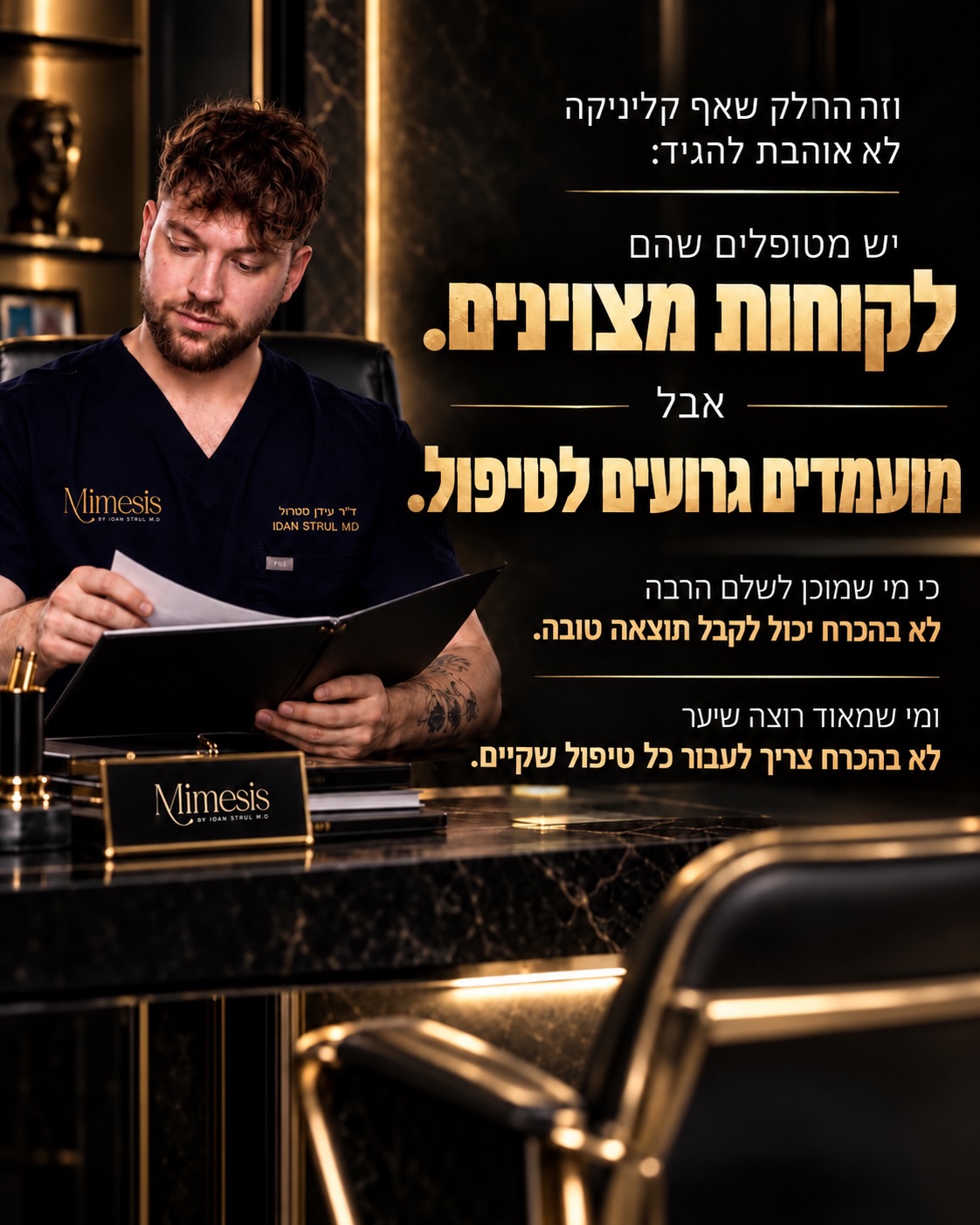
הטענות שהועלו בוידאו עולות בקנה אחד עם הספרות הרפואית העדכנית. קיימת הסכמה מדעית רחבה לגבי מגוון הטיפולים הזמינים, הצורך בתחזוקה מתמשכת שלהם, והחשיבות של שילוב מדדי שביעות רצון מטופלים בהערכת הצלחת הטיפול. כמו כן, הבחירה שלא לטפל רפואית בנשירת שיער מוכרת כהחלטה לגיטימית המושפעת משיקולים אישיים ופסיכולוגיים.
analytics ניתוח טענות מבוסס ראיות
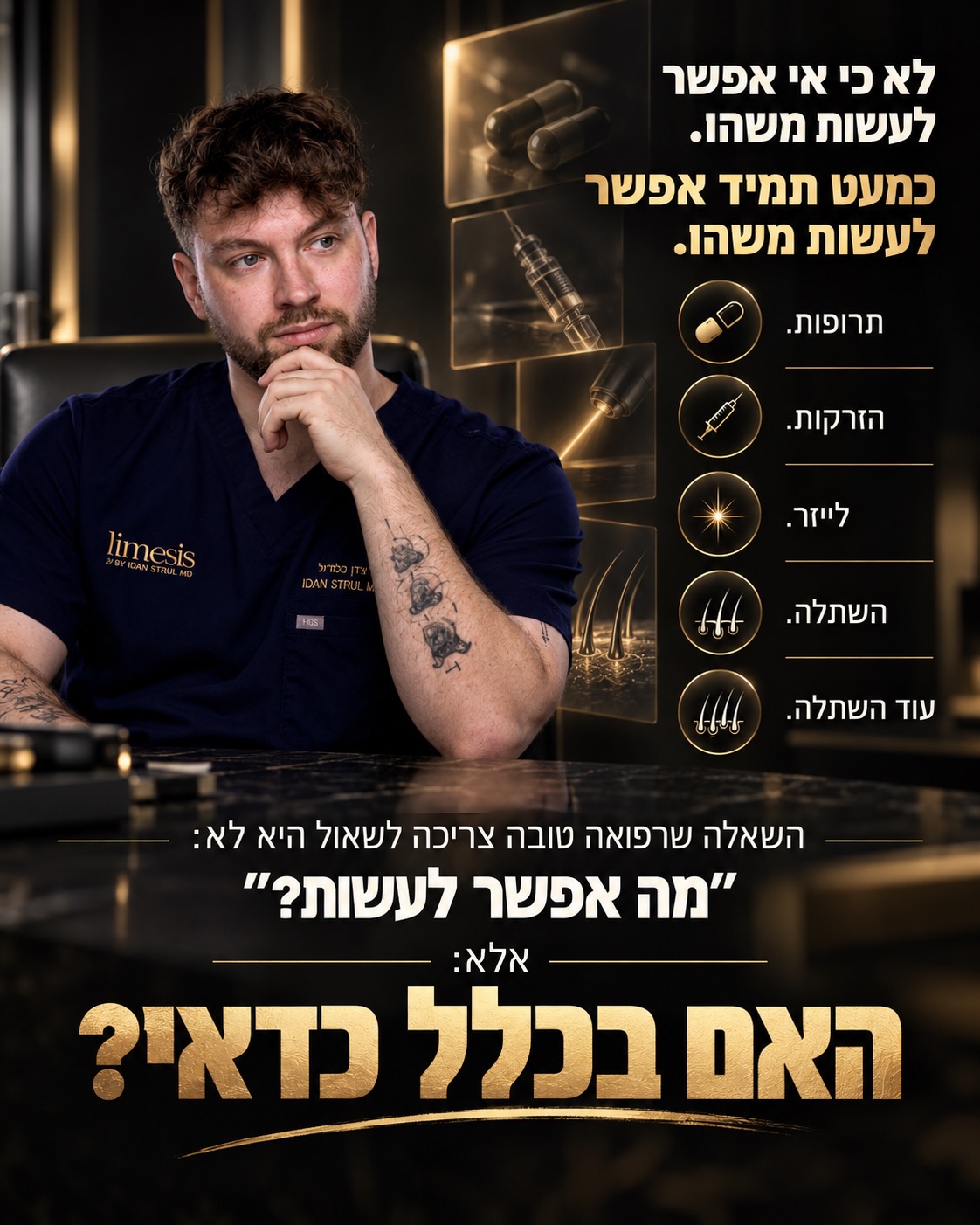
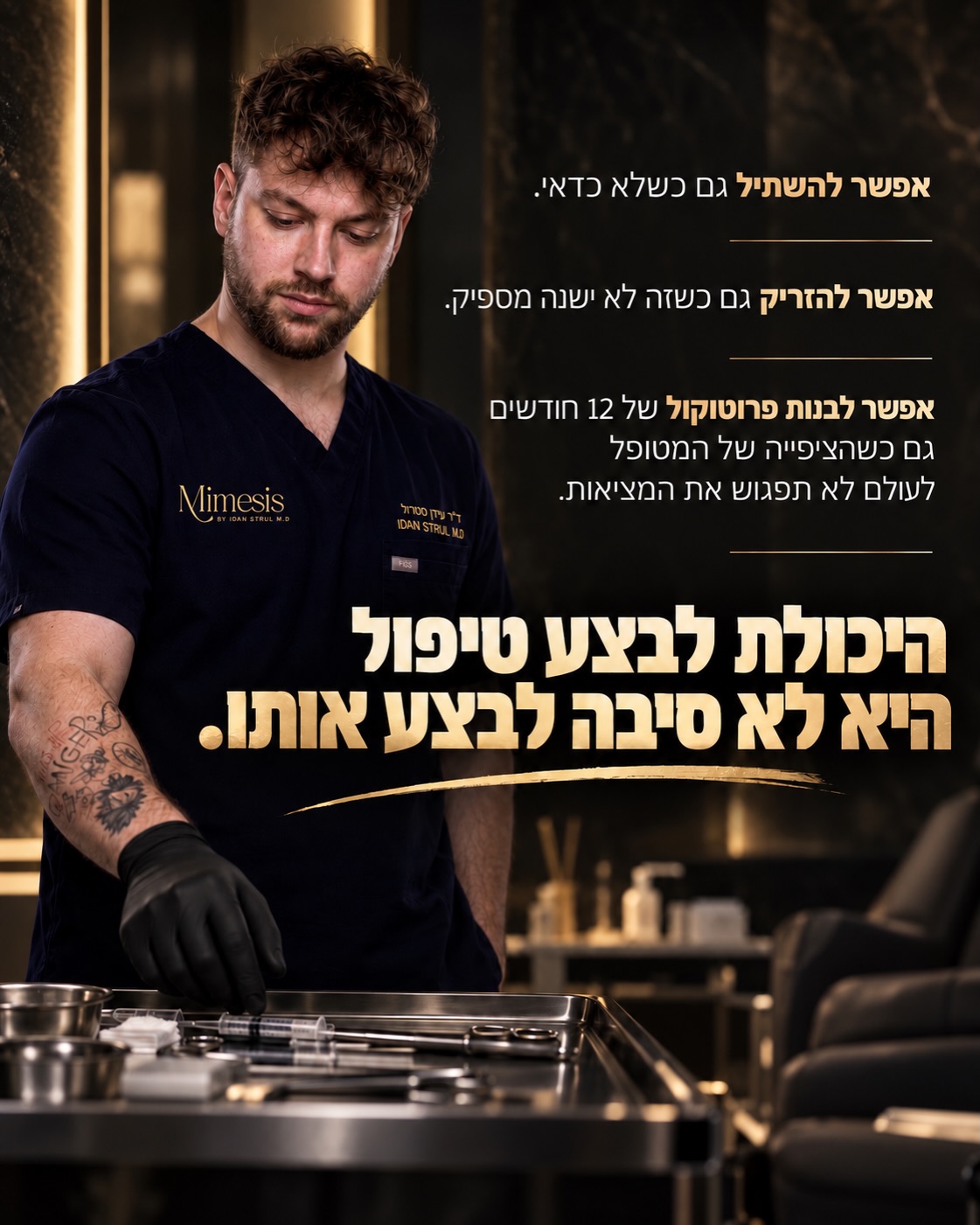
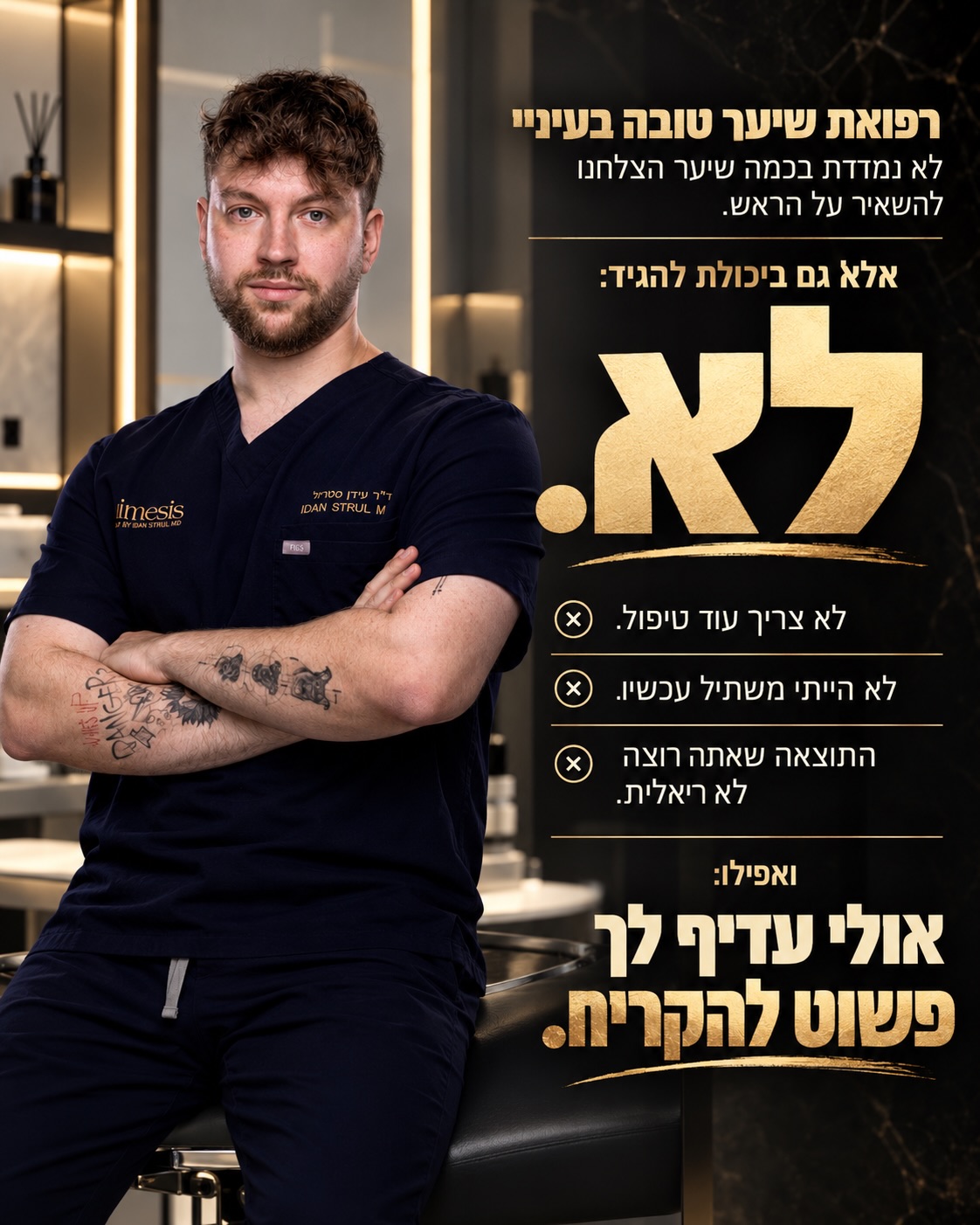
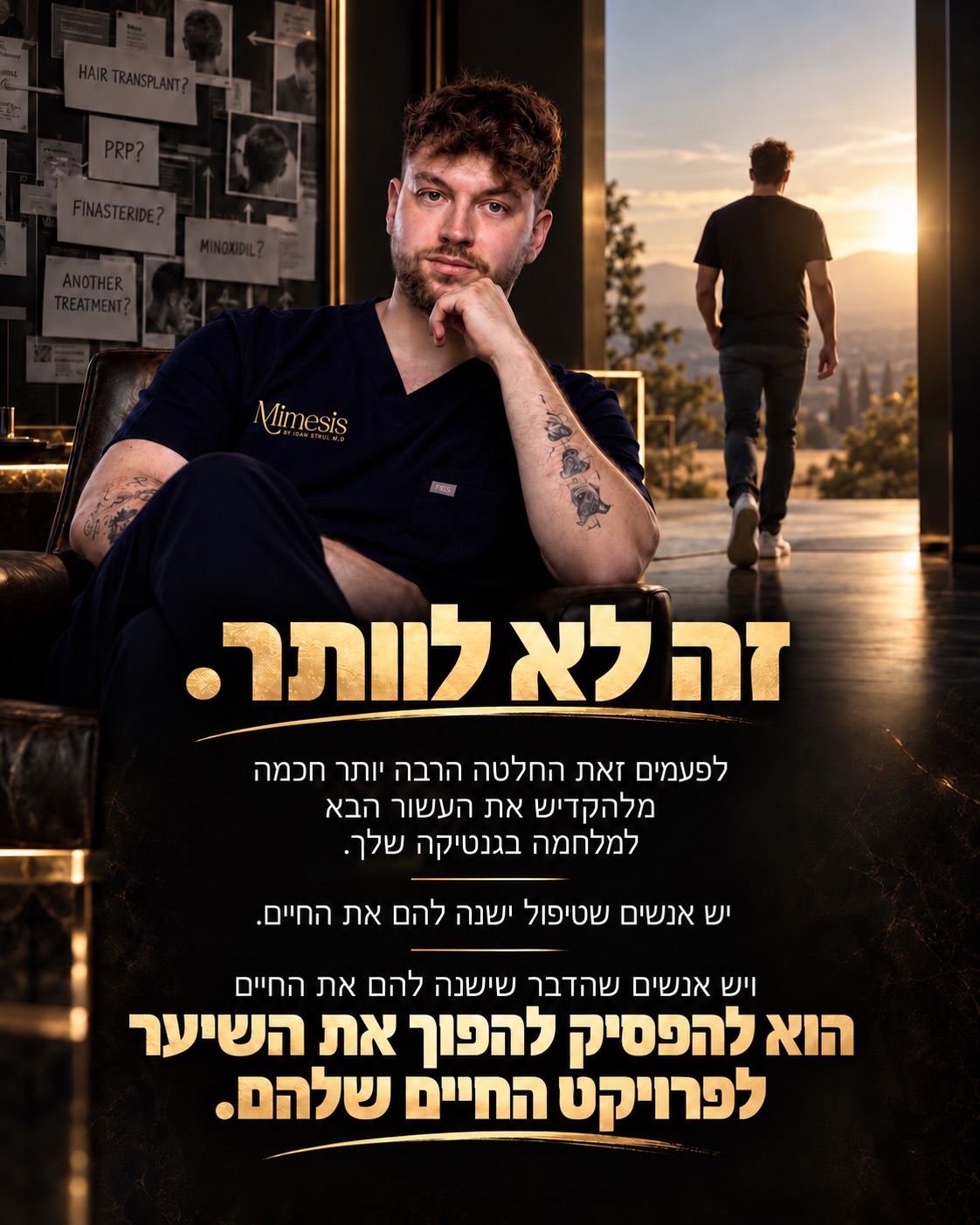
"קיימות מגוון אפשרויות רפואיות לטיפול בנשירת שיער, הכוללות תרופות, הזרקות, לייזר והשתלות שיער."
מסקנת הבדיקה:
הספרות הרפואית העדכנית, כולל סקירות שיטתיות, מאשרת כי קיימות מגוון אפשרויות טיפוליות לנשירת שיער, ביניהן תרופות (כגון מינוקסידיל ופינסטריד), הליכים פרוצדורליים (כגון PRP), לייזר והשתלות שיער.
chevron_right ודאות הפסיקה: גבוהה
מידת הביטחון של המערכת בפסיקה — לא אחוז הנכונות של הטענה. ביטחון נמוך פירושו שהראיות מעטות או סותרות.
chevron_right מקורות מדעיים: (3)
-
link
Management of androgenic alopecia: a systematic review of the literature.
We aimed to determine the efficacy of the various available oral, topical, and procedural treatment options for hair loss in individuals with androgenic alopecia. Using the Preferred Reporting Items for Systematic Reviews and Meta-Analyses guidelines, a systematic review of the National Library of Medicine was performed. Overall, 141 unique studies met our inclusion criteria. We demonstrate that many over the counter (e.g. topical minoxidil, supplements, low-level light treatment), prescription (e.g. oral minoxidil, finasteride, dutasteride), and procedural (e.g. platelet-rich plasma, fractionated lasers, hair transplantation) treatments successfully promote hair growth, highlighting the superiority of a multifaceted and individualized approach to management.…
PubMed · PMID: 38852607
-
link
Status of research on the development and regeneration of hair follicles.
Hair loss, or alopecia, is a prevalent condition in modern society that imposes substantial mental and psychological burden on individuals. The types of hair loss, include androgenetic alopecia, alopecia areata, and telogen effluvium; of them, androgenetic alopecia is the most common condition. Traditional treatment modalities mainly involve medical options, such as minoxidil, finasteride and surgical interventions, such as hair transplantation. However, these treatments still have many limitations. Therefore, exploring the pathogenesis of hair loss, specifically focusing on the development and regeneration of hair follicles (HFs), and developing new strategies for promoting hair regrowth are essential. Some emerging therapies for hair loss have gained prominence; these therapies include low-level laser therapy, micro needling, fractional radio frequency, platelet-rich plasma, and stem cell therapy. The aforementioned therapeutic strategies appear promising for hair loss management. In this review, we investigated the mechanisms underlying HF development and regeneration. For this, we studied the structure, development, cycle, and cellular function of HFs. In addition, we analyzed the symptoms, types, and causes of hair loss as well as its current conventional treatments. Our study provides an overview of the most effective regenerative medicine-based therapies for hair loss.…
PubMed · PMID: 38164355
-
link
Hair Transplantation: State of the Art.
Hair transplantation is a minimally invasive procedure for treating hair loss in men and women, based on the principle of donor dominance, where transplanted hair retains its genetic characteristics in new locations. It is primarily used for androgenetic alopecia but also can be used in end-stage cicatricial alopecia and as a corrective procedure post-trauma or surgery. This review provides an overview of the current status of hair transplant surgery in the last 5 years, as well as a guide for patient selection, technical considerations, instrumentation, and postoperative care. A review was conducted of the PubMed database between 2019 and 2024 and included 1,030 study abstracts. Follicular unit extraction and (linear strip) excision are both state of the art methods for hair transplantation. New devices have been developed for extraction and insertion of follicular units. Thoughtful hairline design and concurrent medical management have improved aesthetic results. Hair transplantation has experienced a surge in popularity due to advances in devices, techniques, and medical therapies to maintain hair density, leading to long-lasting, natural results and high patient satisfaction. Future directions include improvements in instrumentation, artificial intelligence, hair follicle cloning, and enhanced adjuvant medical management.…
PubMed · PMID: 40354670
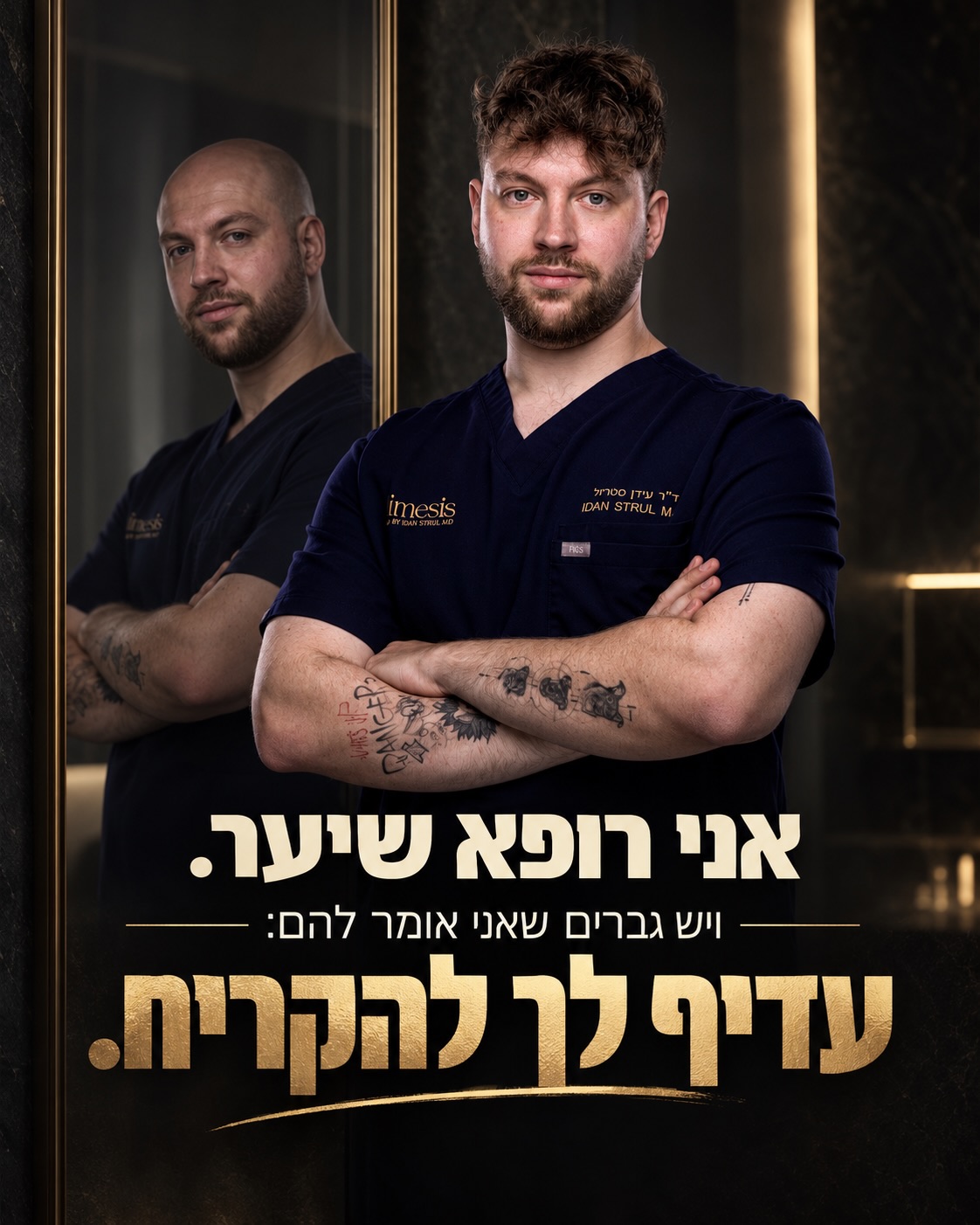
"לא כל מטופל הסובל מנשירת שיער חייב לעבור טיפול רפואי, ולעיתים קבלת המצב היא החלטה נכונה."
מסקנת הבדיקה:
הספרות המדעית מכירה בכך שנשירת שיער אינה מחייבת בהכרח התערבות רפואית, וכי החלטות המטופל מושפעות משיקולים פסיכולוגיים, חברתיים ואישיים. קבלת המצב היא אסטרטגיית התמודדות לגיטימית הנתמכת במחקרים איכותניים על חוויית המטופל.
chevron_right ודאות הפסיקה: גבוהה
מידת הביטחון של המערכת בפסיקה — לא אחוז הנכונות של הטענה. ביטחון נמוך פירושו שהראיות מעטות או סותרות.
chevron_right מקורות מדעיים: (2)
-
link
The Management of Patients With Alopecia: A Qualitative Study of Patient Perspectives on Barriers and Facilitators to Means of Concealment.
To evaluate bioecology and environmental influences of patients presenting with alopecia regarding decisions made for hair camouflage. A descriptive qualitative design was used. Sixteen adult patients with alopecia were purposefully recruited from two specialised trichology clinics across the Jiangsu Province, China. Surveys and in-depth semi-structured interviews were conducted between October 2024 and December 2024. Practical thematic analysis of transcribed data was informed through Bronfenbrenner's ecological systems theory. Five major facilitators (camouflaged demands drive, camouflaged psychological resilience, habituation and dependence, family resilience and cross-border support, social acceptance) and four major barriers (limited future orientation, perceived coordination barriers, marginalisation of camouflage-related information, runaway costs) to hair camouflage were identified. These themes align with different levels of the ecological systems theory. This study captures the complex ecological and intersectional nature of choice, experience and decision-making in patients' views on hair camouflage amid alopecia. Nursing professionals must understand these complexities to provide informed support and evidence-based interventions throughout patients' experiences with alopecia. This study uses patient voices to offer ecological insights for a holistic understanding of their experiences. It provides knowledge relevant to nursing practice and alopecia patient support. Understanding patient-identified barriers and facilitators in alopecia camouflage is essential to inform more patient-centred approaches to choice, decision-making and psychological adaptation. Nurses are pivotal in this process, making enhanced understanding crucial for improving patients' psychological wellbeing and quality of life. Our research reveals factors that equip nurses and the broader healthcare team to develop targeted counselling strategies, educational programs and resources related to camouflage for patients with alopecia. The hair-camouflage industry can use these insights to create more personalised and accessible products, better addressing patients' concealment needs and preferences. Standards for Reporting Qualitative Research. No patient or public contribution.…
PubMed · PMID: 41216927
-
link
Comprehensive Evaluation of Androgenetic Alopecia: Demographic Characteristics, Psychosocial Impact, and the Role of Social Media in Treatment Choices.
Androgenetic alopecia (AGA) has a significant psychosocial impact on both genders. This study investigated AGA severity, psychosocial burden, sociodemographic factors, and the influence of social media on treatment-seeking behavior. A total of 390 patients diagnosed with AGA at a university hospital in Turkey between January 2023 and 2024 were included. Data on disease severity, psychological impact, treatment awareness, and social media engagement were collected. The mean AGA onset age was 23.9 years in men and 29.46 years in women. Severe AGA was observed in 38.5% of men and 41% of women, with men experiencing significantly higher emotional and functional distress (p = 0.05, p = 0.003). Early-onset AGA (before age 20) was associated with increased psychological distress, including higher emotion, function, and stigma scores, along with lower self-confidence (p = 0.007, p < 0.001, p = 0.037, p < 0.001). Social media was used by 69.3% of participants for hair loss information, mainly on Google, Instagram, and TikTok, but had no significant impact on treatment choices (p = 0.971) or psychological distress (p > 0.05). AGA significantly affects psychological well-being, particularly in men with severe hair loss and individuals with early-onset AGA. While social media is a primary information source, it does not influence treatment decisions or psychological distress. These findings highlight the need for evidence-based digital health communication to counter misinformation. Future research should examine the long-term psychological effects of AGA and further explore the role of social media in patient education and treatment behaviors.…
PubMed · PMID: 40277258
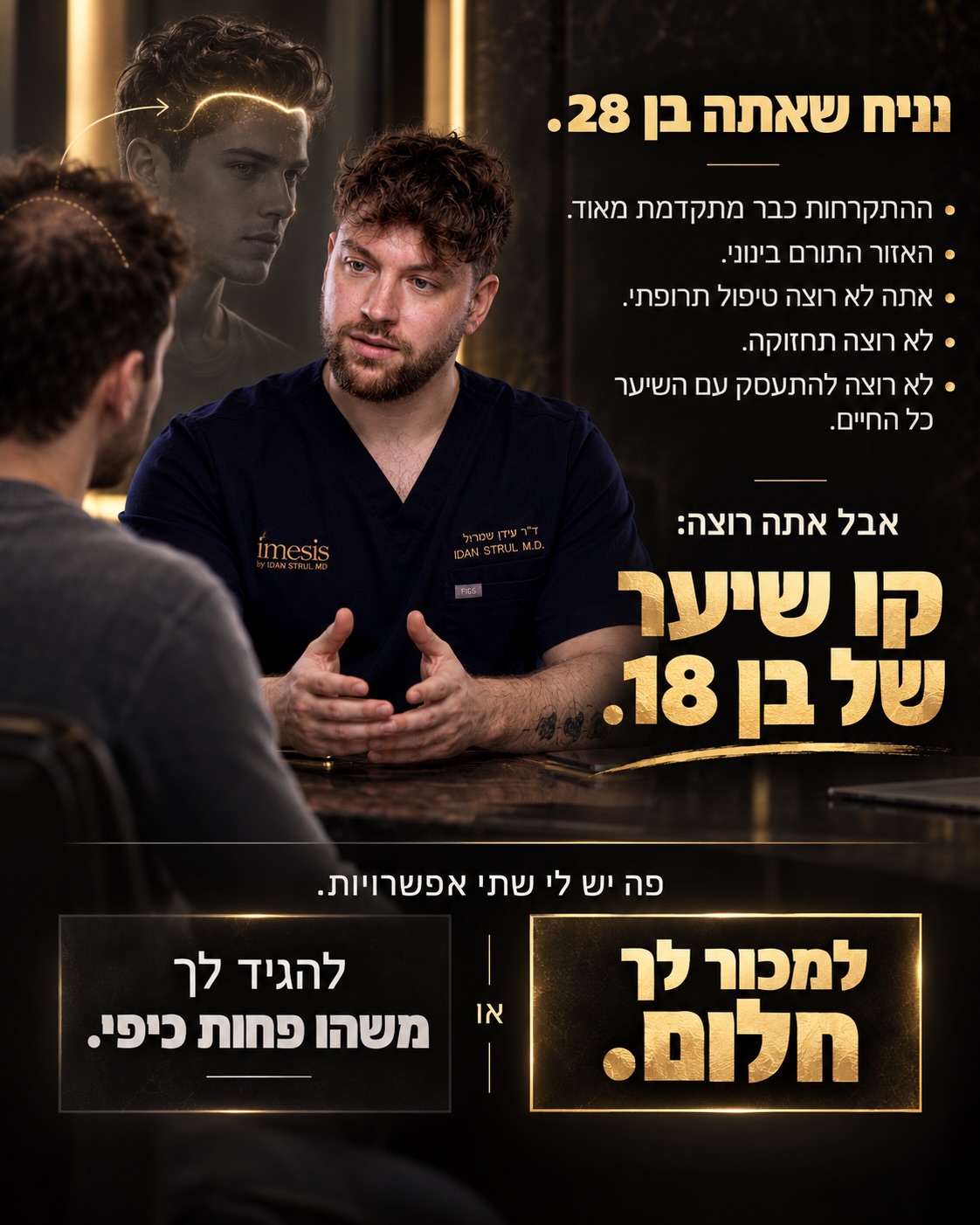
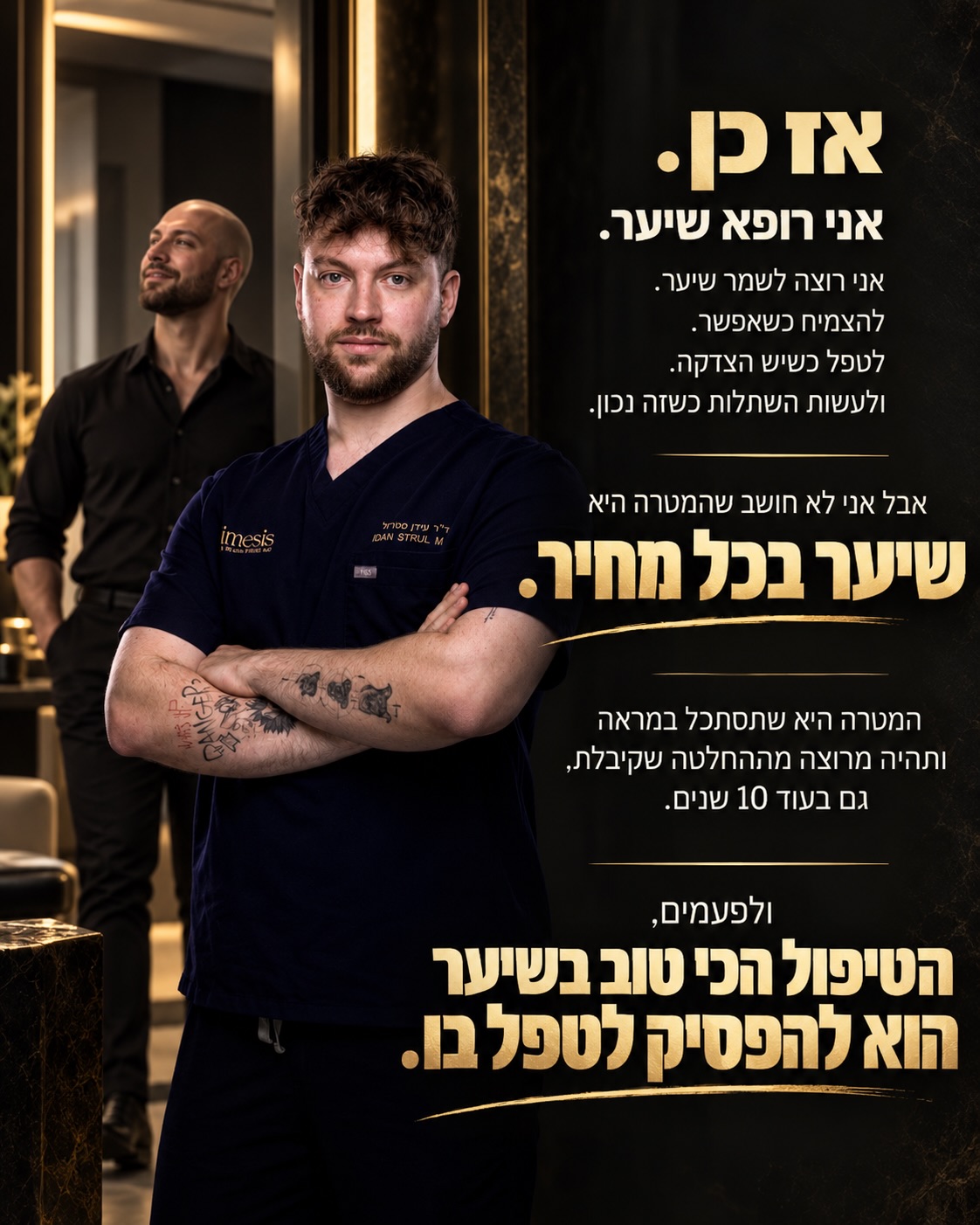
"טיפולים לשימור שיער דורשים לעיתים קרובות תחזוקה מתמשכת, הכרוכה בהשקעת זמן, כסף ואנרגיה נפשית."
מסקנת הבדיקה:
טיפולים לנשירת שיער הם לרוב כרוניים ודורשים התמדה לאורך זמן כדי לשמר תוצאות. מחקרים מצביעים על כך שהטיפולים כרוכים בנטל כלכלי, השקעת זמן ביישום יומיומי ומעקב רפואי מתמשך.
chevron_right ודאות הפסיקה: גבוהה
מידת הביטחון של המערכת בפסיקה — לא אחוז הנכונות של הטענה. ביטחון נמוך פירושו שהראיות מעטות או סותרות.
chevron_right מקורות מדעיים: (2)
-
link
Sustaining treatment response in alopecia areata through tofacitinib dose tapering: A single-center retrospective study.
The advent of Janus kinase inhibitors has revolutionized the management of alopecia areata (AA). However, evidence remains scarce regarding the maintenance of disease control following an individual-based taper strategy. To assess the outcome of a patient-centered tofacitinib dosing regimen in patients with AA who were in complete remission. This retrospective observational cohort study included 46 patients with AA who achieved complete hair regrowth on tofacitinib and underwent structured dose tapering between February 2021 and July 2025. Clinical outcomes, cumulative drug exposure, and adverse events were assessed over a 48-week follow-up period. Disease control (Severity of Alopecia Tool ≤10) was consistently maintained, with rates of 95.7% (44/46) at week 24 and 93.5% (43/46) at week 48, while loss of treatment benefit (Severity of Alopecia Tool ≥20) remained rare, occurring in 0.0% (0/46) at week 24 and 2.2% (1/46) at week 48. A successful dose reduction was achieved in 80.4% (37/46) of patients. By week 48, the individualized tapering strategy resulted in a cumulative reduction of 1198 mg in drug exposure, decreasing from 3360 mg to 2162 mg. No significant predictors of tapering success were identified. Small sample size, relatively short duration of follow-up. A patient-centered tofacitinib tapering strategy is feasible for responders and may reduce treatment burden without compromising efficacy.…
PubMed · PMID: 41371419
-
link
JAK Inhibitors for Alopecia Areata: Approved Therapies, Efficacy, and Unanswered Questions.
Alopecia areata (AA) is a common autoimmune disorder characterized by non-scarring hair loss. While traditionally viewed as a T-cell-mediated disease, recent advances have elucidated the central role of the Janus kinase/signal transducer and activator of transcription (JAK/STAT) signaling pathway in its pathogenesis, establishing a self-sustaining inflammatory loop. The identification of this pathway has transformed AA from a condition with limited therapeutic options to one with targeted biological interventions. Over the past five years, multiple JAK inhibitors have received regulatory approval or shown promising results in clinical trials. Baricitinib, a selective JAK1/JAK2 inhibitor, became the first FDA-approved systemic treatment for severe AA, followed by ritlecitinib, which targets JAK3 and TEC family kinases and deuruxolitinib targeting the JAK1/2. Other agents, including ivarmacitinib, and the topical agent delgocitinib, are under active investigation, offering varying selectivity profiles and routes of administration. Compared with conventional therapies, JAK inhibitors such as baricitinib and ritlecitinib demonstrated therapeutic efficacy rates of 40-50% in Phase III clinical trials. Because head-to-head trials among JAK inhibitors in AA remain lacking, the comparative efficacy discussed in this review is derived primarily from indirect, cross-trial comparisons and network meta-analyses. Despite these remarkable advances, the field currently faces several significant challenges, including variable treatment responses, incomplete hair regrowth in patients with severe AA, potential long-term safety risks, and the absence of validated biomarkers to guide patient selection or predict therapeutic outcomes. Comparative efficacy, treatment challenges, and future directions including combination strategies and biomarker-guided therapy are also discussed to support informed clinical decision-making and highlight unmet needs in AA treatment.…
PubMed · PMID: 42824469
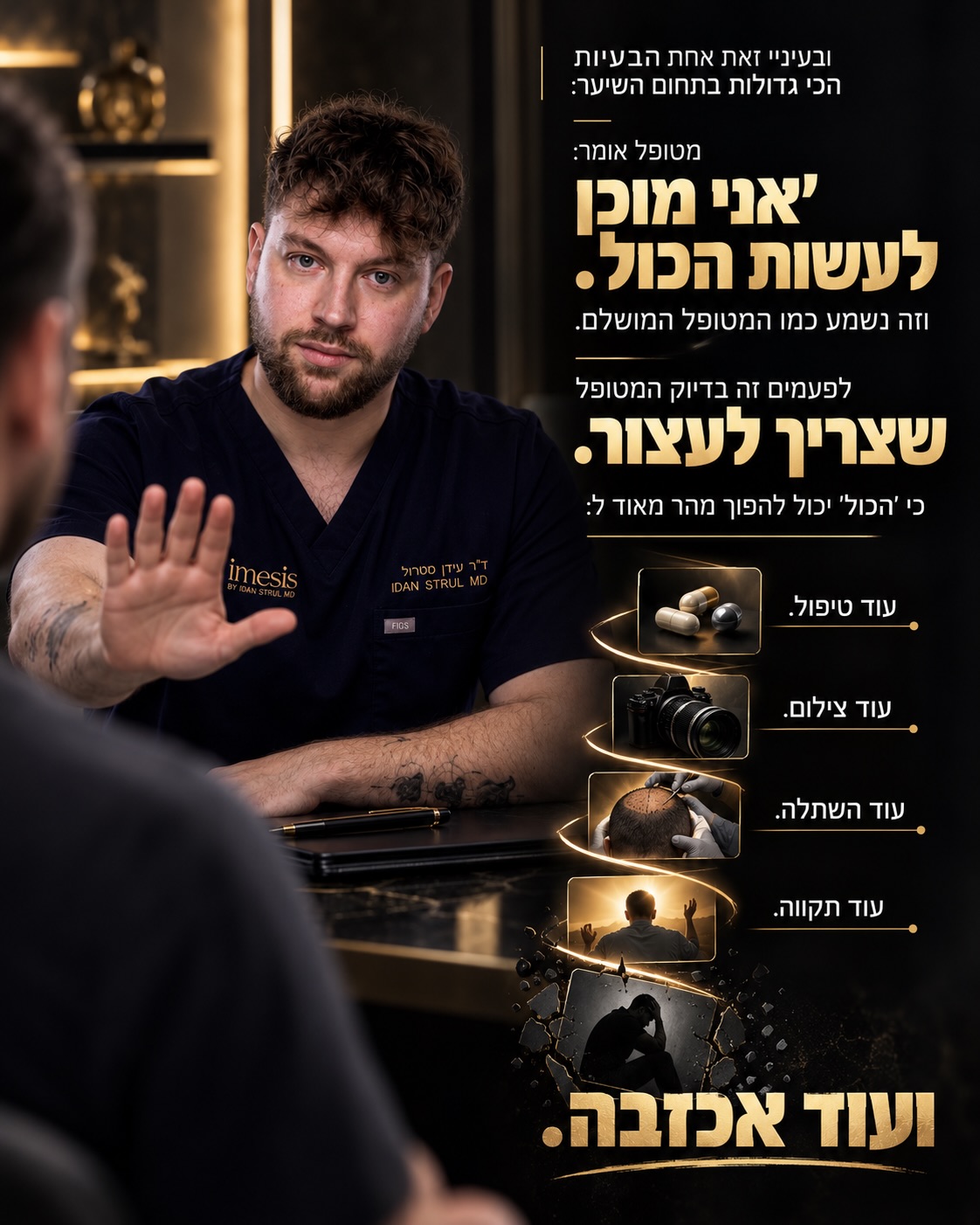
"הצלחה בטיפול בנשירת שיער אינה נמדדת רק בכמות השיער שנותרה, אלא בשביעות רצון המטופל מההחלטה לאורך זמן."
מסקנת הבדיקה:
מחקרים קליניים מודרניים משלבים באופן קבוע מדדי שביעות רצון של מטופלים (Patient-Reported Outcomes) לצד מדדים אובייקטיביים של צפיפות שיער, מתוך הבנה שהצלחה טיפולית כוללת את איכות החיים והתפיסה הסובייקטיבית של המטופל.
chevron_right ודאות הפסיקה: גבוהה
מידת הביטחון של המערכת בפסיקה — לא אחוז הנכונות של הטענה. ביטחון נמוך פירושו שהראיות מעטות או סותרות.
chevron_right מקורות מדעיים: (3)
-
link
Efficacy and safety of deuruxolitinib, an oral selective Janus kinase inhibitor, in adults with alopecia areata: Results from the Phase 3 randomized, controlled trial (THRIVE-AA1).
Alopecia areata (AA) is a hair loss disorder that can seriously impact quality of life. Janus kinase (JAK) inhibitors, including deuruxolitinib, have previously demonstrated significant hair regrowth in AA. The Phase 3 THRIVE-AA1 randomized, double-blinded, placebo-controlled trial (NCT04518995) evaluated the safety and efficacy of the oral JAK1/JAK2 inhibitor deuruxolitinib in adult patients with AA. Patients aged 18-65 years with ≥50% hair loss were randomized to deuruxolitinib 8 mg twice daily, deuruxolitinib 12 mg twice daily, or placebo for 24 weeks. The primary end point was the percentage of patients achieving a Severity of Alopecia Tool score ≤20. A key secondary end point was the percentage of satisfaction of hair patient-reported outcome responders. Significantly higher proportions of patients taking deuruxolitinib met the primary end point (8 mg 29.6%; 12 mg 41.5% versus placebo 0.8%). Both deuruxolitinib doses achieved significant improvements in all secondary end points versus placebo, including satisfaction of hair patient-reported outcome (8 mg 42.1%; 12 mg 53.0% versus placebo 4.7%). Most treatment-emergent adverse events were mild or moderate, consistent with other oral JAK inhibitors. Further studies are required to understand longer-term safety, efficacy, and impact of treatment cessation. Both doses of deuruxolitinib were effective for hair regrowth. Patient satisfaction aligned with hair growth.…
PubMed · PMID: 39053611
-
link
Effectiveness of Exosome Treatment in Androgenetic Alopecia: Outcomes of a Prospective Study.
Harnessing the regenerative capabilities of stem cell-derived exosomes holds great promise for developing novel hair growth therapies, offering hope for individuals experiencing hair loss or alopecia. This aimed to elucidate the effect of "foreskin-derived mesenchymal stromal cells derived exosome" injection into the scalp on hair density in patients with androgenetic alopecia and the contribution of this treatment on patient satisfaction. This prospective study included 30 male patients, aged between 22 and 65, with hair type III-VI according to the Norwood-Hamilton scale. Characterization of the stem cell exosomes was performed with the nanoparticle tracking analysis (NTA), hair densities were calculated via digital imaging analysis, and patient satisfaction was questioned with a modified survey. NTA results showed a characteristic distribution of peaks for exosomes 139.7 ± 2.3 nm in diameter. A statistically significant increase in hair density was observed in the 4th and 12th weeks after treatment (p < 0.05). Patient-reported satisfaction revealed a statistically significant difference in the answers given in the 12th week compared to the 4th week (p < 0.05). No side effects or complications were observed after exosome injection. Foreskin-derived mesenchymal stromal cells derived exosome injection increased hair density, with sustained patient satisfaction throughout the study. The exosome application resulted in no side effects. This journal requires that authors assign a level of evidence to each article. For a full description of these Evidence-Based Medicine ratings, please refer to the Table of Contents or the online Instructions to Authors www.springer.com/00266 .…
PubMed · PMID: 39174804
-
link
Clinical Outcomes of Adding Topical Cetirizine to Minoxidil Therapy in Patients with Androgenetic Alopeci.
<h4>Objective</h4>The objective is to evaluate the efficacy and safety of adding 1% topical cetirizine to 5% topical minoxidil compared with topical minoxidil alone in patients with androgenetic alopecia (AGA).<h4>Methods</h4>In this single-blind randomized clinical trial, 62 patients with AGA were allocated to receive either topical minoxidil 5% twice daily (monotherapy group, <i>n</i> = 31) or topical minoxidil 5% twice daily plus topical cetirizine 1% once daily (adjunctive therapy group, <i>n</i> = 31) for 16 weeks. Primary outcomes included changes in hair density and hair diameter scores. Secondary outcomes were global photography score, patient satisfaction, and treatment-related adverse events.<h4>Findings</h4>Both groups demonstrated improvement from baseline in hair density and hair diameter scores after 16 weeks of treatment. However, no significant differences were observed between groups in hair density score (0.65 ± 0.61 vs. 0.68 ± 0.60, <i>P</i> = 0.987), hair diameter score (1.29 ± 0.59 vs. 1.39 ± 0.62, <i>P</i> = 0.628), or global photography score (1.00 ± 0.68 vs. 1.06 ± 0.57, <i>P</i> = 0.697). Patient satisfaction was significantly higher in the adjunctive therapy group than in the monotherapy group (1.82 ± 1.07 vs. 1.13 ± 0.85, <i>P</i> = 0.004). Two cases of local irritation were reported in the monotherapy group, whereas no adverse events were reported in the adjunctive therapy group.<h4>Conclusion</h4>The addition of 1% topical cetirizine to topical minoxidil did not result in superior objective hair-growth outcomes compared with minoxidil alone. Although patient satisfaction was higher among patients receiving adjunctive cetirizine, this finding may be attributable to factors other than a direct pharmacologic effect. Further double-blind, vehicle-controlled studies with larger sample sizes are warranted to clarify the role of topical cetirizine in the management of AGA.…
PubMed · PMID: 42808078
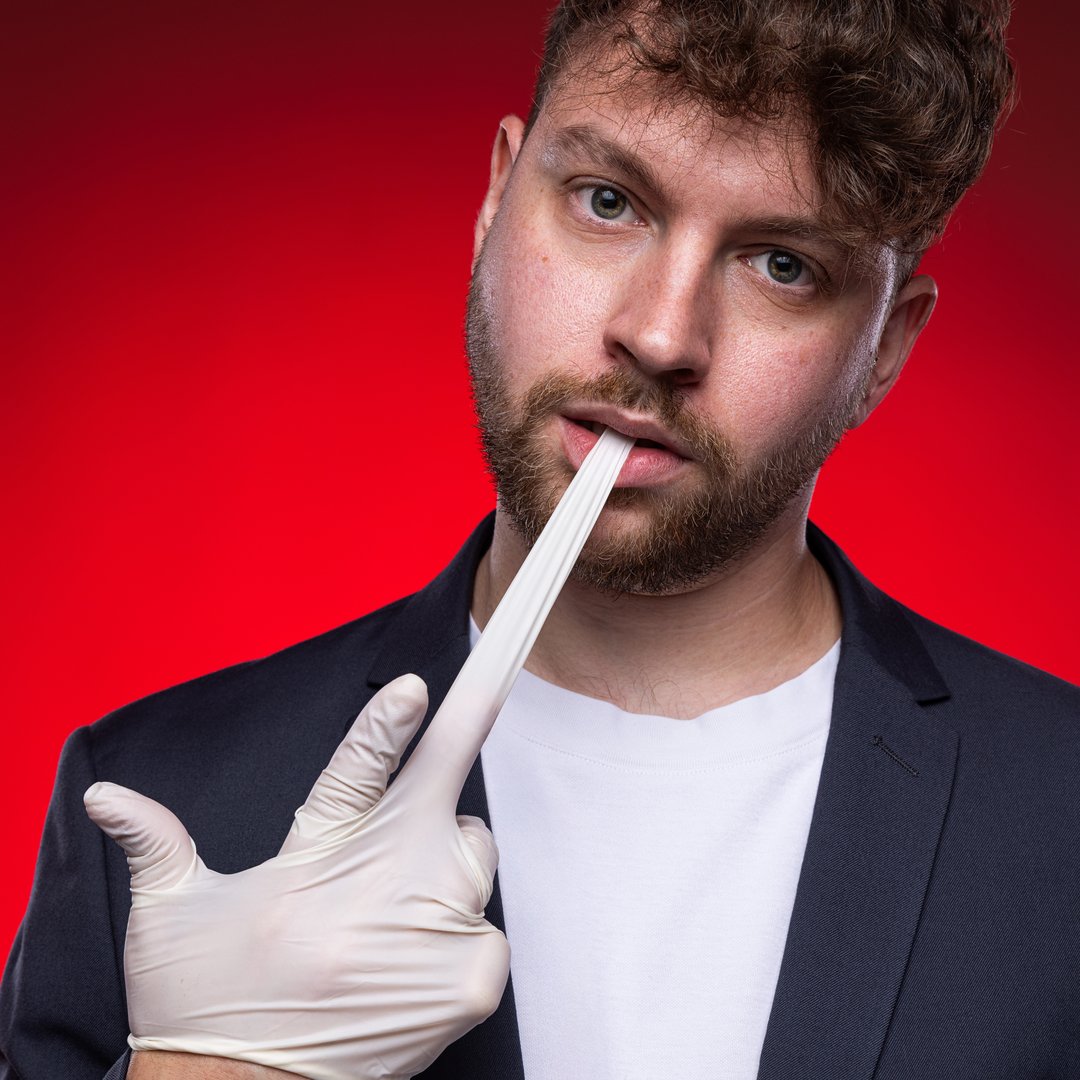
Idan Strul MD | ד״ר עידן סטרול רופא שיער
דירוג זה מבוסס על 3 דוחות אימות קודמים.
האם הדוח הזה היה מועיל לך?
מה היה פחות טוב? (רשות)
תודה על הפידבק!
עירעור על דוח זה
ספקו ראיות חדשות או הצביעו על אי דיוקים
נעדכן אותך על תוצאות הבדיקה
הוסיפו קישורים למחקרים או מקורות רפואיים מוכרים
העירעור נשלח בהצלחה!
המנוע המדעי שלנו יבדוק את הראיות שהגשתם. נעדכן אתכם באימייל עם התוצאות.
ניתוח מבוסס בינה מלאכותית
דוח זה נוצר באופן אוטומטי על ידי מערכת בינה מלאכותית ועשוי להכיל שגיאות, אי-דיוקים או מידע חלקי. הניתוח אינו מהווה ייעוץ רפואי, אבחנה או המלצה לטיפול, והוא אינו תחליף לדעתו של איש מקצוע רפואי מוסמך. יש להתייעץ עם רופא או מומחה מוסמך לפני קבלת כל החלטה רפואית. המידע מוצג לצרכי מידע כללי בלבד.
מידע זה מופק על ידי בינה מלאכותית ואינו מהווה תחליף לייעוץ רפואי מקצועי.