סריקה בתהליך...
הניתוח עשוי לארוך 30–90 שניות
הידעת?
הסרטון אינו מכיל תוכן רפואי
חושבים שחלה טעות?
אם לדעתכם הסרטון אכן עוסק בטענות רפואיות או בריאותיות, הוסיפו הסבר קצר ושלחו בקשה לבדיקה מחדש.
הבקשה התקבלה! נבדוק את הסרטון ונחזור אליכם.
אירעה שגיאה בשליחת הבקשה. נסו שוב.
דו״ח מאומת
הסרטון מציג מידע מדויק ומגובה במחקרים מדעיים אמינים.
סיכום
כל הטענות שהוצגו נתמכות על ידי הספרות המדעית הקיימת ב-PubMed. קיימות עדויות מוצקות לקשר שבין רכיבים תזונתיים ספציפיים (ליקופן, בטא-קרוטן, חומצה פולית, ויטמין K, אנתוציאנינים וויטמין C) לבין תרומתם לבריאות הלב, העיניים, המוח ומערכת החיסון, בהתאמה.
analytics ניתוח טענות מבוסס ראיות
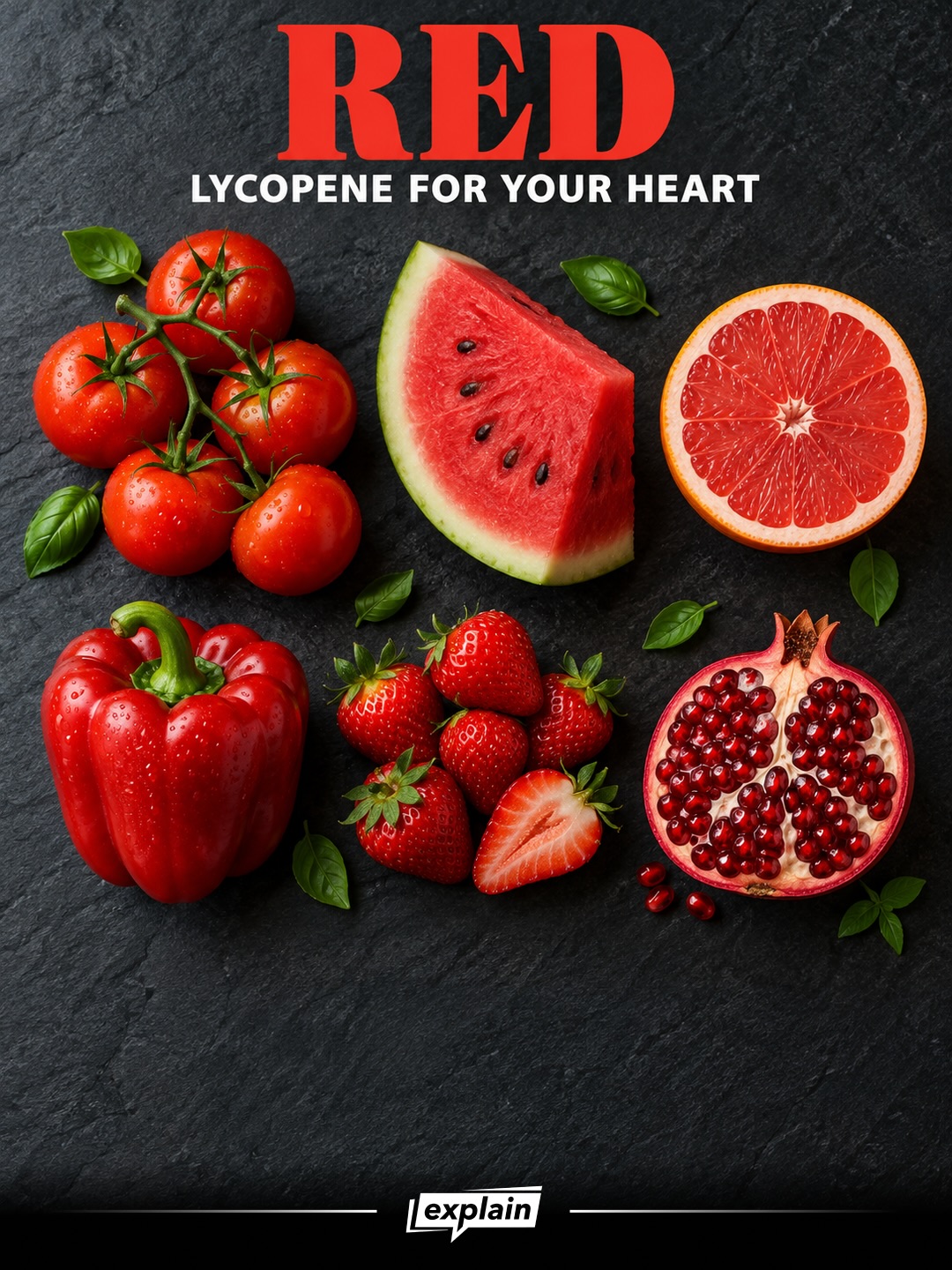
"מזונות אדומים המכילים ליקופן תורמים לבריאות הלב."
מסקנת הבדיקה:
מחקרים רבים ב-PubMed, כולל סקירות מקיפות, מאשרים כי ליקופן, נוגד חמצון המצוי במזונות אדומים כמו עגבניות, קשור להפחתת סיכון למחלות לב וכלי דם באמצעות שיפור תפקוד האנדותל, הפחתת דלקתיות והשפעה חיובית על פרופיל השומנים בדם.
chevron_right ודאות הפסיקה: גבוהה
מידת הביטחון של המערכת בפסיקה — לא אחוז הנכונות של הטענה. ביטחון נמוך פירושו שהראיות מעטות או סותרות.
chevron_right מקורות מדעיים: (7)
-
link
Lycopene in the Prevention of Cardiovascular Diseases.
Cardiovascular diseases (CVDs) are the leading cause of human mortality worldwide. Oxidative stress and inflammation are pathophysiological processes involved in the development of CVD. That is why bioactive food ingredients, including lycopene, are so important in their prevention, which seems to be a compound increasingly promoted in the diet of people with cardiovascular problems. Lycopene present in tomatoes and tomato products is responsible not only for their red color but also for health-promoting properties. It is characterized by a high antioxidant potential, the highest among carotenoid pigments. Mainly for this reason, epidemiological studies show a number of favorable properties between the consumption of lycopene in the diet and a reduced risk of cardiovascular disease. While there is also some controversy in research into its protective effects on the cardiovascular system, growing evidence supports its beneficial role for the heart, endothelium, blood vessels, and health. The mechanisms of action of lycopene are now being discovered and may explain some of the contradictions observed in the literature. This review aims to present the current knowledge in recent years on the preventive role of lycopene cardiovascular disorders.…
PubMed · PMID: 35216071
-
link
Lycopene: Food Sources, Biological Activities, and Human Health Benefits.
As an antioxidant, lycopene has acquired importance as it prevents autoxidation of fats and related products. Tomatoes are an important agricultural product that is a great source of lycopene. It contains many vitamins and minerals, fiber, and carbohydrates and is associated with various positive effects on health. The antioxidant potential of tomatoes is substantially explained with lycopene compounds. Diet is a major risk factor for heart diseases which is shown as the most important cause of death in the world. It has been observed that the lycopene taken in the diet has positive effects in many stages of atherosclerosis. The serum lipid levels, endothelial dysfunction, inflammation, blood pressure, and antioxidative potential are mainly affected by lycopene. These natural antioxidants, which can also enhance the nutritional value of foods, may lead to new ways if used in food preservation. In this review study, the antioxidant potential and cardiovascular protection mechanism of lycopene are discussed.…
PubMed · PMID: 34840666
-
link
Lycopene and heart health.
Cardiovascular diseases (CVDs) are the leading causes of human morbidity and mortality in developed countries. Specific biomarkers in this context are markers of inflammation, lipid status, thrombosis and oxidative stress. One recommendation for CVD prevention is to increase consumption of fruits and vegetables as good sources of secondary plant products, e.g. carotenoids. This review aimed to show linkages between lycopene, one main carotenoid in the human diet, and prevention of heart diseases by looking for epidemiological data, results from in vitro experiments and results from in vivo studies (animal studies and human intervention trials). In addition, patents and products within the context of lycopene and CVD prevention will be discussed with a special emphasis on health claims. Epidemiological data, in vitro data and results from animal experiments partly showed promising preventive mechanisms of lycopene. In contrast, until now, human intervention studies mostly failed to show any CVD prevention. However, there is still an encouraging situation, giving hints for antioxidant as well as anti-inflammatory effects of lycopene. These mechanisms could be the background for cardio-protective effects of tomatoes and tomato products. In summary, there are a lot of investigations needed in the future to give reliable results to establish these CVD-preventive effects.…
PubMed · PMID: 22419532
-
link
Role of antioxidant lycopene in cancer and heart disease.
Lycopene, a carotenoid without provitamin-A activity, is present in many fruits and vegetables; however, tomatoes and processed tomato products constitute the major source of lycopene in North American diet. Among the carotenoids, lycopene is a major component found in the serum and other tissues. Dietary intakes of tomatoes and tomato products containing lycopene have been shown to be associated with decreased risk of chronic diseases such as cancer and cardiovascular diseases in several recent studies. Serum and tissue lycopene levels have also been inversely related with the chronic disease risk. Although the antioxidant properties of lycopene are thought to be primarily responsible for its beneficial properties, evidence is accumulating to suggest other mechanisms such as modulation of intercellular gap junction communication, hormonal and immune system and metabolic pathways may also be involved. This review summarizes the background information about lycopene and presents the most current knowledge with respect to its role in human health and disease.…
PubMed · PMID: 11022869
-
link
Cardiovascular Disease and Possible Ways in Which Lycopene Acts as an Efficient Cardio-Protectant against Different Cardiovascular Risk Factors.
Foods rich in antioxidants such as lycopene have a major role in maintaining cardiac health. Lycopene, 80% of which can be obtained by consuming a common vegetable such as tomato, can prevent the disturbances that contribute to cardiovascular disease (CVD). The present work begins with a brief introduction to CVD and lycopene and its various properties such as bioavailability, pharmacokinetics, etc. In this review, the potential cardio-protective effects of lycopene that reduce the progression of CVD and thrombotic complications are detailed. Further, the protective effects of lycopene including in vitro, in vivo and clinical trials conducted on lycopene for CVD protective effects are explained. Finally, the controversial aspect of lycopene as a protective agent against CVD and toxicity are also mentioned.…
PubMed · PMID: 35630709
-
link
Therapeutic potential of phytochemical compounds in cardiovascular disease: a comprehensive review.
Cardiovascular diseases (CVDs) continue to be the world's leading cause of death and a major global healthcare burden. Concerns about side effects and long-term therapy restrictions have raised interest in supplementary therapeutic approaches, even if traditional pharmaceutical and surgical procedures are still crucial to the management of CVD. Evidence from published experimental, clinical, and mechanistic investigations that were indexed in PubMed, Scopus, Web of Science, and Google Scholar between 2014 and 2025 is compiled in this review. Through their antioxidant, anti-inflammatory, lipid-lowering, antihypertensive, and endothelial-protective properties, plant-derived phytochemicals such as flavonoids, carotenoids, polyphenols, glucosinolates, and sulfur-containing compounds have considerable cardioprotective potential. Vascular function, oxidative stress, platelet aggregation, insulin sensitivity, and lipid metabolism have all benefited by compounds like quercetin, catechins, curcumin, resveratrol, and lycopene. However, its therapeutic translation is still constrained by issues with bioavailability, dosage uniformity, and clinical validation. Although more extensive clinical research is needed to determine their long-term efficacy and safety, the evidence now available indicates that phytochemicals may be beneficial supplements to traditional cardiovascular treatments.…
PubMed · PMID: 42560465
-
link
Exploring the Therapeutic Potential of Lycopene: Mechanisms, Biological Activities, and Health Benefits.
Lycopene, a carotenoid commonly found in tomatoes, is an emerging compound with a noteworthy role in the prevention and treatment of various pathologies. Evidence from in vitro and in vivo models indicates that lycopene plays an imperative role in disease management through the regulation of oxidative stress, inflammation, and the modulation of various biological processes. Its role containing nephroprotective, hepatoprotective, cardioprotective, and neuroprotective properties, anti-arthritis, anti-obesity, and wound healing has been documented. Its significant role in cancer management through modulation of inflammation, angiogenesis, apoptosis, cell cycle, and PI3/Akt pathways has been properly described. This review aims to provide a comprehensive overview of the role of lycopene in the management of pathogenesis. The review further evaluates the current evidence regarding the synergistic interactions of lycopene with other bioactive compounds and drugs and highlights the potential of emerging nanoformulation strategies to improve its bioavailability and therapeutic efficacy in disease management. However, this compound shows some limitations, particularly its low bioavailability and poor water solubility, which hinder its therapeutic benefit in disease management. For a better understanding of its mechanisms of action, safety considerations, potential drug interactions, and optimal dosages, further detailed studies based on both preclinical and clinical data are needed. This further investigation is essential to reveal the maximum potential benefit of lycopene in disease management.…
PubMed · PMID: 42353104
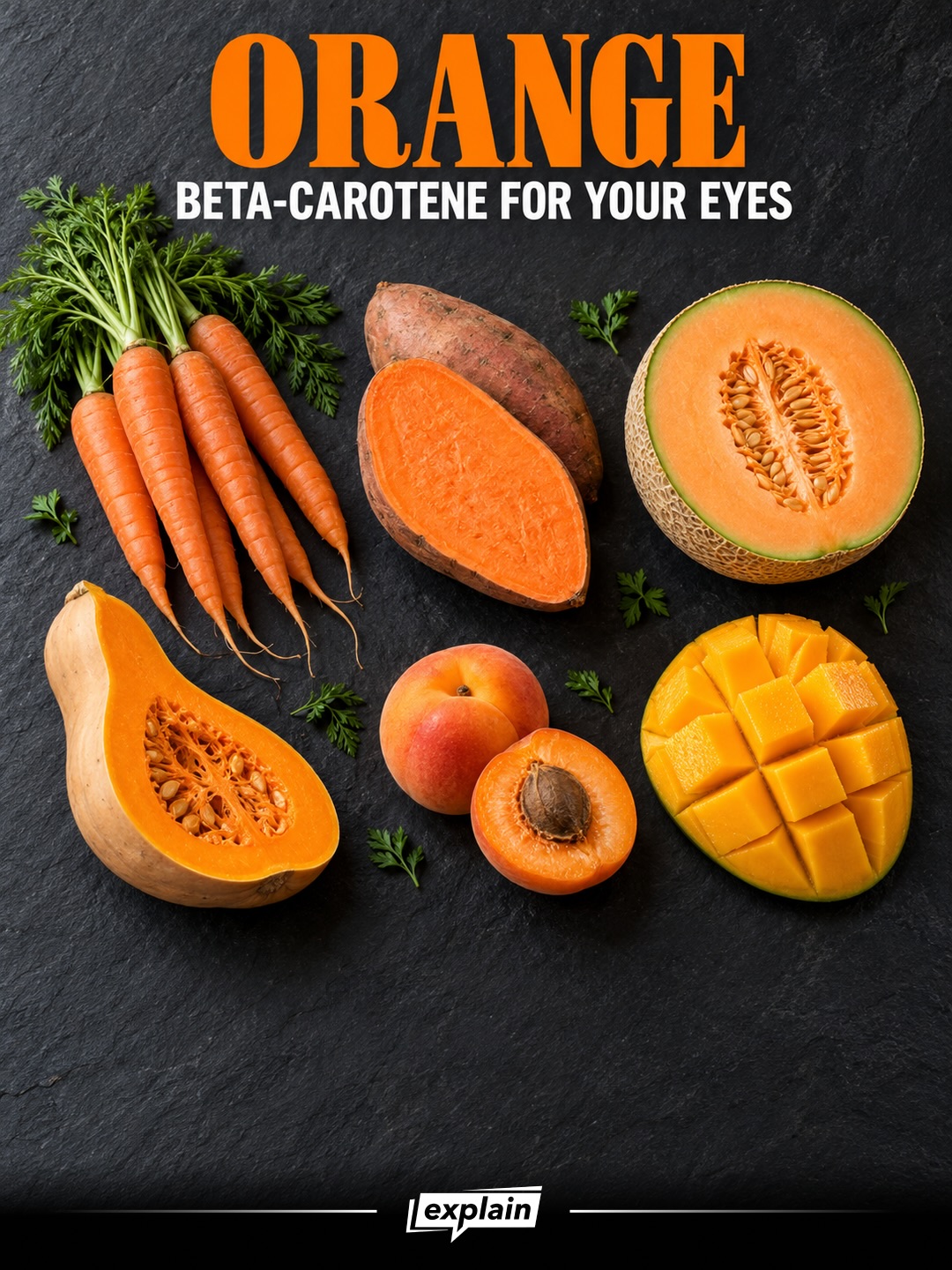
"מזונות כתומים המכילים בטא-קרוטן תומכים בבריאות העיניים."
מסקנת הבדיקה:
הספרות המדעית תומכת בכך שקרוטנואידים, כולל בטא-קרוטן, מצטברים ברקמות העין ומסייעים בהגנה מפני נזקי חמצון ודלקת, התורמים למחלות עיניים הקשורות לגיל כגון ניוון מקולרי (AMD).
chevron_right ודאות הפסיקה: גבוהה
מידת הביטחון של המערכת בפסיקה — לא אחוז הנכונות של הטענה. ביטחון נמוך פירושו שהראיות מעטות או סותרות.
chevron_right מקורות מדעיים: (6)
-
link
Antioxidant vitamin and mineral supplements for slowing the progression of age-related macular degeneration.
Age-related macular degeneration (AMD) is a degenerative condition of the back of the eye that occurs in people over the age of 50 years. Antioxidants may prevent cellular damage in the retina by reacting with free radicals that are produced in the process of light absorption. Higher dietary levels of antioxidant vitamins and minerals may reduce the risk of progression of AMD. This is the third update of the review. To assess the effects of antioxidant vitamin and mineral supplements on the progression of AMD in people with AMD. We searched CENTRAL, MEDLINE, Embase, one other database, and three trials registers, most recently on 29 November 2022. We included randomised controlled trials (RCTs) that compared antioxidant vitamin or mineral supplementation to placebo or no intervention, in people with AMD. We used standard methods expected by Cochrane. We included 26 studies conducted in the USA, Europe, China, and Australia. These studies enroled 11,952 people aged 65 to 75 years and included slightly more women (on average 56% women). We judged the studies that contributed data to the review to be at low or unclear risk of bias. Thirteen studies compared multivitamins with control in people with early and intermediate AMD. Most evidence came from the Age-Related Eye Disease Study (AREDS) in the USA. People taking antioxidant vitamins were less likely to progress to late AMD (odds ratio (OR) 0.72, 95% confidence interval (CI) 0.58 to 0.90; 3 studies, 2445 participants; moderate-certainty evidence). In people with early AMD, who are at low risk of progression, this means there would be approximately four fewer cases of progression to late AMD for every 1000 people taking vitamins (one fewer to six fewer cases). In people with intermediate AMD at higher risk of progression, this corresponds to approximately 78 fewer cases of progression for every 1000 people taking vitamins (26 fewer to 126 fewer). AREDS also provided evidence of a lower risk of progression for both neovascular AMD (OR 0.62, 95% CI 0.47 to 0.82; moderate-certainty evidence) and geographic atrophy (OR 0.75, 95% CI 0.51 to 1.10; moderate-certainty evidence), and a lower risk of losing 3 or more lines of visual acuity (OR 0.77, 95% CI 0.62 to 0.96; moderate-certainty evidence). Low-certainty evidence from one study of 110 people suggested higher quality of life scores (measured with the Visual Function Questionnaire) in treated compared with non-treated people after 24 months (mean difference (MD) 12.30, 95% CI 4.24 to 20.36). In exploratory subgroup analyses in the follow-on study to AREDS (AREDS2), replacing beta-carotene with lutein/zeaxanthin gave hazard ratios (HR) of 0.82 (95% CI 0.69 to 0.96), 0.78 (95% CI 0.64 to 0.94), 0.94 (95% CI 0.70 to 1.26), and 0.88 (95% CI 0.75 to 1.03) for progression to late AMD, neovascular AMD, geographic atrophy, and vision loss, respectively. Six studies compared lutein (with or without zeaxanthin) with placebo and one study compared a multivitamin including lutein/zeaxanthin with multivitamin alone. The duration of supplementation and follow-up ranged from six months to five years. Most evidence came from the AREDS2 study in the USA; almost all participants in AREDS2 also took the original AREDS supplementation formula. People taking lutein/zeaxanthin may have similar or slightly reduced risk of progression to late AMD (RR 0.94, 95% CI 0.87 to 1.01), neovascular AMD (RR 0.92, 95% CI 0.84 to 1.02), and geographic atrophy (RR 0.92, 95% CI 0.80 to 1.05) compared with control (1 study, 4176 participants, 6891 eyes; low-certainty evidence). A similar risk of progression to visual loss of 15 or more letters was seen in the lutein/zeaxanthin and control groups (RR 0.98, 95% CI 0.91 to 1.05; 6656 eyes; low-certainty evidence). Quality of life (Visual Function Questionnaire) was similar between groups (MD 1.21, 95% CI -2.59 to 5.01; 2 studies, 308 participants; moderate-certainty evidence). One study in Australia randomised 1204 people to vitamin E or placebo with four years of follow-up; 19% of participants had AMD. The number of late AMD events was low (N = 7) and the estimate of effect was uncertain (RR 1.36, 95% CI 0.31 to 6.05; very low-certainty evidence). There was no evidence of any effect of treatment on visual loss (RR 1.04, 95% CI 0.74 to 1.47; low-certainty evidence). There were no data on neovascular AMD, geographic atrophy, or quality of life. Five studies compared zinc with placebo. Evidence largely drawn from the largest study (AREDS) found a lower progression to late AMD over six years (OR 0.83, 95% CI 0.70 to 0.98; 3 studies, 3790 participants; moderate-certainty evidence), neovascular AMD (OR 0.76, 95% CI 0.62 to 0.93; moderate-certainty evidence), geographic atrophy (OR 0.84, 95% CI 0.64 to 1.10; moderate-certainty evidence), or visual loss (OR 0.87, 95% CI 0.75 to 1.00; 2 studies, 3791 participants; moderate-certainty evidence). There were no data on quality of life. Gastrointestinal symptoms were the main reported adverse effect. In AREDS, zinc was associated with a higher risk of genitourinary problems in men, but no difference was seen between high- and low-dose zinc groups in AREDS2. Most studies were too small to detect rare adverse effects. Data from larger studies (AREDS/AREDS2) suggested there may be little or no effect on mortality with multivitamin (HR 0.87, 95% CI 0.60 to 1.25; low-certainty evidence) or lutein/zeaxanthin supplementation (HR 1.06, 95% CI 0.87 to 1.31; very low-certainty evidence), but confirmed the increased risk of lung cancer with beta-carotene, mostly in former smokers. Moderate-certainty evidence suggests that antioxidant vitamin and mineral supplementation (AREDS: vitamin C, E, beta-carotene, and zinc) probably slows down progression to late AMD. People with intermediate AMD have a higher chance of benefiting from antioxidant supplements because their risk of progression is higher than people with early AMD. Although low-certainty evidence suggested little effect with lutein/zeaxanthin alone compared with placebo, exploratory subgroup analyses from one large American study support the view that lutein/zeaxanthin may be a suitable replacement for the beta-carotene used in the original AREDS formula.…
PubMed · PMID: 37702300
-
link
Nutrients for the aging eye.
The incidence of age-related eye diseases is expected to rise with the aging of the population. Oxidation and inflammation are implicated in the etiology of these diseases. There is evidence that dietary antioxidants and anti-inflammatories may provide benefit in decreasing the risk of age-related eye disease. Nutrients of interest are vitamins C and E, β-carotene, zinc, lutein, zeaxanthin, and the omega-3 fatty acids eicosapentaenoic acid and docosahexaenoic acid. While a recent survey finds that among the baby boomers (45-65 years old), vision is the most important of the five senses, well over half of those surveyed were not aware of the important nutrients that play a key role in eye health. This is evident from a national survey that finds that intake of these key nutrients from dietary sources is below the recommendations or guidelines. Therefore, it is important to educate this population and to create an awareness of the nutrients and foods of particular interest in the prevention of age-related eye disease.…
PubMed · PMID: 23818772
-
link
Nutrition and retinal degenerations.
Considerable progress has been made in the understanding and management of degenerative diseases of the retina involving photoreceptors. Nutritional approaches to treatment have proved successful in the case of the common forms of retinitis pigmentosa (supplementation with vitamin A), Bassen-Kornzweig disease (supplementation with vitamins A, E, and K), gyrate atrophy (low-protein, low-arginine diet and/or supplementation with vitamin B6), and Refsum disease (low-phytol, low-phytanic acid diet). The night blindness associated with Sorsby fundus dystrophy can be reversed over the short term with vitamin A. A significant trend for decreased risk for advanced or exudative ARMD has been reported among those whose diets contain a higher content of carotenoids, such as spinach and collard greens. A randomized trial is in progress to determine whether beta-carotene, vitamin C, and vitamin E as well as trace minerals, particularly zinc, will modify the course of ARMD. The difficulties that patients with retinal degenerations face as a result of their diminishing vision, sometimes over decades, cannot be underestimated. Nutritional therapy has proved effective in modifying the course of a number of these conditions; the therapeutic benefit of nutritional modification in diseases that have a genetic basis is of particular interest. Further research is warranted to determine the mechanisms by which these treatments provide their benefit as well as to identify other conditions that may yield to nutritional intervention. Risk-factor analyses of well-defined populations followed over time with food-frequency questionnaires in conjunction with careful assessments of visual function may reveal other dietary constituents that can modify the course of degenerative diseases of the retina.…
PubMed · PMID: 11064860
-
link
Synthetic 9-cis-beta-carotene inhibits photoreceptor degeneration in cultures of eye cups from rpe65rd12 mouse model of retinoid cycle defect.
The retinoid cycle enzymes regenerate the visual chromophore 11-cis retinal to enable vision. Mutations in the genes encoding the proteins of the retinoid cycle are the leading cause for recessively inherited retinal dystrophies such as retinitis pigmentosa, Leber congenital amaurosis, congenital cone-rod dystrophy and fundus albipunctatus. Currently there is no treatment for these blinding diseases. In previous studies we demonstrated that oral treatment with the 9-cis-β-carotene rich Dunaliella Bardawil algae powder significantly improved visual and retinal functions in patients with retinitis pigmentosa and fundus albipunctatus. Here we developed a convenient and economical synthetic route for biologically active 9-cis-β-carotene from inexpensive building materials and demonstrated that the molecule is stable for at least one month. Synthetic 9-cis-β-carotene rescued cone photoreceptors from degeneration in eye cup cultures of mice with a retinoid cycle genetic defect. This study suggests that synthetic 9-cis-β-carotene may serve as an effective treatment for retinal dystrophies involving the retinoid cycle.…
PubMed · PMID: 29666392
-
link
The effect of vitamin A on epithelial integrity.
Vitamin A is the generic term for a variety of fat-soluble substances including retinol, retinyl palmitate and the provitamin A carotenoids such as all-trans-beta-carotene. Vitamin A is commonly known as the anti-infective vitamin and has an essential role in vision and cellular differentiation, the latter providing a unique core mechanism helping to explain the influence of vitamin A on epithelial barriers. Alterations in the epithelial lining of vital organs occur early in deficiency, suggesting a potentially important role for the barrier function. Vitamin A deficiency (VAD) is most commonly recognized in the eye. The conjunctival-impression cytology test detects the presence of larger irregular keratinized cells and the absence of mucous-secreting goblet cells, indicative of VAD. The method is simple, quick and sensitive in populations where VAD is present. In the respiratory tract, observational studies all show an association with VAD, although vitamin A supplementation studies appear to have little effect on respiratory disease. Organ-specific targeting may improve success rates. The dual-sugar intestinal-permeability test allows the effect of vitamin A supplementation to be monitored on the gastrointestinal tract. Two vitamin A supplementation studies were carried out recently in Orissa State, India. Healthy infants of weaning age were administered orally eight weekly doses of 5.0 mg retinol equivalents and hospitalized infants received one large oral dose 60 mg retinol equivalents in the form of retinyl palmitate. Improvements in gut integrity and haematological status were observed in both studies. In summary, the response of the eye to vitamin A supplementation is well established; the present review highlights some of the more recent observations examining the effects of vitamin A.…
PubMed · PMID: 10466169
-
link
Bioactive Properties of Carotenoids in Ocular Diseases: Antioxidant, Anti-Inflammatory, and Neuroprotective Effects.
Ocular diseases are a significant public health problem worldwide and represent one of the leading causes of disability. The prevalence of visual impairment is steadily increasing, largely driven by the ageing population. Oxidative stress, chronic inflammation and neurodegenerative processes underlie the pathogenesis of many eye diseases, including age-related macular degeneration (AMD), diabetic retinopathy, glaucoma, and cataracts, contributing to progressive vision loss and functional impairment. Carotenoids such as lutein, zeaxanthin, meso-zeaxanthin, β-carotene, lycopene, and astaxanthin exhibit multidirectional biological effects, including antioxidant, anti-inflammatory, and neuroprotective properties. These compounds are selectively accumulated in the tissues of the eye, especially in the retina and macula, where they neutralise reactive oxygen species, modulate inflammatory pathways, stabilise mitochondrial function and support the survival and function of retinal ganglion cells and photoreceptors. The aim of our review was to provide a comprehensive review of current data regarding the mechanisms of action of carotenoids and their potential clinical significance in the prevention and treatment of retinal, optic nerve, lens, and eye surface diseases, including dry eye syndrome and Meibomian gland dysfunction. We identified results of available experimental and clinical research and outlined that an adequate supply of carotenoids in the diet or in the form of supplementation may support the protection of eye structures against oxidative and inflammatory damage, improve visual performance and potentially slow disease progression. However, high-quality prospective clinical trials are necessary to conclusively assess their therapeutic efficacy and establish evidence-based recommendations for clinical practice.…
PubMed · PMID: 42588090
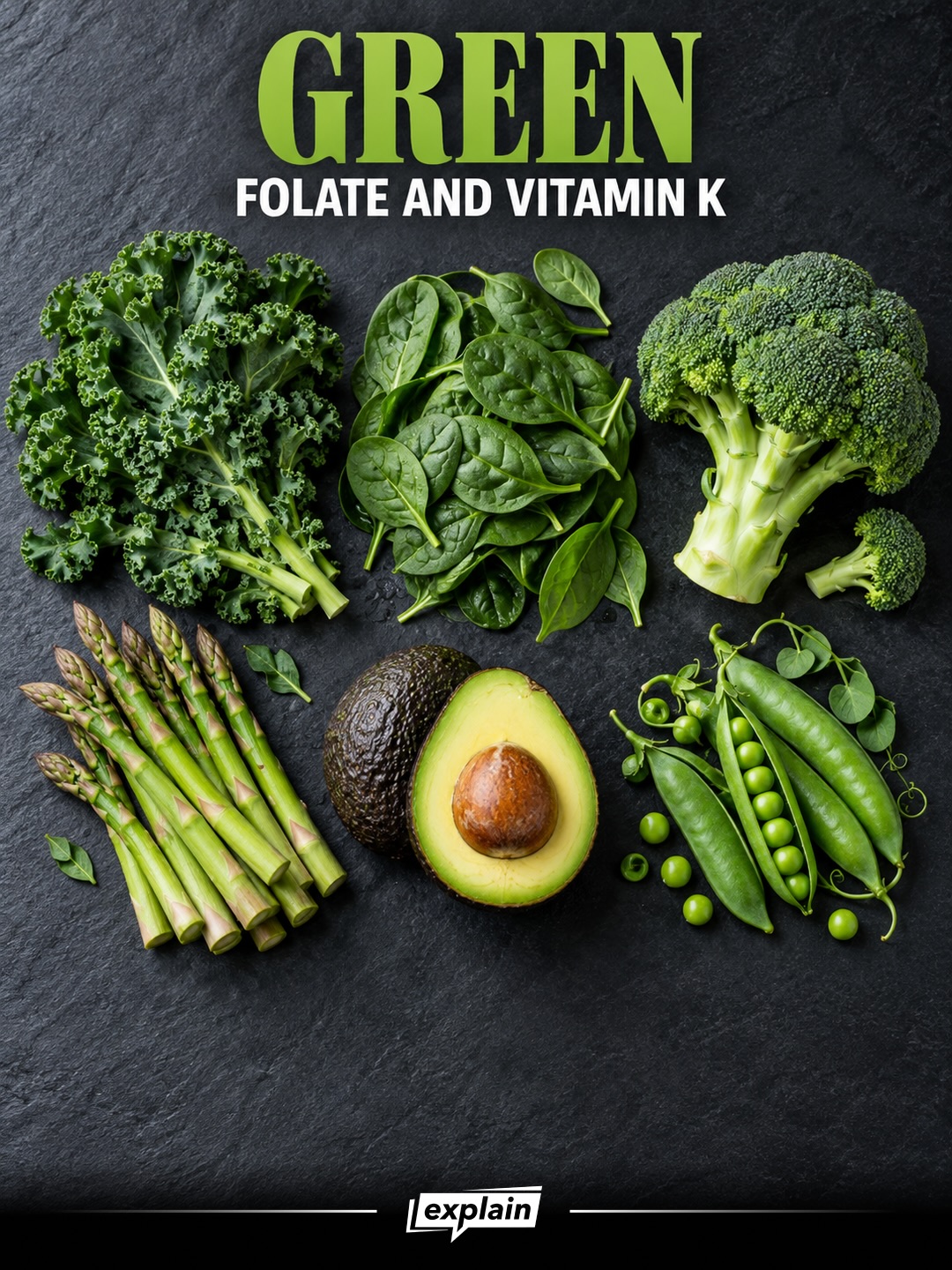
"ירקות ירוקים מספקים חומצה פולית וויטמין K."
מסקנת הבדיקה:
ירקות ירוקים עליים מוכרים בספרות המדעית כמקורות תזונתיים עשירים ומשמעותיים לחומצה פולית וויטמין K, החיוניים לתהליכים מטבוליים שונים בגוף.
chevron_right ודאות הפסיקה: גבוהה
מידת הביטחון של המערכת בפסיקה — לא אחוז הנכונות של הטענה. ביטחון נמוך פירושו שהראיות מעטות או סותרות.
chevron_right מקורות מדעיים: (2)
-
link
Folate biofortification strategy by elicitation in kale baby leaves.
<h4>Introduction</h4>Humans cannot synthesize folates, so they must be acquired through dietary sources, with plants serving as a primary source. To enhance folate levels in vegetables, this study investigated the pre-harvest application of elicitors on kale ('Cavolo Nero') baby leaves under greenhouse-autumn conditions in Southern Italy.<h4>Methods</h4>Phenylalanine (0.37 µM) and salicylic acid (250 µM) were applied three times and compared to a water control. Folate content, alongside biometric traits (yield, leaf area and number, dry matter), bio-physiological parameters (chlorophyll content; measurements of gas exchange and chlorophyll <i>a</i> fluorescence), and compositional properties (nitrate, vitamin C, phenols, flavonoids, carotenoids, antioxidant capacity) were determined.<h4>Results</h4>The treatments maintained yield (1.0 kg m<sup>-2</sup>, on average), while both elicitors increased the folate concentration (1,283 µg 100 g<sup>-1</sup> d.w., on average) compared to the control (1,203 µg 100 g<sup>-1</sup> d.w.). Salicylic acid application enhanced antioxidant compounds (vitamin C, carotenoids) without modifying antioxidant capacity and nitrate levels. In contrast, phenylalanine decreased antioxidant compounds (phenols, vitamin C) along with antioxidant capacity, and enhanced nitrate level (+56%).<h4>Discussion</h4>Considering the limited literature available on this topic, the present work provides an important first step toward producing folate-biofortified baby leaf vegetables with enhanced beneficial traits.…
PubMed · PMID: 42023008
-
link
Plant-Based Diet and Pregnancy-Related Disorders: A Narrative Review.
PURPOSE OF REVIEW: Plant-based diets (PBDs), characterized by minimal or no intake of animal-derived foods and increased consumption of vegetables, fruits, whole grains, legumes, soy products, nuts, seeds, and plant-based oils, have garnered attention for their health benefits and environmental sustainability. While substantial evidence links PBDs to reduced risk of chronic diseases, their role in pregnancy-related disorders remains underexplored. This narrative review aims to evaluate the impact of PBDs on pregnancy-related disorders, including gestational diabetes mellitus (GDM), hypertensive disorders of pregnancy (HDP), anemia, and overall maternal and fetal outcomes. RECENT FINDINGS: Evidence suggests that adherence to PBDs—rich in whole grains, legumes, fruits, and vegetables—is associated with lower risks of GDM and HDP in several observational studies. While some studies report increased risk of low birth weight and anemia, others show no significant differences in maternal or fetal outcomes compared to omnivorous diets. Deficiencies in key nutrients—especially vitamin B12, iron, and omega-3 fatty acids—are a concern in poorly planned PBDs. Adequate supplementation and higher educational status support better pregnancy outcomes. Well-planned PBDs may reduce the risk of certain pregnancy complications and support maternal–fetal health when combined with adequate micronutrient intake. However, the evidence remains heterogeneous, and further high-quality longitudinal and interventional studies are warranted to establish the long-term safety and efficacy of PBDs in pregnancy.…
PubMed · PMID: 41989693
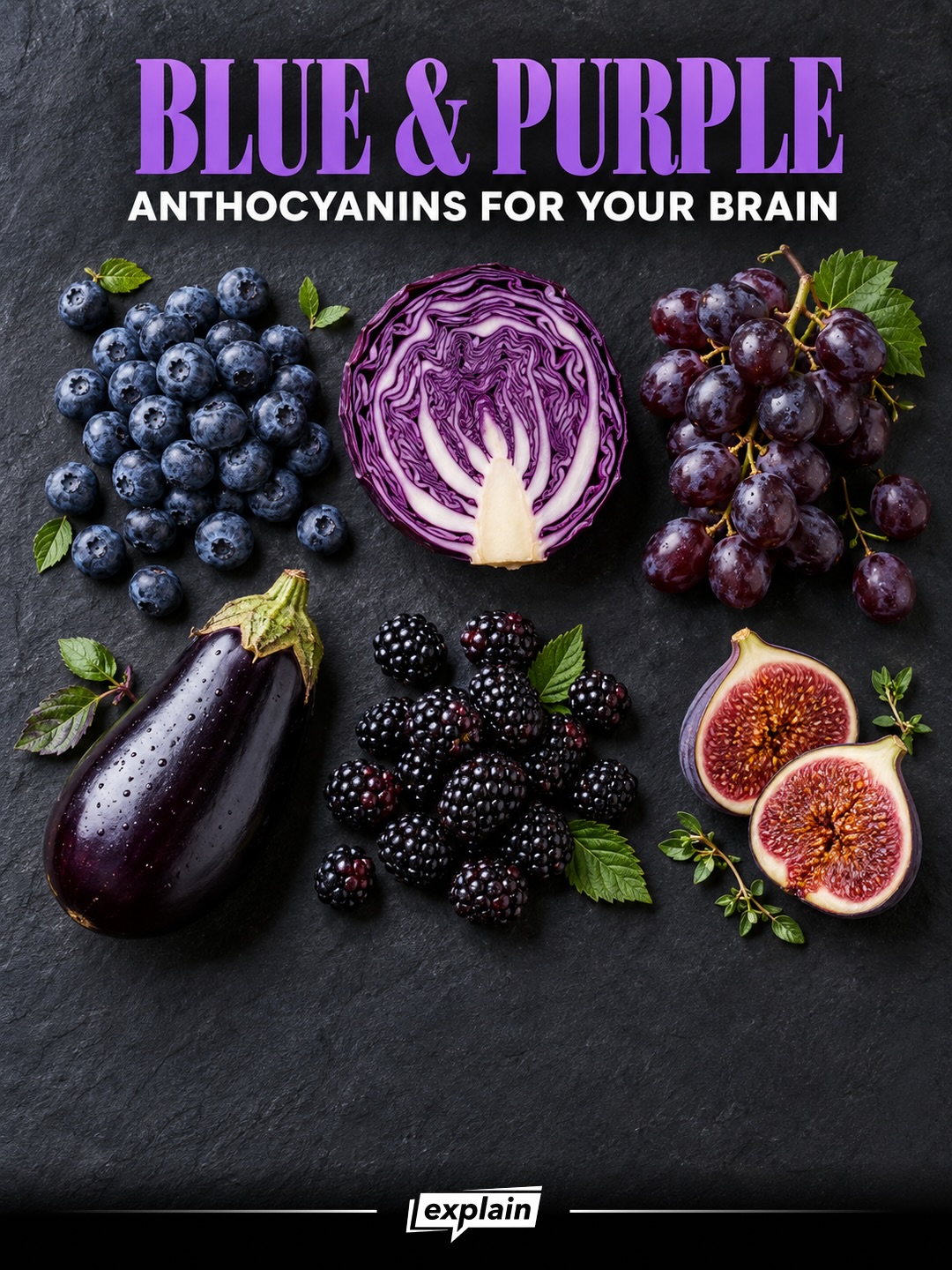
"מזונות כחולים וסגולים המכילים אנתוציאנינים תורמים לבריאות המוח."
מסקנת הבדיקה:
מחקרים מצביעים על כך שאנתוציאנינים, המעניקים למזונות גוון כחול-סגול, תורמים לבריאות המוח באמצעות שיפור זרימת הדם המוחית, הפחתת דלקת עצבית ושיפור תפקודים קוגניטיביים.
chevron_right ודאות הפסיקה: גבוהה
מידת הביטחון של המערכת בפסיקה — לא אחוז הנכונות של הטענה. ביטחון נמוך פירושו שהראיות מעטות או סותרות.
chevron_right מקורות מדעיים: (5)
-
link
Effects of Anthocyanins on Cognition and Vascular Function: A Systematic Review.
Good vascular function is crucial for cerebral blood flow and cognitive performance. Diets high in anthocyanins have been shown to improve vascular function and are associated with improvements in cognition. This systematic review investigates randomized controlled trials examining the impact of anthocyanin intake on both cognition and vascular function. Of the 1486 studies identified through searching Ovid Medline and AMED, PsychInfo, Web of Science, and Scopus, 20 studies are selected which measured cognitive and vascular function. Overall, positive effects on verbal and working memory are observed, which are supported by studies using functional magnetic resonance imaging to demonstrate increased blood flow in brain regions related to these cognitive domains. However, effects of anthocyanins on blood pressure and markers of endothelial function are inconsistent. This systematic review provides evidence for a positive effect of anthocyanins on cognition and insight into the relevance of endothelial function. Anthocyanins are widely available and can be easily consumed in a range of different fruits, vegetables, and other products. Further studies should establish the optimal daily intake of anthocyanins for cardiovascular and cognitive health.…
PubMed · PMID: 38961529
-
link
Intake of Products Containing Anthocyanins, Flavanols, and Flavanones, and Cognitive Function: A Narrative Review.
The purpose of this review is to examine human research studies published within the past 6 years which evaluate the role of anthocyanin, flavanol, and flavanone consumption in cognitive function, and to discuss potential mechanisms of action underlying any observed benefits. Evidence to date suggests the consumption of flavonoid-rich foods, such as berries and cocoa, may have the potential to limit, or even reverse, age-related declines in cognition. Over the last 6 years, the flavonoid subgroups of anthocyanins, flavanols, and flavanones have been shown to be beneficial in terms of conferring neuroprotection. The mechanisms by which flavonoids positively modulate cognitive function are yet to be fully elucidated. Postulated mechanisms include both direct actions such as receptor activation, neurotrophin release and intracellular signaling pathway modulation, and indirect actions such as enhancement of cerebral blood flow. Further intervention studies conducted in diverse populations with sufficient sample sizes and long durations are required to examine the effect of consumption of flavonoid groups on clinically relevant cognitive outcomes. As populations continue to focus on adopting healthy aging strategies, dietary interventions with flavonoids remains a promising avenue for future research. However, many questions are still to be answered, including identifying appropriate dosage, timeframes for intake, as well as the best form of flavonoids, before definitive conclusions can be drawn about the extent to which their consumption can protect the aging brain.…
PubMed · PMID: 34539375
-
link
Blueberry Bioactives as Adjunctive Nutritional Strategies for Pediatric Neurodevelopmental and Emotional-Behavioral Health: Mechanisms, Evidence, and Translational Challenges.
The rising prevalence of neurodevelopmental, emotional, and behavioral disorders in children has prompted interest in dietary strategies that target neuroinflammation, oxidative stress, and gut dysbiosis. Blueberries (<i>Vaccinium</i> spp.) contain substantial amounts of anthocyanins and other neuroactive polyphenols that may confer neuroprotective effects. We summarize the literature published between 2016 and 2025 to examine how the bioactives in blueberries affect symptoms relevant to children with diagnosed neurodevelopmental or emotional-behavioral disorders, including ADHD, mood problems, and cognitive difficulties. Mechanistically, anthocyanins appear to modulate gut microbial composition, modulate neuroinflammation and alleviate oxidative stress via the Nrf2 pathway, and support synaptic plasticity and neurogenesis. Clinical trials, although limited in number and sample size, have reported modest improvements in mood and verbal memory in typically developing children and adolescents, with some gains in attention and executive function. However, direct trials in children with diagnosed neurodevelopmental or emotional-behavioral conditions remain scarce. There are substantial hurdles to translating these findings. Anthocyanins have poor physicochemical stability and low bioavailability, and routine food processing degrades their activity. Emerging solutions such as green extraction from agricultural by-products, colon-targeted microencapsulation, and zero-waste engineering could address these limitations. Rigorous randomized controlled trials in children with diagnosed neurodevelopmental or emotional-behavioral disorders are essential, as are advances in food engineering. Both are needed to move blueberry-based interventions from the laboratory to application.…
PubMed · PMID: 42451043
-
link
Research progress on plant-derived bioactive compounds and late-life depression: from neuroprotective mechanisms to dietary patterns.
Late-life depression (LLD) represents a critical public health challenge, exerting a profound and detrimental impact on the health of older adults. Currently, dietary intervention is increasingly valued in the field of mental health. Various active components abundant in plant-based foods show great potential in preventing and alleviating depressive symptoms in the older adults. This narrative review aims to summarize the neuroprotective effects of major plant-derived bioactive compounds such as polyphenols, terpenoids and other components, which are related to LLD. It also listed alkaloids and polysaccharides as potential plant-derived bioactive compounds for LLD. It focuses on elucidating the research progress of their mechanisms and dietary patterns, thereby providing a theoretical basis for dietary intervention in treating older adults who are over 60 years old. Future trials should integrate multi-omics and quantitative evaluation to inform personalized LLD dietary interventions.…
PubMed · PMID: 42751419
-
link
The Advances in Neurobiology.
Neurological disorders are diseases of the brain, the spine, and the nerves that connect them. There are more than 600 diseases of the nervous system, such as brain tumors, epilepsy, Parkinson's disease, and stroke as well as less familiar ones such as frontotemporal dementia, Alzheimer's disease, and other dementias; cerebrovascular diseases including stroke, migraine, and other headache disorders; multiple sclerosis; neuroinfections; brain tumors; traumatic disorders of the nervous system such as brain trauma; and neurological disorders as a result of malnutrition. More than a decade of research worldwide has shown that berries support cognitive health by protecting nerves and help brain cells communicate with each other and improve the flexibility of nerve structures. Berries help nerves tolerate stress, including the stress of toxic exposure. They also support the healthy function of glial cells in the brain, essential for optimum brain function. Polyphenols, namely, anthocyanins, found in berries may slow cognitive decline through antioxidant and anti-inflammatory properties in experimental animals. Based on the previous reports, this review explains the beneficial effects of the phytochemicals present in nine varieties of berries on neurodegenerative diseases.…
PubMed · PMID: 27651259
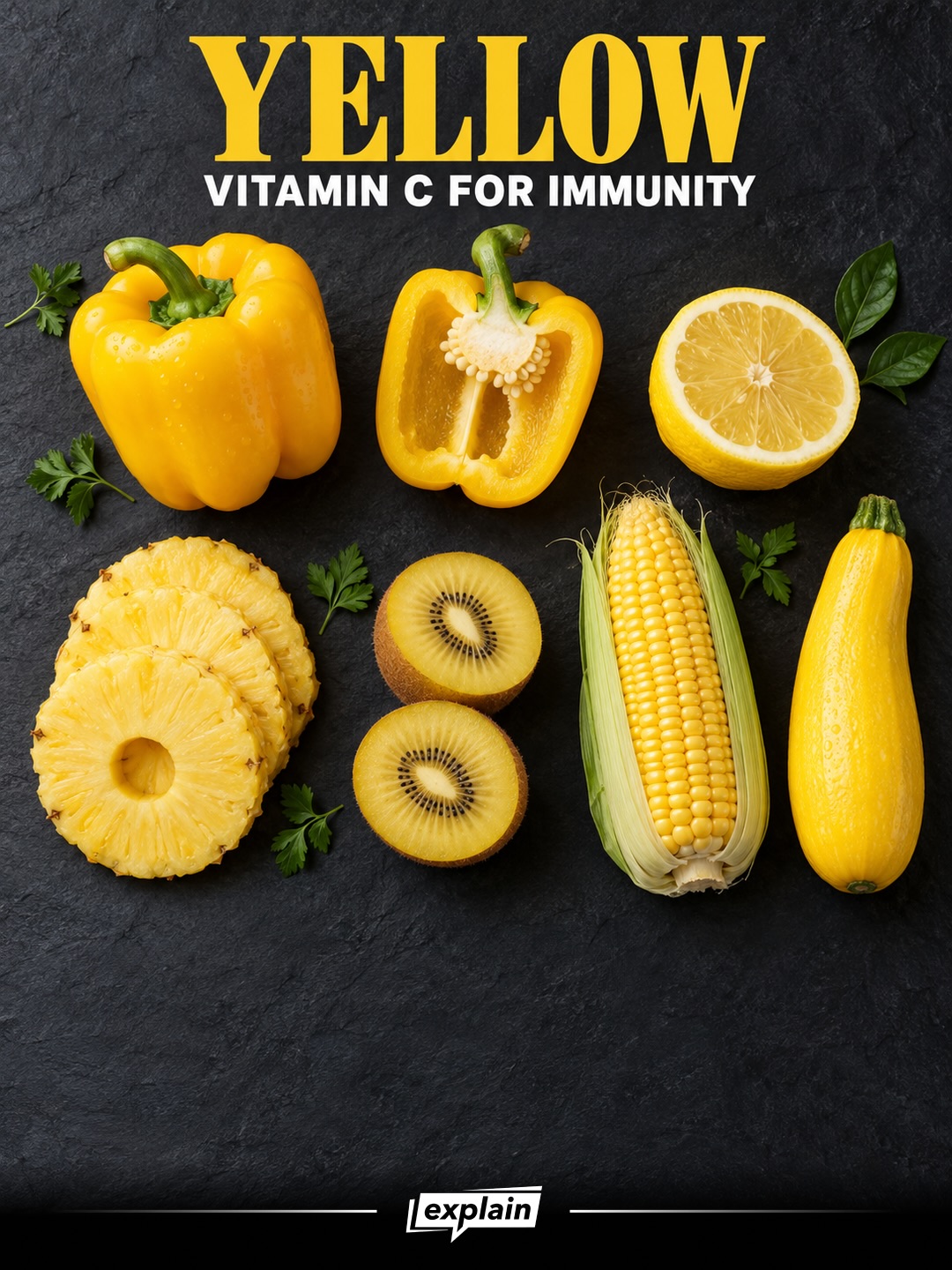
"מזונות צהובים המכילים ויטמין C תומכים במערכת החיסון."
מסקנת הבדיקה:
ויטמין C ידוע בספרות המדעית כרכיב חיוני התומך בתפקוד תקין של מערכת החיסון, ופירות וירקות צהובים רבים מהווים מקור תזונתי זמין לוויטמין זה.
chevron_right ודאות הפסיקה: גבוהה
מידת הביטחון של המערכת בפסיקה — לא אחוז הנכונות של הטענה. ביטחון נמוך פירושו שהראיות מעטות או סותרות.
chevron_right מקורות מדעיים: (2)
-
link
Lemon Juice and Peel Constituents Potently Stabilize Rat Peritoneal Mast Cells.
Lemons ( Using the differential-interference contrast (DIC) microscopy, we examined the effects of lemon juice and peel constituents, such as citric acid, ascorbic acid, hesperetin and eriodictyol, on the degranulation from rat peritoneal mast cells. Using fluorescence imaging with a water-soluble dye, Lucifer Yellow, we also examined their effects on the deformation of the plasma membrane. Lemon juice dose-dependently decreased the number of degranulated mast cells. At concentrations equal to or higher than 0.25 mM, citric acid, hesperetin, and eriodictyol significantly reduced the number of degranulating mast cells in a dose-dependent manner, while ascorbic acid required much higher doses to exert significant effects. At 1 mM, citric acid, hesperetin, and eriodictyol almost completely inhibited exocytosis and washed out the Lucifer Yellow trapped on the mast cell surface, while ascorbic acid did not. This study provides…
PubMed · PMID: 39230349
-
link
Profile of the Bioactive Compounds, Minerals, Antioxidant and Antimicrobial Properties of Coloured Cherry Tomatoes at Different Stages of Ripeness.
Cherry tomatoes are recognised for their nutritional value and for being an important source of bioactive compounds. The aim was to evaluate the effect of ripening on the commercial quality, mineral composition, bioactive compounds, and antioxidant and antimicrobial activity of five differently coloured cherry tomato accessions. The bioactive compounds were quantified using rapid-resolution liquid chromatography, and antioxidant activity was measured by microplate spectrophotometry. The results showed significant differences among accessions and ripeness stages. Thus, the highest concentrations were 5263.7 mg/100 g DW for potassium, 469.3 mg/100 g DW for vitamin C, and 5866.5 mg/100 g DW for total organic acids, 46.2 mg/100 g DW for anthocyanins, 1073.7 mg/100 g DW for total carotenoids, 1447.7 mg/100 g DW for total phenolic compound, and 4.7 mmol TE/100 g DW for DPPH antioxidant activity. The crude ethanolic extracts showed moderate inhibitory effects against <i>Escherichia coli</i>, <i>Staphylococcus aureus</i>, <i>Pseudomonas aeruginosa</i> and <i>Streptococcus mutans</i>, with minimum inhibitory concentrations ranging from 1.95 to 83.96 mg/mL. However, no activity was observed against <i>Candida albicans</i> or <i>Candida tropicalis</i>. Taken together, these results demonstrate the high nutritional and functional potential of cherry tomatoes grown in Ecuador.…
PubMed · PMID: 42737327

Explain
דירוג זה מבוסס על 14 דוחות אימות קודמים.

האם הדוח הזה היה מועיל לך?
מה היה פחות טוב? (רשות)
תודה על הפידבק!
עירעור על דוח זה
ספקו ראיות חדשות או הצביעו על אי דיוקים
נעדכן אותך על תוצאות הבדיקה
הוסיפו קישורים למחקרים או מקורות רפואיים מוכרים
העירעור נשלח בהצלחה!
המנוע המדעי שלנו יבדוק את הראיות שהגשתם. נעדכן אתכם באימייל עם התוצאות.
ניתוח מבוסס בינה מלאכותית
דוח זה נוצר באופן אוטומטי על ידי מערכת בינה מלאכותית ועשוי להכיל שגיאות, אי-דיוקים או מידע חלקי. הניתוח אינו מהווה ייעוץ רפואי, אבחנה או המלצה לטיפול, והוא אינו תחליף לדעתו של איש מקצוע רפואי מוסמך. יש להתייעץ עם רופא או מומחה מוסמך לפני קבלת כל החלטה רפואית. המידע מוצג לצרכי מידע כללי בלבד.
מידע זה מופק על ידי בינה מלאכותית ואינו מהווה תחליף לייעוץ רפואי מקצועי.